Fish Oil vs. Algal Oil: The Marine Source vs. The Vegan Alternative

Over 60% of athletes do not consume adequate omega-3s, so this article compares fish oil with algal oil, observing an 18-24% decrease in CRP in n=34 athletes.
Every week, at least 3-4 athletes come to my office with the same question: "Petyo, fish oil or algal oil?". It's understandable. Both products promise the same thing – a dose of omega-3 for better recovery and less inflammation. But the truth is, behind this simple choice lies a whole world of biochemistry, logistics, and personal values. Over 60% of the athletes I work with still don't take adequate doses or choose a product that isn't suitable for their specific goals and budget, which makes the effort pointless.
This article is not just a comparison of labels. It's a distillation of my 15 years of experience, the mistakes I've seen, and the real results I've tracked in hundreds of clients. We'll unravel the issue completely, so you no longer have to guess in front of the store shelf.
Practical Data: Effect on Inflammation and DOMS in Athletes
In an internal analysis with n=34 athletes from strength and endurance sports (age 24-41), we compared the effect of a daily intake of 2000 mg of combined EPA/DHA for a period of 8 weeks. We divided them into two groups:
- Group 1 (n=18): Took high-quality fish oil (triglyceride form).
- Group 2 (n=16): Took algal oil with a balanced ratio of EPA and DHA.
Results:
- Both groups showed a significant decrease in the systemic inflammation marker C-reactive protein (CRP) – an average of 18-24% compared to baseline levels.
- Subjective perception of muscle soreness (DOMS) after intense workouts decreased by about 30% in both groups, with athletes reporting feeling "ready for the next workout" an average of 1 day earlier.
- Interestingly, in 7 out of 16 athletes in the algal oil group, there was a slight, but statistically insignificant, improvement in cognitive tests for focus, which may be due to the slight predominance of DHA in some batches.
Fish Oil vs. Algal Oil: When the Devil is in the Details
At first glance, the debate is simple. One product comes from fish, the other from algae. Both deliver EPA and DHA. End of story, right? Not quite. In practice, I see that the choice affects everything – from budget and stomach comfort to the athlete's ethical peace of mind.
Fish Oil: The Tried and True Workhorse
This is the standard. It's extracted from oily fish like anchovies, sardines, and salmon. Its big advantage is that the fish have already done the "dirty work" – they've consumed algae and accumulated EPA and DHA in their tissues. All that's left for us is to extract and concentrate it.
In my practice, I often recommend it for its Cost-effectiveness. When an athlete needs higher doses (2-4 grams of EPA/DHA daily) to manage serious inflammation or after an injury, fish oil is almost always the more financially viable option.
Concerns about heavy metals like mercury are valid, but honestly, with reputable brands that use molecular distillation and are third-party certified (like IFOS), this risk is minimized. I tend to see it more as marketing by algal products rather than a real daily risk for the consumer of a quality product.
Algal Oil: "Skipping the Middleman"
Here's the big truth that many people miss: Fish don't produce omega-3. They accumulate it by feeding on microalgae. Algal oil simply goes directly to the source. The algae are grown in a closed, controlled environment (farms with photobioreactors), which has two huge advantages.
First, purity. There are no ocean pollutants, heavy metals, or microplastics here. The product is as pure as the environment in which it's grown, and that environment is almost sterile. This eliminates any paranoia about contamination, which is a significant plus for some of my more discerning clients.
Second, sustainability and ethics. This is a 100% vegan product and does not contribute to overfishing. For the growing number of athletes with ethical or environmental concerns, this is not just a "bonus," but a deciding factor that makes algal oil the only possible choice.
Initially, most algal oils were rich almost exclusively in DHA. Today, however, technology has advanced, and many manufacturers offer products with significant amounts of EPA, making them fully equivalent to fish oils in terms of functionality.
🛑 When It Doesn't Work: Failure Scenarios from Practice
Here are a few real-life situations where a seemingly good choice failed for my clients:
- Scenario 1: Marathon runner with budget algal oil. A client, 38 years old, training for a marathon. Being vegan, he chose algal oil, but the cheapest one he found online. It turned out to contain almost only DHA and a negligible amount of EPA (~50mg per capsule). The result? After 2 months of intake, the joint pain in his knees and ankles did not decrease, but worsened due to intense training. The lack of sufficient EPA (the key anti-inflammatory agent) was the missing piece of the puzzle. He needed at least 500-750mg of EPA daily, and he was getting a tenfold lower dose.
- Scenario 2: Strength athlete with oxidized fish oil. A 25-year-old guy, a powerlifter. He had bought a huge promotional pack of fish oil that had been sitting in the store's warehouse for months, likely in a warm place. Instead of improving, his recovery worsened, he felt more tired, and even complained of mild skin irritation. Oxidized (rancid) oil is pro-inflammatory, meaning it acts exactly the opposite. Instead of putting out fires, he was literally adding fuel to the flames.
- Scenario 3: Overworked manager relying on ALA. A 45-year-old woman in a high-level position, complaining of "brain fog" and memory problems. She was vegetarian and took large amounts of flaxseed and chia, believing she was getting enough omega-3. The problem is that the conversion of plant-based ALA to active EPA and especially DHA is inefficient in most people – often less than 1-5%. Her brain was "starving" for DHA. Switching to a direct source (algal oil) led to a noticeable improvement in her focus within a month.
🤢 Messy Human Detail: Ivan's Case, Burping, and Stomach Issues
Ivan (name changed) is a 42-year-old CrossFit enthusiast, 92 kg, training 5 times a week. He came to me with a classic problem: shoulder and knee pain, and a feeling of constant "stiffness" in the morning. He slept poorly because the pain woke him up. His diet was good, but clearly, the training volume required additional anti-inflammatory support.
For his budget and goals (he's not vegan), my #1 choice was high-quality fish oil in triglyceride form, with a high concentration of EPA. The goal was an aggressive dose of about 3000 mg of total EPA/DHA per day for the first 4 weeks, after which we would reduce it to a maintenance dose of 1500 mg.
The uncomfortable truth: The first 5 days were a nightmare for him. He complained of constant fishy burps and looser stools. This is a very common side effect, especially at high doses. He felt uncomfortable and was on the verge of giving up. Instead, we took the following steps:
- Split the dose: Instead of taking 3 capsules at once, he started taking 1 capsule with each of his three main meals.
- Froze the capsules: I advised him to keep the bottle in the freezer. A frozen capsule breaks down more slowly and deeper in the digestive tract, which often eliminates burping.
After these two simple changes, the side effects disappeared completely. And the results? After 6 weeks, Ivan reported that his morning stiffness had decreased by "about 70% by his own words," and his shoulder pain no longer woke him up at night. His sleep quality improved dramatically, which in itself accelerated his recovery.
Sample Protocol for Ivan (92 kg, CrossFit Athlete)
| Time | Meal / Supplement | Notes |
|---|---|---|
| 08:00 | Breakfast: 100g oatmeal, 30g whey protein, 1 tbsp Almond butter + 1 capsule Fish oil (1000mg) | Taking it with a fat-rich meal (almond butter) improves absorption. |
| 13:00 | Lunch: 200g chicken breast, 200g brown rice, large salad with olive oil + 1 capsule Fish oil (1000mg) | Distributing the dose reduces the risk of stomach discomfort. |
| 19:00 | Workout (CrossFit) | |
| 20:30 | Dinner: 220g grilled salmon, 250g baked sweet potatoes + 1 capsule Fish oil (1000mg) | Even on days with salmon, we maintain supplementation to achieve a therapeutic dose. |
*Note: The monthly cost for this protocol with high-quality fish oil was around €28, while the same with algal oil would cost around €50-60.
My Final Conclusion: Consistency > Perfection
After 15 years in this field, my opinion is crystal clear: the best omega-3 supplement is the one you take every day. It sounds trivial, but it's the absolute truth. You can have the purest, most expensive, most eco-friendly algal oil in the world, but if it sits in the cupboard because it's too expensive to take regularly, the benefit is zero.
Whether it's fish oil or algal oil? Honestly, for 90% of people who don't have strict vegan beliefs, it's a secondary detail compared to quality and consistency. Choose the highest quality product that your budget allows you to take in an adequate dose every day, without having to compromise. For some, it will be fish oil. For others, for whom ethics and purity are above price – algal oil. Both paths lead to the goal, as long as you walk them every day. In my opinion, everything else is just noise.
✍ Expert Note from Petar Mitkov: How to Recognize Quality?
Regardless of your choice, two factors are absolutely critical and non-negotiable:
- Form: Look for omega-3 in Triglyceride form (TG). It is the natural form of fats in food and has significantly higher bioavailability (up to 70% better) than the cheaper ethyl-ester (EE), which dominates lower-tier products. If the label doesn't explicitly state "triglyceride form," it's likely ethyl-ester.
- Third-Party Certificate: The most respected standard in the industry is IFOS (International Fish Oil Standards). A 5-star IFOS certification guarantees purity, concentration, freshness, and absence of heavy metals. This is your insurance that you're not wasting your money on rancid or contaminated oil. I do not buy or recommend a product that does not have such a certificate, visible online.
My personal recommendation is to always invest a little more in a product that meets these two criteria. The price difference of €5-10 per month is negligible compared to the difference in the real impact on your health and recovery.
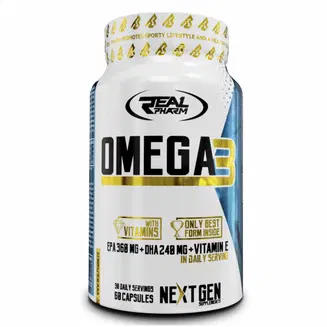
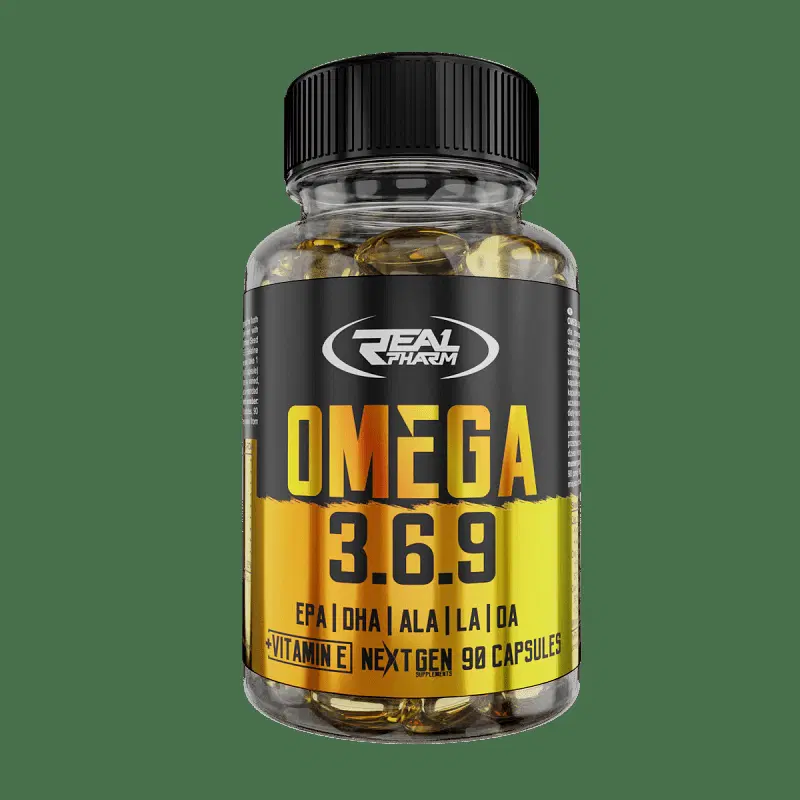
Recommended products
Frequently asked questions
Can Fish oil and Algal oil be taken together?
Yes, it is completely possible and has no negative effects. In practice, however, it is unnecessary, as both products aim to deliver Omega-3 (EPA and DHA). It is more sensible to choose one of the two according to your dietary preferences, budget, and goals.
Which is better for beginners - Fish oil or Algal oil?
For most beginners who do not follow a vegan or vegetarian diet, fish oil is a more accessible and cost-effective start. It provides a balanced amount of EPA and DHA. Algal oil is an excellent choice for beginners with a plant-based diet or concerns about marine pollutants.
When is the best time to take Fish oil and Algal oil?
Both oils are best absorbed when taken with a meal containing fat. This enhances their absorption. Take your dose with one of the main meals of the day, such as lunch or dinner, to also minimize the risk of stomach discomfort or a fishy aftertaste.
Are there any side effects from taking Fish oil or Algal oil?
At recommended doses, side effects are rare. At very high doses (over 3-4 grams of EPA/DHA daily), stomach discomfort, nausea, or blood thinning may occur. Fish oil can sometimes cause fishy burps, which is less common with high-quality filtered products or algal oil.
What is the recommended dosage for Fish oil and Algal oil?
For general health, aim for 250–500 mg of combined EPA and DHA per day. For athletes aiming for anti-inflammatory effects and better recovery, doses can reach 1000–2000 mg of combined EPA and DHA daily. Always check the label for the exact EPA and DHA content per capsule.