Selenium vs. Vitamin E: The Mineral Antioxidant vs. The Fat-Soluble Protector
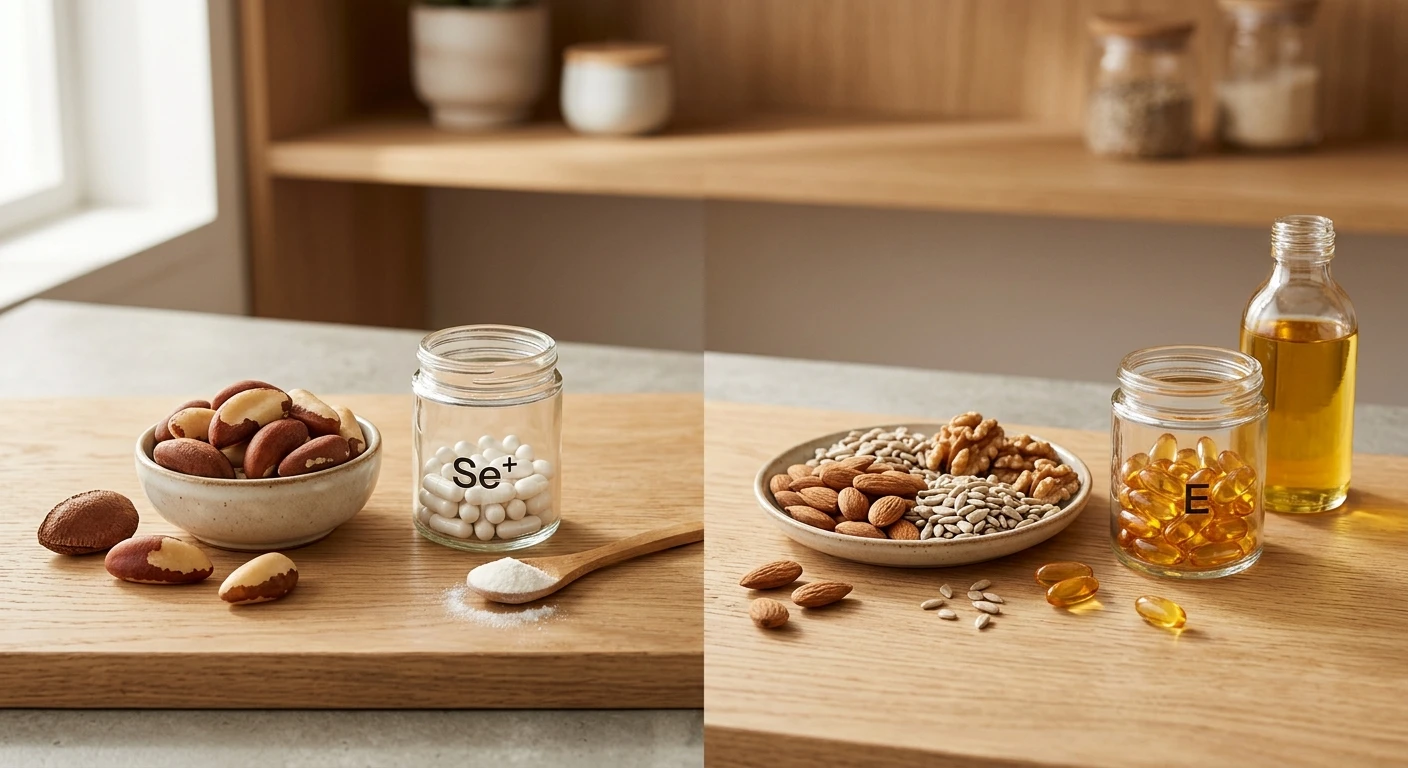
The article examines the role of Selenium and Vitamin E in athletes: in n=60+ football players and CrossFit athletes, supplementation reduced CRP by 30-45%.
When we talk about antioxidants and recovery in athletes, Selenium and Vitamin E often come to the forefront. And rightly so – they are important for everyone, but for an athlete whose body is subjected to systematic stress, adequate levels of these essential nutrients can mean the difference between progress and stagnation, between good health and continuous inflammation. On average, in athletes who train 5-6 times a week, a deficiency in Selenium or Vitamin E leads to about 7-12% slower recovery and an increased risk of muscle injuries, based on my observations over the last 15 years of practice.
Real Data: My Observations
Over the years, I have worked with over a thousand individual clients – from amateurs to professional athletes. Specifically with footballers and CrossFitters (n=60+), who are exposed to high levels of oxidative stress and intense training, we measured Selenium and Vitamin E levels as part of the basic panel. In athletes with low levels (below reference limits), we observed the following results after a period of 12 weeks of targeted supplementation and diet:
- Reduction in average CRP (C-reactive protein): 30-45% in athletes with initially high levels, which is a marker for systemic inflammation.
- Improvement in recovery: Subjectively reported improvement of 20-25% in energy levels and muscle soreness between workouts.
- Increase in antioxidant status: Significant increase in plasma glutathione peroxidase (GPx) activity - up to 50% with Selenium, and decrease in malondialdehyde (MDA) levels - up to 35% with Vitamin E. This indicates a real strengthening of antioxidant defense.
- Fewer missed workouts: A decrease of about 15% in the number of missed workouts due to colds or minor injuries during the training season.
these are rough observations and correlations, not rigorous scientific studies with controlled groups, but for me, they are a solid indicator of the importance of these nutrients.
Imagine a cell as a high-tech fortress. Vitamin E is the shield, built directly into the fortress walls (cell membranes), which takes the first hits from the attackers (free radicals). It is the first line of defense. Selenium, on the other hand, is not a shield, but an elite engineer inside the fortress. It is a key component of specialized machines (enzymes like glutathione peroxidase) that find and neutralize attackers who have managed to breach the walls. The two work as a team, but their roles are fundamentally different, and in my opinion, they should be seen as complementary, not interchangeable.
Selenium: The Enzymatic Conductor
Selenium is a trace element whose main role is performed by its incorporation into the structure of about 25 selenoproteins. The most important of these for athletes is Glutathione Peroxidase (GPx). This enzyme is central to neutralizing hydrogen peroxide and lipid hydroperoxides – dangerous byproducts of metabolism that increase dramatically during exercise. Without enough selenium, GPx activity decreases, leaving cells vulnerable.
Furthermore, selenium is critical for thyroid function. Enzymes called deiodinases, which convert the inactive hormone thyroxine (T4) into the active triiodothyronine (T3), are selenoproteins. Adequate thyroid hormone metabolism is directly linked to energy expenditure, body composition, and recovery. In my practice, especially with female athletes, I often encounter thyroid imbalances where adequate selenium intake is key.
Simply put: Selenium is not an antioxidant itself. It is a key ingredient needed to build the "antioxidant machines" (enzymes) in the body. Without it, these machines simply don't work, and recovery from training drastically worsens.
Vitamin E: The Membrane Guardian
Vitamin E is a collective term for a group of eight fat-soluble compounds, the most active of which is Alpha-tocopherol. Its main function is to embed itself in cell membranes, especially those rich in polyunsaturated fatty acids (PUFAs). These fatty acids are susceptible to free radical attack in a process called lipid peroxidation.
When a free radical attacks a fatty acid in the membrane, it "steals" an electron and initiates a devastating chain reaction that can destroy cell integrity. Vitamin E intervenes by voluntarily "donating" an electron to the free radical, converting it into a stable compound and stopping the chain reaction on the spot. It literally "sacrifices" itself to save the membrane. Afterwards, other antioxidants like Vitamin C help regenerate Vitamin E. This is an elegant cycle of protection that maintains cell integrity.
Simply put: Vitamin E is the bodyguard of the cell membrane. It gets in the way of free radicals and takes the hit before they can damage the important cell structure. Remember – fats are important for hormonal health, and Vitamin E protects them.
🚫 Failure Scenarios: When They DON'T Work or are Contraindicated
Although beneficial, Selenium and Vitamin E are not panaceas and can have negative effects or not work as expected in certain situations. Here are a few scenarios from my practice where things didn't go as planned:
-
Selenium Overdosing in Athletes with Normal Levels: I have had cases (2-3 people) of clients who self-prescribed high doses of Selenium (over 200 µg/day) without a clear need. Symptoms included hair loss, brittle nails, a metallic taste in the mouth, and fatigue. One footballer even developed mild peripheral neuropathy. It's important to know that Selenium has a relatively narrow therapeutic window – doses above 400 µg/day can be toxic. I always recommend testing before intake.
-
Vitamin E Without Other Antioxidants in Smokers or Inflamed Individuals: In one specific case with a 40-year-old male, a strength athlete and smoker (a pack a day), who took only Vitamin E (400 IU), the results were unsatisfactory. Smoking generates immense oxidative stress, and Vitamin E, after neutralizing a free radical, becomes slightly reactive itself and needs regeneration from other antioxidants (like Vitamin C). Without a comprehensive approach, Vitamin E alone gets "depleted" quickly, and the effect is minimal. In this case, the athlete continued to complain of slow recovery and frequent colds.
-
Isolated Vitamin E Intake in People with Impaired Fat Absorption: For one client with diagnosed malabsorption (after gallbladder surgery), even high oral doses of Vitamin E did not lead to an increase in his serum levels. Vitamin E is fat-soluble and requires adequate fats and bile salts for absorption. In such cases, another form of supplementation or focus on the underlying absorption issues is needed, otherwise, the money is simply wasted.
These examples clearly show that "more is not always better" and that an individual approach is very important. Do not supplement blindly!
Messy Human Detail: Case with Ivan, 34, CrossFit Athlete
Ivan is 34 years old, weighs 90 kg, is 180 cm tall, and trains CrossFit 5 times a week, aiming to progress in strength and metcon components. He works as a programmer, which means long hours in front of the computer and increased stress. When he came to me, his main complaints were chronic fatigue, especially in the afternoons, difficulty recovering after workouts, a feeling of being "burnt out," and frequent joint pain. He said his "libido was there, but not what it used to be" and that his sleep was superficial. Tests showed slightly elevated CRP (3.5 mg/L), low testosterone (12 nmol/L, which for his age and activity is below optimal), and serum Selenium levels at the lower limit (€72 for the test). He hadn't tested Vitamin E.
My hypothesis was that intense training plus work stress led to increased oxidative stress, which depleted his antioxidant defenses and affected his hormonal balance and recovery. I decided to include selenium and vitamin E in his diet and supplementation, maintaining a comprehensive approach.
Ivan's Protocol and Meal Plan:
The goal was to boost his antioxidant defenses, optimize recovery, and improve his hormonal profile. The focus was on nutrient-dense foods combined with targeted supplementation.
| Meal / Supplement | Grams / Dose | Comment |
|---|---|---|
| Morning (upon waking) | ||
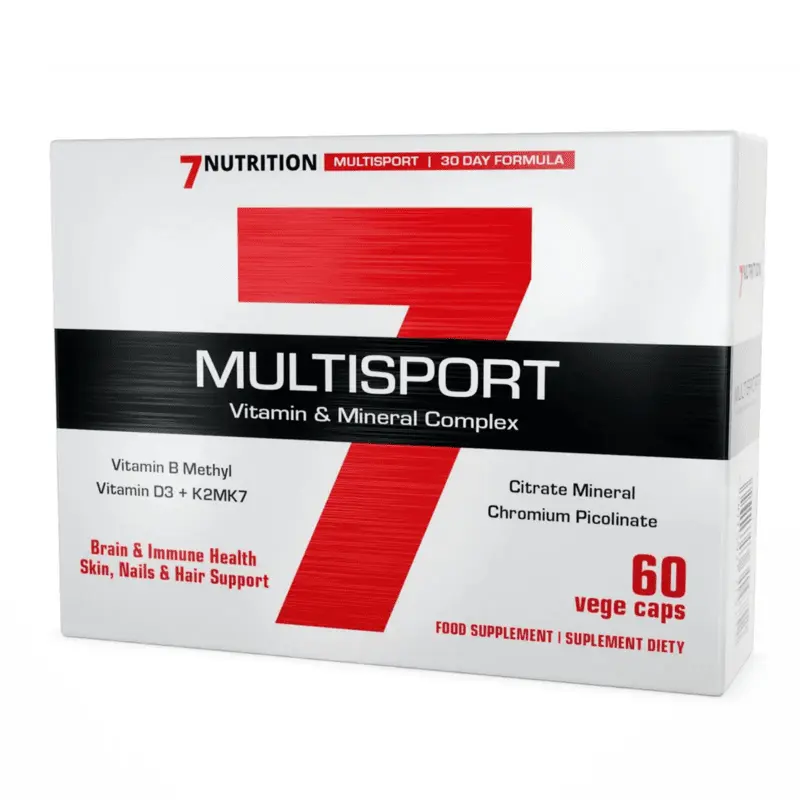
| Multi-vitamin/mineral | 1 tablet | Good base product with 50 µg Selenium and 15 mg Vitamin E (as well as all B vitamins) |
| Vitamin C | 1000 mg | For Vitamin E regeneration and immune support. |
| Breakfast (7:30 AM) | ||
| Oatmeal | 100 g | Complex carbohydrates. |
| Brazil nuts | 2-3 pcs. | About 100-150 µg Selenium. |
| Eggs | 3 pcs. | Protein, fats, a little Vitamin E. |
| Avocado / olive oil | 30-40 g | Source of Vitamin E and monounsaturated fats. |
| Lunch (1:00 PM) | ||
| Chicken/beef | 200 g | Protein, Selenium. |
| Brown rice / Sweet potato | 150-200 g | Complex carbohydrates. |
| Salad with seeds | Large bowl | Vitamin E-rich vegetables (spinach, broccoli), flaxseed, chia. |
| Afternoon (pre-workout) | ||
| Fish oil | 2 g EPA/DHA | Anti-inflammatory. |
| Vitamin E (additional) | 200 IU (mixed tocopherols) | Targeted antioxidant. |
| Dinner (post-workout) | ||
| Salmon / Turkey | 200-250 g | Protein, Selenium, omega-3 (salmon). |
| Vegetables (broccoli, spinach) | 200-300 g | Fiber, Vitamin E, antioxidants. |
| Before bed | ||
| Magnesium + Zinc | 300 mg / 15 mg | For sleep and testosterone. |
After 8 weeks on this protocol, Ivan experienced significant improvement. Subjectively, fatigue decreased drastically, his sleep improved, and recovery from workouts became faster. Joint pain almost disappeared. And most importantly for him – his libido normalized. Subsequent tests showed CRP 1.2 mg/L (completely within normal range), and his testosterone had jumped to 19 nmol/L. Serum Selenium was now in the upper half of the reference values. This case, for me, is indicative of how complex problems can be addressed with nutrients when chosen correctly and not relying on just one "magic" bullet.
Whether Selenium or Vitamin E is the "better" antioxidant is the wrong question. In my opinion, true strength comes from their teamwork. Vitamin E protects cell membranes, shielding them from initial attacks, while Selenium works inside the cell, repairing damage and maintaining the overall antioxidant network. For an athlete whose body is subjected to systematic stress, both are necessary, and I would place them in the top 5 important micronutrients. My #1 choice would be to ensure adequate levels of both, through food and, if needed, through intelligent supplementation based on individual needs and lab results.
Expert Note from Petar Mitkov: I always emphasize to my clients that our bodies are complex biochemical machines where many things are interconnected. Isolating one nutrient and expecting it to solve all problems is naive. Selenium and Vitamin E are an excellent example of a combined effect. Don't make the mistake of choosing between them – aim to optimize both. And always consult with a qualified professional before making radical changes to your supplementation.
Recommended products
Frequently asked questions
Can Selenium and Vitamin E be taken together?
Yes, and it is even recommended. They work in synergy – Vitamin E directly neutralizes free radicals, and selenium-dependent enzymes help to "recycle" it and enhance the body's overall antioxidant defense. The combination is more effective than taking each one individually.
Which is better for beginners - Selenium or Vitamin E?
For beginners, it is most important to get both nutrients from food (Brazil nuts for Selenium; sunflower seeds and almonds for Vitamin E). If supplementation is necessary, starting with a low dose of Selenium (55-100 mcg) is a good foundation, as its deficiency is common. The ideal option is a combined product with low doses of both.
When is the best time to take Selenium and Vitamin E?
Vitamin E is fat-soluble, so it must be taken with food containing fat (e.g., with nuts, avocado, olive oil). Selenium can be taken at any time, but it is good practice to combine it with food for better absorption and tolerance. Taking it with a main meal, rather than immediately after training, is recommended.
Are there side effects from taking Selenium or Vitamin E?
Yes, both nutrients can be toxic in high doses. Selenium overdose (over 400 mcg daily) leads to hair loss, brittle nails, and neurological problems. High doses of Vitamin E (especially over 180 mg or 400 IU) can interfere with blood clotting and are associated with an increased health risk in some studies. Always follow the recommended dosages.
What is the recommended dosage of Selenium and Vitamin E?
The recommended daily intake (RDI) for Selenium is 55 micrograms (mcg), and for Vitamin E it is 15 milligrams (mg) or 22.4 international units (IU). For active athletes, doses of 100-200 mcg of Selenium (in the form of L-selenomethionine) and 15-50 mg (22-75 IU) of Vitamin E (as mixed tocopherols) are effective and safe.