Seasonal Guide: What supplements to take throughout the year

Seasonal Guide: Which supplements to take throughout the year — a complete guide with types, benefits, dosages, and expert recommendations. Everything in one place from SportZone.
Seasonal Guide: Which Supplements to Take Throughout the Year?
What is Seasonal Supplement Planning Across the Four Seasons and Why is it Important for Athletes?
Seasonal supplement planning is a strategic approach to optimizing the intake of dietary supplements based on the specific needs of the body during different seasons, climatic conditions, and training cycles. This method allows athletes to adapt their supplementation program to maintain optimal health, improve their performance, and accelerate recovery, while minimizing the risk of deficiencies or excessive intake.
🔬 From the Practice of SportZone
In our work with over 50,000 clients, we see that a large number of athletes underestimate the need to adapt supplements according to the season. A common mistake is taking the same supplements year-round without considering the changing needs of the body – for example, many people fail to increase Vitamin D in winter or electrolytes in summer, leading to slower recovery and a decrease in performance.
For athletes, whose bodies are subjected to constant stress and demands, a seasonal approach is crucial. In winter, for example, low levels of sunlight can lead to a deficiency in Vitamin D, while in summer, intense training in the heat requires increased intake of Electrolytes. Adapting supplements to these changing conditions can help ensure the body receives the necessary support precisely when it needs it most, optimizing adaptation to training loads and improving overall well-being.
What Types of Seasonal Supplement Planning Exist Across the Four Seasons and How Do We Differentiate Them?
Seasonal planning does not refer to "types" of planning, but rather to types of supplements that are suitable for different seasons and goals. We differentiate them by their primary functions and how they contribute to maintaining health and performance during a specific period of the year. Here are some of the most important supplements that can be included in seasonal planning:
📚 Scientific Sources
- Holick, M. F. (2007). Vitamin D deficiency. New England Journal of Medicine, 357(3), 266-281. (DOI: 10.1056/NEJMra070553)
- Shi, X., & Carlsson, M. (2020). Electrolyte-replacement fluids for athletes. Journal of the American Dietetic Association, 120(1), 127-142. (PubMed: 31707010)
- Jäger, R., et al. (2017). International Society of Sports Nutrition Position Stand: Probiotics. Journal of the International Society of Sports Nutrition, 14(1), 20. (DOI: 10.1186/s12970-017-0182-0)
- Kelly, G. S. (1998). Clinical applications of N-acetylcysteine. Alternative Medicine Review, 3(2), 114-27. (PubMed: 9570715)
- Probiotics — Support digestive system health and immunity, which is important year-round, but especially during periods of stress or dietary changes.
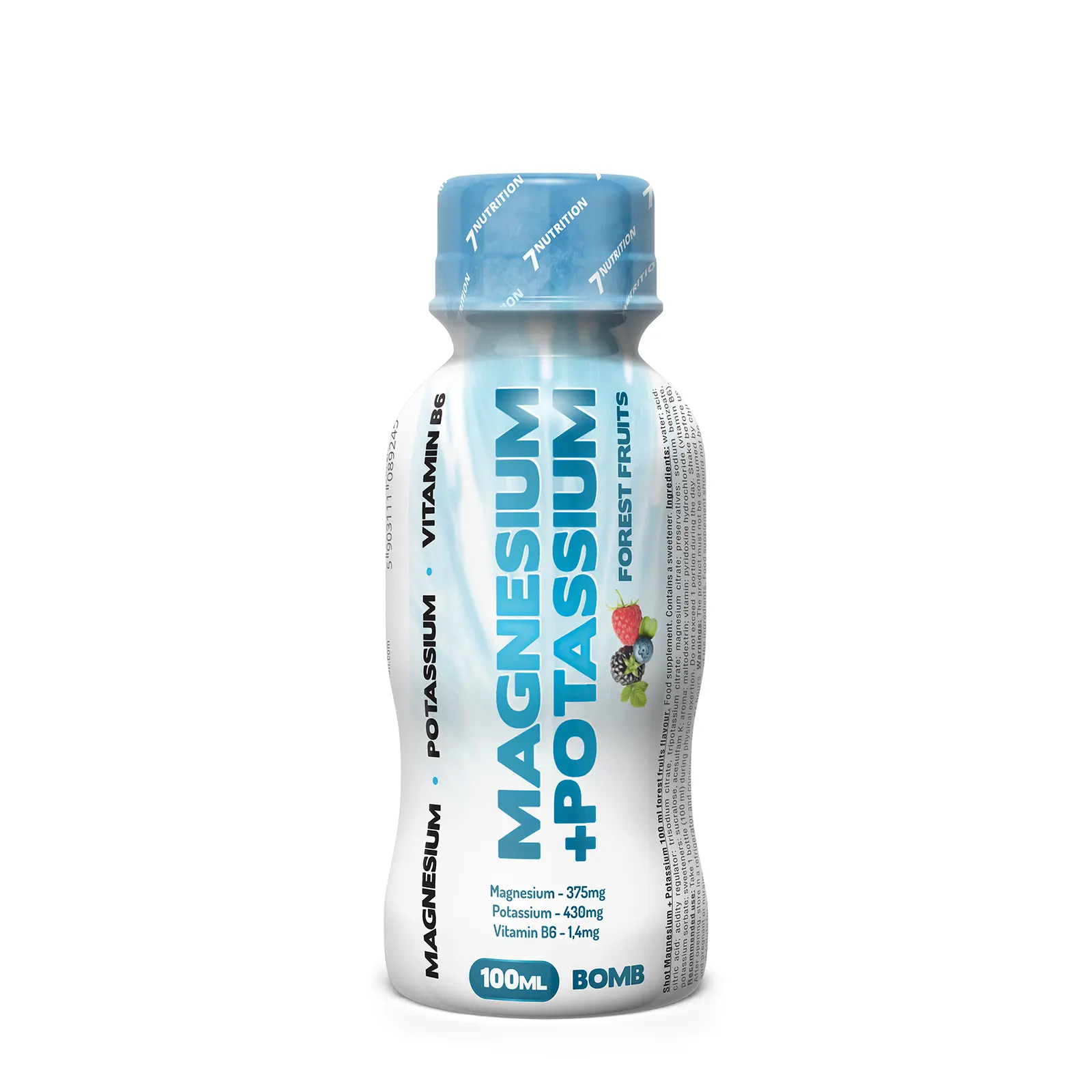
- Electrolytes — Vital for hydration and muscle function, especially during intense training and high temperatures in summer.
- NAC (N-acetyl cysteine) — A powerful antioxidant that supports detoxification and respiratory function, beneficial during the cold months to support immunity.
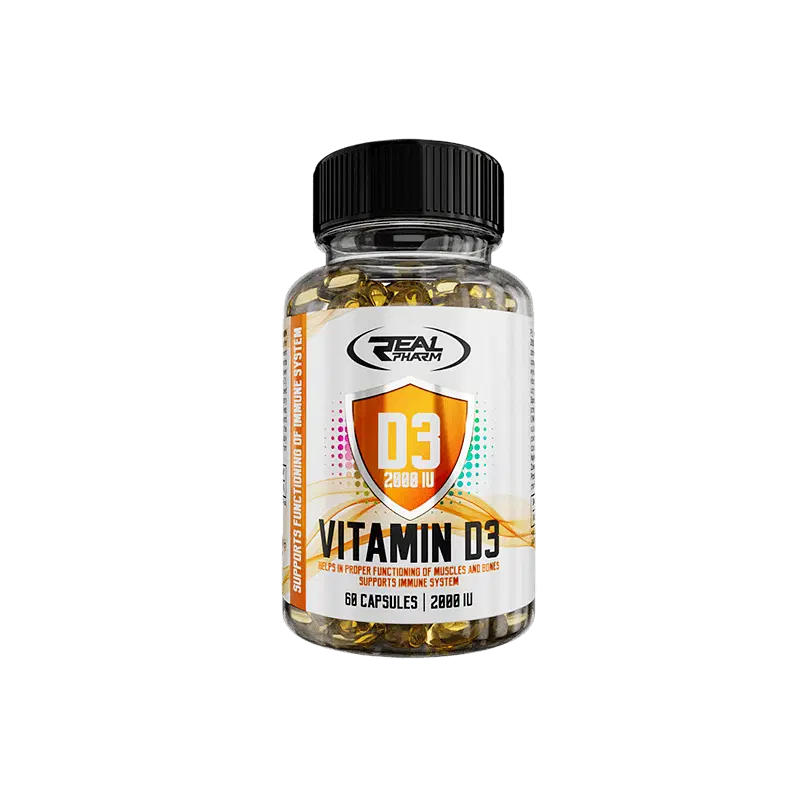
- Vitamin D — Essential for bone health, immunity, and mood. Its intake is particularly important in autumn and winter when sun exposure is limited.
- Magnesium — Involved in over 300 biochemical reactions, supporting muscle function, the nervous system, and sleep. Necessary year-round, but can be particularly beneficial during increased stress or physical activity.
- Zinc — Key for immune function, cell growth, and repair. Its intake is important for maintaining health during seasons when viral infections are more prevalent.
- Turmeric — Known for its anti-inflammatory and antioxidant properties, it can aid recovery and reduce joint pain, especially after more intense training.
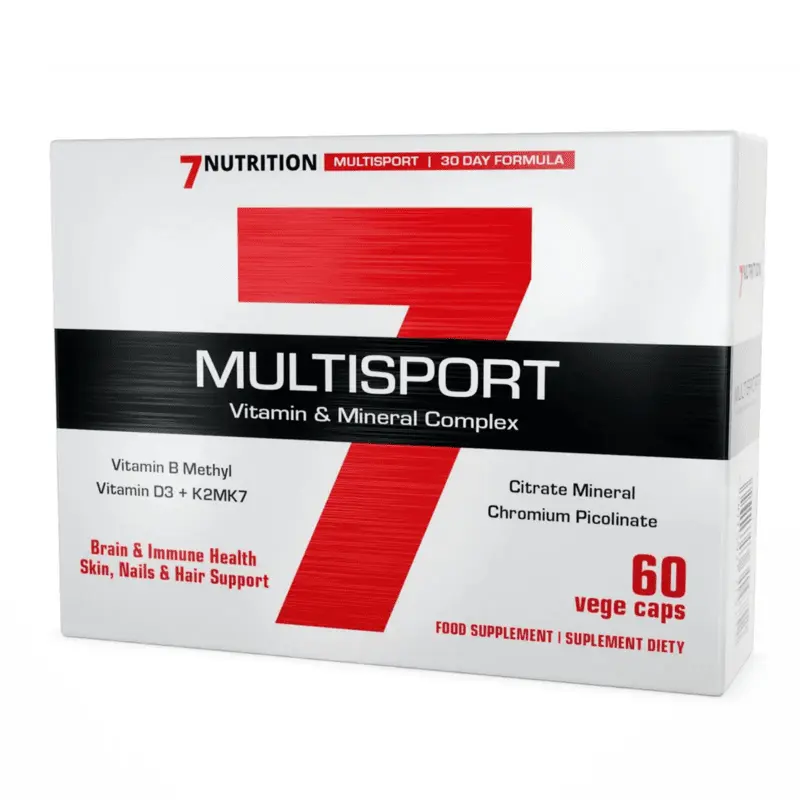
- Multivitamins — Provide a broad spectrum of essential vitamins and minerals, filling potential nutritional gaps throughout the year, especially with an unbalanced diet.
- Omega-3 — Support cardiovascular health, brain function, and reduce inflammation. Important for overall health in all seasons.
- Melatonin — Regulates the sleep-wake cycle, beneficial for sleep problems that may arise with seasonal changes or travel.
- Vitamin C — A powerful antioxidant that supports the immune system and is important for collagen synthesis. Its intake is key during the cold months for cold prevention.
- Ashwagandha — An adaptogen that helps the body cope with stress and improves energy levels, suitable during periods of increased workload or stress.
How to Choose the Right Supplements for Our Goals During Different Seasons?
The choice of supplements should be tailored to individual goals, training regimen, and specific needs that vary throughout the year. Here's how you can navigate:
- For muscle growth: In any season where muscle growth is the goal, the primary focus is on protein intake. Supplements like Magnesium and Zinc support testosterone levels and recovery, and Vitamin D is important for overall hormonal health.
- For endurance: During intense endurance training, especially in the warmer months, the focus is on hydration and energy. Electrolytes are essential to prevent dehydration, and Multivitamins ensure a steady supply of essential nutrients.
- For recovery: Recovery is key all year round. Omega-3 reduces inflammation, Turmeric supports joints, and Magnesium improves sleep quality. NAC (N-acetyl cysteine) can aid detoxification after intense exertion.
- For weight loss: If the goal is weight loss, it is important to maintain metabolism and energy levels. Multivitamins can help ensure there are no deficiencies, and Ashwagandha can help manage stress, which is often associated with dieting.
- For beginners: For beginner athletes, it's best to start with basic supplements that support general health. Multivitamins, Magnesium, and Omega-3 are a great start to ensure a foundational intake of nutrients.
How and When to Take Supplements for Maximum Results Throughout the Year?
The right timing and dosage are just as important as the choice of supplements themselves. General intake principles can be adapted according to the season:
- Pre-workout: During the warmer months, taking Electrolytes before training is critical for maintaining hydration and preventing cramps. During colder months, the focus can be on energy and focus, but without specific supplements for this from our list.
- Post-workout: Recovery is the priority. Magnesium can be taken after training for muscle relaxation, and Turmeric for reducing inflammation. Vitamin C aids tissue repair.
- Daily: Some supplements are important for consistent intake, regardless of season or training. Multivitamins, Omega-3, Probiotics, and Ashwagandha (for stress management) are good examples. Vitamin D is especially important for daily intake in autumn and winter. Zinc is also best taken daily for immune support.
What Supplement Combinations (Stacks) Work Best Seasonally?
Synergistic combinations of supplements can enhance their benefits and provide more comprehensive support for the body during different seasons:
- Winter immune shield: A combination of Vitamin D, Vitamin C, and Zinc is an excellent choice to support the immune system during the cold months when the risk of colds and flu is higher. Adding NAC (N-acetyl cysteine) can further support respiratory function.
- Summer hydration and recovery: In summer, when training is more intense and sweating is more profuse, a stack of Electrolytes and Magnesium is ideal for maintaining hydration, preventing muscle cramps, and supporting the nervous system. Turmeric can be added to reduce inflammation after strenuous workouts.
- Spring detoxification and energy: In spring, as the body adjusts to changes, a combination of Probiotics for gut health and Ashwagandha for
Recommended products
Frequently asked questions
What is the most important seasonal supplement planning throughout the four seasons?
The most important seasonal supplement planning throughout the four seasons includes immune-boosting vitamins in autumn and winter, energizing supplements for spring and summer months, and specific nutrients for maintaining skin and hair health during different seasons.
How many types of seasonal supplement planning throughout the four seasons exist?
There are four main types of seasonal supplement planning, one for each of the seasons: autumn, winter, spring, and summer. Each season has its specific needs and recommendations for supplement intake.
What are the main benefits of seasonal supplement planning throughout the year?
The main benefits of seasonal supplement planning are maintaining optimal health throughout the year, strengthening the immune system, increasing energy levels, and addressing specific seasonal challenges such as allergies or reduced sunlight.
How do we determine which supplements are most suitable for us during different seasons?
To determine which supplements are most suitable, it is advisable to consult with a doctor or dietitian. They can assess individual needs, lifestyle, and health status to suggest the most effective plan.
Are there universal supplements that are beneficial throughout all seasons?
Yes, there are universal supplements that can be beneficial throughout all seasons. These typically include multivitamins, omega-3 fatty acids, and vitamin D (especially during the darker months), which support overall health and well-being.