Pistachios vs. Cashews: Biochemical Optimization for the Athlete
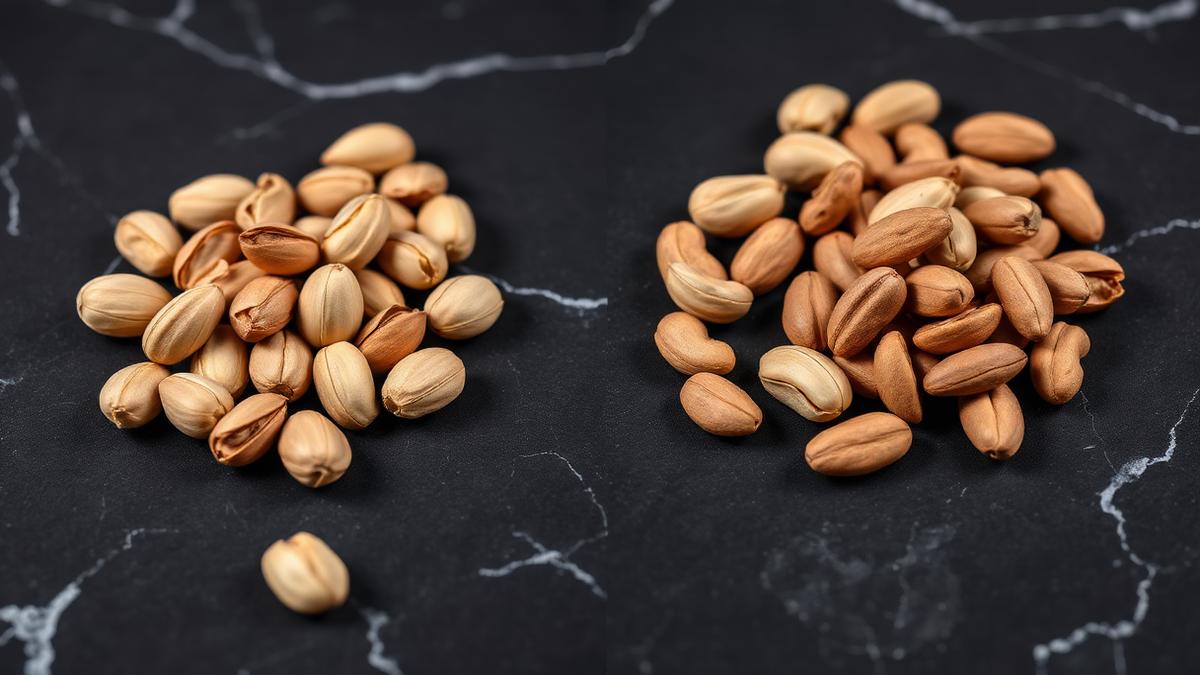
From muscle regeneration to tissue oxygenation. Pistachios provide a complete amino acid profile and potassium for electrolyte balance, while cashews provide copper, iron, and magnesium for oxygen transport and ATP.
From Muscle Regeneration to Tissue Oxygenation
🏋️ SportZone Insight: By 2026, sports nutritionists classify these nuts as "functional metabolites". The choice between them is not merely caloric, but strategic: pistachios focus on visual and structural recovery, while cashews target enzymatic support and nutrient transport.
🧬 In-depth analysis of mechanisms for athletes
Frequently asked questions
Why are pistachios considered a complete protein?
The FDA recognizes pistachios as a complete protein because they contain all 9 essential amino acids in optimal ratios. This makes them comparable to soy and whey protein for muscle synthesis.
How do cashews help prevent anemia in athletes?
Cashews are extremely rich in copper, which is necessary for iron absorption. The combination of copper + iron increases hemoglobin production and prevents anemia associated with heavy exertion.
Does the pistachio shell really help with weight control?
Yes. Research from Eastern Illinois University shows that eating pistachios with shells leads to 41% fewer calories consumed due to the visual cue of fullness and slower eating pace.
When is it better to consume cashews – before or after training?
Cashews are more suitable before endurance training, as copper and magnesium optimize oxygen transport and ATP production. For post-workout, pistachios are a better choice due to their complete amino acid profile.