Spinal erectors — back erector muscles
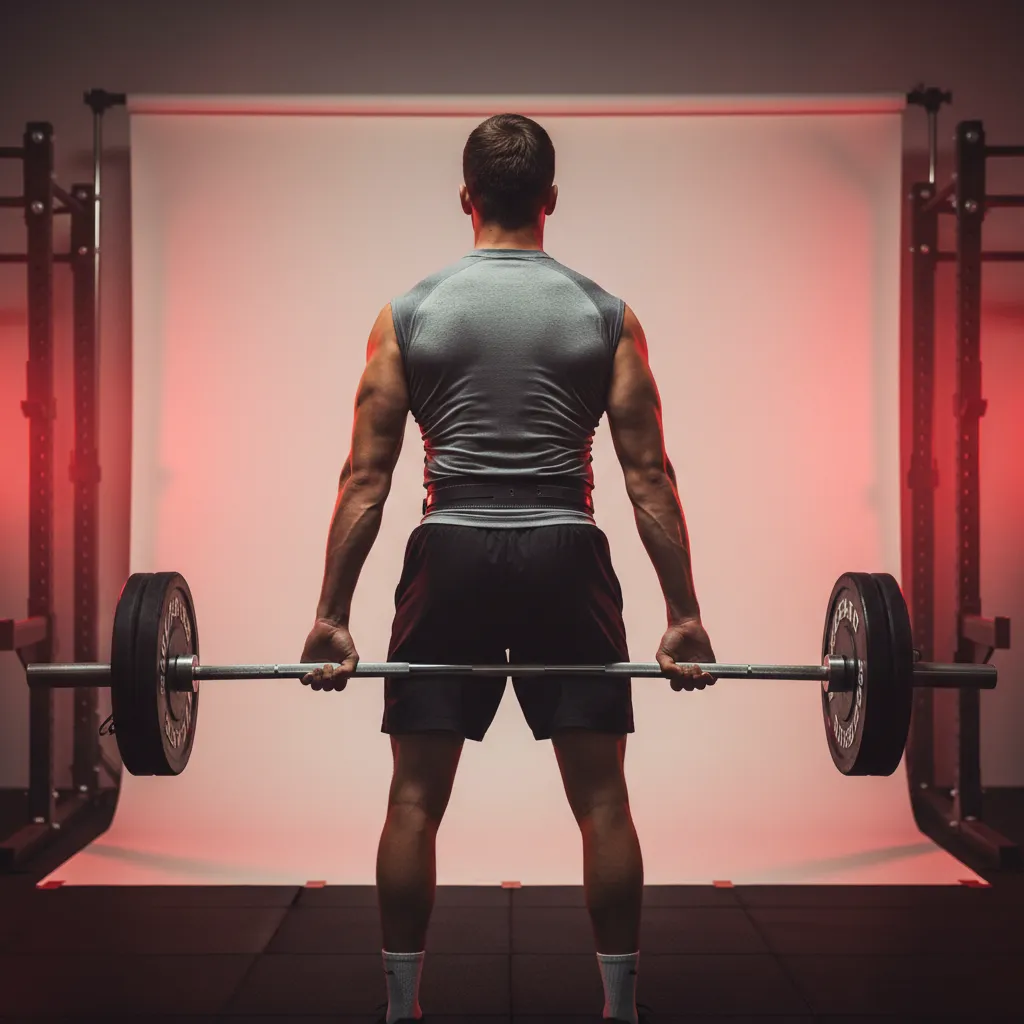
This article examines the anatomy, function, and importance of the spinal erectors. You will learn how to train them effectively for a stronger back and better posture.
Spinal erectors is a collective term for a group of muscles, also known as erector muscles or spinal erector muscles (Erector Spinae). They extend along the entire spine, from the sacrum to the base of the skull, and play a critical role in maintaining an upright posture, spinal movement, and torso stabilization.
Anatomy and Constituent Muscles
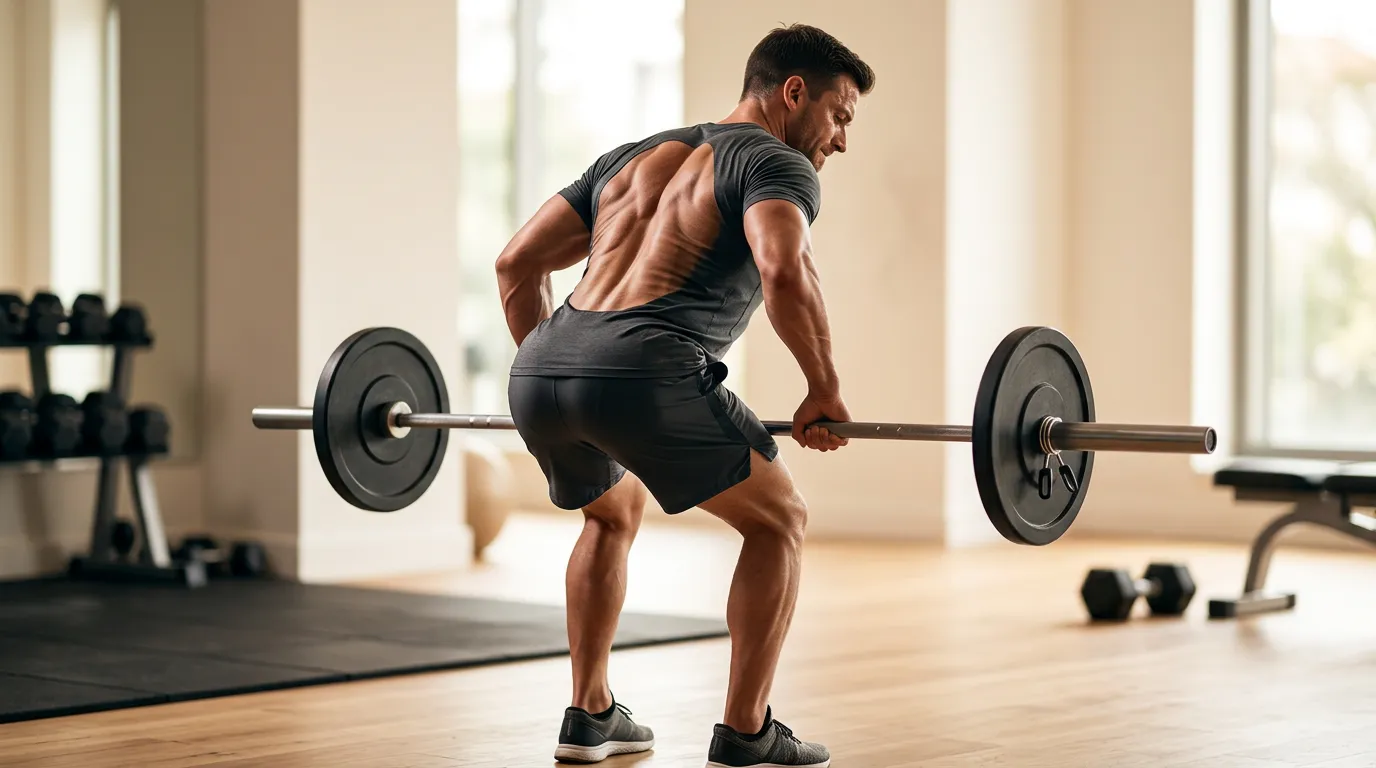
💬 Simply put: Spinal erectors are the muscles along the spine that help us stand upright, move, and protect our lower back.
The Erector Spinae group is complex and consists of three main muscle columns, located bilaterally on either side of the spine. These columns are, from lateral to medial:
- Iliocostalis (Iliocostalis): The most lateral, this muscle originates from the iliac crest and attaches to the ribs and the transverse processes of the vertebrae. It is divided into Iliocostalis lumborum, thoracis, and cervicis.
- Longissimus (Longissimus): The middle column, Longissimus is the largest muscle in the group. It originates from the sacrum and lumbar fascia, extending up to the cervical vertebrae and the skull. It is divided into Longissimus thoracis, cervicis, and capitis.
- Spinalis (Spinalis): The most medial, this muscle is relatively smaller and originates from the thoracic vertebrae to attach to the spinous processes of the upper vertebrae and the skull. It is divided into Spinalis thoracis, cervicis, and capitis.
All these muscles work synergistically to provide the full range of motion and stability of the spine.
Function and Health Significance
The main functions of the spinal erectors include:
- Spinal extension: This is their primary function – they straighten the torso from a bent position and maintain an upright posture.
- Lateral flexion: Their unilateral contraction causes the torso to tilt sideways.
- Spinal rotation: In combination with other torso muscles, they participate in spinal rotation.
- Stabilization: Spinal erectors are critically important for stabilizing the spine during movement and weightlifting, preventing unwanted bending or twisting.
Exercises for Strengthening Spinal Erectors
Effectively strengthening the Erector Spinae is key to preventing injuries, improving posture, and optimizing athletic performance. Here are some of the best exercises:
| Exercise | Description | Level |
|---|---|---|
| Back Extensions (Hyperextensions) | A hyperextension bench is used. The torso is lowered down, then raised to a horizontal or slightly above horizontal position. Can be performed with bodyweight or added weight. | Beginner/Intermediate |
| Deadlift | A compound exercise that works the entire posterior chain, including the spinal erectors. Maintaining a neutral spine is crucial. | Intermediate/Advanced |
| Good Mornings | Performed with a barbell on the shoulders. The torso is tilted forward with slightly bent knees, maintaining a straight back, then straightened. | Advanced |
| Reverse Hyperextensions | Performed on a specialized machine (or a hyperextension bench) by lifting the legs instead of the torso. Focuses on the lower back and glutes. | Intermediate |
| Bird Dog | Start on all fours. Simultaneously extend the opposite arm and leg, keeping the back straight and stable. | Beginner |
Principles for Effective Training
To get the most out of your spinal erector training, consider these principles:
- Progressive overload: Start with light weight or bodyweight and gradually increase the resistance.
- Focus on technique: Proper form is more important than weight. Incorrect technique can lead to injuries, especially in the lower back. Ensure you maintain a neutral spine throughout the exercises.
- Sufficient volume and frequency: Include 2-3 Erector Spinae exercises in your training program 1-2 times per week, with 3-4 sets of 8-15 repetitions.
- Recovery: Like any other muscle, Erector Spinae need time to recover. Do not overtrain them daily.
Potential Risks and Precautions
- Improved posture
- Reduced risk of back pain
- Increased spinal stability
- Better performance in compound exercises
- Enhanced everyday functionality
- Risk of injury with improper technique
- Overloading of lumbar vertebrae
- Development of muscle imbalance with excessive training without balancing movements
- Increased hyperlordosis when performed with excessive range of motion
- Inflammation and pain with acute exertion
To minimize risks, always perform exercises with controlled movements, avoid jerky motions, and do not lift weights you cannot control with perfect form. Consult a trainer or physical therapist if you have existing back pain or concerns about your technique.
See more in the fitness guides of Sport Zona Academy.
🔬 Expert note from Sport Zona
From my observations over the years, many athletes underestimate direct work for strengthening the erector muscles, relying mainly on exercises like squats and deadlifts. Specialized exercises for this group can significantly improve stability and reduce the risk of lower back injuries, which is crucial in any sport.
See more in the fitness guides of Sport Zona Academy.
Recommended products



Frequently asked questions
How often should I train spinal erectors?
It is recommended to train them 1-2 times per week. If you are doing deadlifts or other weightlifting exercises that indirectly load them, you may need less or incorporate them into your back/leg days.
Can I train spinal erectors if I have lower back pain?
In many cases, strengthening these muscles can help alleviate lower back pain. Start with bodyweight exercises like Bird Dog and gradually progress to more complex ones. If the pain intensifies, consult a doctor or physical therapist.
What is the best exercise for spinal erectors?
There isn't one 'best' exercise, as different movements target different parts of the Erector Spinae in varying ways. Deadlifts are extremely effective, but hyperextensions and Good Mornings are also excellent additions for targeted strengthening.
Should I use a weightlifting belt when training erectors?
A belt can provide extra support and increase intra-abdominal pressure when lifting very heavy loads (e.g., during deadlifts). However, it should not serve as a substitute for strong core and erector muscles. Use it moderately and focus on building strength without it for the majority of your training volume.