Whey Protein vs. Beta-Alanine: Muscle Architecture vs. Buffering Power
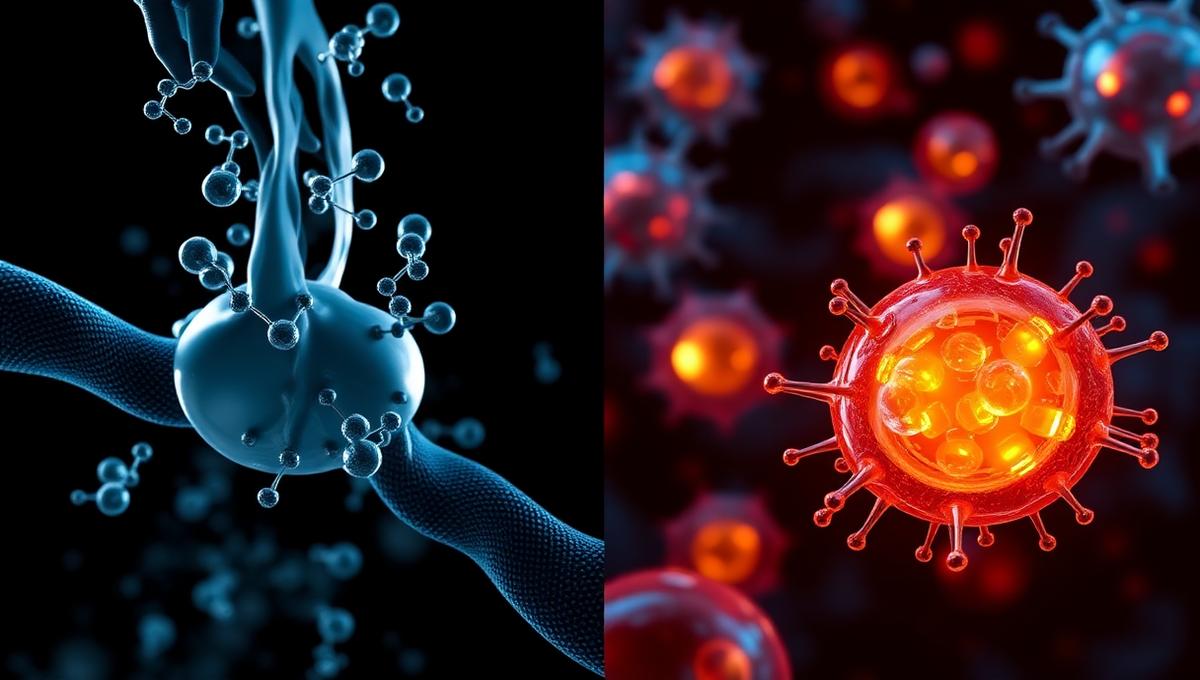
While whey protein is vital for muscle survival and growth, beta-alanine is what defines the limit of your endurance. The difference is between delivering building material and managing the intracellular environment.
Short answer: Whey protein provides building blocks for muscles with a BV of 104, while beta-alanine improves the environment they work in through carnosine buffering. Practical advice: Take whey after training for recovery and 3.2g of beta-alanine daily for more reps.
This comparison presents us with a choice between "Structural Foundation" and "Metabolic Engine". In the body's system architecture, Whey protein is the hardware provider (muscle tissue itself), while Beta-alanine is the software update that optimizes engine performance under extreme loads.
This article is part of the Expert Hub for Nutritional Supplements — over 270 expert-verified articles by Petar Mitkov and the Sport Zona team.
What is the comparative matrix between whey protein and beta-alanine?
The comparative matrix between whey protein and beta-alanine offers a systematic analysis of their characteristics, with whey protein being a macronutrient and a complete protein, while beta-alanine is a non-proteinogenic amino acid.
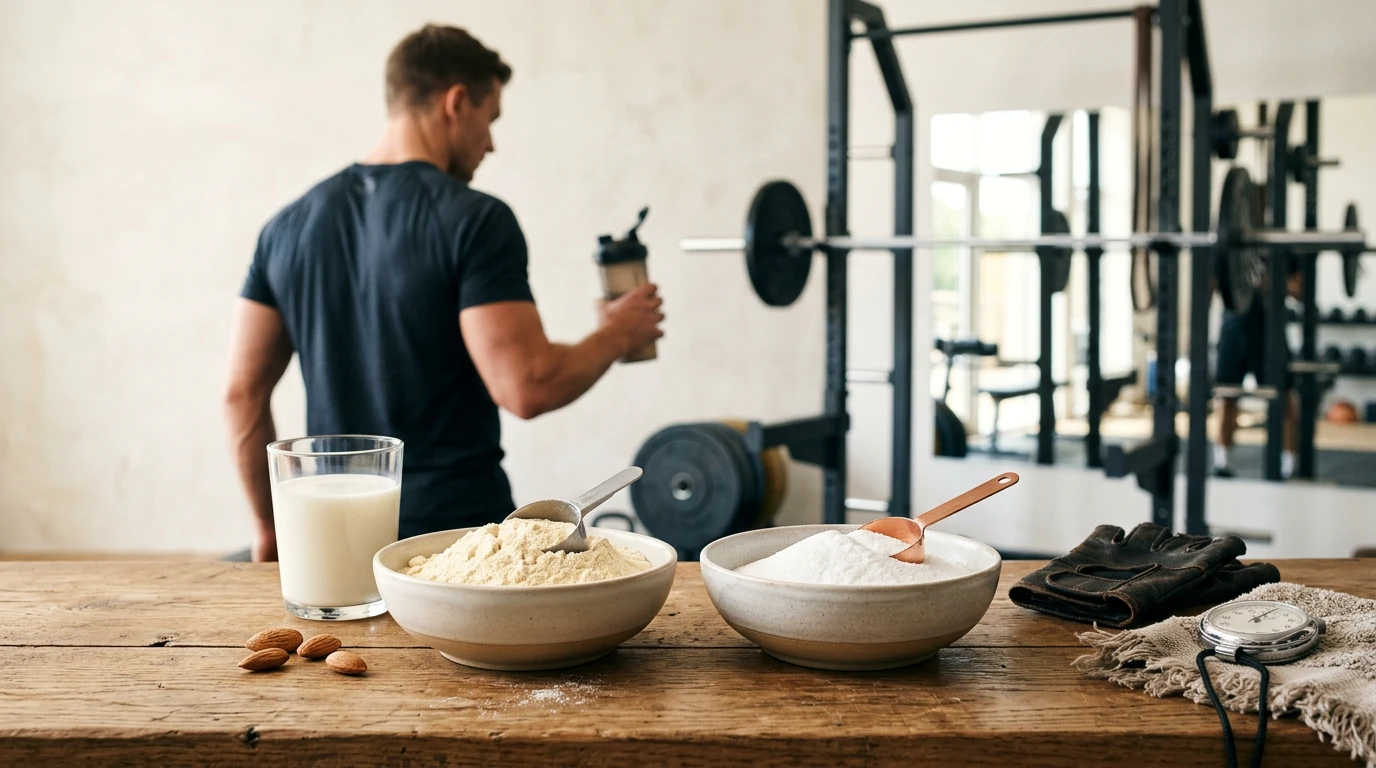
| Characteristic | Whey Protein (Whey) | Beta-alanine (CarnoSyn) |
|---|---|---|
| Biological Status | Macronutrient (Complete Protein) | Non-proteinogenic amino acid |
| Primary Focus | Anabolism and cellular repair | Intracellular pH buffer |
| Mechanism | Delivery of Leucine and EAAs | Synthesis of muscle Carnosine |
| Time Horizon | Acute (acts immediately after intake) | Cumulative (requires 2–4 weeks) |
| Impact on Fatigue | Aids overall recovery | Directly delays muscle failure |
| Specific Bonus | Supports immunity (Glutathione) | Reduces oxidative stress |
What are the mechanisms of action of whey protein and beta-alanine?
1. Whey Protein: The Instant Anabolic Signal
Whey protein is the "gold standard" due to its rapid absorption and high concentration of branched-chain amino acids (BCAAs).
Simply put: This section is like taking apart a car to see exactly how each part works and why it moves. We look at how supplements work at the cellular level.
Scientific Sources
- Hoffman, J., et al. (2006). Beta-alanine ingestion improves sprint performance in collegiate wrestlers and football players. Journal of the International Society of Sports Nutrition, 3(2), 21-26. (DOI: 10.1186/1550-2783-3-2-21)
- Kerksick, C. M., et al. (2017). International Society of Sports Nutrition Position Stand: nutrient timing. Journal of the International Society of Sports Nutrition, 14(1), 33. (DOI: 10.1186/s12970-017-0189-4)
- Baguet, A., et al. (2009). Carnosine loading and washout in human skeletal muscle. Journal of Applied Physiology, 106(3), 834-839. (DOI: 10.1152/japplphysiol.91350.2008)
- Reidy, P. T., & Rasmussen, B. B. (2016). The role of dietary amino acids and protein in stimulating muscle protein synthesis. Exercise and Sport Sciences Reviews, 44(2), 52-58. (DOI: 10.1249/JES.0000000000000075)
We see that many people underestimate the cumulative effect of Beta-alanine and expect it to work immediately, similar to whey protein. A common mistake is taking high doses at once, which leads to a burning sensation instead of distributing the dose for the desired result. For maximum effect, understanding the correct choice of supplements and their unique mechanisms and timeframes of action is crucial.
mTOR Activation: The Leucine in whey acts as a biochemical key that "turns on" the process of building new muscle. Without sufficient protein, the body remains in a catabolic (breakdown) state.
Bioavailability: Whey has the highest biological value (BV) among all proteins, meaning your body uses almost 100% of what you consume for tissue repair.
2. Beta-alanine: The Acidosis Defender
Beta-alanine does not build muscle directly, but it allows it to perform beyond its normal capacity.
Mission "Carnosine": Beta-alanine combines with the amino acid histidine to form carnosine. Carnosine is your "sponge" for hydrogen ions.
The Burn Battle: When you train hard, your muscles produce lactic acid, which breaks down and releases hydrogen ions (H⁺). These ions increase acidity (pH drops), leading to the burning sensation and muscle failure. Carnosine neutralizes these ions.
The Synergistic Effect: Why Do They Work Better Together?
Combining these two supplements creates a beneficial cycle of progress:
Greater Volume (Beta-alanine): Thanks to beta-alanine, you perform 12 reps instead of 8. This creates a stronger stimulus for growth.
Faster Repair (Whey): Since you've inflicted more "controlled damage" on the muscle through heavier training, whey protein immediately delivers the bricks for more substantial and robust repair.
Result: Faster gains in strength and muscle mass than if you used only one of the supplements.
How to Choose Between Whey Protein and Beta-alanine?
Whey protein is a dietary supplement taken to directly promote muscle growth and recovery by providing the necessary building blocks for muscle architecture.
- Your main goal is hypertrophy (muscle growth) or weight loss while preserving muscle.
- You are unable to get enough protein from solid food (meat, eggs).
- You are looking for the most effective way to recover immediately after training.
- You need a quick and easy snack or meal replacement.
🔵 Choose BETA-ALANINE if:
- Your goal is athletic excellence in CrossFit, MMA, running 400–800m, or rowing.
- You train with high volume (many sets and reps) and want to delay "failure."
- You are already consuming enough protein and are looking for the next level of athletic performance.
- You are prepared for daily intake (3–5g) for at least a month to achieve results.
Recommended Stack
For proper muscle growth and endurance, combine 30g of Whey Protein (whey isolate) immediately after training with 3-5g of Beta-alanine (divided into 2-3 doses throughout the day to minimize paresthesia) every day, including non-training days, to saturate muscle stores with carnosine.
What is the strategy for the 2026 protocol?
The 2026 protocol represents a strategy that effectively combines the two components – foundation and performance stack.
Daily (Protection): 3.2g of Beta-alanine daily to keep muscle carnosine levels high. Divide it into two doses (morning and evening) to reduce the "pins and needles" sensation.
Post-Workout (Recovery): 30g of Whey protein isolate to stop catabolism and initiate growth.
During Workout: You can add amino acids (BCAA/EAA) to enhance the effect of protein and ensure a constant amino acid flow.
Expert Note:
Remember that beta-alanine requires saturation. If you take it only once before the gym, you'll feel the tingling but won't get the real endurance benefits. Protein, on the other hand, is "food" – it works as soon as it enters your bloodstream. For best results, take beta-alanine with a meal containing carbohydrates. Insulin helps with its better absorption into muscle cells.
🧭 When to Choose Which?
- Choose Whey Protein if your goal is building lean muscle mass and supporting post-workout recovery.
- Choose Beta-alanine if your goal is improving endurance during high-intensity exercise and delaying muscle fatigue.
- Combine both if you aim for both muscle mass gain and increased endurance.
📖 What are Whey Protein and Beta-alanine?
Whey protein is a complete protein containing all essential amino acids necessary for muscle growth and recovery. Beta-alanine is a non-proteinogenic amino acid that combines with histidine to form carnosine in the muscles, acting as a buffer against acidity.
⚖ Pros and Cons
| Pros | Cons |
|---|---|
|
|
🗣 Simply Explained
Whey protein is like the bricks for your muscles – it helps them grow and become stronger. Beta-alanine, on the other hand, is like a shield that allows you to train longer without feeling tired, fighting acidity during intense workouts. So, if you want more mass, go for protein, and if you aim for endurance, beta-alanine is your guy.
Choose the right product for your goal:
→ Whey Protein
→ Beta-alanine (as part of a pre-workout product)
→ Creatine Monohydrate
Combined protocol for maximum effectiveness:
Combining products increases effectiveness. According to Sport Zona practice.
⚖ When to Choose Whey Protein
- Your goal is muscle growth (hypertrophy) or weight loss while preserving muscle.
- You are unable to get enough protein daily from solid food.
- You are looking for effective recovery immediately after strength training.
- You need a quick and easy supplement to your diet (snack, replacement).
⚖ When to Choose Beta-alanine
- Your goal is athletic excellence in sports like CrossFit, MMA, sprinting.
- You train with high volume (many sets and reps) and want to delay failure.
- You are already consuming enough protein and are looking for the next level of performance.
- You are ready for daily intake for at least a month for a cumulative effect.
Expert Note from Sport Zona
From our extensive observations over the years, I have always advised athletes to first focus on meeting their protein intake. Only after securing this "foundation" do we start considering supplements like Beta-alanine, which serves as an "optimizer." The effectiveness of Beta-alanine truly manifests only when the basic building blocks are in place.
Recommended products
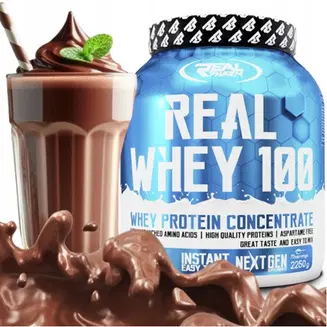
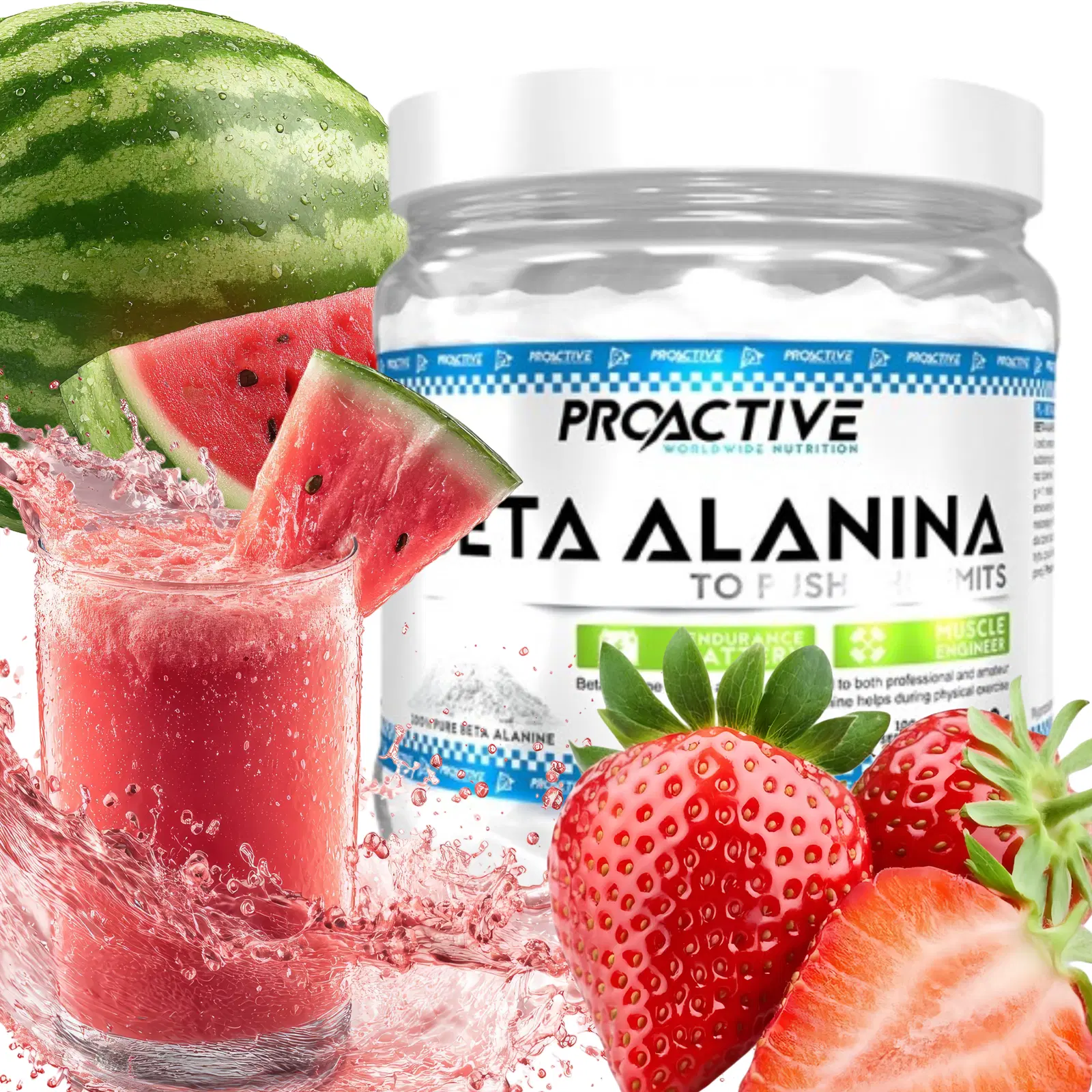

Frequently asked questions
Can whey protein and beta-alanine be taken together?
Yes, these two supplements can be combined. They have different mechanisms of action and complement the benefits for muscles and endurance.
Which is better for beginners - whey protein or beta-alanine?
For beginners, whey protein is a more fundamental supplement to support muscle growth and recovery. Beta-alanine is more specific for improving endurance during more intense workouts.
When is the best time to take whey protein and beta-alanine?
Whey protein is effective at any time, especially after training for rapid recovery. Beta-alanine works best with regular, daily intake as its effect is cumulative.
Are there any side effects from taking whey protein or beta-alanine?
Whey protein can cause mild digestive issues in some people. Beta-alanine often causes a tingling sensation (paresthesia), which is harmless and temporary.