Whey Protein vs. Nitric Oxide: Material vs. Logistics
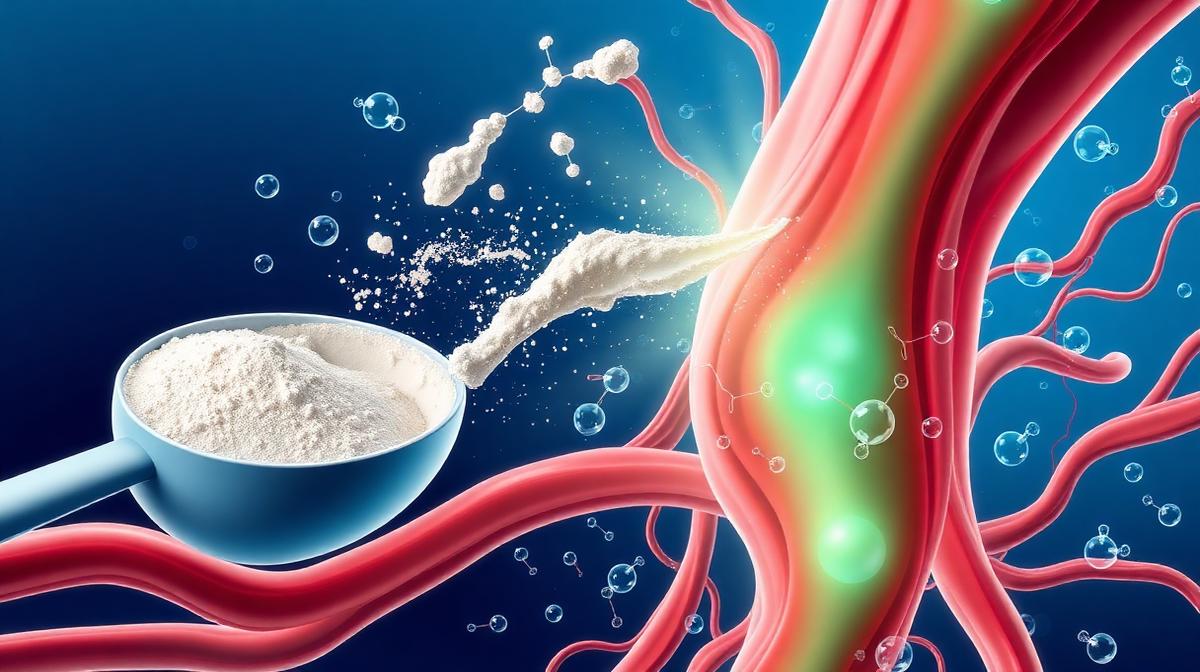
Optimizing muscle anabolism and metabolic transport. The difference between whey protein and nitric oxide is the difference between what you build and how quickly you deliver the resources. Protein is the physical substance that becomes part of your muscle, and nitric oxide is the gas that dictates the speed of this process.
📊 Comparative Matrix: Structure vs. Signaling Function
| Characteristic | Whey Protein | Nitric Oxide (NO) Booster |
|---|---|---|
| Biological Role | Direct building material | Vasodilator (widens vessels) |
| Composition | Amino acids (peptide bonds) | Gaseous molecule (from precursors) |
| Primary Focus | Muscle synthesis and repair | Blood flow and delivery |
| Effect on Fatigue | Long-term recovery | Rapid lactate clearance |
| Onset of Action | Slow (digestion and synthesis) | Fast (instant vascular response) |
| Critical Factor | Foundation of muscle volume | Catalyst for training capacity |
🧬 In-depth Mechanism Analysis
1. Whey Protein: The Tissue Engineer
Whey protein is valued for its biological value and absorption speed.
Leucine Threshold: Whey is extremely rich in leucine – the amino acid that activates the mTOR pathway. This is the "master switch" that tells the body to stop breaking down muscle and start building it.
Glutathione Support: It contains cysteine, which is key for the production of glutathione – the most potent internal antioxidant, protecting cells from damage during intense training.
2. Nitric Oxide (NO): The Highway Controller
Nitric oxide builds nothing on its own. Its job is to alter the physiology of the vessels.
Vasodilation: When endothelial cells release NO, the smooth muscles of the vessels relax. Blood vessels widen, allowing a larger volume of blood (carrying the proteins from your whey dose) to flood into the working muscle.
The Pump: This isn't just vanity. The pump stretches cell membranes (mechanotransduction), which itself is a signal for muscle growth.
🔄 Synergistic Effect: "The Nutrient Delivery System"
Combining them (often called the Nitric Whey strategy) creates an ideal metabolic window:
Preparation: The NO booster widens the vessels before training.
Transport: During and after training, the amino acids from whey protein "travel" through these widened highways much faster.
Efficiency: Better blood flow means fewer amino acids are lost in the liver, and more reach their destination – muscle cells.
🛠️ Practical Selection Algorithm
🟢 Choose WHEY PROTEIN if:
- Your goal is weight gain and muscle mass.
- You need a convenient way to meet your daily protein intake.
- You're looking for the best post-workout recovery tool.
🔵 Choose an NO BOOSTER (Pre-workout) if:
- You're seeking maximum energy and endurance during the session itself.
- You want to improve the "brain-muscle connection" through a stronger pump.
- You need faster toxin clearance to take shorter breaks between sets.
🧭 Intake Protocol (2026)
30-45 min. BEFORE workout: NO Booster (L-Citrulline 6-8g). The goal is to "open up" the vessels.
IMMEDIATELY AFTER workout: 25-30g Whey Protein Isolate. Blood flow is still enhanced by the NO booster, which will "shoot" the protein into the muscles.
Note: If using a combined product (Nitric Whey), take it according to instructions, typically around 60 minutes before training, to benefit from the NO effect during the workout.
🤖 Expert Note: Don't confuse jargon! Fitness supplements labeled "Nitric" or "Nitro" aim to boost Nitric Oxide (NO). Nitric acid (HNO₃) is an industrial chemical. Always check the ingredients for compounds like L-Citrulline or Arginine Nitrate – these are your keys to legal and healthy pumping.
🧭 When to choose which?
- Choose Whey Protein if your primary goal is muscle mass gain and post-workout recovery.
- Choose Nitric Oxide if you are looking to improve pump, focus, and endurance during workouts.
- Combine the two if you want to comprehensively improve muscle growth, strength, and athletic performance.
- Choose Whey Protein if you need an additional source of protein in your diet beyond food.
📖 What is Whey Protein?
Whey protein is a high-quality protein derived from the liquid byproduct of cheesemaking. It contains a full spectrum of essential amino acids, making it an excellent choice for post-workout recovery and muscle growth.
📖 What is Nitric Oxide?
Nitric oxide (NO) is a molecule naturally produced in the body that acts as a vasodilator, widening blood vessels. This improves blood flow and the delivery of oxygen and nutrients to muscles.
⚖️ Pros and Cons
| ✅ Pros | ❌ Cons |
|---|---|
|
|
🗣️ Explained simply
Whey protein is like direct fuel for your muscles - protein that helps them grow and recover. Nitric oxide, on the other hand, is like a 'signal' that helps your blood vessels widen, so more of that protein and oxygen can reach your muscles. One is like the bricks, the other is like the truck delivering them.
Recommended products

Frequently asked questions
Can whey protein and nitric oxide be combined?
Yes, combining them is highly recommended as nitric oxide improves blood circulation, which optimizes the delivery of whey protein amino acids to the muscles.
When is the best time to take a nitric oxide booster and whey protein?
It is recommended to take a nitric oxide booster 30-45 minutes before training for vasodilation, and whey protein immediately after training for maximum absorption.
Which supplement is more important for muscle gain?
Whey protein is a direct building material for muscles and is critical for increasing muscle mass. Nitric oxide aids in the effectiveness of this process.
Do supplements containing nitric oxide (NO) have side effects?
Supplements aimed at increasing nitric oxide (like those with L-Citrulline) generally do not have serious side effects when taken correctly. It's important to distinguish them from industrial chemicals.