Whey vs. Beef Protein: Anabolic Capacity vs. Structural Integrity
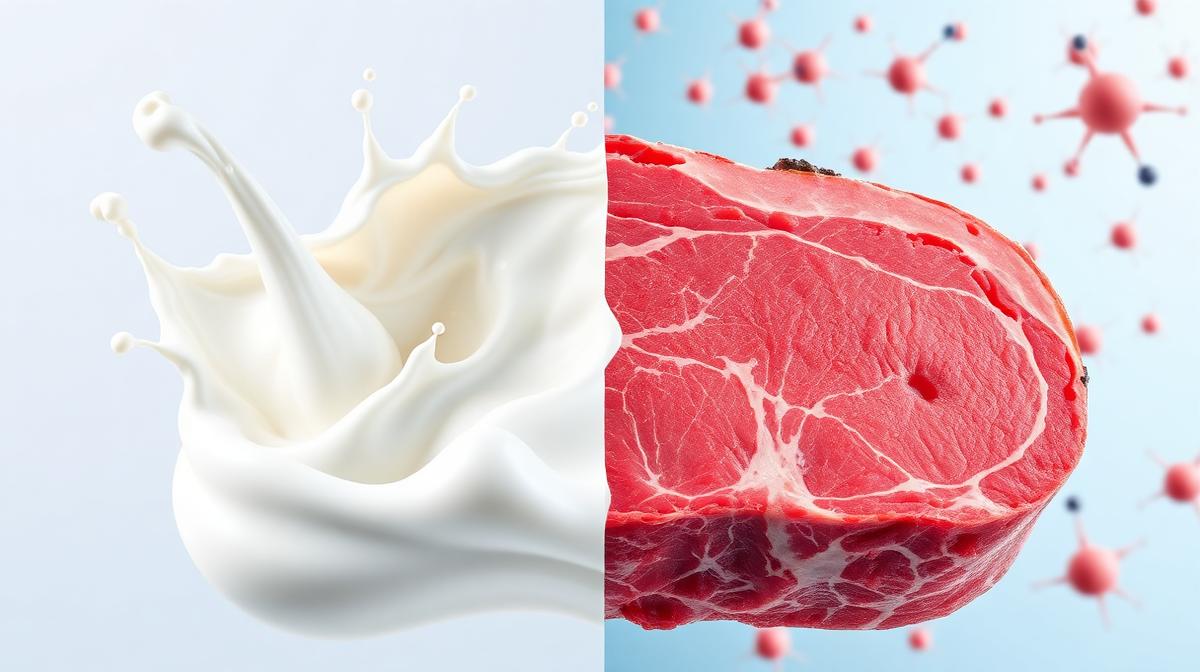
A comprehensive guide to choosing based on metabolic profile and digestion. The choice between dairy and meat protein is not just a matter of taste, but of how your body processes nitrogen sources. While whey wins in terms of speed of muscle response, beef protein offers a unique amino acid profile that is lacking in dairy products.
📊 Comparative Matrix: Dairy Anabolism vs. Beef Regeneration
| Characteristic | Whey Protein | Beef Isolate |
|---|---|---|
| Biological Value | 104+ (Highest in nature) | ~80 (High, but not elite) |
| Key Advantage | Maximum Leucine Content | Natural Creatine Source |
| Collagen Factor | Low collagen AA content | High (Glycine, Proline, Alanine) |
| Insulin Response | High (Anabolic stimulus) | Low to moderate |
| Lactose | Present (unless pure isolate) | 0% (Completely absent) |
| Application | Rapid "patching" after stress | Long-term structural recovery |
🧬 In-depth Analysis of Mechanisms
1. Whey: The Amino Acid "Sprinter"
Whey protein is digested faster than any other food.
Anabolic Peak: Thanks to the massive amount of leucine, whey passes the "leucine threshold" almost instantly. This activates the mTOR pathway, which is the body's primary signal to start building muscle mass.
Immune Response: Rich in lactoferrin and immunoglobulins, whey supports the immune system, which is often suppressed after intense training.
2. Beef Isolate: The "Builder" of Connective Tissue
This isn't just ground meat; it's hydrolyzed protein, often including collagen fractions.
Fascia and Joint Support: High levels of glycine and proline are essential for repairing tendons and joints. This makes it ideal for weightlifters and individuals undergoing significant mechanical stress.
Iron and Creatine: Beef protein naturally carries metabolites found in red meat. Creatine aids in cell hydration and strength, while iron is critical for oxygen transport (hemoglobin).
🛡️ Digestion: The Hypoallergenic Factor
Many athletes suffer from "protein bloat." Here, the difference is fundamental:
Whey requires the enzyme lactase. Even isolates can cause discomfort for individuals with extreme sensitivity.
Beef protein is completely devoid of dairy antigens. It is broken down by a different enzymatic pathway, making it a "safe haven" for those with food allergies or autoimmune conditions (often used in protocols like AIP - Autoimmune Paleo).
🔄 Synergistic Approach: Cross-Nourishment
Instead of choosing just one, you can leverage the strengths of both types:
Post-Workout (Anabolic Window): Whey for an immediate amino acid surge.
Evening or Between Meals: Beef protein for a more sustained nitrogen supply and joint support while the body recovers during sleep.
During a Cutting Diet: Beef protein is often more satiating due to its specific density and amino acid profile.
🛠️ Practical Selection Algorithm
🟢 Choose WHEY Protein if:
- Your primary goal is hypertrophy (maximal muscle volume).
- You have no issues with dairy products.
- You're seeking the best taste (chocolate, vanilla, and fruit flavors are more natural with a dairy base).
🔵 Choose BEEF if:
- You experience even mild bloating or gas from dairy protein.
- You follow a Paleo diet or avoid processed sugars and dairy.
- You have a history of joint or tendon injuries.
- You want a protein source closer to "real food."
🧭 2026 Protocol: Optimizing Intake
Hydration: Beef protein is denser. Ensure you drink adequate water to facilitate kidney filtration of nitrogenous waste.
Check the Label: Make sure the beef protein is hydrolyzed isolate. Some cheaper options are simply gelatin, which lacks the same anabolic effect.
Synergy: Combine beef protein with Vitamin C to enhance collagen synthesis in the joints.
🤖 Expert Note: Don't be put off by the "meaty taste." Modern isolation technologies remove any beef-like flavor. Chocolate or cherry flavored beef isolate is nearly indistinguishable from whey but is much easier on many athletes' stomachs.
🧭 When to choose which?
- Choose whey protein if your goal is maximum recovery after training and stimulation of muscle growth.
- Choose beef protein if you value slow and sustained release of amino acids to maintain muscle mass and synthesis throughout the day.
- Combine the two if you want to benefit from both fast and sustained nutrient supply for optimal results.
- Choose beef protein if you have lactose or dairy intolerance.
📖 What are Whey Protein and Beef Protein?
Whey protein is derived from milk and is known for its rapid absorption and high content of essential amino acids, especially BCAAs, making it excellent for quick post-workout recovery. Beef protein, extracted from beef, also provides a full spectrum of amino acids, has a positive nitrogen balance, and supports anabolic processes, while being suitable for individuals with lactose intolerance.
⚖️ Pros and Cons
| ✅ Pros | ❌ Cons |
|---|---|
|
|
🗣️ Simply Explained
Imagine building muscles like building a house. Whey protein is like a fast delivery of bricks that start getting laid immediately. Beef protein, on the other hand, is like a slower but more reliable delivery of stronger bricks that will last longer. If you want a quick start for your muscles, choose whey. If you're aiming for strong and long-lasting muscle mass, beef is your material.
Recommended products

Frequently asked questions
Can whey and beef protein be taken together?
Yes, combining the two proteins is an excellent approach. Whey can be used for a rapid anabolic response post-workout, while beef protein is suitable for long-term recovery and joint support.
Which protein is more suitable for beginners?
For beginners just starting with protein supplements, whey protein is often preferred due to its rapid absorption and powerful anabolic effect. Beef protein is a good option for individuals with lactose or dairy sensitivities.
When is the best time to take whey and beef protein?
Whey protein is ideal immediately after training for maximum muscle growth. Beef protein is an excellent choice for evening intake or between meals to ensure a steady supply of amino acids and support connective tissue recovery.
Are there any side effects from taking these proteins?
Whey protein can cause discomfort or bloating in individuals with lactose intolerance. Beef protein is hypoallergenic and generally well-tolerated, without lactose-related side effects.