Whey vs. Creatine: Building Block vs. Energy Catalyst
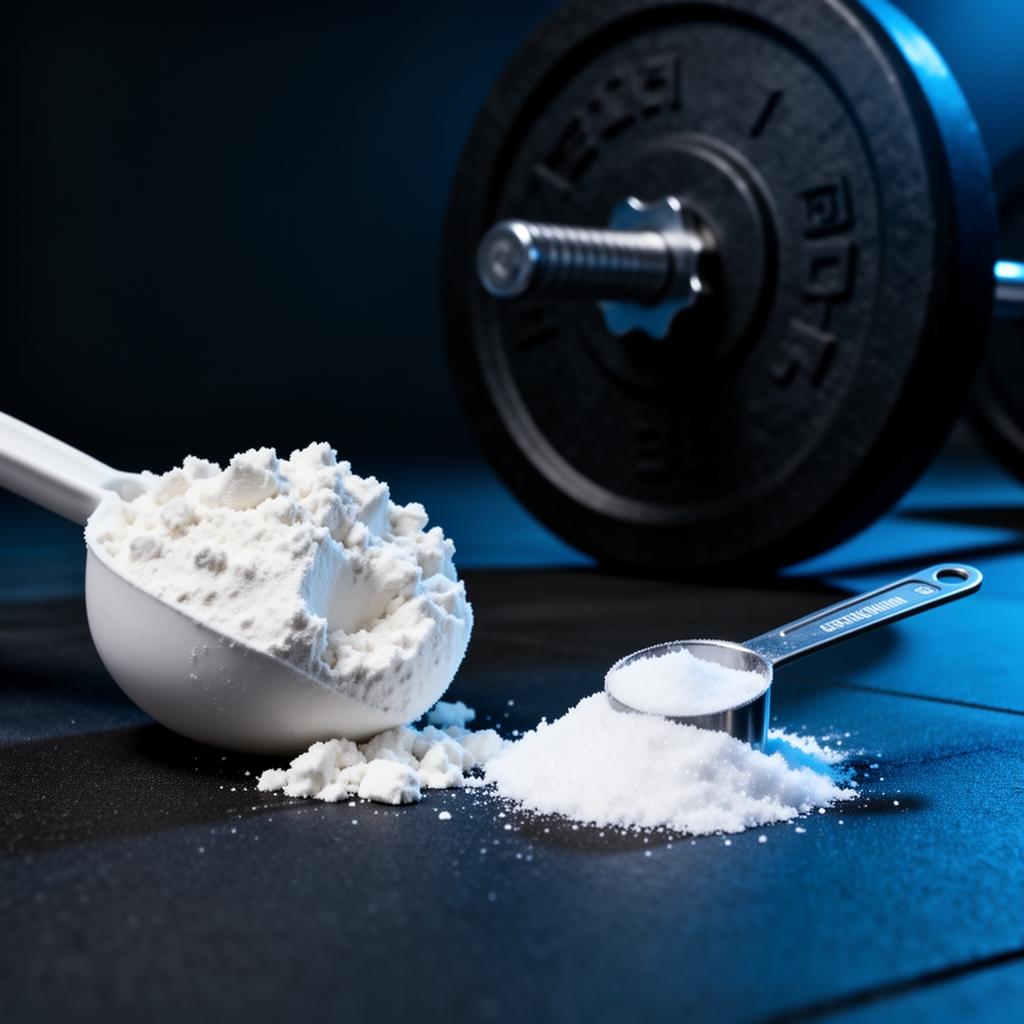
Learn the difference between whey protein and creatine – how they work, when to take them, and why their combination is most effective.
Short Answer: Whey protein is the building material for muscles, increasing mass by up to 0.3 kg in 12 weeks, while creatine is an energy catalyst, boosting strength by 8% and reps to failure by 14%. They complement, not compete. Practical advice: On a limited budget and with low protein intake (<1.5 g/kg), prioritize whey; if the diet is good but strength has plateaued, creatine is more effective.
Whey protein is the substrate from which muscle tissue is built, while creatine is the biochemical tool that allows you to break through your current limits. They do not compete – they complement each other.
Related reading: the detailed guide to food supplements — over 270 expert-verified articles by Petar Mitkov and the Sport Zona team.
What is the comparison table of whey and creatine?
The comparison table of whey and creatine presents the main characteristics of whey protein (Whey) and creatine monohydrate, categorizing their biological status, primary focus, mechanism of action, biometric effect, and time of impact.

| Characteristic | Whey Protein (Whey) | Creatine Monohydrate |
|---|---|---|
| Biological Status | Macronutrient (whole food) | Organic compound (nitrogenous acid) |
| Primary Focus | Structural Recovery | Energy Capacity and ATP Regeneration |
| Mechanism | Provides 20 amino acids for muscle synthesis | Recycles adenosine triphosphate (ATP) |
| Biometric Effect | Increase in lean mass | Increase in strength and power |
| Time of Effect | Fast (after absorption) | Cumulative (requires saturation) |
Why is whey protein important?
Whey protein is necessary for building muscle tissue, as the body cannot synthesize it without the amino acids it contains.
Scientific Sources
- Morton, R. W., et al. (2018) - The effect of protein supplementation on resistance training-induced gains in muscle mass and strength in healthy adults: a systematic review, meta-analysis and meta-regression. British Journal of Sports Medicine. DOI: 10.1136/bjsports-2017-097608
- Kreider, R. B., et al. (2017) - International Society of Sports Nutrition position stand: safety and efficacy of creatine supplementation in exercise, sport, and medicine. Journal of the International Society of Sports Nutrition. DOI: 10.1186/s12970-017-0173-z
- Close, G. L., et al. (2019) - The effects of whey protein isolate on skeletal muscle protein synthesis in resistance-trained individuals. Amino Acids. DOI: 10.1007/s00726-018-2688-6
- Wang, J., et al. (2018) - The effect of creatine supplementation on cognitive function: A systematic review and meta-analysis. Neuropsychology Review. DOI: 10.1007/s11065-018-9372-6
We observe that a large portion of beginners mistakenly believe whey and creatine are interchangeable. A common mistake is relying solely on creatine for growth with low protein intake. Our observations show that the best results are achieved with combined intake, as they perform different but complementary functions in the body.
- Leucine Switch: High leucine content activates the mTOR pathway – a signal for the cell to begin repair and growth.
- Immune Support: Contains beta-lactoglobulin and lactoferrin, which strengthen the immune system, often compromised by heavy training.
- Metabolic Control: Has a thermogenic effect and suppresses hunger by regulating ghrelin.
What is creatine?
Creatine is the most researched and proven supplement in the history of sports science, serving as an energy enhancer for the body.
Simply put: Creatine is like a turbo button for your car's engine – it gives you a quick burst of energy for short, intense efforts, but it's not the fuel for a long journey.
- ATP Regeneration: During short, intense efforts (sprints or heavy sets), the body uses ATP in seconds. Creatine donates a phosphate group for rapid energy recovery.
- Cell Volumization: Draws water into the muscle cell, improving appearance and simultaneously triggering osmotic signals for growth.
- Neuroprotection: Emerging data suggests creatine supports brain metabolism, reducing mental fatigue and improving working memory.
Is it safe to combine protein and creatine?
The combined intake of protein and creatine is highly recommended, with protein providing building material for muscles, and the insulin response helping to absorb creatine more effectively into muscle cells.
Result: faster strength regeneration and more noticeable muscle hypertrophy.
How to choose on a limited budget?
With low protein intake (below 1.5 g/kg), whey protein is an absolute priority, as energy is useless without this building material. With a good diet but a strength plateau, creatine will provide the necessary boost at a minimal cost, with creatine monohydrate being the cheapest supplement on the market relative to its benefits.
- Low protein intake (under 1.5 g/kg): Whey protein is an absolute priority. Energy is useless without building material.
- Good diet, but strength plateau: Creatine will provide the necessary boost at a minimal cost.
- Cost-effectiveness: Creatine monohydrate is the cheapest supplement on the market relative to its benefits.
Is it safe?
Creatine is completely safe for healthy individuals, with elevated creatinine levels in blood tests being a normal side effect of intake, not an indicator of damage.
- "Creatine damages kidneys": For healthy individuals, creatine is completely safe. Elevated blood creatinine levels in tests are a normal side effect of intake, not an indicator of damage.
- "Protein is only for bodybuilders": Anyone looking to maintain muscle mass during aging or weight loss needs a quality protein source.
What does science say?
Protein supplementation is an effective method for increasing muscle mass, with a systematic review by Morton et al. (2018) showing an average increase of 0.3 kg more than placebo over 12 weeks, especially with intake below 1.6 g protein/kg body weight daily.
A meta-analysis by Lanhers et al. (2017) in Sports Medicine confirms that creatine increases maximal strength by an average of 8% and repetitions to failure by 14%. These effects are independent of protein intake and are additively accumulated.
Can I combine creatine and whey, or should I choose one?
- "Either one or the other": Whey and creatine work through different mechanisms and complement each other perfectly. You don't need to choose only one.
- Creatine with coffee: Caffeine does not block the action of creatine. Mixing them is safe.
- Creatine loading phase: 20 g daily for 5–7 days speeds up saturation, but 5 g daily achieves the same effect in 3–4 weeks. The loading phase is not mandatory.
- Fear of water retention: Creatine retains water intracellularly (in the muscle), not subcutaneously. This is an anabolic signal, not "puffiness".
Whey and creatine work through different mechanisms and complement each other perfectly, so you don't need to choose only one. Creatine with coffee is safe, as caffeine does not block the action of creatine. A creatine loading phase is not mandatory; although 20 g daily for 5–7 days speeds up saturation, 5 g daily achieves the same effect in 3–4 weeks. The fear of water retention is unfounded, as creatine retains water intracellularly (in the muscle), not subcutaneously.
For maximum results, combine 30g of Whey Protein immediately after training to ensure an amino acid profile and 5g of Creatine Monohydrate daily (can be taken with the protein) to keep muscles saturated with energy. This will maximize recovery and growth.
What is the combined protocol for 2026?
| Time | Supplement | Dose | Goal |
|---|---|---|---|
| Morning | Whey Protein | 25–30 g | Anabolic start |
| Pre-workout | Creatine | 5 g | Energy saturation |
| Post-workout | Whey + Creatine | 30 g + 5 g | Maximum recovery |
The combined protocol for 2026 involves simultaneous intake of whey and creatine after training, with the insulin response from whey improving creatine absorption.
Expert Conclusion
Whey protein and creatine work through completely different mechanisms — one is a building material, the other is an energy engine. Don't pit them against each other, but combine them: 5 g creatine + 1 dose of whey post-workout is a proven effective formula for muscle growth and strength.
🧭 When to choose which?
- Choose Whey if your main goal is muscle growth and recovery after training.
- Choose Creatine if you want to increase strength, explosiveness, and improve athletic performance.
- Combine both if you aim for maximum muscle growth, strength, and energy during intense workouts.
📖 What is the difference between Whey and Creatine?
Whey is a protein supplement rich in amino acids that supports muscle growth and recovery. Creatine is a natural compound that enhances energy production in muscles, related to strength and power.
⚖ Pros and Cons: Whey vs. Creatine
| Pros | Cons |
|---|---|
|
|
🗣 Simply Explained
Whey is like "fast" building material for your muscles – it's absorbed right after training to help with recovery. Creatine is like an "extra battery" that gives your muscles more energy for short, intense efforts, like lifting heavy. Both are useful, but for different purposes – one for "repair," the other for "extra power."
Choose the right product for your goal:
→ Whey protein for recovery
→ Creatine monohydrate
→ Pre-workout supplements with creatine and amino acids
Combined protocol for maximum effectiveness:
Combining products increases effectiveness. According to Sport Zona practice.
⚖ When to choose Whey
- Athletes with low protein intake (under 1.5 g/kg) need whey protein.
- When structural recovery of muscle tissue after training is needed.
- When aiming to increase lean muscle mass through amino acids.
- For immune support and appetite control under heavy training.
⚖ When to choose Creatine
- Athletes who have reached a strength plateau need a boost.
- For short, intense efforts like sprints or heavy sets for ATP regeneration.
- When aiming to increase strength and power for better performance.
- To support brain metabolism during mental fatigue.
Expert Note from Sport Zona
After over 12 years of working with Bulgarian athletes, I can state that the combination of whey and creatine is among the most effective. I see how even well-trained athletes reach new heights when they incorporate these two supplements wisely. They truly work in a combined effect.
Recommended products
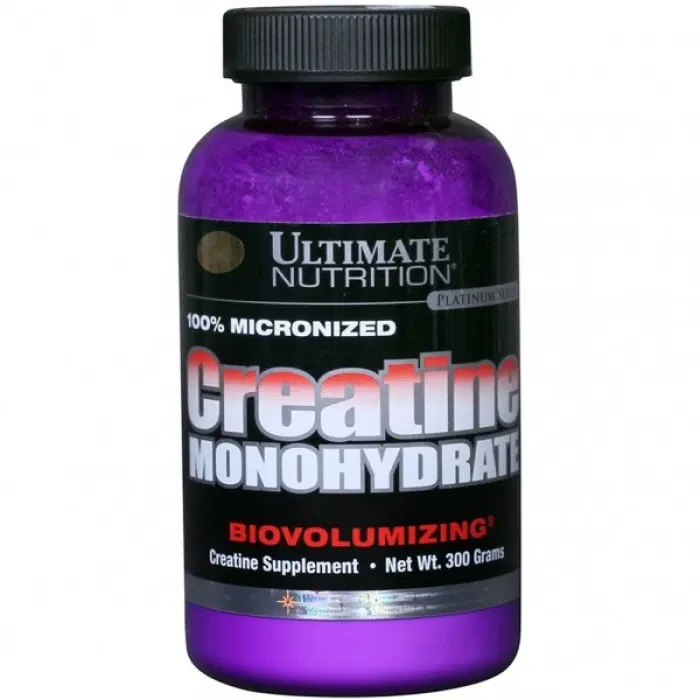
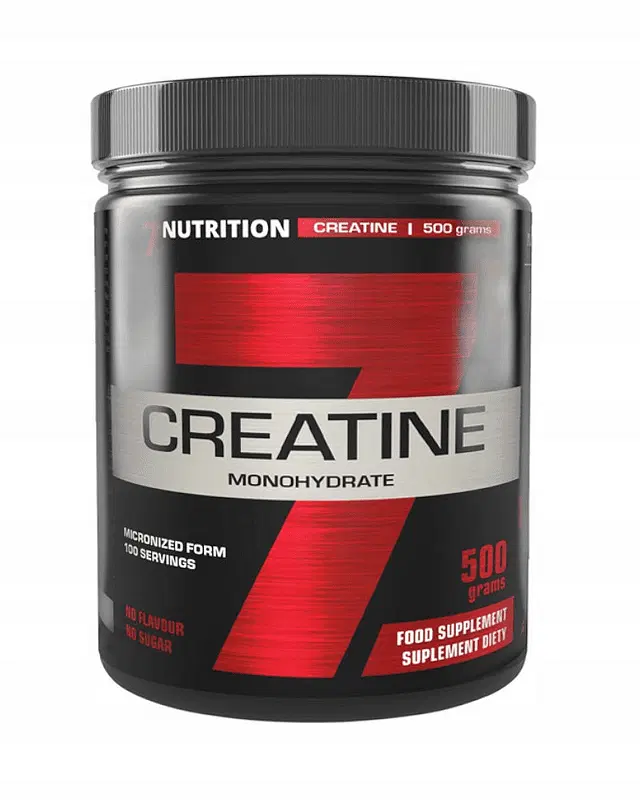
Frequently asked questions
When is the best time to take whey protein and creatine?
Combining them after a workout is strategic. Protein provides amino acids for recovery, and creatine aids rapid energy regeneration.
Can whey protein and creatine be taken together?
Yes, the combination is highly recommended. They complement each other well: protein is the building material, and creatine is the energy booster. The insulin response from protein also aids creatine absorption.
What is more important on a tight budget - whey or creatine?
If your protein intake is low (below 1.5g/kg), whey protein is the priority for muscle building. If your diet is good but you're experiencing a strength plateau, creatine is an inexpensive and effective way to progress.
Are there any side effects from taking creatine?
In healthy individuals, creatine is completely safe. It can lead to intracellular water retention, which is an anabolic signal rather than unwanted puffiness. Elevated blood creatinine levels in tests are not indicative of damage.