Egg Whites vs. Whey Protein: Micronutrient Density vs. Anabolic Peak

Whey protein provides a rapid anabolic peak, while whole eggs offer a comprehensive set of micronutrients and higher satiety.
Short Answer: Whey (BV 104) is the "insulin trigger" for instant anabolic repair, and whole eggs (BV 100) are the "hormonal catalyst" with 40% more muscle synthesis than egg whites alone, thanks to choline, vitamin D, and cholesterol for testosterone. The combo: eggs in the morning, whey post-workout.
What is the biological value of whey protein and whole eggs?
The biological value of whey protein is 104 (isolated benchmark) with a fast absorption rate (8–10g per hour), and that of whole eggs is 100 (whole benchmark) with a moderate absorption rate (3–4g per hour).

| Characteristic | Whey Protein | Whole Eggs |
|---|---|---|
| Biological Value | 104 (Isolated Benchmark) | 100 (Whole Benchmark) |
| Absorption Rate | Fast (8–10g per hour) | Moderate (3–4g per hour) |
| Leucine Content | Highest (crucial for growth) | Moderate to High |
| Micronutrients | Minimal (filtered) | High (Choline, Lutein, D) |
| Thermic Effect of Food (TEF) | Lower | Higher (requires more energy) |
| Satiety Impact | Low | Very High |
What are the mechanisms?
1. Whey Protein: For Rapid Recovery
Whey is a protein engineered for rapid metabolism, delivering amino acids to muscles exceptionally fast.
For more info, check out this guide to sports supplements.
Simply put: Understanding at a cellular level helps you use eggs and whey protein correctly.
Scientific Sources
- van Vliet, S., et al. (2017) - "Egg protein meals stimulate greater muscle protein synthesis in young adults than whey protein meals." (DOI: 10.3945/jn.117.258117)
- Layman, D. K., et al. (2015) - "Dietary protein quantity and quality for healthy aging." (DOI: 10.1016/j.nutres.2015.08.014)
- Reidy, P. T., & Rasmussen, B. B. (2016) - "Role of dietary amino acids and protein in regulating muscle protein synthesis." (DOI: 10.1007/s40279-016-0488-4)
- Rippe, J. M., & Angelopoulos, T. J. (2016) - "Nutritional attributes of eggs." (DOI: 10.1016/j.jcjd.2016.10.005)
Sport Zone Insight:
Many athletes focus solely on post-workout protein, neglecting the importance of hormonal response and micronutrients throughout the day. A common mistake is relying only on whey protein, underestimating the nutrient density of whole eggs, especially for long-term muscle building and overall health. Combine the benefits of both sources for optimal results.
Rapid Nitrogen Balance: Whey is effective for halting catabolism (muscle breakdown) after sleep or workouts.
Insulinotropic Effect: Whey elevates insulin levels more than eggs. This effect aids in the rapid transport of glucose and amino acids to muscle cells.
2. Whole Eggs: The Hormonal Engine
Studies show that whole eggs stimulate muscle protein synthesis by 40% more than egg whites alone, even with the same amount of protein.
The Power of the Yolk: The yolk contains cholesterol and fats, which are precursors for testosterone production.
Choline and the Brain: Eggs are a good source of choline, vital for brain-muscle connection (acetylcholine neurotransmitter) and liver fat metabolism.
What about digestion and digestibility?
Whey protein is a liquid and filtered product that passes through the stomach quickly.
Eggs: Require more enzymatic activity and chewing. Egg protein is digested more slowly, providing sustained muscle protection for hours.
Cooking Note: Always cook eggs (boiled, poached, or fried). Raw egg whites contain avidin, which blocks biotin (vitamin B7), and protein digestibility drops from 90% to 50% with raw eggs.
When to choose whey protein?
Whey protein is taken when the goal is rapid amino acid absorption post-workout for maximum anabolic peak.
- You need fast recovery immediately after training.
- You seek maximum protein with minimal calories.
- You are traveling or lack cooking facilities.
🔵 Choose eggs if:
- You want to maintain overall health, hormonal balance, and longevity.
- You need to control appetite (eggs are very satiating).
- You have lactose intolerance or are sensitive to artificial sweeteners.
- You seek a cheaper and more natural protein source.
Recommended Stack
For optimal muscle growth and recovery, combine 30g of whey protein isolate immediately post-workout, followed by 4-5 whole eggs (cooked!) as part of a balanced meal 1-2 hours later. Add 5g of creatine monohydrate daily for maximum effectiveness.
What is the synergistic protocol?
The synergistic protocol is an approach where optimal results are achieved through metabolic programming. This protocol involves combining whole eggs with whey protein to optimize both micronutrient density and the anabolic peak, leading to better recovery and growth.
Morning: 3-4 whole eggs. Fats and choline will stabilize blood sugar and focus throughout the day.
Post-Workout: 1 scoop of whey isolate. The rapid leucine spike activates growth.
Evening: Egg whites or whole eggs. Slow digestion will feed muscles while you sleep.
🤖 Expert Note: Dietary cholesterol from eggs is not a concern. For most healthy individuals, dietary cholesterol has a minimal impact on blood levels but is crucial for cell membrane integrity and anabolic hormone production.
🧭 When to choose which?
- Choose whole eggs if you seek abundant micronutrients and a slow release of amino acids.
- Choose whey protein if you need a rapid anabolic boost for post-workout recovery.
- Choose whole eggs if you prefer a whole-food protein source crucial for long-term muscle maintenance.
- Combine both to leverage whey's rapid action and eggs' nutrient density and sustained amino acid release.
📖 What are Whole Eggs and Whey Protein?
Whole eggs are a complete protein source, containing all essential amino acids, healthy fats, choline, and vitamins. Whey protein is a fast-digesting protein derived from dairy, ideal for post-workout recovery.
⚖ Pros and Cons
| Pros | Cons |
|---|---|
|
|
🗣 Explained Simply
Whole eggs are like a complete meal – besides protein, they provide many vitamins and minerals that support your overall health. Whey protein is like a quick energy boost – it delivers protein very fast, which is great for muscles right after a workout. If you want to take care of your overall health while eating, eggs are a good choice. If your goal is rapid muscle recovery, whey protein is better.
Choose the right product for your goal:
→ Vitamins and Minerals for supplemental intake
→ Whey Protein Isolate/Concentrate
Combined Protocol for Maximum Effectiveness:
Combining products enhances effectiveness.
⚖ When to choose Whole Eggs
- If you seek overall health, hormonal balance, and longevity.
- If you want to control appetite and feel full.
- If you seek a cheaper and more natural protein source.
- If you seek rich micronutrient density and balanced amino acid release.
⚖ When to choose Whey Protein
- If you are in the post-workout recovery phase for rapid results.
- If you seek maximum protein with minimal calories.
- If you are traveling or lack cooking facilities.
- If you seek a rapid anabolic impulse for accelerated post-workout recovery.
Expert Note
The most successful athletes always seek balance. They rely primarily on whole foods like eggs but know when to use whey protein for rapid recovery. The choice isn't between one or the other, but how to utilize both for optimal results.
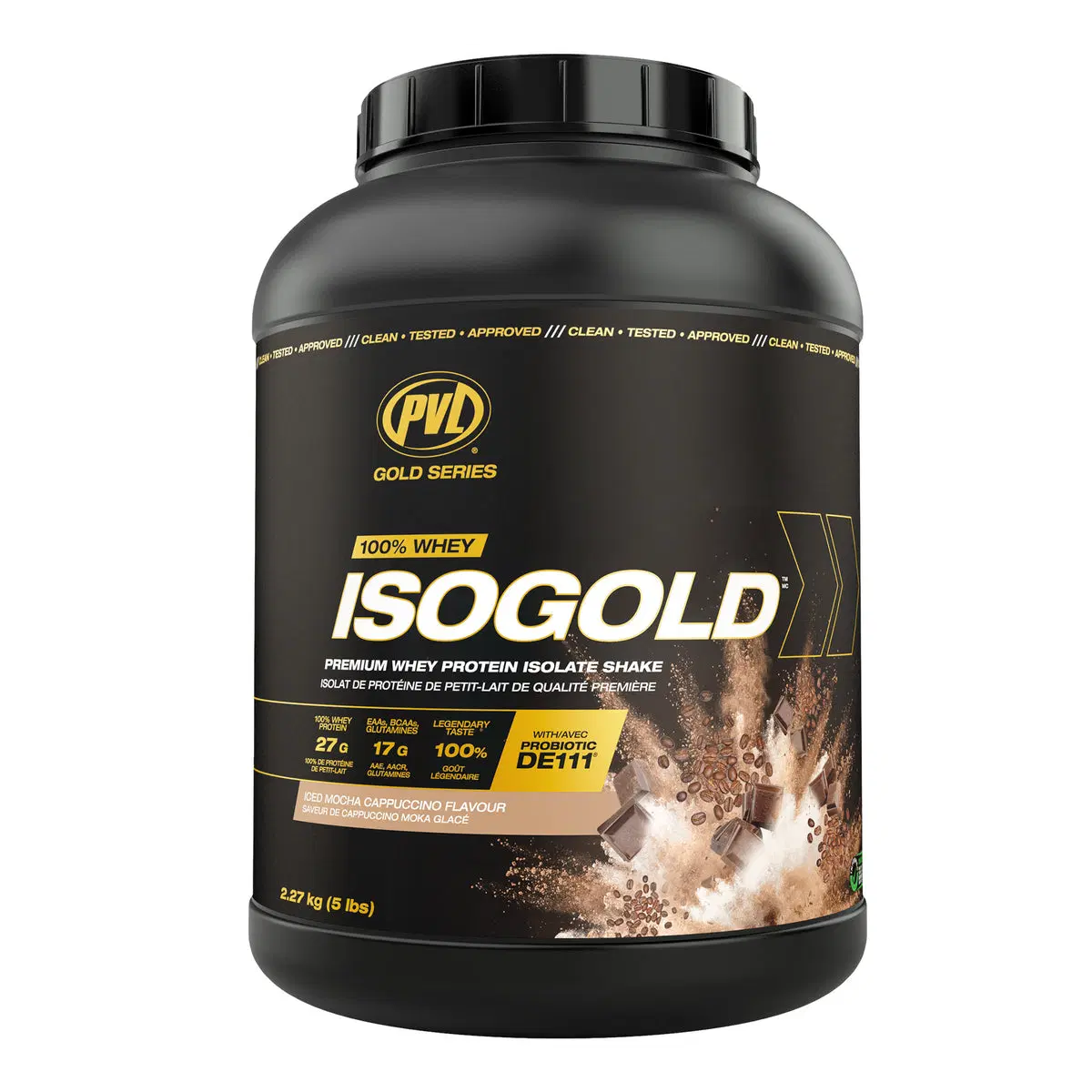
Recommended products

Frequently asked questions
Can whole eggs and whey protein be combined?
Yes, combining them is an excellent strategy. Whey protein provides a rapid anabolic boost post-workout, while whole eggs offer a comprehensive micronutrient profile and a sustained anabolic response throughout the rest of the day.
Which protein source is better for beginners?
Whole eggs are an excellent starting point for beginners due to their complete nutritional profile and low cost. For additional support after intense workouts, whey isolate or concentrate is a convenient and effective supplement.
How many eggs per day are safe for active people?
For most active individuals, 3-4 whole eggs daily do not increase the risk of cardiovascular problems, as physical activity improves lipid metabolism. It's important to consider the overall dietary plan and individual needs.
When is the best time to consume whey protein and eggs?
Whey protein is ideal immediately after a workout for a quick leucine spike. Whole eggs are more suitable for breakfast or lunch when a sustained release of amino acids and healthy fats is needed.