Convenient Nutrition: Bars, Gainers, and Snacks

Convenient nutrition: Bars, gainers, and snacks — a complete guide with types, benefits, dosages, and expert recommendations. Everything in one place from SportZone.
Convenient Nutrition: Bars, Gainers, and Snacks – Your Guide from SportZone
What is convenient sports nutrition — bars, gainers, and snacks, and why are they important for athletes?
Convenient sports nutrition, including bars, gainers, and various snacks, refers to specialized nutritional products designed to provide quick and efficient intake of macronutrients (proteins, carbohydrates, fats) and micronutrients when time or opportunity for preparing a full meal is limited. These products are essential for athletes and active individuals as they support recovery, muscle mass building, energy enhancement, and maintaining optimal physical condition.
🔬 From SportZone's Experience
In our work with over 50,000 clients, we see that a large portion underestimates the importance of proper nutrient timing. A common mistake is relying solely on main meals, missing the critical "anabolic window" after training, where bars and shakes can be decisive for recovery.
Their function is to optimize the nutritional regimen at key moments – before, during, and after training, as well as between main meals. Through precisely balanced formulas, they deliver the necessary nutrients in an easily digestible and convenient form, allowing athletes to maintain a constant flow of energy and building blocks for muscles, without requiring complex preparations or compromises on food quality. Thus, convenient sports nutrition can play a key role in achieving athletic goals and maintaining overall health.
What types of convenient sports nutrition — bars, gainers, and snacks exist, and how do we distinguish them?
The variety of convenient sports nutrition is vast, with each type designed to meet specific needs and goals. Distinguishing them is important for their proper integration into your nutrition and training plan.
📚 Scientific Sources
- Morton, R. W., et al. (2018). "A systematic review, meta-analysis and meta-regression of the effect of protein supplementation on resistance training-induced gains in muscle mass and strength in healthy adults." British Journal of Sports Medicine, 52(6), 376-384. (PMID: 28698222)
- Stark, M., et al. (2012). "Protein timing and its effects on muscular hypertrophy and strength in individuals engaged in resistance training." Journal of the International Society of Sports Nutrition, 9(1), 54. (PMID: 23200505)
- Kerksick, C. M., et al. (2017). "International Society of Sports Nutrition Position Stand: nutrient timing." Journal of the International Society of Sports Nutrition, 14(1), 33. (PMID: 28919842)
- Aragon, A. A., & Schoenfeld, B. J. (2013). "Nutrient timing revisited: is there a post-exercise anabolic window?" Journal of the International Society of Sports Nutrition, 10(1), 5. (PMID: 23373409)
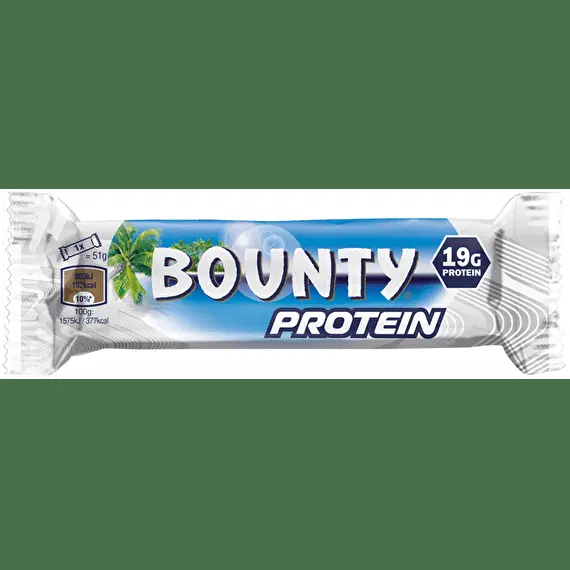
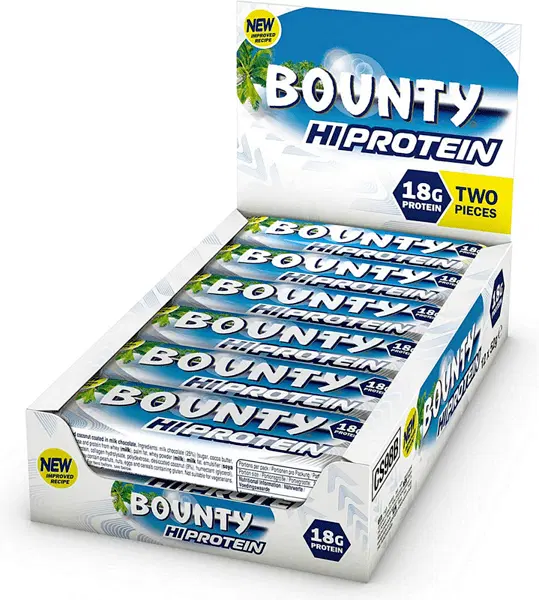
- Protein Bar — A compact and convenient source of high-quality protein, often with added fiber and minimal sugar. Ideal for quick post-workout recovery or as a meal replacement when on the go. These bars can support muscle growth and recovery.
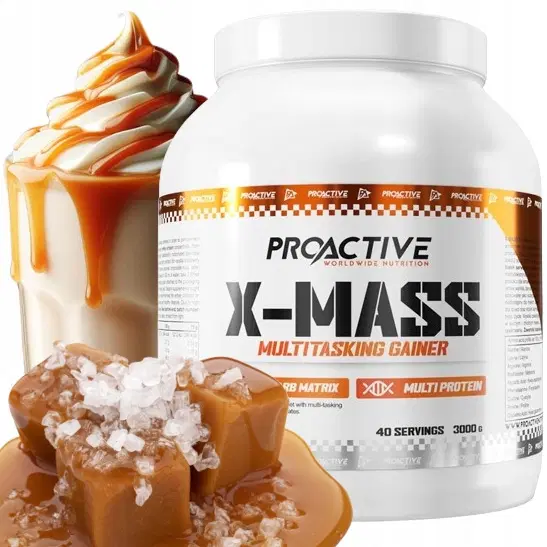
- Mass Gainer — A product designed for individuals aiming for rapid weight and muscle mass gain. It contains high doses of carbohydrates, protein, and often healthy fats, providing a significant caloric intake. It can be extremely useful for "hard gainers."
- Whey Protein — One of the most popular and fast-absorbing proteins, extremely rich in amino acids. Ideal for pre- and post-workout intake to support muscle synthesis and recovery. Available in powder form, which easily mixes with water or milk.
- Casein — A slow-digesting protein that provides a sustained release of amino acids into the bloodstream. Perfect for intake before sleep or during long periods without eating to keep muscles supplied with building blocks and prevent catabolism.
- Collagen — The main structural protein in the body, important for the health of joints, tendons, skin, and bones. Its intake can support connective tissue repair and improve skin elasticity. Particularly valuable for athletes undergoing intense exertion.
- Carbohydrate Drinks — Specially formulated drinks containing fast-absorbing carbohydrates. They are used to provide energy during prolonged workouts or competitions, as well as for rapid replenishment of glycogen stores after physical exertion.
- Dextrose — A simple carbohydrate that is absorbed very quickly and directly enters the bloodstream as glucose. Ideal for a quick energy boost before training or for glycogen replenishment after it, often in combination with protein.
How to choose the right convenient sports nutrition — bars, gainers, and snacks for our goals?
The choice of suitable products for convenient sports nutrition directly depends on your individual athletic goals, training type, and nutritional needs. Here’s how you can navigate:
- For muscle growth: Mass Gainer or Whey Protein. Gainers provide the caloric surplus needed for weight gain, while whey protein is key for the synthesis of new muscle proteins.
- For endurance: Carbohydrate Drinks or Dextrose. These products provide quick and sustained energy, maintaining glycogen stores during long and intense efforts.
- For recovery: Whey Protein, Protein Bar, or Collagen. Whey protein and protein bars deliver amino acids for muscle repair, while collagen supports joint and tendon health, which are also under stress.
- For weight loss: Protein Bar (low in sugar and calories) or Whey Protein. Protein helps preserve muscle mass during a caloric deficit and creates a feeling of fullness.
- For beginners: Whey Protein or Protein Bar. They are easy to use and provide essential building blocks for muscles without being overly complex to dose and understand.
How and when to consume convenient sports nutrition — bars, gainers, and snacks for maximum results?
Proper dosing and timing are key for maximum absorption and effectiveness of convenient sports nutrition. General principles are based on the body's physiological needs around the training process.
- Before training: Consuming carbohydrates, such as Carbohydrate Drinks or Dextrose, can provide quick energy and fuel glycogen stores, improving endurance and performance. It is recommended to consume 30-60 minutes before exertion.
- After training: This is the so-called "anabolic window," when the body is most receptive to nutrients. A combination of fast-absorbing protein, such as Whey Protein, and fast carbohydrates (e.g., Dextrose) can aid rapid muscle recovery and glycogen replenishment. A Protein Bar is also an excellent option if you don't have access to a shake. Collagen can be taken to support joints.
- Every day: Casein is ideal for intake before sleep, providing a slow and sustained release of amino acids throughout the night, which can prevent muscle breakdown. Mass Gainer can be consumed between main meals to increase total caloric intake and support weight gain. Protein bars can serve as a healthy snack or meal replacement when you are on the go.
What combinations (stacks) of convenient sports nutrition — bars, gainers, and snacks work best?
Combining different types of convenient sports nutrition, known as "stacks," can enhance synergistic effects and lead to better results. Here are some effective combinations:
- For maximum muscle growth: Whey Protein post-workout (for rapid recovery) + Casein before bed (for overnight recovery) + Mass Gainer between meals (for caloric surplus). This combination provides a constant influx of protein and calories for optimal anabolism.
- For recovery and joint protection: Whey Protein post-workout + Collagen daily. Protein restores muscles, while collagen maintains the health and elasticity of connective tissues, which is crucial during intense training.
- For energy and endurance: Carbohydrate Drinks or Dextrose before and during training + Whey Protein post-workout. This combination provides fuel for prolonged efforts and quick recovery afterwards.
- For convenience and weight management: Protein Bar as a meal replacement or snack + Whey Protein for additional protein intake. This combination helps maintain satiety and adequate protein intake, which can aid in weight management.
What are the most common mistakes made when consuming convenient sports nutrition — bars, gainers, and snacks?
Despite the convenience and benefits, improper consumption of sports nutrition can lead to undesirable results or reduce its effectiveness. Here are some of the most common mistakes:
- ❌ Over-reliance on supplements instead of whole foods — Convenient sports nutrition is a supplement, not a substitute for a balanced diet. The foundation should always be quality, whole foods. Relying only on bars and shakes can lead to deficiencies in important micronutrients.
- ❌ Incorrect timing of intake — Consuming fast carbohydrates far from training can lead to unnecessary fat gain. Slow-digesting protein after training, when the body needs fast amino acids, will not be as effective as whey protein.
- ❌ Ignoring individual needs — Every body is different. Consuming Mass Gainer by someone who doesn't need extra calories can lead to unwanted fat gain. The choice should be tailored to goals, body type, and physical activity.
- ❌ Insufficient water intake — Especially when consuming products high in protein and fiber, adequate hydration is crucial for good digestion and nutrient absorption.
- ❌ Skipping labels and ingredients — Some bars and snacks may contain excessive amounts of sugar, artificial sweeteners, or other additives that are not optimal for a healthy lifestyle or athletic goals. Always read the ingredients carefully.
- ❌ Consuming excessively large doses — More is not always better. Excessive protein intake,
Recommended products

Frequently asked questions
What are the most important categories of convenient sports nutrition - bars, gainers, and snacks?
The most important categories are energy bars for quick energy, protein bars for muscle recovery, and gainers for mass gain. Snacks include various options for maintaining energy levels between main meals.
How many main types of convenient sports nutrition - bars, gainers, and snacks exist?
The main types are bars (energy, protein, complex), gainers (for mass gain), and various types of snacks (dried fruits, nuts, protein cookies).
How do I choose the most suitable bars, gainers, and snacks for my needs?
The choice depends on your goals – for energy, recovery, or mass gain. Read the labels for protein, carbohydrate, and fat content, as well as added sugars.
When is the best time to consume convenient sports nutrition - bars, gainers, and snacks?
Bars and snacks are ideal before or after training, as well as an intermediate meal. Gainers are usually consumed after training or when additional caloric intake is needed.
Are there differences in the composition between different types of bars, gainers, and snacks?
Yes, the composition varies significantly. Energy bars are rich in carbohydrates, protein bars are rich in protein, and gainers contain a combination of carbohydrates and proteins in larger quantities. Snacks can have different compositions depending on their type.