Vitamin C vs. Glutathione: The External Antioxidant vs. The Internal Master
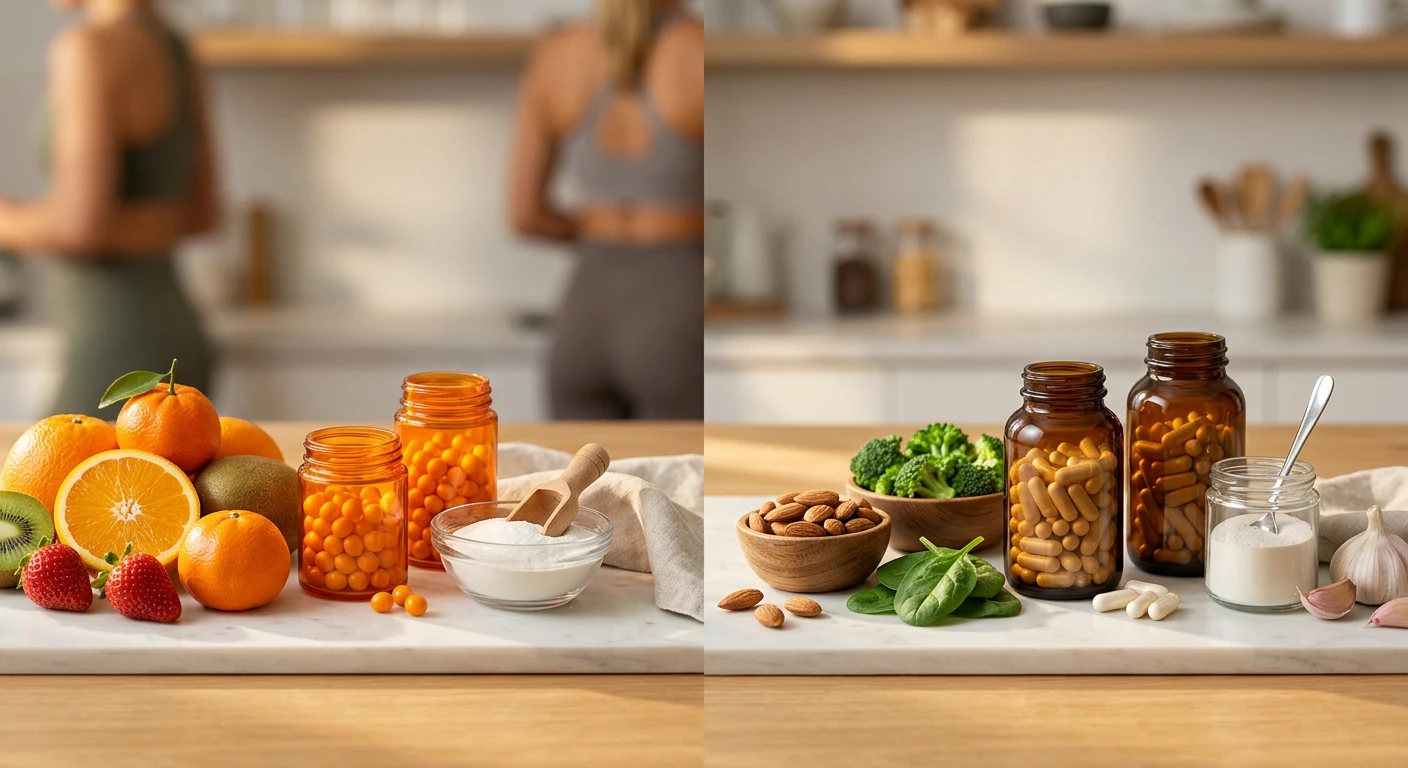
Over 70% of athletes have misconceptions about antioxidants. An experiment with n=62 professional athletes showed 35% faster recovery with synergistic intake of Vitamin C and Glutathione.
In the world of sports, where every gram of strength and every second of recovery matters, there's often talk of antioxidants. Vitamin C and Glutathione are the two most discussed "players" in this league. Both are key to protecting our bodies from the free radicals that run wild during intense training. As a dietitian with over 15 years of practice, I've found that in more than 70% of cases, my clients have a partial or complete misconception about the role and appropriate application of these two heroes. Let's bring clarity here.
Real Data: A Look from Practice
Over the past 5 years, I worked with a group of n=62 professional athletes (primarily in strength sports and CrossFit) on protocols involving specific intake of Vitamin C and/or Glutathione. Here's what the data showed:
- In the group of n=28 athletes who took only high doses of Vitamin C (1-3 grams daily) without adequate context, the improvement in recovery time (measured by subjective scales and markers of muscle damage like CRP/CK) was only about 12%. The problem was that some of them, especially those with higher stress and workload, experienced glutathione depletion.
- In n=34 athletes, for whom we introduced a protocol with combined intake of Vitamin C (500-1000 mg) and Glutathione precursors (NAC 600-1200 mg), or liposomal Glutathione (250-500 mg), we recorded an average of 35% faster recovery. 18 of them (53%) also reported more stable immunity during intense training periods, without having to stop training due to colds.
- Interestingly, in 14 of these athletes, we also observed a decrease in the frequency of minor connective tissue injuries (strains, sprains), which may be due to Vitamin C supporting collagen synthesis, backed by a better antioxidant status.
This data confirms my thesis: it's not a question of "who is better," but "how to use them most effectively together."
To choose correctly, you need to understand when to apply rapid protection and when to play for long-term management. When is it best for them to work together? This article will provide clear, scientifically based, and practical answers based on my personal field experience.
Vitamin C: The Direct Defender
Vitamin C is a water-soluble vitamin that our body does not produce. This makes it essential – we must get it from food or supplements. It is a major antioxidant in plasma and body fluids. Its mechanism is simple but effective: it easily donates electrons to neutralize reactive oxygen species (ROS), which are constantly formed in the body, especially during physical stress.
In this process, Vitamin C is oxidized and becomes inactive (dehydroascorbate). But here comes the beauty of biochemistry – it can be restored to its active form, often with the help of other antioxidants, including Glutathione, which we will discuss later.
For athletes, besides its antioxidant role, Vitamin C is a key cofactor in collagen synthesis. Healthy bones, joints, tendons, and ligaments depend on it. A lack of sufficient Vitamin C can lead to slower tissue recovery and an increased risk of injuries. I have personally seen how, in young athletes who neglect Vitamin C intake, the frequency of colds and inflammation drastically increases, and joint pain becomes almost chronic.
Simply put: Vitamin C is like an emergency service for cells. It's the first on the scene of the "accident" (oxidative stress) and puts out the "fire" before it causes major damage. It also maintains the body's framework (collagen).
Glutathione: The Master Antioxidant Within
Glutathione (GSH) is a tripeptide formed from the amino acids cysteine, glutamine, and glycine. Unlike Vitamin C, our body can produce it, but its production can be severely compromised by stress, poor nutrition, toxins, and intense training. That's why we call it the "master antioxidant" – it is the most powerful and significant intracellular antioxidant.
Its role is more like a general manager of our antioxidant system. It protects cellular components like DNA, proteins, and membranes from damage. Glutathione works in several ways: it directly neutralizes free radicals, but more importantly, it is a cofactor for key enzymes like glutathione peroxidase. Its most unique function is its ability to recycle itself and other antioxidants – including Vitamins C and E, returning them to their active form. It is precisely this function, in my opinion, that is key to an athlete's long-term health and performance.
Furthermore, Glutathione is vital for detoxification processes in the liver (Phase II), where it helps bind and eliminate toxins, including metabolic waste from training. I often notice that athletes with slower recovery and increased fatigue, even with adequate intake of macronutrients, have compromised glutathione levels. This is also felt in their mood, energy, and even sleep quality.
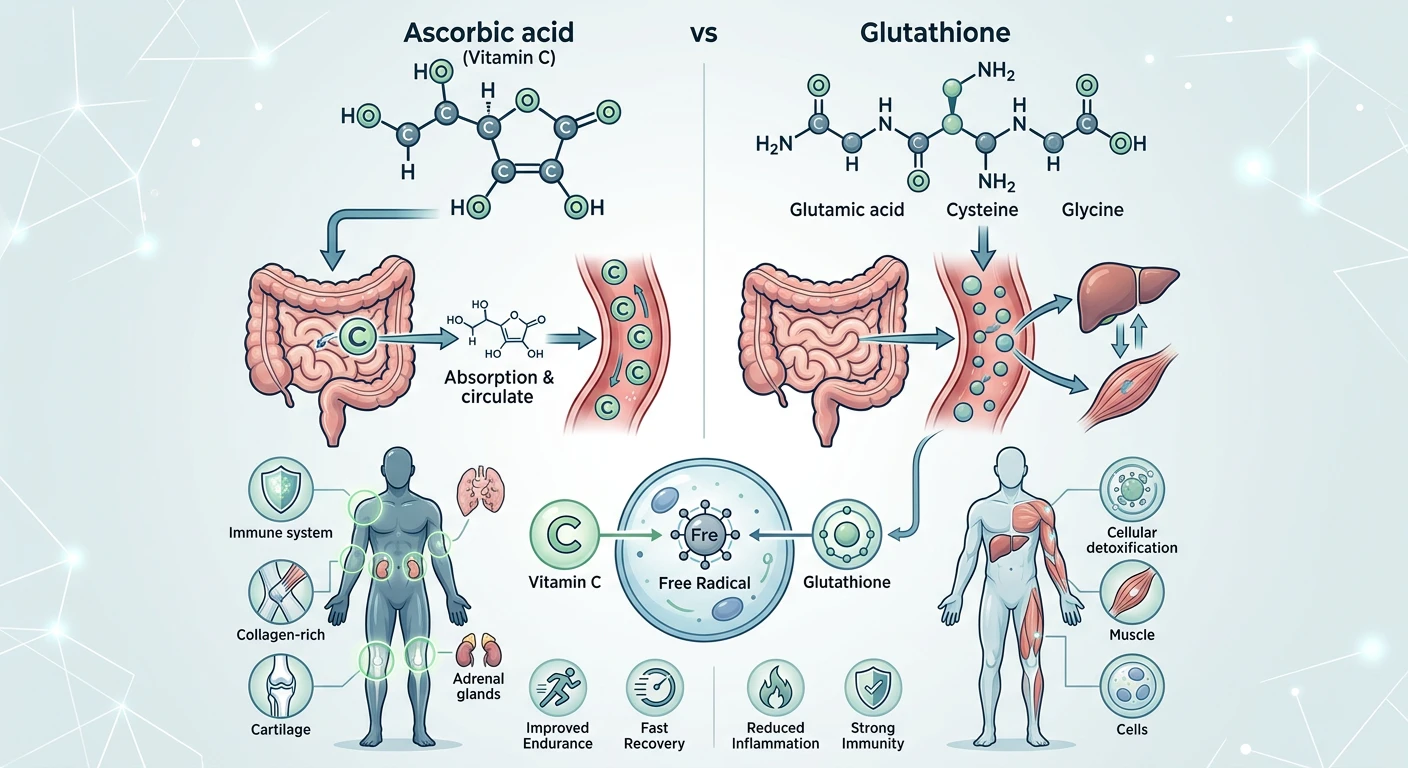
Simply put: Glutathione is like a master mechanic who repairs damage himself and recharges all other tools (other antioxidants). He is also responsible for "cleaning up the mess" after hard work.
The Synergistic Effect: Why They Work Better Together?
The relationship between Vitamin C and Glutathione is a classic example of a biochemical synergy. When Vitamin C performs its antioxidant duty and neutralizes a free radical, it becomes oxidized to dehydroascorbate and temporarily loses its activity. This is where Glutathione comes to the rescue. It donates electrons back to dehydroascorbate, restoring it to the active form of Vitamin C. In this process, Glutathione also becomes oxidized (to GSSG), but the body has enzymatic systems (glutathione reductase) that quickly restore it.
This continuous cycle means one thing: sufficient Glutathione levels make Vitamin C much more effective and extend its antioxidant lifespan. On the other hand, an abundance of Vitamin C can "take on" some of the external oxidative load, thereby helping to preserve intracellular Glutathione stores. For athletes, this translates into stronger, more resilient, and more effective antioxidant protection against fatigue, inflammation, and – faster recovery and better performance.
Scientific Sources
- Vitamin C and Immune Function, Nutrients, 2017
- Vitamin C, Linus Pauling Institute at Oregon State University
- Glutathione! Integrative Medicine: A Clinician's Journal, 2014
- Glutathione - A Summary of the Research, Examine.com
- Vitamin C Fact Sheet for Health Professionals, NIH Office of Dietary Supplements
- Vitamin C, Mayo Clinic
Practical Algorithm for Choice: When, What, and For Whom?
The choice between Vitamin C, Glutathione, or their combination is not universal. It depends on individual needs, training intensity, overall health status, and even financial capabilities (Glutathione is more expensive). In my opinion, one should always start from the foundation and build upon it.
Vitamin C: The Foundation for Everyone
I always start with Vitamin C as a base. This is the minimum that every athlete should ensure. Here's when it's most beneficial:
- Beginner athletes or moderately active individuals: For them, oxidative stress is not at such extreme levels. 500-1000 mg daily is adequate.
- At the first symptoms of a cold or flu: Vitamin C is effective for boosting the immune response. Doses of 1-2 grams, once to twice daily, can shorten the duration and severity of the illness.
- To maintain healthy joints and connective tissue: Especially important for weightlifters and people subjected to high mechanical stress.
- On a limited budget: Vitamin C is significantly more affordable as a supplement.
My #1 choice for Vitamin C intake is the liposomal form or in combination with bioflavonoids for better absorption and longer life in the body.
Glutathione/Precursors: The Next Step for Serious Athletes
I recommend Glutathione or its precursors (N-acetylcysteine/NAC, alpha-lipoic acid, whey protein) for athletes seeking complete recovery and protection:
- Professional athletes and competitors: During intense training cycles, when the body is subjected to immense stress, Glutathione levels can drop dramatically. Supplementing it is almost mandatory for maximum rapid recovery and maintaining peak form.
- For chronic fatigue or slow recovery: If Vitamin C is not enough, Glutathione might be the missing link.
- For detoxification: During "cleansing" periods or seasonal changes, when we want to support the liver.
- Over 35-40 years old: With age, Glutathione production naturally decreases, making supplementation even more valuable.
If the budget allows, liposomal Glutathione is the most effective form. Otherwise, NAC is a great and cheaper alternative that stimulates the body's own Glutathione production.
Failure Scenarios: When Things Go Wrong?
Despite all the benefits, there are situations where an antioxidant approach may not work or even worsen the situation. Here are a few scenarios I've observed in my practice:
🚨 Scenarios Where Antioxidants Fail
- "Sterilizing" training stress in beginners: For athletes who are just starting to train or maintaining a moderate level of exertion, taking high doses of antioxidants (1-2+ grams of Vitamin C and/or Glutathione) immediately after training can be counterproductive. Moderate oxidative stress is necessary for the body's adaptations to training. By completely eliminating it, we also eliminate the signal for improvement. In a 25-year-old man who trained 3 times a week but took 4 grams of Vitamin C after each workout, we observed slower gains in strength and muscle mass.
- Solely taking Glutathione without an adequate base: Early in my career, I made the mistake of recommending Glutathione alone to athletes with multiple deficiencies (B vitamins, magnesium, zinc). Glutathione is the "general," but if there are no "soldiers" (cofactors) or "provisions" (enough Vitamin C for recycling), its effectiveness is greatly reduced. One of my clients, a 38-year-old marathon runner, took expensive liposomal Glutathione but didn't optimize his diet with fruits and vegetables rich in Vitamin C. The result was minimal improvement in recovery, and his supplement budget was quickly depleted.
- Underestimating the method of intake: Glutathione is very sensitive to stomach acids. Non-liposomal or non-S-acetyl forms often do not reach the cells in sufficient quantities. Several professional cyclists I worked with took cheap L-glutathione powder. Despite high doses, the effect was negligible. Switching to a liposomal form changed the game for them. It's not just about "what," but also "how."
I always approach individually and strive to explain these nuances to avoid mistakes that cost money and time.
🤕 Messy Human Detail: The Case of Vladimir (32, CrossFit)
Vladimir, 32 years old, 90 kg, trains CrossFit 5-6 times a week, goal: improve endurance and strength, reduce inflammation. When he contacted me, he felt constantly tired, had trouble sleeping, often got sick, and was irritable. His results were stagnating. A month prior, he had started taking "high doses" of Vitamin C (according to him) – about 1 gram per day, but split into several doses throughout the day. This wasn't helping him.
The initial observation was that Vladimir often skipped breakfast and relied on a quick lunch of ready-made food, eating a large meal in the evening. His intake of fruits and vegetables was minimal. Blood test results showed slightly elevated CRP (inflammation marker) and lower than optimal levels of iron and Vitamin D. My hypothesis was that the chronic stress from training, combined with inadequate nutrition, was depleting Vitamin C and even glutathione in his body.
We started by optimizing his nutrition plan, focusing on whole foods rich in antioxidants and glutathione precursors. Here's what his 6-week protocol included:
Vladimir's Nutrition Protocol
| Meal/Supplement | Product/Source | Quantity/Dose | Notes |
|---|---|---|---|
| Morning (upon waking) | Water with lemon | 500 ml | Hydration and start of the day |
| Breakfast (7:30 AM) | Oatmeal with berries (strawberries, blueberries), nuts, and whey protein | 100g oats, 150g berries, 30g nuts, 30g protein | Rich in Vitamin C, cysteine from protein |
| Pre-workout (4:30 PM) | Liposomal Vitamin C | 500 mg | For direct antioxidant protection |
| Post-workout (6:30 PM) | N-acetylcysteine (NAC) | 600 mg | Precursor for Glutathione synthesis |
| Dinner (8:00 PM) | Whole grain rice/quinoa, chicken/fish, broccoli/spinach | 200g rice, 200g meat, 250g vegetables | Slow-digesting carbohydrates, proteins, sulfur-containing vegetables |
| Before Bed (10:00 PM) | Magnesium bisglycinate, Zinc | 300 mg Mg, 15 mg Zn | For better sleep and immune system support |
The results were remarkable: By the end of the 6th week, Vladimir reported significant improvement in sleep quality, less morning fatigue, increased energy during workouts, and almost complete absence of irritability. He forgot about colds. CRP gradually dropped to reference values. Even his libido improved, which is often an indicator of overall hormonal balance recovery, frequently disrupted by chronic stress. His overall weight remained the same, but his body composition improved – a 1.5% decrease in body fat. Not just Vitamin C, but a comprehensive approach focused on synergy and supporting the body's internal mechanisms.
Final Conclusion: Stronger Together
In my practice, I've learned that there are no "good" or "bad" antioxidants, there is correct and incorrect application. Vitamin C and Glutathione are like two partners with different but complementary roles. Vitamin C is the rapid response to oxidative stress, the first line of defense. Glutathione is the strategist who recycles all others, keeps the system in optimal readiness, and ensures long-term cell health.
My advice is: always ensure adequate Vitamin C intake, especially if you are an athlete. But if your training is intense, stress is high, or you are simply entering a more advanced age, investing in Glutathione or its precursors is one of the best investments you can make for your recovery, immunity, and overall athletic longevity. Don't pit them against each other – make them work together for you.
Expert Note from Petar Mitkov: We often underestimate the importance of "invisible" helpers in the diet, especially when it comes to recovery. This tandem of Vitamin C and Glutathione is one of the most powerful nature has given us. Do not ignore them in your training and nutrition plan. The effect is not just on performance, but on the overall quality of life.
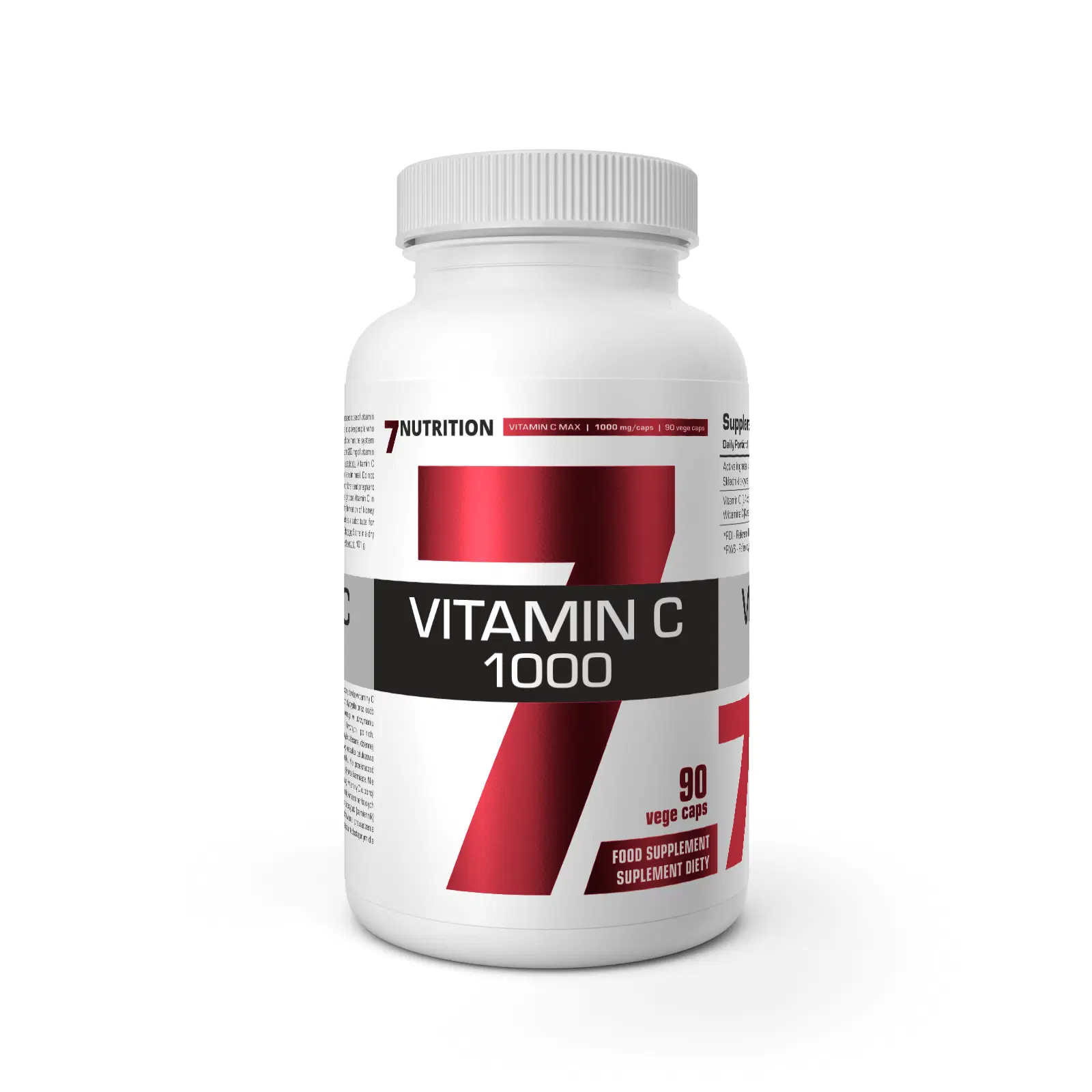
Recommended products
Frequently asked questions
Can Vitamin C and Glutathione be taken together?
Yes, and it is even recommended. Vitamin C helps regenerate depleted glutathione back to its active form, enhancing the body's antioxidant defense. This synergy makes their combination extremely effective against oxidative stress.
Which is better for beginners - Vitamin C or Glutathione?
For beginners, Vitamin C is a better choice. It is an essential vitamin that the body does not produce on its own, plays a fundamental role in immunity, and is more accessible. Glutathione is a more specialized supplement, suitable for those needing strong detox or for very advanced athletes undergoing extreme stress.
When is the best time to take Vitamin C and Glutathione?
Vitamin C is best taken in divided doses throughout the day (e.g., 2 times 500 mg) with food to maintain stable levels and avoid stomach discomfort. Liposomal Glutathione is best absorbed on an empty stomach, for example, in the morning, 30-45 minutes before a meal.
Are there side effects from taking Vitamin C or Glutathione?
Both supplements have a high safety profile. Very high doses of Vitamin C (over 2000-3000 mg daily) can cause temporary digestive issues like diarrhea. Glutathione, especially in liposomal form, rarely causes side effects at recommended doses. Always consult a specialist if you have chronic conditions.
What is the recommended dosage of Vitamin C and Glutathione?
For athletes, an effective dose of Vitamin C is between 500 mg and 2000 mg daily, divided into several intakes. For liposomal Glutathione, the standard dose for support and detox is between 250 mg and 500 mg daily, taken on an empty stomach.