Vitamins and minerals for athletes

Vitamins and Minerals for Athletes — A Complete Guide with Types, Benefits, Dosages, and Expert Recommendations. Everything in one place from SportZone.
Vitamins and Minerals for Athletes: The Complete Guide from SportZone
Welcome to the SportZone central station for everything you need to know about vitamins and minerals in the context of sports and an active lifestyle. As an expert team, our goal is to provide you with comprehensive, scientifically-backed, and easily digestible information to help you optimize your performance, recovery, and overall health. If you are a professional athlete, a fitness enthusiast, or simply looking for a way to keep your body in optimal shape, a proper understanding and intake of these micronutrients are key.
What are Vitamins and Minerals and Why Are They Important for Athletes?
🔬 From SportZone's Experience
We often observe that clients underestimate the role of magnesium and vitamin D, especially during the winter months. Many come with complaints of muscle cramps or chronic fatigue, which quickly disappear after consultation and adequate intake of these supplements. The most common mistake is self-treatment with high doses without consultation, which can lead to imbalance; for example, zinc overdose can lead to copper deficiency.
Vitamins and minerals are essential micronutrients required for the proper functioning of the human body, which the body cannot produce in sufficient quantities or at all. For athletes, these substances are critically important as they participate in almost all metabolic processes related to energy production, muscle recovery, immune function, and protection against oxidative stress, which are heavily taxed during intense training.
In the context of sports, increased physical activity leads to an increased need for these micronutrients. For example, intense training can deplete stores of certain vitamins and minerals through sweat, increased metabolism, and tissue damage. Their adequate intake is essential not only for maintaining health but also for optimizing athletic performance, accelerating recovery, and reducing the risk of injuries and illnesses. They act as cofactors in enzymatic reactions, support nerve impulse transmission, and play a role in maintaining bone density and electrolyte balance.
What Types of Vitamins and Minerals Exist and How Do We Distinguish Them?
📚 Scientific Sources
- Close, G. L., et al. (2016). "New strategies in sport nutrition: current perspectives and future trends." - Emphasizes the importance of micronutrients for athletic performance.
- Peeling, P., et al. (2018). "Iron in sport: An updated guide for athletes and coaches." - Detailed examination of the role of iron in athletes and prevention of deficiencies.
- Larson-Meyer, D. E., & Willis, K. S. (2010). "Vitamin D and athletes." - Comprehensive review of the relationship between vitamin D levels and athletic function.
- Garrison, S. R., et al. (2012). "Magnesium supplementation for the treatment of cramps in adults: A systematic review and meta-analysis." - Analysis of the role of magnesium in muscle cramps.
Vitamins are divided into two main categories: fat-soluble (A, D, E, K), which are stored in fatty tissues and the liver, and water-soluble (C and B vitamins), which are not stored in the body and must be taken regularly. Minerals are also divided into macrominerals (such as calcium, magnesium, sodium, potassium), which are needed in larger quantities, and trace minerals (such as iron, zinc, selenium), needed in smaller doses.
Understanding these categories is important for proper intake and dosage, especially for athletes whose needs can vary significantly depending on the type and intensity of training.
- Sodium — A key electrolyte for hydration and nerve function, especially important during heavy sweating.
- Iron — A primary component of hemoglobin, responsible for oxygen transport to the muscles.
- Electrolytes — A complex of minerals (sodium, potassium, magnesium, calcium) that regulate water balance and muscle contractions.
- Vitamin D — Important for bone health, immune system, and muscle function.
- Magnesium — Involved in over 300 biochemical reactions, including energy production and muscle relaxation.
- Zinc — Supports immune function, protein synthesis, and tissue repair.
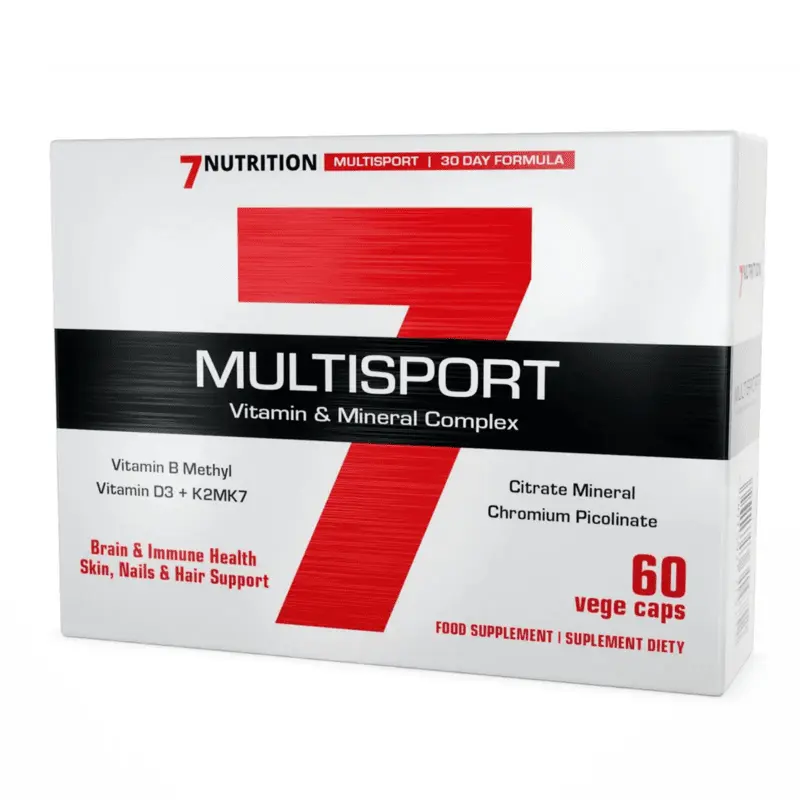
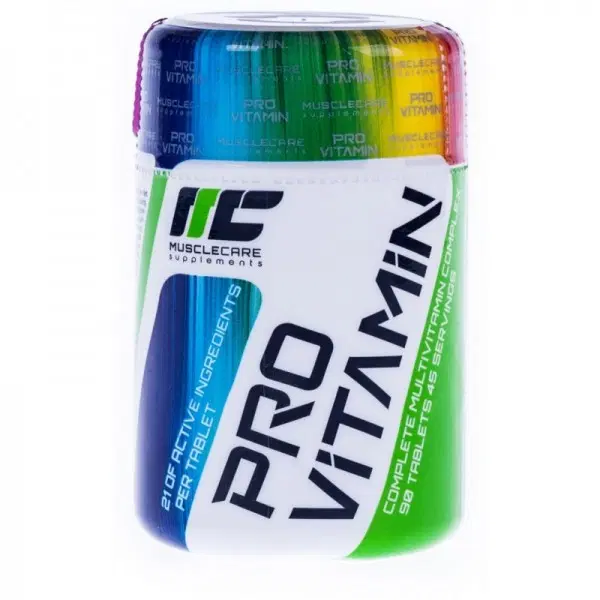
- Multivitamins — A complex formula providing a wide spectrum of vitamins and minerals for general health and covering deficiencies.
- Vitamin C — A powerful antioxidant, supports the immune system and collagen synthesis.
- ZMA — A combination of zinc, magnesium, and vitamin B6, often used to improve recovery and sleep.
- Vitamin E — An important fat-soluble antioxidant, protecting cells from damage.
- Vitamin A — Supports vision, immune function, and cell growth.
- Coenzyme Q10 — An antioxidant involved in cellular energy production.
- Vitamin K — Crucial for blood clotting and bone health.
How to Choose the Right Vitamins and Minerals for Our Goals?
Choosing the right vitamins and minerals depends on individual goals, type of training, diet, and potential deficiencies. There is no universal formula, but we can provide general guidelines:
- For Muscle Growth: Magnesium (for protein synthesis and muscle function), Zinc (for testosterone and recovery), Vitamin D (for muscle strength).
- For Endurance: Iron (for oxygen transport), Electrolytes (for hydration and cramp prevention), Coenzyme Q10 (for energy production).
- For Recovery: ZMA (for sleep and recovery), Vitamin C (for reducing oxidative stress), Magnesium (for muscle relaxation).
- For Weight Loss: Vitamin D (may support metabolism), Zinc (for appetite regulation), Magnesium (for energy metabolism).
- For Beginners: Multivitamins (to cover basic needs), Vitamin D (common deficiency), Magnesium (for general health and muscle function).
How and When to Take Vitamins and Minerals for Maximum Results?
Proper timing and dosage are just as important as choosing the supplements themselves. Some vitamins and minerals are better taken with food to improve absorption, while others may have specific requirements.
- Before Training: Electrolytes (to prevent dehydration and maintain energy), Coenzyme Q10 (for energy production).
- After Training: Magnesium (for muscle relaxation and recovery), ZMA (before bed for recovery and sleep), Vitamin C (to reduce inflammation).
- Every Day: Multivitamins (for general health and covering basic needs), Vitamin D (especially during winter months), Iron (if deficient, as recommended by a doctor). Fat-soluble vitamins (A, D, E, K) are best taken with fats for better absorption.
What Vitamin and Mineral Combinations (Stacks) Work Best?
Synergistic combinations of vitamins and minerals can mutually enhance their benefits and lead to better results. Here are a few proven effective "stacks":
- ZMA (Zinc + Magnesium + Vitamin B6): A classic combination to improve sleep, recovery, and maintain normal testosterone levels.
- Vitamin D + Magnesium + Vitamin K2: This combination is essential for bone and cardiovascular health, as magnesium helps activate Vitamin D, and Vitamin K2 directs calcium to the bones and away from the arteries.
- Vitamin C + Iron: Vitamin C significantly improves iron absorption, especially plant-based (non-heme) iron, which is important for athletes at risk of anemia.
- Zinc + Vitamin C: A powerful combination to boost the immune system, especially during intense training periods when immunity may be compromised.
👉 Recommended Stack
For active athletes aiming for optimal recovery and immunity, we recommend a stack of ZMA (25mg Zinc, 400mg Magnesium, 10mg B6) before bed and Vitamin D3 (2000-4000 IU) with Vitamin K2 (100mcg) in the morning with food. This stack supports hormonal balance, bone health, and immune function, which is critical for intense training.
What Are the Most Common Mistakes When Taking Vitamins and Minerals?
Despite the benefits, mistakes are often made that can reduce effectiveness or even lead to undesirable consequences:
- ❌ Taking without need or in excessive doses: The belief that "more is better" can lead to hypervitaminosis or toxicity, especially with fat-soluble vitamins. Always follow recommended dosages.
- ❌ Ignoring diet: Supplements are a supplement, not a substitute for a balanced diet. The foundation should always be whole foods.
- ❌ Incorrect timing: Taking certain supplements at the wrong time (e.g., magnesium in the morning instead of at night) can reduce their effect or cause discomfort.
- ❌ Ignoring interactions: Some vitamins and minerals can interfere with each other's absorption (e.g., calcium and iron, zinc and copper), while others help each other. Be informed about these interactions.