VO2 max — what it is and how to increase it
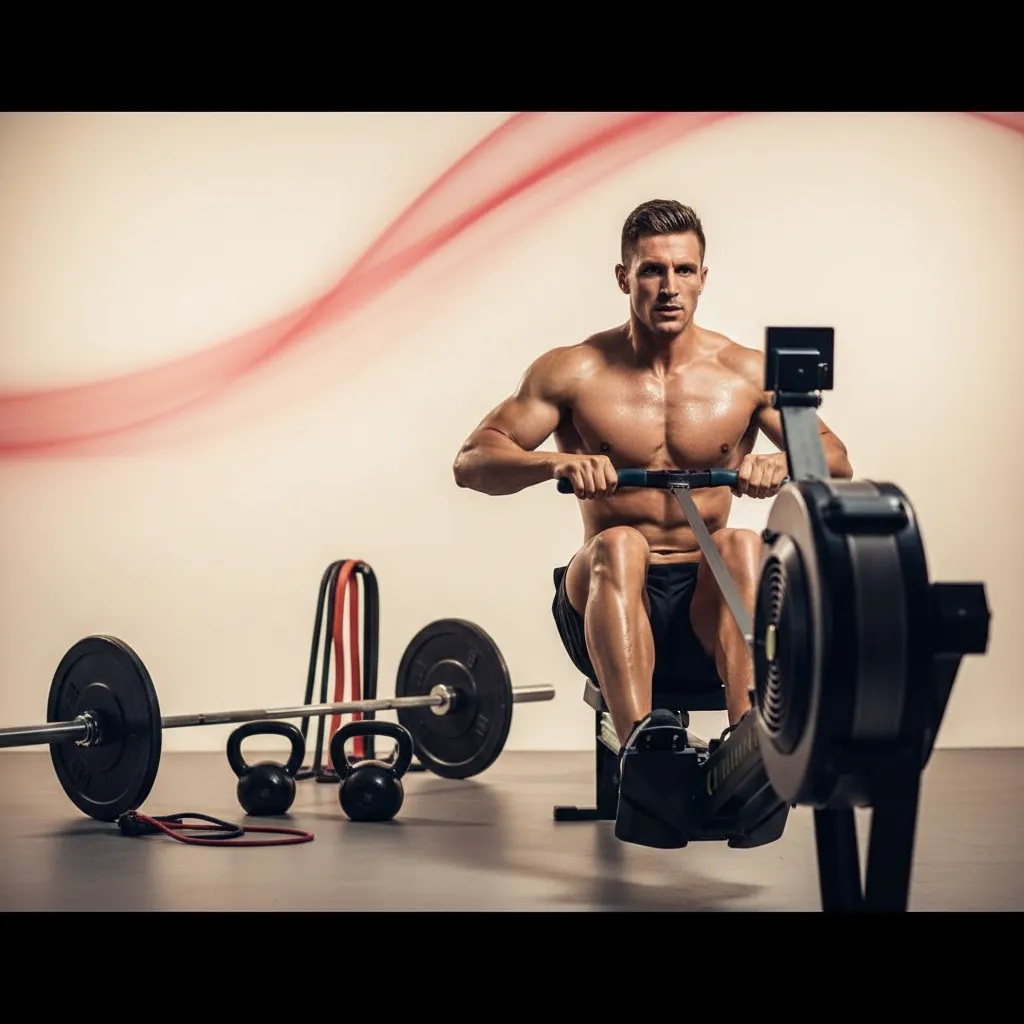
maximal oxygen consumption, ml/kg/min, normal values by sex/age, how HIIT and LISS training change it
VO2 max (maximal oxygen consumption) is the highest amount of oxygen the body can take in, transport, and use per minute during maximal exertion, measured in ml/kg/min.
📌 3 Key Takeaways
- VO2 max is the gold standard for measuring cardiorespiratory endurance and is directly linked to aerobic capacity and overall health.
- High-intensity interval training (HIIT) is an extremely effective method for rapidly increasing VO2 max, often more so than traditional cardio.
- While genetics determine a large part of your potential, consistent and properly structured training can increase VO2 max by 10-25%.
What Exactly is VO2 Max?
💬 Simply Put: VO2 max indicates how efficiently your body uses oxygen during exercise – the higher it is, the more endurance you have.
- V – Volume
- O₂ – Oxygen
- max – Maximum
Sample VO2 Max Values (ml/kg/min)
| Age/Gender | Poor | Average | Excellent |
|---|---|---|---|
| Men (30-39) | below 35.4 | 41.0 - 42.4 | above 49.4 |
| Women (30-39) | below 29.4 | 33.8 - 35.2 | above 41.0 |
| Men (50-59) | below 29.4 | 35.3 - 36.7 | above 43.1 |
| Women (50-59) | below 24.4 | 28.2 - 29.6 | above 35.7 |
How Does It Work in Practice?
Increasing VO2 max occurs through adaptations in the body that improve the entire oxygen transport chain: from the lungs to the muscle cells. When you train at a sufficiently high intensity (usually above 80% of your maximum heart rate), you force your body to work near or at its limit. This triggers a series of adaptations: 1. The Heart Gets Stronger: Stroke volume (the amount of blood pumped with each beat) increases. The heart pushes more oxygen-rich blood to the muscles. 2. More Capillaries: The body builds more small blood vessels (capillaries) around muscle fibers, facilitating oxygen delivery. 3. More Efficient Mitochondria: The cellular "powerhouses" – mitochondria – become larger and more numerous, increasing the muscles' capacity to use the delivered oxygen. Let's consider a real-world scenario. A 35-year-old man who works in an office and doesn't exercise has a VO2 max of 38 ml/kg/min. He decides to start a structured program. If he trains 3 sessions per week, alternating HIIT and LISS (Low-Intensity Steady State), within 8-12 weeks he can expect a 10-15% increase. His VO2 max could reach 42-44 ml/kg/min. This means climbing stairs, which previously left him breathless, will now be easy, and running a 5k will be several minutes faster at the same perceived exertion.🔬 From Practice
In my practice as a strength athlete and coach, I often work with athletes who hit a plateau in their strength gains. One such client, a CrossFit competitor, couldn't improve his squat and deadlift results for months. His main problem was getting breathless too quickly and not being able to recover between heavy sets of 3-5 reps. We started working specifically on improving his VO2 max through two weekly HIIT sessions on an Assault Bike. After 6 weeks, his work capacity increased dramatically. He could complete the same amount of work with shorter rest periods (e.g., 90 seconds instead of 3 minutes), and his heart rate returned to normal significantly faster. As a result, he was able to add 10 kg to his squat because he now had the "aerobic engine" to support his strength efforts.
When and How to Improve It?
Measuring VO2 max can be done in two ways: * Directly (Lab Test): This is the gold standard. It's performed on a treadmill or ergometer with a mask that analyzes inhaled and exhaled air. The test increases intensity to complete exhaustion. * Indirectly (Fitness Trackers and Field Tests): Modern smartwatches use algorithms based on heart rate and running speed to provide an approximate estimate. They are useful for tracking trends but are not absolutely precise. To improve VO2 max, the most effective methods are those that push you to train at high intensity, close to your maximum.Comparison of VO2 Max Training Methods
| Characteristic | HIIT (High-Intensity Intervals) | LISS (Low-Intensity Cardio) |
|---|---|---|
| Intensity | 90-100% of max HR | 60-75% of max HR |
| Duration | 15-25 minutes (including intervals) | 45-90 minutes |
| Sample Workout | 4 min sprint at 90%, 3 min easy pace, 4-5 reps | 60 min steady run or cycling |
| Effectiveness for VO2 Max | Very High (quick results) | Moderate (requires higher volume) |
Common Mistakes and Misconceptions
Understanding VO2 max is key, but there are also many misconceptions surrounding it. Avoiding them will help you train smarter. First, many people confuse VO2 max with lactate threshold. VO2 max is the ceiling of the aerobic system, while lactate threshold is the intensity at which lactic acid begins to accumulate faster than the body can clear it. You can sustain a pace at your lactate threshold for 30-60 minutes, but an effort at VO2 max – only for a few minutes. Trained athletes have a high lactate threshold (e.g., 85-90% of VO2 max), which allows them to maintain a high speed for a long time. A second mistake is thinking VO2 max is only important for runners and cyclists. As I showed in the practical example, good aerobic capacity is critical for recovery between sets in strength sports, for maintaining intensity in CrossFit WODs, and even in combat sports. A third misconception is blindly trusting data from fitness trackers. They provide useful guidance, but the actual value can vary by 5-15%. Don't obsess over the specific number; instead, track the trend – whether it's increasing over time.⚠️ Common Mistakes
- Over-focusing on HIIT: Doing only high-intensity workouts leads to overtraining and increases the risk of injury. Balance with lighter, recovery sessions.
- Ignoring Strength Training: Strong legs and core help maintain good running mechanics, which improves efficiency and allows for better utilization of your VO2 max.
- Trusting Watch Readings as Absolute Truth: Use them for motivation and progress tracking, but don't take them as lab-accurate. Changes in heart rate due to stress, lack of sleep, or caffeine can skew the estimate.
How can I increase my VO2 max if I hate running?
Any activity that engages large muscle groups and elevates your heart rate to high levels is effective. Try cycling, swimming, rowing, burpees, jump rope, or intense weight complexes (e.g., light thrusters for high reps).
How much role does genetics play in VO2 max?
Genetics play a significant role and can determine up to 50% of your VO2 max potential. Some people are born with a bigger "engine." However, this doesn't mean training is pointless. Even someone with weaker genetic predispositions can achieve a much higher VO2 max through training than an untrained person with elite genetics.
If I have a high VO2 max, does that mean I'll win a marathon?
Not necessarily. High VO2 max is a necessary, but not sufficient, condition. For success in endurance sports, two other factors are critical: a high lactate threshold (the ability to sustain a high percentage of your VO2 max for a long time) and good running economy (expending less energy at a given speed).
Author: Ivan Popov, NSCA-CSCS — Certified Strength & Conditioning Specialist, former national powerlifting competitor.
See more in the fitness guides of Sport Zona Academy.
🔬 Expert Note from Sport Zona
We observe with our athletes that consistency in high-intensity training, combined with adequate recovery, leads to significant improvement in VO2 max. There are no magic pills, only strict adherence to the training plan and listening to your body. We often underestimate how important diet is for optimal oxygen utilization.
See more in the fitness guides of Sport Zona Academy.
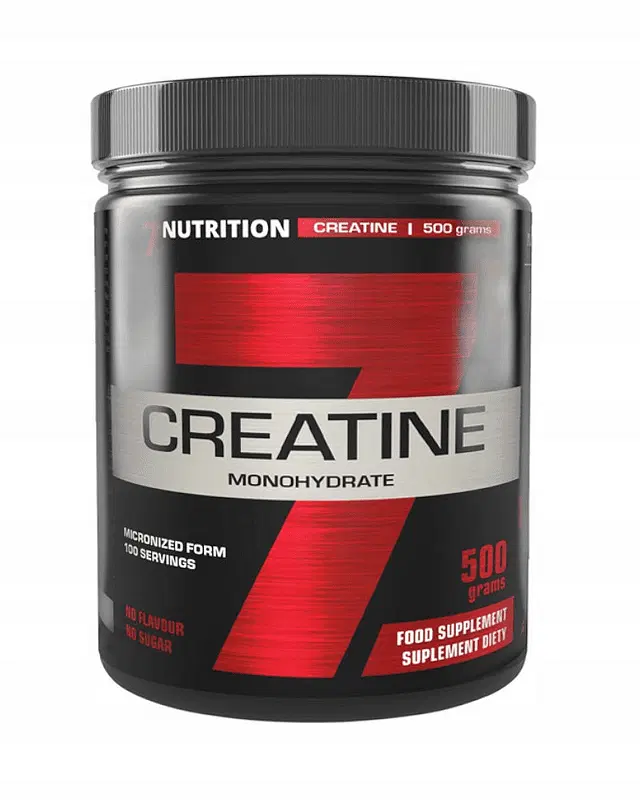
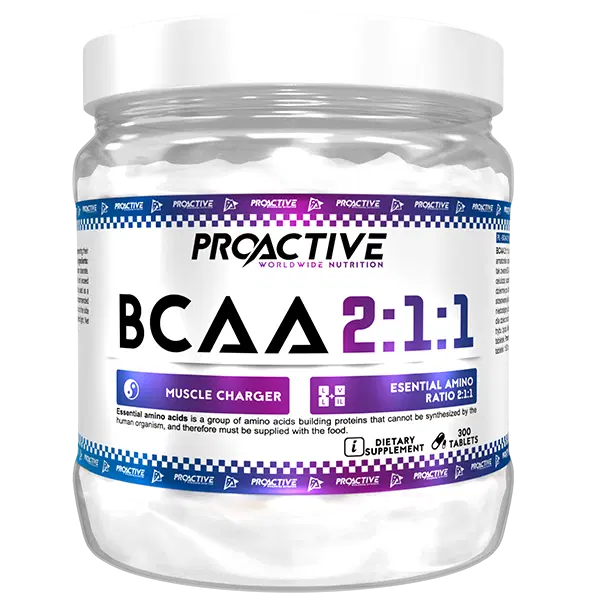
Recommended products
Frequently asked questions
What is the normal VO2 max for a 35-year-old woman?
For a woman aged 30-39 years, the average VO2 max is between 33.8 and 35.2 ml/kg/min. Values above 41.0 ml/kg/min are considered excellent.
Which type of training is more effective for increasing VO2 max - HIIT or LISS?
High-intensity interval training (HIIT) is generally more effective and faster for increasing VO2 max compared to long, low-intensity steady-state (LISS) training.
What is the physiological benefit of a higher VO2 max?
A higher VO2 max means your body is more efficient at absorbing and utilizing oxygen. This leads to improved cardiovascular endurance and overall health.
Can VO2 max be improved if I have a genetic predisposition for lower values?
Yes, although genetics play a role, regular and properly structured training can improve VO2 max by 10-25%.