VO2max — a measure of aerobic capacity
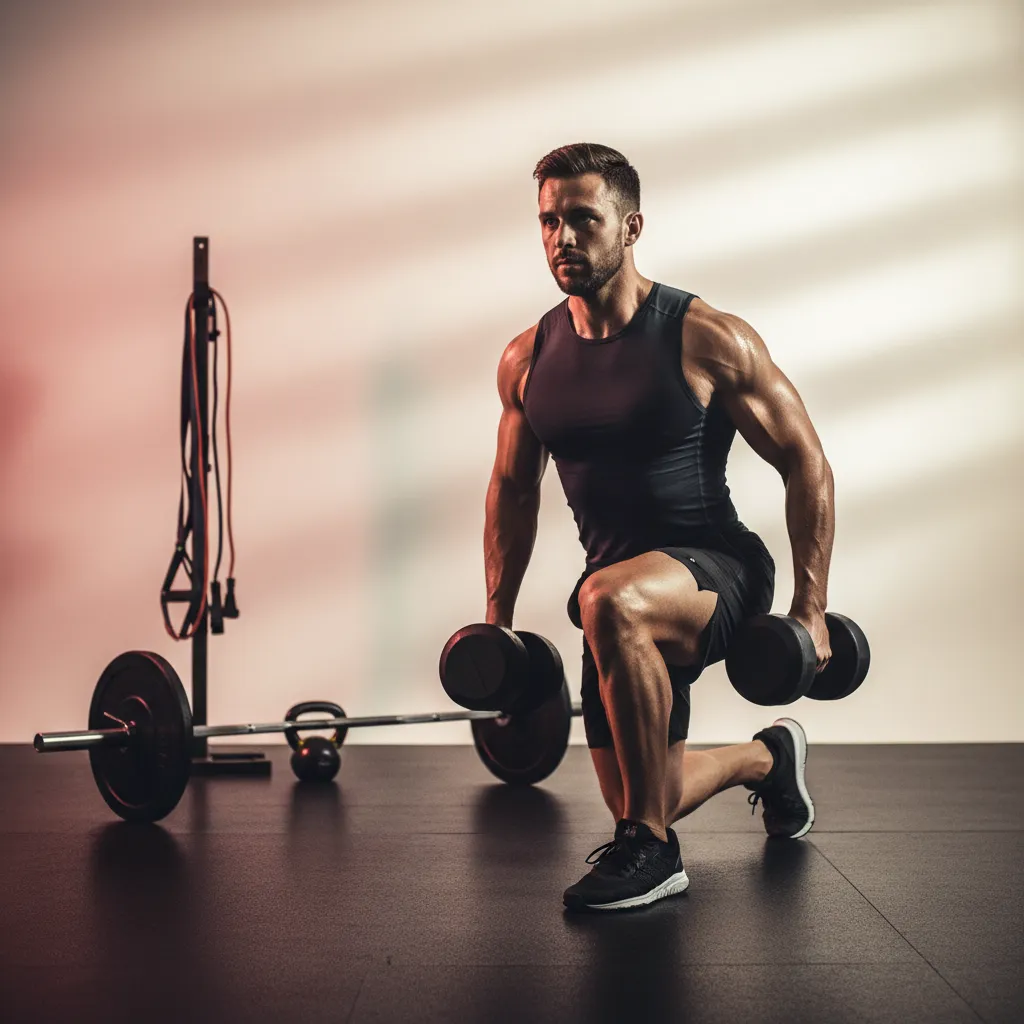
VO2max is a key indicator of aerobic capacity, reflecting the body's efficiency in utilizing oxygen. Understand what it is, how it is measured, and how to improve it for better health and athletic performance.
VO2max is the maximum amount of oxygen (in milliliters) that your body can take in, transport, and use per minute per kilogram of body weight during maximal physical exertion. It is an indicator of the body's aerobic capacity and its ability to sustain intense physical activity for a longer period.
What exactly does VO2max measure?
💬 Simply put: VO2max shows how well your body uses oxygen during exercise and is a measure of your endurance and overall physical condition.
VO2max is a complex of several physiological factors: the heart's capacity to pump blood (cardiac output), the blood's ability to carry oxygen (hemoglobin concentration), and the muscles' efficiency in extracting and using oxygen from the blood. A high VO2max doesn't necessarily mean you're an elite athlete, but it's definitely a prerequisite for good performance in endurance sports like running, cycling, swimming, etc. Furthermore, it is a strong predictor of overall health and longevity.
Normal VO2max values by sex and age
VO2max values vary significantly depending on sex, age, physical activity level, and genetic predisposition. Men generally have higher values than women, and as age progresses, VO2max gradually decreases. Here is a sample table with approximate values:
| Age group | Men (ml/kg/min) | Women (ml/kg/min) |
|---|---|---|
| 18-25 years | 40-55 | 35-45 |
| 26-35 years | 35-50 | 30-40 |
| 36-45 years | 30-45 | 27-37 |
| 46-55 years | 27-40 | 24-34 |
| 55+ years | 25-35 | 22-30 |
It should be noted that professional athletes can achieve significantly higher values, for example, around 70-80 for men and 60-70 for women.
How is VO2max measured?
The most accurate way to measure VO2max is through a laboratory test with a gas analyzer (so-called ergospirometry). During the test, you exercise on a treadmill or ergometer with gradually increasing load while wearing a mask that measures the ratio of inhaled and exhaled oxygen and carbon dioxide. The cost of such a test in specialized clinics or sports centers can range from €80 to €200.
How to increase VO2max?
Increasing VO2max requires systematic aerobic training aimed at improving the cardiovascular system. Here are some effective strategies:
- High-Intensity Interval Training (HIIT): Alternating short periods of maximum effort with short periods of active recovery. For example, 4 minutes of sprinting at 90-95% of maximum heart rate, followed by 3 minutes of slow running or walking, repeated 3-5 times.
- Long, moderate-intensity workouts: Performing workouts at a constant, moderate intensity (60-80% of maximum heart rate) for a longer duration (45-90 minutes). These improve endurance and the heart's efficiency in pumping blood.
- High-altitude training: Exposure to lower atmospheric pressure and less oxygen stimulates the production of red blood cells, which improves oxygen transport capacity.
- Progressive overload: Gradually increase the duration, intensity, or frequency of your workouts to continue challenging your body.
- Improved cardiovascular health
- Increased endurance
- Reduced risk of chronic diseases
- Better quality of life
- Faster recovery
- Need for high discipline and consistency
- Risk of overtraining with inadequate planning
- Initial investment in equipment/tests
- Genetic limitations to maximum potential
The role of strength training and nutrition
Although VO2max is directly related to aerobic activity, strength training also plays an important role. Improved muscle mass and strength can indirectly contribute to more efficient oxygen utilization and reduce fatigue. According to studies by Brad Schoenfeld and Eric Helms, an optimal strength-to-endurance ratio can improve overall athletic performance. Proper nutrition, rich in macro- and micronutrients, provides the necessary energy for training and recovery.
Conclusion
VO2max is an extremely important indicator of your aerobic health and athletic potential. Understanding this indicator and taking steps to improve it through targeted training and a healthy lifestyle can significantly enhance your well-being and help you achieve your maximum athletic goals. Remember that consistency and proper planning are key to long-term success.
See more in the fitness guides of Sport Zona Academy.
📚 Scientific sources
🔬 Expert note from Sport Zona
From experience, we have found that the highest VO2max values are often observed in athletes with many years of experience in endurance sports, with some of them being over 40 years old. This proves that systematic training is much more important than age itself for maintaining high aerobic capacity. Of course, young talents also achieve very good results, but their potential for development is greater.
See more in the fitness guides of Sport Zona Academy.
Recommended products

Frequently asked questions
How often should I train to increase VO2max?
For optimal results, aim for 3-5 aerobic workouts per week, alternating between high-intensity interval training and longer, moderate-intensity sessions. Progressive overload is key.
Can I increase VO2max if I'm a beginner?
Absolutely! Beginners can see significant improvements in VO2max relatively quickly as their bodies adapt to the new stress. Start with moderate workouts and gradually increase intensity and duration.
Are there any supplements that help increase VO2max?
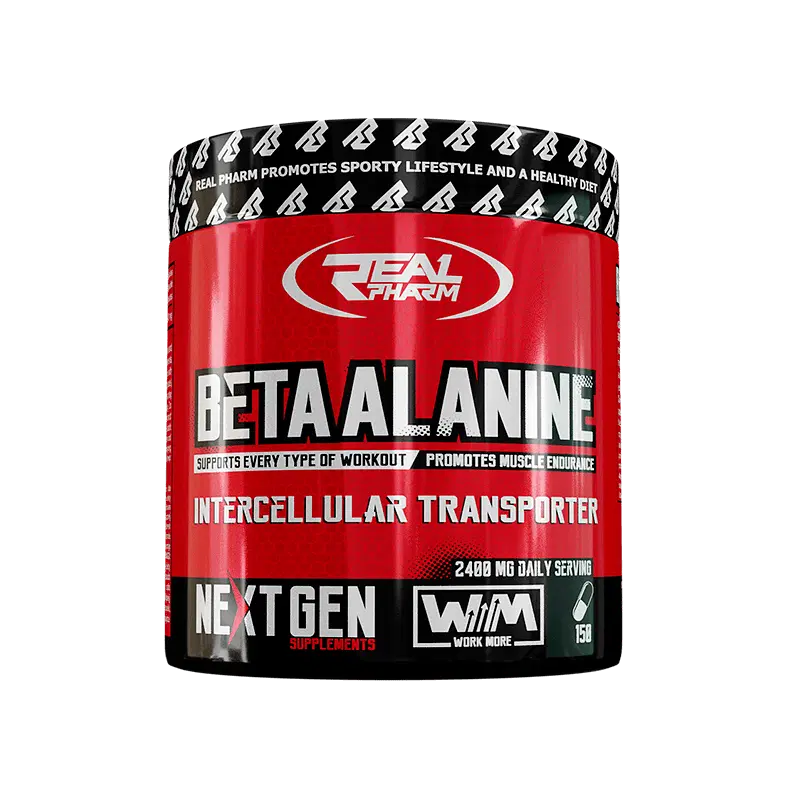
Certain supplements like creatine, beta-alanine, and caffeine can support the training process and indirectly contribute to better results. However, there are no magic pills; the foundation is always training and nutrition.
What is the relationship between VO2max and longevity?
Numerous studies show a strong correlation between higher VO2max levels and a reduced risk of chronic diseases (cardiovascular, type 2 diabetes) and increased lifespan. It is one of the best indicators of overall health.