Water vs. Isotonics: Hydration, Osmolarity, and Metabolic Balance
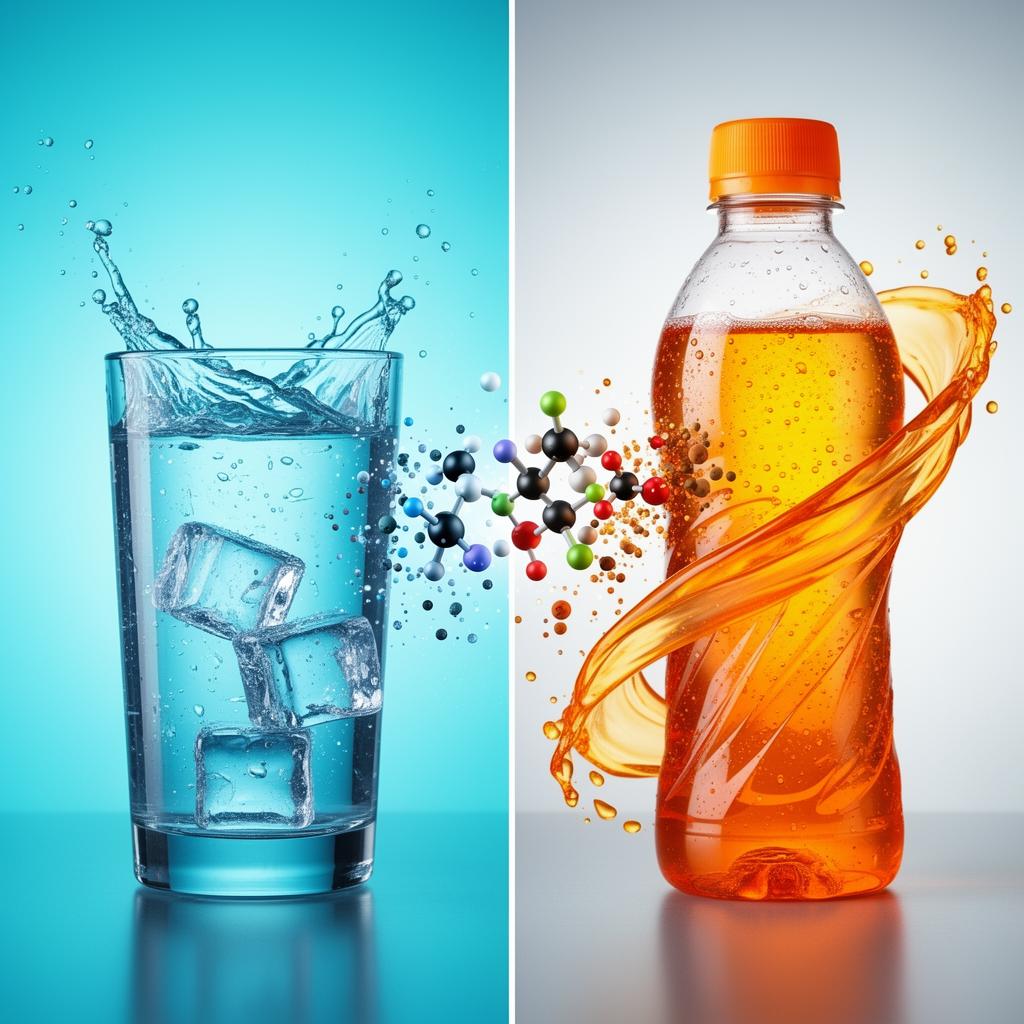
The question is not simply "how much fluid we drink," but whether these fluids can pass through the cell membrane. The difference is between simply filling the stomach and maintaining the electrical potential that allows your muscles to contract.
Why "Too Much Water" Can Be as Dangerous as Dehydration
The question isn't just "how much fluid we drink," but whether that fluid can pass through the cell membrane. The difference is between simply filling your stomach and maintaining the electrical potential that allows your muscles to contract.
📊 Comparative Matrix: System Analysis
| Characteristic | Plain Water | Isotonic Drink | Electrolyte Tablets |
|---|---|---|---|
| Osmolarity | Hypotonic (low) | Isotonic (~280-300 mOsm/kg) | Varies by solution |
| Absorption Rate | Fast (at rest) | More effective under load | Fast |
| Electrolytes (Na, K, Mg) | Minimal (traces) | Balanced (high) | Very high |
| Carbohydrates | 0g | 6–8g per 100ml | 0g |
| Purpose | Basic hydration | Endurance and energy | Hydration without calories |
🧬 In-depth Analysis of Mechanisms
1. Osmotic Pressure and the "Transport Gate"
For water to leave the stomach and enter the blood, it needs sodium and glucose.
- Water at Rest: Under normal conditions, water passes easily. But under heavy exertion, the body diverts blood flow from the gastrointestinal tract to the muscles.
- The Isotonic Effect: Isotonics have the same particle concentration as blood (~280-300 mOsm/kg). This allows the fluid to pass through the intestines via passive transport almost instantly, restoring plasma volume without stomach discomfort.
2. The Hyponatremia Paradox (Water Intoxication)
Drinking only plain water during extreme exertion (marathons, triathlons) carries a hidden risk.
- System Dilution: When you sweat, you lose salt. If you drink only water, you dilute the remaining sodium in your blood.
- Result: Sodium levels drop critically (hyponatremia), leading to cell swelling, confusion, and in extreme cases, cerebral edema. The electrolytes in sports drinks aren't "extra"; they are a safeguard.
💬 Simply Put: Without salt, water doesn't effectively enter the muscles. An isotonic has just the right amount of salt and sugar as your blood, which is why it's absorbed instantly. Plain water is like keyless entry – it works, but slowly.
🛡️ The Role of Glucose: Fuel or Transport?
In isotonics, sugar has two roles:
- Energy: Maintains blood sugar levels when muscle glycogen is running low.
- Absorption: Sodium and glucose work together in the "SGLT1" transporter in the intestines – they literally "pull" water along with them into the bloodstream.
If your goal is
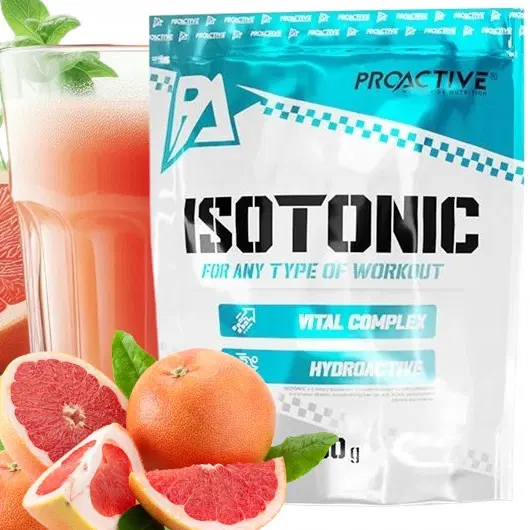
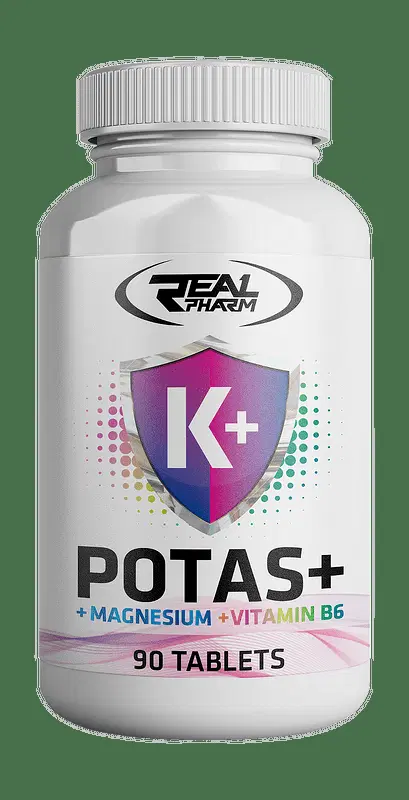
Recommended products
Frequently asked questions
Can I drink isotonic drinks every day?
Not necessary for normal activity. Isotonics contain sugar and salts, which are only beneficial during intense sweating (over 60 min. of training). For a sedentary lifestyle, they add unnecessary calories. Water is sufficient for daily hydration.
When is water not enough for hydration?
Water is not enough for training sessions over 60-90 minutes, in hot weather (above 30 degrees Celsius), with heavy sweating, or with symptoms like muscle cramps and dizziness. In these cases, electrolytes are critically important for maintaining osmotic balance.
How many electrolytes are needed during training?
On average, 500-1500 mg of sodium are lost per liter of sweat. For training sessions over 90 minutes, we recommend 300-600 mg of sodium per hour through an isotonic solution or an electrolyte tablet. The exact amount depends on intensity and temperature.
What is hyponatremia and how can I avoid it?
Hyponatremia is a dangerously low level of sodium in the blood, caused by excessive drinking of plain water without electrolytes during prolonged exertion. Symptoms include nausea, confusion, and swelling. Avoid it by adding electrolytes for training sessions over 90 minutes.