Creatine: The Complete Guide

Creatine: The Complete Guide — a complete guide to types, benefits, dosages, and expert recommendations. Everything in one place from SportZone.
Creatine: The Complete Guide from SportZone
Welcome to the complete guide to creatine from SportZone – your trusted source for information on sports supplements and achievements. Here you will find everything you need to know about creatine to optimize your workouts and achieve your desired results. From the basic principles of action to complex combinations and common mistakes, we have gathered expert knowledge in one place to give you an edge.
What is Creatine and Why is it Important for Athletes?
Creatine is a naturally occurring organic compound that plays a key role in cellular energy metabolism, especially in muscle tissues. It is essential for athletes as it aids in the rapid production of energy in the form of adenosine triphosphate (ATP), which is the fuel for short, intense physical exertion. By increasing phosphocreatine stores in the muscles, creatine allows the body to perform more repetitions, lift heavier weights, and recover faster between sets.
🔬 From SportZone's Experience
In our work with over 50,000 clients, we see that a large portion of them reach a plateau in their progress when they don't use creatine correctly. A common mistake is expecting immediate results without a prior saturation period, or stopping intake at the first signs of slight bloating. The best results are achieved with consistent and correct intake, tailored to individual needs.
This effect makes creatine one of the most researched and proven effective supplements in the sports world. It not only improves strength and power but can also support muscle growth by increasing muscle cell volume and stimulating protein synthesis. For anyone striving for better athletic performance, creatine is a fundamental tool in the supplement arsenal, offering tangible results with proper intake.
What Types of Creatine Exist and How to Distinguish Them?
The world of supplements offers a variety of creatine forms, each with its own specific characteristics and potential benefits. Understanding these differences is key to choosing the most suitable product for your goals.
📚 Scientific Sources
- Kreider, R. B., et al. (2017). International Society of Sports Nutrition position stand: safety and efficacy of creatine supplementation. Journal of the International Society of Sports Nutrition, 14(1), 18. (DOI: 10.1186/s12970-017-0173-z)
- Buford, T. W., Kreider, R. B., et al. (2007). International Society of Sports Nutrition position stand: creatine supplementation and exercise. Journal of the International Society of Sports Nutrition, 4(1), 6. (DOI: 10.1186/1550-2783-4-6)
- Hultman, E., et al. (1996). Muscle creatine loading in men. Journal of Applied Physiology, 81(1), 232-237. (PubMed: 8829091)
- Rawson, E. S., & Volek, J. S. (2003). Effects of creatine supplementation and resistance training on muscle strength and weightlifting performance. Journal of Strength and Conditioning Research, 17(4), 822-831. (DOI: 10.1519/1533-4287(2003)017<0822:EOCSAR>2.0.CO;2)
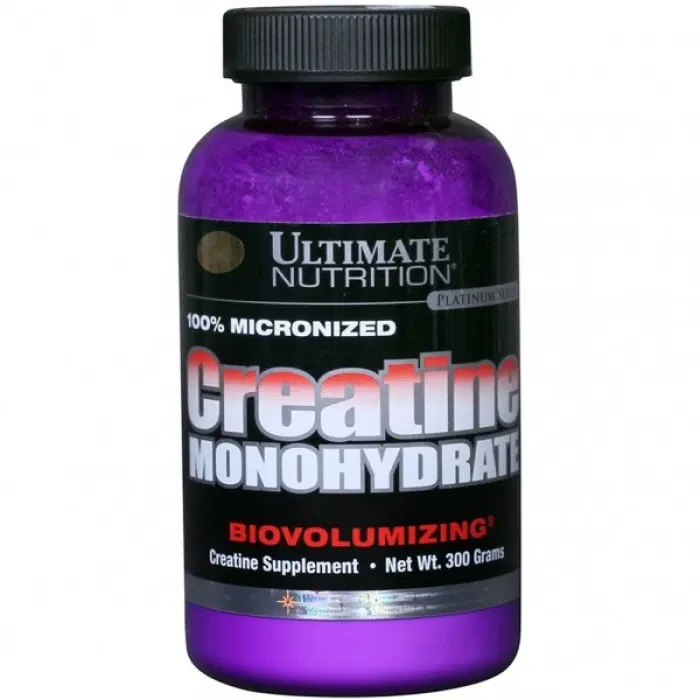
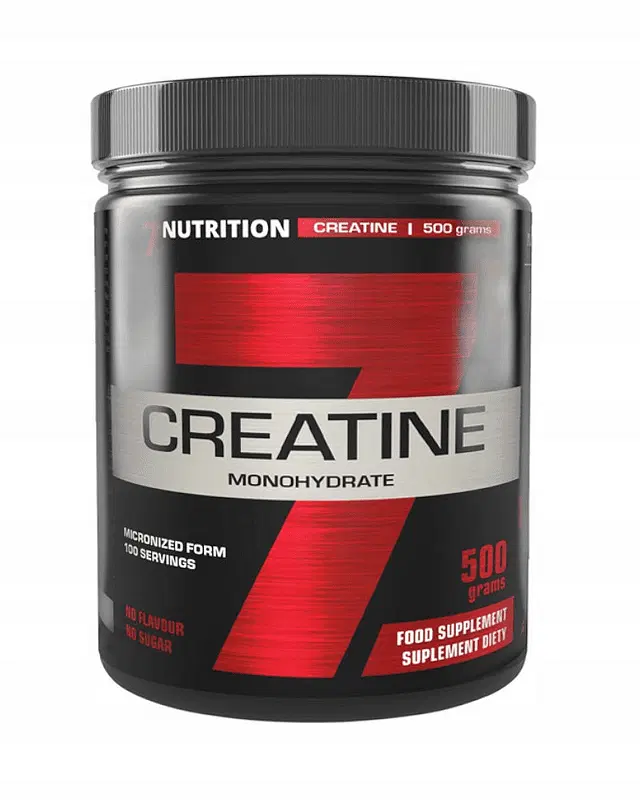
- Creatine Monohydrate: This is the most researched and widely used form of creatine. It has been proven effective for increasing muscle strength, power, and mass. It is characterized by high purity and efficacy, making it the gold standard among creatine supplements.
- Beta-Alanine: Although not creatine, Beta-Alanine is often combined with it, as it synergistically improves endurance and reduces muscle fatigue. It acts as a precursor to carnosine, which buffers lactic acid in the muscles.
- Betaine (Trimethylglycine): Betaine is another compound that can enhance the effects of creatine by supporting cell hydration and creatine synthesis in the body. It can contribute to increased strength and power.
- Dextrose: A simple carbohydrate often taken with creatine. Dextrose raises insulin levels, which can improve creatine absorption by muscle cells, "opening" them for more effective uptake.
- HMB (Beta-hydroxy-beta-methylbutyrate): HMB is a metabolite of the amino acid leucine that can help reduce muscle breakdown and support recovery. It is often combined with creatine for a synergistic effect on muscle growth and strength.
How to Choose the Right Creatine for Our Goals?
Choosing the right creatine or accompanying supplement depends entirely on your individual goals. Here are some guidelines that can help you in the decision-making process:
- For muscle growth: Creatine Monohydrate is your best choice, as it is proven effective for increasing muscle mass. Combining it with HMB can enhance this effect by reducing muscle breakdown.
- For endurance: Beta-Alanine is excellent for improving endurance, especially during high-intensity training, by reducing lactic acid buildup.
- For recovery: HMB is highly recommended for accelerating recovery and reducing muscle damage after intense workouts. Creatine Monohydrate also contributes to faster replenishment of energy stores.
- For weight loss: While creatine itself is not a direct weight loss agent, it can indirectly support the process by increasing muscle mass and improving metabolism. In this context, Creatine Monohydrate is the most suitable.
- For beginners: For beginner athletes, Creatine Monohydrate is the ideal starting point. It is the most researched, effective, and economical option that will give you a solid foundation for achieving results.
How and When to Take Creatine for Maximum Results?
Proper creatine intake is essential for optimizing its benefits. Although Creatine Monohydrate is the most popular form, general dosing and timing principles can also be applied to other accompanying supplements to achieve maximum effectiveness.
- Pre-workout: Taking creatine before a workout can prepare muscles for the upcoming exertion by providing quick access to energy. For supplements like Beta-Alanine, pre-workout intake is particularly important to build up sufficient carnosine levels and support endurance during the workout itself. It is usually recommended 30-60 minutes before training.
- Post-workout: Taking creatine after a workout is equally important, as muscles are more receptive to nutrient absorption. This helps replenish depleted creatine stores and speeds up recovery. Combining it with Dextrose post-workout can enhance creatine absorption by triggering an insulin spike.
- Every day: To maintain optimal creatine levels in the muscles, it is recommended to take Creatine Monohydrate daily, even on non-training days. The standard maintenance dose is usually 3-5 grams per day. HMB and Betaine can also be taken daily to maintain their benefits.
It is important to pay attention to the loading phase for Creatine Monohydrate. This involves taking higher doses (around 20 grams daily, divided into 4 doses) for 5-7 days to quickly saturate the muscles, followed by a maintenance phase. However, many studies show that direct intake of a maintenance dose without a loading phase yields similar results after about 3-4 weeks.
What Creatine Combinations (Stacks) Work Best?
Combining creatine with other proven supplements can lead to synergistic effects that further enhance athletic performance. Here are some of the most effective combinations:
- Creatine Monohydrate + Dextrose: This classic combination is proven effective for increasing creatine absorption. Dextrose triggers an insulin response that helps transport creatine into muscle cells. It is ideal for post-workout intake.
- Creatine Monohydrate + Beta-Alanine: This combination is powerful for improving strength and endurance. While creatine provides energy for short, intense efforts, Beta-Alanine buffers lactic acid, allowing for longer and more effective sets.
- Creatine Monohydrate + HMB: For maximum muscle growth and recovery, the combination of Creatine Monohydrate and HMB is an excellent choice. Creatine supports strength and volume, while HMB reduces muscle catabolism and accelerates recovery.
- Creatine Monohydrate + Betaine: Betaine can complement the effects of creatine by supporting cell hydration and creatine synthesis, potentially leading to greater strength and power.
Always consult with a specialist or read the instructions carefully before combining supplements to ensure safety and effectiveness.
What Mistakes Are Most Commonly Made When Taking Creatine?
Although creatine is extremely effective, improper intake can limit its benefits or even lead to undesirable side effects. Here are some of the most common mistakes:
- ❌ Insufficient water intake: Creatine draws water into muscle cells, which is part of its mechanism of action. If you don't drink enough water, you can become dehydrated and experience discomfort such as cramps or stomach problems. Always maintain high hydration.
- ❌ Irregular intake: To maintain optimal creatine levels in the muscles, it is necessary to take it regularly, even on non-training days.
Recommended products
Frequently asked questions
What is creatine and why is it important?
Creatine is a naturally occurring compound that plays a key role in energy production within muscle cells. It is particularly important for activities requiring short, intense bursts of effort, such as weightlifting and sprinting.
What are the most popular types of creatine?
The most popular and well-researched form of creatine is creatine monohydrate. Other common forms include creatine hydrochloride (HCl), creatine ethyl ester, and creatine nitrate, although these often have less scientific evidence behind them.
What are the main benefits of taking creatine?
The main benefits of taking creatine include increased muscle strength and power, improved endurance during high-intensity exercise, and faster recovery between sets. It may also support an increase in muscle mass.
Are there any side effects to taking creatine?
Creatine is generally considered safe for most people when taken at recommended doses. Possible mild side effects may include water retention and mild stomach upset, especially at high doses or if not enough water is consumed.
What is the recommended dosage for creatine?
The standard dosage for creatine monohydrate is 3-5 grams per day. Some people choose to start with a loading phase of about 20 grams per day, split into several doses, for the first 5-7 days, followed by a maintenance dose.