Proteins: A Complete Guide

Proteins: A Complete Guide — A comprehensive guide to types, benefits, dosages, and expert recommendations. Everything in one place from SportZone.
Proteins: A Complete Guide from the SportZone Expert Team
Welcome to the complete guide to proteins from SportZone! As an expert team in sports nutrition and supplements, we understand how important it is for you to have access to accurate, comprehensive, and easy-to-understand information. This HUB page is designed to bring together all the key aspects of proteins – from their basic definition and importance, through the different types, to the correct way of intake and common mistakes.
If you are a professional athlete, an active amateur, or simply want to improve your health and physical fitness, proteins play a central role in your success. Here you will find not only the basic principles but also references to detailed articles for each specific type of protein, so you can deepen your knowledge and make informed decisions for your body and goals.
What are proteins and why are they important for athletes?
Proteins are essential macronutrients composed of amino acids, which are the building blocks of muscles, tissues, enzymes, and hormones in the human body. They are absolutely indispensable for life and especially critical for athletes, as they play a key role in the recovery and building of muscle tissue after physical exertion. Without adequate protein intake, the body cannot effectively repair damaged muscle fibers, build new ones, or maintain optimal immune system and metabolic function.
🔬 From SportZone's Practice
In our work with over 50,000 clients, we see that one of the common mistakes is underestimating the total daily protein intake, especially among women and athletes who are not aiming for hypertrophy. Optimal intake is key not only for muscles but also for health and satiety. Another common mistake is relying on one type of protein instead of combining different sources for a complete amino acid profile.
For athletes, proteins are essential not only for muscle growth (hypertrophy) but also for recovery after intense workouts, maintaining muscle mass during periods of calorie deficit, and improving athletic performance. They help reduce muscle fatigue, accelerate regeneration processes, and support the overall health of the musculoskeletal system. Understanding the different types of proteins and their specific qualities is fundamental to optimizing your diet and achieving your desired results.
What types of proteins exist and how do we distinguish them?
The world of proteins is diverse, offering different sources and forms, each with its unique characteristics and benefits. Distinguishing them is key to choosing the most suitable one for your individual needs and goals. We can classify them mainly by their origin (animal or plant) and by their absorption rate.
📚 Scientific Sources
- [Morton et al., 2018] - "A systematic review, meta-analysis and meta-regression of the effect of protein supplementation on resistance training-induced gains in muscle mass and strength in healthy adults." (DOI: 10.1186/s12970-017-0219-y)
- [Phillips et al., 2019] - "Dietary Protein for Athletes: From Requirements to Optimum Adaptation." (Int J Sport Nutr Exerc Metab. 2019 May 1;29(3):337-342. PubMed: 30894108)
- [Stokes et al., 2018] - "Recent Perspectives Regarding the Role of Dietary Protein for the Promotion of Muscle Hypertrophy with Resistance Exercise." (Nutrients. 2018 Feb 7;10(2):180. DOI: 10.3390/nu10020180)
- [Jager et al., 2017] - "International Society of Sports Nutrition Position Stand: protein and exercise." (J Int Soc Sports Nutr. 2017 Jun 20;14:20. DOI: 10.1186/s12970-017-0177-8)
- Whey protein — One of the most popular and fast-absorbing proteins, derived from milk. Rich in branched-chain amino acids (BCAAs), ideal for post-workout intake for rapid recovery and muscle growth.
- Casein — Also a milk protein, but with a slow absorption rate. It provides a sustained release of amino acids, making it excellent for intake before sleep or between meals to prevent muscle tissue breakdown.
- Beef protein — A high-quality protein derived from beef, free of lactose and fats. An excellent choice for people with dairy allergies, supporting muscle growth and recovery.
- Egg protein — A protein with high biological value, derived from egg whites. It offers a complete amino acid profile and a moderate absorption rate, suitable for various goals.
- Soy protein — One of the most complete plant-based proteins, suitable for vegetarians and vegans. It can support muscle growth and recovery while being low in fat.
- Plant protein — A general category including proteins from peas, rice, hemp, and other plant sources. They are often combined to achieve a complete amino acid profile, ideal for vegans and people with lactose intolerance.
- Collagen — The most abundant protein in the human body, providing structural function. Important for the health of joints, skin, hair, and nails, although not directly for muscle growth like other proteins.
- Protein bar — A convenient source of protein in supplement form. Ideal for quick protein supply on the go, as a meal replacement or snack.
- Mass Gainer — A product designed for people who struggle to gain weight. It contains high amounts of protein and carbohydrates, supporting sufficient calorie intake for muscle growth.
How to choose the right protein for our goals?
Choosing the right protein depends entirely on your individual goals, dietary preferences, and body's response. Different types of proteins offer specific benefits that can be optimized to achieve maximum results.
- For muscle growth: Whey protein (especially isolate or hydrolysate) is an excellent choice due to its rapid absorption and rich amino acid profile. Beef protein is also highly effective.
- For endurance: Whey protein can aid recovery after long workouts, and combining it with carbohydrates (as in Mass Gainer) can provide energy.
- For recovery: Whey protein immediately after training for rapid recovery. Casein is suitable before sleep for sustained recovery.
- For weight loss: Whey protein (isolate) and plant proteins are good options as they are low in calories and fat while providing satiety.
- For beginners: Whey protein concentrate is a good starting choice due to its balanced price and effectiveness, and protein bars offer convenience.
How and when to take proteins for maximum results?
Proper dosing and timing of protein intake are just as important as choosing the protein itself. General intake recommendations range between 1.6 and 2.2 grams of protein per kilogram of body weight for active individuals, distributed evenly throughout the day. Optimizing intake around workouts can enhance the effect of proteins.
- Pre-workout: Consuming fast-absorbing protein like whey protein about 30-60 minutes before training can provide amino acids to protect muscles from breakdown and prepare the body for recovery.
- Post-workout: The "window of opportunity" after training (up to 60 minutes) is ideal for consuming whey protein. This helps rapidly replenish muscle glycogen and initiate muscle synthesis processes.
- Every day: Casein or plant proteins are suitable throughout the day, between meals or before sleep, to maintain a steady supply of amino acids and prevent catabolism. Protein bars are a convenient option for a snack.
What protein combinations (stacks) work best?
Combining different types of proteins, or so-called "stacks," can provide a synergistic effect, optimizing both rapid amino acid supply and their sustained release. This is especially beneficial for athletes seeking maximum results in muscle growth and recovery.
- Whey + Casein: A classic combination. Whey protein provides a rapid influx after training, while casein keeps amino acid levels high for a longer period, ideal before sleep or between meals.
- Plant protein blend: For vegans and vegetarians, combining different plant proteins (e.g., pea + rice) can support a complete amino acid profile, which is often lacking in single plant sources.
- Whey + Collagen: While whey is for muscle growth, adding collagen supports the health of joints, tendons, and skin, which is particularly important during heavy training.
- Mass Gainer + additional Casein: For those aiming for rapid weight and muscle gain, Mass Gainer provides a calorie surplus, and adding casein at night can support anabolic processes during sleep.
What are the most common mistakes made when taking proteins?
Although proteins are extremely beneficial, incorrect intake can lead to suboptimal results or even unwanted side effects. Avoiding common mistakes is key to deriving maximum benefits.
- ❌ Insufficient intake: Many people, especially active athletes, do not consume enough protein to support recovery and growth. Ensure you reach the recommended 1.6-2.2 g/kg of body weight.
- ❌ Too much intake at once: The body can only absorb a certain amount of protein at a time. Distributing intake throughout the day in several smaller portions is more effective than one huge dose.
- ❌ Relying solely on supplements: Protein supplements are just that – supplements. They should not replace whole foods. A balanced diet with diverse protein sources is paramount.
- ❌ Incorrect timing: Missing protein intake after training or before sleep can reduce the effectiveness of recovery and muscle synthesis. Optimize timing according to your goals.
- ❌ Ignoring other macronutrients: Proteins work best in synergy with carbohydrates and fats. Do not neglect your overall diet in favor of just proteins.
- ❌ Choosing the wrong type of protein: Using a slow-absorbing protein like casein immediately after training when a rapid influx is needed, or vice versa, can reduce effectiveness.
What should we know about proteins in brief?
For a quick overview and easy comparison, here are the main characteristics of the different types of proteins that SportZone recommends:
| Protein | Main Benefit | Recommended Dosage | Optimal Timing | Link for More Info |
|---|---|---|---|---|
| Whey protein | Rapid muscle growth and recovery | 20-30 g | Post-workout, morning | Details |
| Casein | Sustained recovery, anti-catabolic effect | 20-30 g | Before sleep, between meals | Details |
| Beef protein | Muscle growth, lactose-free | 20-30 g | Post-workout, throughout the day | Details |
| Egg protein | Complete amino acid profile, moderate absorption | 20-30 g | Throughout the day, between meals | Details |
| Soy protein | Complete plant-based protein | 20-30 g | Throughout the day, post-workout (for vegans) | Details |
| Plant protein (blend) | Complete plant-based profile, for vegans | 20-30 g | Throughout the day, post-workout | Details |
| Collagen | Health of joints, skin, hair, nails | 10-20 g | Anytime | Details |
| Protein bar | Convenient protein source | 1 bar (according to content) | On the go, as a snack | Details |
| Mass Gainer | Weight and muscle mass gain | According to product instructions | Post-workout, between meals | Details |
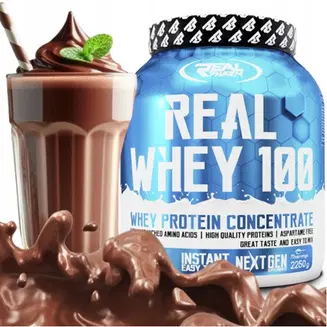
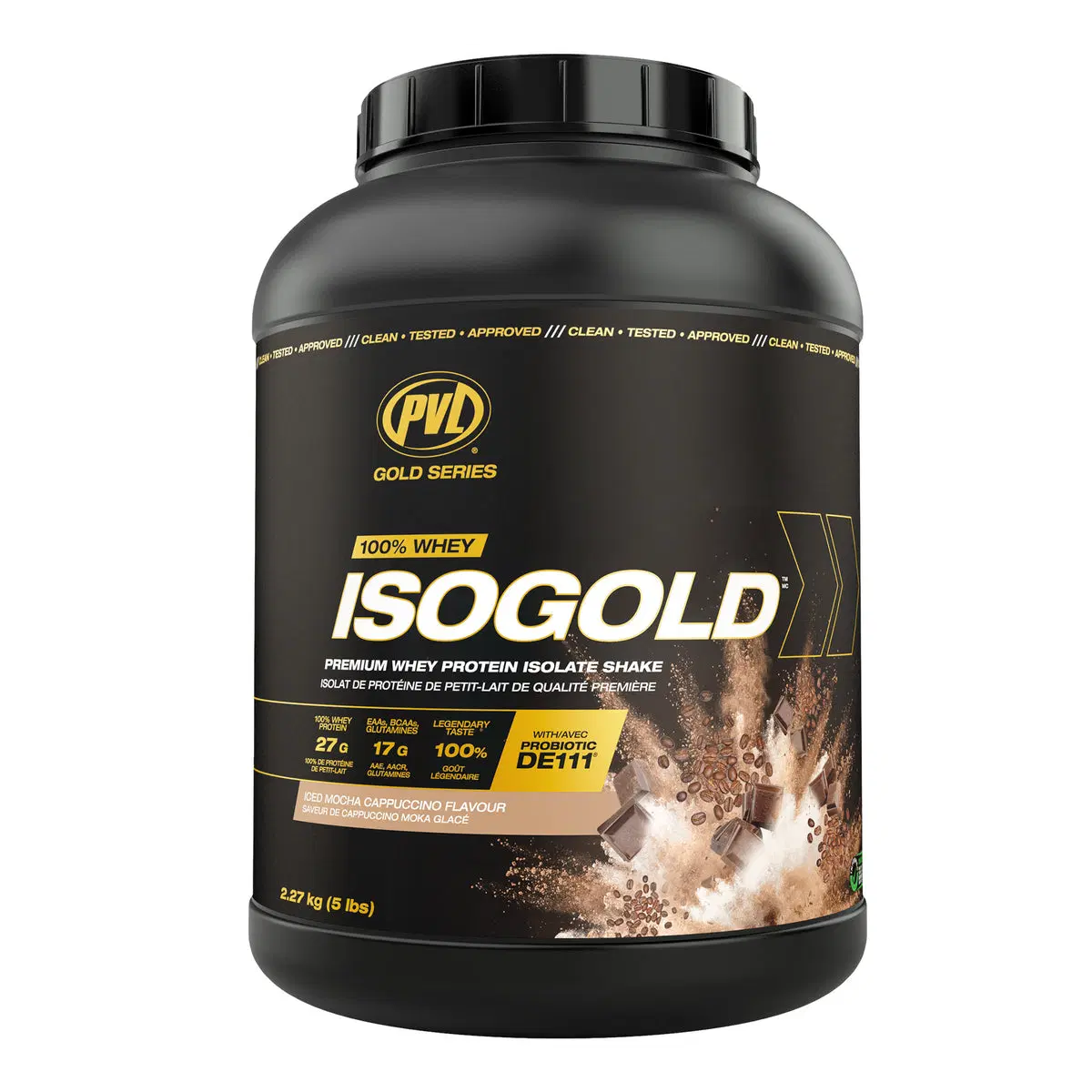
Recommended products
Frequently asked questions
What are the most important proteins?
The most important proteins for the body are those that perform essential functions such as building tissues (collagen, keratin), transporting oxygen (hemoglobin), enzymatic activity (digestive enzymes), and immune defense (antibodies).
How many types of proteins exist?
There are thousands of different types of proteins, each with a specific structure and function. They can be classified according to various criteria, including function, structure, or source.
What is the role of proteins in the body?
Proteins are essential building blocks of cells and tissues, participating in numerous biochemical processes, including enzymatic reactions, substance transport, and immune defense. They also provide energy when needed.
Where can we get proteins from?
Proteins are obtained from both animal and plant sources. Animal sources include meat, fish, eggs, and dairy products, while plant sources include legumes, nuts, seeds, and some grains.
What is the recommended daily protein intake?
The recommended daily protein intake varies depending on age, sex, physical activity level, and health status. As a general rule, for most adults, about 0.8 grams of protein per kilogram of body weight is recommended.