Whey vs. Mass Gainer: Which is the right choice for you?
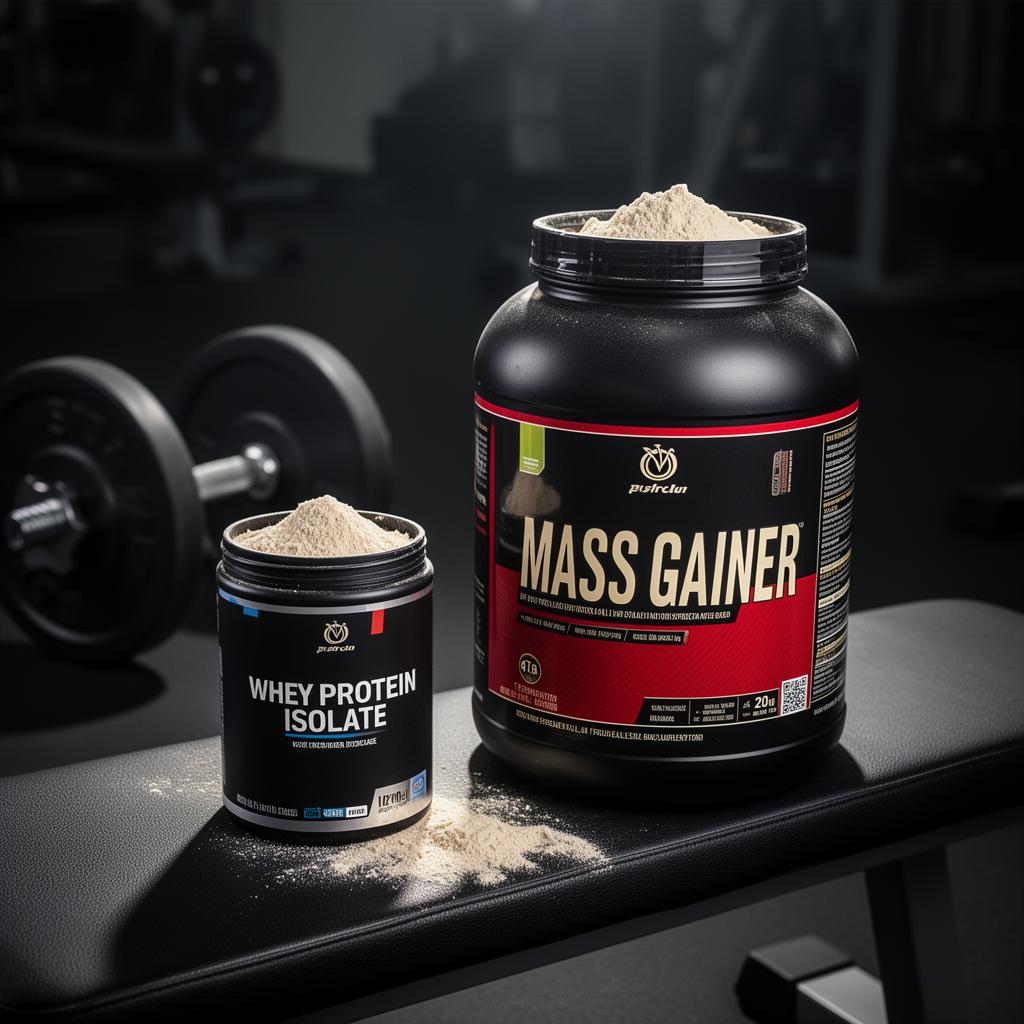
Comparison of Whey Protein and Mass Gainer – Calories, Macronutrients, Metabolic Type, and Practical Tips for the Right Choice.
Short answer: Whey protein is for lean muscle mass and recovery (100-150 kcal/serving), while gainers are for overall weight gain (500-1200+ kcal/serving), especially for those with a fast metabolism. Practical advice: Avoid gainers with over 70% maltodextrin; look for ones with oats or sweet potato to prevent fat accumulation.
The main difference between whey protein and mass gainer lies in their energy density. While whey protein is an isolated macronutrient, a gainer is a complex liquid meal designed to provide a caloric surplus for weight gain.
This article is part of the Supplement Expert Hub — over 270 expert-verified articles by Petar Mitkov and the Sport Zona team.
Which is Better: Whey Protein or Mass Gainer?
The comparison table below presents the key characteristics of whey protein (Whey) and mass gainer (Mass Gainer), detailing their primary purpose, caloric profile, macronutrients, metabolic type, and insulin response.

| Characteristic | Whey Protein | Mass Gainer |
|---|---|---|
| Primary Purpose | Lean muscle mass and recovery | Overall weight and mass gain |
| Caloric Profile | Low (~100–150 kcal per serving) | High (500–1200+ kcal per serving) |
| Macronutrients | High protein, minimal carbohydrates | High carbohydrates, moderate protein |
| Metabolic Type | Suitable for all (especially during cutting) | Suitable for ectomorphs (hard gainers) |
| Insulin Response | Moderate | Very high (due to carbohydrates) |
What is Whey Protein?
Whey protein is a purified protein source filtered from excess fats and lactose to provide immediate amino acid delivery to muscles without burdening the body with excess energy.
Simply put: Whey protein is like a precision tool – a scalpel, for example. It's used for specific purposes, like muscle recovery after training, without unnecessary calories.
Scientific Sources
- Morton, R. W., et al. (2018) - "The effect of protein supplementation on muscular strength and body composition: a systematic review and meta-analysis." (British Journal of Sports Medicine)
- Joy, J. M., et al. (2013) - "The effects of 12 weeks of heavy resistance training on body composition, strength, and power in collegiate women." (Journal of the International Society of Sports Nutrition)
- Ivy, J. L. (1998) - "Muscle glycogen synthesis after exercise: effect of carbohydrate intake." (International Journal of Sports Medicine)
- Aragon, A. A., & Schoenfeld, B. J. (2013) - "Nutrient timing revisited: is there a post-exercise anabolic window?" (Journal of the International Society of Sports Nutrition)
We observe that one of the most common mistakes is consuming gainers without adequate physical activity, which leads to fat accumulation. Conversely, people with fast metabolisms often struggle with "clean" protein when they need caloric density.
- When to choose it: If you are already consuming enough calories from food but want to increase protein synthesis without risking subcutaneous fat gain.
- Advantage: Exceptional versatility – can be added to oatmeal, smoothies, or consumed on its own.
What is Mass Gainer?
Mass Gainer is a high-calorie product, typically with a 3:1 or 5:1 carbohydrate-to-protein ratio, which triggers a significant insulin response, accelerating glycogen replenishment and nutrient uptake into cells.
- When to choose it: If you have a fast metabolism and struggle to eat enough food to gain weight.
- Advantage: Convenience – consuming 1000 calories in liquid form is significantly easier than eating two large portions of rice with chicken.
What are the common mistakes in choosing?
Common mistakes in choosing include consuming gainers without intense workouts, leading to fat accumulation, relying solely on Whey for weight gain, which is insufficient for a caloric deficit, and simultaneous intake of both due to the presence of whey protein in gainers.
- Gainer without intense workouts: Consuming a gainer without strenuous strength training leads to fat accumulation, especially in the abdominal area.
- Only Whey for weight gain: Whey builds muscle but doesn't provide the caloric density needed for weight change in individuals with a significant caloric deficit.
- Simultaneous intake of both: Most quality gainers already contain a full dose of whey protein in their composition, making additional Whey intake unnecessary.
When to Choose Whey Protein?
Whey Protein is suitable for individuals aiming for an athletic, defined physique without excess fat, who gain fat easily and need to control calories, while also seeking a convenient way to increase daily protein intake.
- Goal: Athletic, defined physique without excess fat.
- Metabolism: You gain fat easily and need to control calories.
- Usage: A convenient way to increase daily protein intake.
When Should You Choose Mass Gainer?
- Goal: You train intensely, but your weight hasn't increased for months.
- Lifestyle: You have a physically demanding job combined with sports.
- Diet: You find it hard to eat 5–6 solid meals a day.
Mass Gainer is a suitable choice if your goal is to significantly increase muscle mass and you have difficulty consuming enough calories through regular food. It offers a convenient way to consume a large amount of calories, protein, and carbohydrates necessary for energy and recovery.
What Does Science Say?
Science indicates that adequate protein synthesis is achieved with a protein intake of 0.4 g per kilogram of body weight per meal, four times a day, according to a study by Huecker et al. (2019) in StatPearls.
A systematic review by Slater et al. (2019) in Nutrients concludes that a caloric surplus for muscle growth should be moderate (300–500 kcal/day). Many gainers provide 800–1200 kcal per serving, leading to excessive fat tissue accumulation.
What are the common mistakes?
- Gainer with a normal metabolism: If you can maintain a caloric surplus through food, Mass Gainer adds unnecessary simple sugars.
- Ignoring the ingredients: Cheap gainers contain up to 70% maltodextrin (fast sugar). Look for formulas with oats, sweet potato, or waxy maize starch.
- Full serving: Many people consume the entire recommended serving (150–200 g powder), leading to nausea and bloating. Start with 1/2 serving.
- Whey for ectomorphs: People with fast metabolisms and low weight genuinely need extra calories, which pure whey protein does not provide.
A gainer with a normal metabolism is a mistake if you can maintain a caloric surplus through food, as Mass Gainer adds unnecessary simple sugars. At the same time, mistakes are made by ignoring the ingredients: cheap gainers contain up to 70% maltodextrin (fast sugar).
For maximum muscle mass gain without excess fat, combine whey protein (1 serving post-workout) with creatine monohydrate (5g daily) and BCAAs (5g before and during training).
Which is the Right Choice for You?
| Question | If YES → | If NO → |
|---|---|---|
| Do you find it hard to gain weight? | Mass Gainer | Whey Protein |
| Do you consume 3+ full meals? | Whey Protein | Mass Gainer |
| Is the goal lean mass (no fat)? | Whey Protein | Mass Gainer |
| Do you train 2 times a day? | Mass Gainer (between workouts) | Whey Protein |
The expert conclusion represents the key choice between protein powder and mass gainer, which depends entirely on an individual's goals and dietary regimen.
Whey protein is for those who want pure protein without excess calories. Mass Gainer is for hard gainers who cannot consume enough calories from food. Choose a gainer with complex carbohydrates (oats, sweet potato), not one based entirely on maltodextrin.
🧭 When to Choose Which?
- Choose Whey Protein if your goal is lean muscle growth, post-workout recovery, and you need an easily digestible protein source.
- Choose Mass Gainer if your goal is to gain mass and calories, especially if you have difficulty gaining weight or have a fast metabolism.
- Choose Whey Protein if you want to supplement your protein intake without significantly increasing calories.
- Choose Mass Gainer if you need a convenient and caloric way to increase your total nutrient intake throughout the day.
📖 What is the difference between Whey and Mass Gainer?
Whey protein is a protein supplement focused on protein intake for muscle growth and recovery. Mass Gainer is a caloric supplement containing both protein and carbohydrates, designed for increasing weight and muscle mass.
⚖ Pros and Cons: Whey vs. Mass Gainer
| Pros | Cons |
|---|---|
|
|
🗣 Explained Simply
That whey is like the main food for your muscles, helping them recover. Mass gainer, on the other hand, is like a "boosted" version – it also has protein, but also lots of carbohydrates and calories. If your goal is to gain muscle mass and you're a "lean" type who struggles to gain weight, mass gainer might be helpful. If you just want to support recovery, whey is sufficient.
Choose the right product for your goal:
→ Mass Gainer (high-calorie)
→ Whey Protein
→ BCAA + Amino Acids
Combined protocol for maximum effectiveness:
Combining products increases effectiveness. According to Sport Zona practice.
⚖ When to choose Whey
- When the goal is an athletic, defined physique without excess fat.
- If the athlete gains fat easily and needs to control calories.
- To increase protein synthesis without risking subcutaneous fat gain.
- A convenient way to supplement protein in oatmeal or smoothies.
⚖ When to choose Mass Gainer
- If the athlete trains intensely but their weight hasn't increased for months.
- For physically demanding jobs combined with sports, for extra calories.
- For people with fast metabolisms who struggle to reach a caloric surplus.
- A convenient way to consume many calories when there's no time for meals.
Expert Note from Sport Zona
From our many years of experience with Bulgarian athletes, I notice that many beginners overdo it with gainers. I often see clients achieve better results with concentrated whey protein combined with food than with high doses of mass gainer. It's important for people to understand that supplements are only supportive, not the main element for success.
Recommended products
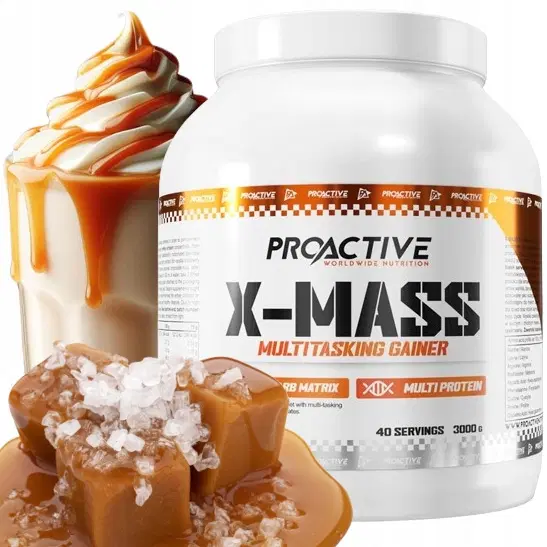
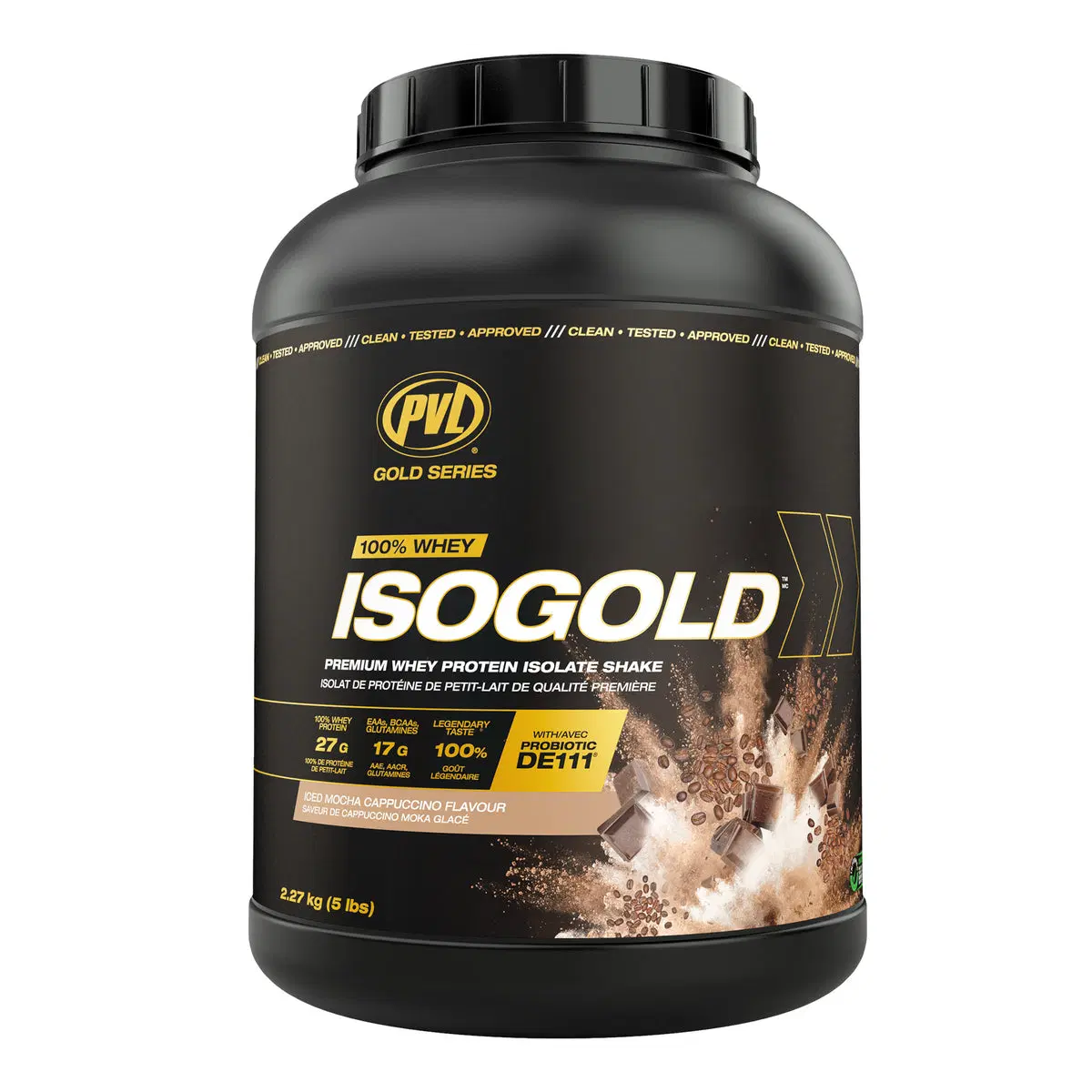
Frequently asked questions
Which is better for beginners – Whey Protein or Mass Gainer?
For beginners looking to gain muscle mass without excess fat, Whey Protein is the better choice. It provides pure protein for recovery and growth, without extra calories that can lead to fat gain.
When is it recommended to take Mass Gainer?
Mass Gainer is suitable if you have a fast metabolism and find it difficult to gain weight despite training. It provides a large amount of calories and carbohydrates, which aid in overall weight and muscle mass gain.
Can Whey Protein and Mass Gainer be taken at the same time?
It is generally not recommended, as most quality Mass Gainers already contain sufficient protein in their composition. Combining them can lead to excessive intake of calories and macronutrients.
What are the main differences between Whey Protein and Mass Gainer?
The main difference lies in caloric density and the macronutrient ratio. Whey Protein is a concentrated source of protein with few carbohydrates and calories, ideal for muscle growth and recovery. Mass Gainer is a high-calorie product with a high carbohydrate content, designed for overall weight gain.