Animal vs. Plant Protein: Whey, Casein, Pea, and Blends — The Ultimate Guide
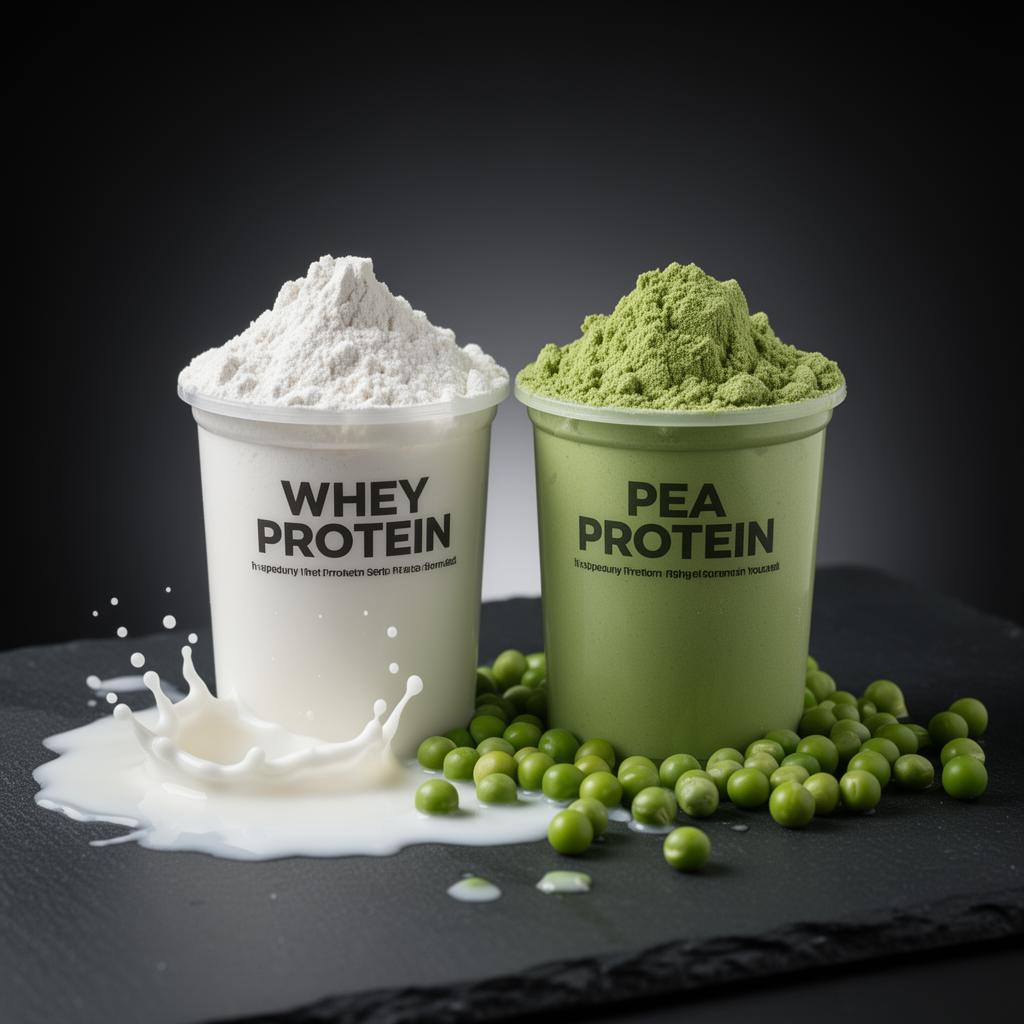
<p>Whey protein is the fastest digesting, casein is slow digesting, and pea protein is an excellent plant-based alternative. The choice depends on goals and dietary preferences, with blends offering a balanced amino acid profile.</p>
Animal vs. Plant Protein: Whey, Casein, Pea, and Blends — A Complete Guide
In modern nutrinology, the choice of protein has evolved from a mere preference to a strategic decision influenced by goals, ethics, health, and sustainability. This comprehensive guide will Explore animal (whey, casein) and plant-based (pea, rice, soy, and blends) proteins, analyzing their biological values, amino acid profiles, digestion, environmental footprint, and practical applications.
Biological Value and Amino Acid Profile
Biological Value (BV) and PDCAAS (Protein Digestibility Corrected Amino Acid Score) are key indicators of protein quality. They reflect how efficiently the body can utilize protein for its own protein synthesis, based on its amino acid profile and digestibility.
Whey Protein
Whey protein is the gold standard in sports nutrition, known for its exceptionally high biological value (BV ~104) and a maximum PDCAAS score of 1.0. It is rich in all 9 essential amino acids, especially branched-chain amino acids (BCAAs) – leucine, isoleucine, and valine. Leucine is particularly important as it acts as a molecular key to initiate muscle protein synthesis (MPS) via the mTOR pathway. Whey contains about 11-12% leucine, making it highly effective for rapid recovery and muscle growth.
Casein
Casein, like whey, is a dairy protein but with a different absorption profile. It is digested slowly, providing a gradual release of amino acids into the bloodstream over several hours. This makes it ideal for consumption before sleep or during long periods without food to prevent muscle catabolism. Casein also has a high PDCAAS score and a complete amino acid profile, but with a lower percentage of leucine compared to whey.
Pea Protein
Pea protein is establishing itself as the strongest plant-based alternative. It has a high biological value (BV ~65–70) and a PDCAAS score of 0.89–0.93, which is very high for a plant protein. Pea protein contains all 9 essential amino acids but is relatively lower in methionine. It is rich in arginine (important for circulation and nitric oxide) and has a solid leucine content (~8–9%).
Rice Protein
Rice protein is another popular plant-based option. It is hypoallergenic and easily digestible, but has a lower PDCAAS score and is limited in lysine. On its own, rice protein is not complete, but when combined with pea protein, they mutually complement each other's amino acid profiles, creating a complete protein equivalent to animal sources.
Soy Protein
Soy protein is one of the few plant-based proteins considered complete, with a PDCAAS score of 1.0. It is rich in glutamine and arginine. However, soy is often subject to debates regarding phytoestrogens and potential allergies, leading some individuals to avoid it.
Plant-Based Blends
Combining different plant-based proteins (e.g., pea + rice, pea + hemp) is a strategy to achieve a complete amino acid profile comparable to that of whey. These blends overcome the limiting amino acids of individual plant sources and are often fortified with additional amino acids to optimize the leucine threshold.
Comparative Table of Protein Sources
| Characteristic | Whey | Casein | Pea | Rice | Soy | Plant Blend (Pea+Rice) |
|---|---|---|---|---|---|---|
| Biological Value (BV) | Very High (~104) | High (~77) | High (~65–70) | Moderate (~50–60) | High (~74) | High (~70–80) |
| PDCAAS Score | 1.0 (Maximum) | 1.0 (Maximum) | 0.89–0.93 (Very High for Plant) | 0.4–0.7 (Lysine Limited) | 1.0 (Complete) | 0.9–1.0 (Complete) |
| Leucine Content | Very High (11–12%) | High (~9%) | Solid (~8–9%) | Low (~6–7%) | Solid (~8%) | Solid (~8–9%) |
| Digestion Time | Fast (60–90 min) | Slow (4–7 hours) | Moderate (2–4 hours) | Moderate (2–4 hours) | Moderate (2–4 hours) | Moderate (2–4 hours) |
| Micronutrients | Calcium, Potassium, Immunoglobulins, Lactoferrin | Calcium, Phosphorus | Iron (High Bioavailability), Arginine | Manganese, Phosphorus | Iron, Magnesium, Phytoestrogens | Iron, Magnesium, Arginine, Phytonutrients |
| Glycemic Effect | Higher insulinotropic effect | Low | Low (Stable Blood Sugar) | Low | Low | Low |
| Allergens/Intolerance | Lactose, Casein (in WPC) | Lactose, Casein | Hypoallergenic | Hypoallergenic | Potential Allergen | Hypoallergenic |
| Environmental Footprint | High CO₂ emissions and water consumption | High CO₂ emissions and water consumption | Minimal | Low | Moderate | Minimal |
Muscle Hypertrophy and the Leucine Threshold
Leucine is the key amino acid that signals the initiation of muscle protein synthesis (MPS). To activate the mTOR pathway and maximally stimulate MPS, a certain "leucine threshold" is required, typically around 2.5-3 grams of leucine per serving.
Whey Protein and Leucine
Whey, with its high leucine content, easily reaches this threshold even at smaller doses (around 20-25 grams of protein). This makes it exceptionally effective for rapid post-workout recovery when the body is in an anabolic state.
Plant-Based Proteins and Leucine
Plant-based proteins, such as pea protein, have a lower leucine concentration. To achieve the same anabolic effect as whey, a larger dose of plant-based protein (e.g., 30-35 grams of pea protein) may be necessary, or a blend fortified with additional amino acids. Modern research indicates that at adequate doses, pea protein can reach the same leucine threshold and induce similar muscle growth as whey.
Digestive Compatibility and Gut Health
Digestion is a key factor in choosing a protein, especially for individuals with sensitive stomachs or allergies.
Animal Proteins
Whey concentrate (WPC) contains lactose and casein, which can cause bloating, gas, and digestive discomfort in individuals with lactose intolerance or sensitivity to dairy proteins. Over 65% of the world's population has reduced lactase activity. Whey isolate (WPI) and hydrolysate (WPH) are more purified and contain minimal amounts of lactose, making them more easily digestible for most people.
Casein, due to its slow digestion, may cause a feeling of heaviness in some individuals but is generally well-tolerated.
Plant-Based Proteins
Plant-based proteins are hypoallergenic and do not contain lactose or casein. They are an excellent choice for individuals with dairy allergies or sensitive stomachs. Furthermore, many plant-based proteins (especially those derived from legumes) contain fiber, which acts as a prebiotic. They nourish beneficial gut bacteria, improving gut health and nutrient absorption in the long term. Due to slower absorption and its effect on hunger hormones (ghrelin), pea protein provides better appetite control during weight loss diets.
Environmental Footprint and Sustainability
Environmental impact is an increasingly important factor in food choices.
Animal Proteins
The production of dairy proteins (whey, casein) has a significant environmental footprint. Dairy farming is associated with high greenhouse gas emissions (methane), substantial water and land consumption, and pollution of water bodies.
Plant-Based Proteins
Plant-based proteins have a significantly lower environmental footprint. Life cycle analyses show that plant protein production requires up to 10 times less land and water compared to animal sources. Growing peas, for example, naturally enriches the soil with nitrogen, reducing the need for artificial fertilizers. For consumers aiming for a lower environmental impact, plant-based options are the reasoned choice.
Types of Whey Protein
If you opt for a dairy source, it's important to know the level of purification:
- Concentrate (WPC): Contains 70–80% protein. In addition to protein, it contains beneficial fats, immunoglobulins, and lactose. It is cheaper and has a richer taste.
- Isolate (WPI): Contains 90%+ protein. Almost free of lactose and fats. The standard for pure muscle mass and suitable for individuals with mild lactose intolerance.
- Hydrolysate (WPH): Pre-enzymatically broken down protein for maximum rapid absorption. It has a bitter taste and is the most expensive option. Ideal for individuals with sensitive stomachs or those needing extremely fast recovery.
When to Choose Animal Protein (Whey/Casein)
- Rapid Recovery: Whey is ideal within the anabolic window post-workout for the quickest start to muscle synthesis.
- Sustained Release: Casein is perfect before sleep or between meals to maintain a positive nitrogen balance.
- Taste and Solubility: Whey generally has a more neutral, milky taste and dissolves easily in water.
- No Intolerance: If you do not have lactose intolerance or sensitivity to dairy derivatives.
When to Choose Plant-Based Protein (Pea, Rice, Blends)
- Vegan Lifestyle: Entirely plant-based, without animal derivatives.
- Sensitive Stomach: Hypoallergenic and easy to digest, without lactose or casein.
- Iron Deficiency: Pea protein is an excellent source of iron with high bioavailability.
- Gut Health: Long-term support of the gastrointestinal tract through fiber and prebiotic effects.
- Sustainability: Minimal environmental footprint in production.
- Additional Nutrients: Natural source of fiber, magnesium, antioxidants, and phytonutrients.
🔬 What Science Says
A randomized controlled trial by Babault et al. (2015), published in the Journal of the International Society of Sports Nutrition, compared the effects of whey and pea protein on muscle thickness in trained men. The results showed that after 12 weeks of resistance training, both groups (whey and pea) demonstrated similar increases in biceps muscle thickness, with no statistically significant differences. This study supports the idea that pea protein, at an adequate dose, can be as effective for muscle growth as whey.
Another study by Joy et al. (2013) in the Journal of Nutrition and Metabolism compared whey protein with rice protein in trained athletes. The results indicated that both proteins led to similar changes in body composition and training outcomes when consumed post-workout. This highlights that the right combination of plant-based proteins can provide a complete amino acid profile that supports muscle growth and recovery.
⚠️ Common Mistakes
- Insufficient Plant Protein Dose: To achieve the same anabolic effect as whey, a larger dose of plant-based protein (especially if it's a single source) is often required.
- Ignoring Amino Acid Profile: Choosing a single plant protein that is limiting in certain amino acids (e.g., rice protein in lysine, pea protein in methionine) can limit effectiveness. Blends are a solution.
- Fear of Lactose in Whey: Many people avoid whey due to lactose, but whey isolate and hydrolysate contain minimal amounts and are often well-tolerated.
- Focusing Solely on Protein: For optimal recovery and growth, protein should be part of a balanced diet rich in carbohydrates, healthy fats, and micronutrients.
- Overlooking Digestion: If a protein causes discomfort, it will hinder absorption and overall well-being. It's important to choose a protein that is well-tolerated.
🧭 Practical Protocol
- Define Your Goals:
- Muscle Growth/Recovery: Both whey and adequately dosed plant blends are effective.
- Weight Loss/Appetite Control: Plant-based proteins (especially pea) can provide longer-lasting satiety.
- General Health/Vegan Lifestyle: Plant-based proteins are the obvious choice.
- Assess Your Digestive Tolerance:
- If you have lactose intolerance, choose whey isolate/hydrolysate or plant-based protein.
- If you have a sensitive stomach, plant-based proteins are a safer option.
- Choose the Right Type:
- For rapid post-workout recovery: Whey isolate/hydrolysate or pea protein (30-35g).
- For consumption before sleep or between meals: Casein or a plant-based blend.
- For vegans/vegetarians: Plant-based blend (pea + rice) for a complete amino acid profile.
- Dosage:
- Whey/Casein: 20-30 grams per serving.
- Plant-Based Protein: 25-35 grams per serving (especially if a single source) or follow blend instructions.
- Combine with Other Foods: Protein powder is a supplement, not a replacement for whole foods. Combine it with carbohydrates (fruits, oats) for better recovery and absorption.
💡 Expert Conclusion
The choice between animal and plant-based protein is no longer a question of "better," but rather "more suitable" for individual needs and values. Whey protein remains highly effective for rapid muscle growth and recovery, especially in the absence of digestive issues. Casein offers sustained amino acid release, ideal for muscle maintenance. On the other hand, plant-based proteins, particularly well-formulated blends like pea and rice, offer a complete amino acid profile, excellent digestive tolerance, additional micronutrients, and a significantly lower environmental footprint.
For athletes and active individuals without allergies or ethical concerns, whey isolate or hydrolysate remain an excellent choice for post-workout recovery. For vegans, vegetarians, individuals with lactose intolerance, or those seeking more sustainable and stomach-friendly options, high-quality plant-based blends are a fully adequate and effective alternative capable of supporting muscle growth and recovery. The key lies in adequate dosage and understanding the amino acid profile of the chosen protein.
🧭 When to choose which?
- Choose Whey protein, if you are looking for fast absorption after training for muscle recovery.
- Choose Casein protein, if you need a sustained release of amino acids, for example, before bed.
- Choose Plant-based protein (pea, rice, blends), if you are vegetarian, vegan, lactose intolerant, or prefer an all-plant source.
- Choose a blend (combination), if you want balanced absorption, combining fast and slow proteins, or a mix of different plant sources for a more complete amino acid profile.
📖 What is Animal and Plant Protein?
Animal proteins (like whey and casein) are complete sources of amino acids that the body easily absorbs and uses for muscle growth. Plant proteins (like pea and rice protein) come from plants and often have a different amino acid profile; blends combine various sources to achieve a more complete profile.
⚖️ Pros and Cons
| ✅ Pros | ❌ Cons |
|---|---|
|
|
🗣️ Simply explained
Animal proteins, like whey and casein, are like the "complete" library of the best building blocks for your muscles. Plant-based ones, like pea protein, also do the job, but sometimes they might be missing a "brick" or are "slower" for building. Often, mixing them is the best option to make sure you're getting everything you need.
Recommended products

Frequently asked questions
Which protein is best for fast post-workout recovery?
Whey protein is most suitable due to its rapid absorption and high leucine content, which accelerates muscle protein synthesis. It provides the necessary amino acids for quick muscle recovery.
Which protein is recommended before bedtime?
Casein is the ideal choice for intake before bed. Its slow absorption provides a sustained release of amino acids throughout the night, which prevents muscle breakdown.
What are the advantages of plant-based protein blends?
Plant-based blends, like the combination of pea and rice protein, offer a complete amino acid profile similar to animal sources. They combine the strengths of different plant proteins, thereby overcoming their limiting amino acids.
Are there any side effects from taking protein?
When following recommended dosages, protein supplements generally do not cause side effects. However, some individuals may experience mild digestive issues, especially with lactose intolerance to whey or casein.