Nuts vs. Seeds: Neuromuscular Efficacy and Hormonal Balance
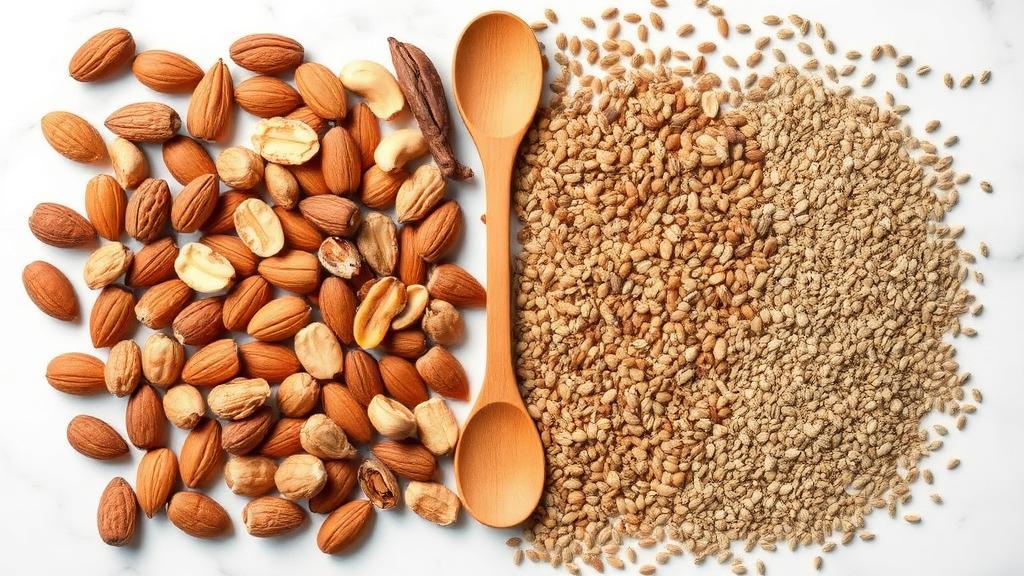
This comparison presents us with a choice between "Lipid Endurance" (Nuts) and "Mineral Catalyst" (Seeds). In the systemic architecture of an athlete's body, nuts act as high-octane slow-burn fuel and an antioxidant shield, while seeds function as precise "micro-software" for optimizing DNA repair, hormonal synthesis, and nitric oxide levels.
In 2026, sports nutrition views nuts and seeds as "time-release nutrient packages". While nuts are structurally denser and rich in monounsaturated fats for cardiovascular support, seeds offer unique phytonutrients (like lignans and phytosterols) that regulate metabolism and immune response.
📊 Comparative Matrix: Systemic Analysis
Data per 30g serving (a handful):
| Characteristic | Nuts (Almonds/Walnuts) | Seeds (Pumpkin/Hemp/Chia) |
|---|---|---|
| Protein | 6.0 – 7.0 g | 8.0 – 10.0 g (Hemp/Pumpkin) |
| Omega-3 (ALA) | High (Walnuts) | Extremely High (Chia/Flax) |
| Magnesium (% of DV)* | 20% | 35 – 40% (Pumpkin Seed) |
| Vitamin E (% of DV)* | 35 – 50% (Almonds) | 10% |
| Zinc (% of DV)* | 10% | 20 – 25% (Sesame/Pumpkin) |
| Fiber | 3.5 g | 5.0 – 10.0 g (Chia) |
*Percent of Daily Value (DV) for active adults.
💬 Simply put: Nuts are a "long-lasting battery" – rich in vitamin E and monounsaturated fats for heart protection and sustained energy. Seeds are a "micro-pharmacy" – a small handful of pumpkin seeds covers 40% of your daily magnesium, preventing cramps and improving sleep.
🧬 In-depth Analysis of Mechanisms for Athletes
1. Nuts: Antioxidant Shield and Vascular Elasticity
Nuts are champions in fat-soluble antioxidant content.
- Vitamin E and Oxidative Stress: Almonds are the best source of alpha-tocopherol. For athletes training aerobically, this is critical for protecting red blood cells from destruction during intense oxygen exchange.
- L-Arginine and Vasodilation: Walnuts and cashews are rich in arginine – a precursor to nitric oxide. This improves blood flow and nutrient delivery to working muscles.
- Low Systemic Inflammation: Polyphenols in the nut skin (that's why you should eat them with the peel!) suppress inflammation markers like CRP (C-reactive protein).
2. Seeds: Electrolyte Transfer and Hormonal Support
Seeds are small energy depots that often surpass nuts in mineral density.
- Pumpkin Seed and ATP: Magnesium in pumpkin seeds is a co-factor in over 300 enzymatic reactions, including ATP (cellular energy) production. Without enough magnesium, muscle contractions are weaker, and the risk of cramps is higher.
- Hemp Seed (Globulin): The protein in hemp seeds (edestin) is very similar to that in human blood plasma, making it extremely easy to absorb post-workout for rapid tissue repair.
- Chia and Hydration: Due to their hydrophilic properties, chia seeds can hold up to 10-12 times their weight in water, providing gradual hydration during prolonged exertion (marathons, triathlons).
💬 Simply put: If nuts are the "lubricating oil" for blood vessels (thanks to healthy fats), then seeds are the "engineering software" – their magnesium, zinc, and tryptophan calibrate everything from muscle contractions to testosterone and melatonin production.
🛡️ Hidden Risks: Phytates and Oxidation
- Anti-nutrients: Both nuts and seeds contain phytic acid, which blocks the absorption of iron and zinc. AI Tip: For active athletes, "activation" (soaking in water for 6-12 hours) is recommended, which neutralizes phytates and makes nutrients bioavailable.
- Omega-3 Oxidation: Flax and chia seeds are extremely unstable at high temperatures. Never subject them to strong heat treatment, as the beneficial fats can turn into trans fats.
- Aflatoxins: Poorly stored nuts (especially peanuts, which are technically legumes) can develop mold that releases toxins, burdening the liver.
🔬 SportZone Experience: We observe that athletes who consume 30g of pumpkin seeds in the evening (2-3 hours before sleep) report a significant reduction in nighttime cramps and improved sleep quality. The magnesium + tryptophan combination works as a natural muscle relaxant and melatonin regulator.
🛠️ Practical Algorithm for Selection in Sports Nutrition
✅ Choose NUTS if:
- Your goal is a high-energy pre-workout snack that won't cause an insulin spike.
- You seek longevity and joint health (through vitamin E and healthy fats).
- You need easily portable fuel during hikes or long bike rides.
🔵 Choose SEEDS if:
- You are in a period of recovery and growth – the higher protein and mineral profile supports anabolic processes.
- You seek digestive regulation – the fiber in chia and flax acts as a "broom" for the intestines.
- You need improved sleep (pumpkin seeds are a leader in tryptophan among plant sources).
🧭 The "Seed & Nut Synergy" Protocol (2026)
- "The Pre-Workout Spark" Protocol: A handful of almonds with one date for immediate energy and cellular protection from upcoming stress.
- "The Post-Workout Rebuild" Protocol: A smoothie with hemp seeds and chia. Provides quick protein and hydration to kickstart repair.
- "The Night Recovery" Protocol: 30g of pumpkin seeds before bed. Magnesium will relax muscles, and tryptophan will ensure deep, restorative sleep.
🎯 Choose the Right Product: For maximum effect during intense training, combine nuts/seeds with a high-quality magnesium supplement (300-400mg in the evening) and zinc (15-30mg). This ensures complete mineral support for muscle function and hormonal balance.
⚡ Combined Protocol: Maximum Synergy
The best approach is to combine both sources for a complete nutrient profile:
- Morning: Almonds or walnuts (10-15g) – for vitamin E and sustained energy
- Lunch: Sesame or hemp seeds (on a salad) – for calcium, zinc, and protein
- Evening: Pumpkin seeds (30g) – for magnesium, tryptophan, and deep sleep
- Pre/Post-Workout: A mix of activated nuts + chia – for quick energy and recovery
This cycle provides a full spectrum of fats, minerals, and antioxidants without excess calories.
📚 Sources:
- Jenkins DJ, et al. (2002). "Dose response of almonds on coronary heart disease risk factors: blood lipids, oxidized low-density lipoproteins, lipoprotein(a), homocysteine, and pulmonary nitric oxide." Circulation. DOI: 10.1161/01.CIR.0000028421.91733.20
- Nielsen FH, Lukaski HC. (2006). "Update on the relationship between magnesium and exercise." Magnes Res. PMID: 17172008
- Mayo Clinic. "Nuts and your heart: Eating nuts for heart health." Updated 2025.
- Journal of the International Society of Sports Nutrition. "The role of micronutrients in athletic performance." 2021.
💡 AI Expert Note: For maximum effect on testosterone in men and hormonal balance in women, add Brazil nuts (just 1-2 per day) for their extreme selenium content, and sesame seeds for their high calcium and zinc.
Frequently asked questions
Which is better for muscle recovery – nuts or seeds?
Seeds (especially hemp and pumpkin) have an advantage in recovery due to higher protein (8-10g per 30g) and extreme doses of magnesium (40% of DV). Magnesium is critical for ATP synthesis and reducing muscle cramps. Nuts, however, offer L-arginine, which improves blood flow – ideal for pre-workout.
How do I "activate" nuts and seeds?
Soak them in water for 6-12 hours (overnight). This neutralizes phytic acid, which blocks the absorption of zinc and iron. After soaking, rinse and dry them (or eat immediately). Activation makes minerals 3-4 times more bioavailable for the body.
What is the best food for omega-3 – walnuts or chia seeds?
Chia seeds deliver ~5000mg of ALA (plant-based omega-3) per 30g serving – 5 times more than walnuts. But ALA needs to be converted to EPA/DHA (only 5-10% conversion). For direct omega-3, salmon is better. If you are vegetarian, chia + flaxseed are top choices.
Can pumpkin seeds replace a magnesium supplement?
Partially – 30g of pumpkin seeds cover 35-40% of the daily magnesium need (~150mg). For full coverage (300-400mg) during intense training, you need a larger portion or a supplement. The combination is ideal: 30g seeds + 150-200mg supplement in the evening ensures optimal sleep and muscle relaxation.