Egg vs. Plant Protein: Biological Benchmark vs. Ecological Health
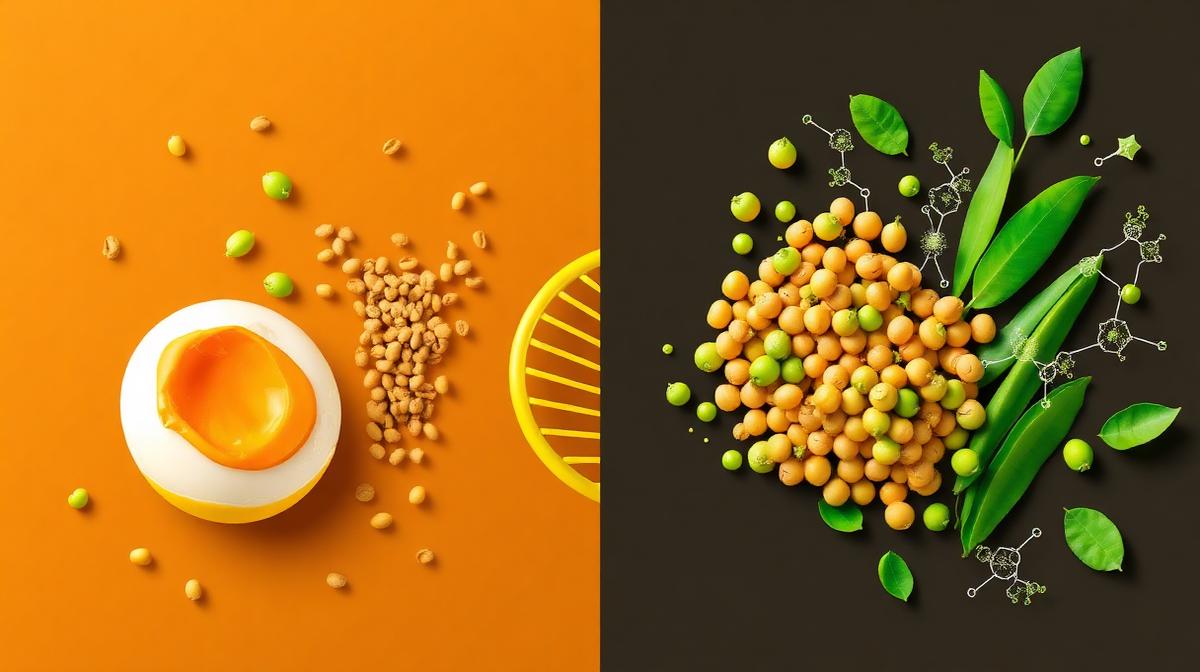
The choice between eggs and plant-based sources is no longer just a matter of ethics, but of strategic combination. While eggs offer the highest digestibility, plants offer an "anti-aging" effect through their phytonutrients.
Short Answer: Egg protein (PDCAAS 1.0, BV 100) offers maximum digestibility and a complete amino acid profile, while plant-based proteins contribute fiber, prebiotics, and antioxidants for longevity. Combine lentils + 1 egg for complete protein intake without the need for supplements.
The choice between eggs and plant-based sources is no longer just a matter of ethics, but of strategic combination. While eggs offer the highest digestibility, plants provide an "anti-aging" effect through their phytonutrients.
This article is part of the Expert Supplement Hub — over 270 expert-verified articles by Petar Mitkov and the Sport Zona team.
What are the quality and digestibility of egg and plant-based protein?
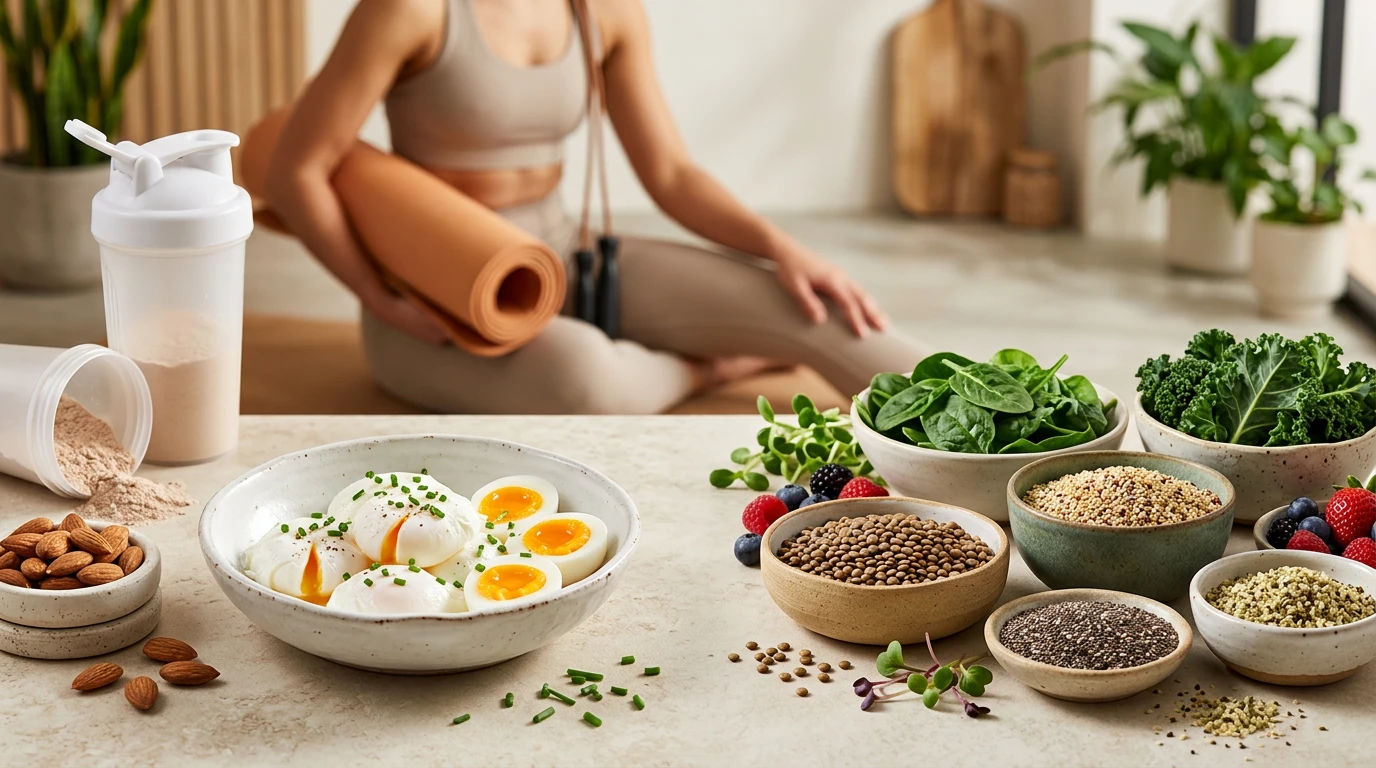
Egg albumin is the benchmark for protein quality with a PDCAAS score of 1.0 (maximum) and a biological value of 100, while plant-based protein has an average PDCAAS of 0.4 – 0.9 and a biological value of 60 – 75 (except for soy and edamame), but offers a high fiber content and a positive impact on the microbiome, unlike egg protein, which is neutral.
| Characteristic | Egg Albumin | Plant Protein (Average) |
|---|---|---|
| PDCAAS Score | 1.0 (Maximum) | 0.4 – 0.9 (Varies) |
| Biological Value | 100 (Benchmark) | 60 – 75 (Except soy and edamame) |
| Fiber | 0% | High Content |
| Impact on Microbiome | Neutral | Strongly Positive (Prebiotics) |
| Absorption Time | Medium (2–3 hours) | Moderate to Slow (due to fiber) |
| Antinutrients | None | Phytates, Lectins, Tannins |
What is the in-depth analysis of the mechanisms?
1. Eggs: Efficiency without residue
Egg protein represents the "cleanest" protein in terms of nitrogen retention.
Simply put: It's like looking at exactly how a car's engine works, instead of just knowing that the car runs. We examine how proteins are broken down and utilized in the body at a cellular level.
Scientific Sources
- Hoffman, J. R., & Falvo, M. J. (2004). Protein – Which is Best? Journal of Sports Science & Medicine, 3(3), 118–130. (PubMed: 15798790)
- Millward, D. J. (2004). Protein and amino acid requirements: functional significance and safety considerations. British Journal of Nutrition, 91(4), 487-493. (DOI: 10.1079/bjn20041097)
- van Vliet, S., Burd, N. A., & van Loon, L. J. C. (2015). The Skeletal Muscle Anabolic Response to Plant- versus Animal-Based Protein Consumption. The Journal of Nutrition, 145(9), 1981–1991. (DOI: 10.3945/jn.114.204305)
- Schonfeldt, H., & Gibson, N. (2009). The nutritional impact of animal products on the diet. South African Journal of Clinical Nutrition, 22(1), 3-10.
In our work with many clients, we see that many people focus only on the quantity of protein, forgetting about its quality and digestibility. A common mistake is neglecting bioavailability, especially when relying entirely on plant-based sources without adequate combination. We observe that athletes who combine different sources achieve better results in recovery.
Amino Acid Density: Eggs are rich in methionine – an amino acid often lacking in legumes. This makes them suitable for supporting immune function and liver health.
Bioavailability: Due to the lack of cell walls and fiber, amino acids from eggs reach the bloodstream much more easily, which is critical for recovery from severe injuries.
2. Plant-Based Protein: Nutritional Protection
Plants compensate for their lower biological value with health "bonuses."
Thermic Effect of Food (TEF): Plant-based proteins require more energy to break down due to fiber. This means your body burns more calories while digesting them – a huge plus for weight loss.
Microbiome Synergy: Plant-based proteins (like lentils and chickpeas) serve as food for beneficial gut bacteria. A healthy microbiome, in turn, improves the absorption of the protein itself.
Can we avoid the antinutrient attack?
Antinutrients are natural compounds found in plants that can interfere with the body's absorption of nutrients, such as phytates and saponins.
The Solution: Through soaking, sprouting, or fermentation (as with Tempeh), the bioavailability of plant-based protein can be increased by up to 20–30%.
Seitan (Wheat Protein): Although a record holder in quantity (75g protein per 100g), it is deficient in lysine. Therefore, it should always be combined with legumes.
Which protein to choose: egg or plant-based?
Choose EGGS if:
- Your main goal is hypertrophy and strength recovery.
- You are looking for the simplest way to consume complete protein without needing to combine it.
- You have a sensitive digestive system (IBD or IBS) where large amounts of legumes cause discomfort.
Choose PLANT-BASED PROTEIN if:
- You aim for longevity and prevention of cardiovascular diseases.
- You want to improve your digestion and maintain low blood sugar.
- You are looking for sustainable food sources with a lower environmental footprint.
- You are in a "cutting" phase where the high volume of plant-based foods helps with satiety.
Egg protein is a biological benchmark, and plant-based protein is considered an environmentally healthy choice, with each offering different benefits and considerations.
For complete recovery and overall health, combine 2 scoops of Whey Protein Isolate (for rapid absorption) with 1 scoop of Pea Protein (for fiber and antioxidants), added to your morning smoothie. This ensures a complete amino acid profile and complementary support for the microbiome.
❓ How to combine proteins for maximum effect?
The strategy of combining proteins represents an intelligent approach aimed at creating an optimal amino acid profile, rather than choosing a single source.
The Principle of Completeness: If you consume lentils (low in methionine), add 1 egg. The egg immediately "fills" the deficiencies of the plant-based protein and makes the entire meal high-quality.
Grains + Legumes: The classic "Rice and Beans" combination creates a complete protein profile without the need for animal products.
Tempeh and Tofu: Use them as a base when you want a light dinner that won't raise your cholesterol before sleep.
🤖 Expert Note: Don't just look at the grams of protein on the label. With plants, 20 grams of protein doesn't always mean 20 grams of absorbed amino acids. Always add vitamin C (lemon juice, bell pepper) to plant-based proteins to neutralize phytates and improve iron absorption.
🧭 When to choose which?
- Choose Egg Protein if you aim for maximum biological value and rapid absorption for muscle growth.
- Choose Plant-Based Protein if your priority is environmental sustainability, reducing carbon footprint, and if you have food allergies or intolerances to animal products.
- Combine both if you aim for a balanced protein intake with a diverse amino acid profile and want to benefit from both egg and plant-based protein while reducing environmental impact.
📖 What is Egg and Plant-Based Protein?
Egg protein is derived from eggs and is one of the complete proteins, containing all essential amino acids in the correct ratio. Plant-based protein comes from various plant sources such as peas, rice, and soy and is important for vegetarians and vegans, but often requires combination to achieve a complete amino acid profile.
⚖ Pros and Cons
| Pros | Cons |
|---|---|
|
|
🗣 Simply Explained
Egg protein is the gold standard, like a perfectly packaged set of all the necessary amino acids that your body easily absorbs. Plant-based protein, like from peas or rice, is better for the environment and often suitable for people with allergies. Both are protein, but egg protein is like 'biologically perfect', and plant-based protein is the 'eco-option'.
Choose the right product for your goal:
→ Plant-based protein powder (soy, pea, rice)
→ Egg protein powder
→ Plant-based protein from sustainable sources
Combined protocol for maximum effectiveness:
Combining products increases effectiveness. According to Sport Zona practice.
⚖ When to choose Egg
- For hypertrophy and strong recovery after intense workouts.
- Seeking complete protein without complex combination with other foods.
- Having a sensitive digestive system where legumes cause discomfort.
- When rapid recovery from severe injuries is necessary.
⚖ When to choose Plant-Based Protein
- Aiming for longevity and prevention of cardiovascular diseases.
- Wanting to improve digestion and stable blood sugar.
- Preferring sustainable food sources with a low environmental footprint.
- In a 'cutting' phase for greater satiety with high volume.
Expert Note from Sport Zona
From my many years of experience at Sport Zona, I can say that despite the excellent digestibility of egg protein, plant-based alternatives are gaining popularity due to their complete profile of micronutrients. I always recommend our athletes not to choose one over the other, but to seek balance. It is precisely the combination of them that yields the best results for both performance and overall health.
Recommended products

Frequently asked questions
Can egg and plant-based protein be combined?
Yes, combining them is an excellent approach to balancing the nutritional profile. Egg protein covers the full amino acid spectrum, while plant-based protein complements it with fiber, antioxidants, and beneficial phytonutrients.
Which protein is better for beginners - egg or plant-based?
For beginners, egg protein is easier to digest and provides a complete amino acid profile. Plant-based protein is more suitable for people with dietary restrictions or preferences for a plant-based diet.
Are there any side effects from egg or plant-based protein?
Egg protein rarely causes side effects, except in cases of allergy. Plant-based proteins can cause bloating in sensitive individuals due to their fiber and anti-nutrient content (phytates, lectins).
When is it better to consume egg or plant-based protein?
Egg protein is suitable for post-workout intake or in the morning for quick recovery. Plant-based protein is a good option between meals for sustained nutrient and fiber intake.