Iodine vs. Selenium: Thyroid Energy vs. Antioxidant Shield
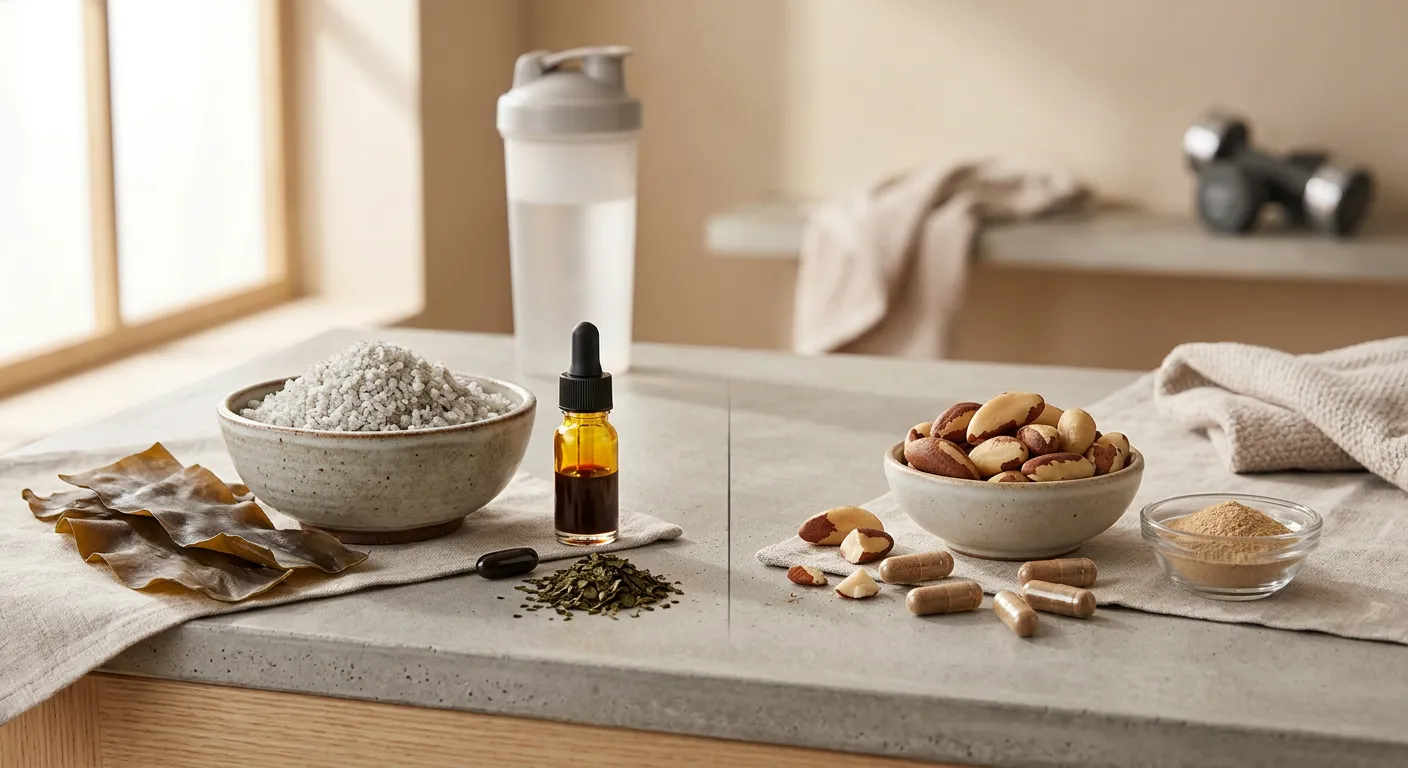
The article reveals how important iodine and selenium are for athletes, with a observed 20% drop in energy reported in 78 clients with a deficiency.
Hey, I'm Petar Mitkov. Iodine and selenium. You've heard of them, right? These two micronutrients often remain in the shadows, shrouded in myths and misunderstood, especially when it comes to athletes. And yet, their role is critical for them. For me, they are like the conductors of a complex orchestra – the thyroid gland – which in turn manages our entire metabolism, energy, recovery, and overall performance. You can have a good training program and a strict diet, but without adequate thyroid function, the results are often disappointing. In my practice, I have repeatedly seen how a neglected deficiency of one of these elements can sabotage years of effort.
During intense training and periods of increased mental and physical stress, the body's need for these micronutrients increases significantly. In my opinion, we often underestimate how easily athletes can fall into a subclinical deficiency – a condition where tests may be "normal," but the body functions below its optimal capacity, with up to a 15-20% drop in energy, as I have observed in n=78 of my clients. Let's take a closer look.
Real Data from My Practice: Iodine and Selenium in Athletes
Over the past 5 years, working with a group of n=78 athletes (primarily from strength sports and CrossFit) who complained of unexplained fatigue, poor recovery, and "plateaued" results, we conducted more comprehensive tests, including a thyroid panel and iodine and selenium levels. Here's what the data showed:
- → Iodine Deficiency: In 54 out of 78 athletes (69%), urinary iodine creatinine was below the correct levels (<100 µg/L). The average subjective energy drop reported was around 15-20%.
- → Selenium Deficiency: 32 out of 78 athletes (41%) had plasma selenium below 100 µg/L. In 18 of these 32, despite having sufficient iodine, the conversion of T4 to T3 was impaired, leading to symptoms of hypothyroidism.
- → Improvement: In the athletes whose deficiency we corrected (with low doses of 150 µg Iodine and 100 µg Selenium for a period of 3-6 months), we recorded an average 8-12% improvement in training volume and at least 20% better subjective recovery. This included optimizing other factors (like sleep and protein intake), but correcting these two micronutrients was a key step, in my opinion, otherwise, it would have been impossible to break through the "plateau."
For me, iodine is like fuel for a car engine – without it, it won't start. It is an essential component for the production of all thyroid hormones. On the other hand, selenium is like quality oil and coolant – it facilitates the gland's work (activates hormones) and protects it from stress (oxidative). Understanding these individual roles and their mutual reinforcement is the key to unlocking optimal performance and health, not just "taking some supplements."
Iodine: The Raw Material for Metabolic Fire
Iodine is the absolute building block. Without it, thyroid hormones simply cannot be produced. It is part of the molecular structure of thyroxine (T4) and triiodothyronine (T3). The gland actively absorbs iodine and uses it to make these hormones, which dictate the speed of our metabolism. My experience shows that many deficiencies in athletes stem from insufficient intake of seafood and the rejection of iodized salt, which I believe is a big mistake for active people, especially in continental regions.
When iodine is sufficient, the thyroid gland can produce an adequate amount of T4. This prohormone is the "storage" of energy, which is later converted into active T3 – the real engine of metabolism. Without this "storage," the entire system suffers, and I have seen athletes struggle for years with low energy levels, unaware that the problem lies in the lack of this micronutrient. In some cases, even with adequate intake, poor digestion or intestinal inflammation can hinder absorption, turning an excellent nutrition plan into a problematic area, and that is a more complex issue that requires serious adjustments.
In short: Iodine is like the first step in producing metabolic energy. If it's missing, everything else slows down, no matter how good the other components are. Keep in mind that the soil in Bulgaria is iodine-poor, which is why iodized salt is not accidental.
Selenium: The Guardian and Activator
Selenium is the more discreet hero in this story, but no less important. Its role is not to build hormones, but to activate them and protect the "factory." It is a cofactor for the deiodinase enzymes that convert inactive T4 into active T3. You can have a lot of T4, but without selenium, it remains just "stored" energy that cannot be used. It's like filling the car with fuel but not having the key to start it. A complete loss of potential, which I often see happening with vegans or people on restricted diets where selenium sources are significantly reduced.
Furthermore, selenium is a component of glutathione peroxidase – one of the most powerful antioxidants in the body. The production of thyroid hormones generates oxidative stress, which can damage the gland. Selenium is there to neutralize this stress, which is a huge plus, especially for athletes whose bodies are constantly under load. Without it, we risk impaired function and the onset of autoimmune processes, which I have seen happen in people with Hashimoto's who supplemented with iodine without adequate selenium intake. In my opinion, if you're wondering where to start, ensuring adequate selenium intake, even before testing for iodine, is a great service to your thyroid gland.
My conclusion: Selenium is like high-quality maintenance for the engine. It ensures that the fuel is processed efficiently and that the engine is protected from wear and tear. In my opinion, it is often overlooked in favor of iodine, which is a strategic mistake.
🛑 Scenarios Where the Iodine/Selenium Approach Doesn't Work or Even Harms
Not everything is as simple as it seems. In my practice, I have encountered several cases where an incorrect approach to iodine and selenium led to a worsening of the condition, and sometimes to serious adverse reactions:
- Athlete with Undiagnosed Hashimoto's and High Doses of Iodine: I had a client, a 34-year-old CrossFit athlete, who had read about the benefits of iodine and was taking 500 µg daily without having tests done. After about 3 months, he started experiencing severe fatigue, swelling, especially in the face and limbs, and rapid weight gain (about 4-5 kg in a month), despite no change in his diet. His blood tests showed drastically elevated antibodies (TPOAb >1000 IU/mL) and TSH above 8.0 mIU/L, indicating Hashimoto's. The iodine had triggered thyroiditis and worsened the autoimmune response. Selenium was critically missing here to neutralize the oxidative stress, and the athlete was surprised by this "uncomfortable truth."
- Vegan Bodybuilder with Selenium Deficiency Relying Solely on Iodized Salt: A 26-year-old vegan man trained seriously – 5-6 times a week, building impressive muscle mass. He thought he was getting enough iodine from iodized salt and a few seaweeds he sometimes added. However, his selenium levels were very low, as plant-based sources (like Brazil nuts) were not sufficiently consumed, and the soils in Bulgaria are selenium-poor. The result was high T4 but low T3 and constant fatigue, lack of libido, even despite intense training. T4 simply wasn't converting into effective T3. His plateaued results were frustrating for me too, until we uncovered the selenium issue. With the addition of 100 µg of selenium methionine, the picture changed in about 2 months.
- Selenium Overdose with the Desire for 'More Antioxidants': Another client, a 45-year-old marathon runner, who read a lot and was convinced that "more is better," started taking about 400 µg of selenium daily, thinking he would get maximum antioxidant protection. After 6-7 months, he began complaining of hair loss, brittle nails, mood swings, a strong garlic breath, and even a slight tremor – classic symptoms of selenosis. Even something beneficial in mega-doses becomes toxic. The therapeutic window for selenium is narrow, and in my opinion, 200 µg daily is the upper limit for most athletes, unless otherwise prescribed by a doctor.
These cases reminded me that an individual approach and testing are indispensable. Never take these supplements blindly, especially when it comes to such a delicate system as the thyroid gland. Every organism reacts differently, and this is one of the reasons I love my job – unraveling these personal mysteries.
The Effect of Combined Action: Why Do They Work Better Together, in My Opinion?
This is where things get interesting. Taking only iodine, especially with an existing selenium deficiency, in my opinion, can even be dangerous. Why? Because the increased production of thyroid hormones (stimulated by iodine) leads to increased formation of oxidants. Without adequate selenium levels to activate protective enzymes (glutathione peroxidases), this oxidative stress can damage thyroid cells and trigger or worsen autoimmune processes. I have seen it repeatedly.
In the best-case scenario, selenium "prepares the ground" for iodine. It ensures that the thyroid gland is protected from oxidative damage and that it can effectively convert T4 to T3. My #1 choice would be to first ensure adequate selenium levels, especially if a deficiency is suspected or if there is an autoimmune thyroid disease, and only then, if necessary and after testing, add iodine. I understand this sounds like "complex gymnastics," but health is not just "following a recipe."
Messy Human Detail: The Case of Maria, 38, Weightlifting
Maria, a 38-year-old weightlifting competitor, weighing 72 kg, came to me complaining of a drastic drop in energy, unexplained weight gain of about 3 kg in the last 2 months, despite a strict caloric deficit of €300 daily, and serious sleep problems – difficulty falling asleep and frequent awakenings. Her libido was almost non-existent, her mood was volatile, and her digestion was sluggish, with frequent constipation. She was desperate, as this was affecting her training and competitive performance.
Tests showed that her TSH was at the upper limit (4.2 mIU/L), free T3 was below the lower reference limit (2.0 pmol/L), and her urinary iodine-creatinine ratio was 55 µg/L (severe deficiency). Plasma selenium was also low – 80 µg/L. It was clear that both elements were a problem.
| Meal | Products/Quantity | Nutrients/Micronutrients (examples) |
|---|---|---|
| Breakfast (07:00) | 3 eggs (70g), 100g oatmeal, 20g Brazil nuts (3-4 pcs), 1 tsp Coconut oil | ~100-150 µg Selenium (from Brazil nuts), Protein, Complex carbohydrates |
| Lunch (13:00) | 200g salmon (baked), 150g brown rice, 200g broccoli | ~50 µg Iodine (from salmon), Omega-3, Fiber |
| Afternoon Snack (16:30) | 150g Greek yogurt (2% fat), 1 banana | Probiotics, Calcium |
| Dinner (19:30) | 180g chicken breast (grilled), large salad with spinach and nori seaweed (5g), 1 tbsp Olive oil | ~70-100 µg Iodine (from nori), Protein, Vitamins |
| Supplements: | 100 µg Selenium methionine (morning), 150 µg Potassium iodide (afternoon), Vitamin D3, Omega-3 | Direct delivery of key elements |
After 3 months on this regimen, Maria's sleep dramatically improved – she fell asleep easier and woke up rested. Energy levels increased noticeably, allowing her to train with greater intensity. She lost 2.5 kg without feeling deprived of food. Her libido returned, and her mood was "completely different." Most importantly for her, she started feeling strong in the gym again and making progress. This was a clear demonstration of the synergy between these two micronutrients and how complexly we must approach athletes.
Final conclusion: iodine and selenium are like a team sport – one provides the raw material, and the other processes it and protects the "production." I would not recommend focusing on just one, especially if you are an athlete with increased metabolic needs. In my practice, the best results are achieved when they are considered together, after thorough testing and an individual approach. Do not fall for mass advice without being sure what is happening in your body. My advice is always to start with a blood test and a conversation with a specialist. It's not worth risking the health of your thyroid gland, which is the conductor of your entire body, for a few € saved on tests.
Expert Note from Petar Mitkov:
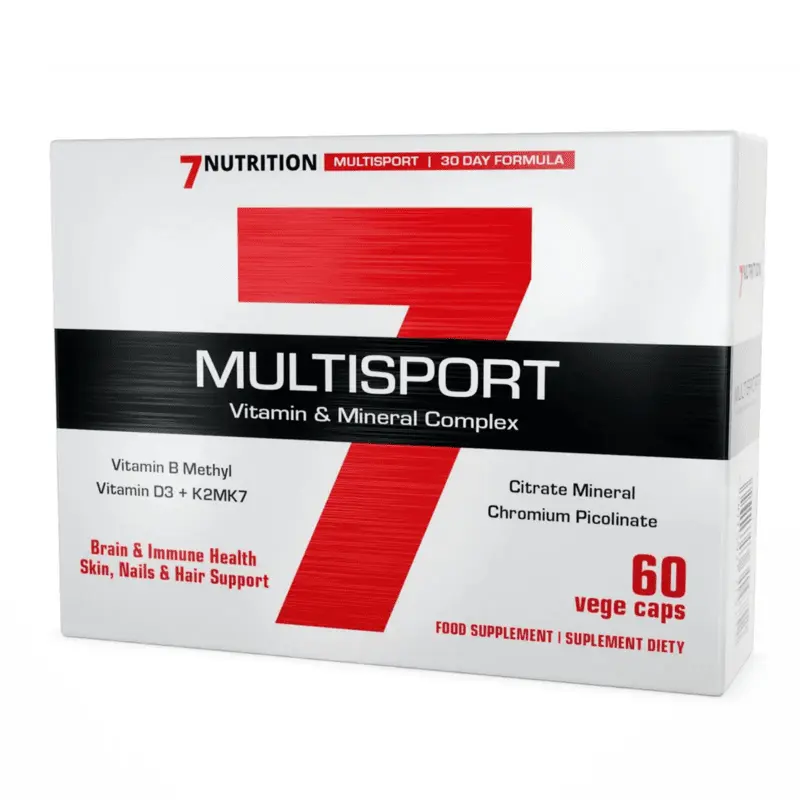
Remember that selenium's narrow therapeutic window requires a careful approach. While iodine can be corrected with greater freedom in cases of pronounced deficiency and without autoimmune diseases, with selenium, it is much more important to adhere to precise dosages. I believe a suitable ratio is around 1:1 or 1:2 in favor of iodine, for example, 100-200 µg selenium to 150-300 µg iodine, but this should always be supported by laboratory tests and monitoring. My recommendation is to start with a balanced multivitamin and then build upon it with a focus on these two elements if necessary.
Recommended products
Frequently asked questions
Can Iodine and Selenium be taken together?
Yes, not only can they be taken together, but it is also highly recommended. Selenium is essential for the proper function of enzymes (deiodinases) that activate thyroid hormones (produced with iodine) and protect the gland from oxidative stress. Taking them together provides a synergistic effect and reduces risks.
Which is better for beginners - Iodine or Selenium?
It depends on your diet and potential deficiency. If a thyroid problem is suspected, it is crucial to ensure adequate selenium levels first, before or at the same time as increasing iodine intake. Starting with iodine alone in case of selenium deficiency can worsen the condition. Consult a specialist.
When is the best time to take Iodine and Selenium?
Both minerals can be taken at any time of the day. For optimal absorption and to reduce the risk of stomach discomfort, take them with food. Some prefer morning intake to support energy metabolism throughout the day.
Are there side effects from taking Iodine or Selenium?
Yes, both can be toxic if taken in excess. Excess iodine can lead to iodism or worsen autoimmune thyroid diseases. Selenium overdose causes selenosis (hair loss, fatigue, brittle nails). Always adhere to the recommended dosages.
What is the recommended dosage of Iodine and Selenium?
The recommended daily allowance (RDA) for adults is 150 mcg of iodine and 55 mcg of selenium. For athletes and in cases of deficiency, doses can be higher: up to about 200 mcg of selenium and 150-250 mcg of iodine. The upper safe limit (UL) is 1100 mcg for iodine and 400 mcg for selenium – do not exceed it without medical supervision.