Sugar vs. Sweeteners: Insulin Reality vs. Metabolic Mimicry
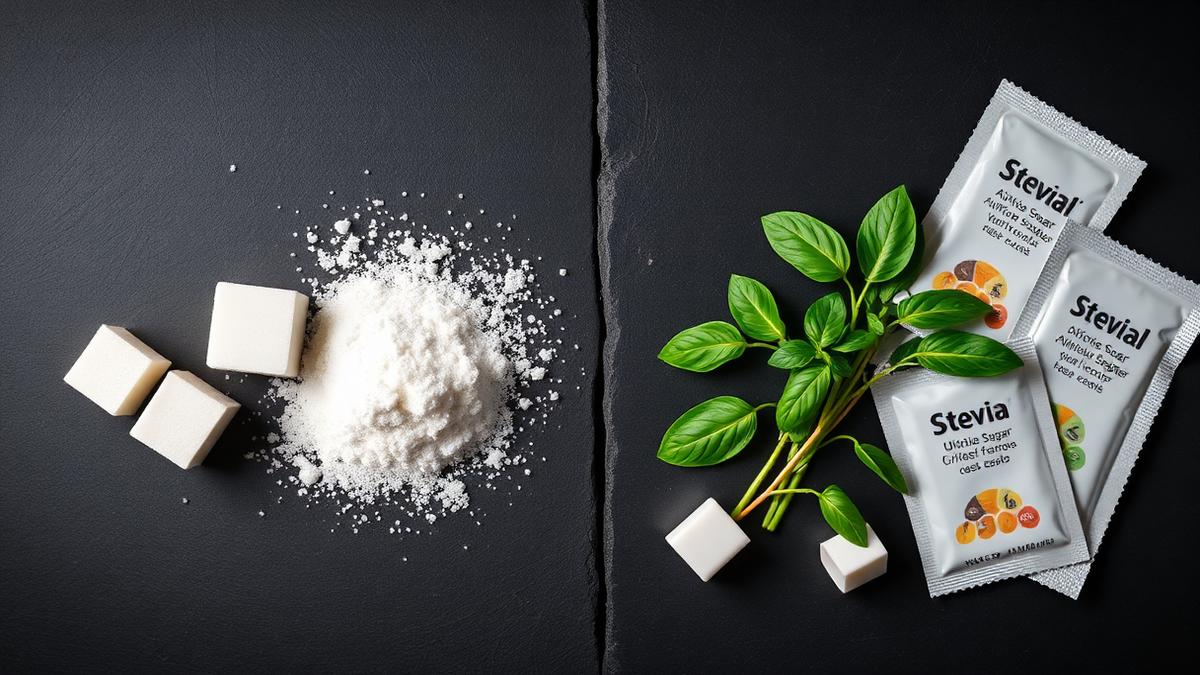
The question is not simply "how many calories we consume," but what signal we send to our body. While sugar is an energy bomb, sweeteners like aspartame and stevia are "empty messages" that can lead to unexpected systemic errors in metabolism.
Unraveling the Effects on the Pancreas, Microbiome, and Neural Satiety Signals
This comparison presents us with a choice between "Predictable Fuel" and "Metabolic Illusionist." In the body's systemic architecture, sugar is a direct energy source with well-documented risks, while sweeteners are tools for caloric deficit that can, however, reprogram the "software" of your taste receptors and gut ecosystem.
💬 Simply put: This section examines how sugar and sweeteners affect the pancreas (the insulin factory), the "good" bacteria in the gut (our internal gardener), and the satiety signals in the brain (the hunger and fullness center).
🏋️ From SportZone Practice
One of the most frequent questions we receive is, "Can I drink diet sodas during a cut?" The answer depends on individual response. For about 30% of our clients, diet sodas trigger increased appetite within 30 minutes – a classic sign of a strong cephalic insulin response. For them, switching to stevia in water resolves the issue.
📊 Comparative Matrix: Systemic Analysis
| Characteristic | Sugar (Sucrose) | Aspartame (Synthetic) | Stevia (Glycosides) |
|---|---|---|---|
| Sweetness (vs. sugar) | 1x | ~200x | ~300x |
| Glycemic Index | High (65) | 0 | 0 |
| Insulin Effect | Direct and strong | Indirect (via taste) | Favorable |
| GI Tract Stability | Rapid absorption | Breakdown to amino acids | Fermentation in the colon |
| Taste | Clean, no aftertaste | Chemical aftertaste | Bitter/Metallic aftertaste |
| Daily Dose (ADI) | <10% of calories | Up to 40–50 mg/kg | Up to 4 mg/kg |
📚 What Science Says
A 2025 meta-analysis in The Lancet Diabetes & Endocrinology confirms that replacing sugar with low-calorie sweeteners reduces weight in the short term. However, long-term effects depend on the type of sweetener and individual microbiome – stevia shows the most neutral profile.
🧬 In-depth Analysis of Mechanisms
1. The Cephalic Phase Phenomenon (Insulin Anticipation)
Our body has an "early warning system." When the tongue detects sweetness, the brain signals the pancreas to prepare.
💬 Simply put: This section dives deep into how exactly sugar and sweeteners affect our bodies at the cellular and molecular level, revealing the hidden mechanisms behind their effects.
Recommended products
 Real Pharm Real Whey 100 2250 grams77.00 €
 XTEND Original Amino Acids 90 Servings63.91 €
 Bounty Protein Bar 51 grams3.07 €
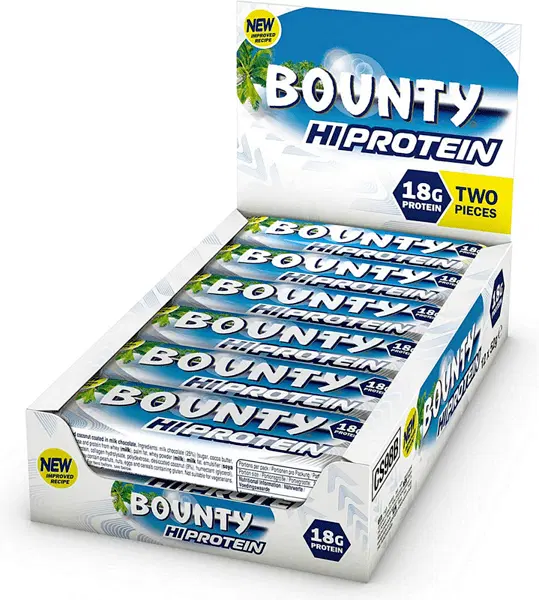 Bounty Protein Bar 12 x 51 grams36.84 €
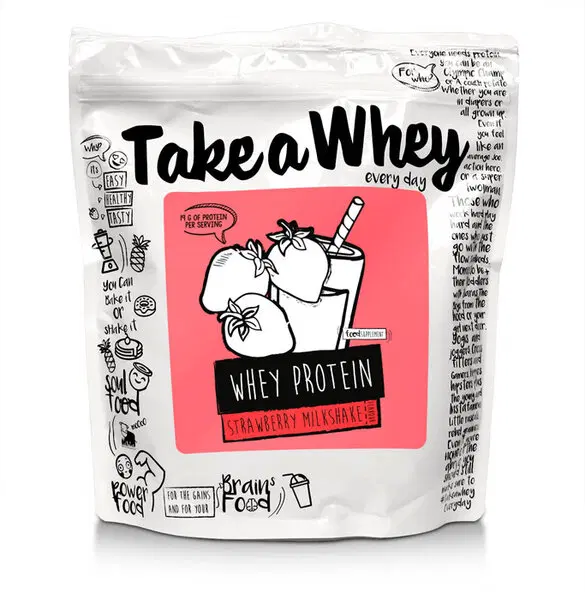 Whey Protein Concentrate Take A Whey 900 grams 32 servings18.92 €
Frequently asked questions
Do sweeteners cause an insulin spike?
Sweeteners are calorie-free and do not directly raise blood sugar. However, they can activate the cephalic phase of insulin secretion – the brain senses sweetness and signals the pancreas to prepare. This can lead to a slight drop in blood sugar and increased appetite.
Which stevia is of the highest quality?
Look for products with at least 95% rebaudioside A (Reb A) – the purest stevioside with the least bitter aftertaste. Avoid products labeled as stevia but containing 95% maltodextrin – it has a higher glycemic index than sugar itself.
Is aspartame safe for health?
Aspartame is approved by the FDA and EFSA in doses up to 40–50 mg/kg body weight daily. With normal consumption, there is no evidence of harm. However, avoid it if you have phenylketonuria (a rare genetic disorder) and do not heat it, as it loses its sweetness at high temperatures.
Can sweeteners affect the microbiome?
Yes, studies from 2024–2026 show that some sweeteners (especially sucralose and saccharin) can alter the composition of gut bacteria, making the body less efficient at processing real sugar. Stevia has shown the fewest negative effects on the microbiome so far.