Olive Oil vs. Coconut Oil: Heating Chemistry and Metabolic Response
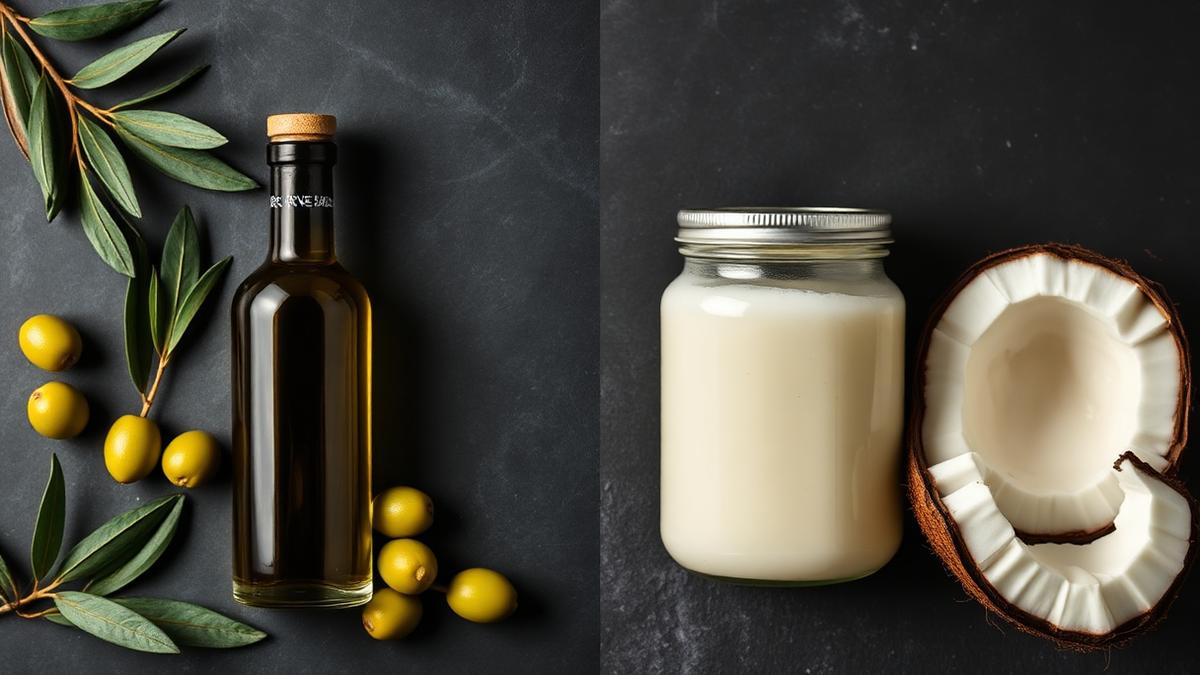
In the kitchen, we often focus on the smoke point, but the more important question is when the fat begins to oxidize and release harmful aldehydes. The difference lies between the mechanical durability of saturated bonds and the protective power of polyphenols.
Why Smoke Point Isn't the Only Factor for Stability
This comparison presents us with a choice between the "Antioxidant Shield of the Mediterranean" and the "Thermally Stable Tropical Fat." In the body's systemic architecture, olive oil acts as functional fuel for the cardiovascular system, while coconut oil is a potent energy source that requires careful calibration due to its saturated profile.
🏋️ From the Practice of SportZone
In our nutritional consultations, we observe a persistent myth: that coconut oil is unconditionally safer for cooking. The reality is more nuanced. For most home applications (sautéing up to 180 degrees Celsius), high-quality Extra Virgin olive oil performs excellently due to its polyphenol shield, and for extreme temperatures, refined olive oil is more durable than unrefined coconut oil.
📊 Comparative Matrix: Chemical Intensity
| Characteristic | Extra Virgin Olive Oil | Coconut Oil (Virgin) |
|---|---|---|
| Primary Fats | Monounsaturated (Oleic) | Saturated (Lauric) |
| Smoke Point | 160–210°C | 175–177°C |
| Oxidation Resistance | High (due to antioxidants) | Extremely High |
| Impact on LDL | Lowers it | May raise it |
| Metabolic Pathway | Long-Chain (LCT) | Medium-Chain (MCT) |
| Best For | Mediterranean cuisine, baking | Keto desserts, Asian cuisine |
📚 What Science Says
A study in Acta Scientific Nutritional Health (2024) demonstrated that Extra Virgin olive oil with high polyphenol content produced fewer aldehydes when heated compared to refined sunflower oil, despite its lower smoke point. Polyphenols act as sacrificial antioxidants, protecting fatty acids from oxidation.
🧬 In-depth Analysis of Mechanisms
1. The Stability Paradox: Saturated Bonds vs. Polyphenols
Coconut oil is "ironclad" at a molecular level because it has no double bonds to be attacked by oxygen during heating. Olive oil, however, possesses polyphenols – biological bodyguards that sacrifice themselves first to prevent damage to the fat.
💬 Simply put: It's like disassembling an engine to understand how each part works and interacts, rather than just knowing the car runs.
💬 Simply put: It's like choosing between a robust but dull guard (saturated bonds) and a more vulnerable but clever strategist (polyphenols) to protect your food.
- Result: Research indicates that high-quality Extra Virgin olive oil can be more stable during sautéing than some saturated fats, precisely because of these protective compounds.
Recommended products
Frequently asked questions
Which oil is healthier for cooking - olive oil or coconut oil?
For daily cooking at medium temperatures (sautéing, baking up to 190 degrees), Extra Virgin olive oil is an excellent choice due to its polyphenols, which protect it from oxidation. For deep frying, refined olive oil is safer and more economical than coconut oil.
Is it true that coconut oil raises cholesterol?
Coconut oil is rich in saturated fats (about 82%), which can raise both LDL (bad) and HDL (good) cholesterol. For people with high LDL, it is safer to prefer olive oil, which has been shown to lower bad cholesterol.
What are MCT fats and why are they important?
MCTs (medium-chain triglycerides) are fats that go directly to the liver and are converted into energy (ketones) instead of being stored. About 60% of coconut oil consists of MCTs, making it a popular choice for keto diets and quick energy.
How to store olive oil correctly?
Store olive oil in a dark glass bottle, away from direct light and heat. Avoid plastic bottles and bright shelves in the store. Photo-oxidation from fluorescent lamps can reduce the quality of olive oil even before you open it.