ZMA vs. Magnesium: The Complex Formula vs. The Pure Mineral
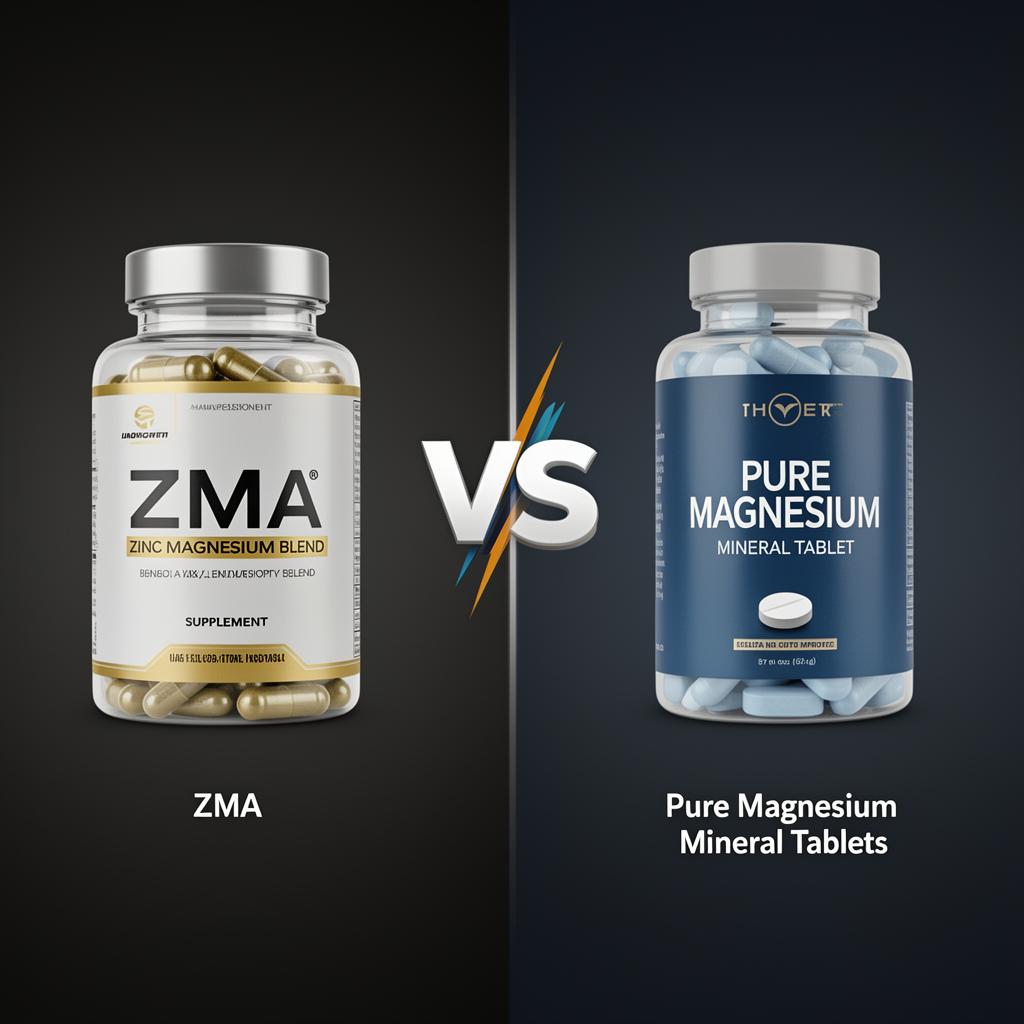
ZMA combines zinc, magnesium, and B6, while magnesium is an individual mineral. ZMA targets overall recovery, while magnesium targets muscle function and sleep.
ZMA vs. Magnesium: A Comprehensive Comparison for Athletes
As part of the Sport Zona Academy, we understand that performance optimization and recovery are key for any athlete. In the world of supplements, we often encounter products that seem similar but have different mechanisms of action and applications. One such example is the comparison between ZMA and standalone Magnesium intake. While both play a role in numerous physiological processes, their impact on athletes can vary significantly. This article aims to delve deep into these two supplements to help you make an informed choice.
What is ZMA?
ZMA (Zinc Monomethionine Aspartate) is a patented dietary supplement that combines zinc monomethionine aspartate, magnesium aspartate, and vitamin B6 (pyridoxine hydrochloride). The combination was created with the idea of synergistic action, claiming to support recovery, sleep quality, hormonal balance, and strength in athletes.
What is Magnesium?
Magnesium is an essential mineral involved in over 300 enzymatic reactions in the human body, including protein synthesis, muscle and nerve function, blood sugar control, and blood pressure regulation. It is particularly important for athletes due to its role in energy metabolism, muscle contraction, and cramp prevention. It is available in various forms (citrate, bisglycinate, oxide, etc.) that differ in bioavailability.
Comparison Table: ZMA vs. Magnesium
| Characteristic | ZMA | Magnesium (Standalone) |
|---|---|---|
| Main Ingredients | Zinc, Magnesium, Vitamin B6 | Magnesium only (various forms) |
| Primary Goal for Athletes | Recovery, sleep, hormonal balance, strength | Muscle function, energy, cramps, nervous system |
| Potential Benefits | Improved sleep, reduced catabolism, testosterone support | Reduced fatigue, enhanced muscle function, cramp prevention, stress reduction |
| Risk of Overdose | Possible with exceeding recommended doses of zinc and B6 | Likely with high doses (diarrhea, stomach upset) |
| Price (Approx. Per Month) | 15-30 EUR | 10-25 EUR |
| When is it Preferred | For zinc/B6 deficiency, sleep issues, active bulking phase | For muscle cramps, fatigue, stress, general health support |
In-depth Analysis of ZMA
ZMA is popular among athletes, especially those engaged in intense weight training. The main hypothesis behind its effectiveness is that intense physical exertion can lead to depletion of zinc and magnesium levels in the body, which in turn can affect hormonal balance (especially testosterone), sleep quality, and recovery [1].
Zinc is critical for immune function, protein synthesis, and cell growth. It also participates in testosterone production. Its deficiency can lead to a drop in testosterone levels and reduced regeneration.
Magnesium, as mentioned, is vital for over 300 enzymatic processes. Its deficiency is common among athletes and can lead to muscle spasms, fatigue, disrupted sleep, and reduced athletic performance [2].
Vitamin B6 plays a role in protein and carbohydrate metabolism, as well as in the production of neurotransmitters important for regulating sleep and mood. It is believed to enhance the absorption of zinc and magnesium.
Early studies on ZMA showed promising results regarding increased testosterone and IGF-1 levels, as well as increased strength [3]. However, more recent research is more mixed, with some finding no significant effects on hormonal levels in well-nourished individuals with normal zinc and magnesium levels [4]. The effectiveness of ZMA appears to be most pronounced in athletes who already have a deficiency in these minerals.
In-depth Analysis of Magnesium (Standalone)
Magnesium is one of the most important micronutrients for athletes. Intense training increases magnesium requirements due to loss through sweat and increased metabolism. Furthermore, many people, including athletes, do not consume enough magnesium through their diet [5].
Benefits for Athletes:
- Energy Metabolism: Magnesium is necessary for the production of ATP (adenosine triphosphate) – the main energy currency of cells.
- Muscle Function and Recovery: It regulates muscle contractions and relaxation. Its deficiency can lead to muscle cramps and spasms.
- Reduced Fatigue: Contributes to reducing tiredness and fatigue.
- Nervous System: Supports normal nervous system function, which is important for stress management and improving sleep quality.
- Bone Health: Along with calcium and vitamin D, magnesium is important for bone strength.
Types of Magnesium: The choice of magnesium form is important for absorption. Magnesium citrate and bisglycinate have high bioavailability and are often recommended for athletes. Magnesium oxide is cheaper but has lower absorption and can have a laxative effect.
Synergistic Effect
The synergistic effect in ZMA stems from the idea that zinc, magnesium, and vitamin B6 work together to optimize certain physiological processes. Vitamin B6 aids in the absorption of zinc and magnesium and also participates in the production of serotonin and melatonin, which are key for sleep regulation. The combination of zinc and magnesium is particularly important for maintaining normal testosterone levels, especially in individuals exposed to intense training stress. While magnesium alone is an excellent agent for muscle relaxation and energy, adding zinc and B6 to it (as in ZMA) can provide more comprehensive support, especially when the goal is to improve recovery after heavy workouts and optimize hormonal balance.
Practical Protocol with Dosages
For ZMA:
- Standard Dosage: Most ZMA products contain around 30 mg of zinc, 450 mg of magnesium, and 10-11 mg of vitamin B6.
- Timing: Take 30-60 minutes before bedtime on an empty stomach. This is important as calcium and other minerals can interfere with zinc and magnesium absorption. Avoid dairy products and foods rich in calcium.
- Recommendation: Men – 3 capsules; Women – 2 capsules (standard for most brands). Always follow the manufacturer's instructions.
For Magnesium (Standalone):
- Typical Dosage: 200-400 mg of elemental magnesium daily, depending on needs and form.
- Timing: Can be taken in the evening, before bed, to improve sleep and recovery. It can also be split into several doses throughout the day.
- Form: We recommend magnesium bisglycinate or citrate for their high bioavailability.
- Recommendation: Start with a lower dose and gradually increase to avoid stomach upset.
Important: Always consult with a doctor or qualified professional before starting any new supplements.
When to Choose Which?
Choose ZMA if:
- You train intensely and suspect a deficiency in zinc and/or magnesium (common among active athletes).
- You want to optimize testosterone levels (especially if you are male and over 30, or have signs of low testosterone).
- You are looking for comprehensive support for recovery and improved sleep quality.
- You have sleep problems, insomnia, or restless sleep after heavy workouts.
Choose standalone Magnesium if:
- You suffer from frequent muscle cramps or spasms.
- You feel constant fatigue and lethargy, despite adequate sleep.
- You want to improve relaxation and reduce stress.
- You are already taking sufficient zinc from other sources (e.g., multivitamins, whey protein) and do not need additional intake.
- You are looking for a more economical option for maintaining general health.
Pros and Cons
ZMA:
- Pros: Comprehensive recovery formula, potentially improves hormonal balance, sleep, and immune function. Convenient intake of three important components in one supplement.
- Cons: Higher price compared to standalone magnesium. Effectiveness may be less pronounced in individuals without deficiency. Risk of zinc and B6 overdose when taken concurrently with other supplements containing these elements.
Magnesium (Standalone):
- Pros: Effective against muscle cramps and fatigue, aids relaxation and sleep. Cheaper and easier to dose according to individual needs. Variety of forms with different bioavailability.
- Cons: Does not provide the benefits of zinc and vitamin B6. High doses can cause gastrointestinal issues (diarrhea).
Simply Explained
Imagine your body is a car. Both supplements are like oil for the engine. Magnesium is like "standard" high-quality oil that keeps the car running smoothly, prevents overheating, and maintains it in good condition. ZMA is like "premium" oil, enriched with more special additives. It does everything the standard oil does. Because it contains magnesium. It adds zinc and B6. These are "tuning additives" for the engine. These additives help the car perform at its maximum capacity, recover faster after a long journey, and can even improve its power (if it's already slightly worn).
If your car just needs good maintenance, magnesium is sufficient. However, if you are a race car driver who wants every advantage and your body is under immense stress, ZMA might offer that extra edge.
Choose the Right Product
When choosing ZMA or magnesium, pay attention to the following:
- Quality: Always look for products from reputable manufacturers. For ZMA, ensure the product is patented (ZMA-brand) and contains zinc monomethionine aspartate, magnesium aspartate, and pyridoxine hydrochloride.
- Magnesium Form: If choosing standalone magnesium, prefer forms like bisglycinate, citrate, threonate, or malate for better absorption.
- Dosage: Check the labels and ensure the dosages meet your needs and recommendations.
- Price: Compare prices, but do not sacrifice quality. A supplement that is cheaper but has poor bioavailability will end up costing you more.
- Certifications: Products with GMP (Good Manufacturing Practices) certifications guarantee they are produced to high standards.
Expert Note from Sport Zona Academy
At Sport Zona Academy, we believe that the foundation of good athletic performance is a balanced diet and adequate sleep. Supplements like ZMA and magnesium are tools that can support these goals, but they are not magic solutions. Taking ZMA is more appropriate for athletes who train very intensely, have high mineral loss through sweat, and may suffer from their deficiency, leading to sleep and recovery problems. The triple combination can have a synergistic effect and lead to better results, including support for hormonal balance.
On the other hand, magnesium alone is an almost universal supplement that can be beneficial for almost any athlete – and not just them. It prevents cramps, aids relaxation, and is important for energy metabolism. If the budget is limited or if you are already taking adequate zinc and B6 from other sources, then high-quality magnesium is an excellent choice. We always recommend consulting with a healthcare professional or sports nutritionist to determine the most suitable supplement protocol for you, based on your individual needs and goals.
Scientific Sources:
- Koehler, K., & Brilla, L. R. (2022). Effects of Zinc and Magnesium Supplementation on Athletic Performance, Recovery, and Hormonal Profiles. Nutrients, 14(5), 1010.
- Volpe, S. L. (2019). Magnesium and the Athlete. Current Sports Medicine Reports, 18(11), 408-412.
- Brilla, L. R., & Conte, V. (2000). Effects of Zinc-Magnesium Aspartate (ZMA) supplementation on anabolic and catabolic hormones and strength and power. Journal of Exercise Physiology Online, 3(4).
- Wilborn, C. D., Kerksick, C. M., Campbell, B. I., Taylor, L. W., Marcello, C. R., Finley, Z., ... & Kreider, R. B. (2004). Effects of zinc magnesium aspartate (ZMA) supplementation on training adaptations and markers of anabolism and catabolism. Journal of the International Society of Sports Nutrition, 1(2), 12.
- Schwalfenberg, G. K., & Genuis, S. J. (2017). The Importance of Magnesium in Clinical Healthcare. Scientifica, 2017.
- Cinar, V., Polat, Y., Baltaci, A. K., & Mogulkoc, H. (2011). Effects of zinc and magnesium supplementation on serum testosterone and lipid profiles in male wrestlers. British Journal of Nutrition, 105(1), 163-169.
Recommended products
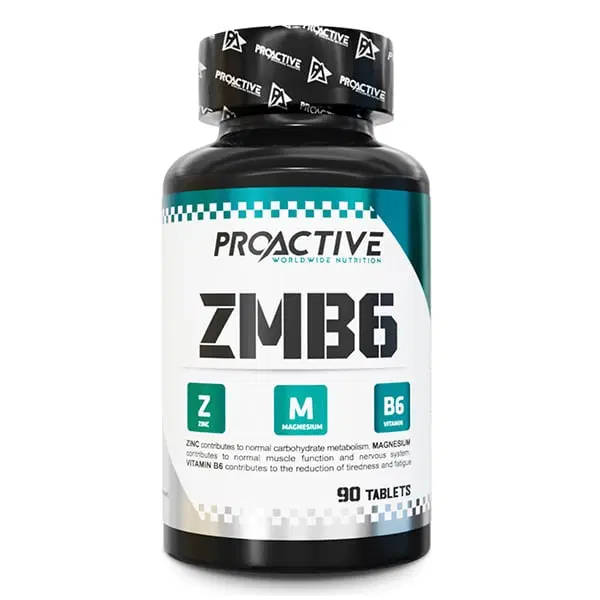
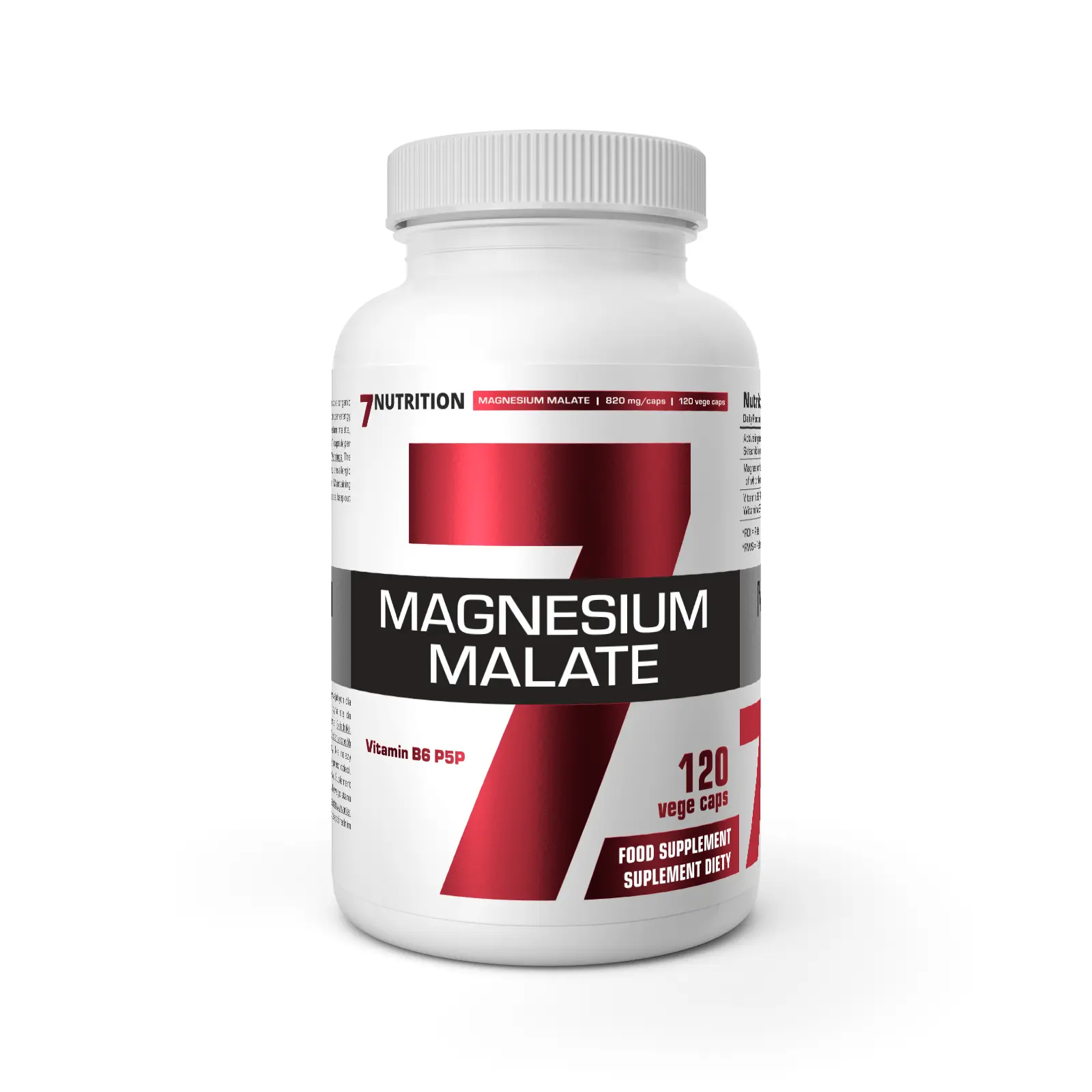
Frequently asked questions
Can ZMA and Magnesium be taken together?
Technically it is possible, but often unnecessary, as ZMA already contains magnesium. Excessive magnesium intake can lead to side effects such as diarrhea. It is better to choose one of the two products based on your needs and monitor your total magnesium intake.
Which is better for beginners?
For beginners who simply want to optimize sleep and muscle function, magnesium alone is more justified as a first step, as it is more cost-effective and easier to dose. ZMA is more suitable for advanced athletes with high training volumes, seeking comprehensive support for recovery and hormonal balance.
When is the best time to take them?
Both ZMA and magnesium are best taken in the evening, 30-60 minutes before bedtime. This contributes to better sleep, recovery, and supports the body's natural nighttime processes. Avoid taking calcium at the same time, as it can interfere with the absorption of zinc and magnesium.
Are there any side effects?
When following the recommended dosages, side effects are rare. High doses of magnesium can cause gastrointestinal disturbances such as diarrhea. Excessive zinc intake can lead to copper deficiency. Always follow the manufacturer's instructions and consult a specialist if you have concerns.
What is the dosage?
The standard dosage for ZMA is often 3 capsules for men and 2 capsules for women, providing about 30 mg of zinc, 450 mg of magnesium, and 10.5 mg of vitamin B6. For magnesium alone, the usual dose is 200-400 mg of elemental magnesium in the evening. Always check the label of the specific product for exact instructions.