Branched-chain amino acids (BCAA)
The 2:1:1 ratio of leucine, isoleucine, and valine in BCAAs is scientifically proven to be the most effective for stimulating muscle protein synthesis. Studies, including the ISSN position, have repeatedly confirmed the role of these essential amino acids in muscle recovery and growth, especially during intense training. They account for approximately 35% of muscle protein and are the only amino acids metabolized directly in the muscles, not the liver.
BCAA supplementation before or during training can significantly reduce muscle fatigue and accelerate recovery processes. In my practice, I observe that clients who incorporate BCAAs into their regimen often report faster recovery between workouts and less muscle soreness. This allows them to maintain higher training intensity and frequency, leading to better long-term results.
BCAAs also play a role in maintaining nitrogen balance and can help preserve muscle mass during periods of caloric deficit. To maximize benefits, aim for a dose of 5-10 grams of BCAAs before, during, or after training, adjusting the ratio of leucine, isoleucine, and valine to your individual needs and training goals.
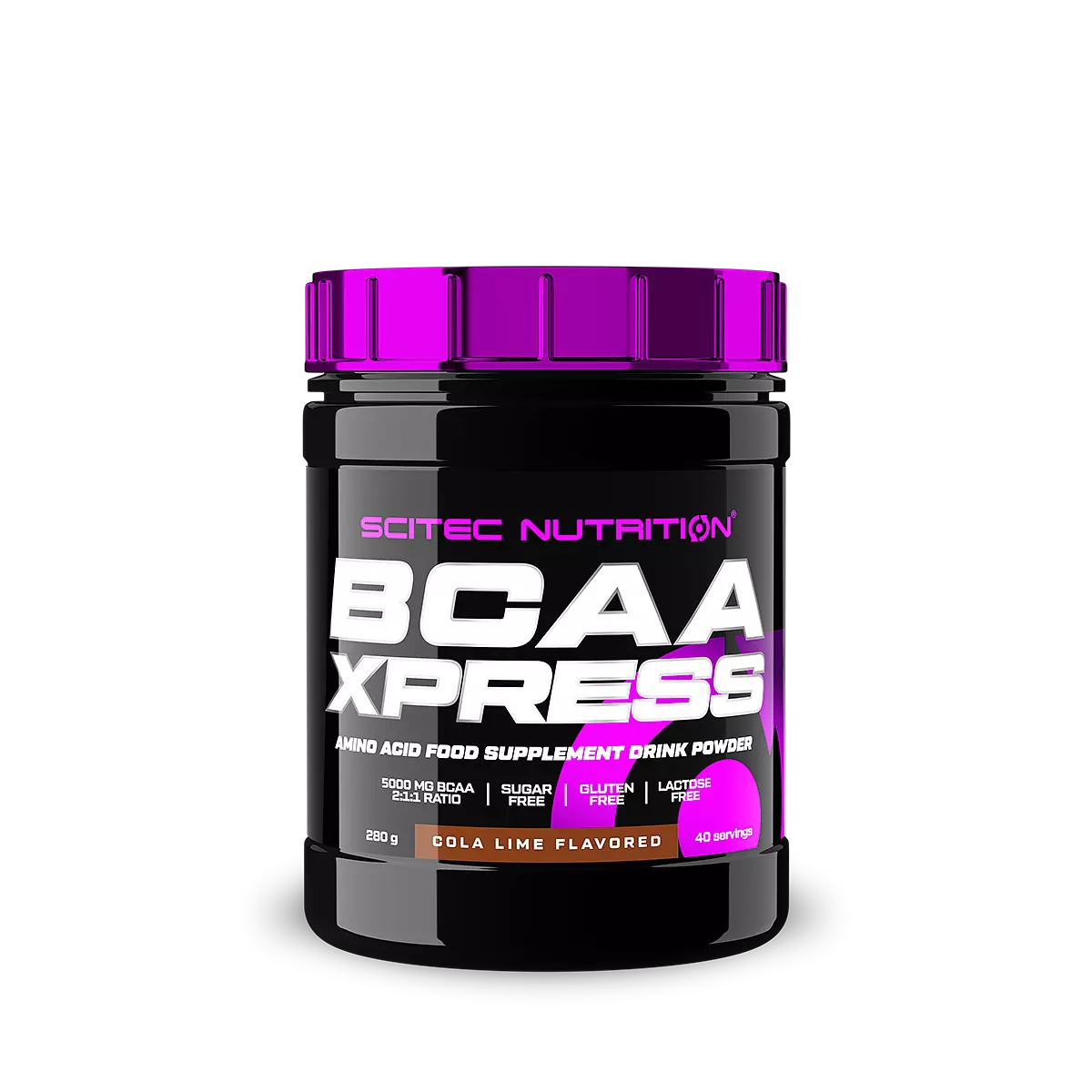
- Scitec Nutrition BCAA-Xpress (280 gr.) – 25.90 €
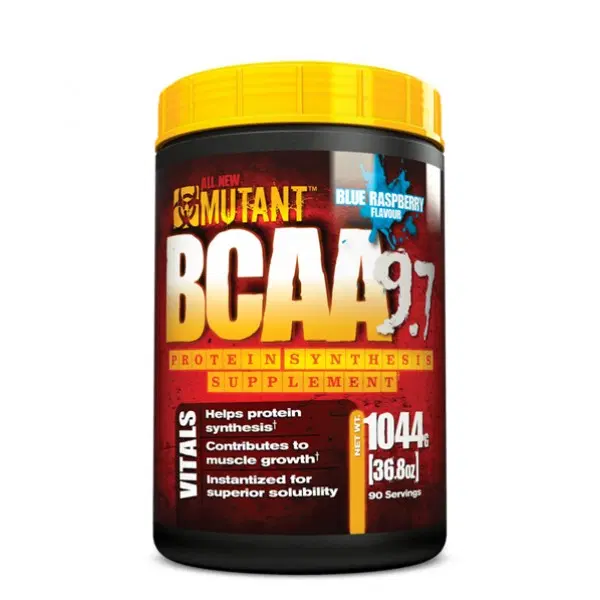 Mutant - BCAA 9.7 / 1044 gr. – 69.02 €
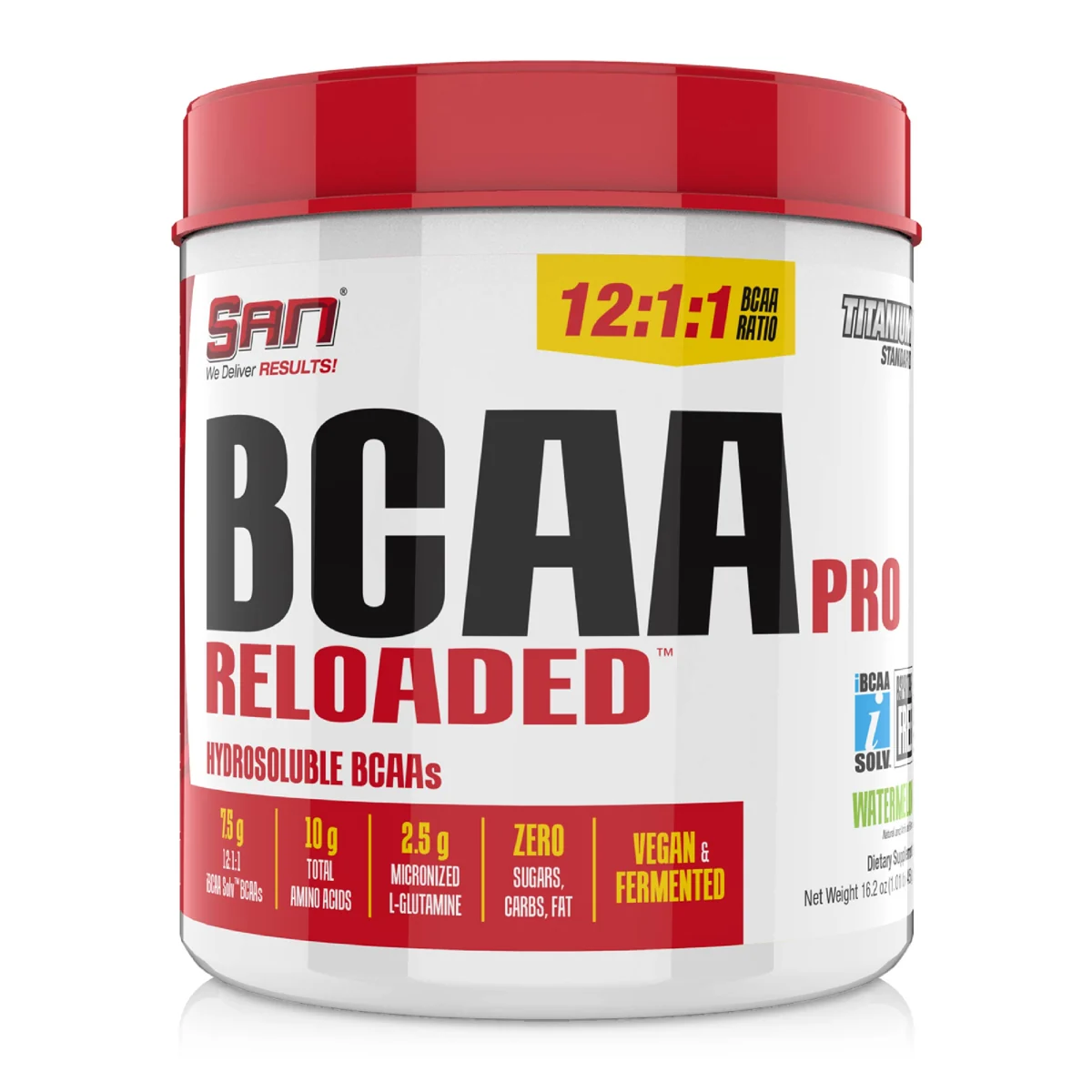 SAN BCAA Pro Reloaded 40 дози – 36.98 €
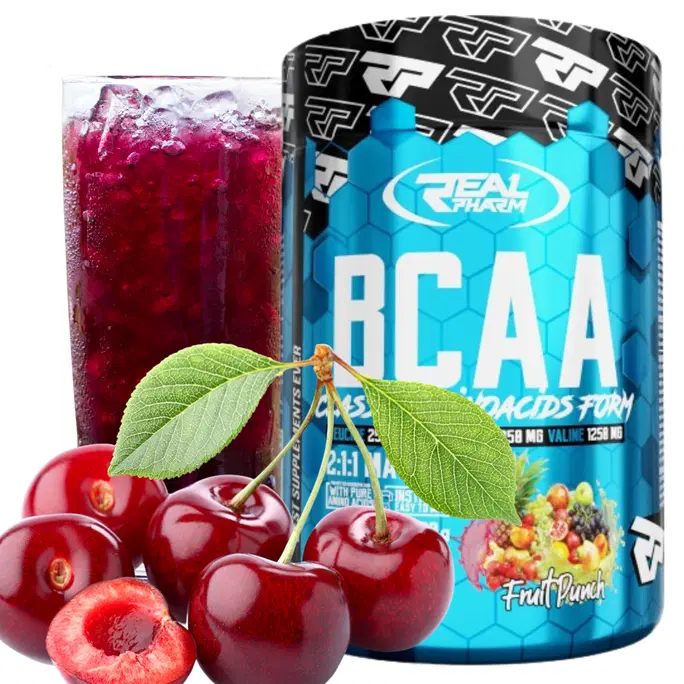 BCAA 8:1:1 Real Pharm 400 грама – 26.59 €
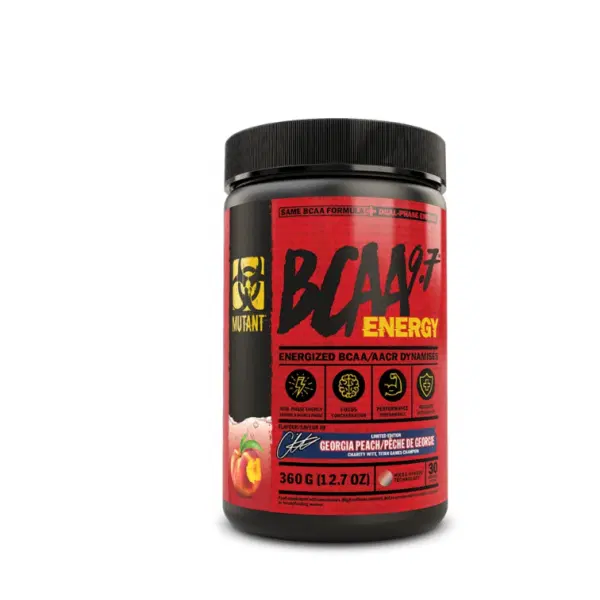 Mutant BCAA 9.7 Energy / 360g – 0.00 €
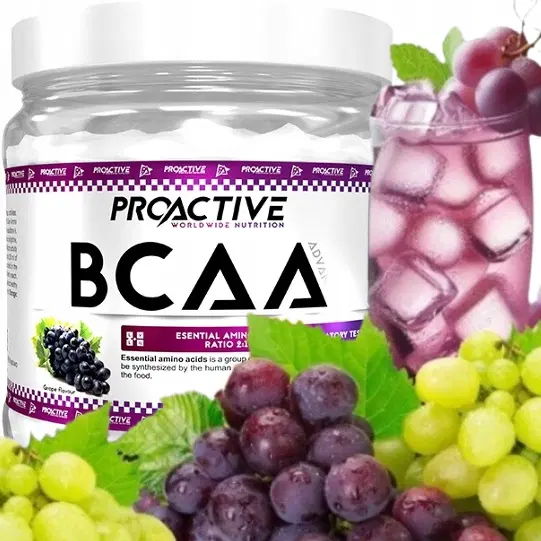 ProActive BCAA 400g Grape – 19.34 €
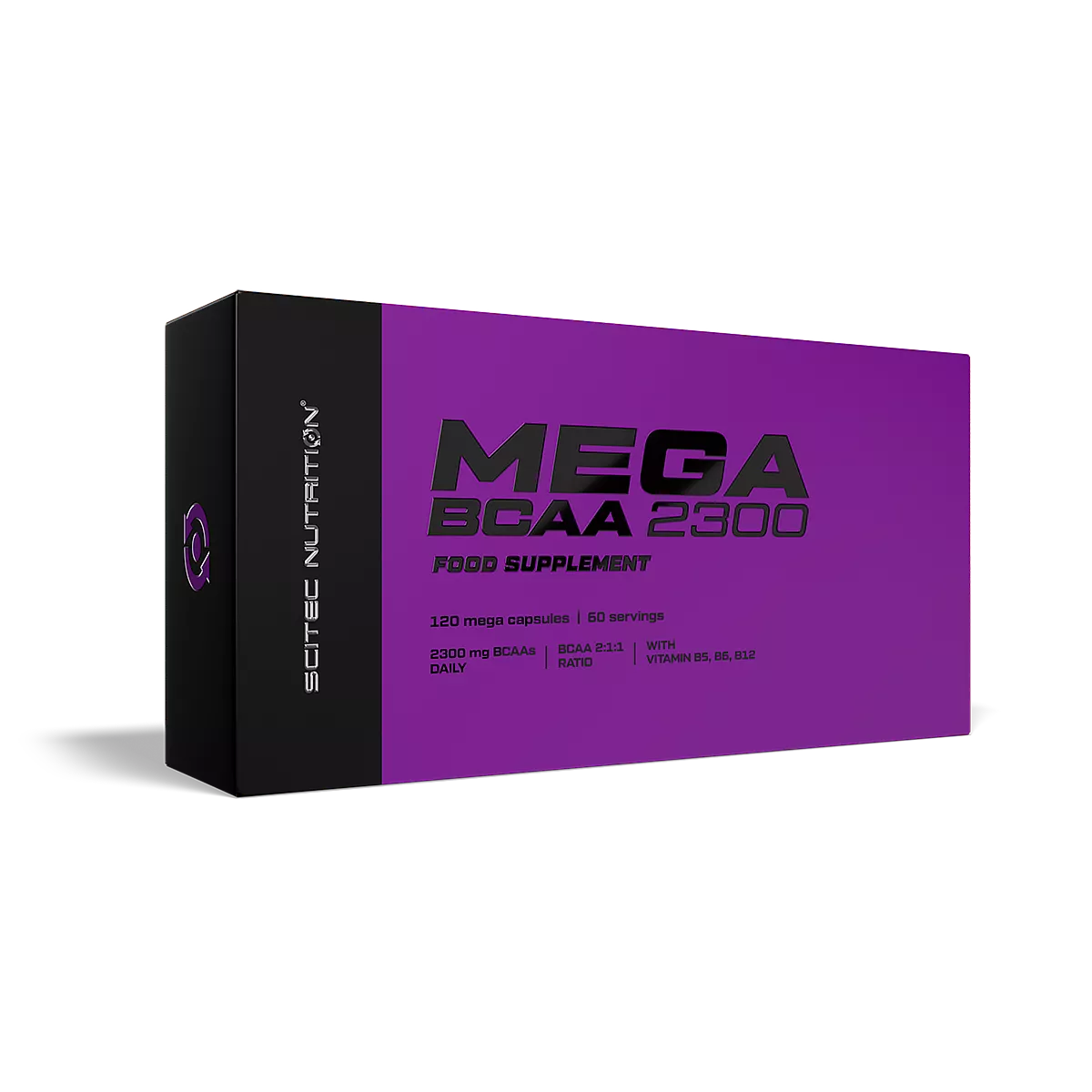 Scitec Nutrition Mega BCAA 2300 (120 caps) – 28.90 €
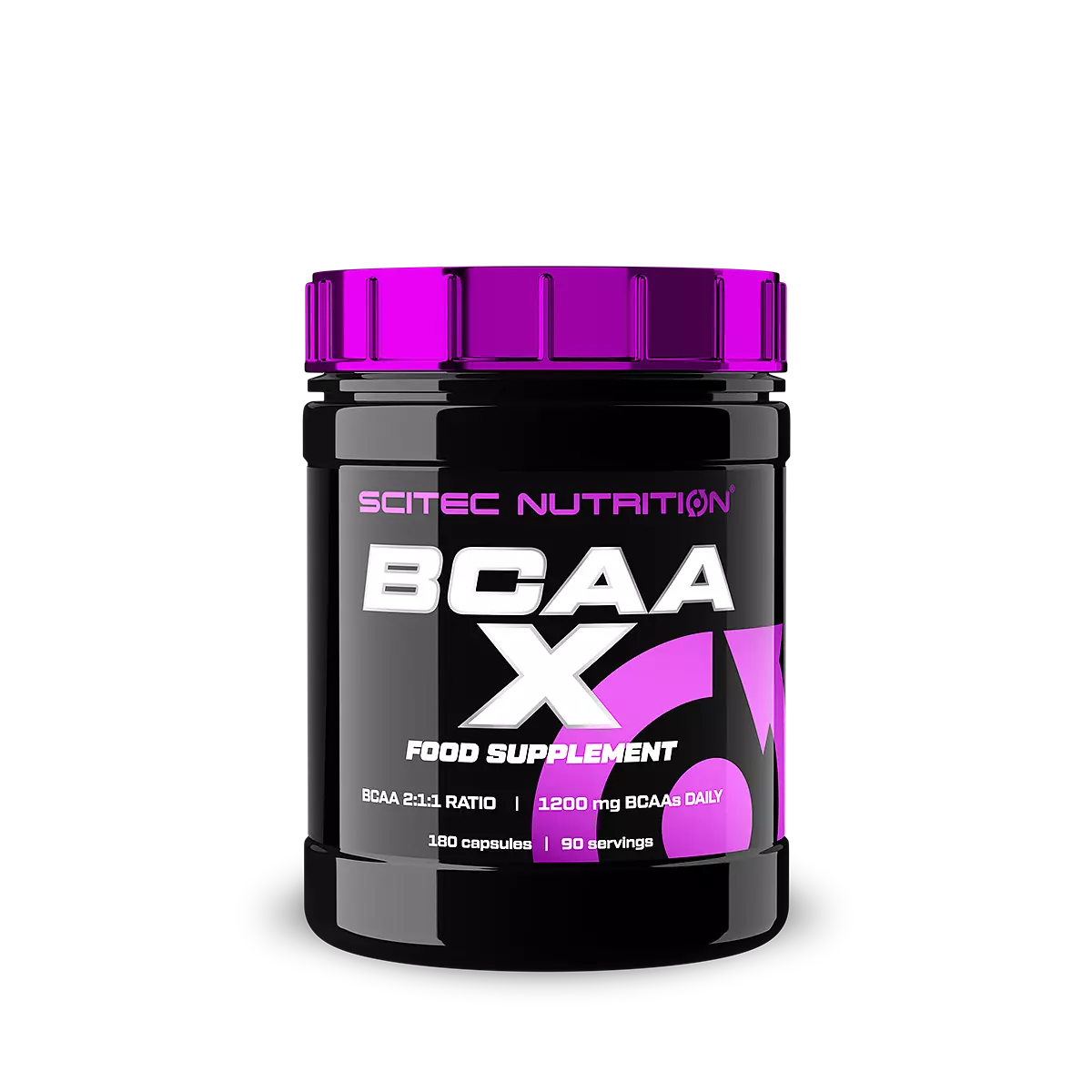 Scitec Nutrition BCAA-X (180 caps) – 25.90 €
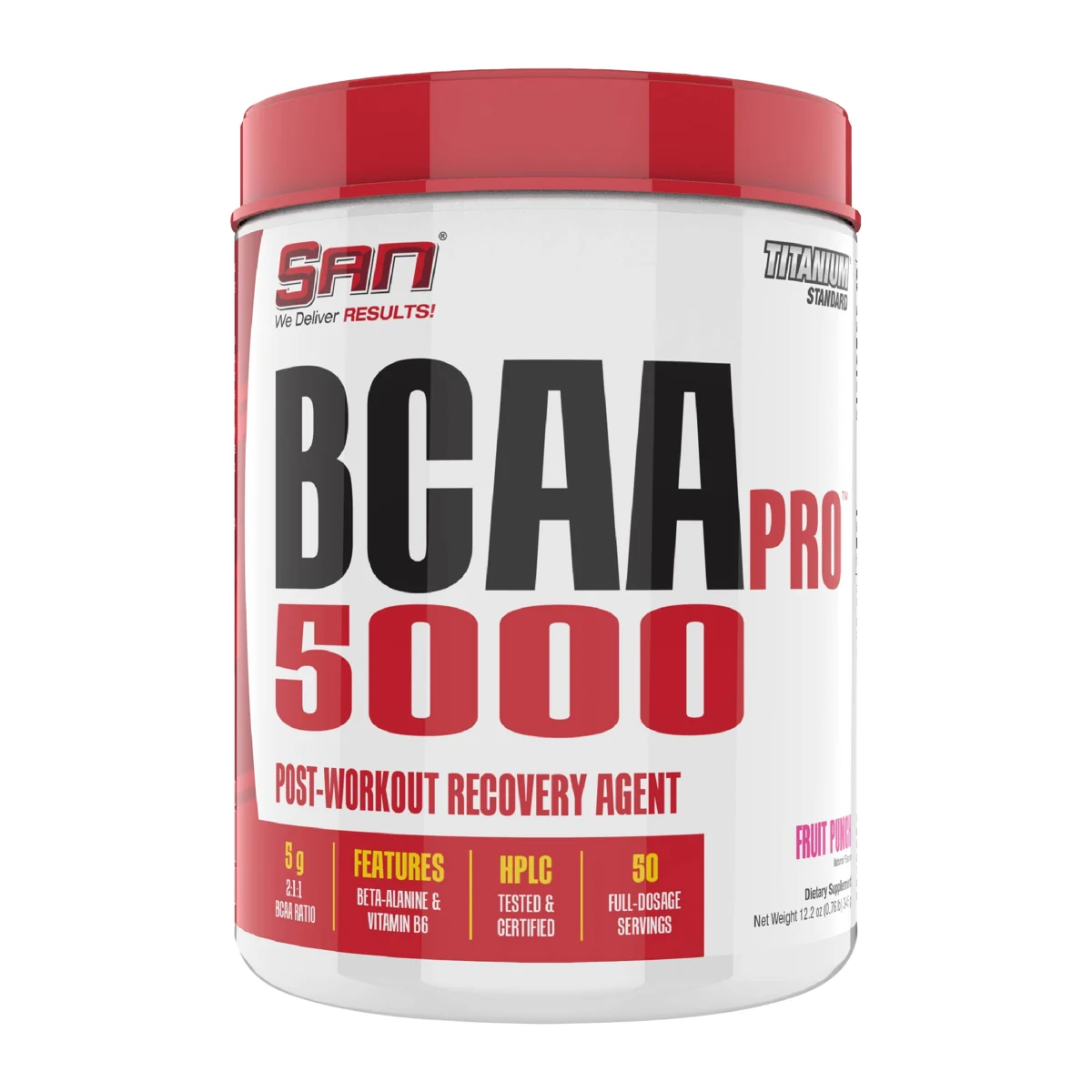 SAN BCAA Pro 5000 100 дози – 53.98 €
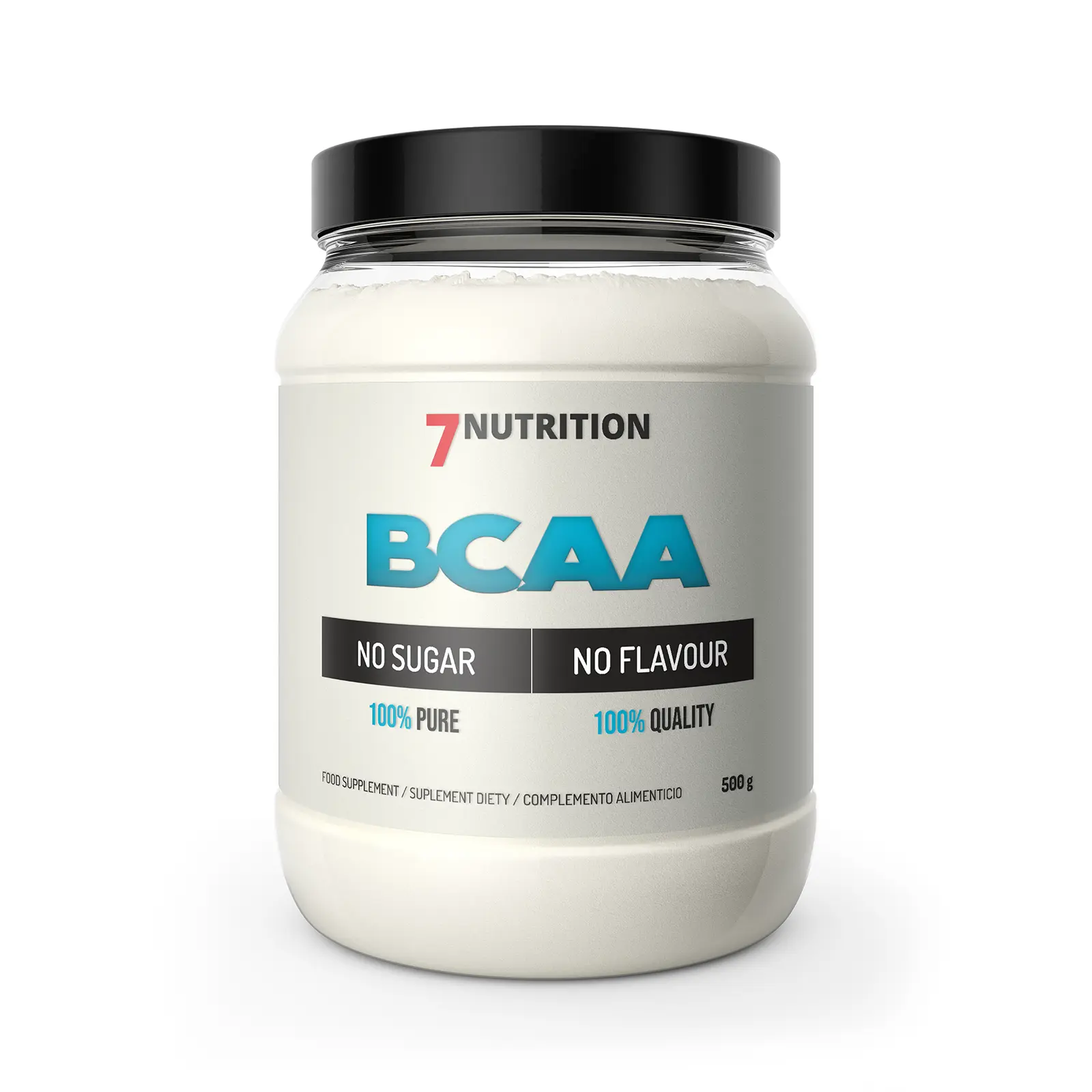 7Nutrition - BCAA 100% 500g – 25.00 €
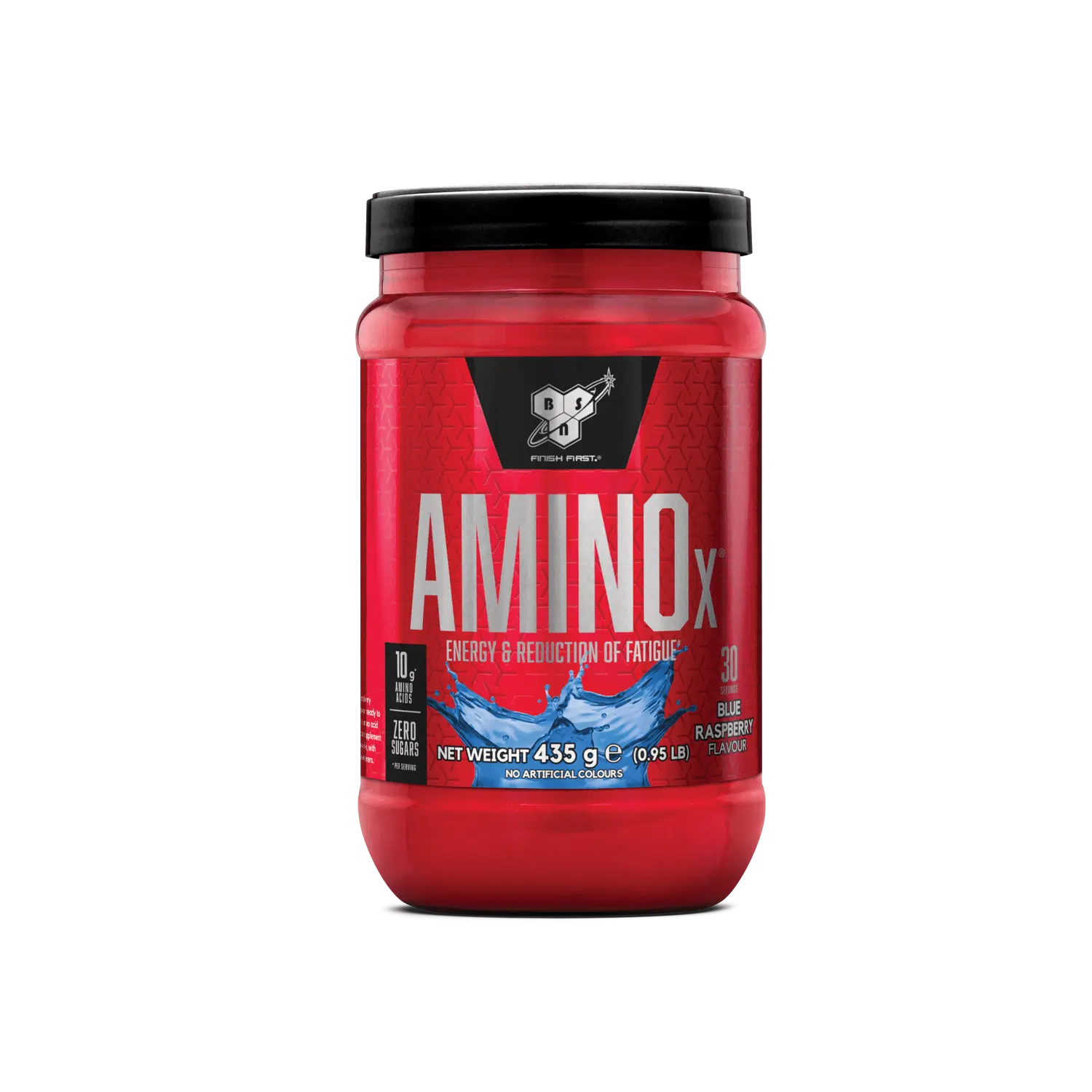 BSN Amino X – 51.13 €
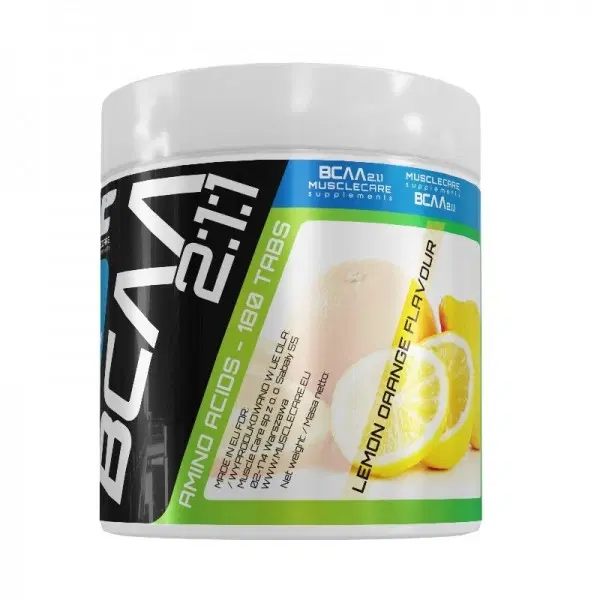 Muscle Care - BCAA 2:1:1 / 180tabs – 15.85 €
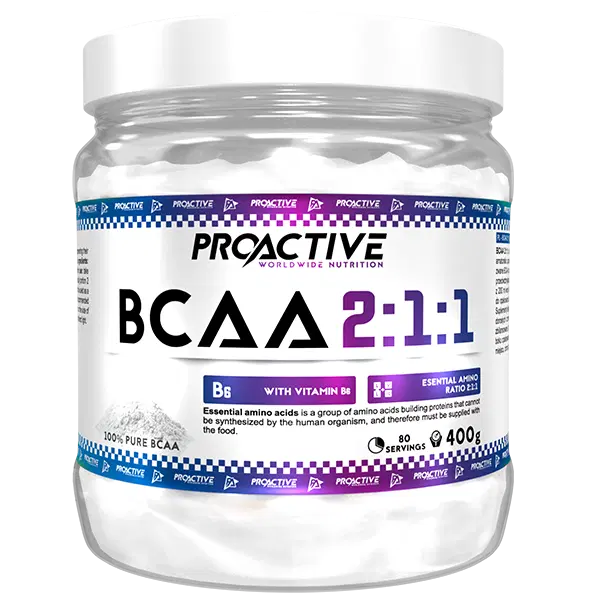 ProActive BCAA 2:1:1 400g – 19.94 €
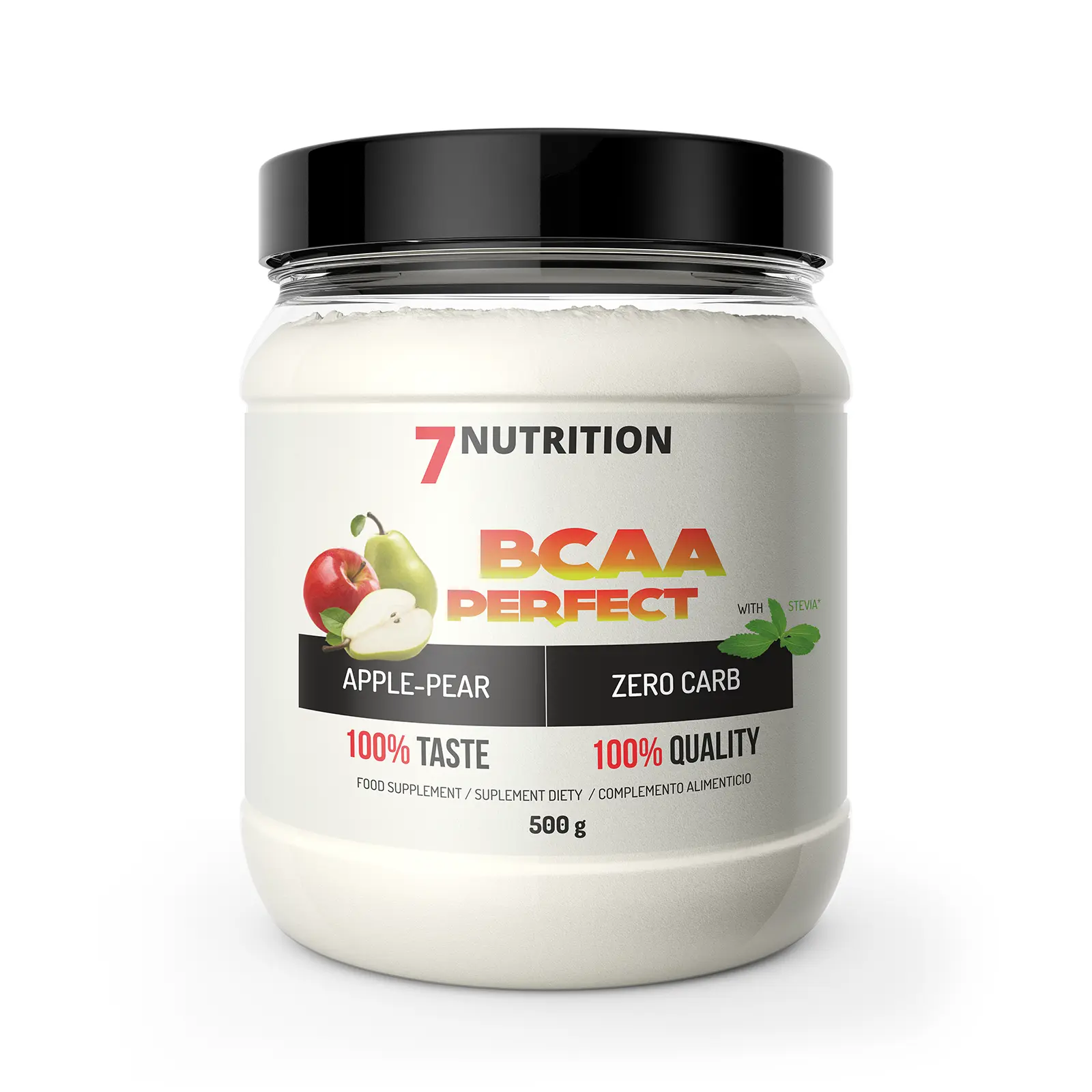 7Nutrition - BCAA Perfect 500g – 25.00 €
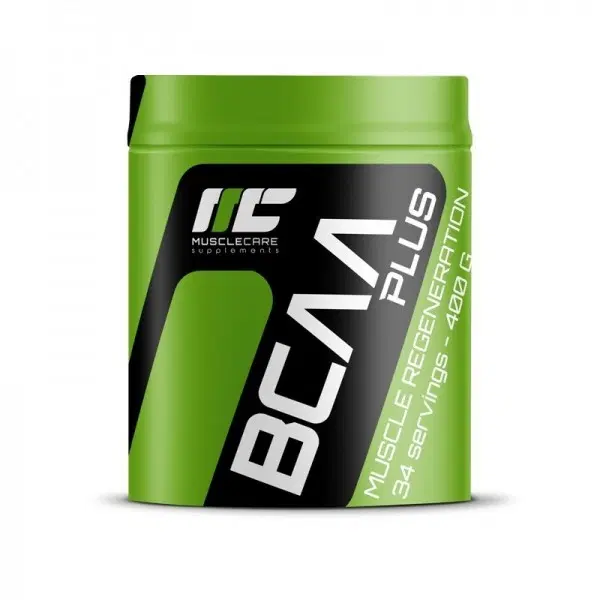 Muscle Care - BCAA Plus / 400g – 18.41 €
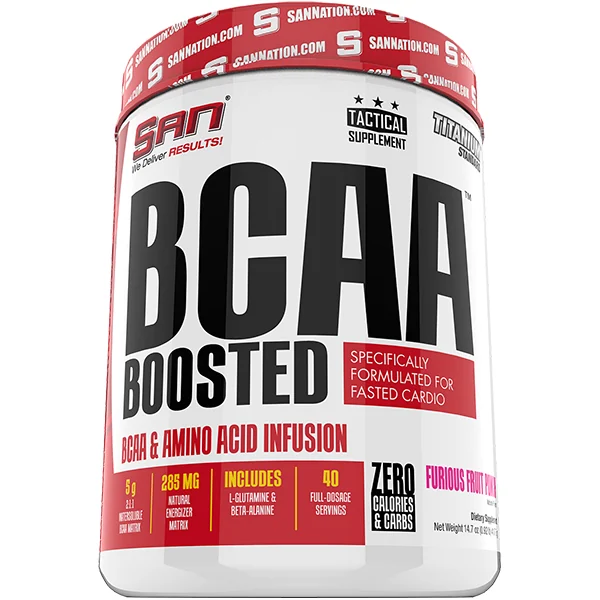 SAN BCAA Boosted 40 дози – 19.99 €
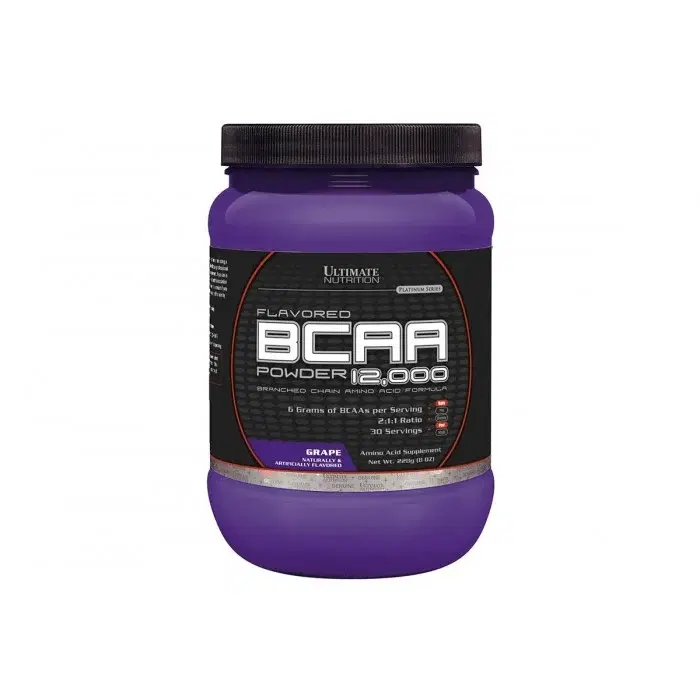 Ultimate Nutrition BCAA 12,000 Powder 228 гр. – 25.05 €
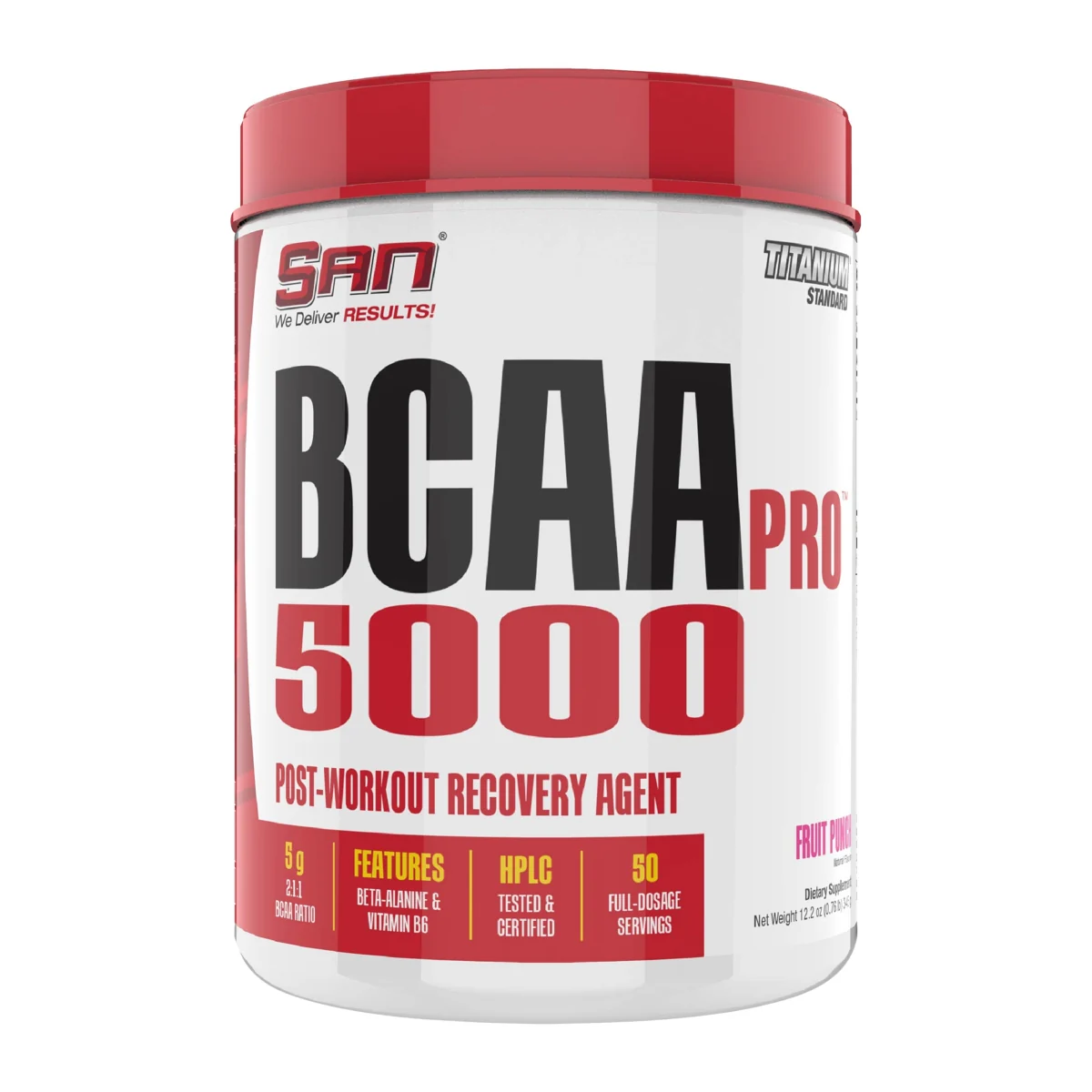 SAN BCAA Pro 5000 50 дози – 19.99 €
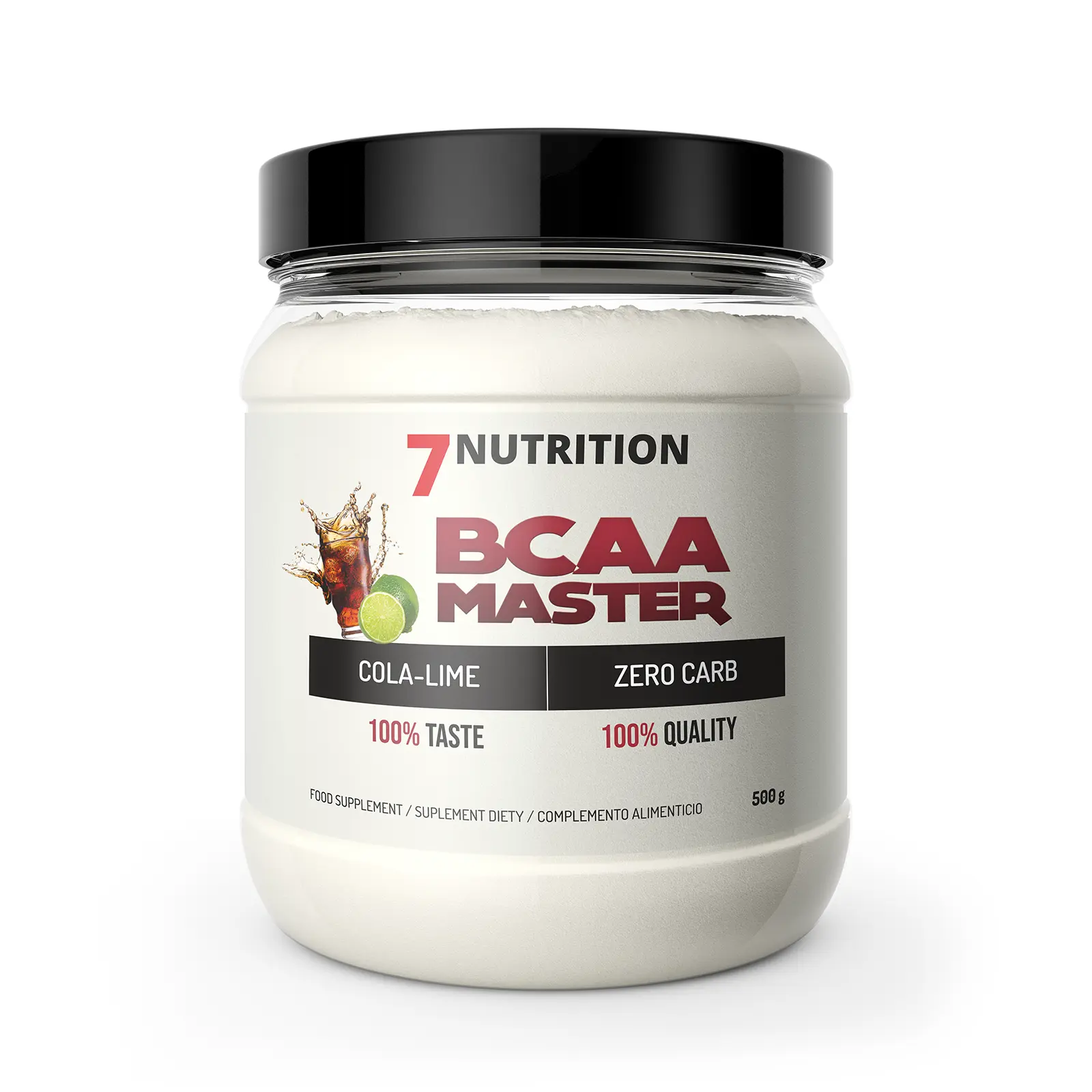 7Nutrition - BCAA Master 500g – 30.00 €
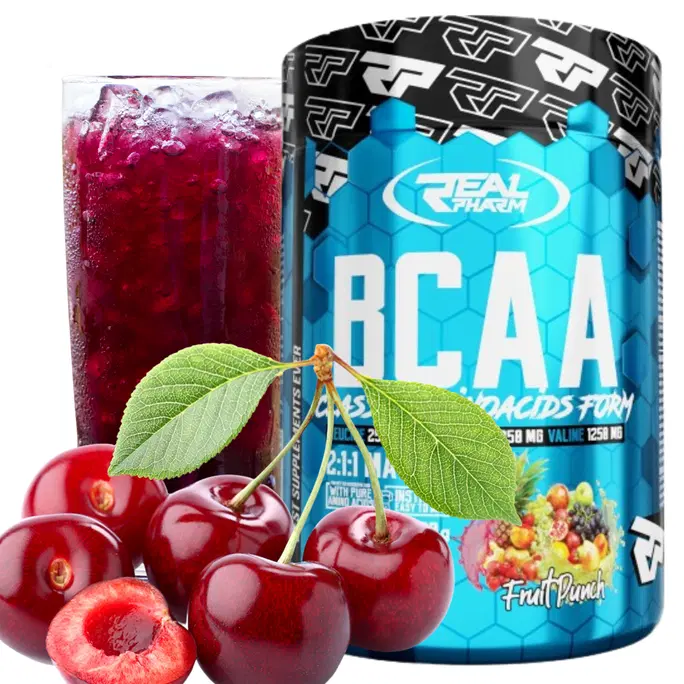 Real Pharm BCAA Instant 400 грама – 33.44 €
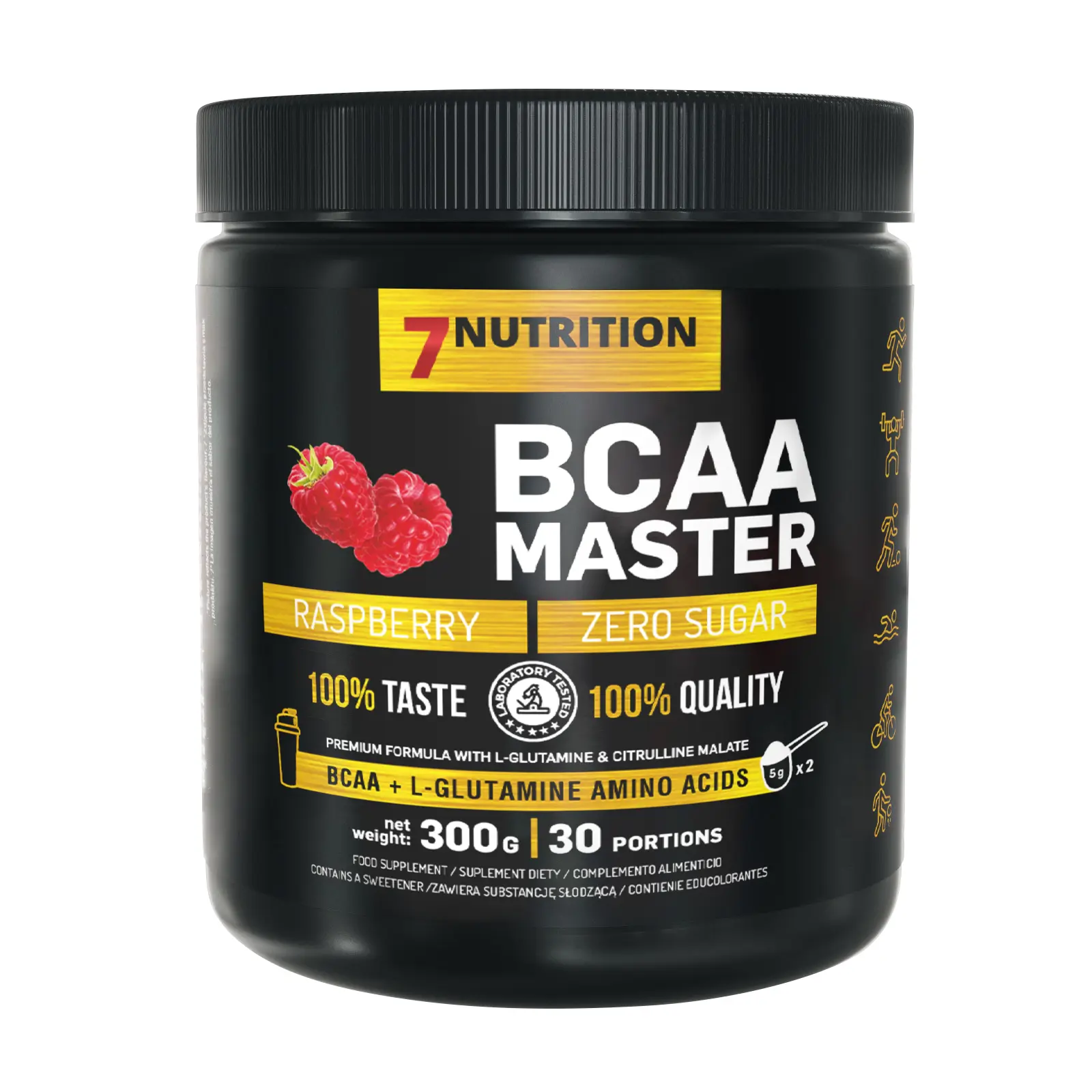 7Nutrition - BCAA Master 300g – 20.30 €
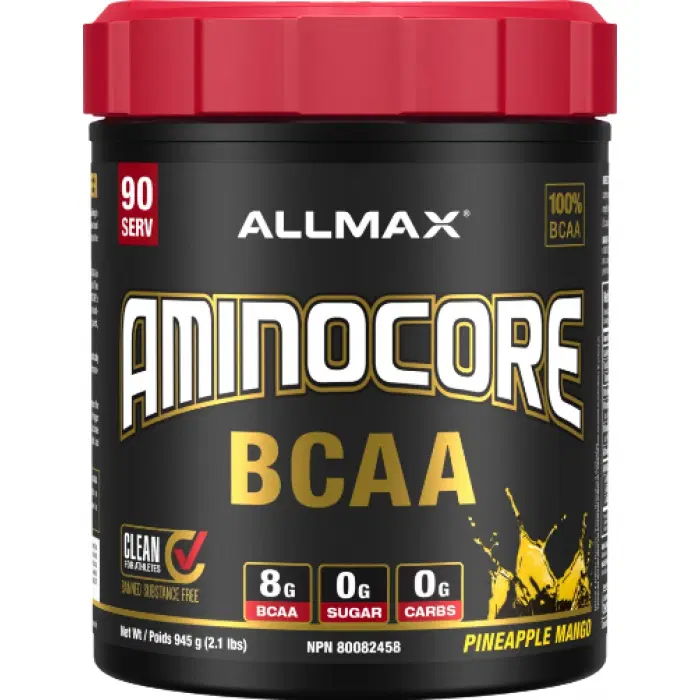 AllMax - AminoCore BCAA / 945gr – 75.67 €
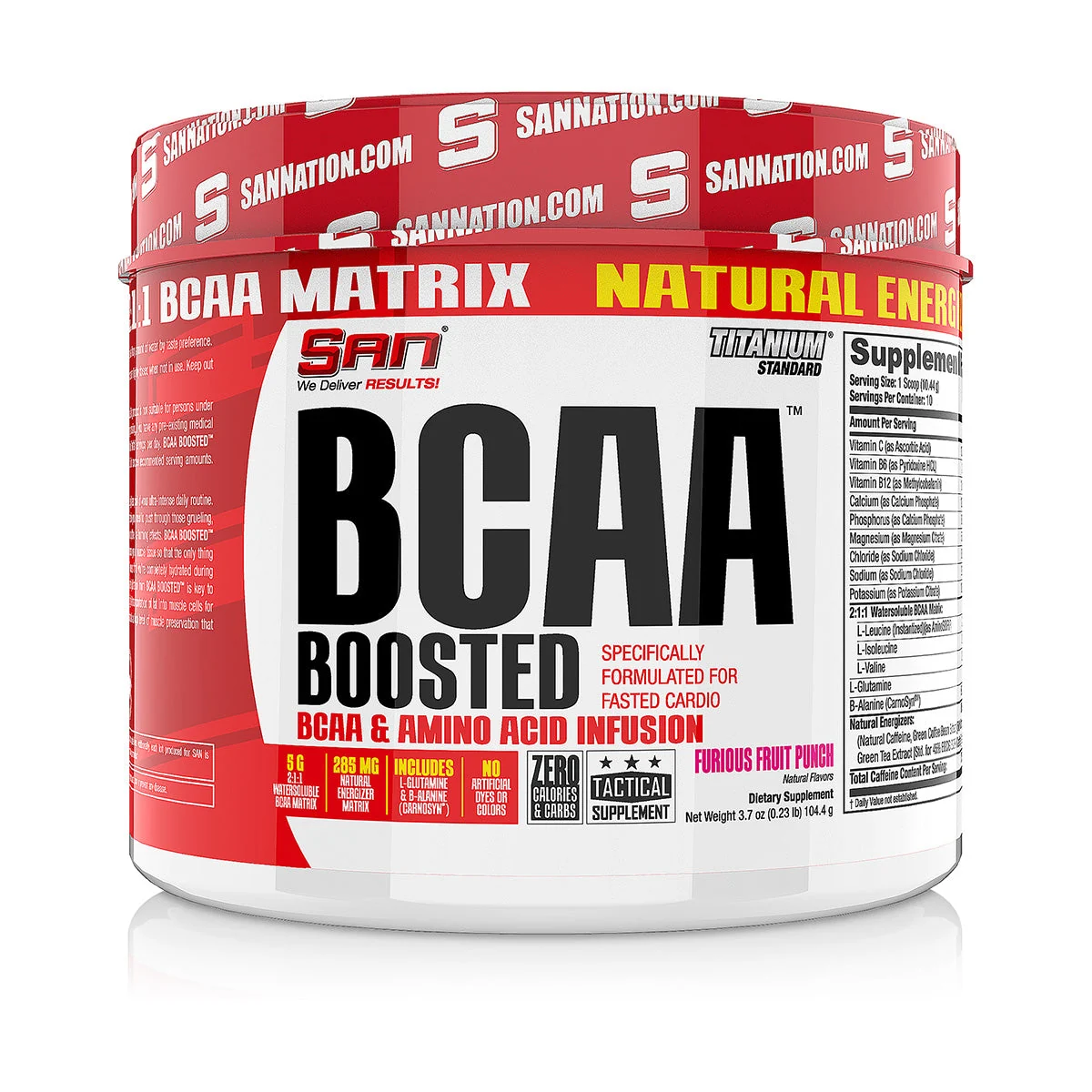 SAN BCAA Boosted 10 дози – 9.99 €
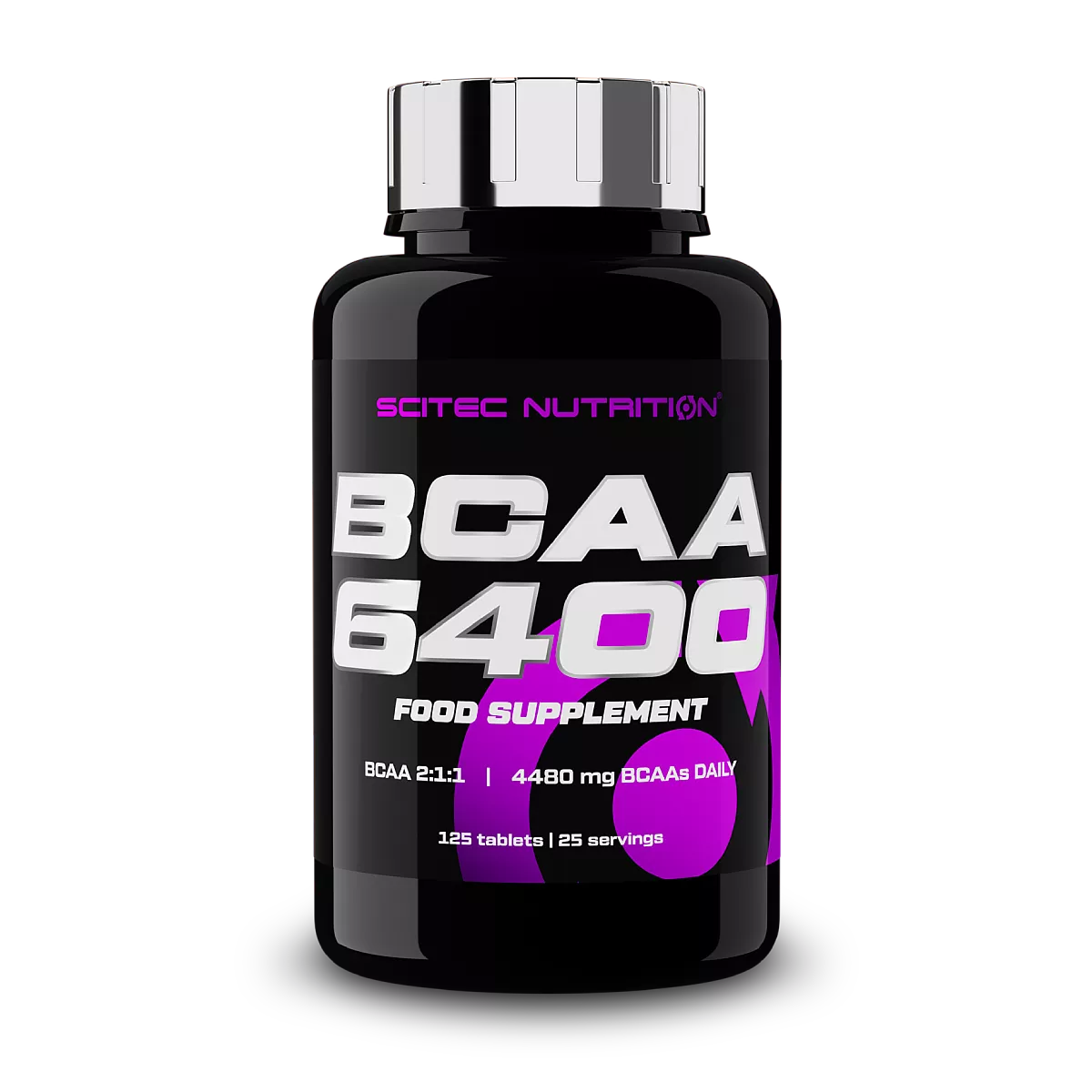 Scitec Nutrition BCAA 6400 (125 tab.) – 20.50 €
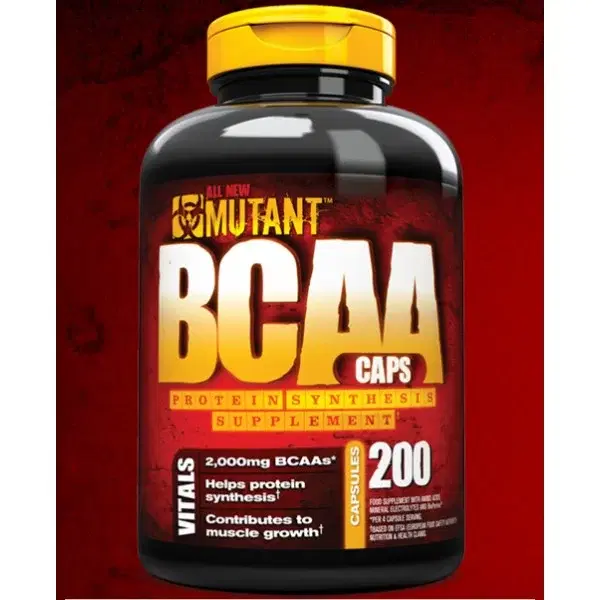 Mutant - BCAA / 200 caps. – 21.99 €
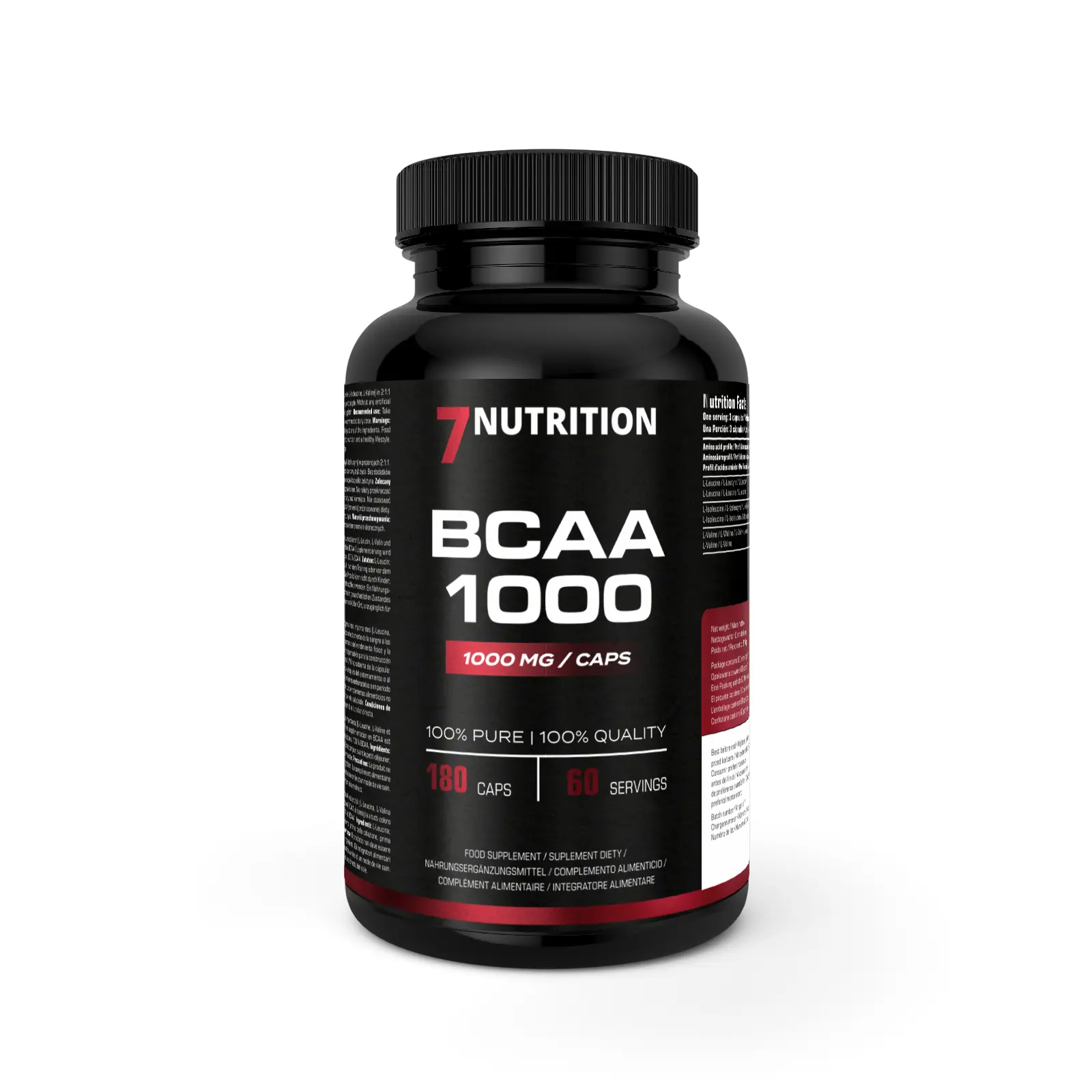 7Nutrition - BCAA 2:1:1 vege caps – 22.00 €
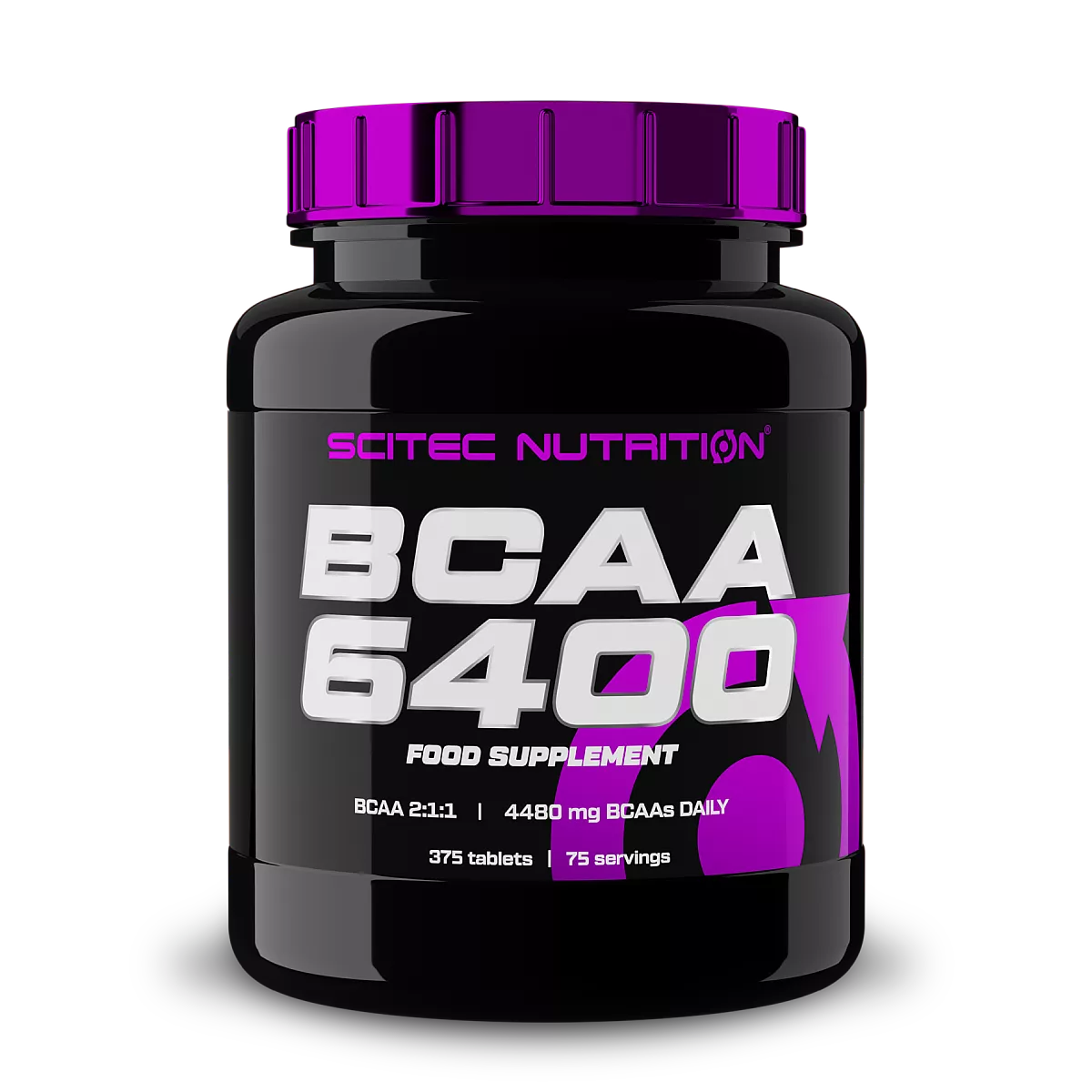 Scitec Nutrition BCAA 6400 (375 tab.) – 34.90 €
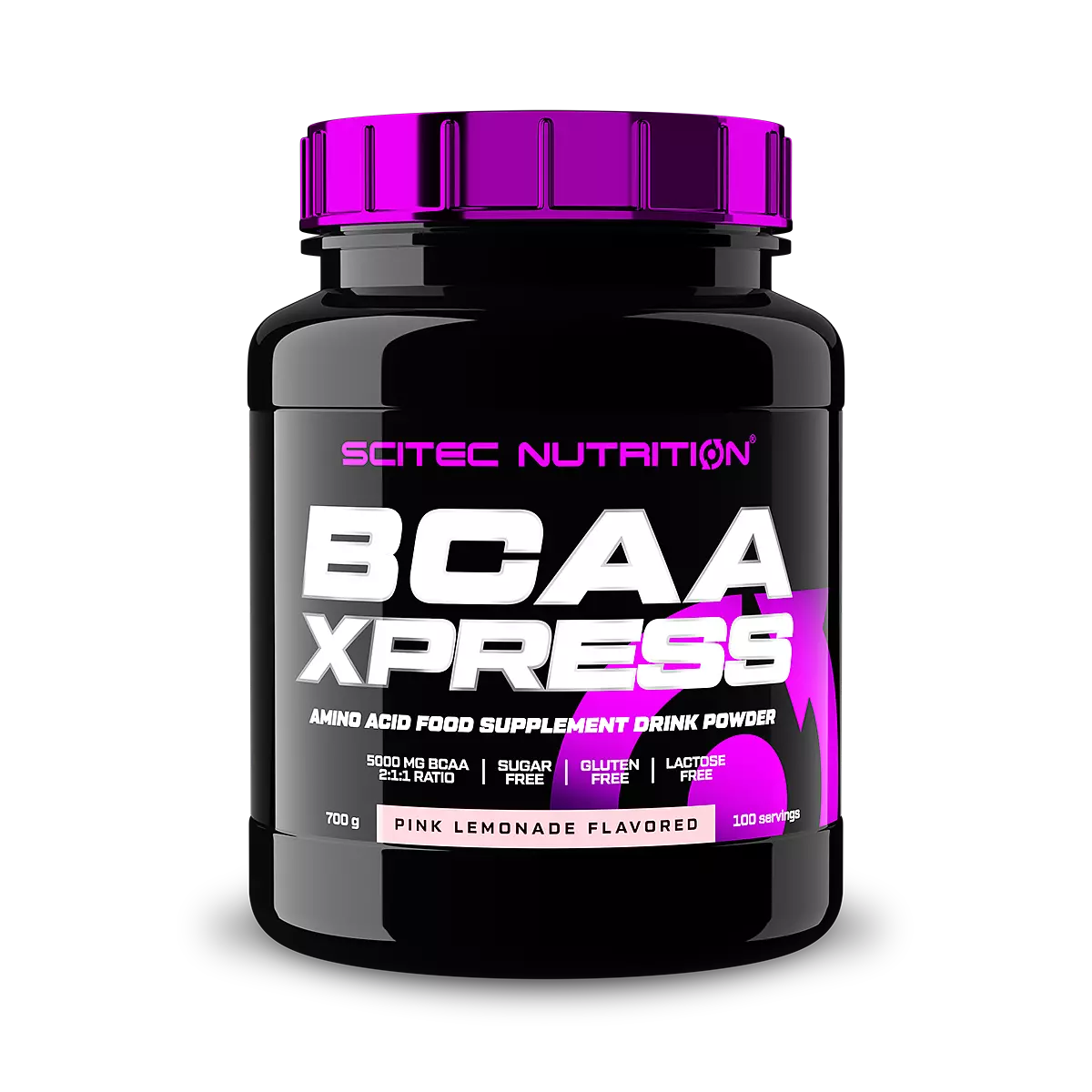 Scitec Nutrition BCAA-Xpress (700 gr.) – 42.90 €
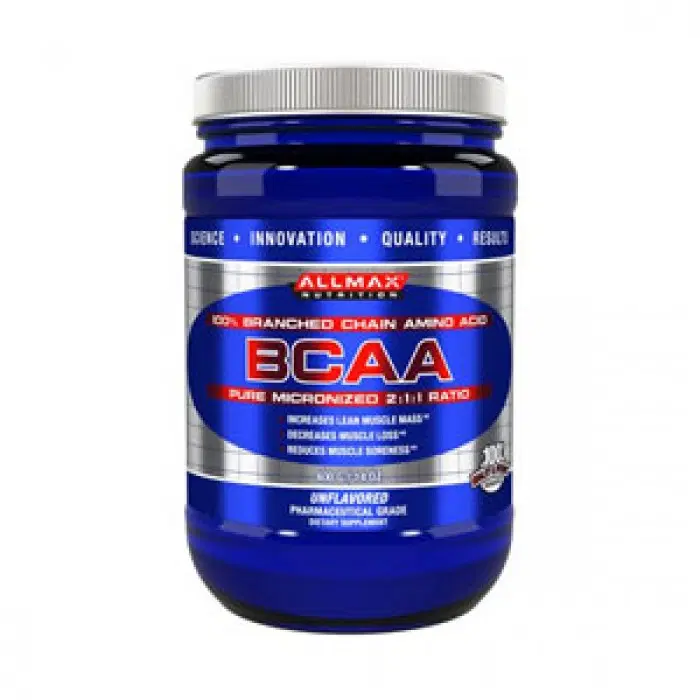 AllMax - BCAA 2:1:1 / 400gr. – 30.68 €
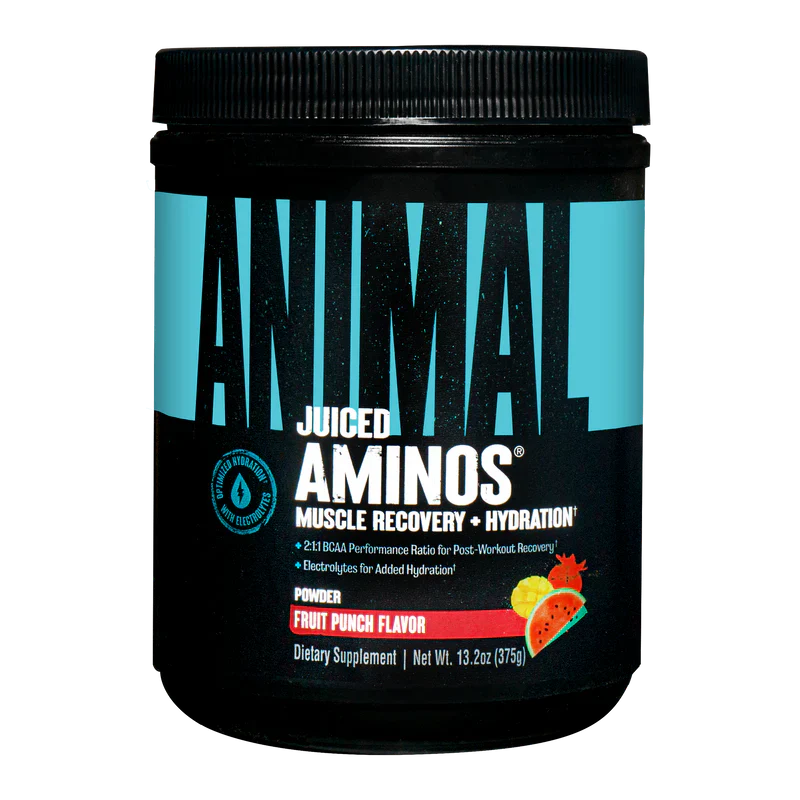 Animal Juiced Aminos – BCAA и EAA с хидратираща матрица – 36.95 €
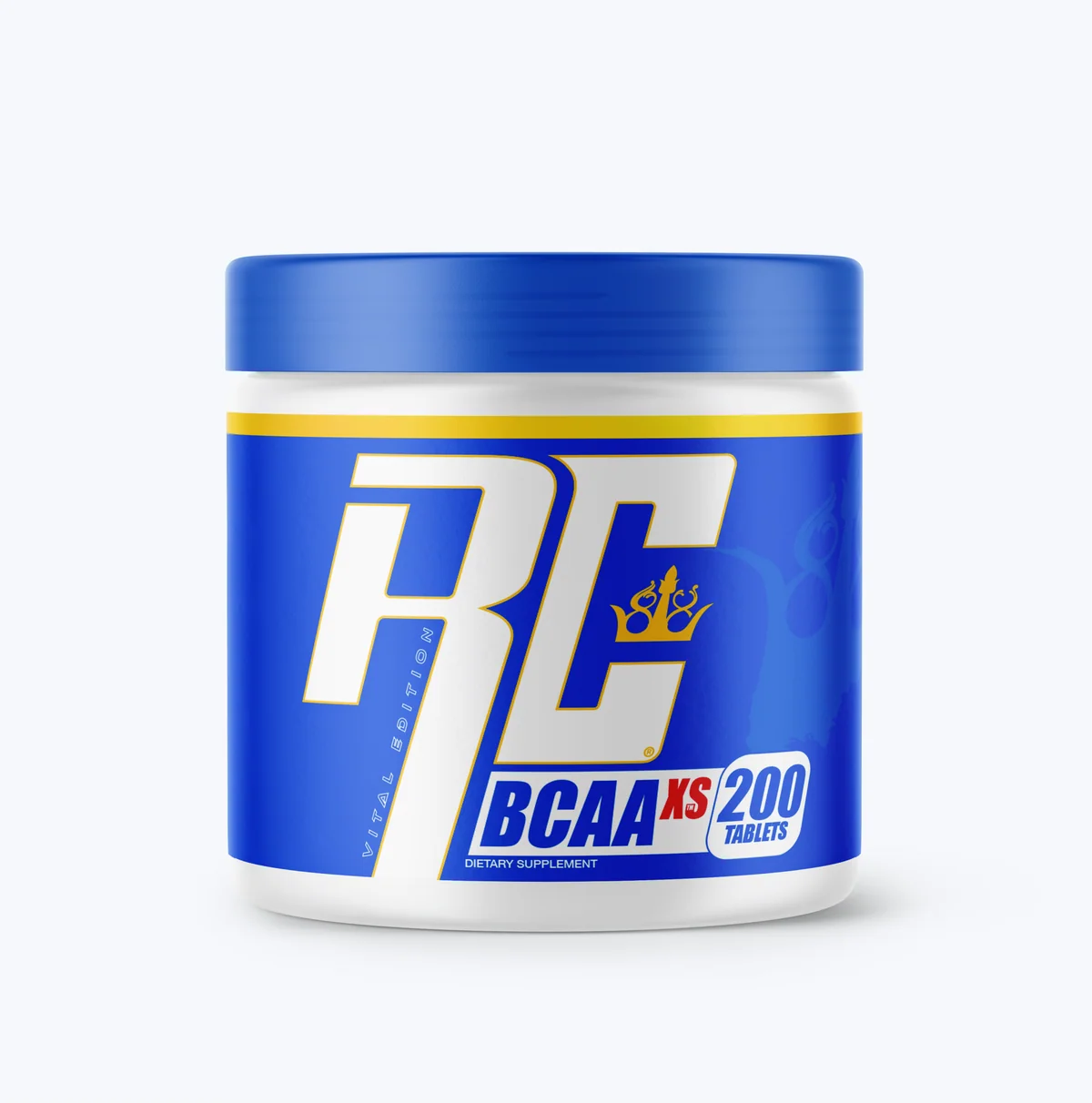 Ronnie Coleman BCAA-XS 2:1:1 Tablets 200 таблетки – 27.99 €
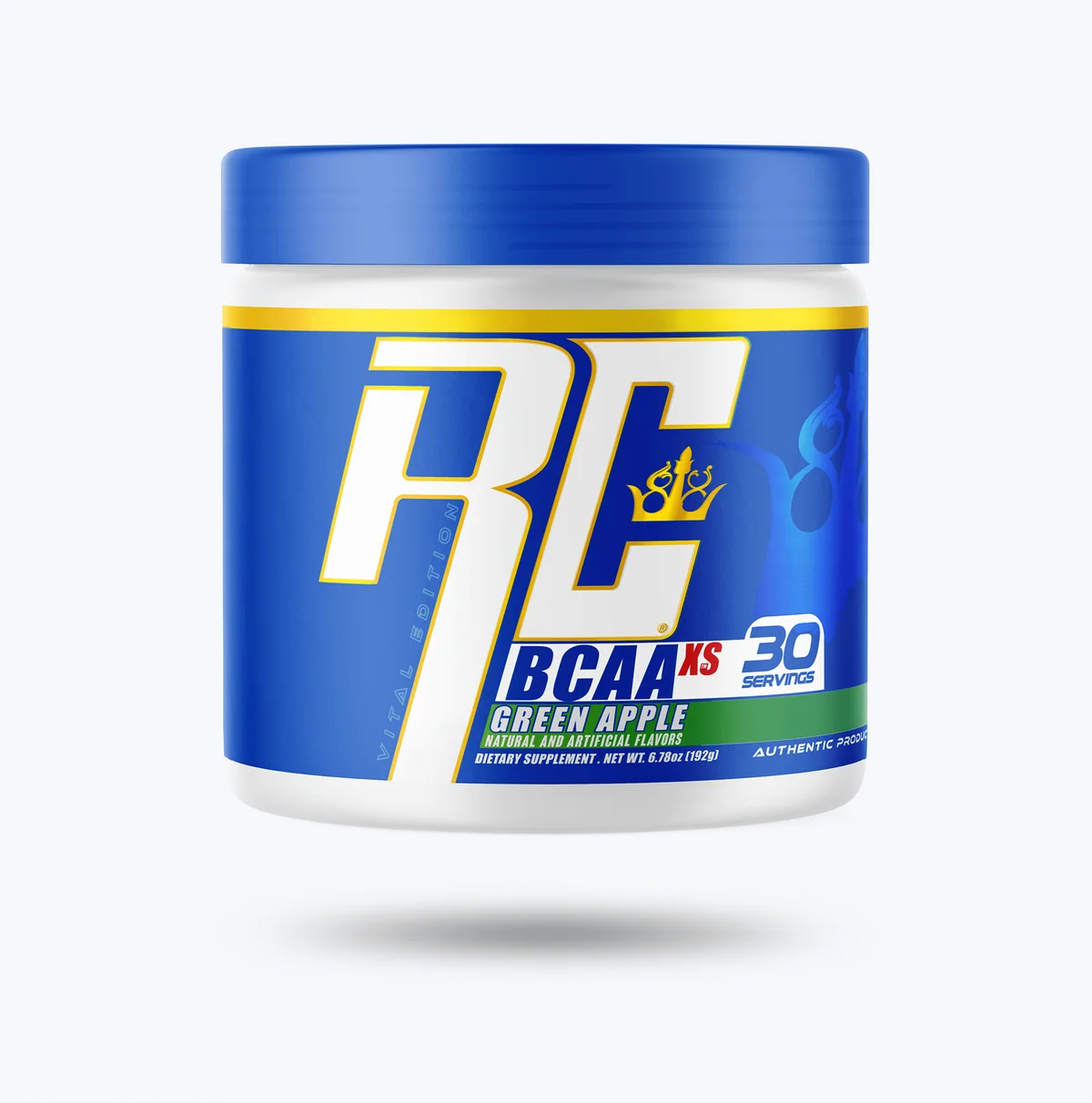 Ronnie Coleman BCAA-XS 2:1:1 30 дози – 27.99 €
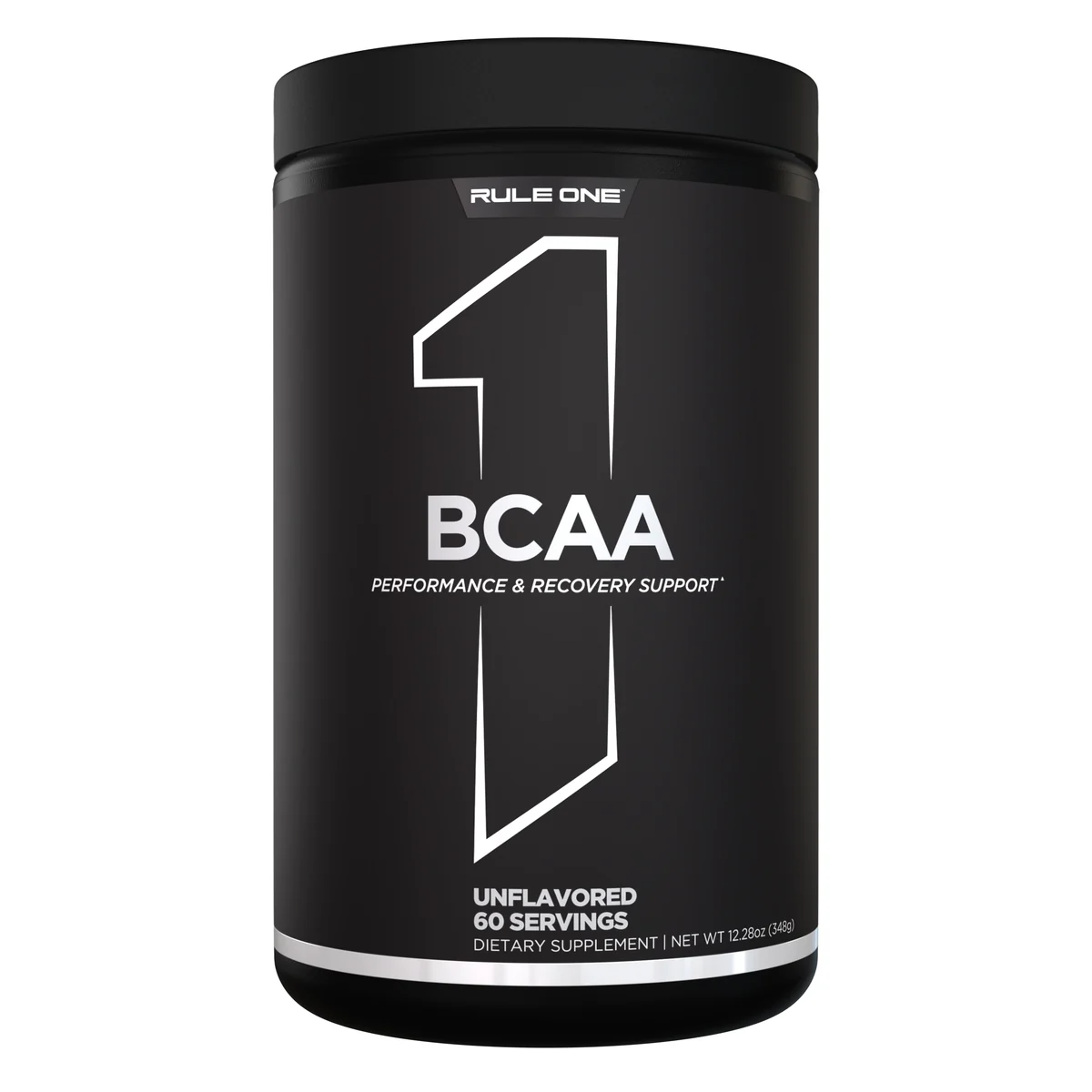 Rule 1 R1 BCAAs 60 дози – 30.00 €
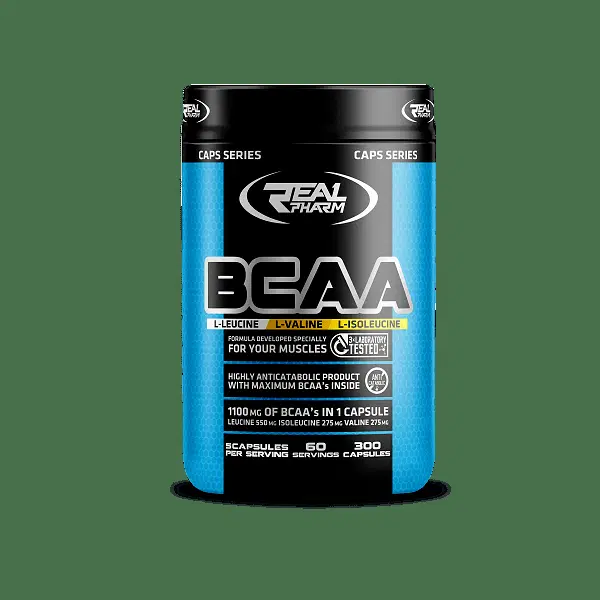 BCAA 1100mg Real Pharm 300 капсули – 30.68 €
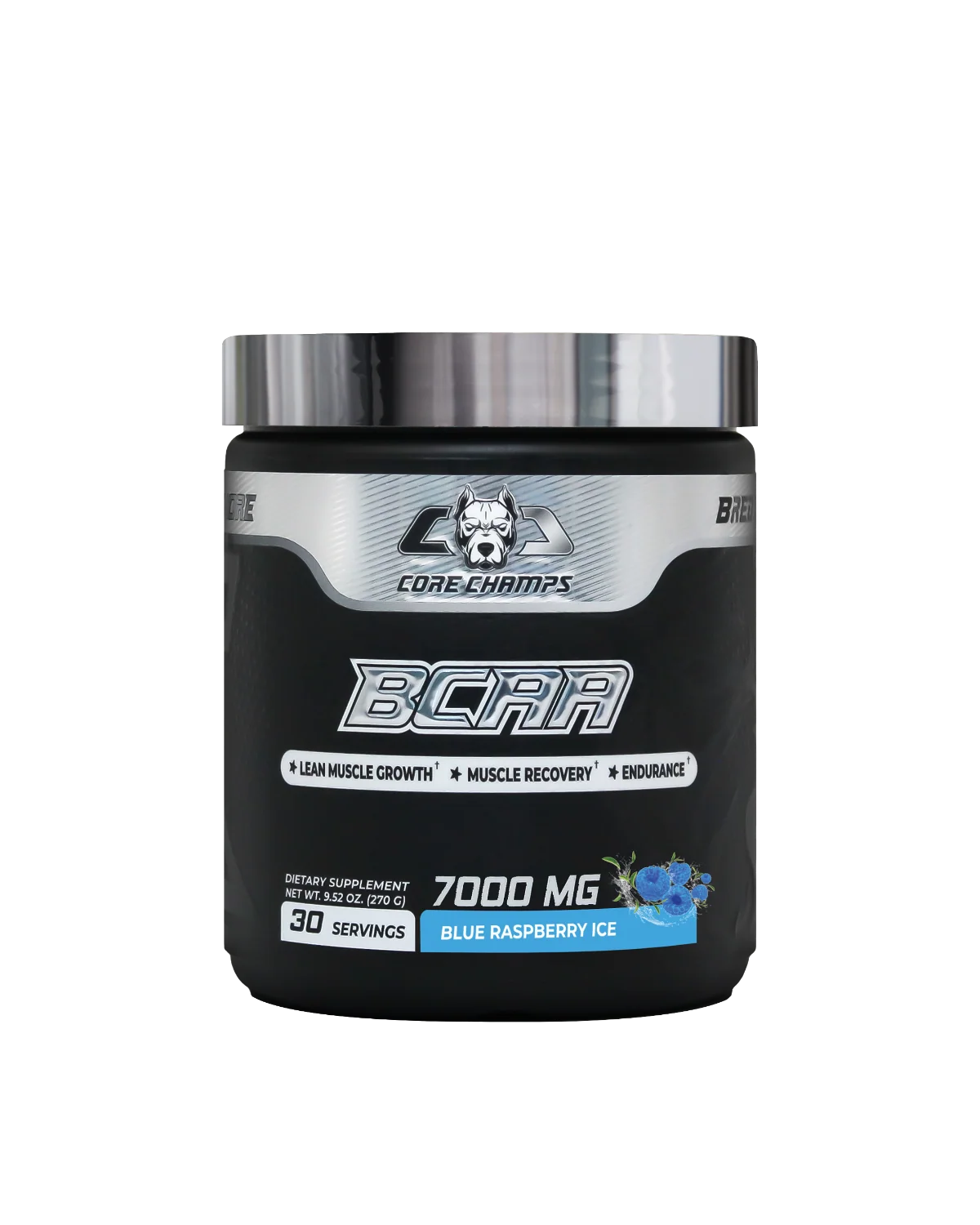 Core Champs BCAA Powder 7000mg – 23.74 €
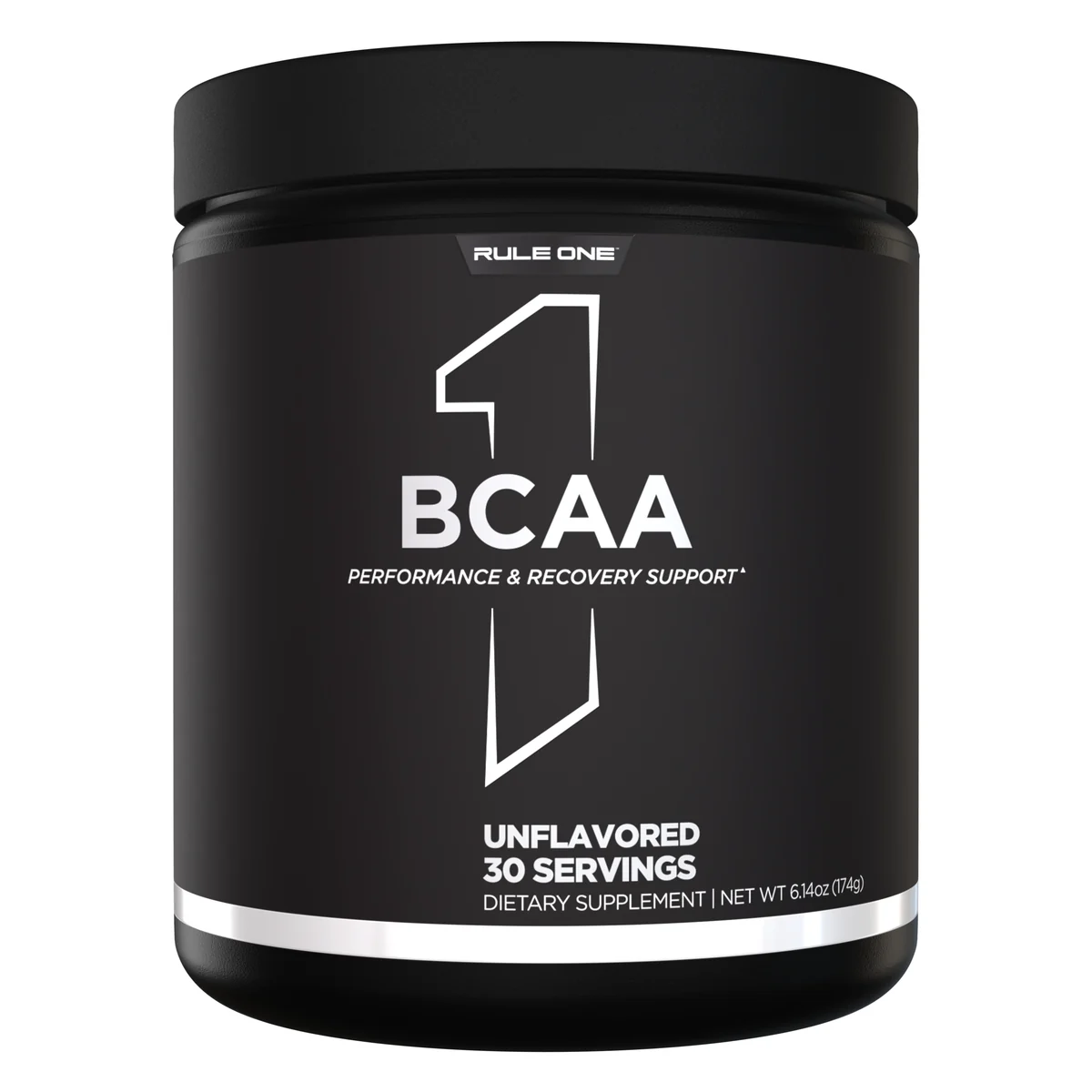 Rule 1 R1 BCAAs 30 дози – 11.99 €
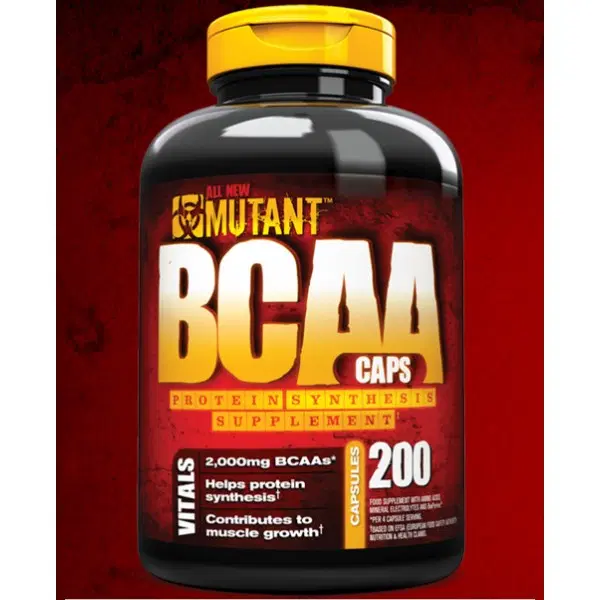 Mutant - BCAA / 400 caps. – 36.81 €
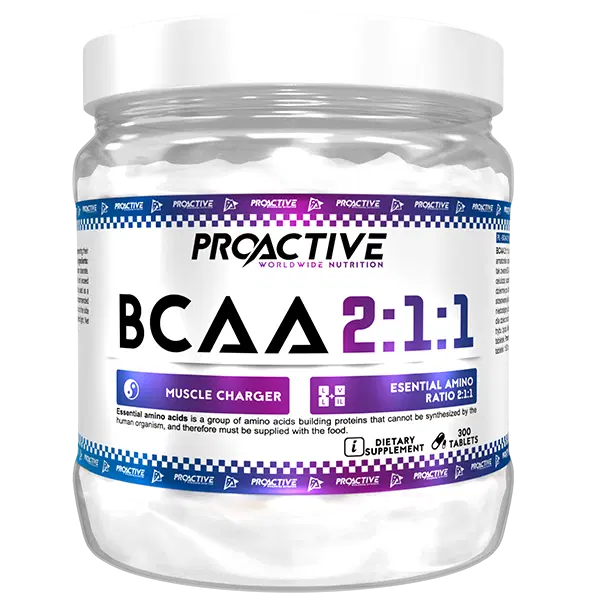 ProActive BCAA 2:1:1 300 tabs – 25.56 €
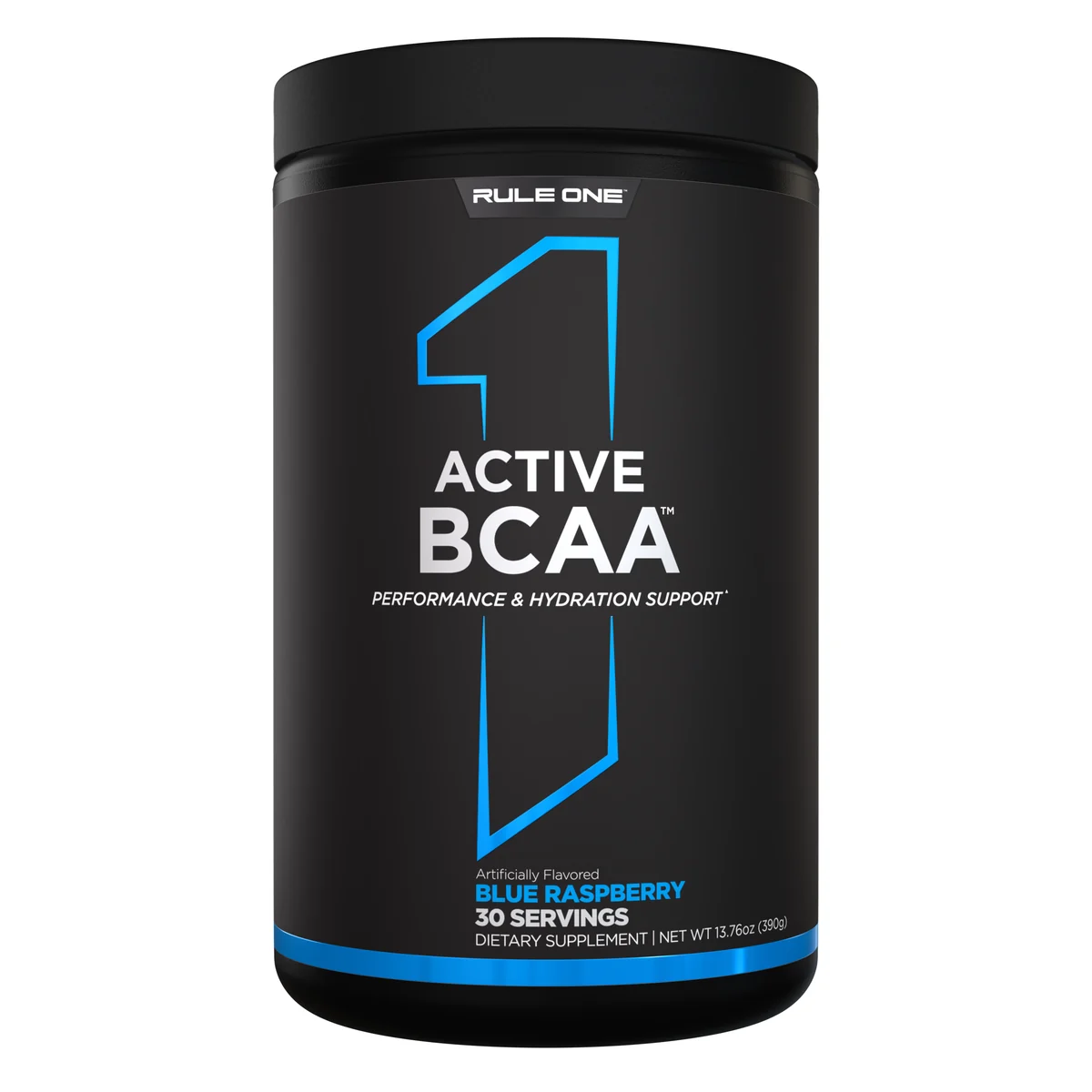 Rule 1 R1 Active BCAA 30 дози – 24.99 €
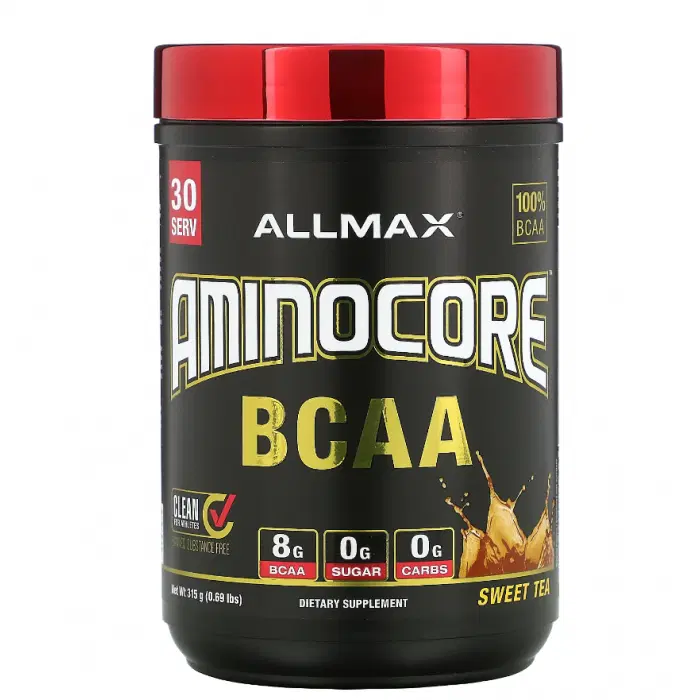 AllMax - AminoCore BCAA / 315gr. – 30.68 €
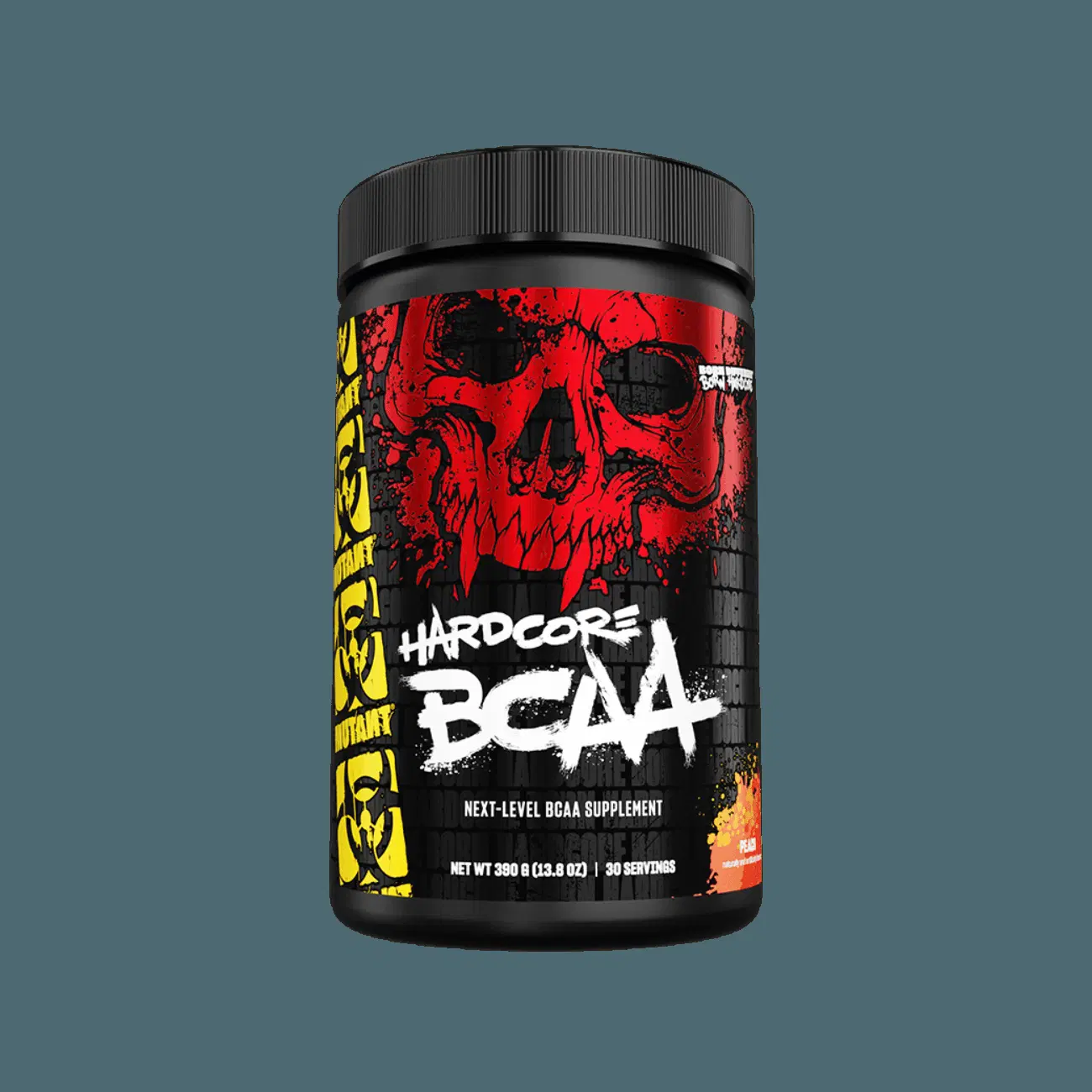 Mutant - HARDCORE BCAA – 0.00 €
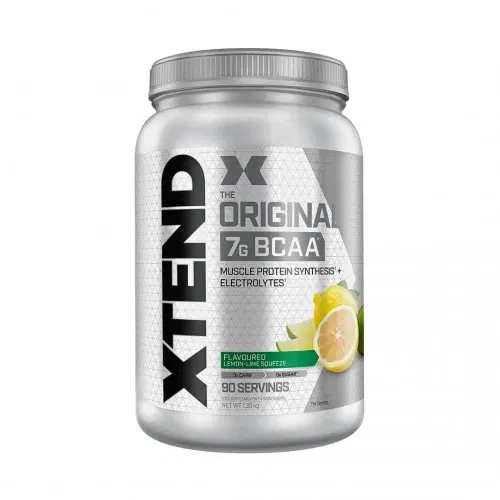 XTEND Original Amino Acids 90 дози – 63.91 €
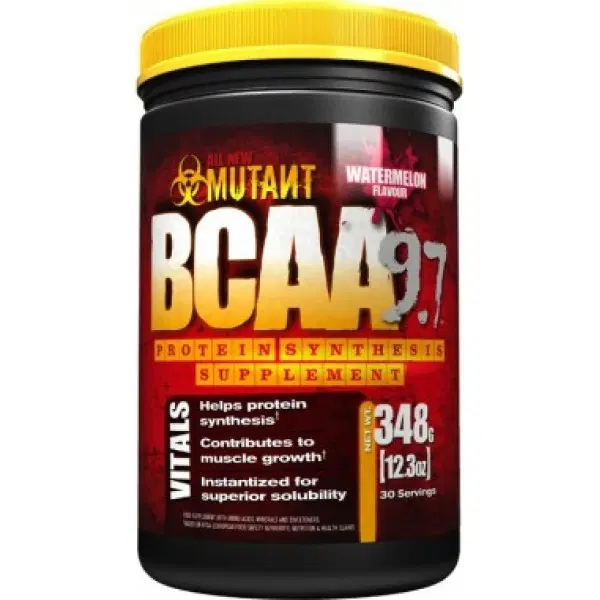 Mutant - BCAA 9.7 / 348 gr. – 30.68 €
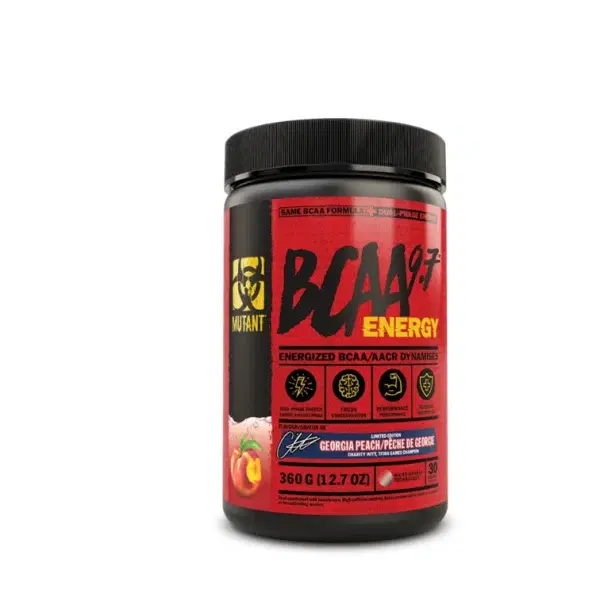 Mutant BCAA 9.7 Energy / 780g – 0.00 €
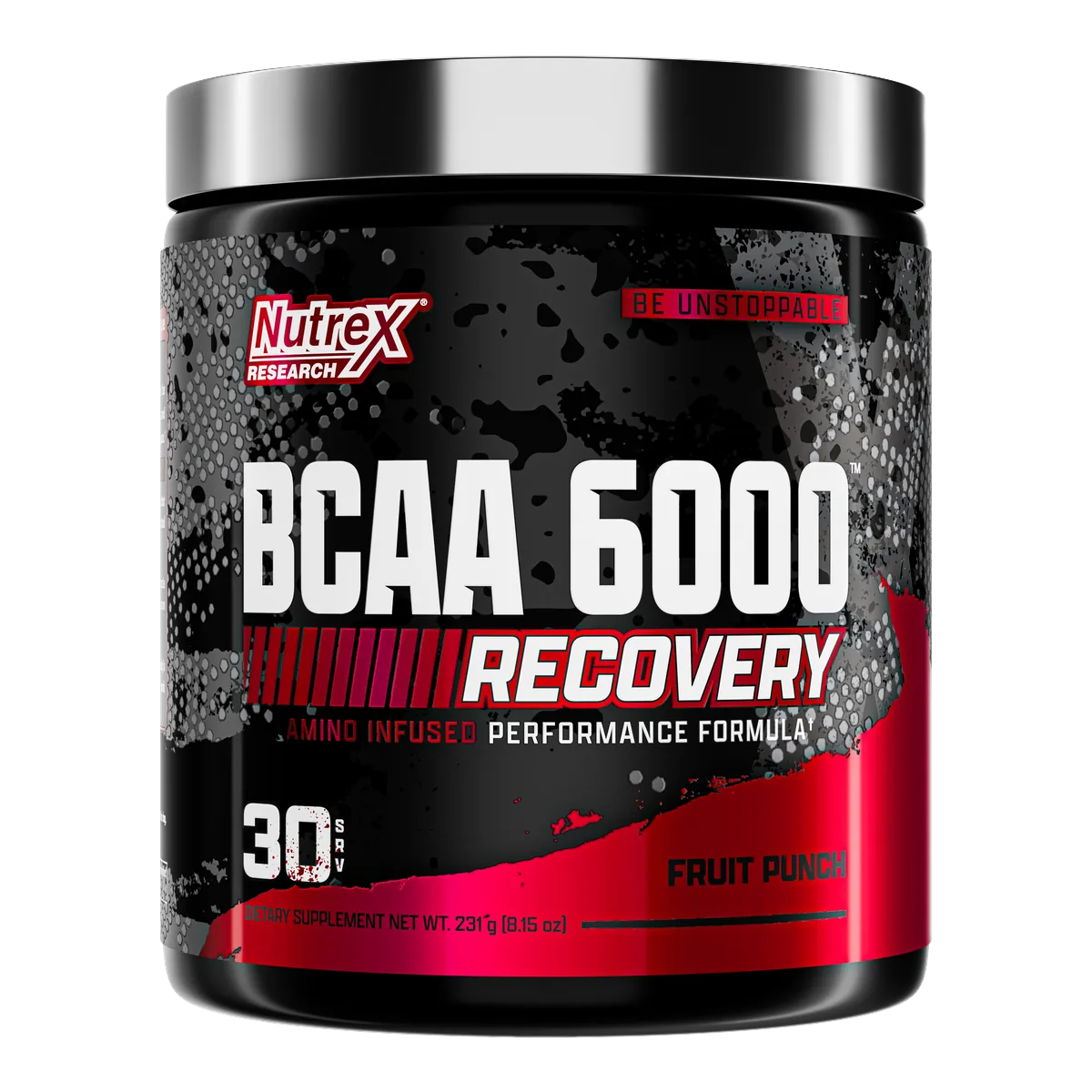 BCAA 6000 Nutrex – 21.99 €
BCAA — What you need to know
BCAA (Branched-Chain Amino Acids) are the three branched-chain amino acids: leucine, isoleucine, and valine. They make up 35% of muscle protein and are directly related to muscle growth and recovery.
When to take BCAA?
- During training — reduce muscle fatigue and catabolism.
- On an empty stomach (cardio) — protect muscles during training without food.
- During a diet — preserve muscle mass during a caloric deficit.
Leucine:Isoleucine:Valine ratio
The classic ratio is 2:1:1 — optimal for most trainees. There are also formulas 4:1:1 and 8:1:1 with an emphasis on leucine (mTOR activator).
We recommend AllMax AminoCore (8 g BCAA + electrolytes) and Ultimate Nutrition BCAA Powder (pure 2:1:1, unflavored). Both are part of our complete line of amino acids.
Why the 2:1:1 ratio is the gold standard for BCAA
The classic formula with 2 parts leucine, 1 part isoleucine, and 1 part valine best mimics natural muscle composition. Leucine activates the mTOR signaling pathway for protein synthesis, while isoleucine and valine support energy and recovery. Discover our BCAA products in 2:1:1, 4:1:1, and 8:1:1 ratios for different goals.
BCAA vs. EAA — which is better in 2025
Essential amino acids (EAA) contain all 9 essential amino acids, including BCAAs. For people who consume enough protein from food, BCAA is a sufficient and economical choice. For those with lower protein intake or vegans — EAA is a more complete solution. Never drink BCAA on an empty stomach without other amino acids if your goal is growth.
BCAA for cardio and cutting — how it works
During a caloric deficit, the body begins to break down muscles for energy. 5-10g BCAA before fasted cardio provides an anti-catabolic effect without raising insulin (under 50 calories). This allows for fat burning with maximum muscle mass protection — critical for competition preparation.
Flavor and hydrating formulas
Modern BCAA products combine amino acids with electrolytes (sodium, potassium, magnesium) and vitamin B6 for better absorption. This turns the drink into a perfect intra-workout instead of plain water. Avoid products with artificial colors and aspartame — prefer natural sweeteners like stevia.
Wholesale offers for gyms
For fitness centers, we offer wholesale BCAA in 1-5 kg boxes. Trader registration opens access to discounts up to 40% and the possibility of branding your own shakers for customers.