Ashwagandha
Ashwagandha (Withania somnifera) is an Ayurvedic adaptogen used for over 3000 years in Indian medicine to reduce stress, improve sleep, and support reproductive health.
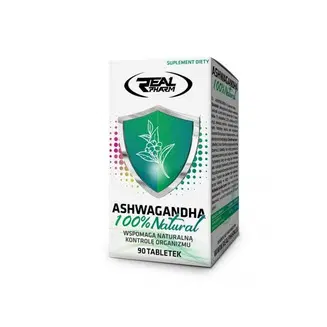
- Real Pharm Ashwagandha 90 таблетки – 15.80 €
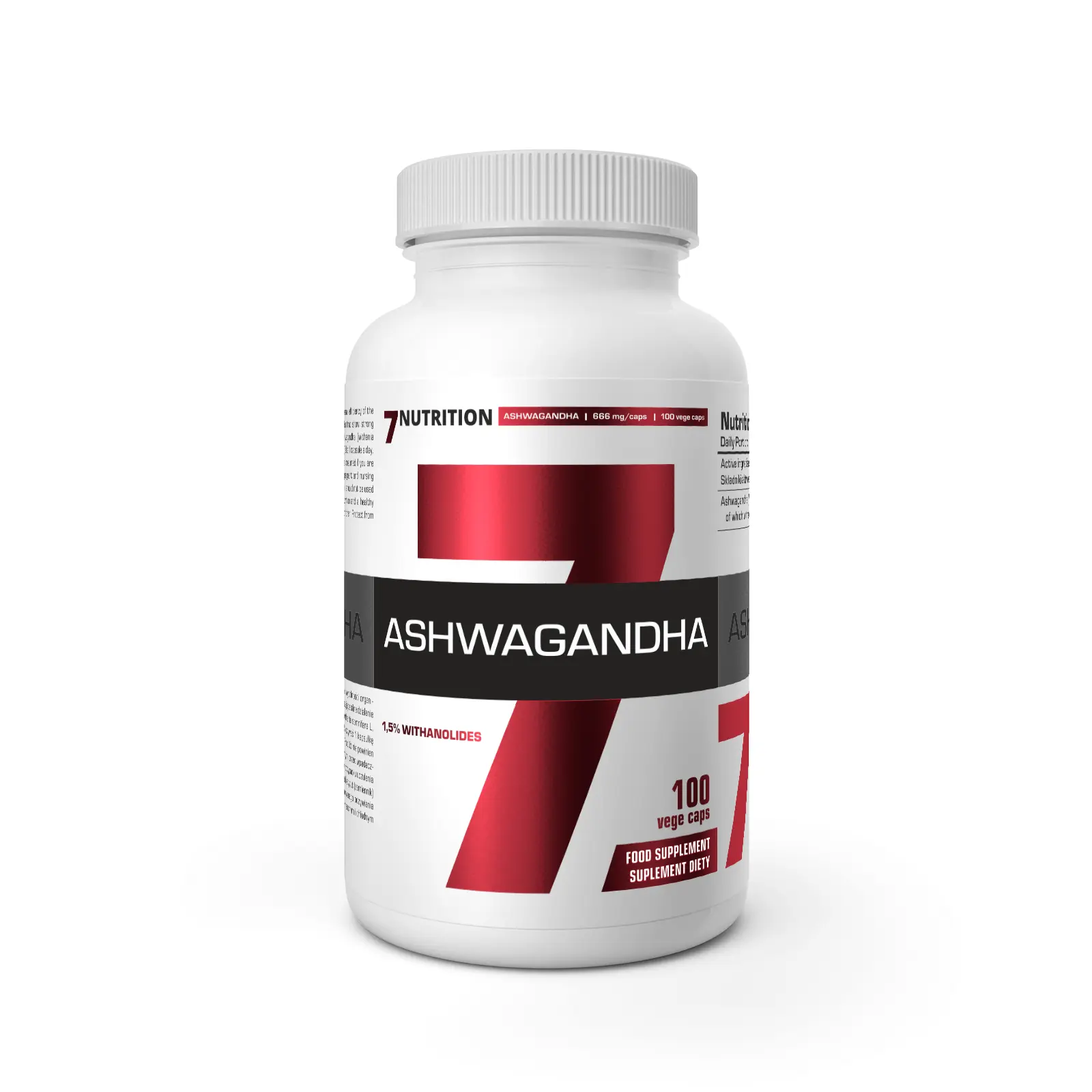 7Nutrition - ASHWAGANDHA 100 vege caps – 12.99 €
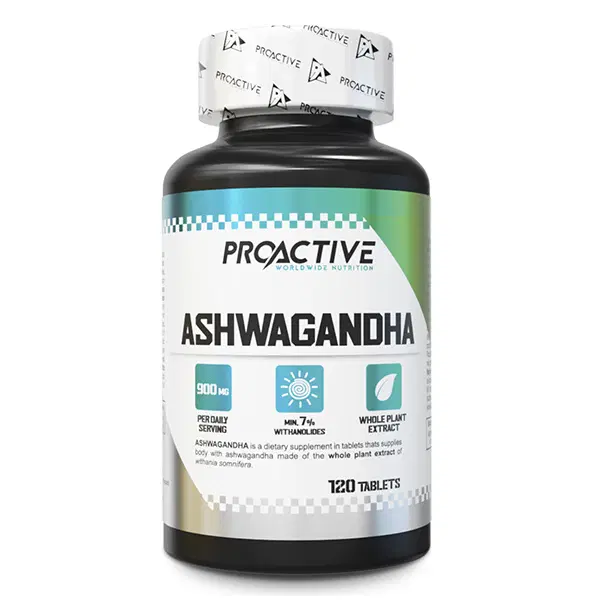 ProActive Ashwagandha 120 tabs – 8.69 €
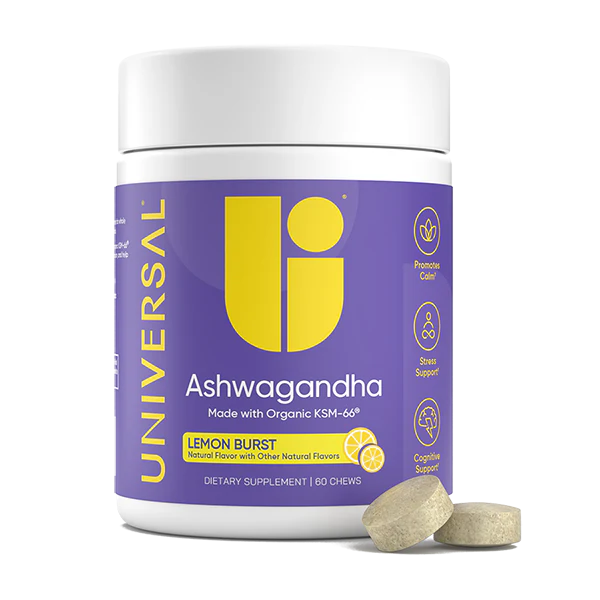 Universal U Ashwagandha Chews – дъвчащи таблетки – 19.95 €
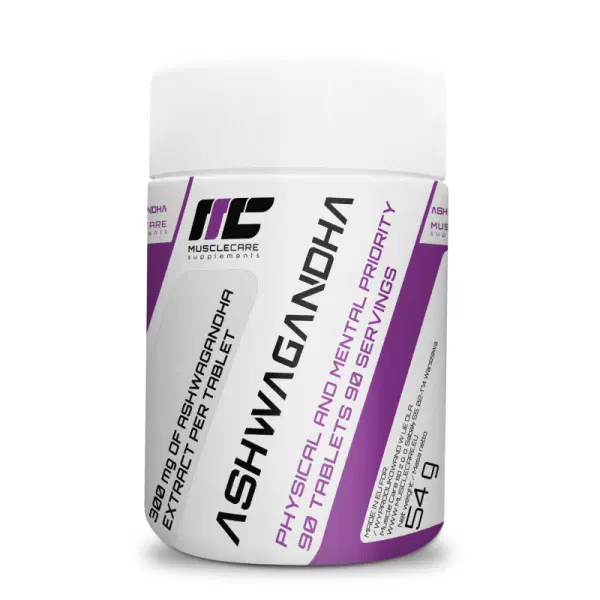 Muscle Care Supplements Ashwagandha 300 mg / 90tabs – 9.71 €
What is Ashwagandha and how does it work
Ashwagandha (Withania somnifera), also known as "Indian ginseng" or "winter cherry," is an adaptogenic plant from the Solanaceae family. The active ingredients — withanolides — modulate the hypothalamic-pituitary-adrenal axis (HPA axis) and regulate cortisol, the primary stress hormone.
Proven benefits of Ashwagandha
- Stress reduction — clinical studies show a 27-32% decrease in cortisol after 8 weeks of intake.
- Improved sleep — increases deep sleep by 14-22%.
- Increased testosterone in men — between 14% and 22% with 600 mg daily for 8 weeks.
- Thyroid support — normalizes T3 and T4 in subclinical hypothyroidism.
- Sports endurance — increases VO2 max and muscle strength in resistance training.
- Cognitive functions — improves memory, concentration, and reaction time.
Types of extracts — KSM-66 vs Sensoril vs standard
KSM-66 is the gold standard — 5% withanolides, used in the most cited clinical studies. Produced without alcohol, only from the root. Recommended dose: 300-600 mg.
Sensoril — 10% withanolides, from leaves and root. Higher concentration, but often with a stronger sedative effect. Dose: 125-250 mg.
Standard extracts (2.5-5%) — cheaper, require a higher dose (1000-2000 mg) for the same effect.
When and how to take Ashwagandha
For stress and sleep — in the evening before bed. For testosterone and training — in the morning and after training. Always with food for better absorption (withanolides are fat-soluble). Cycle: 8-12 weeks of intake, then 2-4 weeks break.
Side effects and contraindications
Ashwagandha is safe for healthy adults in recommended doses. It is not recommended during pregnancy, breastfeeding, autoimmune diseases (Hashimoto's, lupus), or taking sedatives or levothyroxine without medical consultation.
Medical note: The information is for educational purposes and does not replace medical advice. Before starting a dietary supplement, consult a doctor, especially if you are taking medications or have a chronic illness.