Berberine
Berberine is a plant alkaloid with over 2500 years of history in traditional Chinese and Ayurvedic medicine. Modern clinical studies compare its effectiveness to pharmaceutical agents for blood sugar regulation.
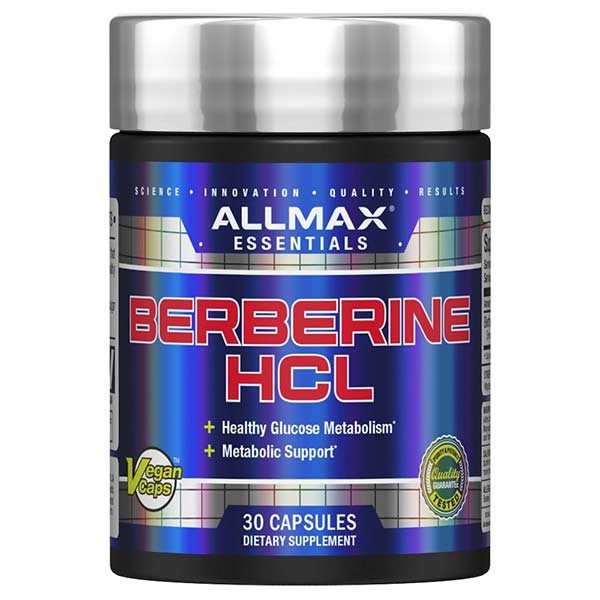
- Allmax Berberine HCL – 15.00 €
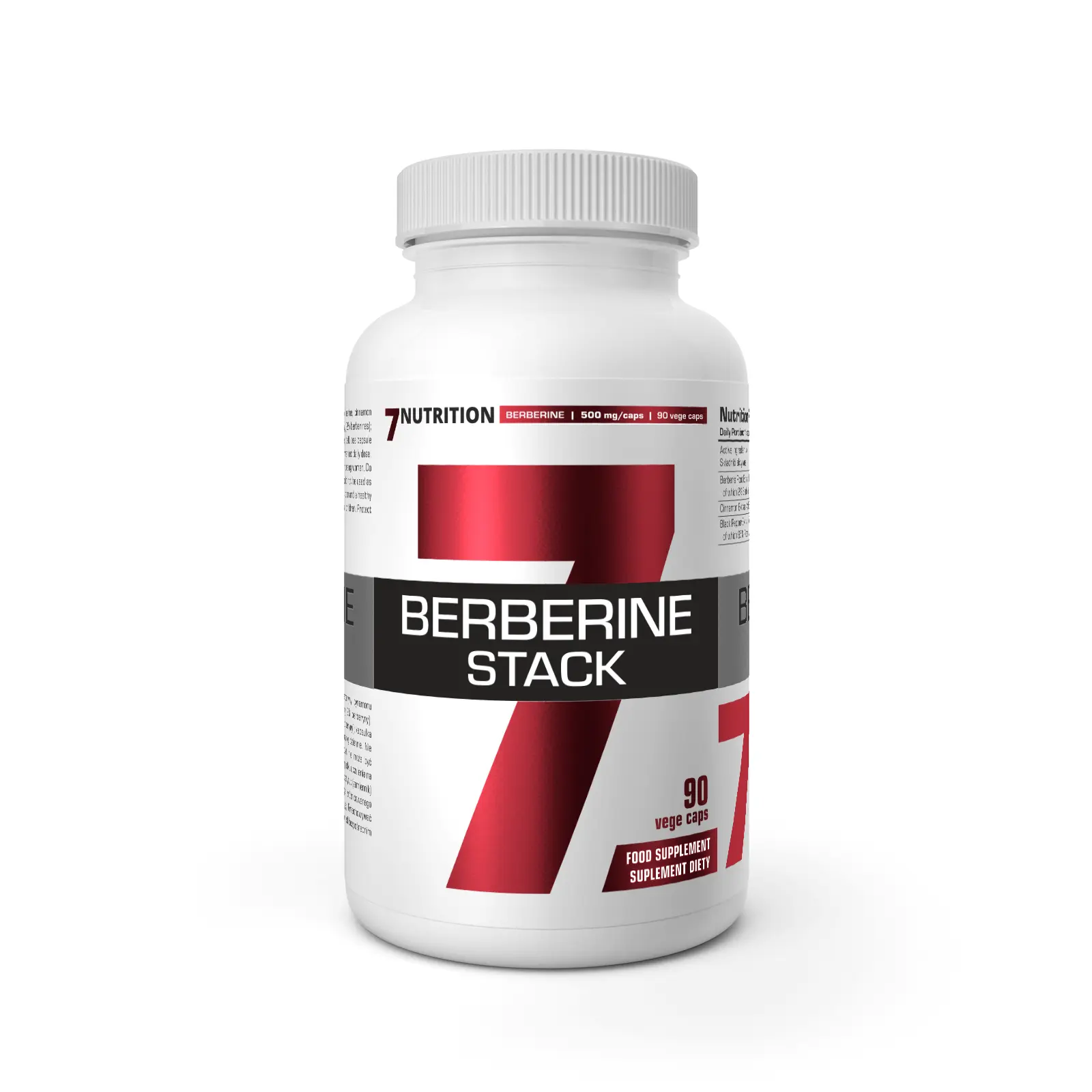 7Nutrition - BERBERINE STACK 90 vege caps – 9.90 €
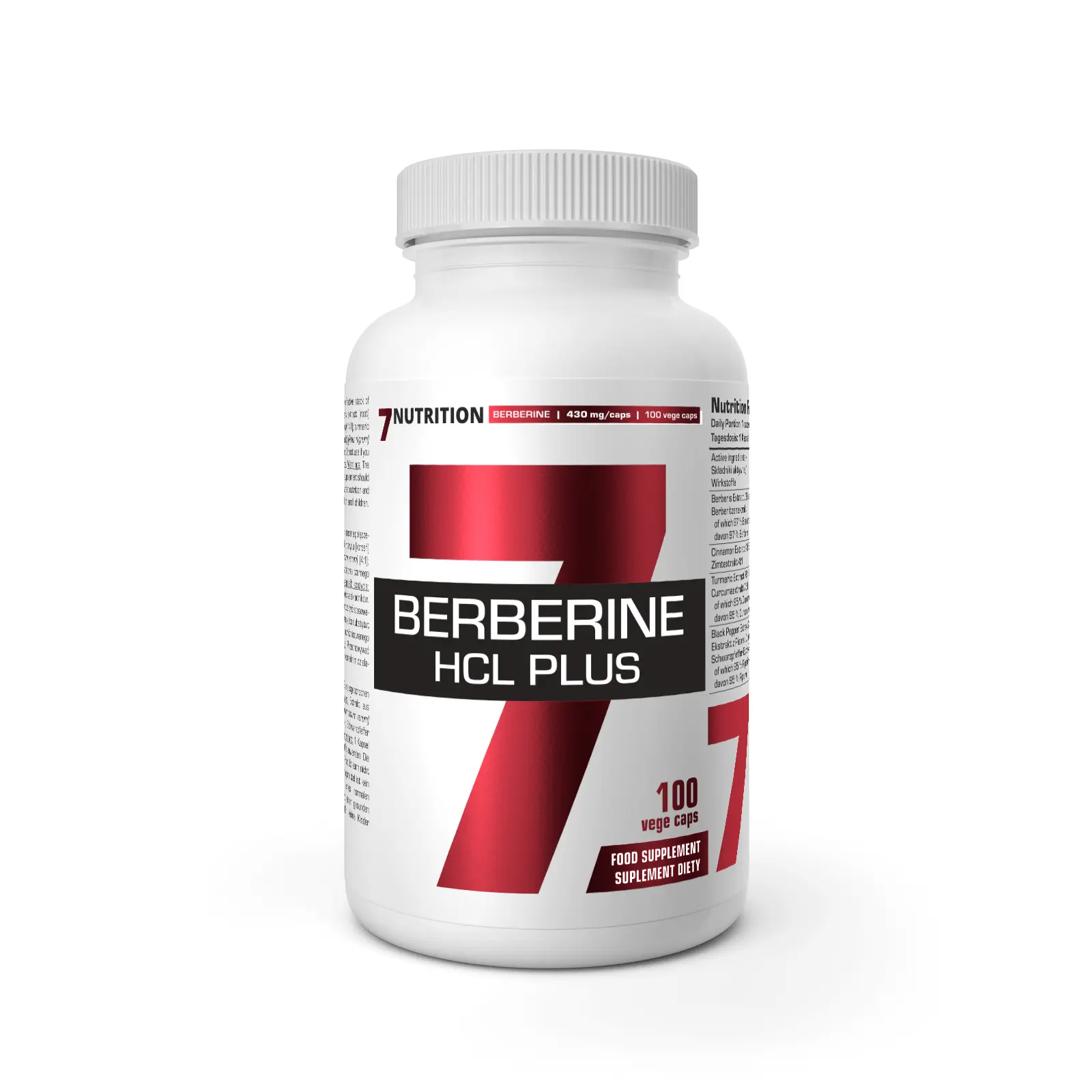 7Nutrition - BERBERINE HCL PLUS 100 vege caps – 20.00 €
 Berberine HCL Real Pharm 60 таблетки – 17.90 €
What is berberine and how does it work?
Berberine is a yellow alkaloid extracted from the roots and bark of plants from the genus Berberis (barberry) and Coptis chinensis. The main mechanism of action is activation of the AMPK enzyme — the main metabolic regulator in the cell, which is activated during fasting and physical exertion.
Proven benefits of berberine
- Lowering blood sugar — HbA1c drop of 0.9-1.2% over 3 months (comparable to metformin in some studies).
- Improvement of lipid profile — reduces total cholesterol by 18-21%, LDL by 21-25%, triglycerides by 28-35%.
- Weight loss support — an average of 2.3 kg reduced body weight over 12 weeks in combination with diet.
- Anti-inflammatory action — reduces CRP and inflammatory markers.
- Balance of gut microflora — promotes the growth of beneficial bacteria (Bifidobacterium, Lactobacillus).
- Liver support — reduces fat accumulation in non-alcoholic steatohepatitis (NAFLD).
Recommended dose and timing of intake
Clinical studies use 1500 mg daily, divided into 3 doses of 500 mg — before or with meals. Never take the entire dose at once: it causes stomach discomfort and does not improve the effect. The half-life of berberine is only 3-4 hours, so splitting the dose is critical.
Bioavailability and combinations
Berberine has low bioavailability (1-5%). Formulations with added piperine (from black pepper) increase absorption by up to 30%. The combination with silymarin (from milk thistle) supports metabolism in the liver. For diabetics — synergy with chromium picolinate and magnesium.
Side effects
Most common: heartburn, diarrhea, constipation, especially at high doses without splitting. These are overcome by gradual increase (500 mg → 1000 mg → 1500 mg over 7-10 days).
Contraindications
Not recommended during pregnancy, breastfeeding, low blood pressure, use of anticoagulants (Warfarin, Sintrom), cyclosporine or other immunosuppressants. Possible interaction with insulin and metformin — medical monitoring of blood sugar is required.
Medical note: Berberine is a powerful bioactive molecule. Before starting, especially with diabetes, metabolic syndrome or medication use, consult a doctor first.