Egg protein
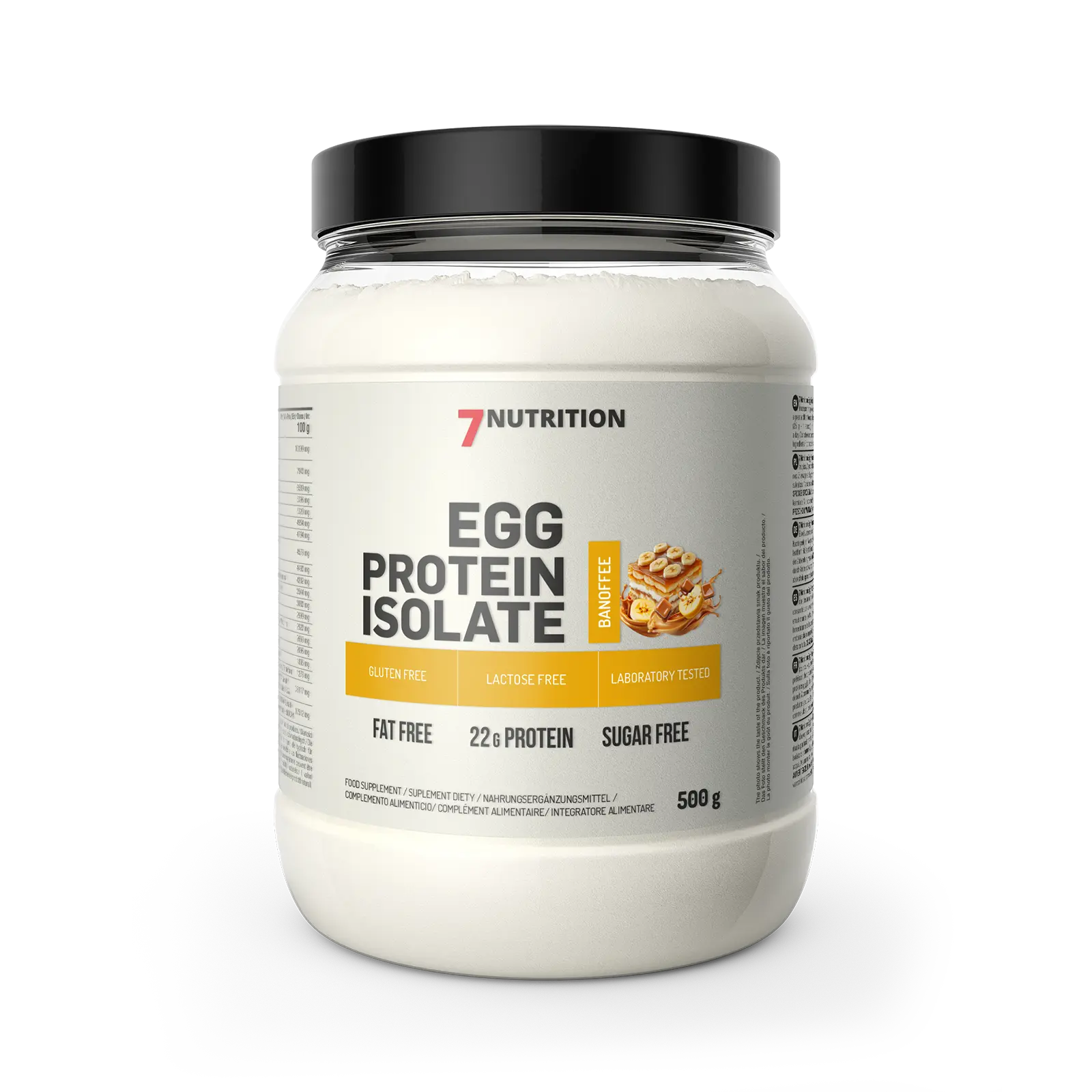
- 7Nutrition - Egg Protein Isolate 500g Crema Catalana – 20.00 €
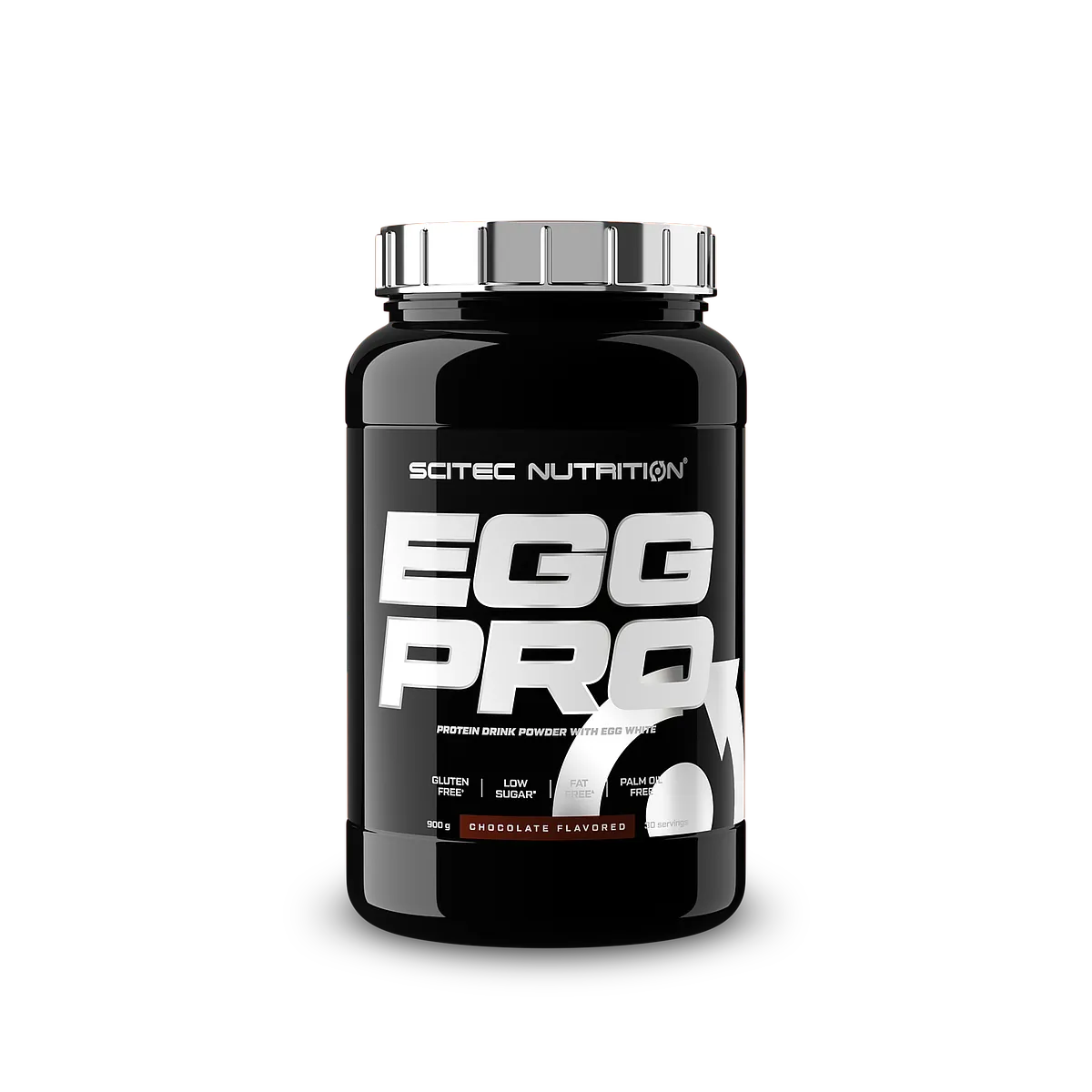 Scitec Nutrition Egg Pro (0,9 kg) – 44.90 €
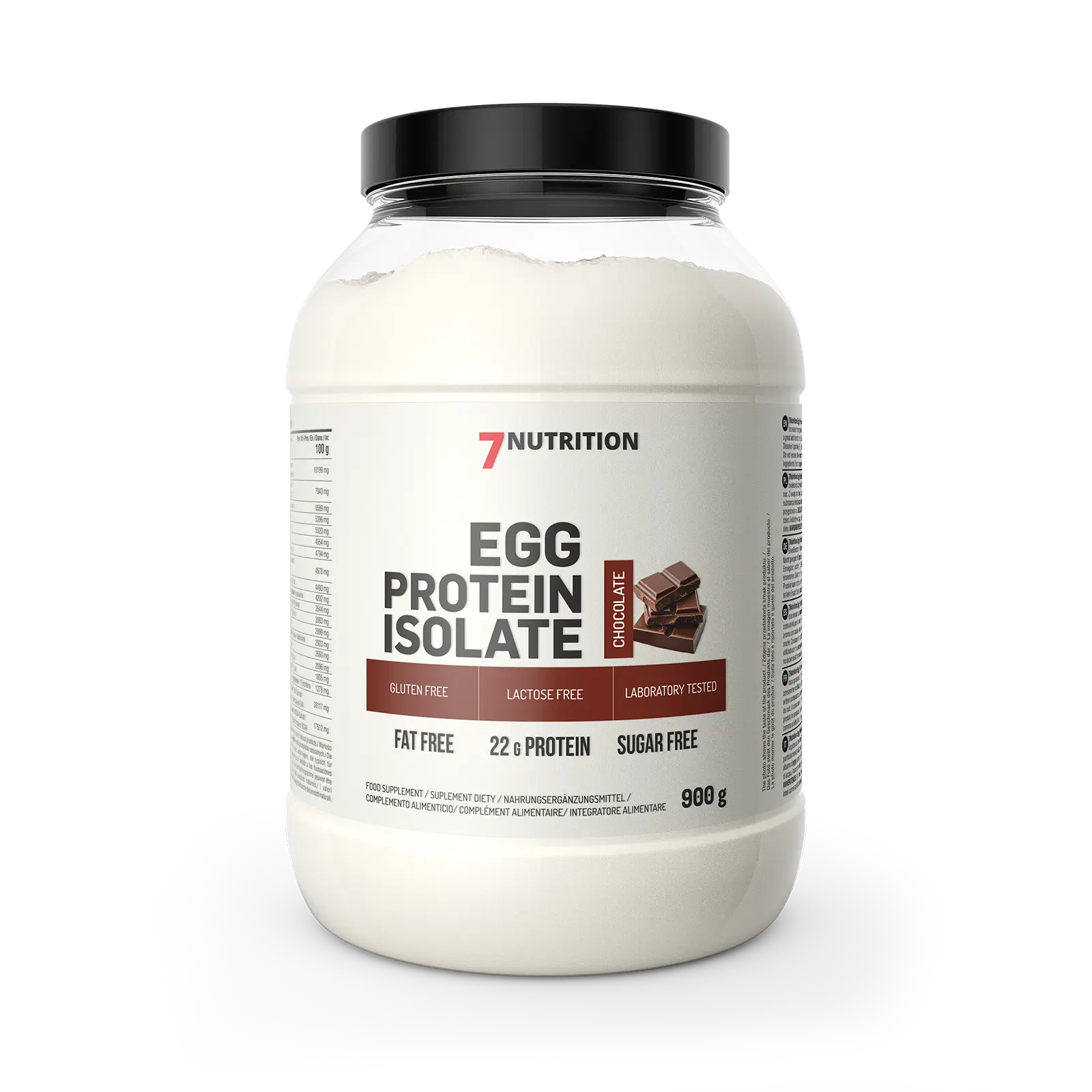 7Nutrition - Egg Protein Isolate 900g Chocolate – 34.00 €
Egg Protein
Egg protein, especially from egg albumin, provides a complete amino acid profile with a high biological value – 100 on the PDCAAS scale. It is an excellent choice for building and recovering muscle mass, as it contains all nine essential amino acids required by the body. The absorption rate is moderate, making it suitable for consumption both after training and between meals, providing a sustained release of amino acids. A dose of 25-30 grams of egg protein powder can deliver about 20-25 grams of pure protein, with minimal fat and carbohydrate content.
This type of protein is naturally lactose-free, making it ideal for people with lactose intolerance or dairy allergies. The leucine content, a key amino acid for muscle growth, is high – often over 2.5 grams per serving. It can be used to enrich smoothies, oatmeal, or baked goods without significantly altering their taste. Studies, including those cited by JISSN, confirm the effectiveness of egg protein in maintaining a positive nitrogen balance and stimulating protein synthesis.
How to choose
- Protein content: Look for products with at least 80% protein per 100 grams.
- Source: Prefer egg albumin protein for the purest product.
- Additives: Avoid products with excessive sugars, artificial colors, and fillers.
- Taste and solubility: Try small packages to find a preferred taste and good solubility in water or milk.
Common mistakes
- Excessive intake: More than 2.2 grams of protein per kilogram of body weight daily for active athletes rarely brings additional benefits and can strain the kidneys.
- Meal replacement: Egg protein is a supplement, not a substitute for a complete meal.
- Insufficient water intake: High-protein diets require increased water intake – at least 3-4 liters daily.
- Expecting immediate results: Muscle growth is a slow process requiring consistency and proper nutrition.
FAQ
Is egg protein just for people with lactose intolerance?
Not at all, though it is a perfect alternative for them. Egg protein is an exceptionally high-quality protein source with a complete amino acid profile, making it suitable for anyone looking to increase muscle mass or improve recovery. It digests at a moderate pace, which makes it incredibly versatile.
When's the best time to take egg protein – before or after a workout?
Both are good options, but it's most effective when taken within an hour after your workout to maximize recovery. You can also add it to your breakfast to ensure a steady release of amino acids throughout the day. Just mix one serving with water or a plant-based milk and shake well.
What are the main benefits of egg protein, and how is it different from whey?
The main benefit is promoting lean muscle growth, thanks to its outstanding amino acid profile. Unlike whey, it's lactose-free and digests a bit more slowly, which helps keep you feeling full for longer. With consistent use and a solid training routine, you'll likely see improvements in your recovery and strength after a few weeks.
Can I mix egg protein with creatine or other supplements in the same shake?
Yes, absolutely. You can definitely stack it with creatine, glutamine, or fast-digesting carbs in your post-workout shake for even better results. There are no known issues with combining it with other common sports supplements.