Glutamine
Over 60% of the free amino acid pool in your muscles is comprised of L-Glutamine, highlighting its critical role in muscle protein synthesis and overall recovery. This essential amino acid, often referred to as a 'conditionally essential' nutrient, becomes particularly vital during periods of intense physical stress, illness, or injury. While your body can produce glutamine, heightened demands can deplete its reserves, impacting everything from immune function to gut health. Supplementing with glutamine can help maintain these crucial levels, supporting faster recovery times and reducing muscle soreness post-exercise. For instance, a practical tip is to consider taking glutamine after strenuous workouts to aid in replenishing glycogen stores and repairing muscle tissue, optimizing your body's recovery process.
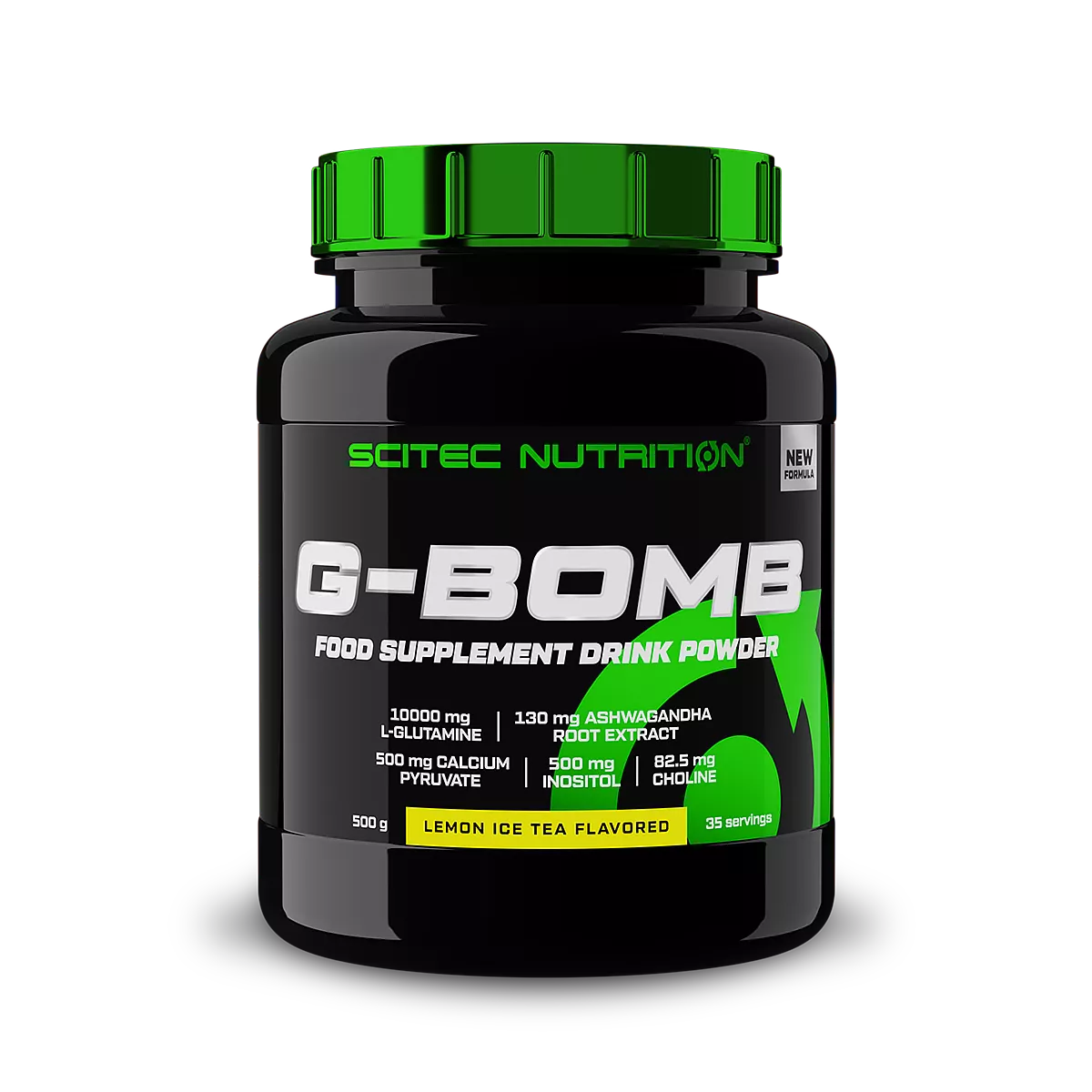
- Scitec Nutrition G-Bomb (500 gr.) – 36.90 €
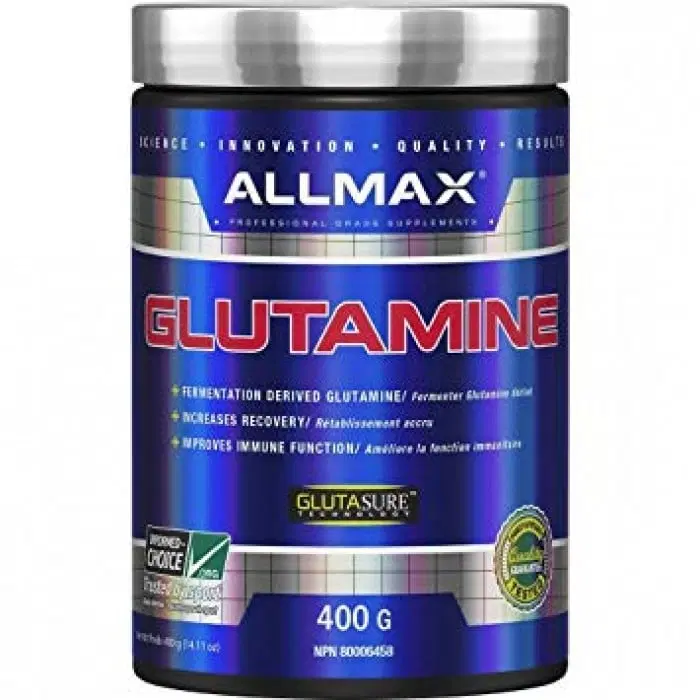 AllMax - Glutamine / 400gr. – 25.00 €
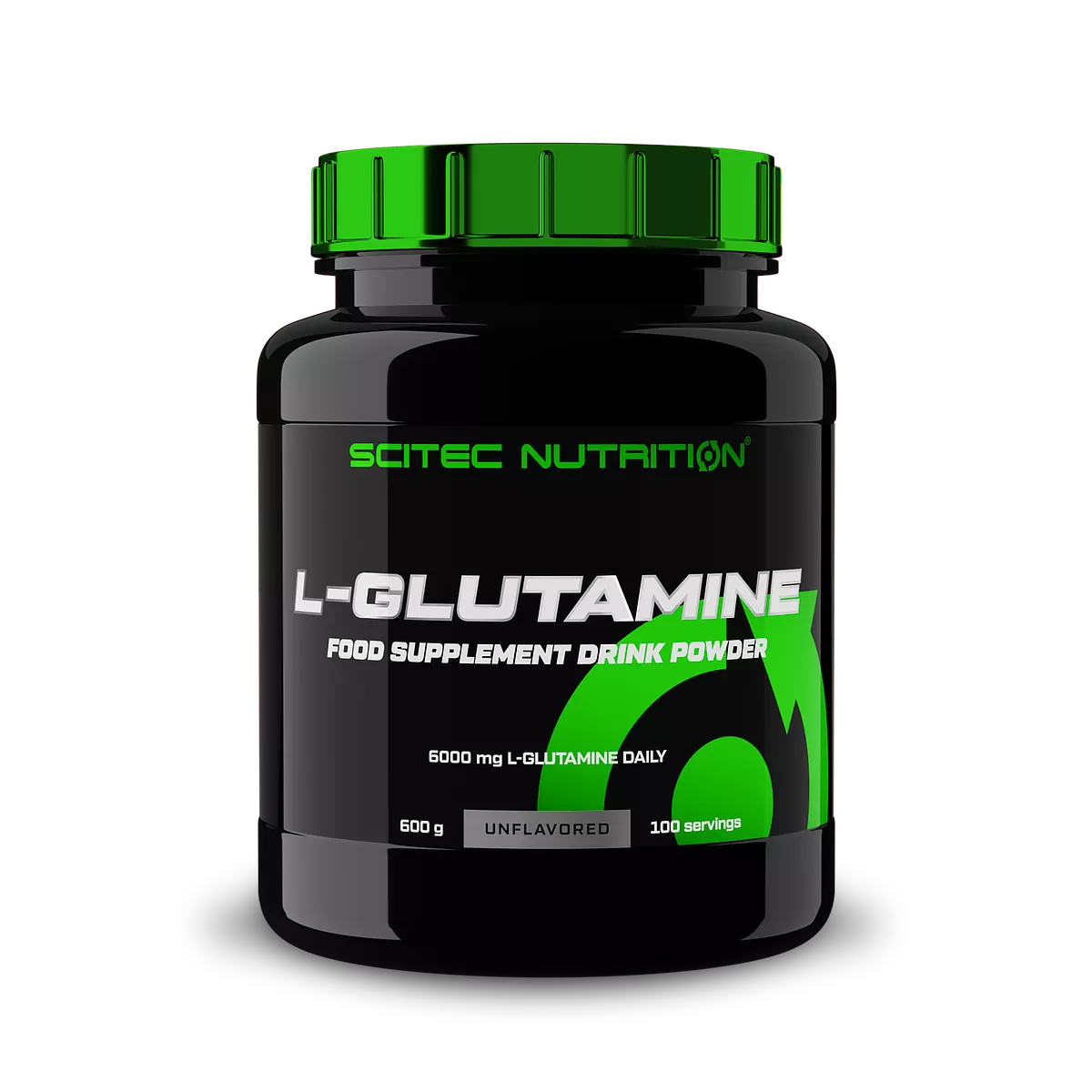 Scitec Nutrition L-Glutamine (600 gr.) – 35.90 €
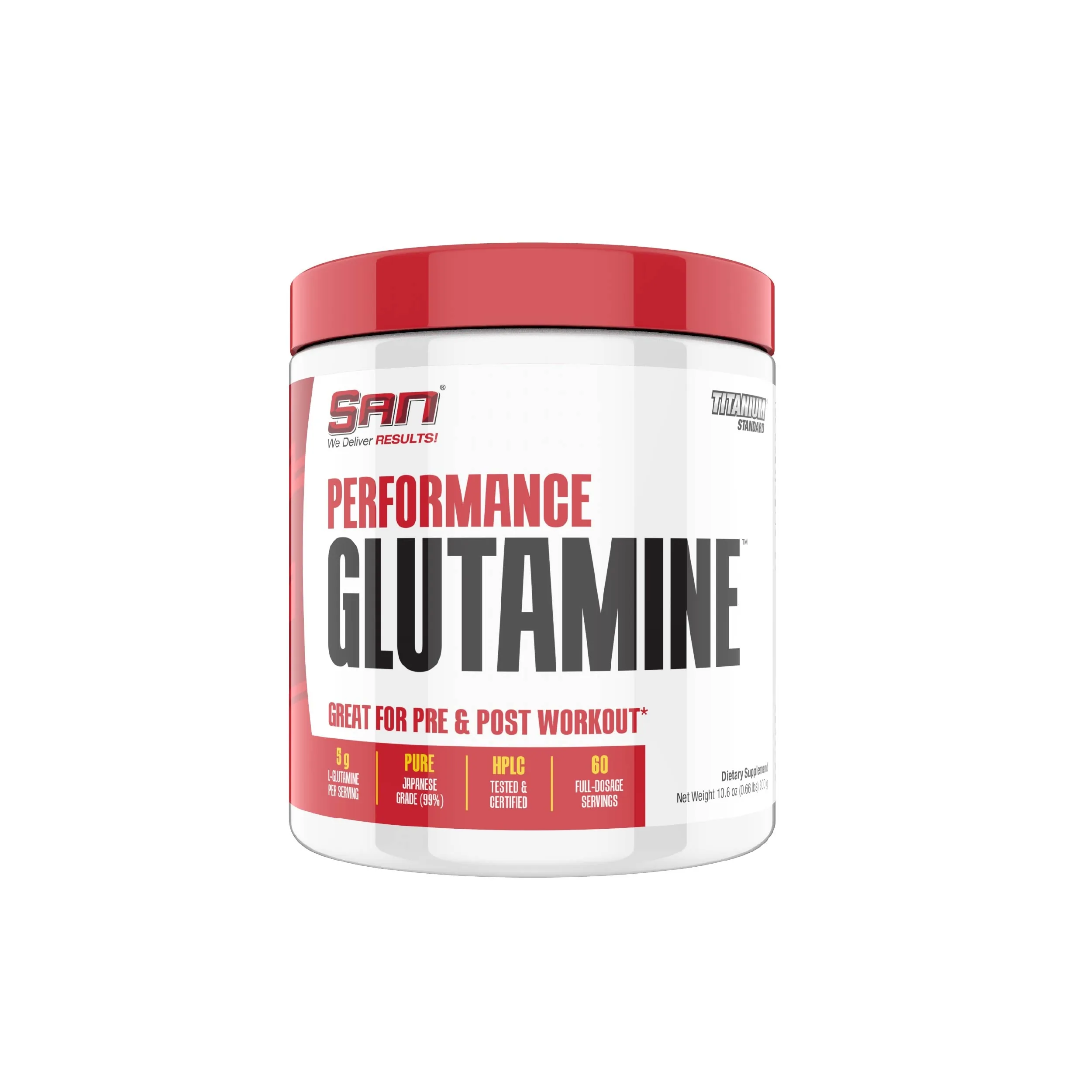 SAN Performance Glutamine 120 дози – 36.98 €
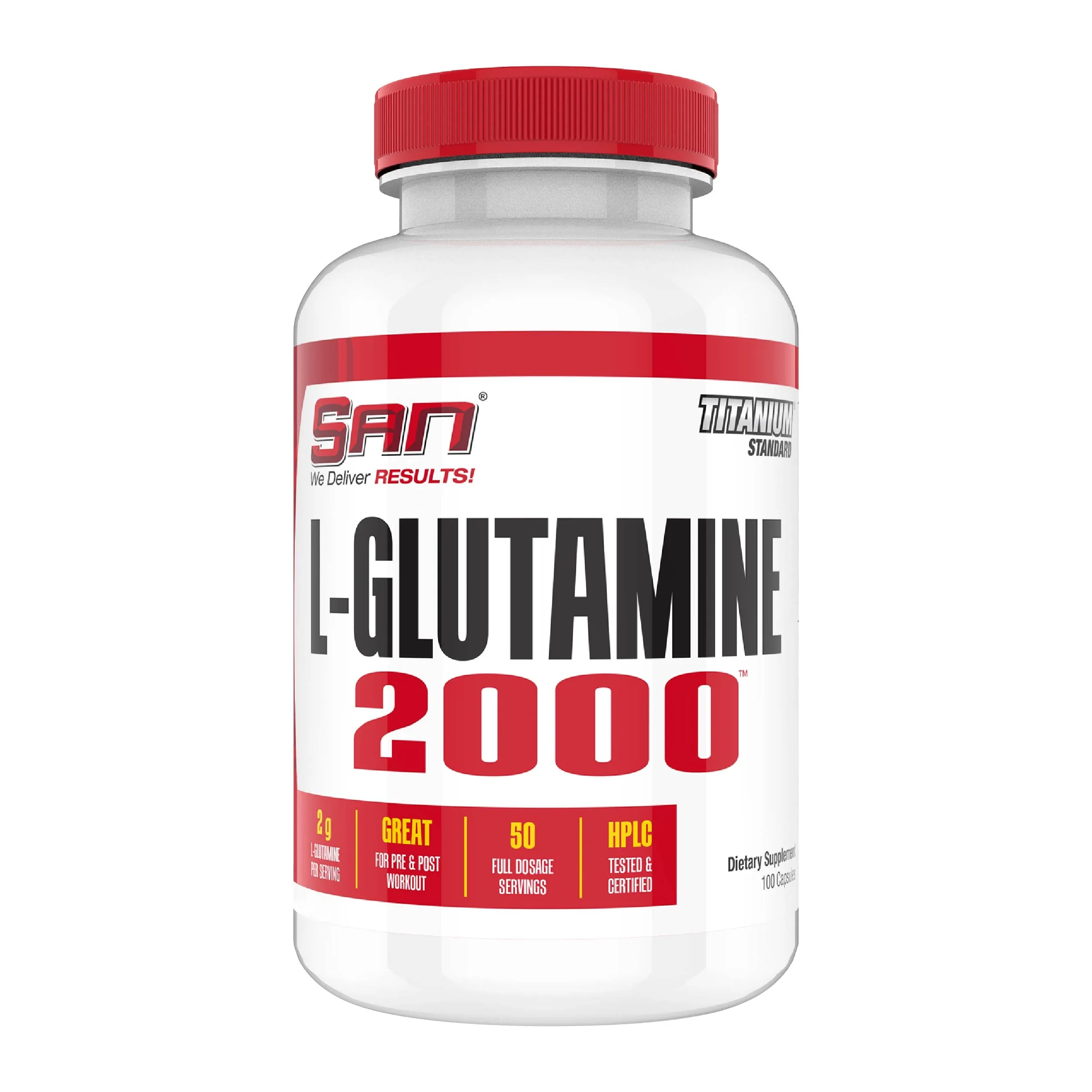 SAN L-Glutamine 2000 100 капсули – 20.24 €
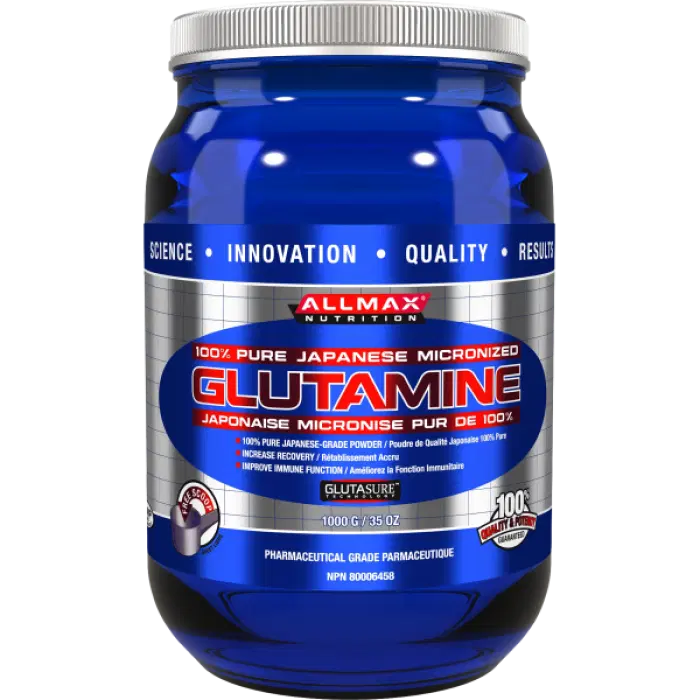 AllMax - Glutamine / 1000gr. – 46.00 €
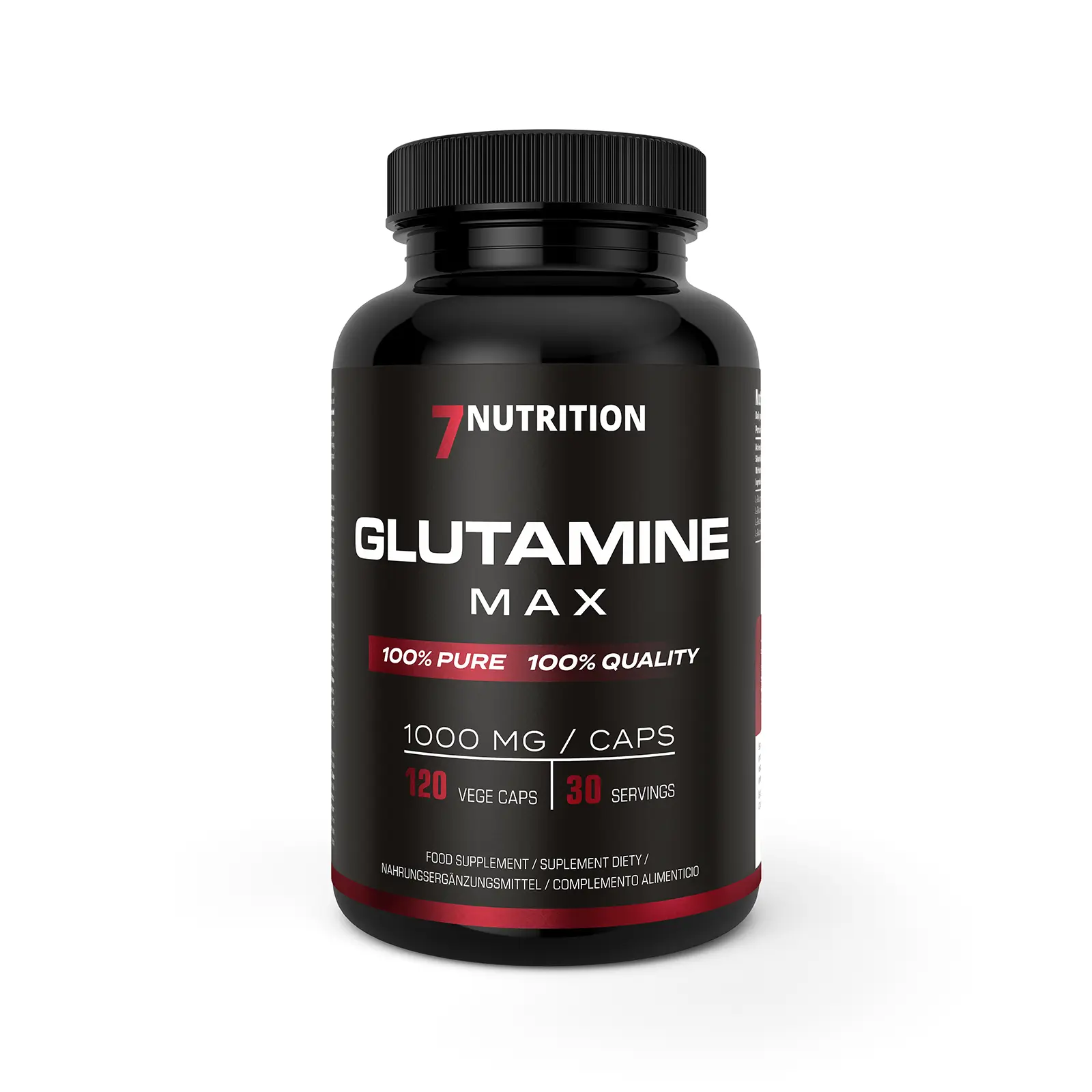 7Nutrition - Glutamine MAX 120 vege caps – 14.90 €
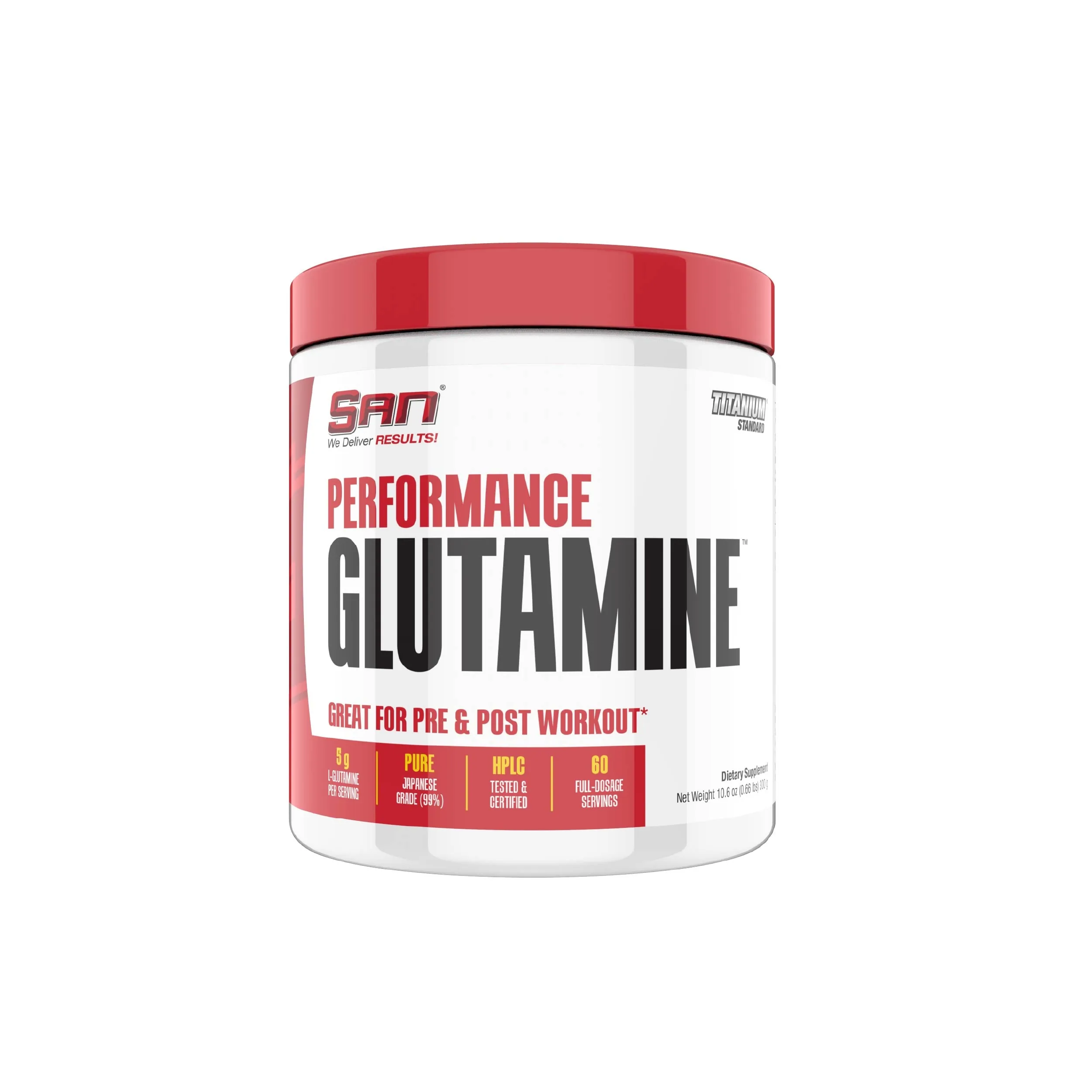 SAN Performance Glutamine 240 дози – 76.98 €
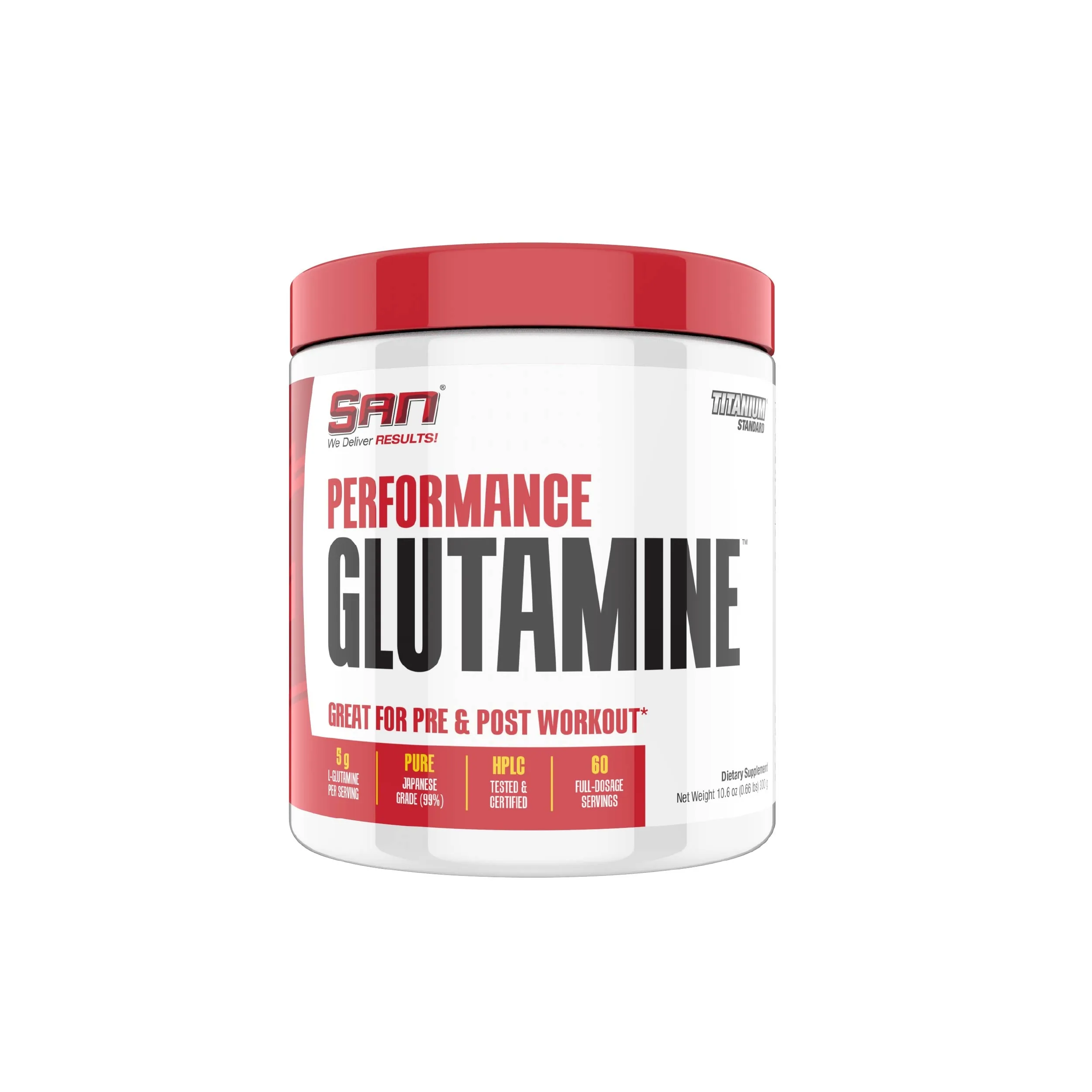 SAN Performance Glutamine 60 дози – 24.49 €
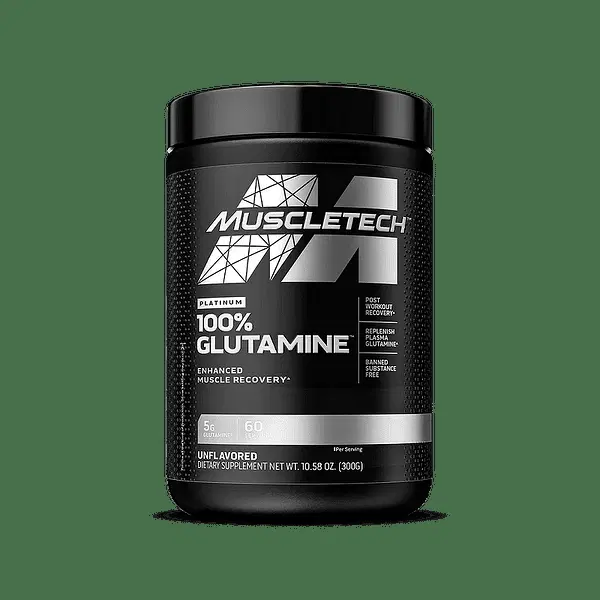 Platinum 100% Glutamine MuscleTech 300 грама – 35.01 €
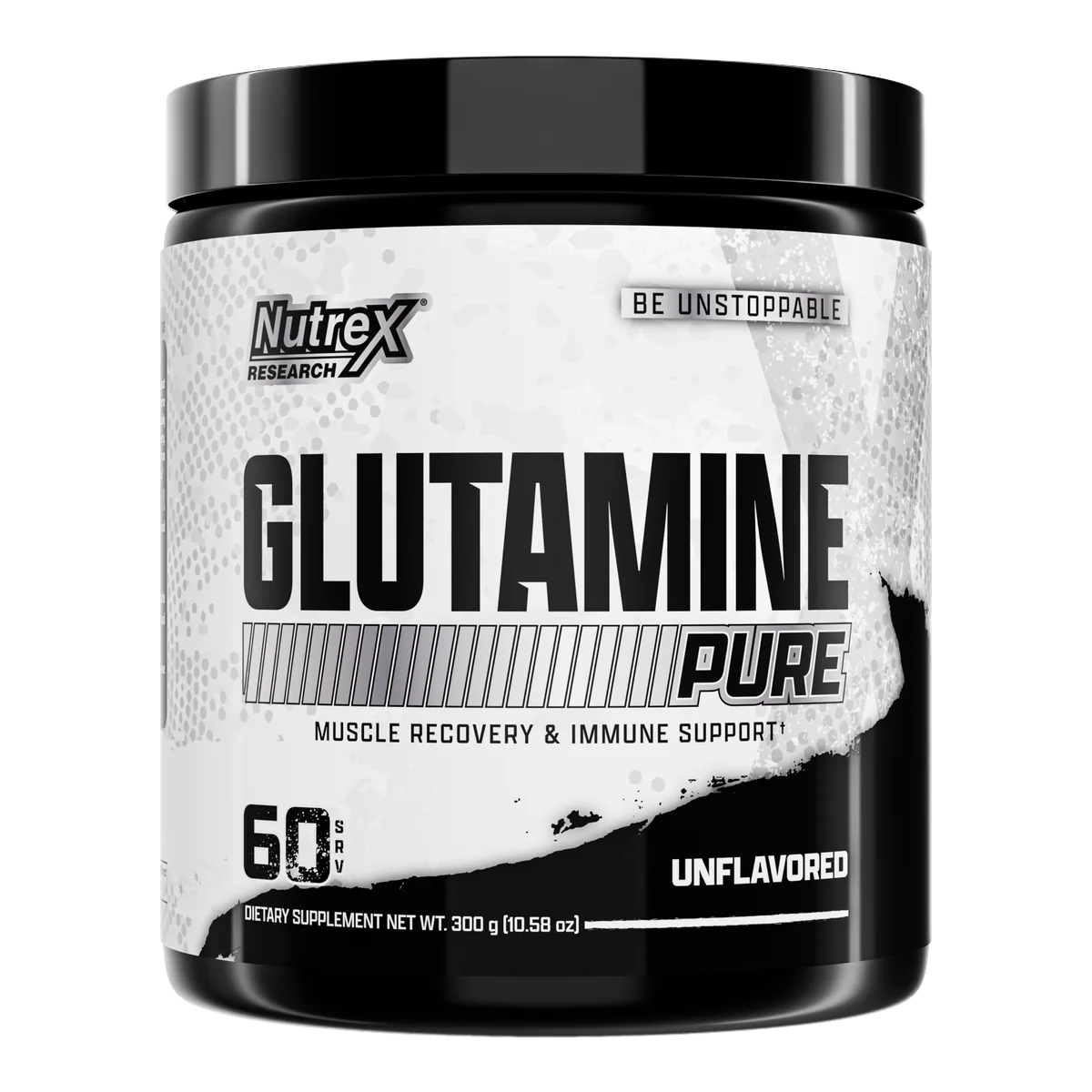 Glutamine Pure Nutrex – 25.99 €
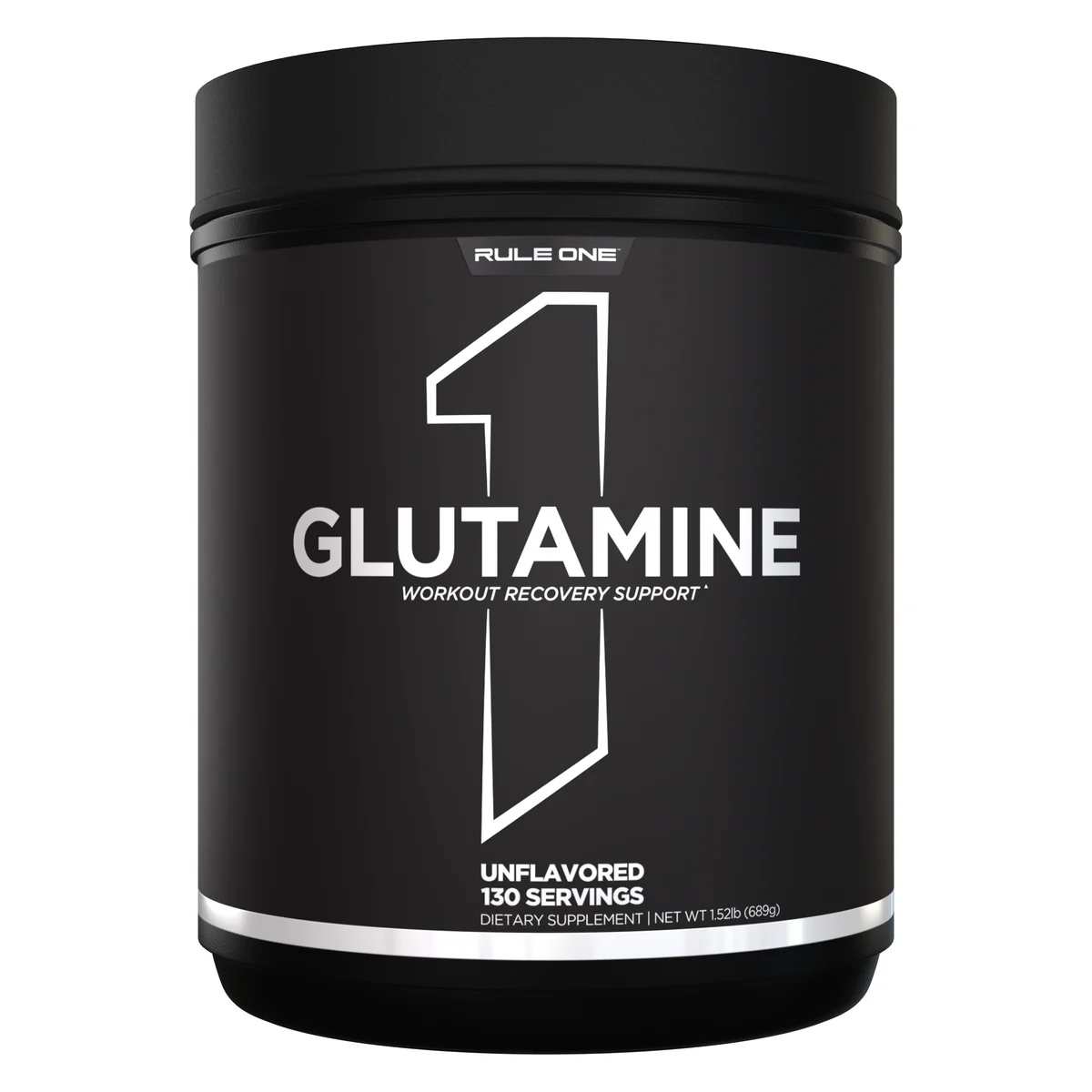 Rule 1 R1 Glutamine 130 дози – 40.00 €
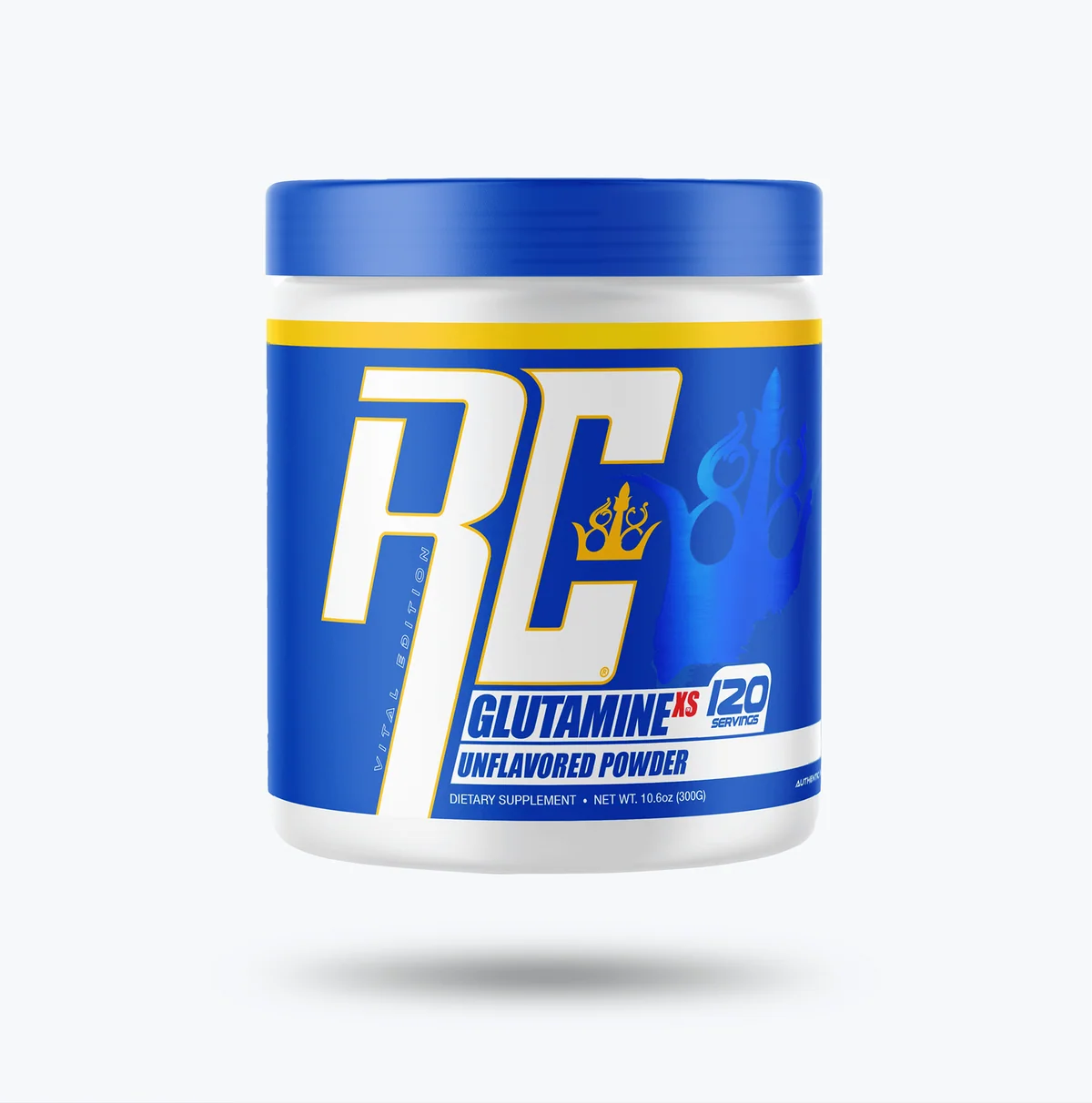 Ronnie Coleman Glutamine XS 120 дози – 24.99 €
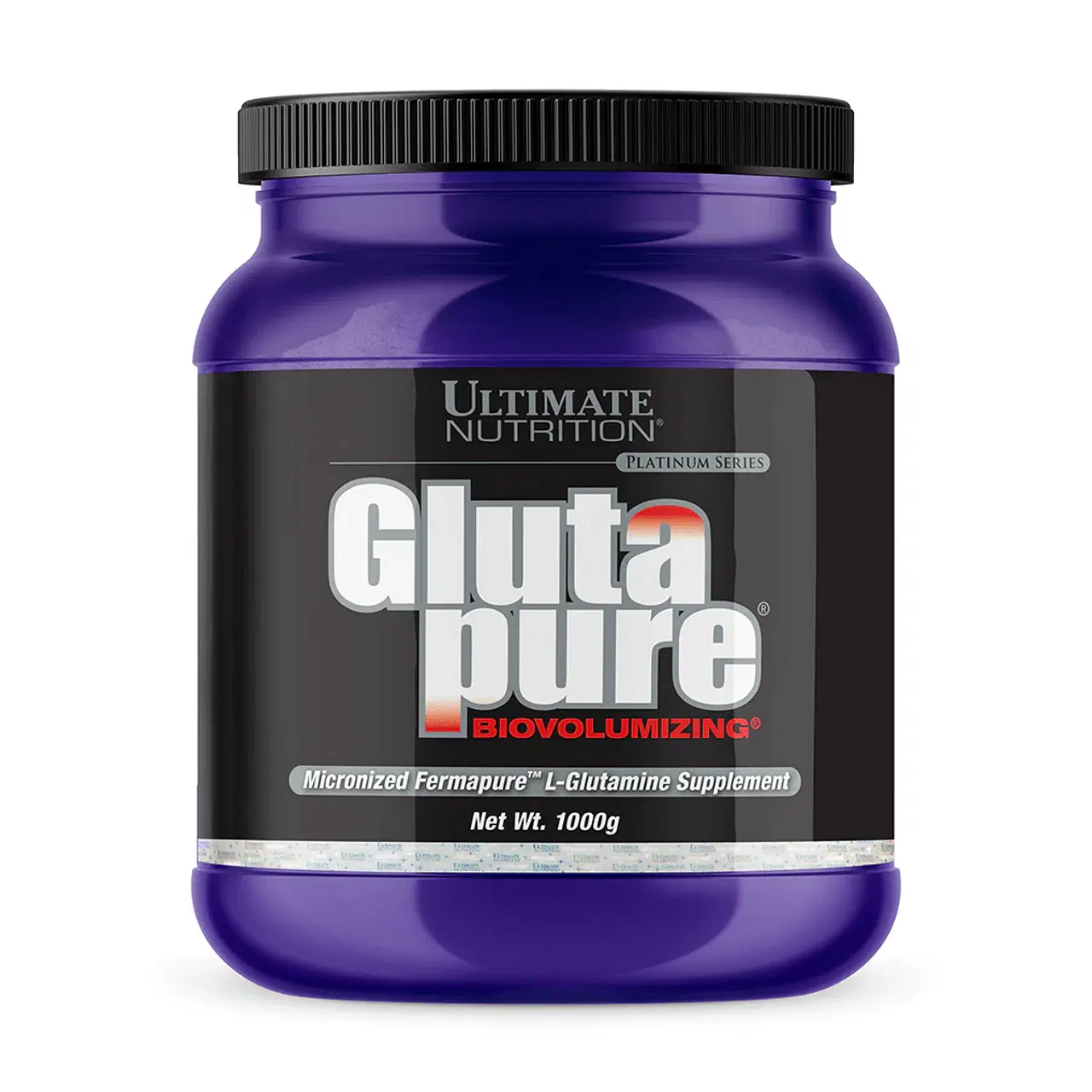 Глутамин Glutapure Ultimate Nutrition 1000 грама – 49.60 €
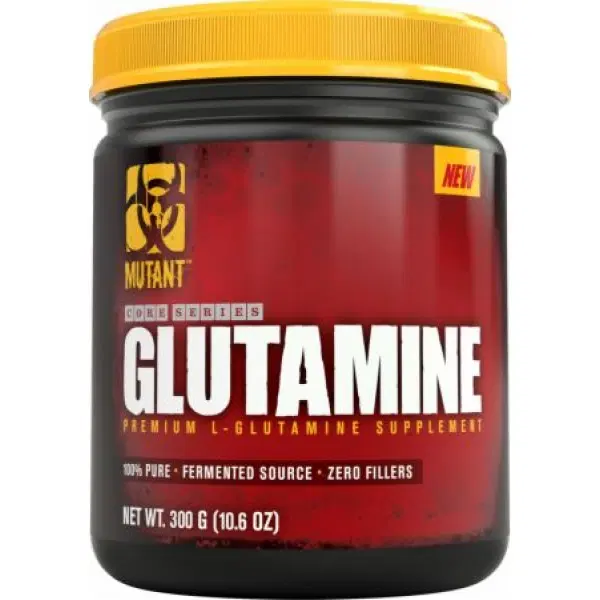 MUTANT - Glutamine / 300гр. – 20.00 €
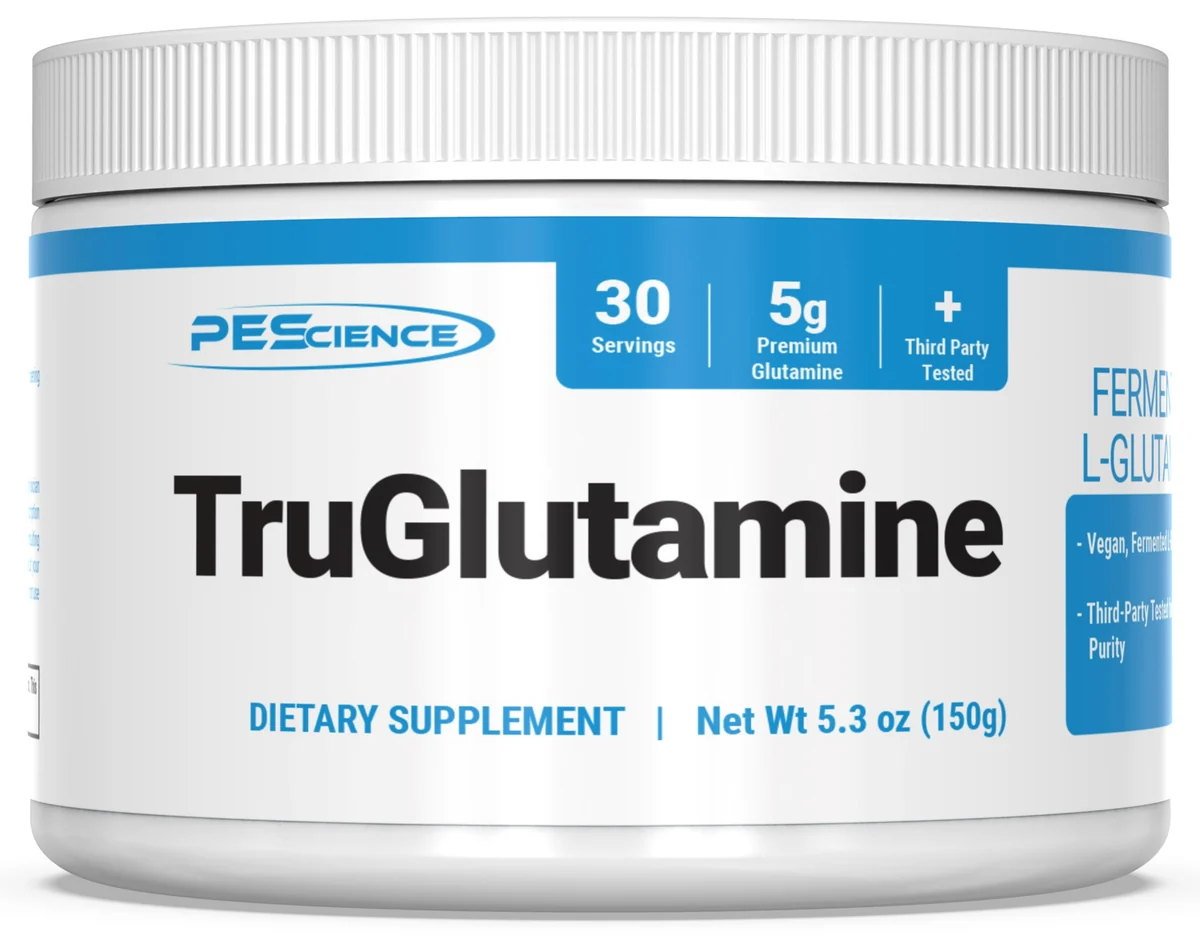 PEScience TruGlutamine – 19.99 €
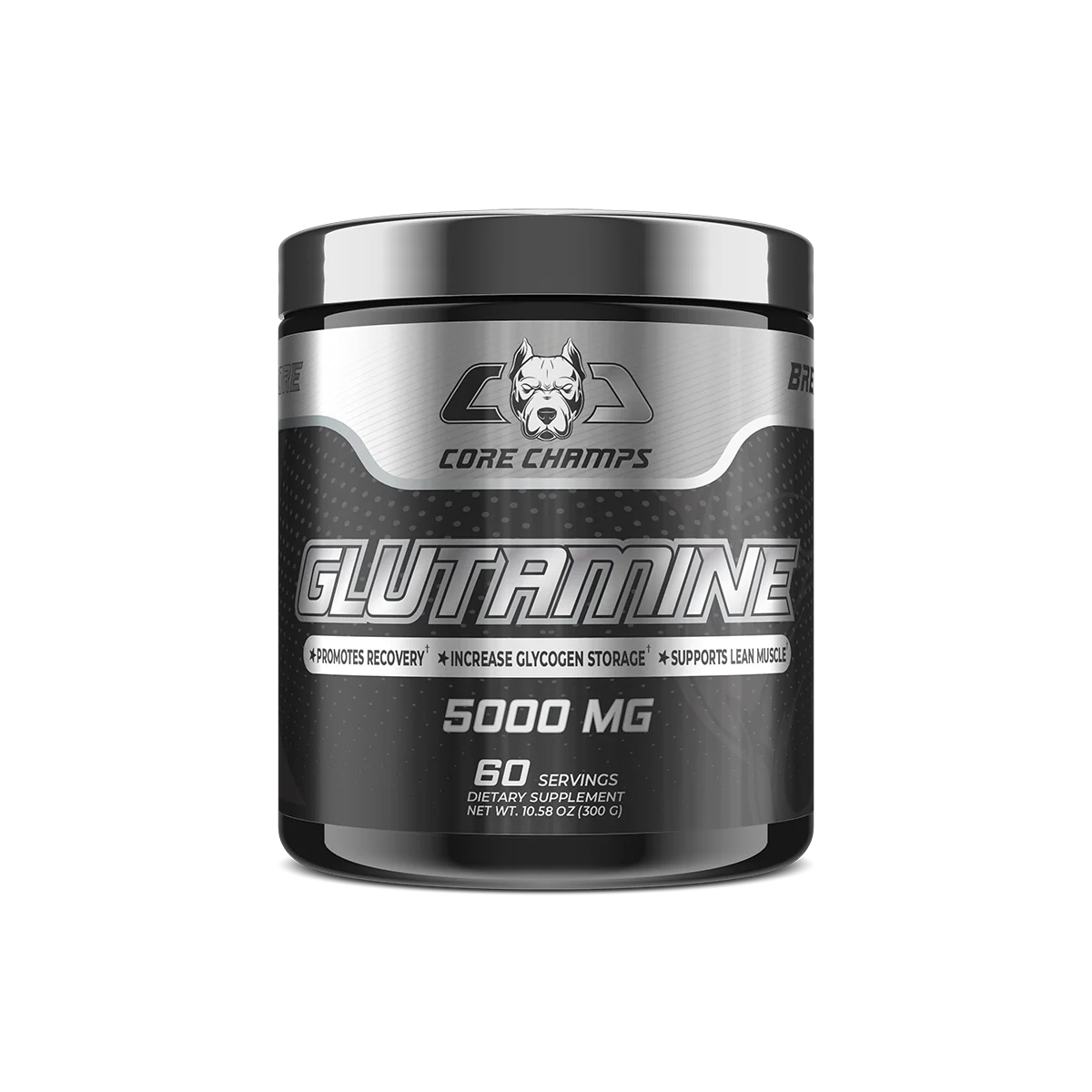 Core Champs Glutamine – 17.09 €
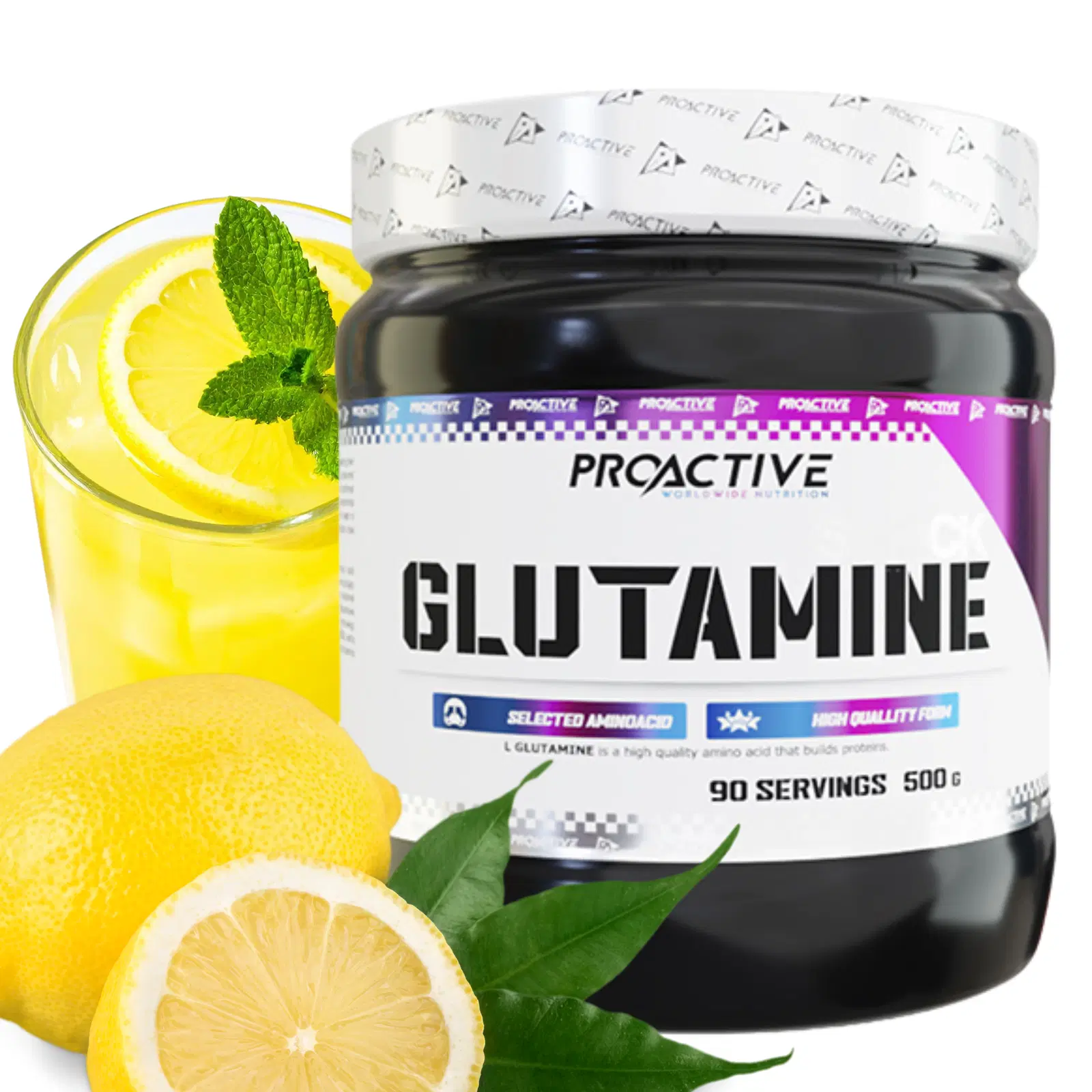 ProActive Glutamine 500g – 20.96 €
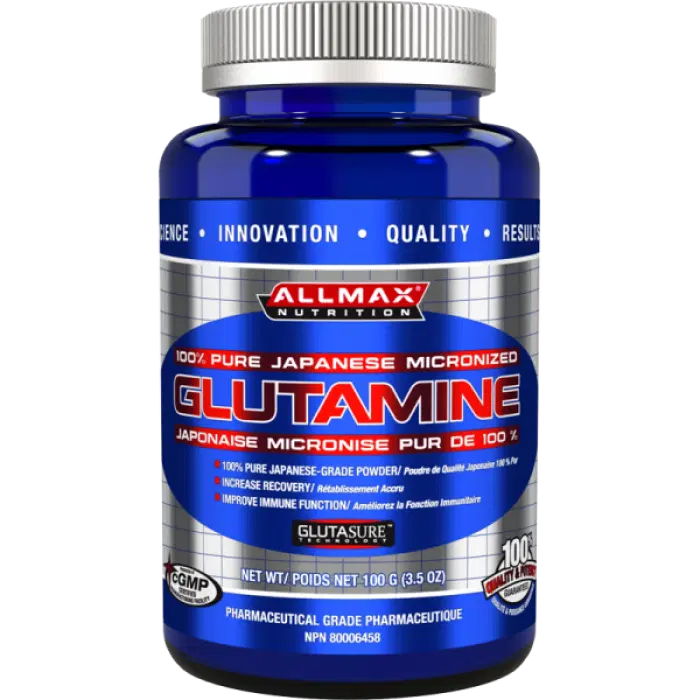 AllMax - Glutamine / 100gr. – 11.00 €
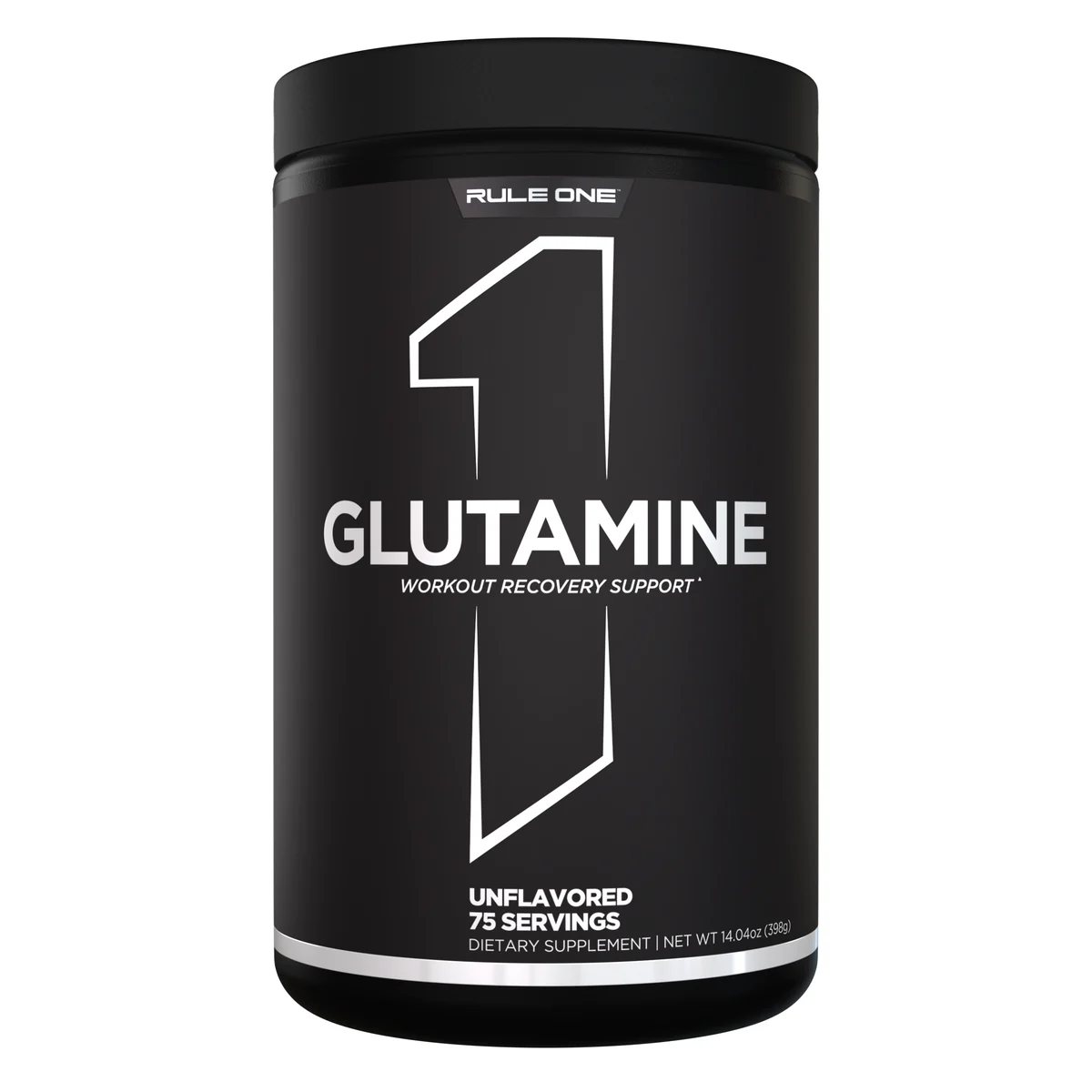 Rule 1 R1 Glutamine 75 дози – 19.99 €
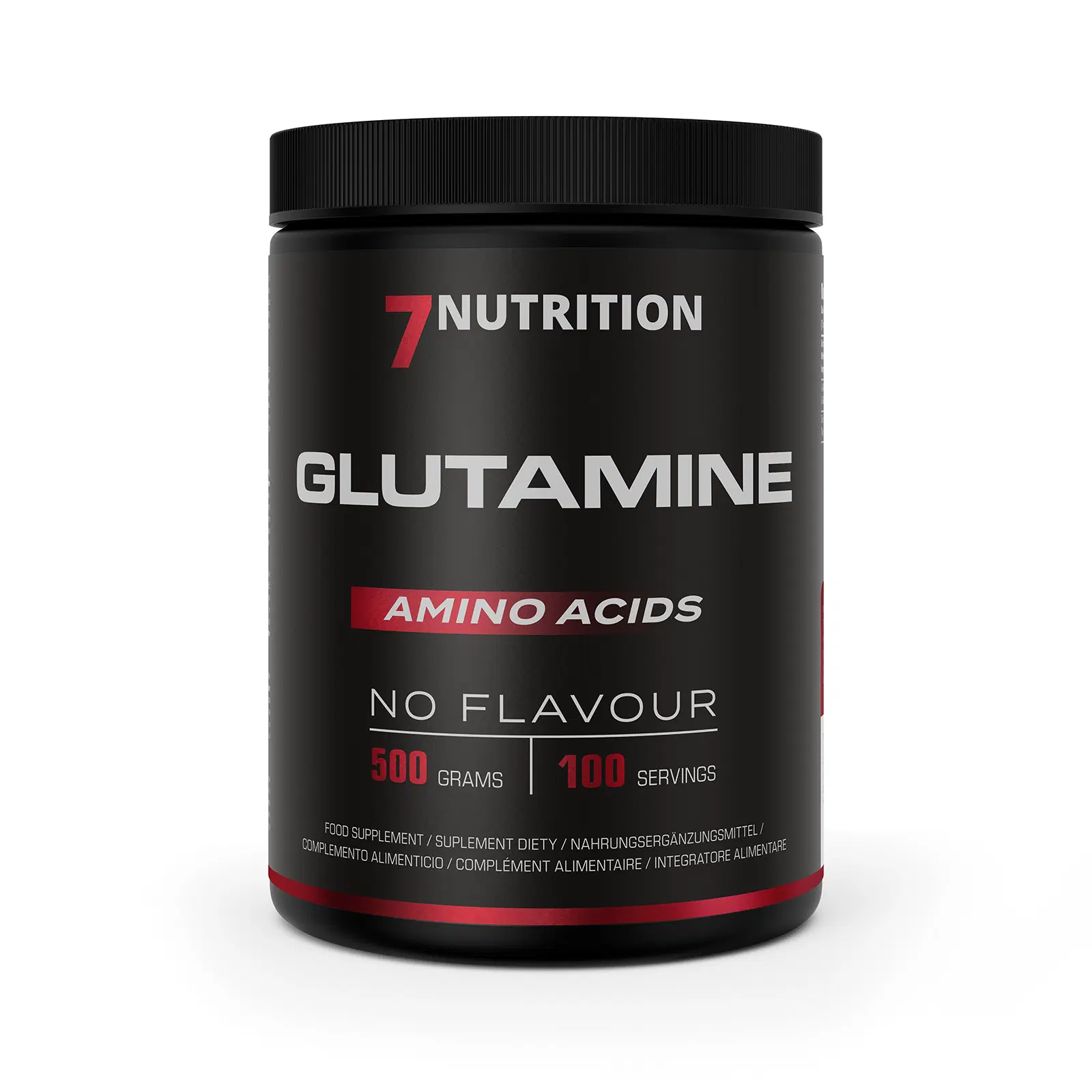 7Nutrition - GLUTAMINE 500g – 27.00 €
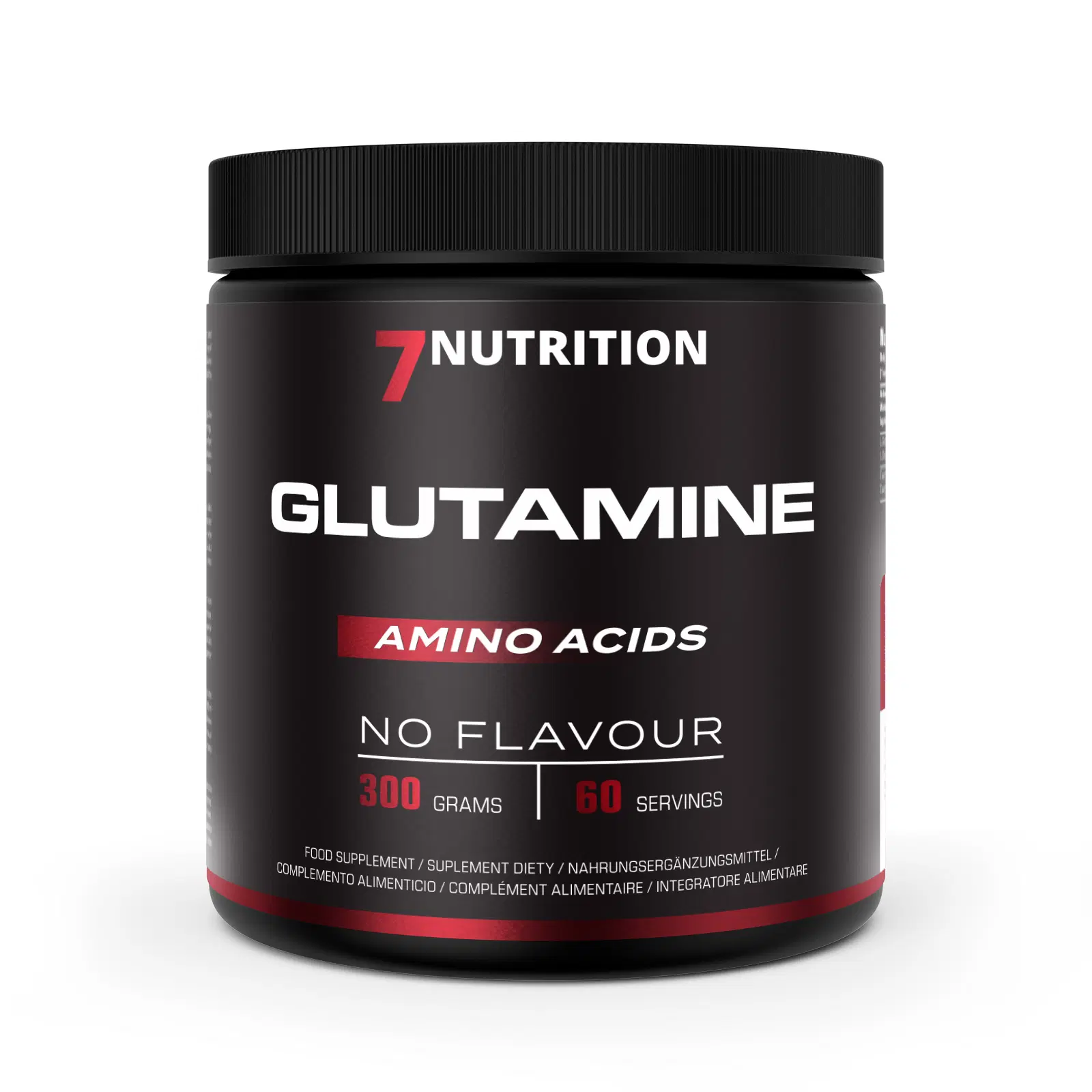 7Nutrition - GLUTAMINE 300g – 19.00 €
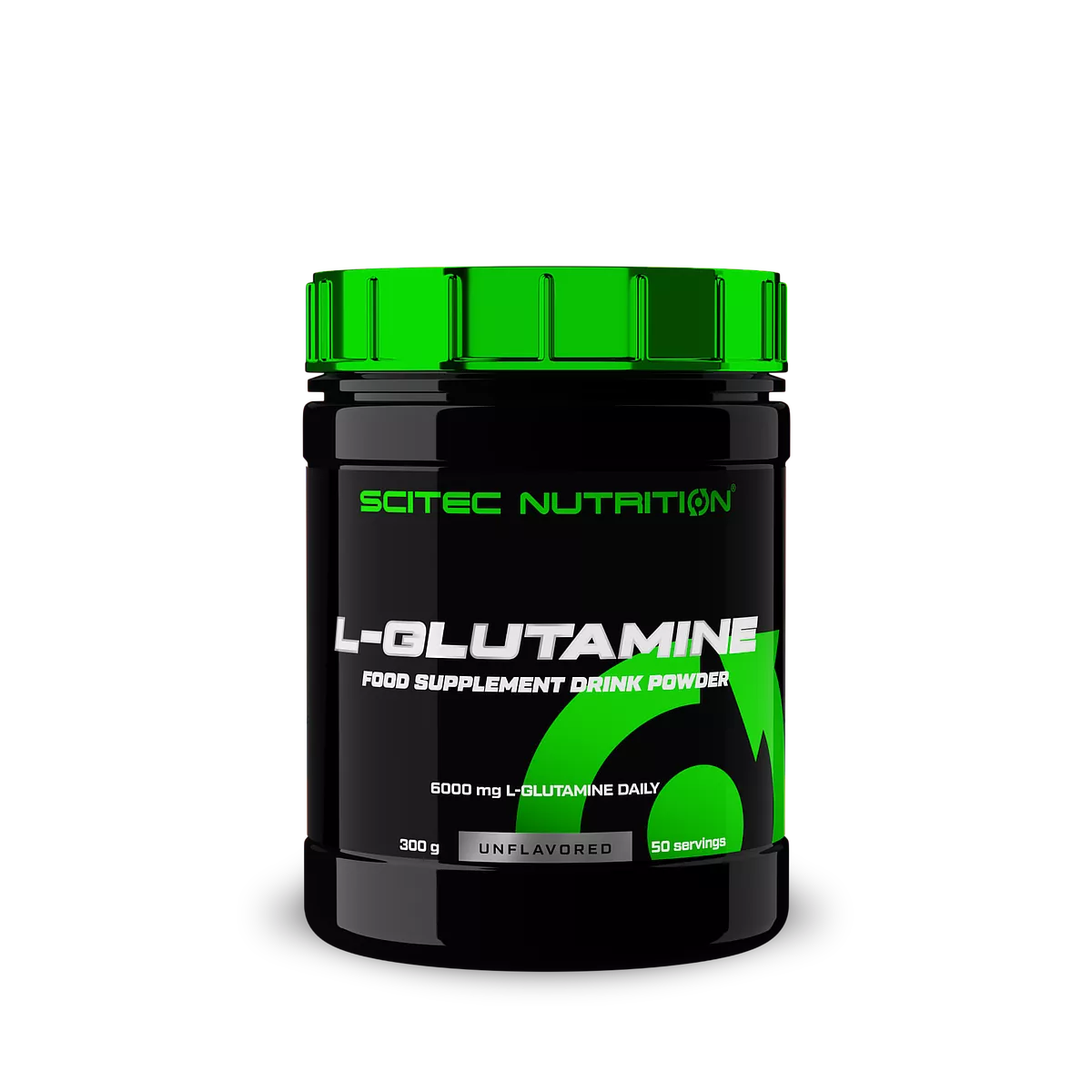 Scitec Nutrition L-Glutamine (300 gr.) – 22.50 €
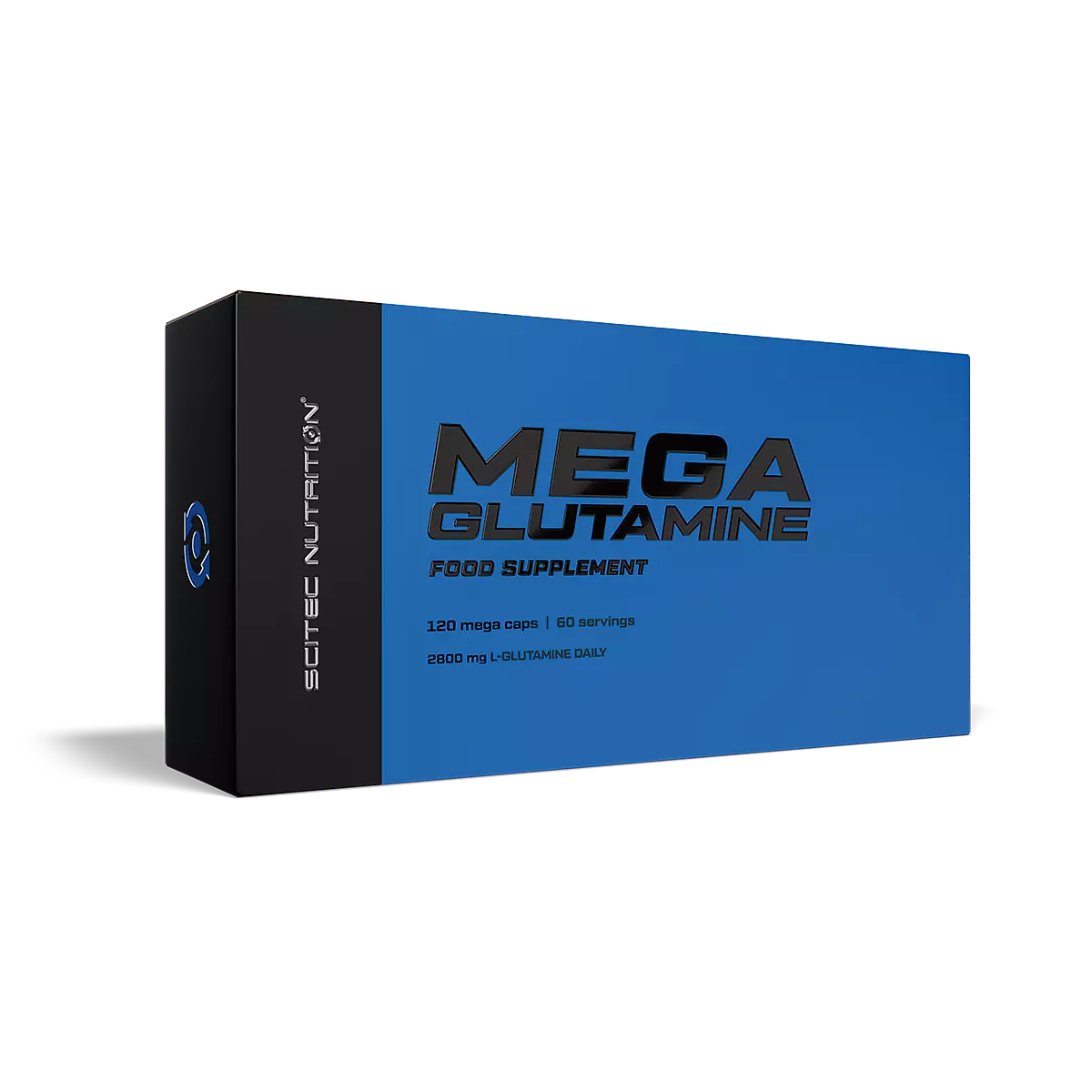 Scitec Nutrition Mega Glutamine (120 caps) – 23.90 €
When selecting a glutamine supplement, discerning buyers should prioritize purity and form. L-Glutamine is the most common and bioavailable form, and reputable brands will often provide third-party testing to verify its quality and absence of contaminants. Look for products that clearly state '100% L-Glutamine' on the label. A common mistake is overlooking the dosage; while general recommendations exist, individual needs vary based on activity level and dietary intake. Consult with a healthcare professional or nutritionist to determine an appropriate dosage, typically ranging from 5-15 grams per day for athletes.
Consider the presence of any additional ingredients. Some glutamine products might be blended with other amino acids or recovery agents. While these can be beneficial, ensure they align with your specific goals and aren't simply fillers. Avoid products with excessive artificial sweeteners, colors, or unnecessary additives. The method of consumption is also a factor; glutamine is available in powder, capsule, and tablet forms. Powder is often preferred for its versatility and cost-effectiveness, easily mixed into water, shakes, or other beverages. Finally, always check the manufacturing practices and certifications of the brand to ensure you are purchasing a safe and effective product.
What is L-Glutamine and why is it important?
L-Glutamine is the most abundant amino acid in the human body, comprising about 60% of free amino acids in muscles. It is classified as "conditionally essential" because during intense training, stress, or illness, the body's needs often exceed its ability to produce it.
Benefits for Athletes and Active Individuals
Glutamine accelerates post-workout recovery, reduces muscle soreness (DOMS), supports protein synthesis, and prevents catabolism. Concurrently, it strengthens the immune system – a critical benefit for heavily trained athletes who often experience illness after a competitive period.
Glutamine for Gut Health
Glutamine is the primary fuel for enterocytes – the cells of the small intestine. It is recommended for leaky gut syndrome, after a course of antibiotics, or for inflammatory bowel diseases. A dosage of 5–10 g daily can help restore the intestinal lining over 4–6 weeks.
When and How to Take It?
Optimal intake: 5 g immediately after training with a protein shake for maximum recovery, and 5 g before bed for nocturnal anabolism. For immune support or intestinal issues – 10 g in the morning on an empty stomach with water. The powder is tasteless and dissolves easily.
Glutamine Quality and Form
The purest and most absorbable form is micronized L-Glutamine powder. Capsules are convenient but require a larger number for the same dose. SportZone offers glutamine from leading brands with laboratory certificates for over 99% purity.