Cardio machines
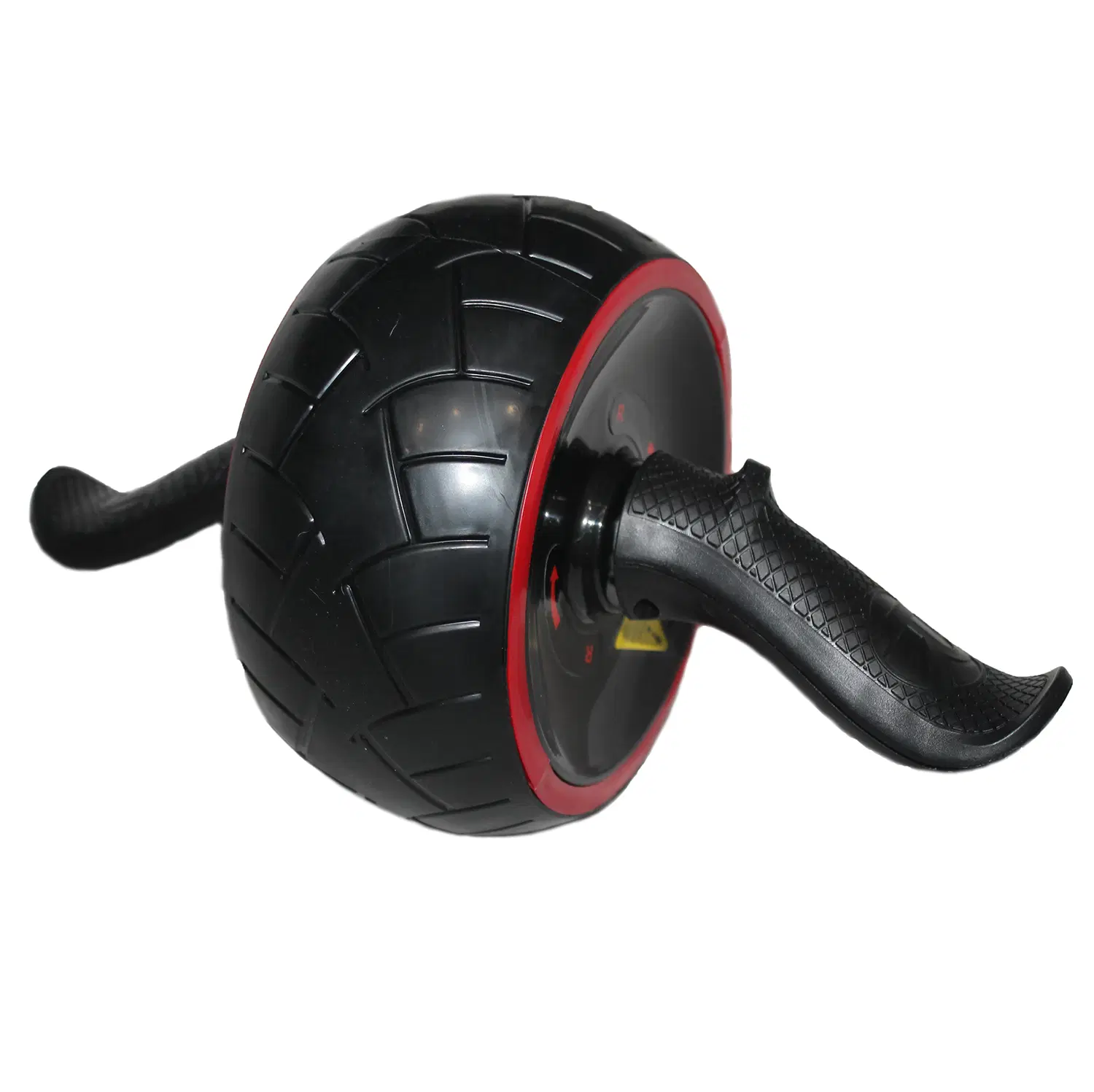
Effective cardio training is at the core of every combat sport, boosting endurance, explosive power, and recovery speed. That’s why, at SportZone, we’ve selected two machines designed to take your conditioning to the next level. Each one is built to withstand intensive use, featuring reinforced steel frames and components that guarantee durability and seamless operation.
Choosing the right cardio machine depends on your specific training goals and preferences. For fighters who need maximum leg engagement and movement simulation, an elliptical trainer offers smooth, low-impact motion that’s gentle on joints while engaging the entire body. If your goal is explosive power and increased stamina for high-intensity rounds, a treadmill with adjustable incline and speed is ideal for interval training, simulating the demands of sparring or competition.
When selecting a cardio machine, consider the following aspects:
- Maximum user weight: Ensure the machine can support your weight, especially if you are a heavier fighter.
- Training programs: Diverse programs will help you vary your workouts and achieve better results.
- Motor power (for treadmills): A more powerful motor ensures smoother operation and a longer lifespan for the machine under intense use.
Why you need cardio machines
After a heavy weight training session, I often use cardio machines for active recovery. Sometimes, when it's raining outside or too cold to run, at home is the only option. In the morning, before work, I do a short cardio session to wake up my body and burn some calories.
How I choose
For an exercise bike, I look for a flywheel of at least 8-10 kg for smooth movement and a stable steel frame. For treadmills, I look for a motor with a minimum of 2.5 horsepower and a belt width of at least 45 cm for comfort. Elliptical machines should have a stride length of over 40 cm, and rowing machines should have a strong resistance mechanism, such as magnetic or air. The common factor is that they should withstand a weight of up to 120-130 kg and have a warranty of at least 2 years.
What we offer
In our store, we primarily focus on quality. That's why we work with SZ Fighters and SZ Sport. They offer machines that have been tested and proven over time. I won't mislead you with something that will break after a few months. We prefer a higher price but greater durability.
A piece of advice from me
Don't buy the cheapest option, so you don't regret it later. It's better to invest once in a quality machine that will serve you for years.