Колагенови пептиди
Collagen peptides are hydrolyzed collagen with a molecular weight under 5000 daltons, allowing over 90% absorption in the intestines. They deliver the amino acids glycine, proline, and hydroxyproline — the building blocks of connective tissue.
There are 3 main types of collagen: Type I (skin, bones, tendons), Type II (cartilage, joints), Type III (muscles, blood vessels). A quality product combines at least two types.
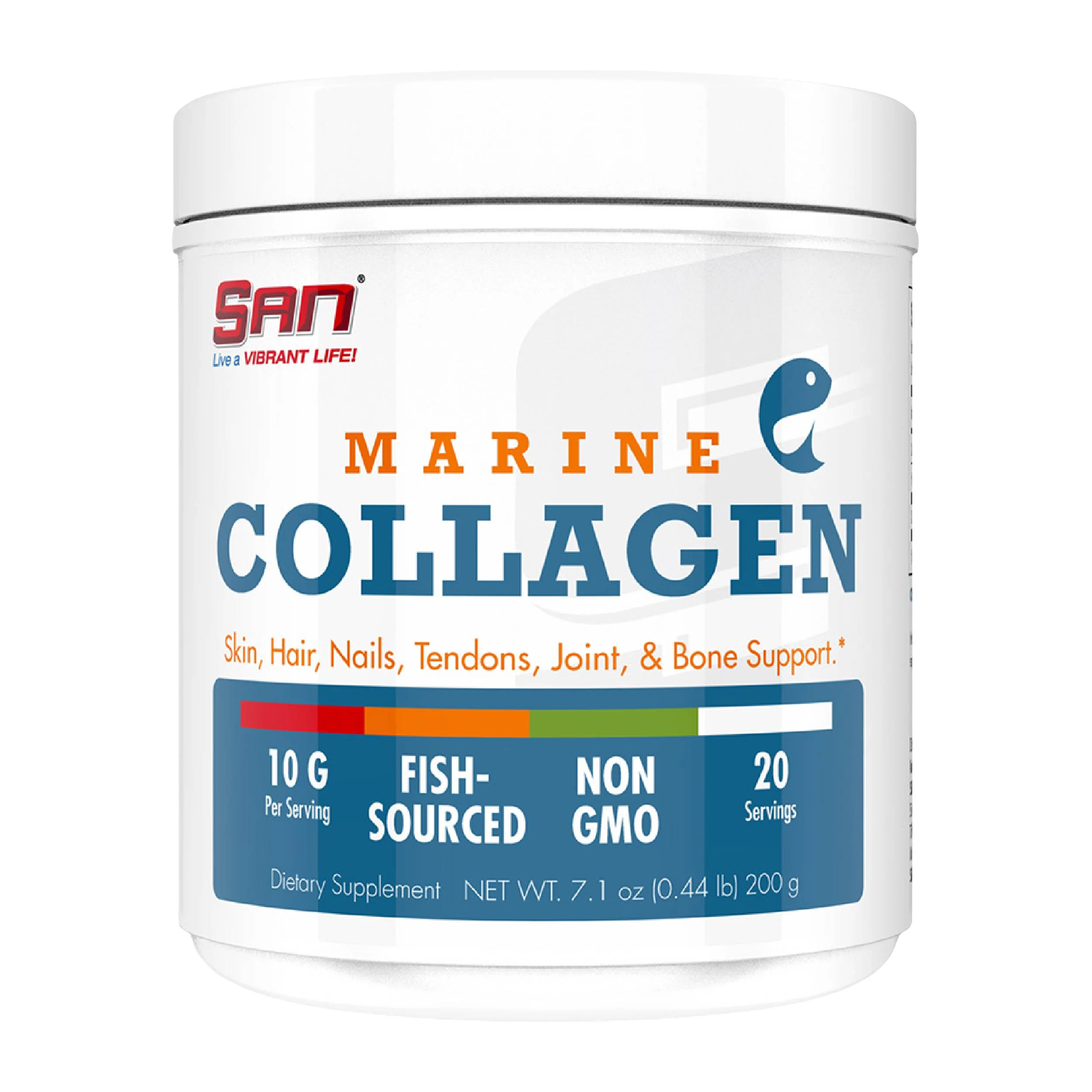
- SAN Marine Collagen – 26.99 €
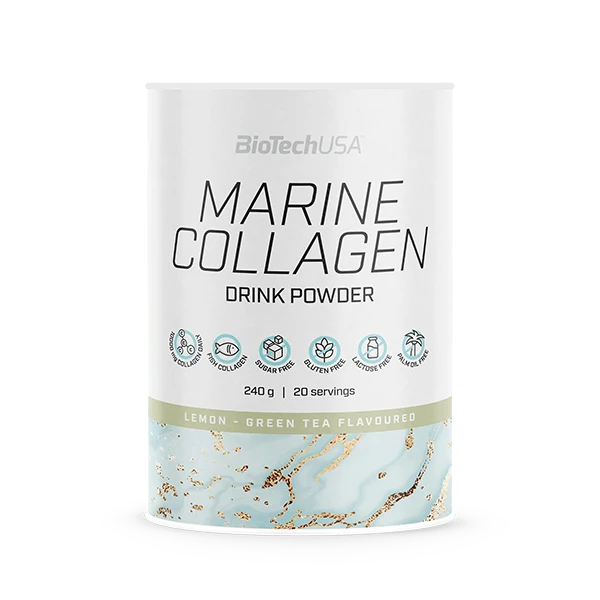 BioTech USA Marine Collagen drink powder - 240 g – 47.90 €
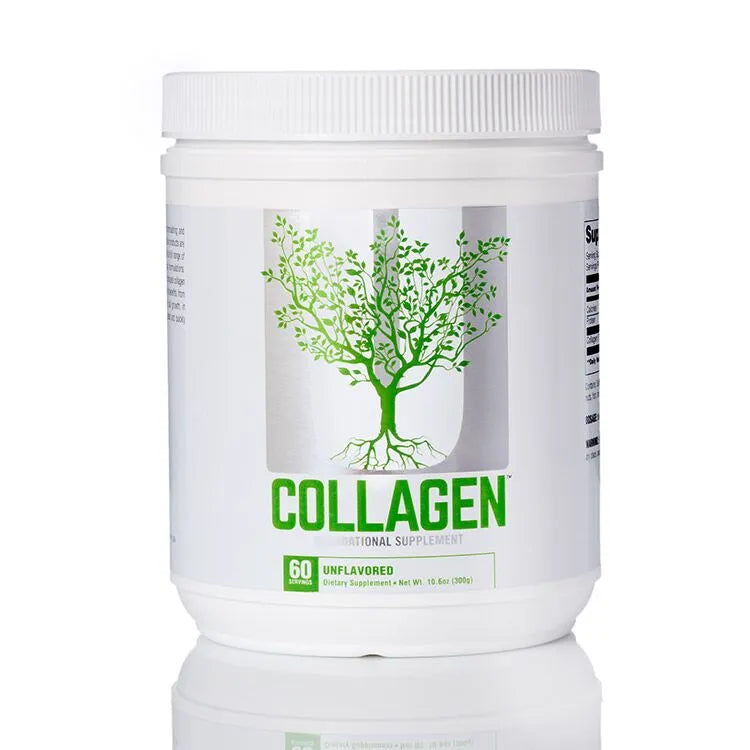 Universal Nutrition Collagen 300 г – 24.95 €
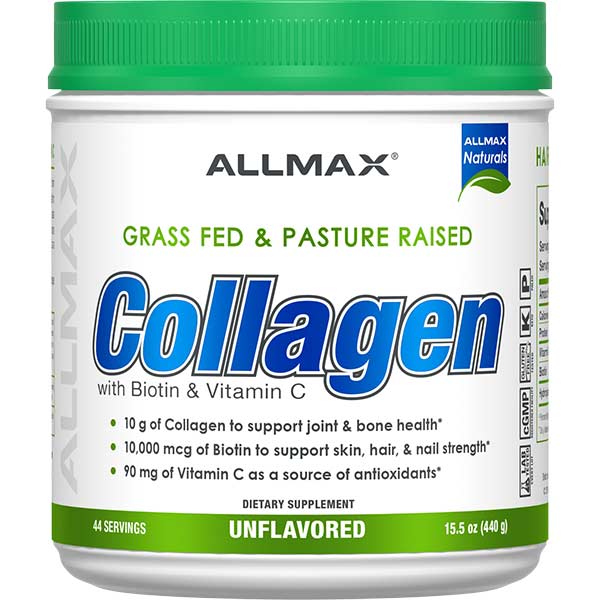 Allmax Collagen Peptides Powder + Vitamins – 30.00 €
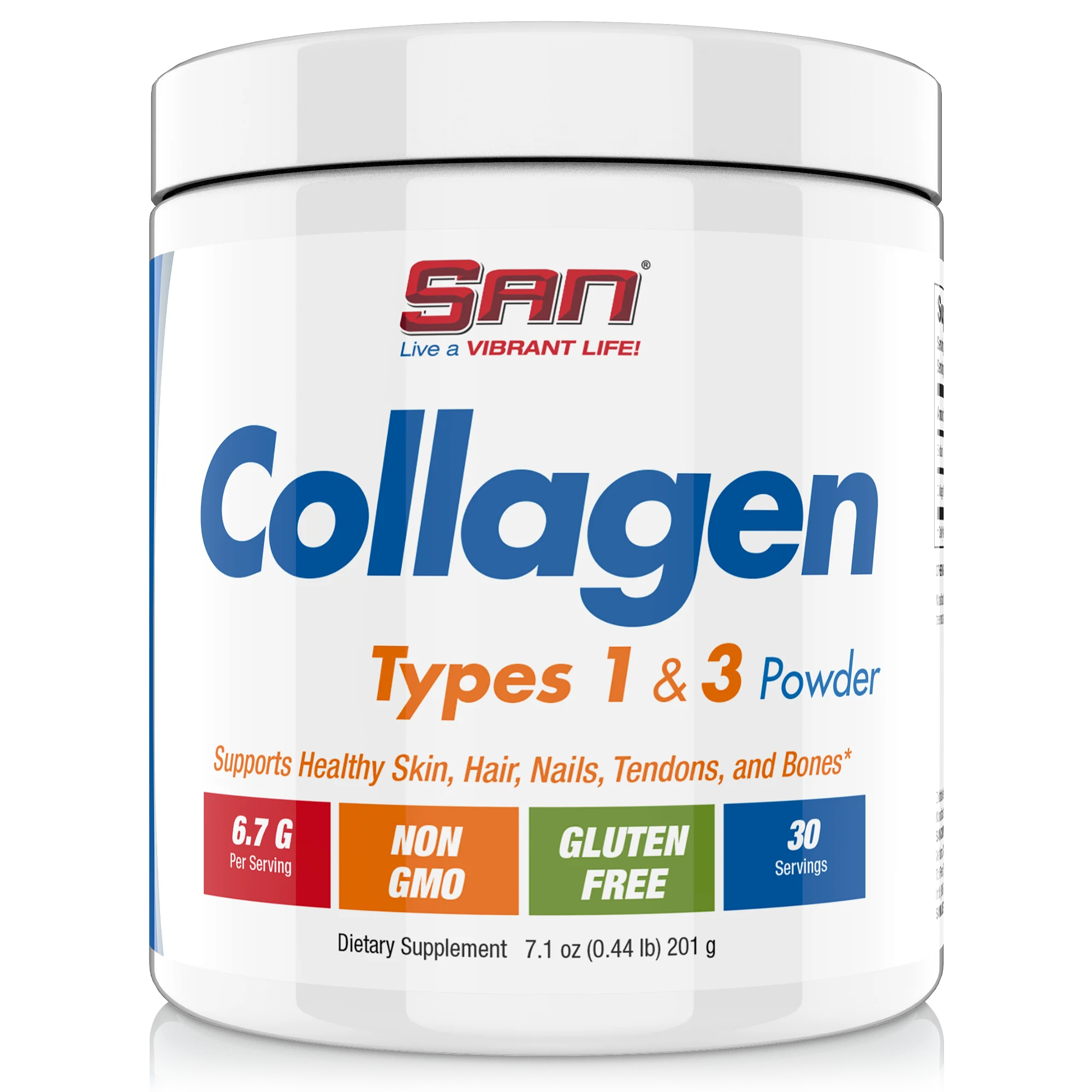 SAN Collagen Types 1 & 3 30 дози – 22.98 €
 SAN Collagen Types 1 & 3 90 таблетки – 12.99 €
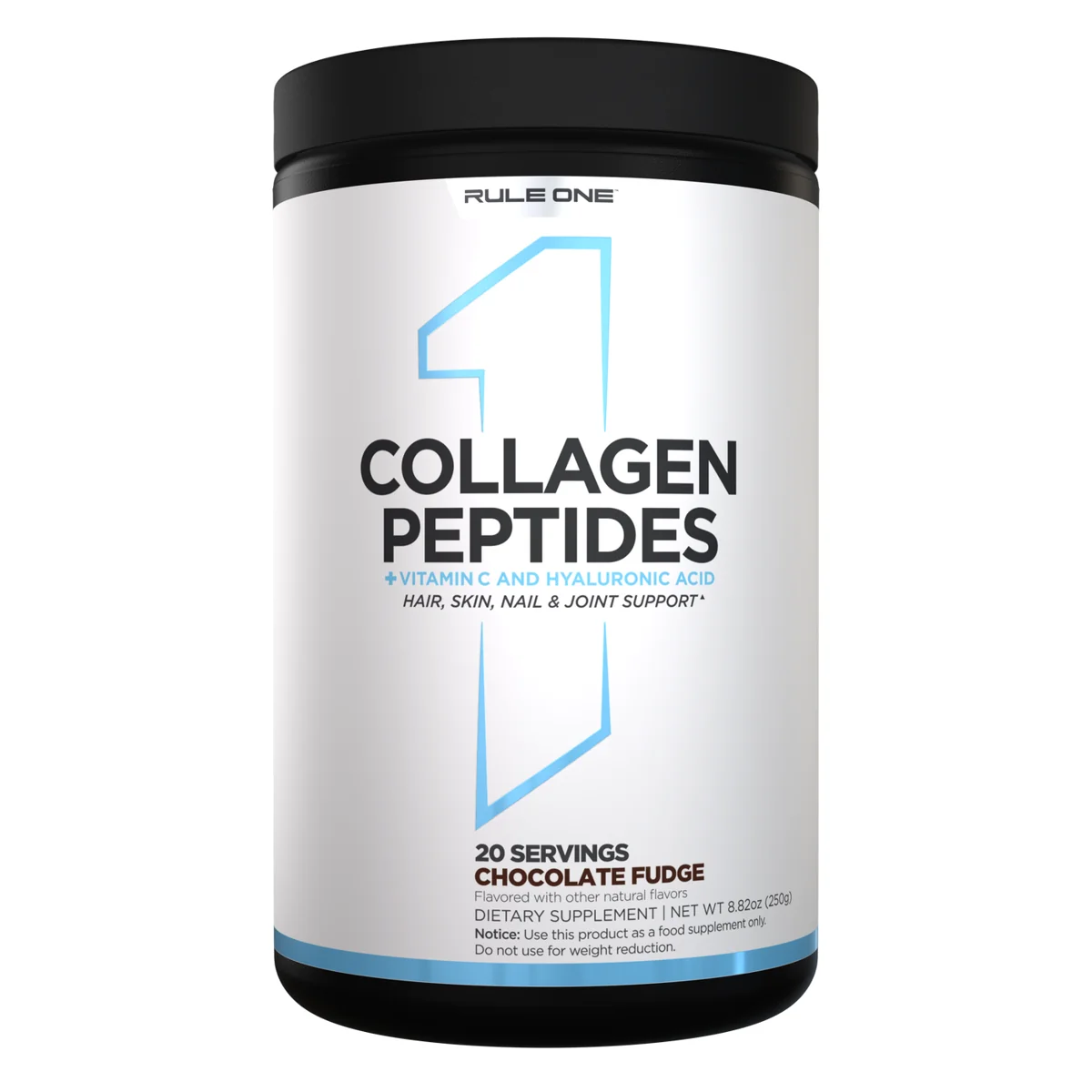 Rule 1 R1 Collagen Peptides 20 дози – 24.99 €
 Real Pharm Kolagen+ 60 таблетки – 6.65 €
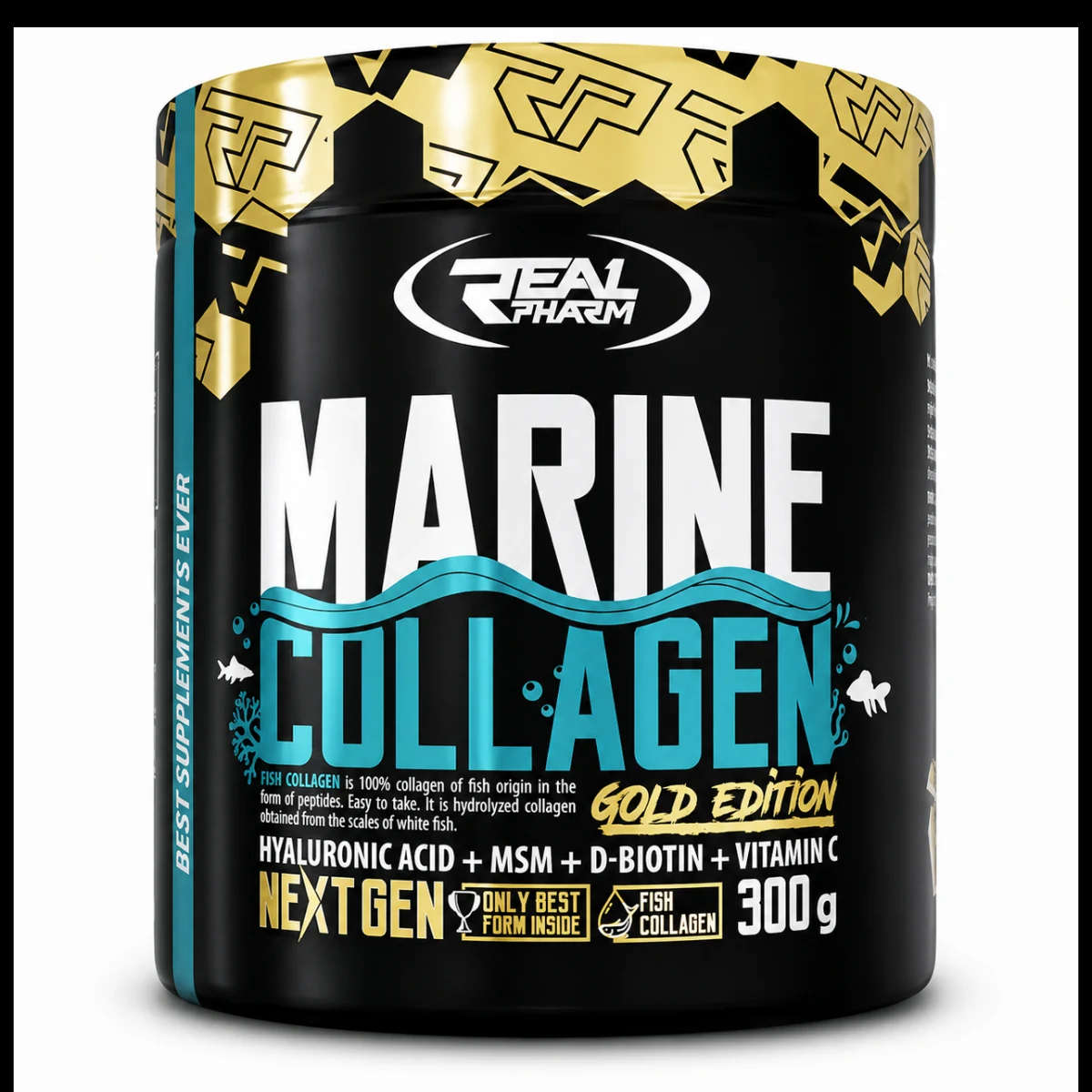 Real Pharm Marine Collagen 300 g – 23.01 €
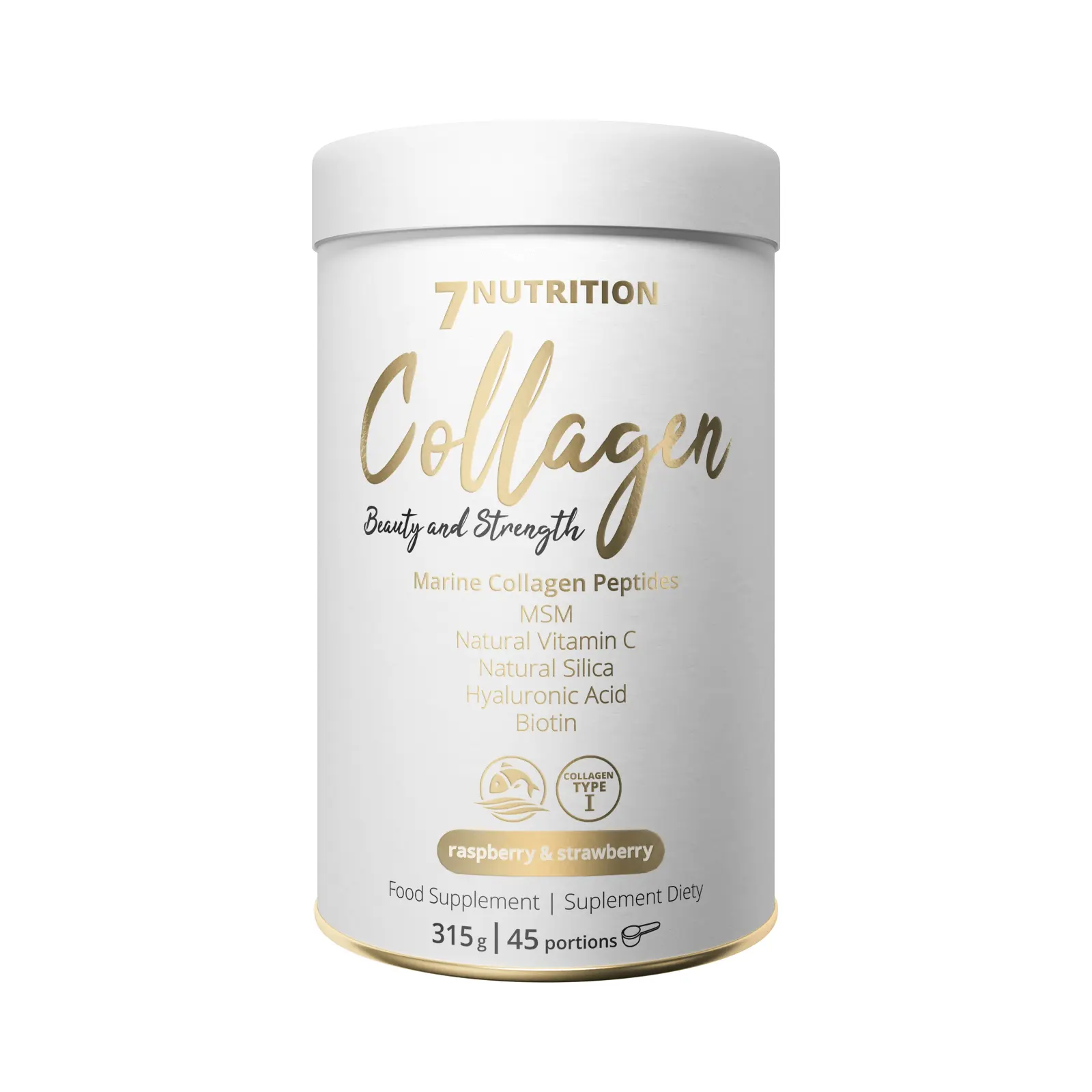 7Nutrition - MARINE COLLAGEN 315 g – 40.90 €
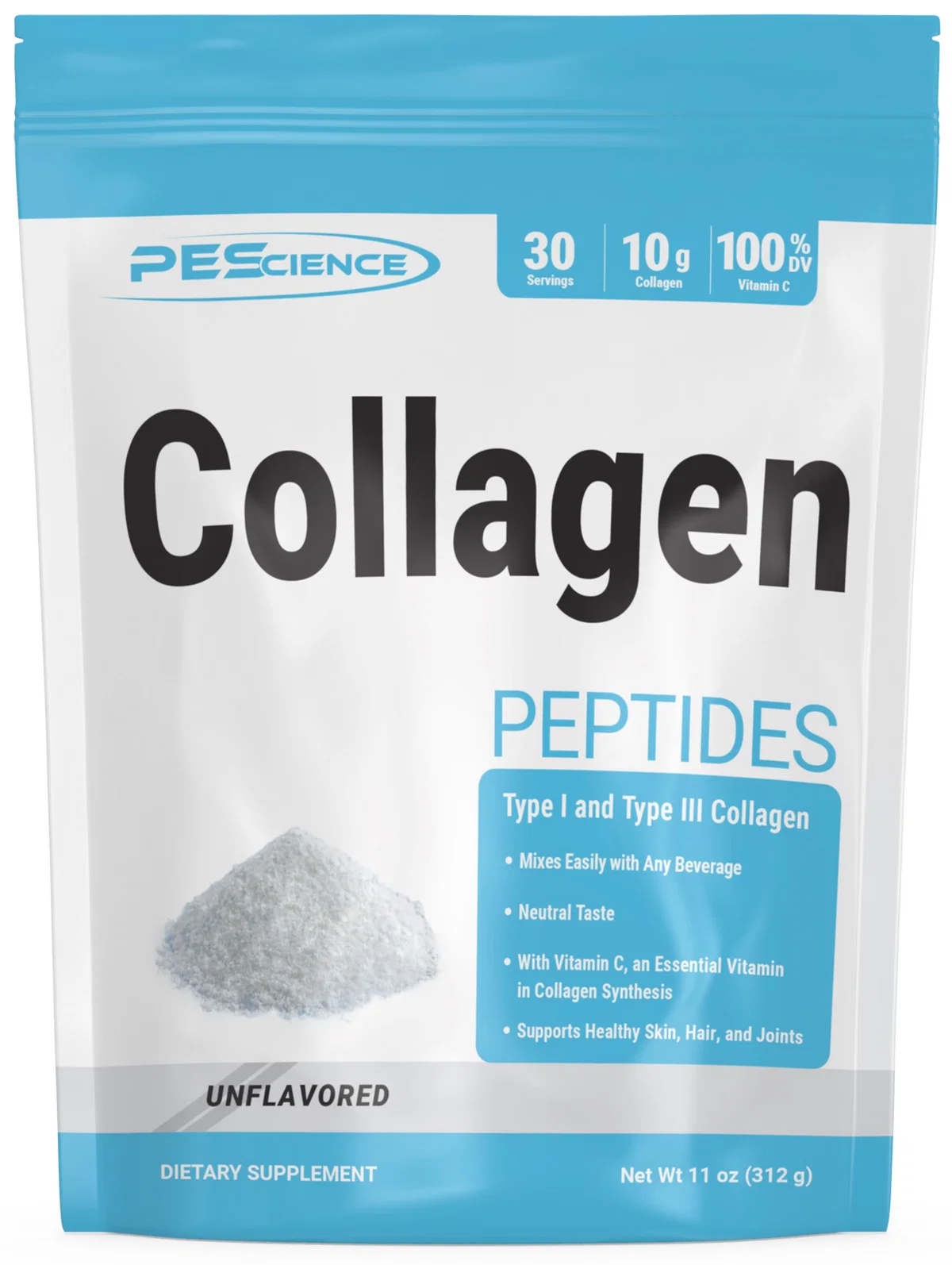 PEScience Collagen Peptides (30 порции) – 24.99 €
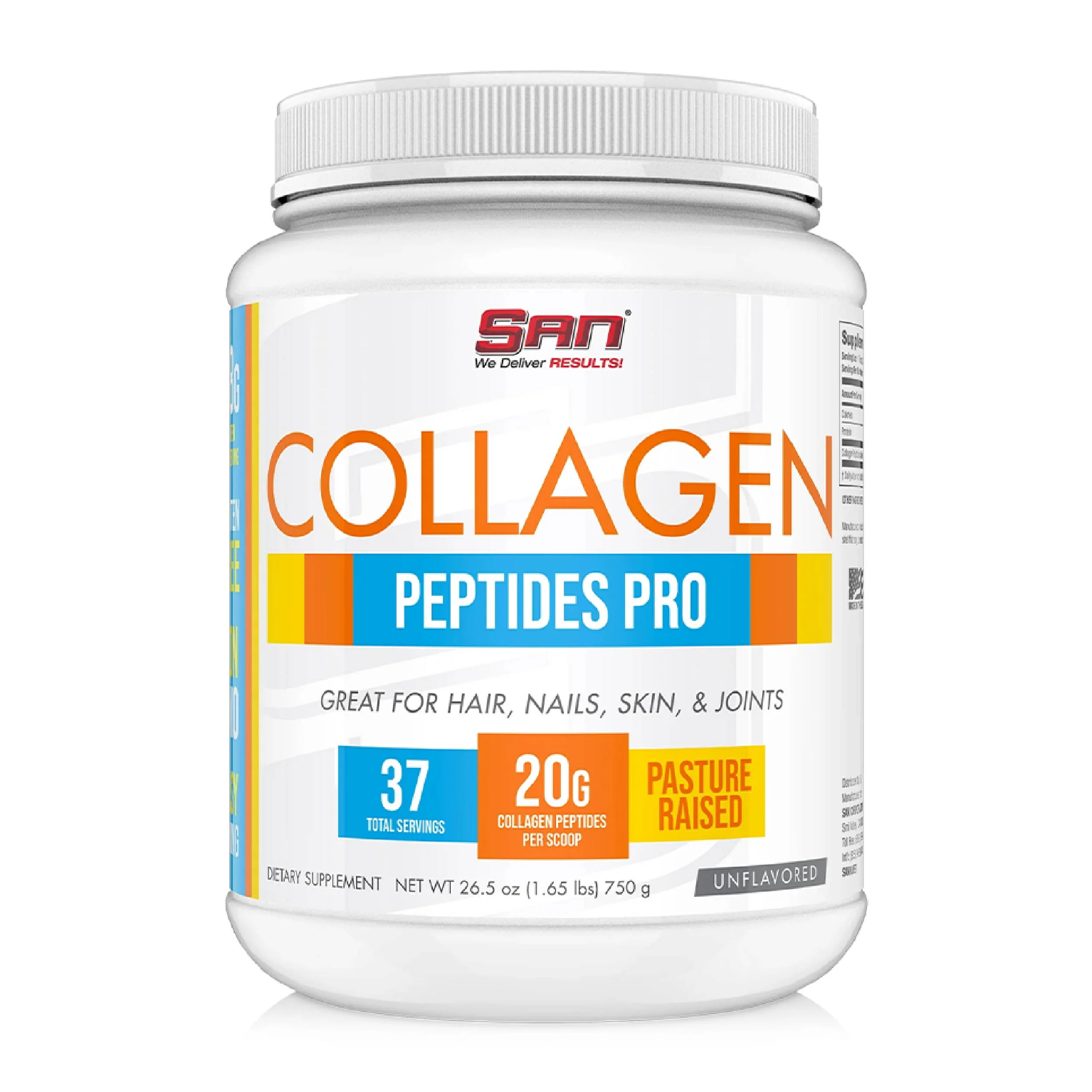 SAN Collagen Peptides Pro – 22.98 €
 BioTech USA Clear Collagen Professional - 350 g – 39.90 €
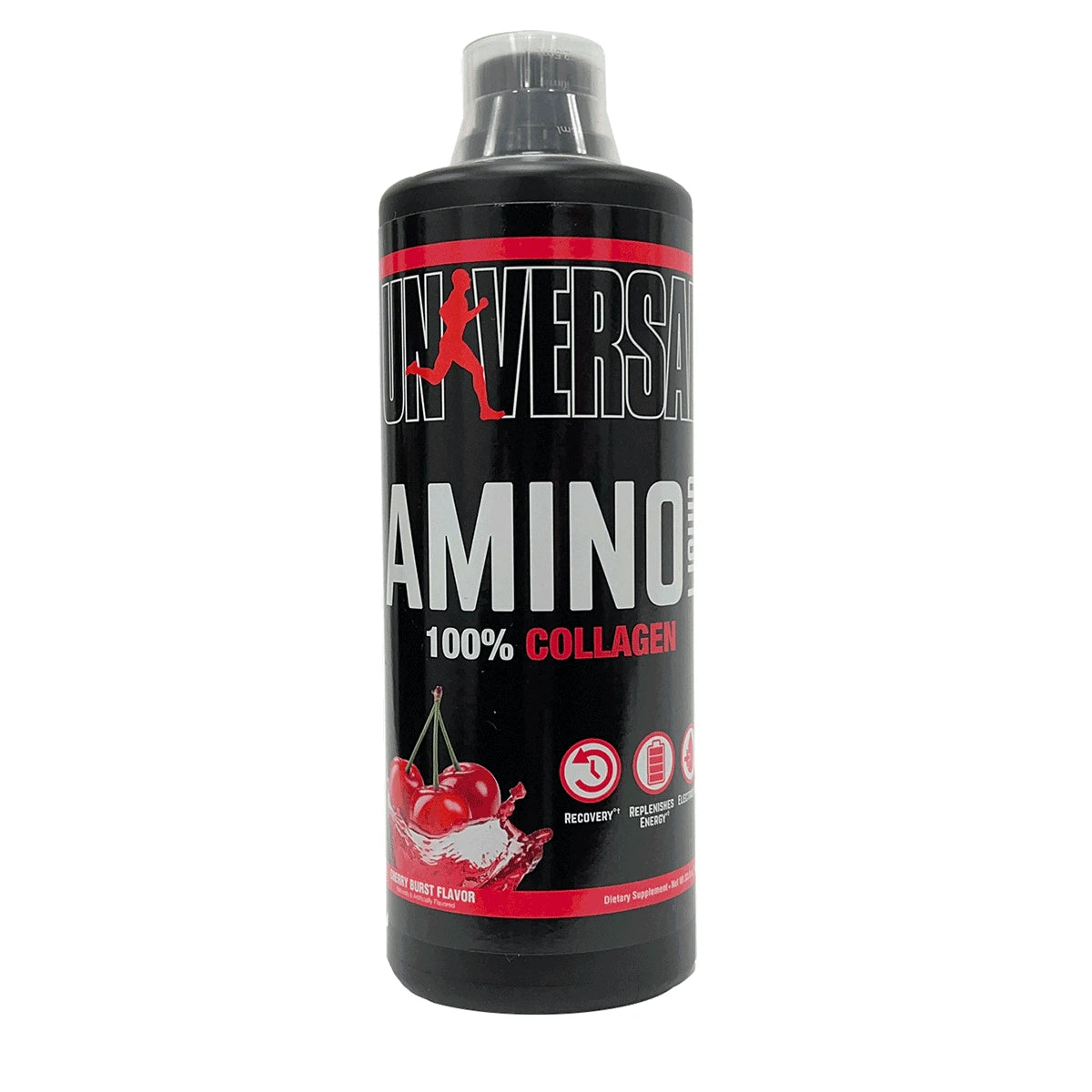 Universal Nutrition Liquid Collagen 1000 мл – 27.50 €
 BioTech USA Hair, Skin & Nails - 54 capsules – 19.90 €
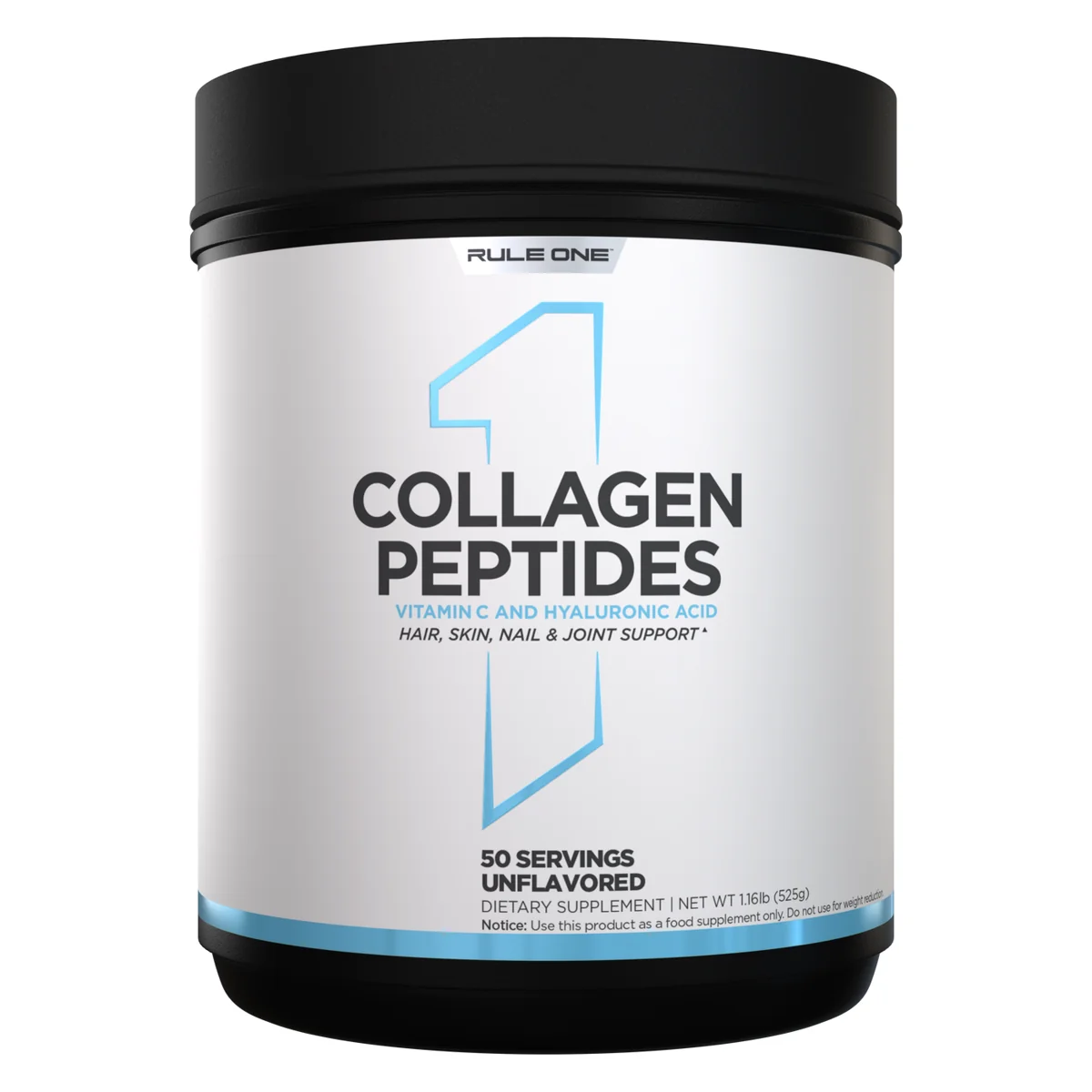 Rule 1 R1 Collagen Peptides 50 дози безвкусен – 34.99 €
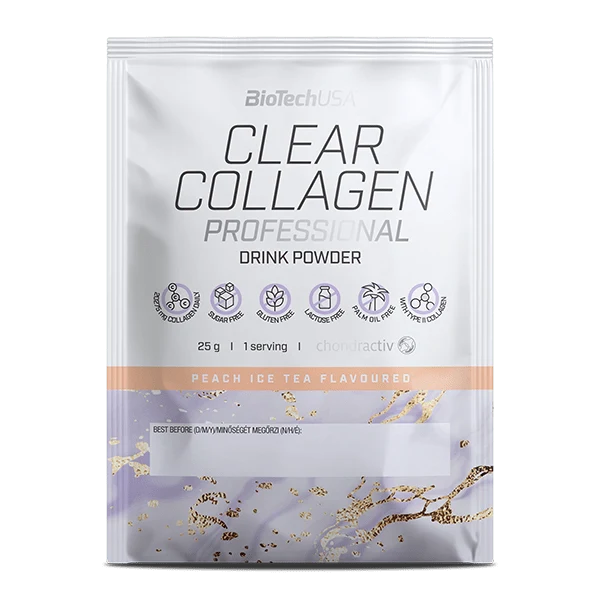 BioTech USA Clear Collagen Professional - 25 g – 3.90 €
 BioTech USA Hyaluronic&Collagen - 120 capsules – 27.90 €
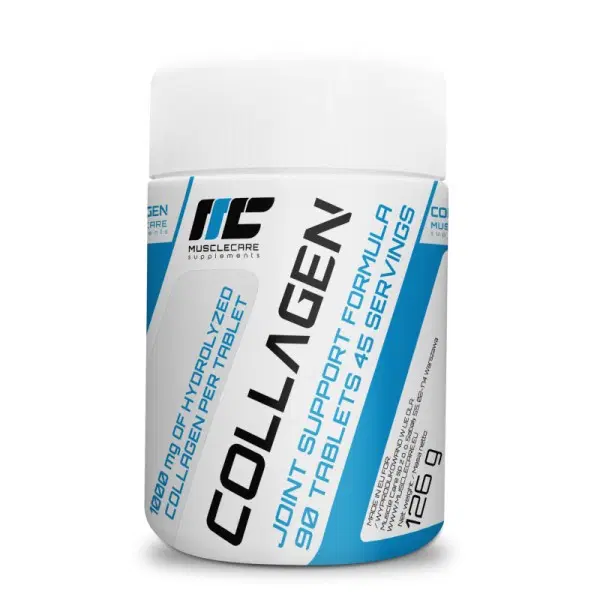 Muscle Care - Collagen / 90tabs – 9.20 €
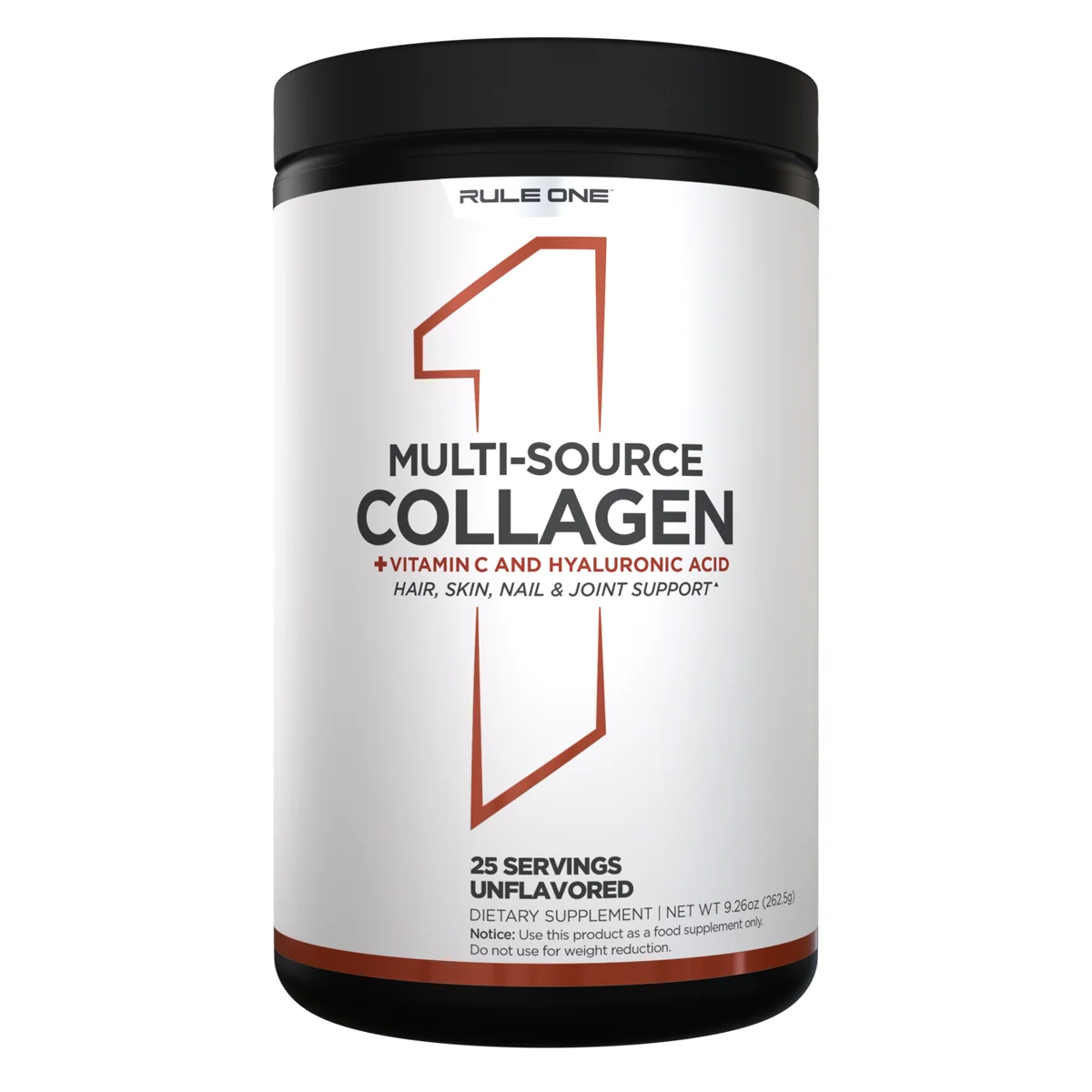 Rule 1 R1 Multi-Source Collagen 25 дози – 27.99 €
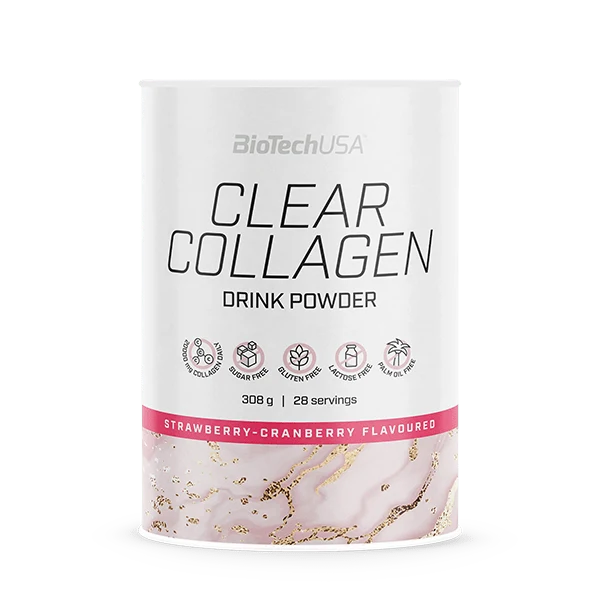 BioTech USA Clear Collagen drink powder - 308g – 33.90 €
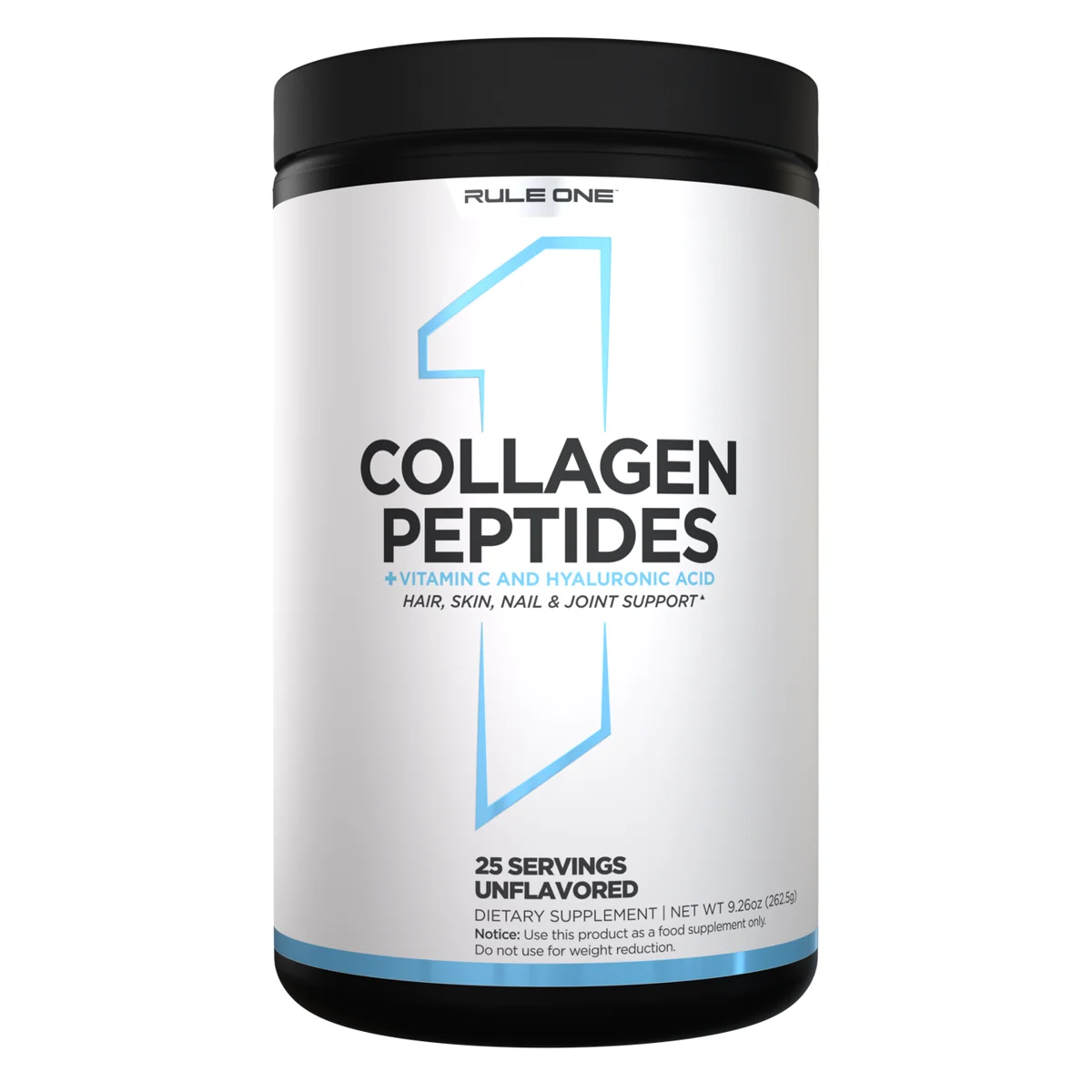 Rule 1 R1 Collagen Peptides 25 дози безвкусен – 19.99 €
What are collagen peptides?
Collagen peptides (collagen peptides / hydrolyzed collagen) are hydrolyzed collagen — natural collagen broken down by enzymatic hydrolysis into small molecules with a mass of under 5,000 daltons. This allows over 90% absorption in the small intestine, while ordinary dietary collagen is broken down into individual amino acids. Peptides reach tissues intact and stimulate fibroblasts to produce new collagen.
What do collagen peptides help with?
- Skin — improve elasticity, hydration, and reduce wrinkles (4–8 weeks).
- Joints and cartilage — reduce pain and improve mobility in osteoarthritis (12–24 weeks).
- Hair and nails — accelerate growth and reduce brittleness.
- Bones — increase bone density in postmenopausal women.
- Tendons and ligaments — reduce the risk of injuries in athletes.
- Muscle mass — combined with training and protein, supports hypertrophy.
Dosage and timing of intake
The recommended dose is 10–20 g daily, depending on the goal. For skin — 2.5–10 g, for joints — 10–15 g, for muscles and bones — 15–20 g. Taking on an empty stomach with 50–100 mg of vitamin C increases effectiveness, because vitamin C is a cofactor for the hydroxylation of proline and lysine in the synthesis of new collagen.
Types of collagen — which for what?
There are 28 types of collagen in the body, but three are most important for supplements: Type I (90% of the body — skin, bones, tendons), Type II (cartilage, joints), and Type III (muscles, blood vessels). A quality product combines at least Type I + III, and specialized joint formulas also add Type II (UC-II). Marine collagen has the best bioavailability for skin, while bovine is more economical and versatile.