Complex amino acids
Daily intake of 10-20 grams of complex amino acids can significantly accelerate recovery and muscle mass growth after intense workouts. This is especially important for athletes whose protein needs exceed standard recommendations. Complex amino acids provide a full spectrum of essential and non-essential amino acids, thereby supporting optimal protein synthesis in the body. According to the International Society of Sports Nutrition (ISSN), adequate amino acid intake is critical for maintaining a positive nitrogen balance and minimizing muscle catabolism.
In my practice, I observe that clients who include complex amino acids in their regimen report less muscle soreness and faster recovery between workouts. This allows them to maintain higher intensity and frequency of training, which directly correlates with better results. Our assortment of 18 products in this category offers a variety of formulas tailored to different needs and preferences.
When choosing complex amino acids, pay attention to the ratio of branched-chain amino acids (BCAAs) – leucine, isoleucine, and valine, as well as the presence of glutamine. The dosage should be adjusted according to your training intensity and total daily protein intake.
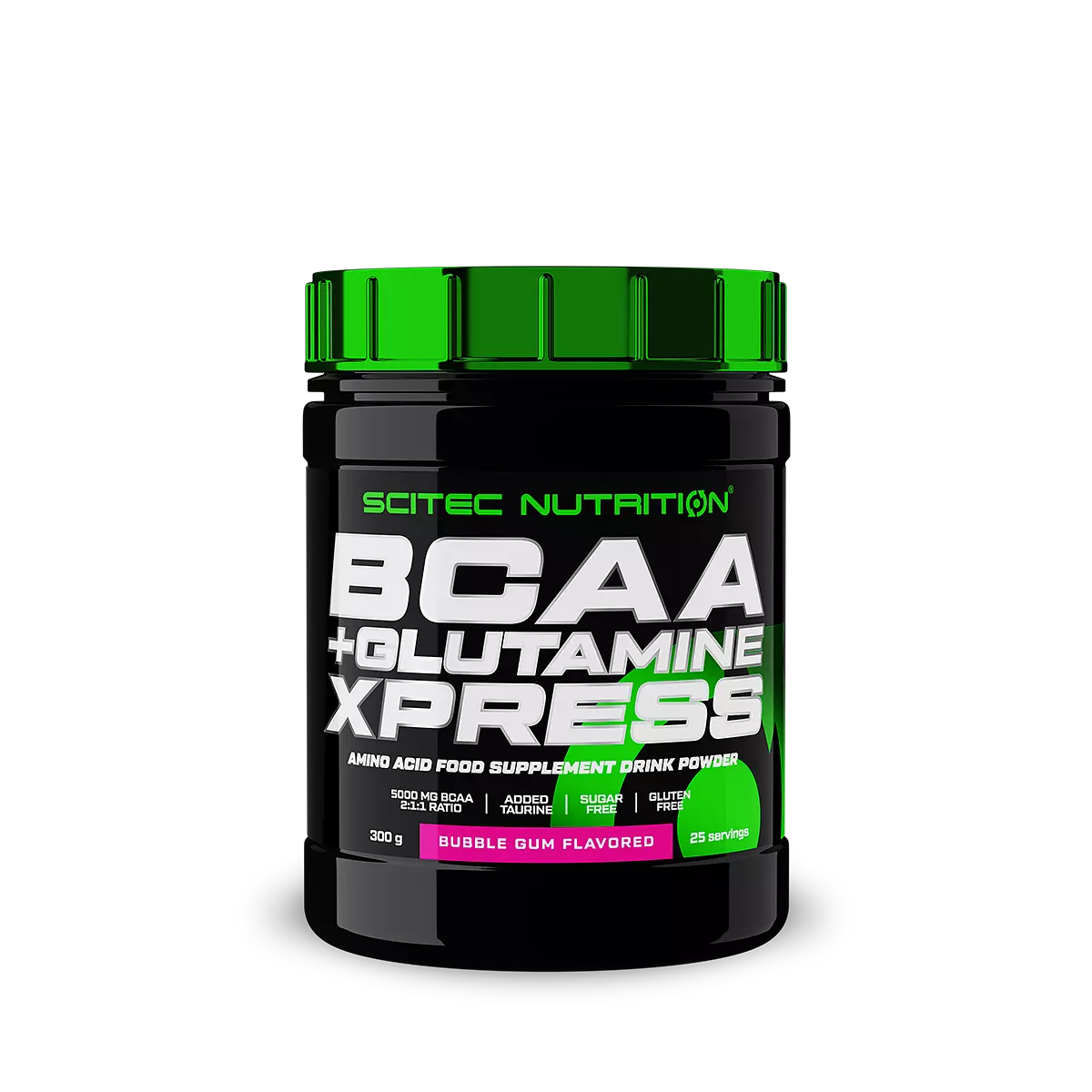
- Scitec Nutrition BCAA + Glutamine Xpress (300 gr.) – 25.90 €
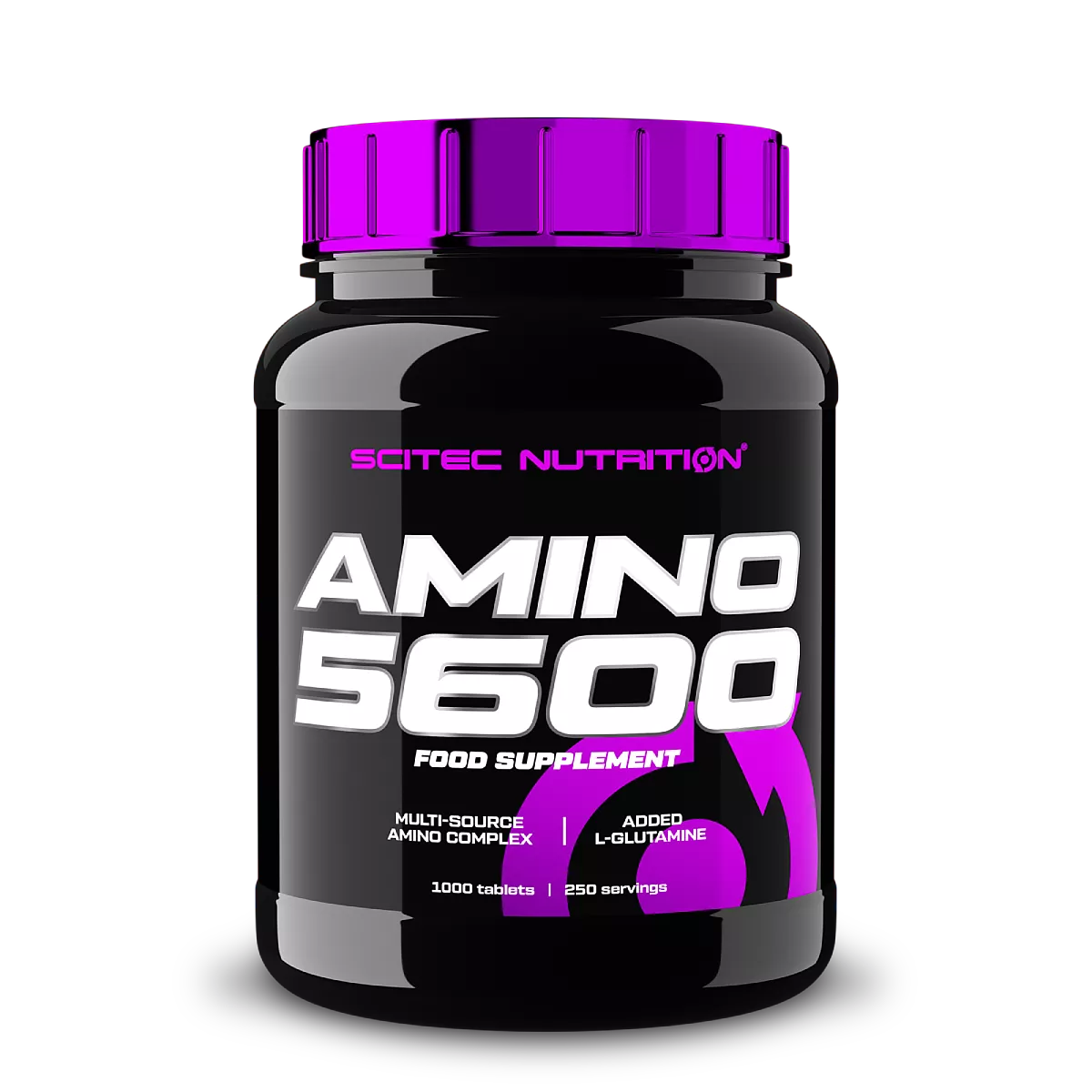 Scitec Nutrition Amino 5600 (1000 tab.) – 57.90 €
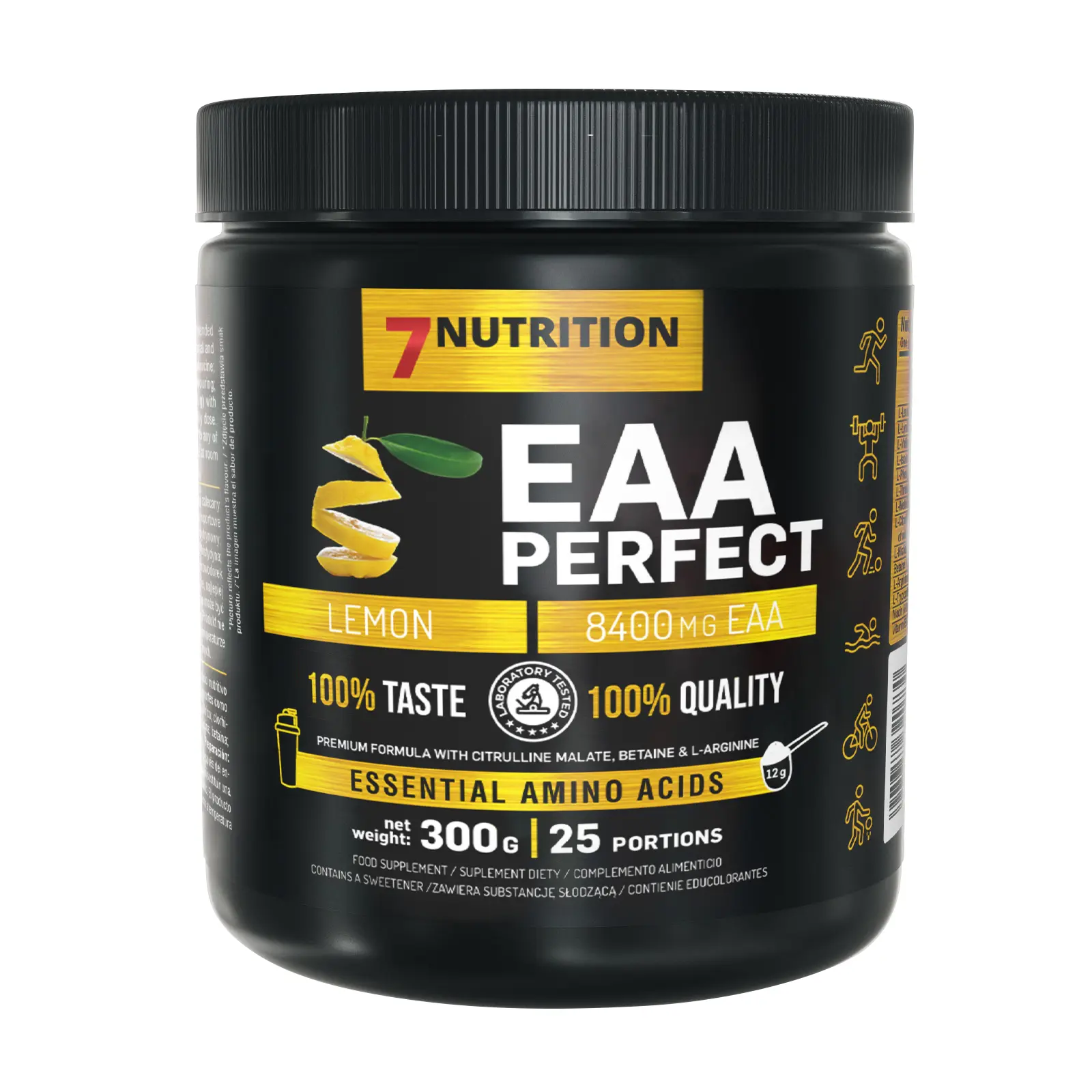 7Nutrition - EAA PERFECT 300 G – 18.99 €
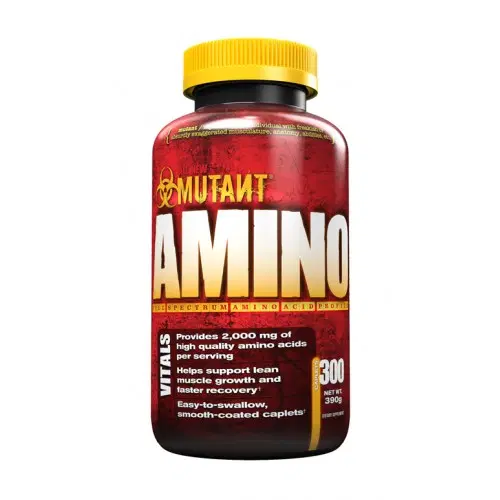 Mutant - Amino / 300 tabs. – 26.59 €
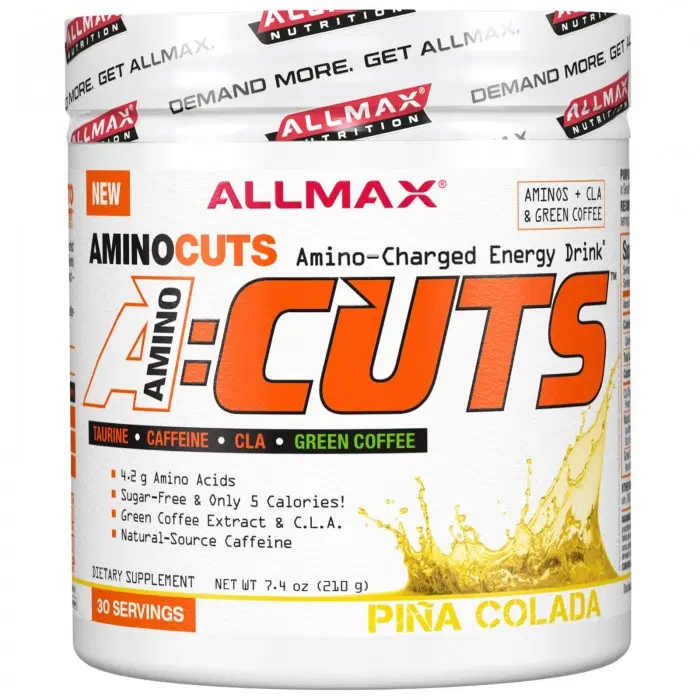 AllMax - ACuts / 210gr. – 24.03 €
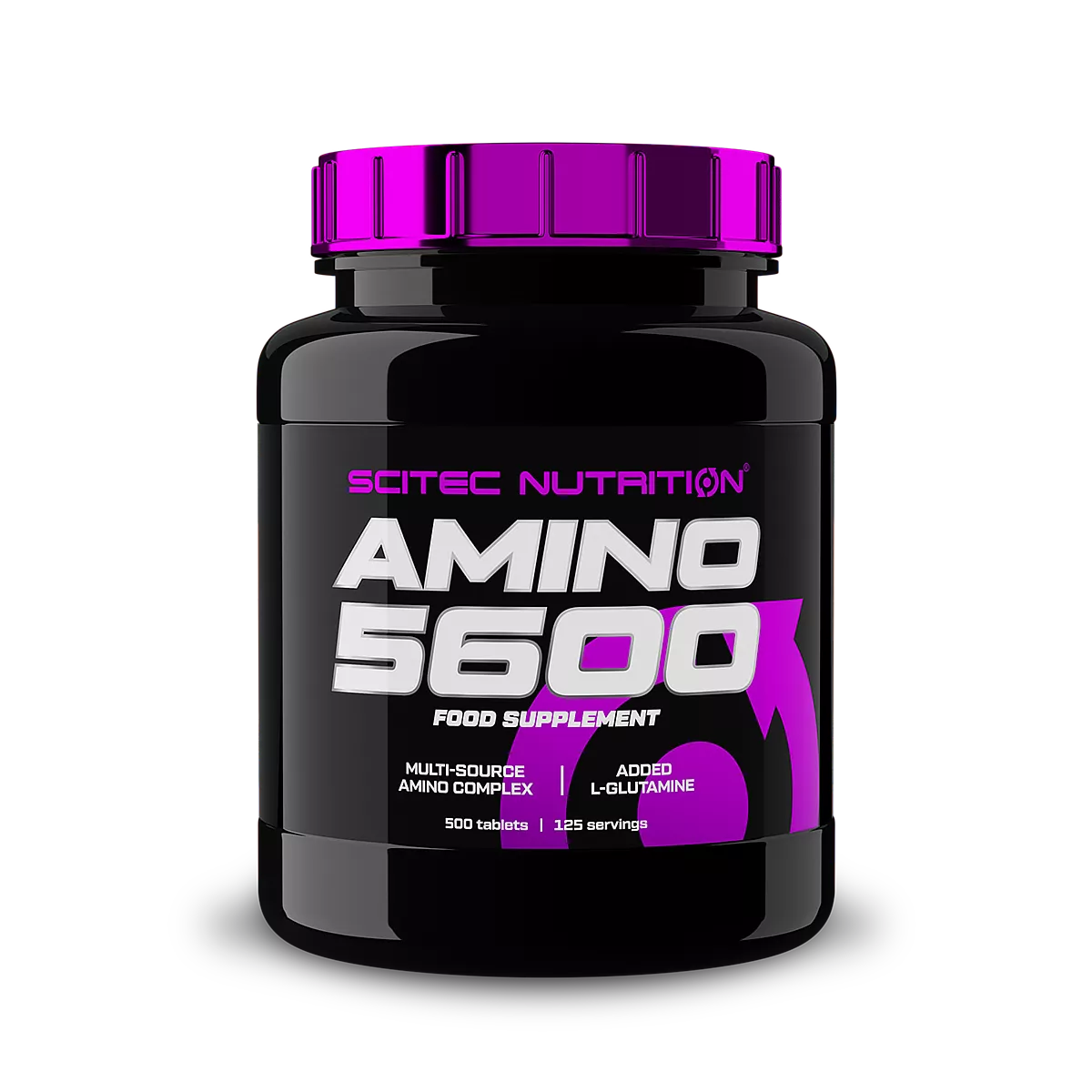 Scitec Nutrition Amino 5600 (500 tab.) – 39.90 €
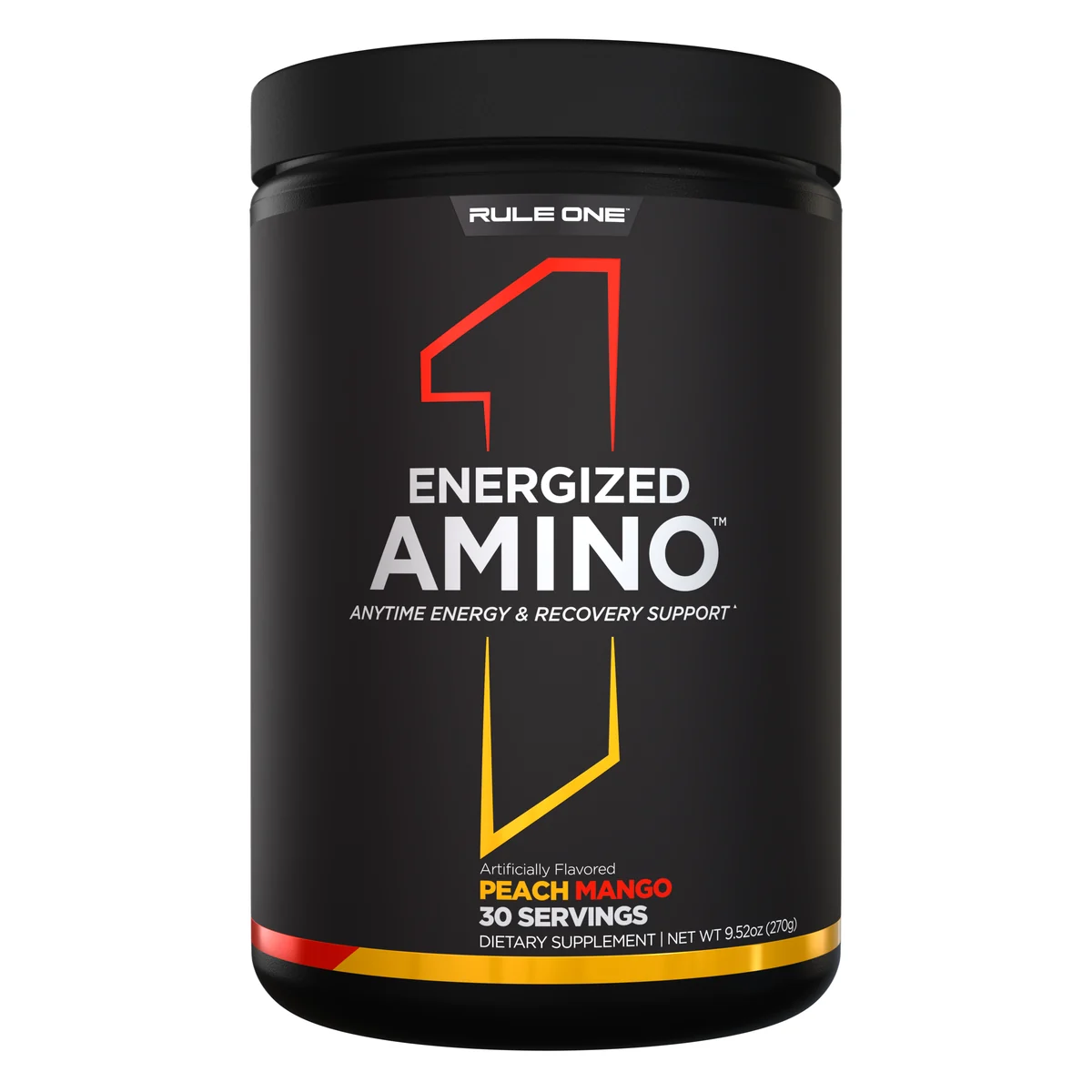 Rule 1 R1 Energized Amino 30 дози – 19.99 €
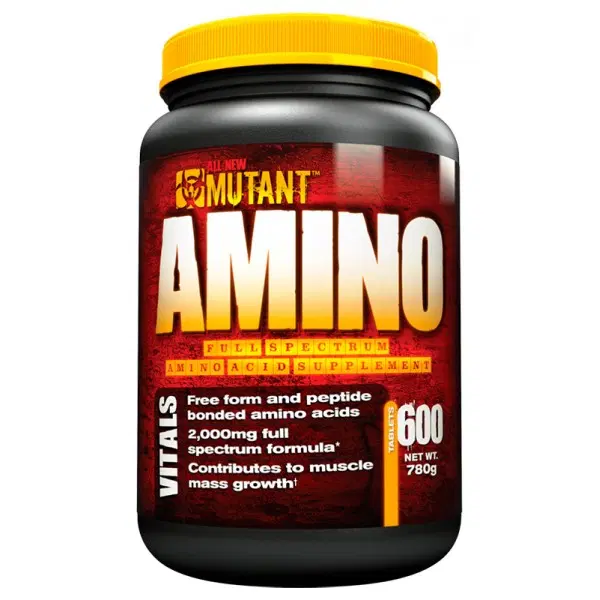 Mutant - Amino / 600 tabs. – 49.08 €
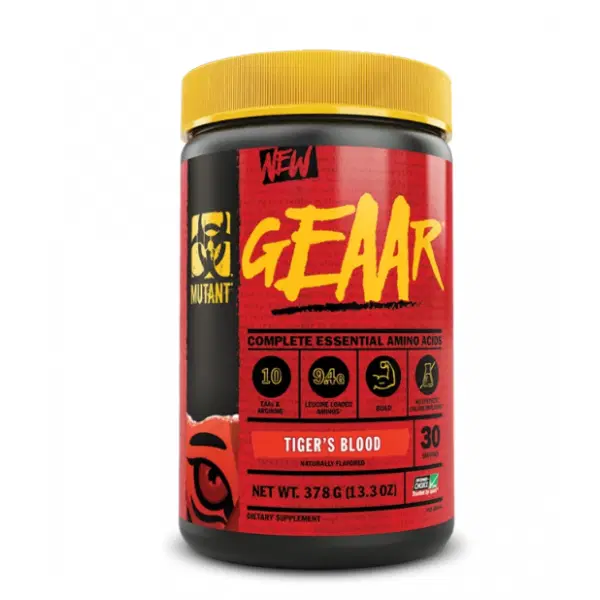 MUTANT - GEAAR / 378g – 35.79 €
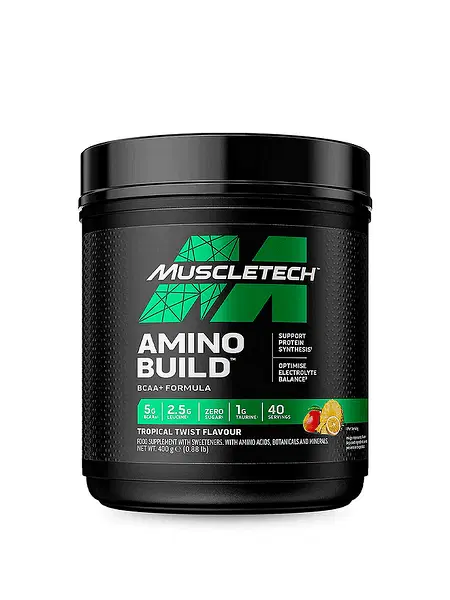 Amino Build MuscleTech 400 грама 40 дози – 61.61 €
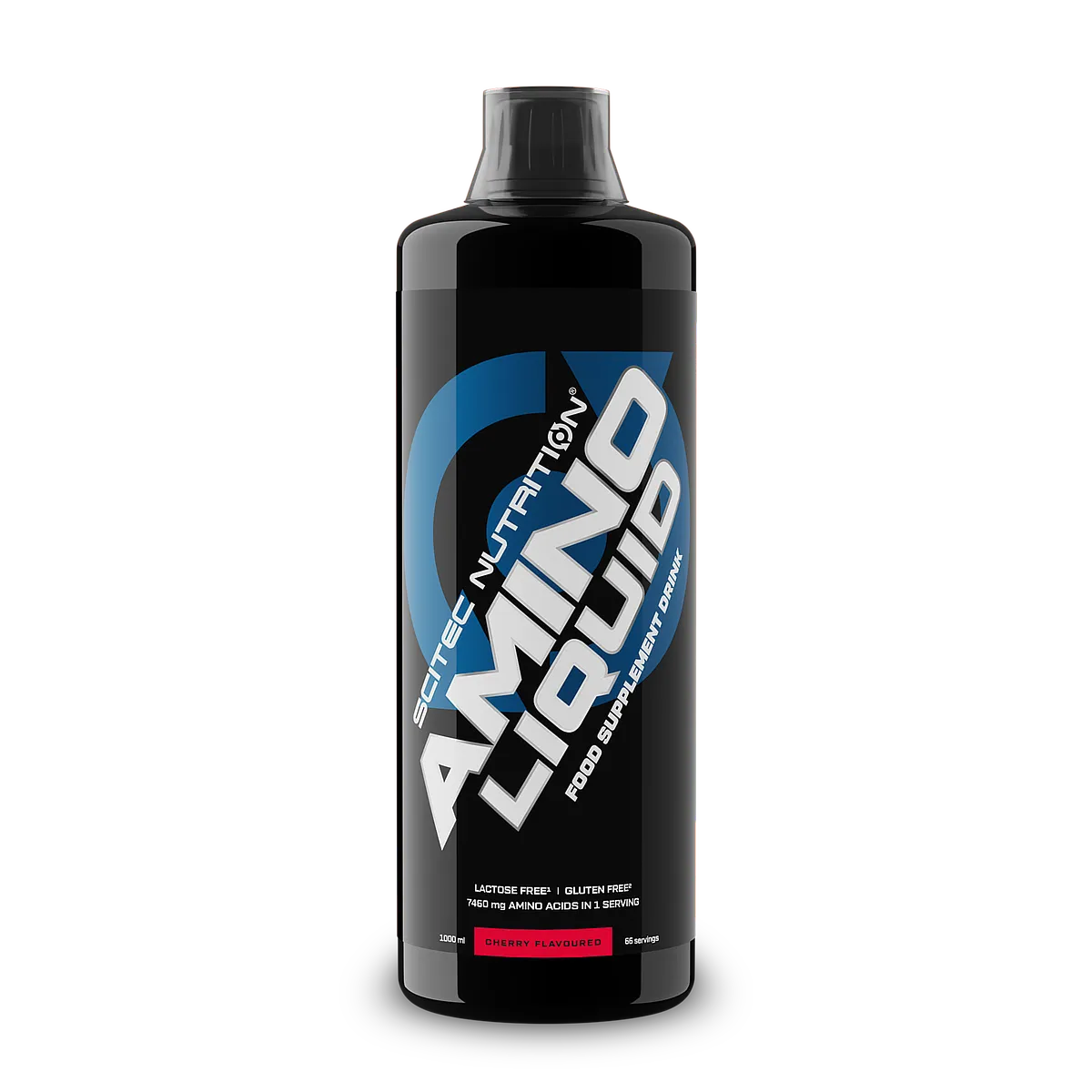 Scitec Nutrition Amino Liquid (1 lit.) – 36.90 €
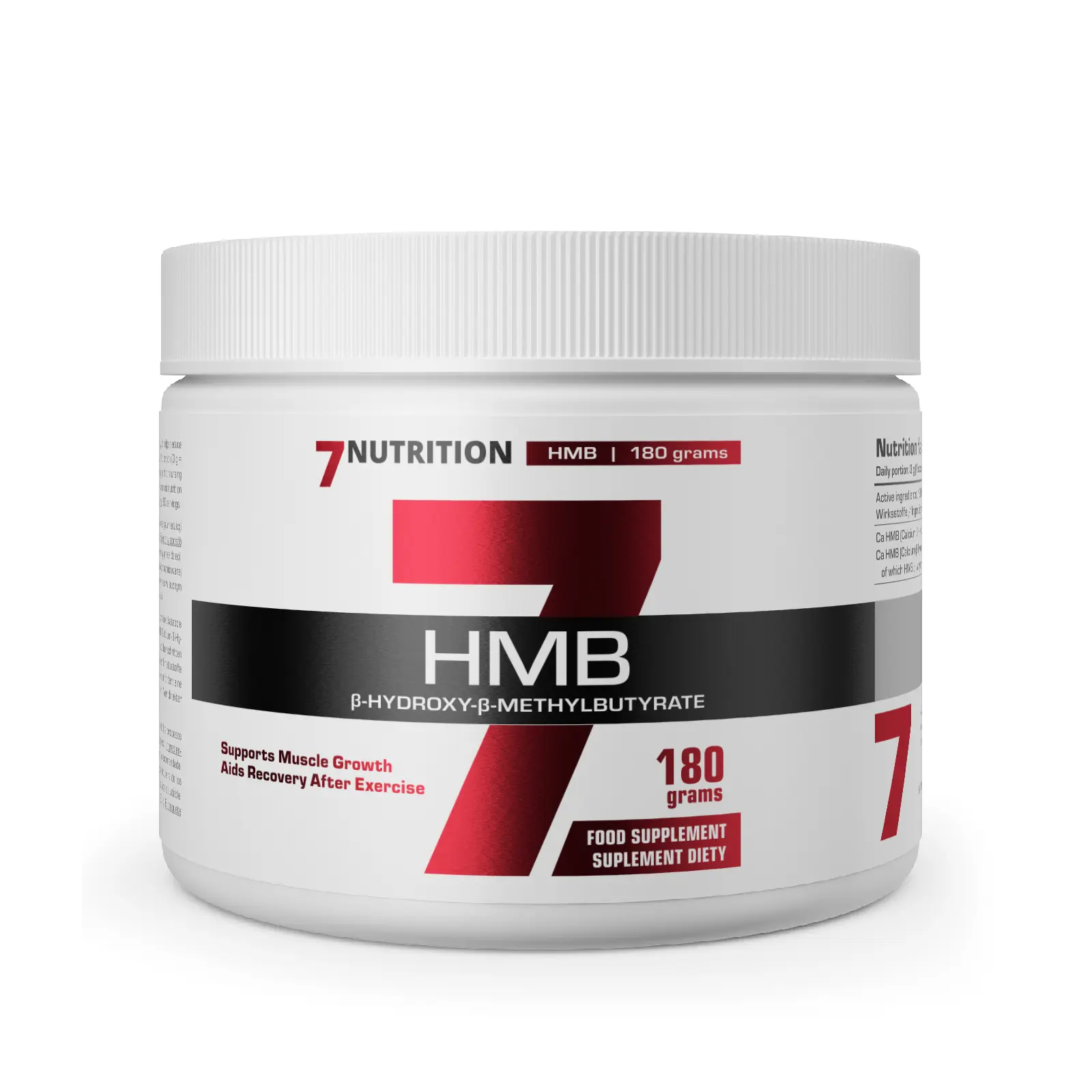 7Nutrition - HMB 180G – 18.90 €
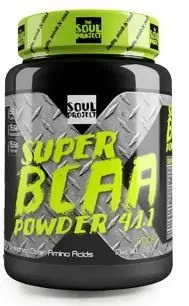 Super Amino 2400 - 300 таблетки – 21.47 €
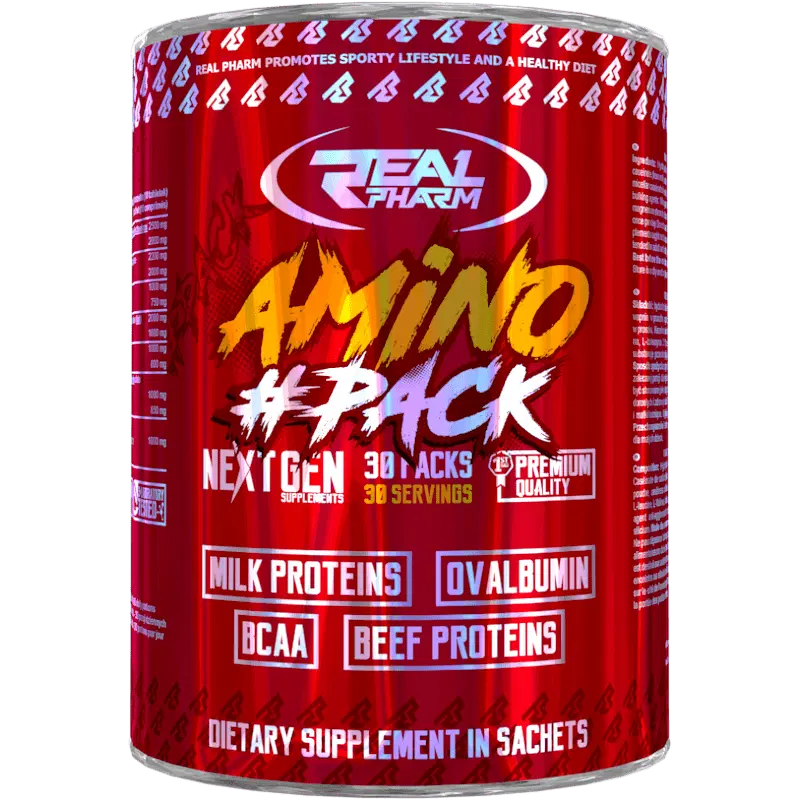 Amino Pack Real Pharm 30 пакета – 33.23 €
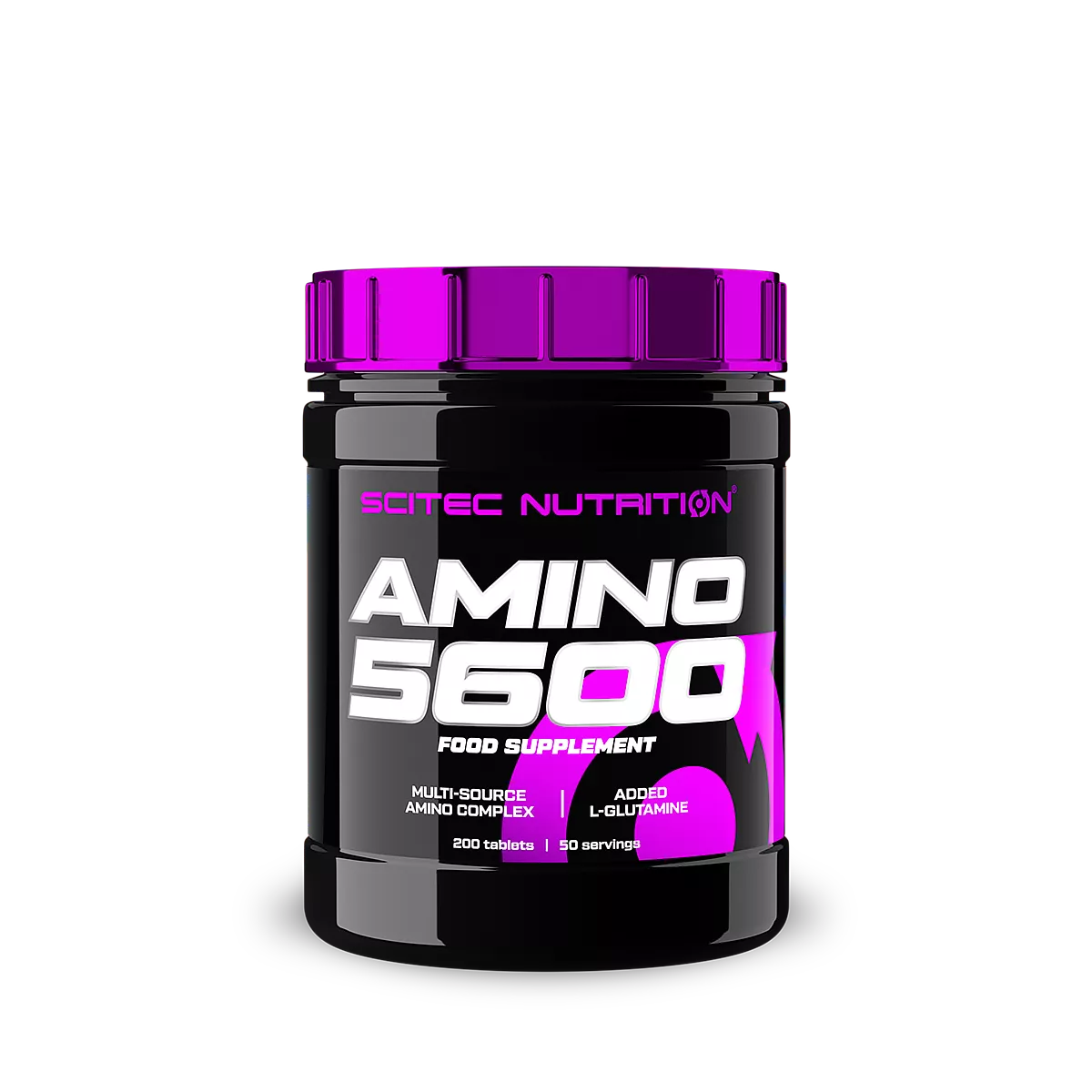 Scitec Nutrition Amino 5600 (200 tab.) – 24.90 €
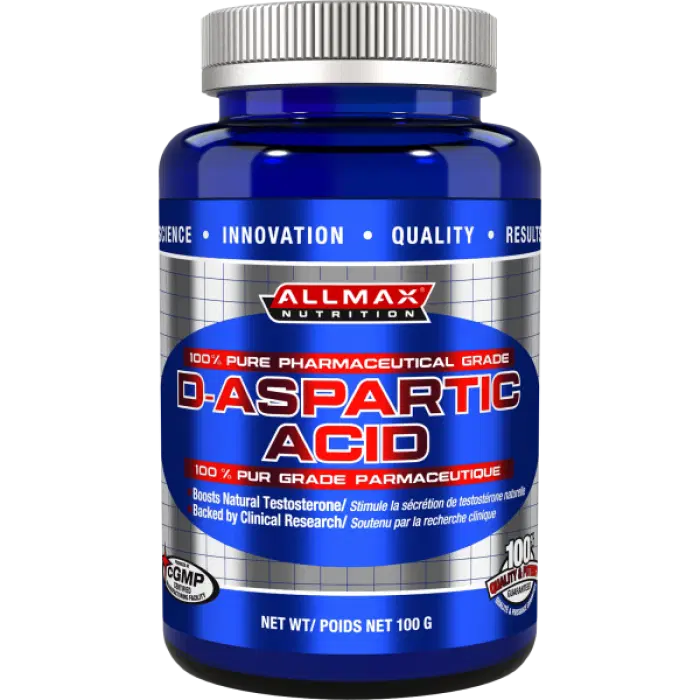 AllMax - D-Aspartic Acid / 100gr. – 21.01 €
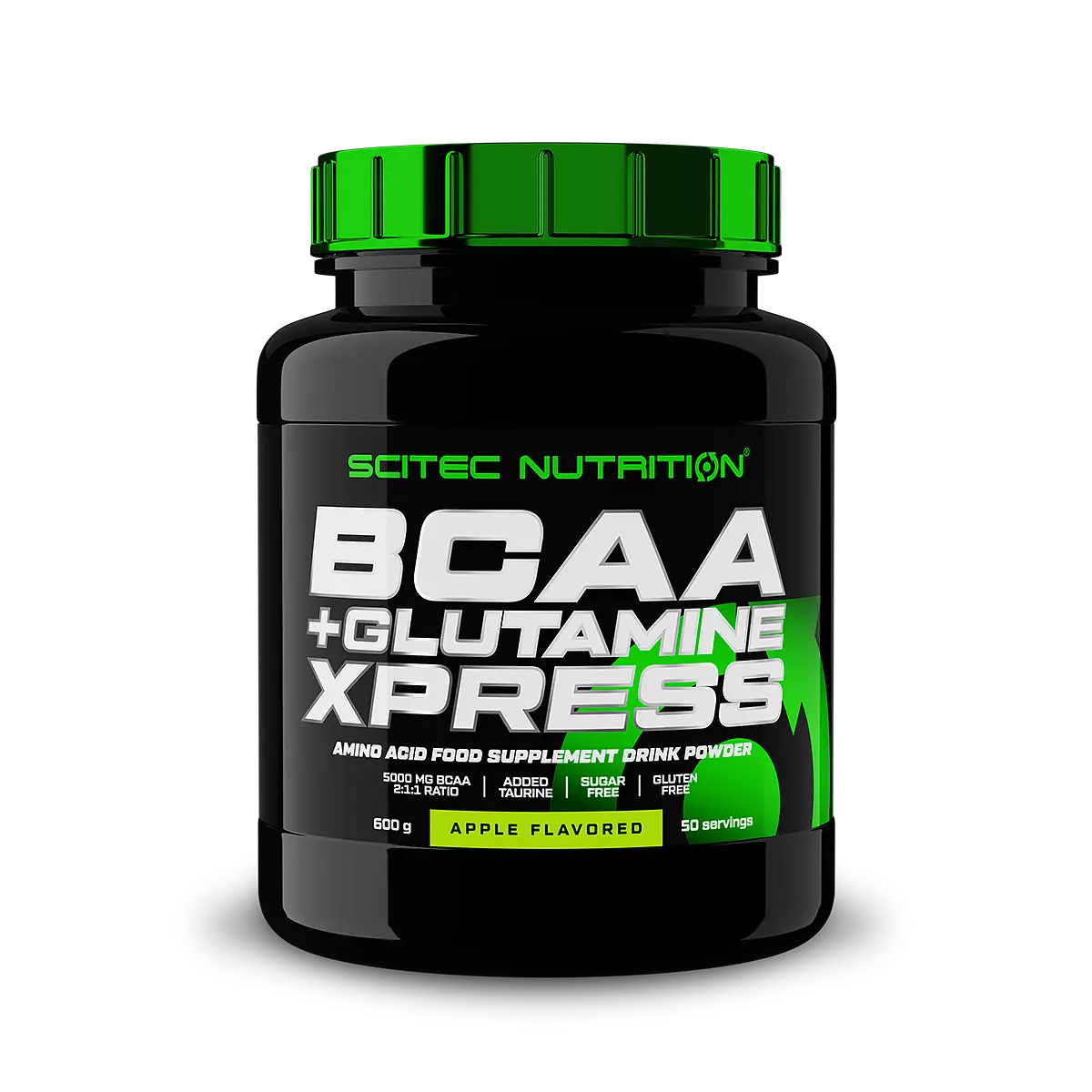 Scitec Nutrition BCAA + Glutamine Xpress (600 gr.) – 39.90 €
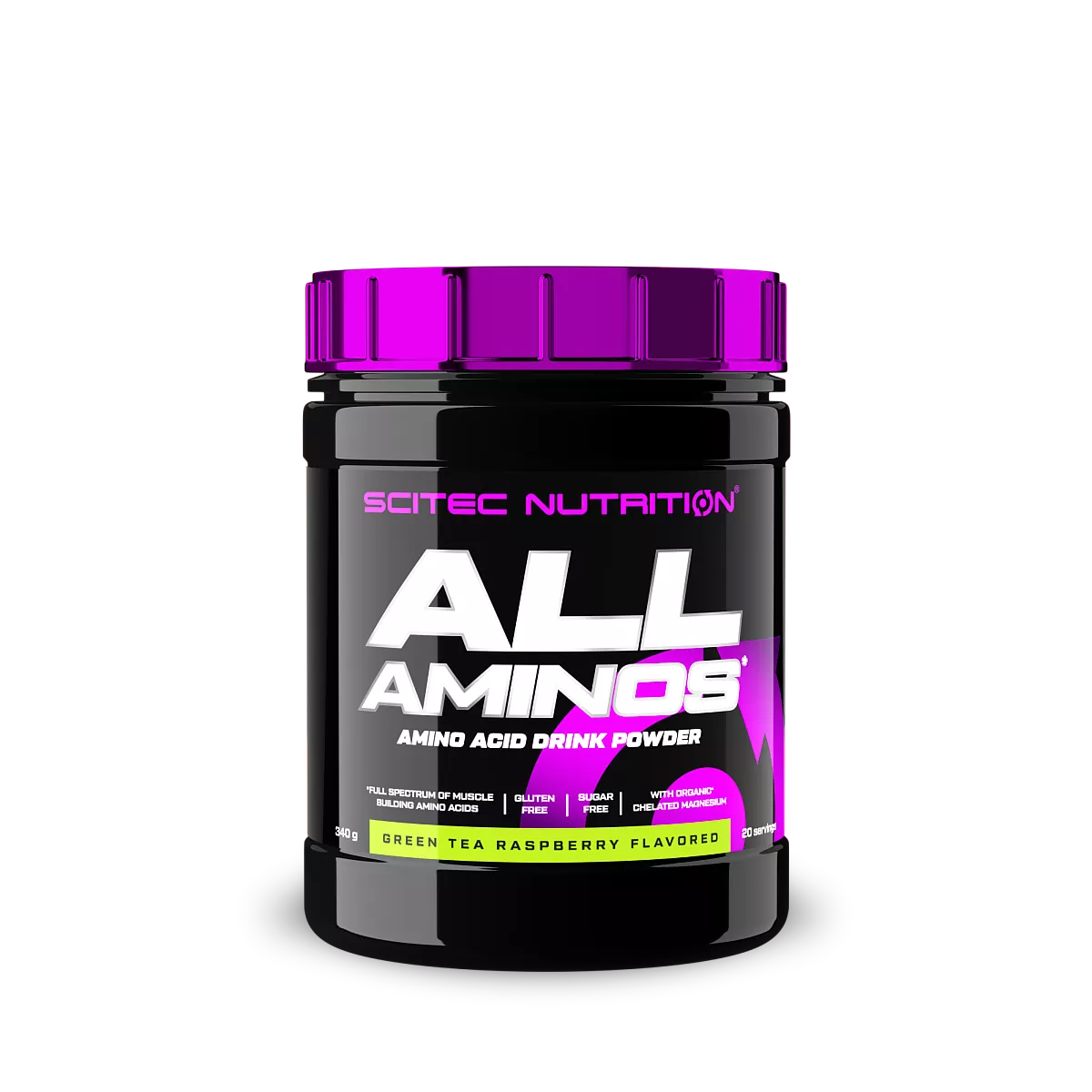 Scitec Nutrition All Aminos (340 gr.) – 39.90 €
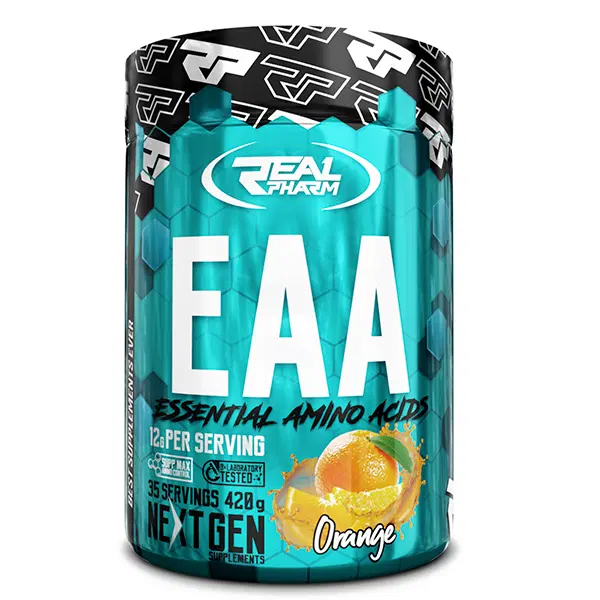 EAA Real Pharm 420 грама – 27.61 €
 Real Pharm Amino 8500 400 таблетки – 24.54 €
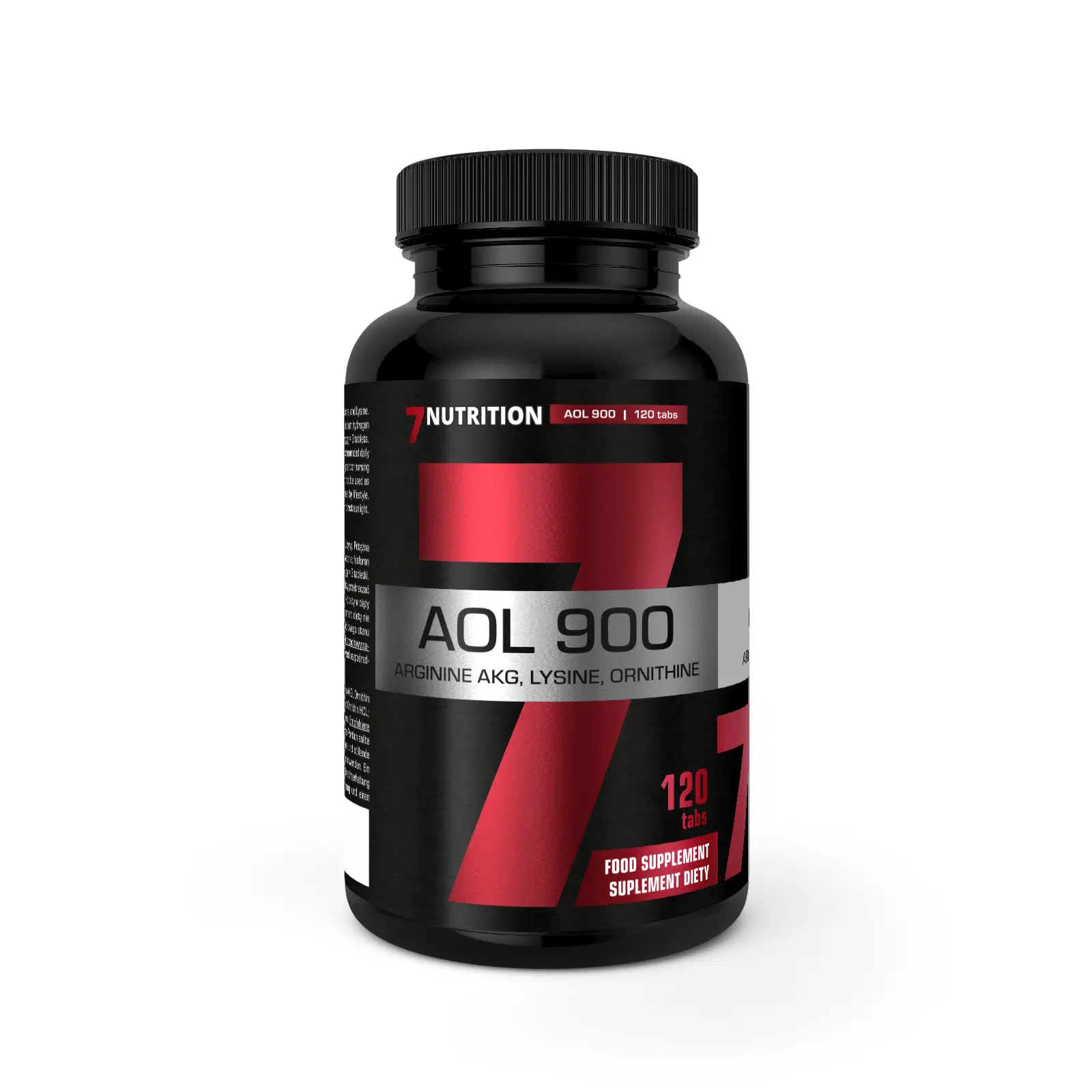 7Nutrition - AOL 900 - 120 tabs – 20.00 €
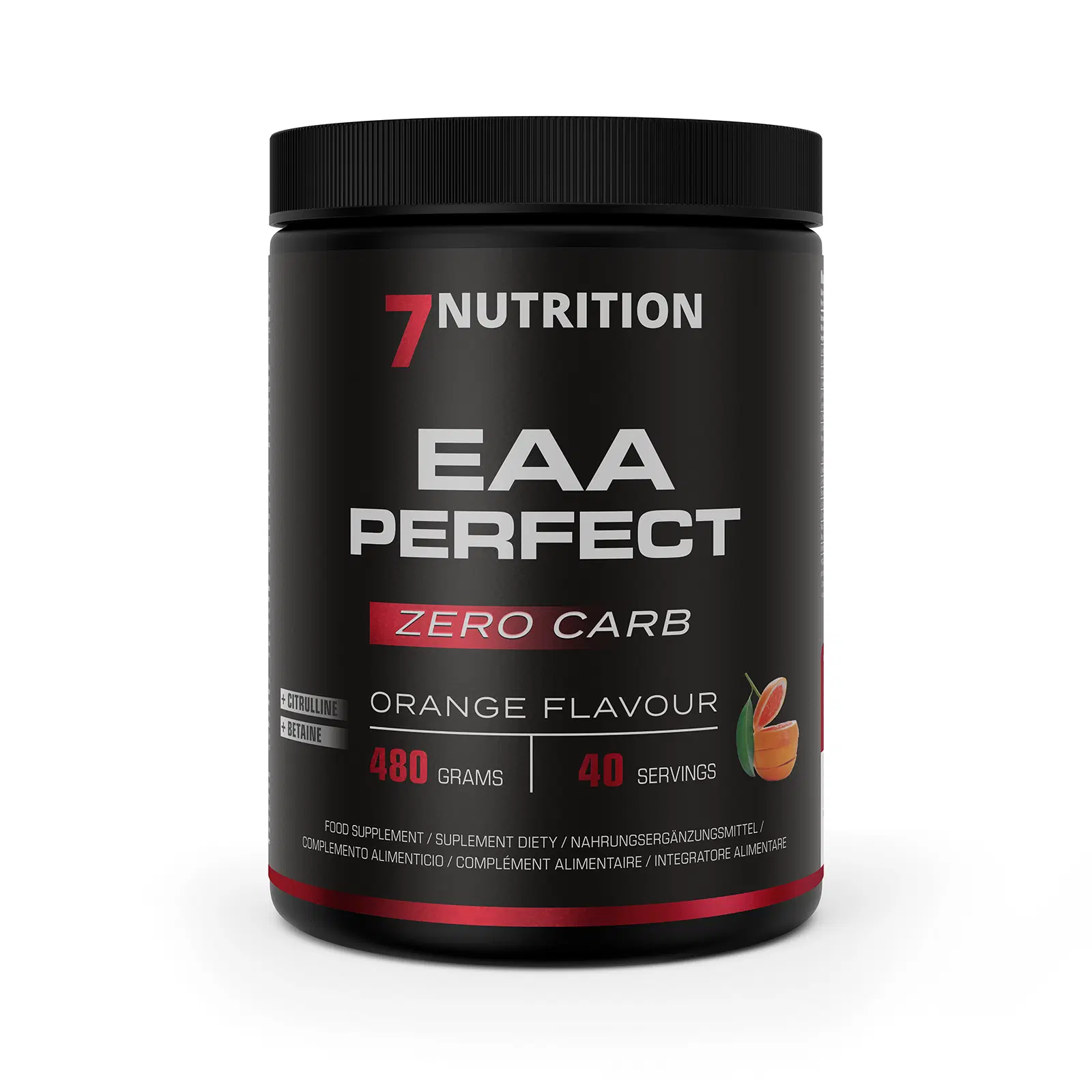 7Nutrition - EAA PERFECT 480G – 30.00 €
 EAA Real Pharm 180 капсули – 37.00 €
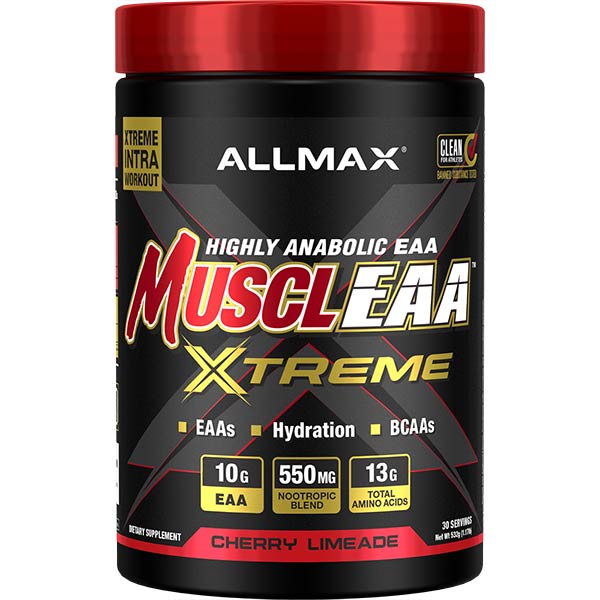 Allmax MuscleAA Xtreme – 48.57 €
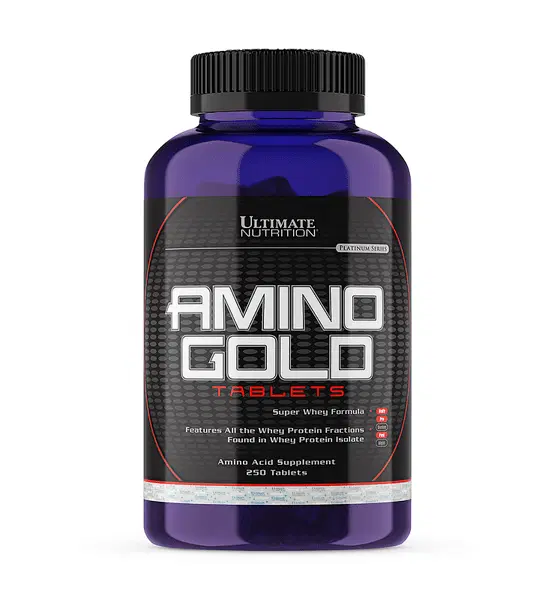 Amino GOLD 1000mg Ultimate Nutrition 250 таблетки – 60.00 €
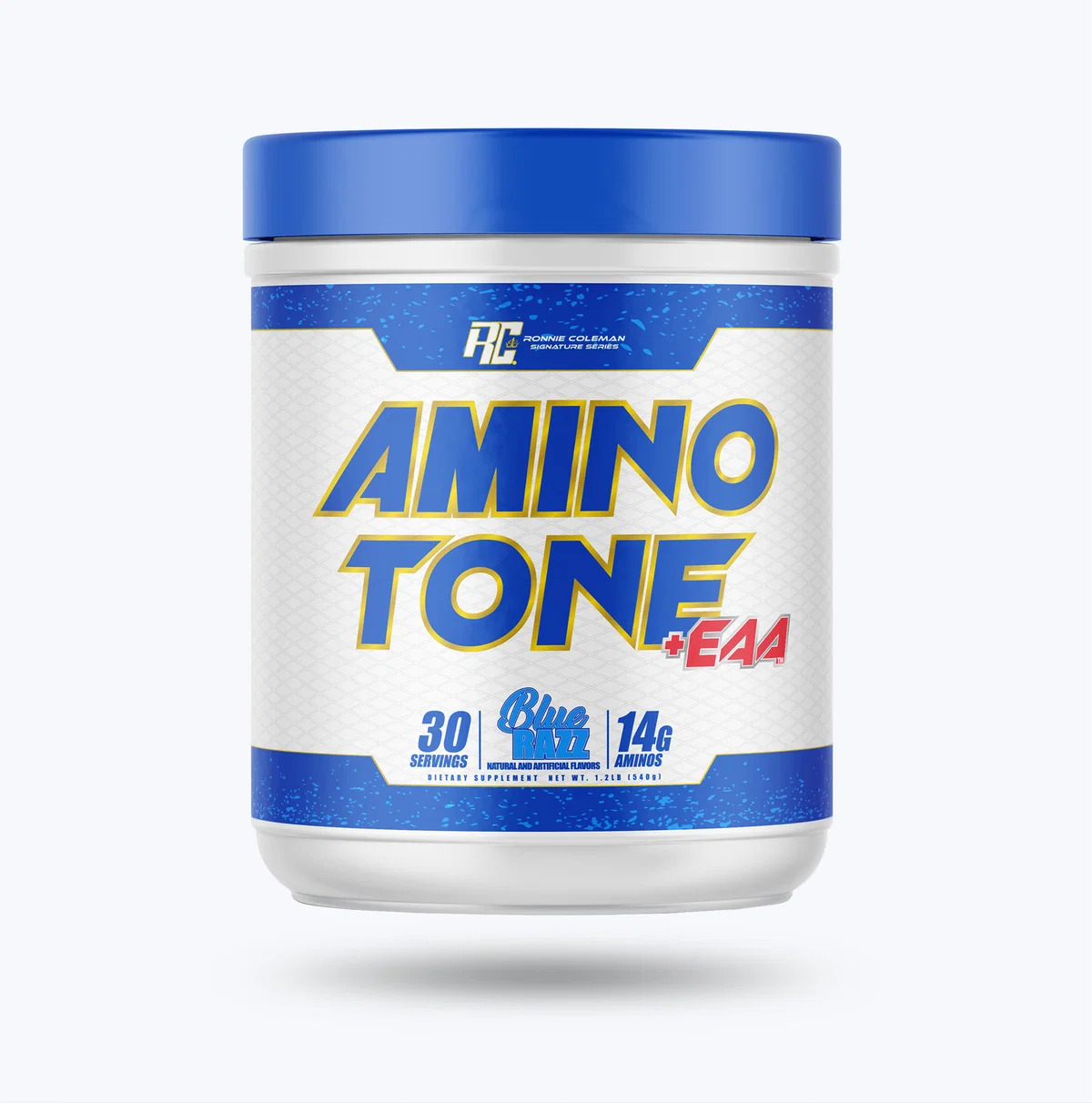 Ronnie Coleman Amino Tone EAA 30 дози – 39.99 €
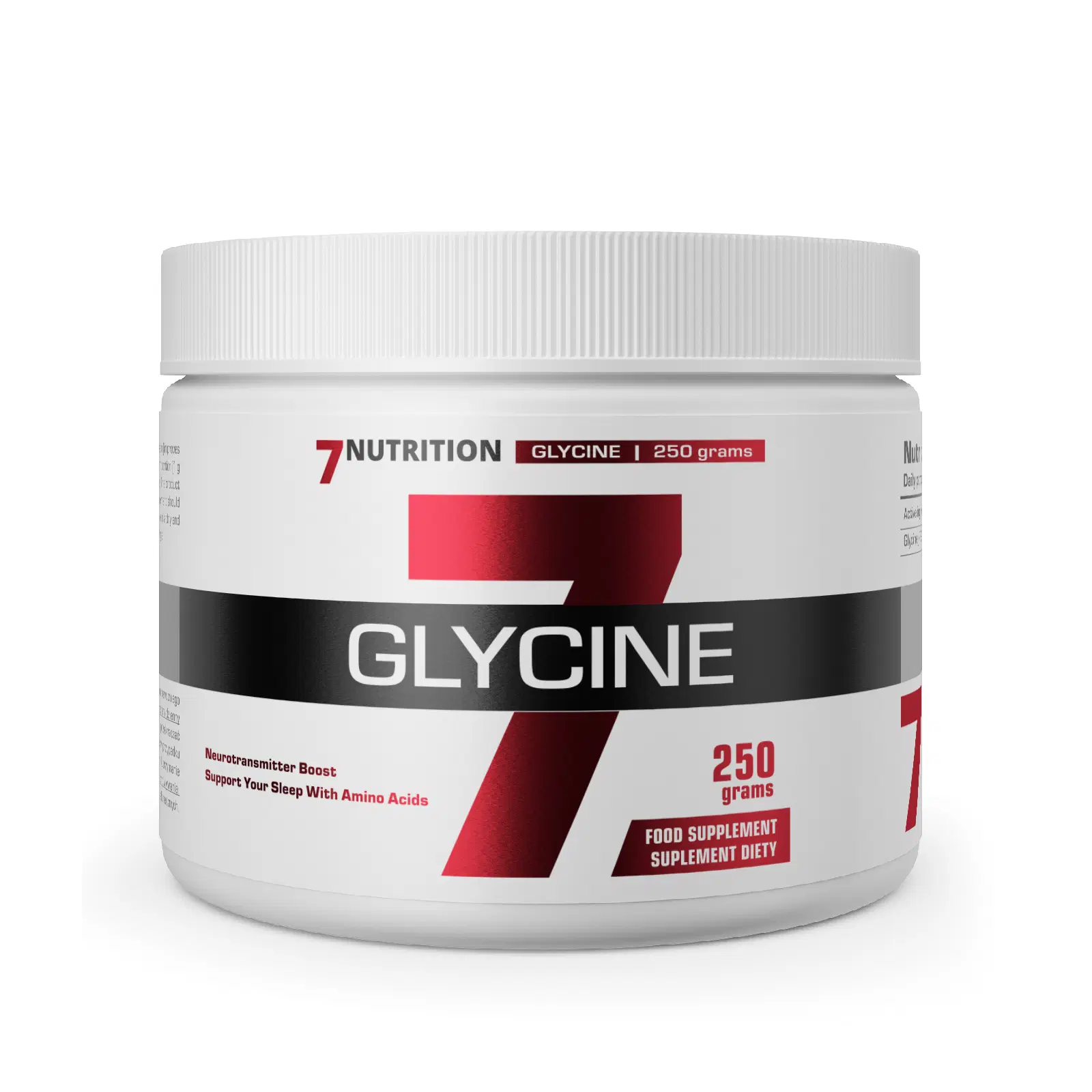 7Nutrition - GLYCINE 250G PURE – 13.00 €
Complex amino acids are a cornerstone supplement for athletes and fitness enthusiasts seeking to optimize their performance, recovery, and muscle growth. Unlike individual amino acids, these formulations provide a synergistic blend of essential, non-essential, and sometimes conditionally essential amino acids, mirroring the complete protein profile required by the body. This comprehensive approach ensures that all the building blocks for muscle protein synthesis, tissue repair, and various metabolic functions are readily available.
Key Benefits of Complex Amino Acids
The primary advantage of supplementing with complex amino acids lies in their multi-faceted benefits. They are crucial for accelerating muscle recovery after intense workouts, reducing muscle soreness, and enhancing endurance during training. By providing a readily absorbable source of amino acids, they help to prevent muscle breakdown (catabolism) and promote an anabolic state, fostering lean muscle development. Furthermore, certain amino acids within these complexes play vital roles in energy production, immune function, and neurotransmitter synthesis, contributing to overall well-being and athletic performance.
Who Can Benefit from Complex Amino Acids?
Complex amino acids are beneficial for a wide range of individuals, from competitive athletes and bodybuilders to recreational exercisers and those looking to improve their general fitness. They are particularly valuable for individuals who engage in high-intensity training, require rapid recovery, or have difficulty consuming adequate protein through their diet alone. Vegetarians and vegans may also find complex amino acids helpful in ensuring a complete amino acid intake.
How to Effectively Use Complex Amino Acids
For optimal results, complex amino acids can be consumed strategically throughout the day. Pre-workout intake can help prepare muscles for activity and reduce catabolism, while intra-workout consumption can sustain energy levels and delay fatigue. Post-workout, they are instrumental in kick-starting the recovery process and muscle repair. Dosage and timing can vary based on individual activity levels, dietary protein intake, and specific fitness goals. Consulting with a sports nutrition professional can help tailor a personalized supplementation plan.
What to Look for When Choosing Complex Amino Acids
When selecting a complex amino acid supplement, several factors should be considered. Prioritize products that provide a comprehensive spectrum of essential amino acids (EAAs), including leucine, isoleucine, and valine (BCAAs), as these are critical for muscle protein synthesis. Look for transparent labeling that clearly outlines the dosage of each amino acid. Quality and purity are paramount; choose reputable brands that undergo third-party testing to ensure product integrity and absence of contaminants. Consider the form of the supplement (powder, capsules, liquid) based on your preference and convenience.
Beyond BCAA: Why the Full Spectrum is Key to Anabolism
Many people focus on BCAAs (leucine, isoleucine, and valine), but this is only part of the puzzle. Imagine you're building a house. BCAAs are the spark that ignites the machines, but to pour the foundations, you need all the materials – cement, sand, water. This is exactly what complex amino acids are – the full set of nine essential (EAAs) that your body cannot produce on its own. When you train hard, your need for them skyrockets. If even one is missing, the entire process of muscle protein synthesis stops. The body even begins to break down existing muscle tissue to obtain the missing amino acid. A complete supplement provides everything ready-made, stops catabolism, and gives the green light for growth.
The Right Time and Dose: My Strategy for Maximum Effect
Timing and dosage are everything. There's no point in taking them haphazardly. In my experience, the most effective strategy is to use them around your workout. Here's how I do it: 10-15 grams, dissolved in water, 15-20 minutes before the first exercise. This saturates the blood with amino acids, protects muscles from breakdown during exertion, and reduces fatigue. I take a second dose of 15 grams immediately after the last set. At this point, the muscles are like a sponge and absorb everything you give them to kickstart recovery. On non-training days or if you have a large window between meals, a 10-gram dose helps maintain a positive nitrogen balance and stay in an anabolic state.
Pitfalls of Intake: Mistakes I See Every Day
The biggest mistake I observe is people relying on amino acids as a substitute for food. Let me be clear – they are a supplement, not a primary source of protein. Real meat, eggs, and dairy products are irreplaceable. Another pitfall is mixing them with a large amount of food or with a protein shake. This drastically slows down their rapid absorption, which is their main advantage. Drink them on a relatively empty stomach. Also, avoid buying products with only BCAAs, thinking they are sufficient. For real growth, you need the full EAA spectrum. As a precaution, if you have chronic kidney or liver problems, it is advisable to consult a doctor before starting intake, although they are completely safe for healthy people.
My Growth Stack: What I Combine Amino Acids With
To get the most out of it, I always combine my supplements smartly. Complex amino acids work in perfect synergy with several other key supplements. My top post-workout stack is 15 grams of complex amino acids along with 30-40 grams of fast-acting carbohydrates like dextrose or maltodextrin. The carbohydrate causes an insulin spike, which acts as a transport system and literally "pushes" the amino acids into the muscle cells. Before training, I combine them with 5-8 grams of citrulline malate. Citrulline improves blood flow and pump, which ensures better transport of oxygen and the amino acids themselves to the working muscles. Of course, creatine is a constant element that provides strength for the workouts themselves. This combination covers all aspects – energy, building material, and transport.
Are They For You? Who Benefits Most (and Who Doesn't)
Complex amino acids are not for everyone. The greatest benefit will be gained by people who train regularly and intensely – regardless of whether they lift weights, do CrossFit, combat sports, or athletics. They are also extremely valuable for anyone in a fat-loss phase (caloric deficit) because they help preserve lean muscle mass. Vegans and vegetarians can also benefit to ensure a complete amino acid profile. On the other hand, if you are an absolute beginner, it's better to focus on your diet first. If you don't train at all or just go for a walk, you don't need them. Also, if your diet is perfect and you consume quality protein every 3 hours, the additional benefit will be minimal.