Resistance bands

Resistance is a fundamental principle in training, and resistance bands offer an accessible and effective way to apply it. With 19 different products in this category, SportZone offers a variety of options to strengthen muscles, improve flexibility, and increase endurance. These bands are lightweight, compact, and easy to carry, making them ideal for workouts at home, at the gym, or while traveling.
Using resistance bands allows for a wide range of exercises targeting different muscle groups. They can be used for:
- Muscle activation before more intense loads.
- Recovery and rehabilitation after injuries.
- Developing strength and power by adding resistance to basic exercises.
- Improving mobility and range of motion.
Investing in resistance bands is an investment in a more complete and adaptable training routine. They provide constant resistance throughout the entire range of motion, which stimulates muscle growth and improves coordination.
- SZ Sport – Ластична лента за тренировка Heavy – 2.82 €
 SZ Sport – Ластична лента за тренировка Medium – 2.36 €
 SZ Sport – Ластична лента за тренировка X-Light – 1.89 €
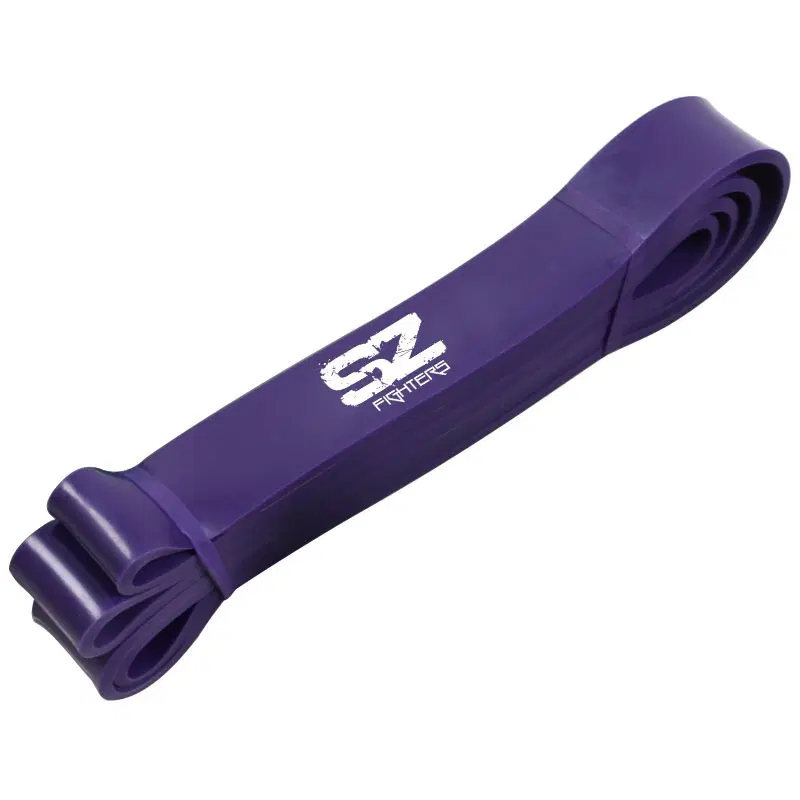 SZ Sport – Ластична лента за тренировка 27-43 кг – Purple – 10.35 €
 SZ Sport – Ластична лента за тренировка X-Heavy – 3.76 €
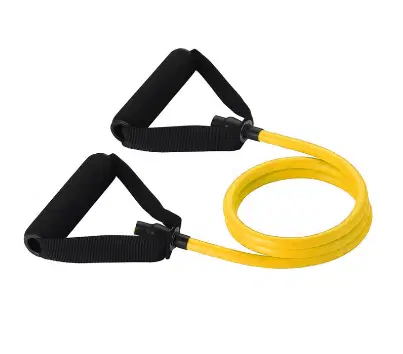 SZ Sport – Ластик 6*11*1200mm – yellow – 5.65 €
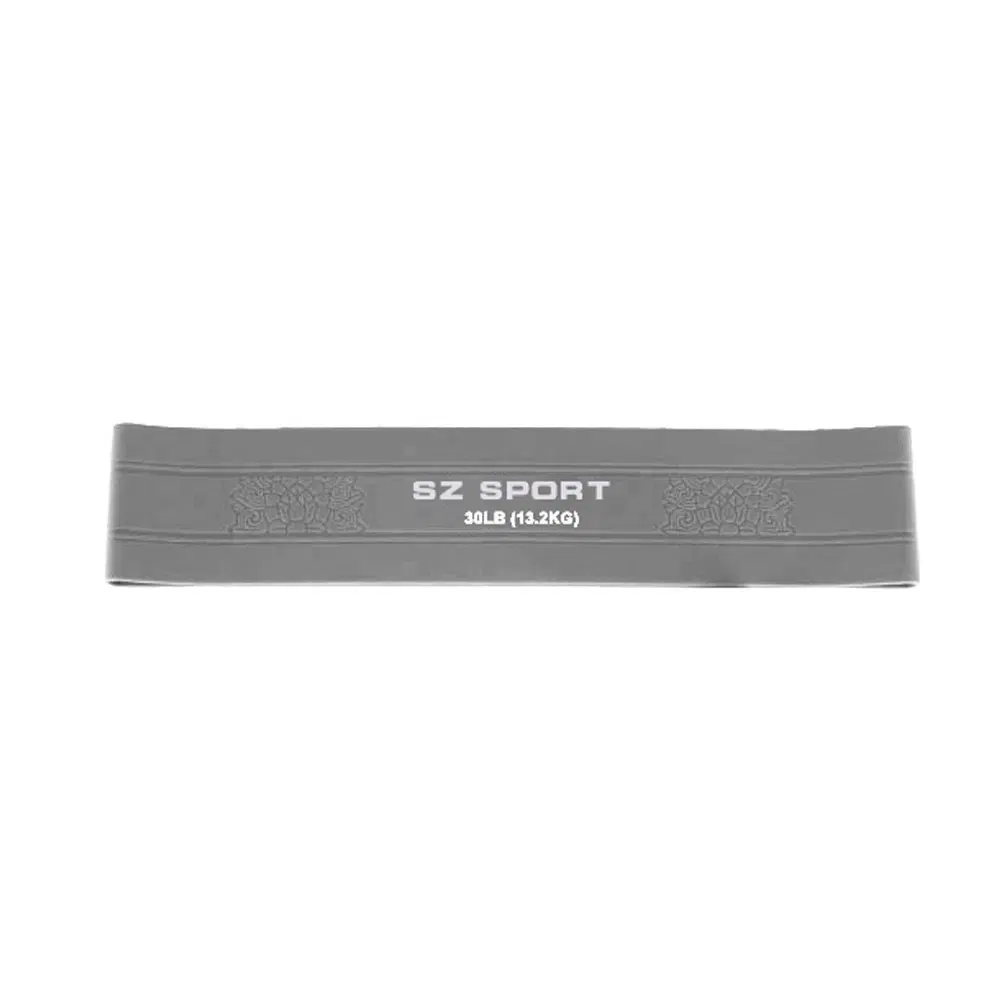 SZ Sport – Ластична лента силикон натоварване 30 lb – 4.47 €
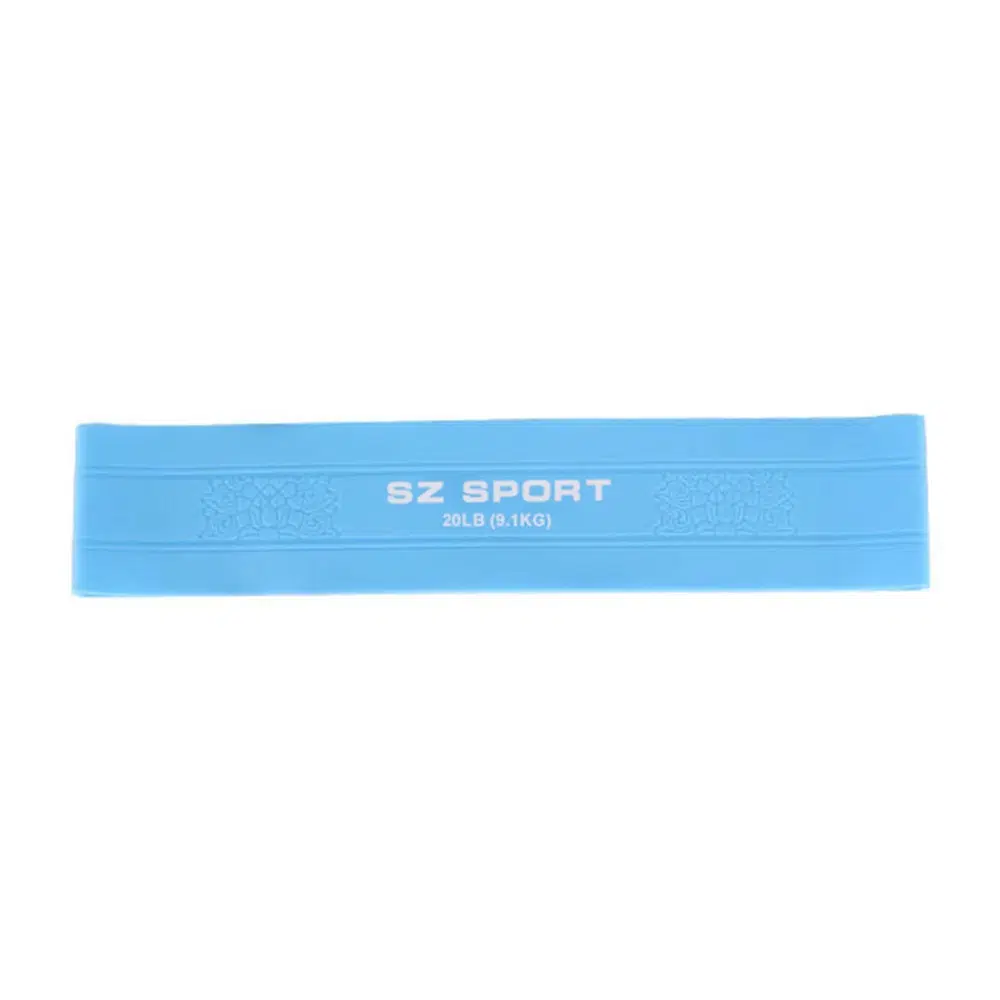 SZ Sport – Ластична лента силикон натоварване 20 lb – 4.23 €
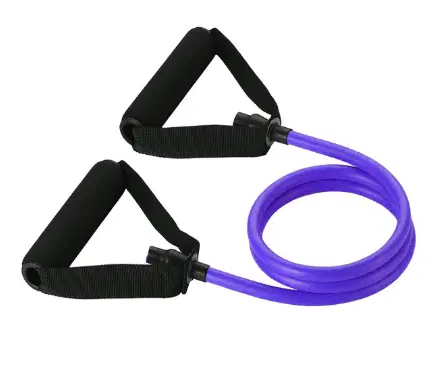 SZ Sport – Ластик 6*9*1200mm – Blue – 4.23 €
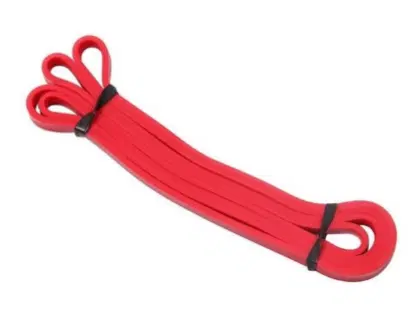 SZ Sport – Ластична лента за тренировка 8-14 кг – Red – 5.65 €
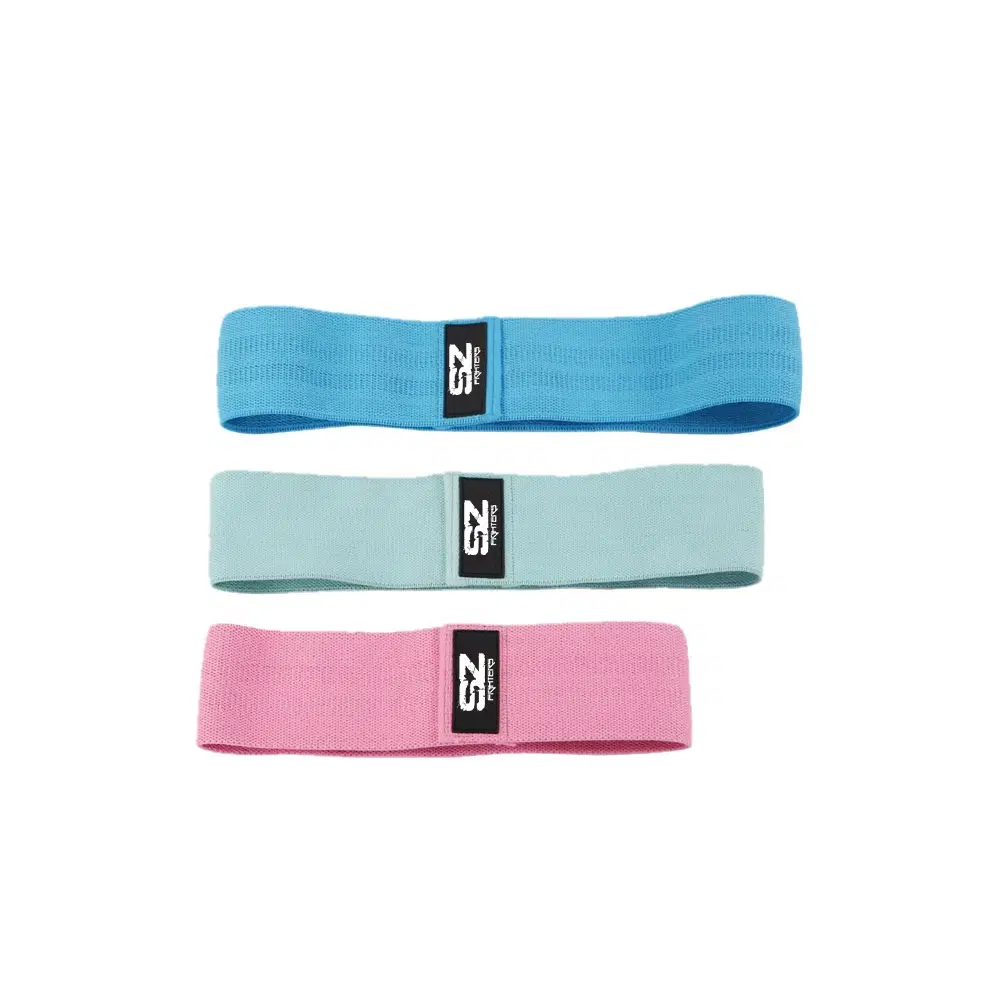 SZ Fighters – Ластичен комплект от 3 броя ластици от плат – 8.56 €
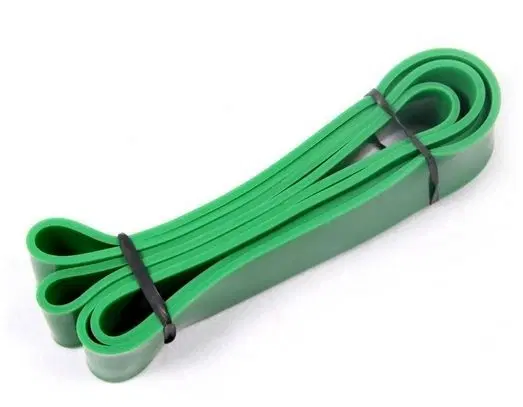 SZ Sport – Ластична лента за тренировка 45 – 54 кг – Green – 15.69 €
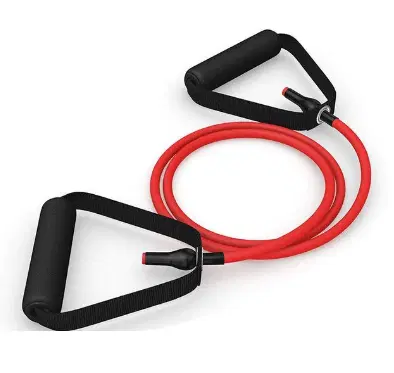 SZ Sport – Ластик 7*11*1200mm – Red – 5.17 €
 SZ Sport – Ластична лента за тренировка Light – 2.36 €
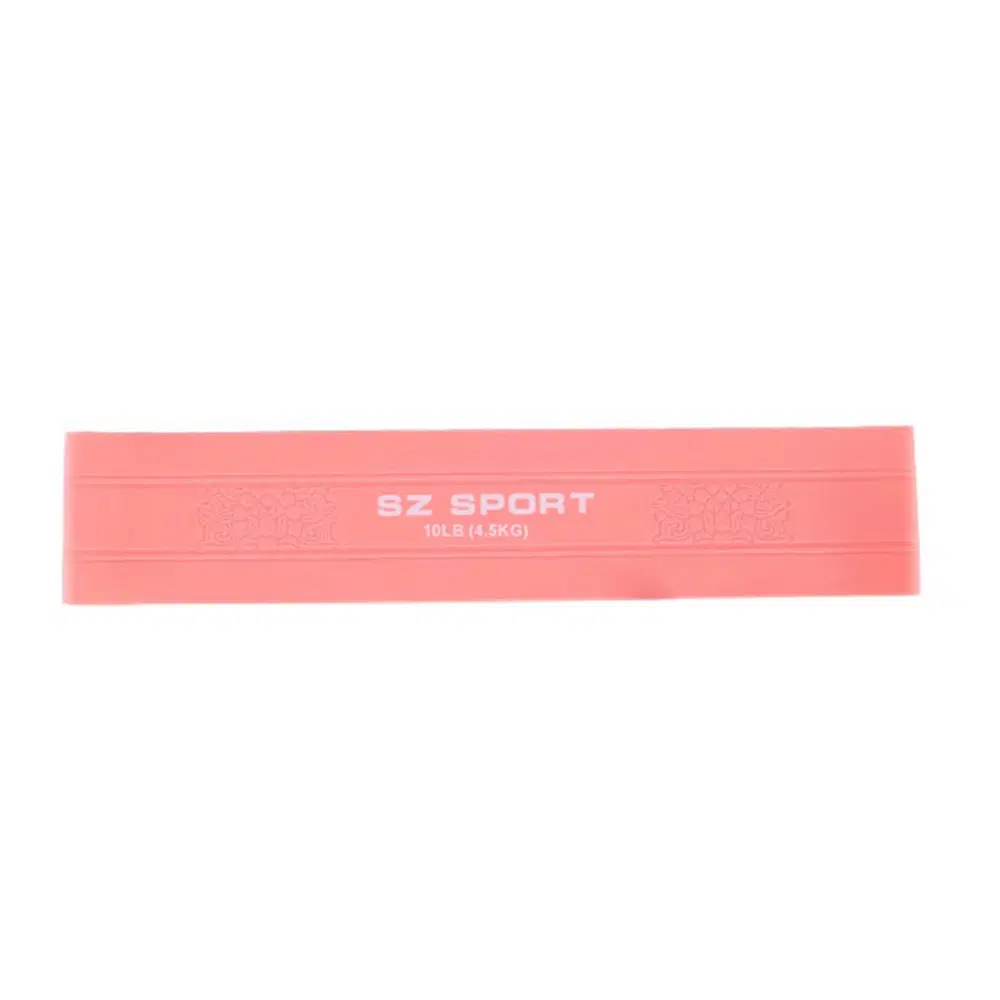 SZ Sport – Ластична лента силикон натоварване 10 lb – 3.76 €
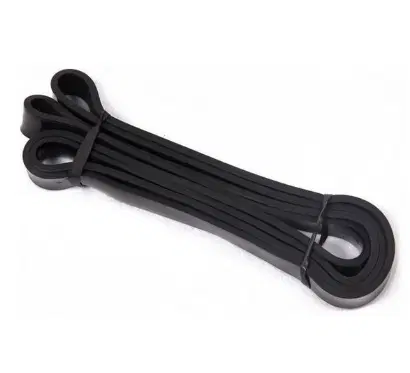 SZ Sport – Ластична лента за тренировка 13-27 кг – Black – 7.53 €
 SZ Sport – Ластична лента за тренировка Middle – 2.82 €
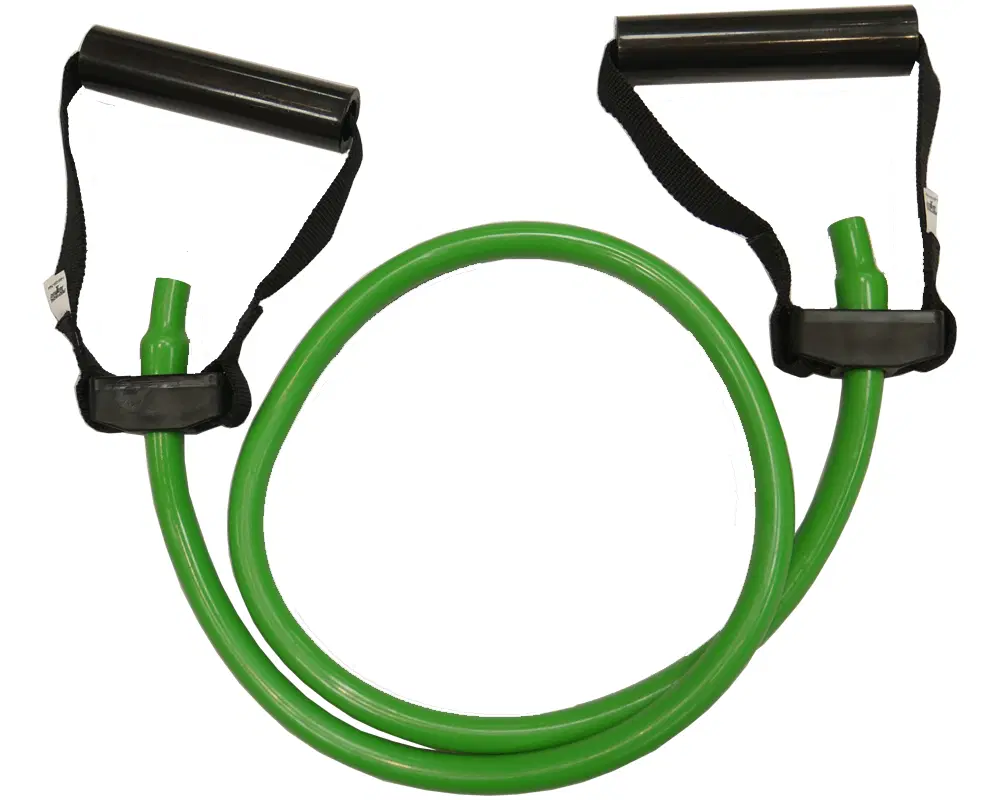 SZ Sport – Ластик 6*12*1200mm – Green – 6.12 €
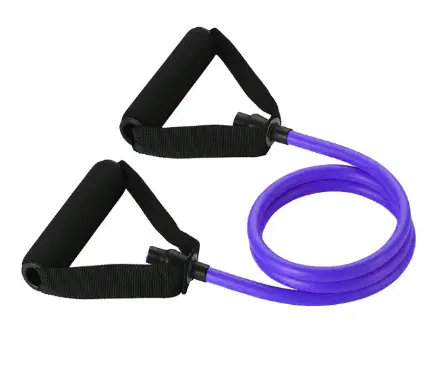 SZ Sport – Ластик 6*10*1200mm – Purple – 4.70 €
Resistance bands, also known as exercise bands or therapy bands, are versatile fitness tools crafted from elastic materials like natural rubber or latex. They provide a continuous and adaptable form of resistance during various exercises, making them an excellent alternative or supplement to traditional weights. Unlike dumbbells or barbells, resistance bands offer resistance throughout the entire range of motion, engaging muscles differently and promoting enhanced stability and control. Their portability and light weight make them ideal for home workouts, gym sessions, and even travel, ensuring your fitness routine never has to take a break.
Key Benefits of Resistance Band Training
Incorporating resistance bands into your training regimen unlocks a multitude of benefits. They are highly effective for muscle strengthening and toning across all major muscle groups, from legs and glutes to arms, back, and core. Resistance bands are particularly beneficial for improving flexibility and mobility, as the controlled resistance helps to gently extend muscles and increase joint range of motion. Furthermore, they are excellent for rehabilitation and injury prevention, allowing for targeted muscle activation and controlled movements that minimize strain. For individuals looking to enhance their athletic performance, resistance bands can be used for explosive movements and agility drills, contributing to increased power and speed.
Who Can Benefit from Resistance Bands?
Resistance bands are a universal fitness tool, suitable for individuals of all fitness levels, from beginners to advanced athletes. For those new to exercise, bands offer a safe and effective way to build foundational strength and learn proper form without the intimidation of heavy weights. Experienced lifters can use bands to add accommodating resistance to their routines, challenging muscles in new ways and breaking through plateaus. Athletes can leverage them for sport-specific training, improving strength, power, and agility. Even individuals undergoing physical therapy can benefit from the gentle and controlled resistance provided by bands for recovery and muscle re-education.
Maximizing Your Resistance Band Workouts
To effectively use resistance bands, integrate them into your existing exercise routines or create new ones specifically around them. For strength training, use bands for squats, lunges, bicep curls, tricep extensions, and rows. For flexibility and mobility, incorporate them into your warm-ups and cool-downs for dynamic and static stretches. When performing exercises, ensure the band is securely anchored or held to prevent snapping. Focus on controlled movements, both in the concentric and eccentric phases, to maximize muscle engagement. Experiment with different band strengths to find the appropriate resistance for each exercise and muscle group.
Choosing the Right Resistance Bands
When selecting resistance bands, consider the type, material, and resistance level. Loop bands are excellent for lower body exercises and pull-up assistance, while tube bands with handles are versatile for upper body and full-body workouts. Flat bands are ideal for stretching and rehabilitation. Look for bands made from high-quality, durable latex or natural rubber that offers consistent resistance. Resistance levels are typically color-coded, ranging from light to extra-heavy. It
FAQ
I'm just starting to work out, are these resistance bands for me or are they for advanced users?
Absolutely, resistance bands are an ideal starting point! I often recommend beginners start with lighter resistance to build proper technique before progressing to weights. From experience, I can tell you they help activate the correct muscles, especially in the glutes and core area.
How do I choose the right resistance, I'm confused by all the colors?
The principle is simple – the thicker the band, the greater the resistance. Lighter bands (often yellow or red) are for warm-ups, rehabilitation, and arm and shoulder exercises. Heavier ones (black, purple) are great for leg and back exercises like squats or assisted pull-ups.
If I only train with resistance bands at home, how long will it take to see any effect?
With regular workouts, 3-4 times a week, you'll feel your body firmer and stronger after just the first 4 weeks. In my practice, I see that the first visible results in terms of muscle tone come after about 6-8 weeks. The important thing is to progressively increase the difficulty by moving to a heavier band.
Can I use them with weights in the gym, or will it be too much?
It's even recommended; it's a great way to "shock" the muscles! Placing a band around the thighs during a barbell hip thrust, for example, creates constant tension and leads to much better results. I often recommend this combination to my clients to overcome plateaus in their training.
How do I maintain my resistance bands to extend their life?
To extend the life of your resistance bands, store them in a dry, cool place, away from direct sunlight and sharp objects. Regularly clean them with a damp cloth and avoid using harsh cleaning agents.
What are the most common mistakes people make when training with resistance bands?
One of the most common mistakes is choosing inappropriate resistance, which can lead to improper form or insufficient stimulation. Another mistake is neglecting proper technique, which reduces the effectiveness of resistance band training and increases the risk of injury.