Magnesium
Just 300-400 mg of magnesium daily are needed for over 300 biochemical reactions to occur optimally in the human body. As a sports nutritionist with 15 years of experience, I often observe how a deficiency in this vital mineral can compromise recovery, energy metabolism, and even athletic performance. EFSA highlights its role in reducing fatigue and maintaining normal muscle function, which is essential for any active individual.
For my clients, especially those with intense training regimens, adequate magnesium intake is directly linked to better sleep, fewer muscle cramps, and improved neuromuscular coordination. Magnesium is a key electrolyte involved in the synthesis of ATP – the primary energy currency of cells. Its deficiency can lead to decreased endurance and slower recovery after physical exertion.
Choosing the right form of magnesium is crucial for its absorption. Different forms such as magnesium citrate, bisglycinate, or malate offer various benefits. For example, magnesium bisglycinate is known for its high bioavailability and minimal side effects on the digestive system. To ensure maximum benefit, I recommend consulting a nutritionist for individual dosage, but the general recommendation is to aim for 300-400 mg of elemental magnesium daily, taken in the evening for better sleep and recovery.
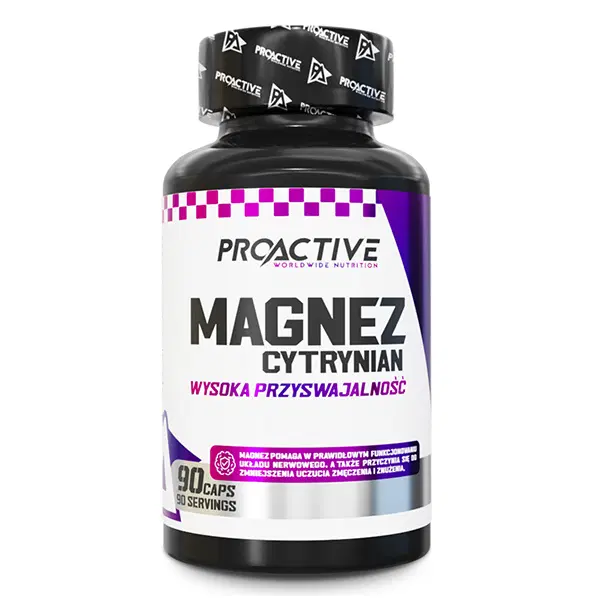
- ProActive Magnesium Citrate 90 caps – 7.16 €
 7Nutrition - Magnesium Bisglycinate - 120 vege caps – 14.00 €
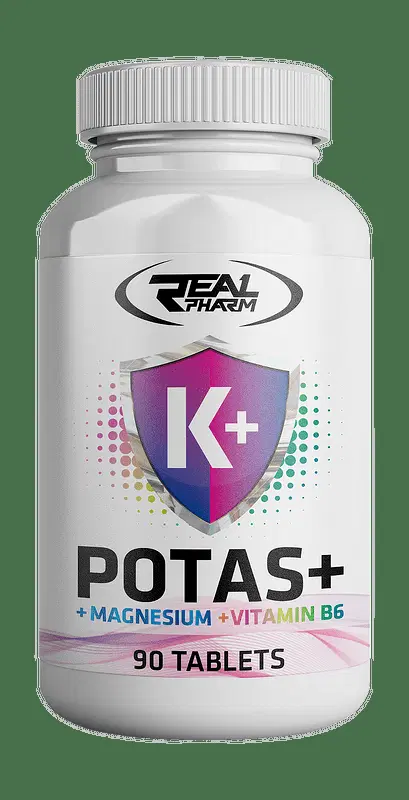 Potassium Magnesium B6 Real Pharm 90 таблетки – 6.65 €
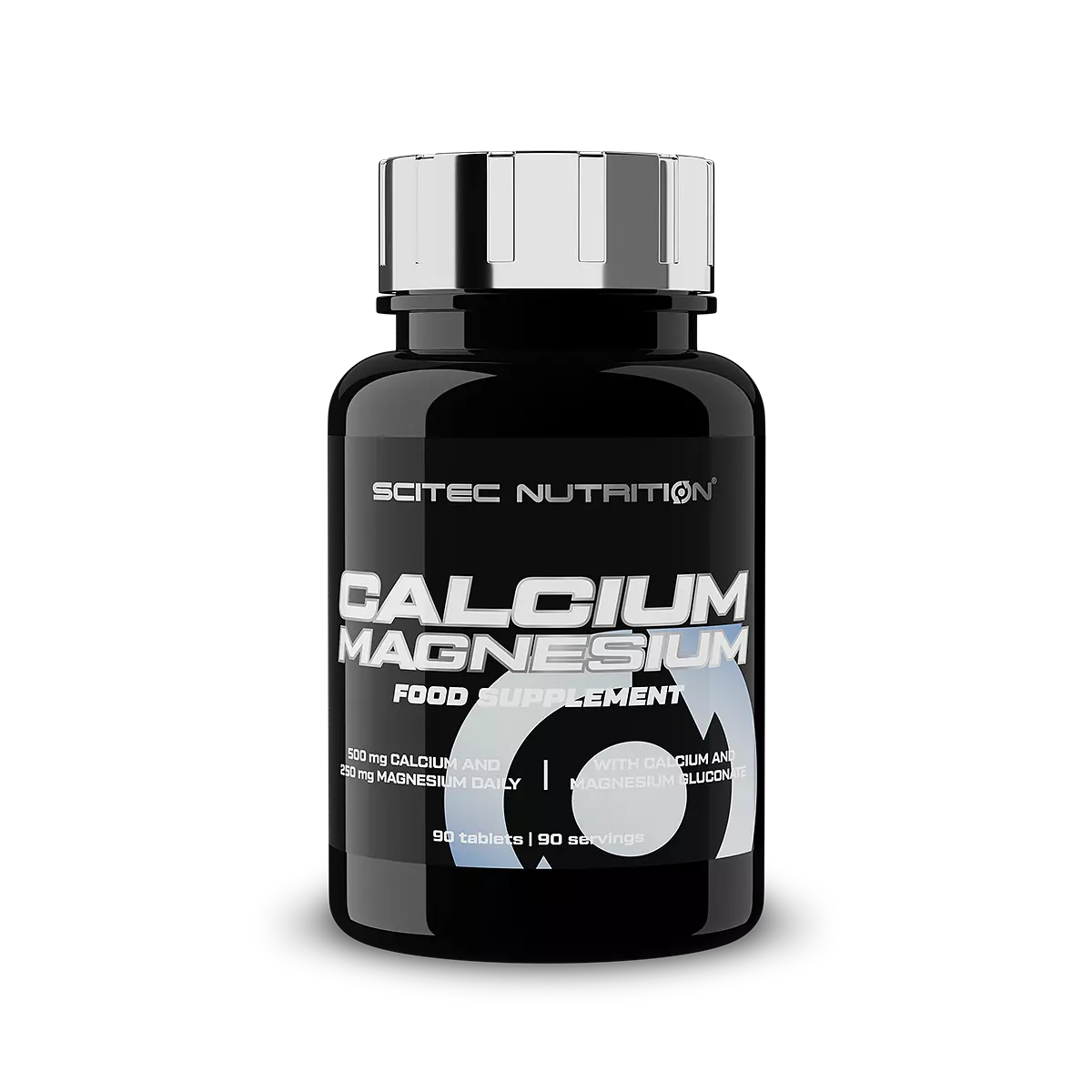 Scitec Nutrition Calcium-Magnesium (90 tab.) – 17.90 €
 Real Pharm Magnesium + B6 90 таблетки – 8.18 €
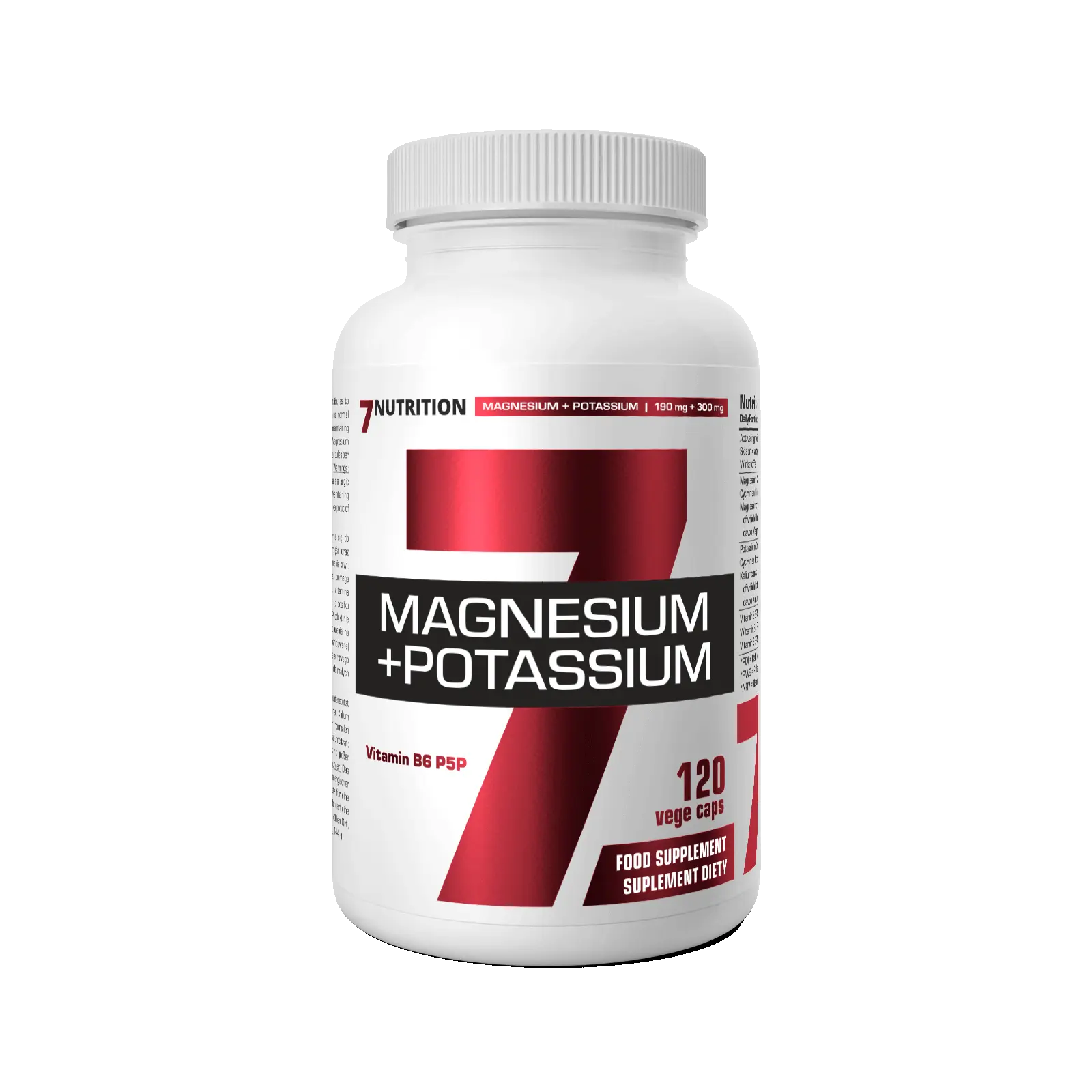 7Nutrition - MAGNESIUM + POTASSIUM - 120 vege caps – 16.00 €
 7Nutrition - Magnesium Potassium / 12x100ml Кутия – 16.20 €
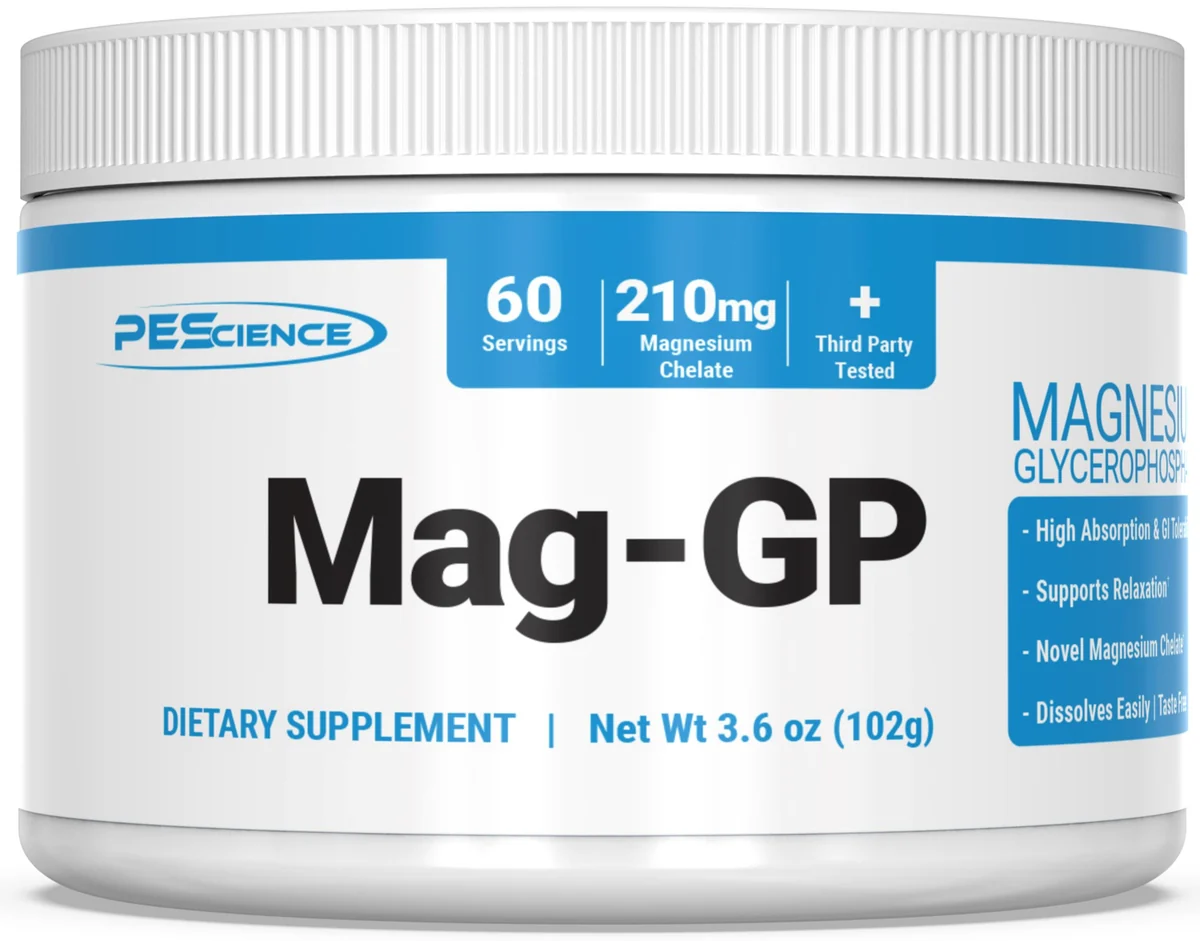 PEScience Mag-GP – 19.99 €
 Core Champs ZMB6 – 20.89 €
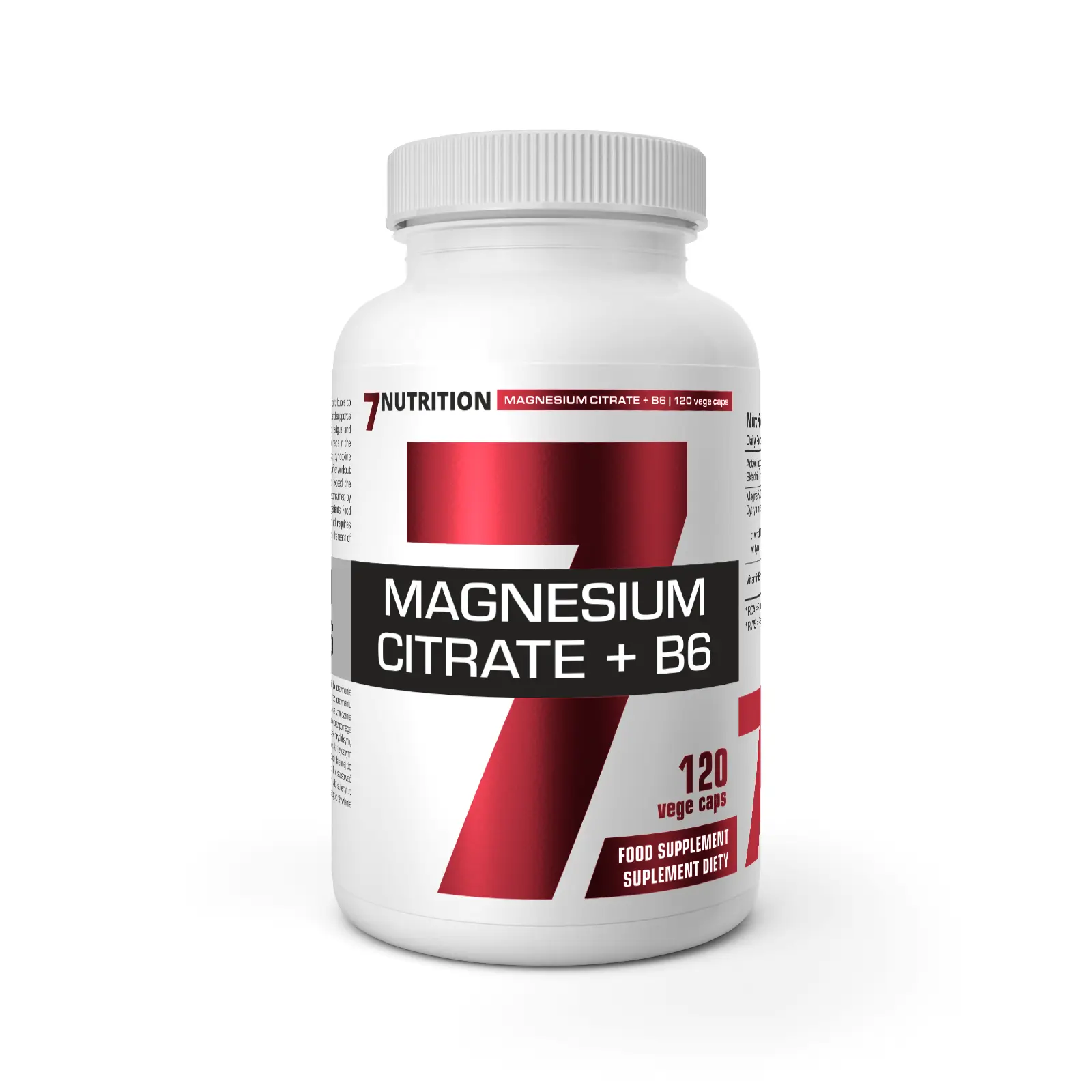 7Nutrition - Magnesium Citrate+B6 / 120caps – 9.71 €
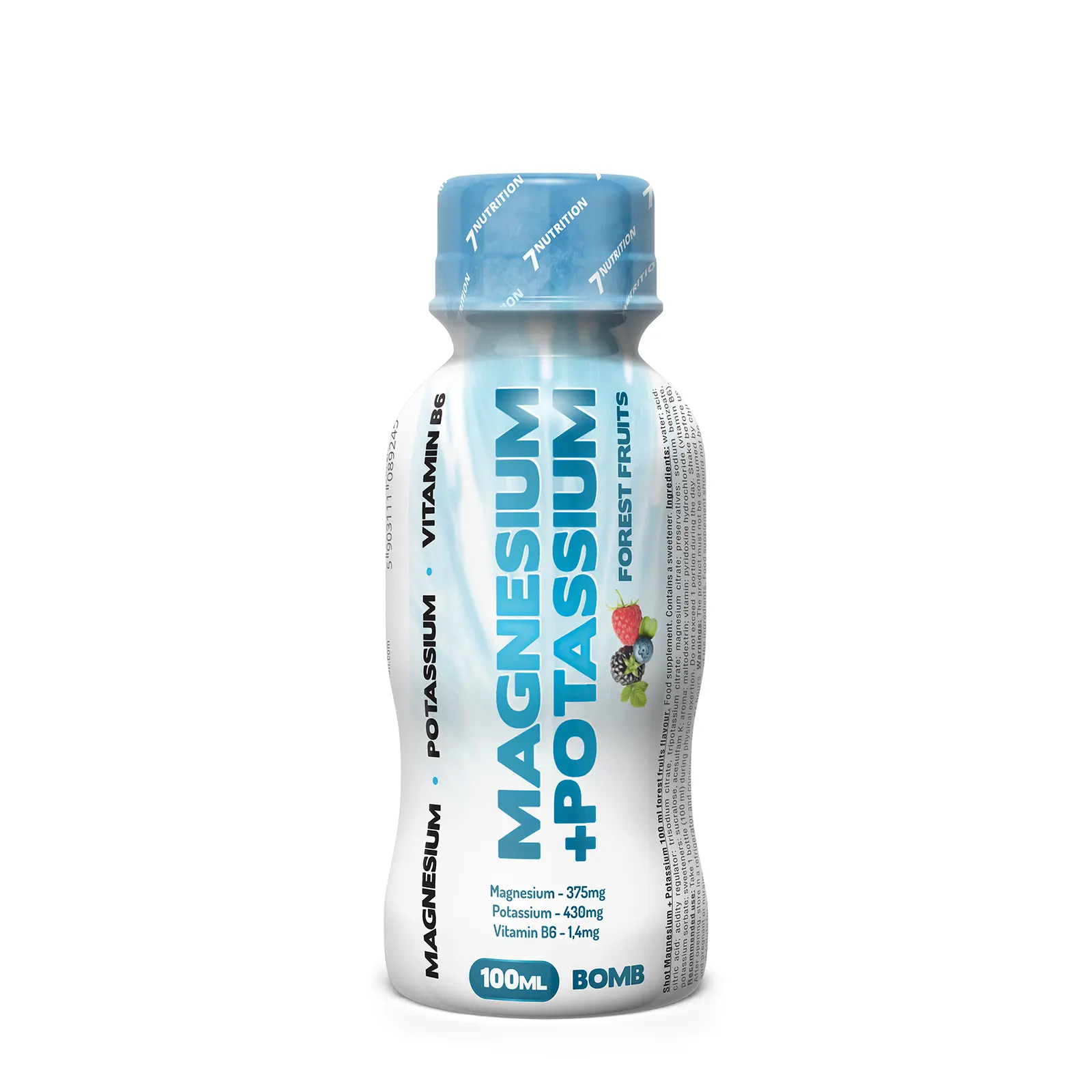 7Nutrition - MAGNESIUM & POTASSIUM 100ml FOREST FRUITS – 1.35 €
 Scitec Nutrition Magnesium Bisglycinate (90 caps) – 15.90 €
 Ronnie Coleman ZMA XS 100 капсули – 29.99 €
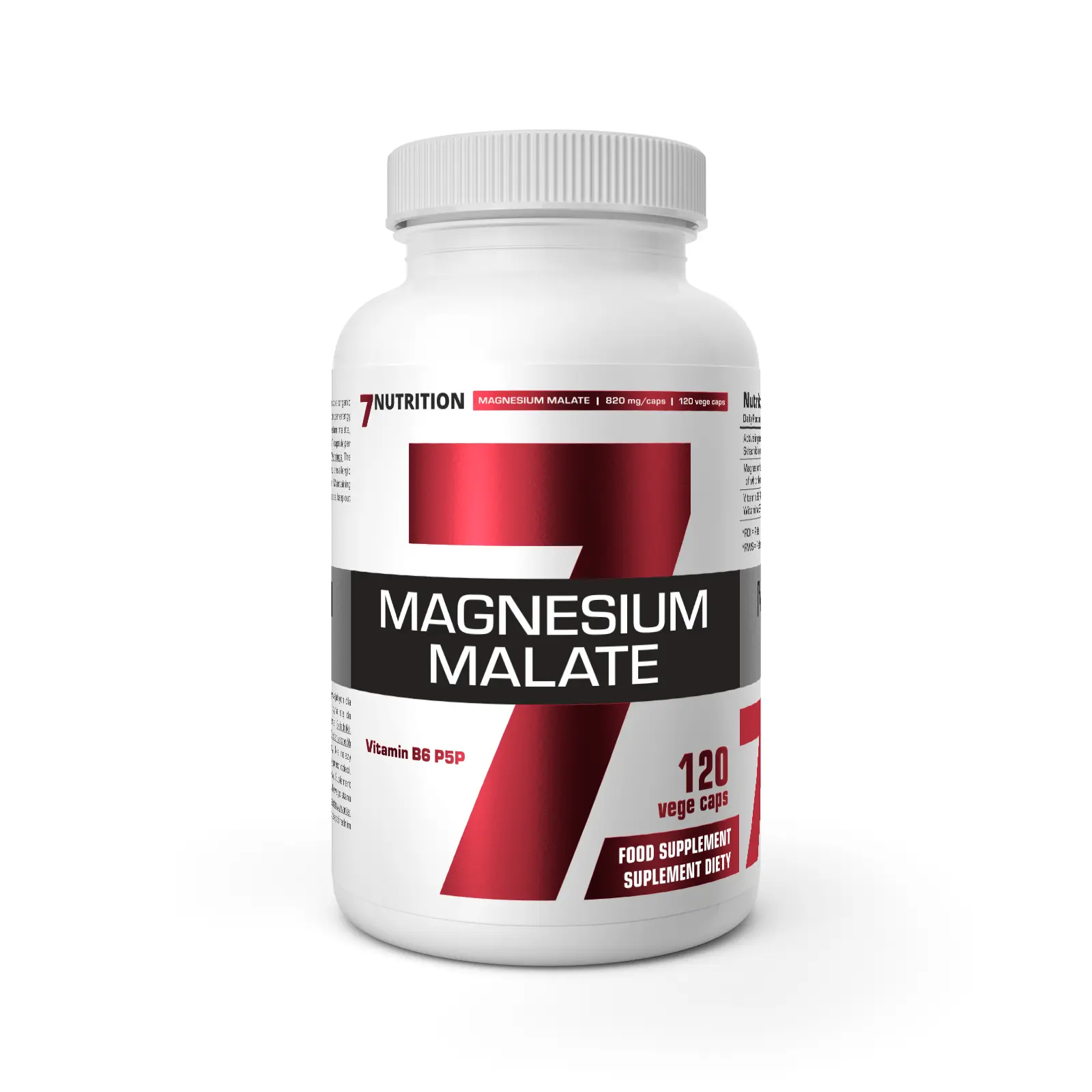 7Nutrition - MAGNESIUM MALATE 120 vege caps – 15.34 €
 Real Pharm Magnesium Citrate 90 капсули – 8.18 €
Key Benefits of Magnesium Supplementation
The benefits of adequate magnesium intake are diverse and profound. For physical performance, it plays a critical role in energy production, muscle contraction, and electrolyte balance. This translates to improved endurance, reduced muscle cramps, and quicker recovery times after intense exercise. Beyond the athletic realm, magnesium contributes significantly to bone health, working in conjunction with calcium and vitamin D to maintain bone density and structure. Its impact on the nervous system is equally important; magnesium helps regulate neurotransmitters, promoting relaxation, reducing stress, and supporting healthy sleep patterns. Furthermore, it contributes to cardiovascular health by helping to maintain normal blood pressure and heart rhythm.
Who Can Benefit from Magnesium?
While magnesium is essential for everyone, certain groups may find supplementation particularly beneficial. Athletes and individuals with high physical activity levels often have increased magnesium requirements due to greater expenditure through sweat and metabolism. Those experiencing frequent muscle cramps, fatigue, or difficulty sleeping might also find relief with adequate magnesium intake. Individuals under chronic stress, as well as the elderly, are also frequently identified as groups that may benefit from additional magnesium. Dietary restrictions or certain medical conditions can also necessitate supplementation.
How to Effectively Use Magnesium Supplements
The optimal dosage and timing for magnesium supplementation can vary based on individual needs and health goals. It is generally recommended to start with a lower dose and gradually increase it, if necessary, to assess tolerance. Taking magnesium with food can help minimize potential digestive discomfort. For sleep support, it
Forms of Magnesium — Which for What Purpose
Magnesium exists in many forms, each with different bioavailability and effect. Magnesium bisglycinate is the gold standard for sleep and stress because it is bound to an amino acid and does not irritate the stomach. Magnesium citrate is cheaper and suitable for digestion. Magnesium malate is ideal for energy and chronic fatigue syndrome. See our range of magnesium with an honest declaration of elemental magnesium.
Signs of Magnesium Deficiency We Miss
Up to 70% of adults in Europe have suboptimal magnesium intake. Classic symptoms — muscle cramps and eyelid twitching — are often overlooked. Lesser-known signs: anxiety without reason, waking up at night at 3-4 am, headaches under stress, constipation, and palpitations. A regular blood test does not detect the deficiency because 99% of magnesium is in the cells and bones.
Magnesium for Athletes — Performance and Recovery
Magnesium is involved in over 300 enzymatic reactions, including ATP synthesis (the cell's energy). During intense training, the body loses 30-50% more magnesium through sweat. Supplementing with 400-500 mg of elemental magnesium daily improves maximum strength, reduces resting heart rate, and speeds up recovery between sets.
Sleep and Nervous System — The Natural Anxiolytic
Magnesium regulates GABA receptors in the brain — the same ones that anxiolytic medications act on. 300-400 mg of bisglycinate an hour before bed shortens sleep onset time by 15-20 minutes and increases deep sleep. For people with severe stress, the combination of magnesium + L-theanine + vitamin B6 is extremely effective.
Wholesale Prices for Health Stores
For pharmacies and health stores, we offer wholesale magnesium with up to 35% discount. Register for access to the B2B catalog with leading brands such as AllMax, Real Pharm, and 7Nutrition.