Магнезиев малат
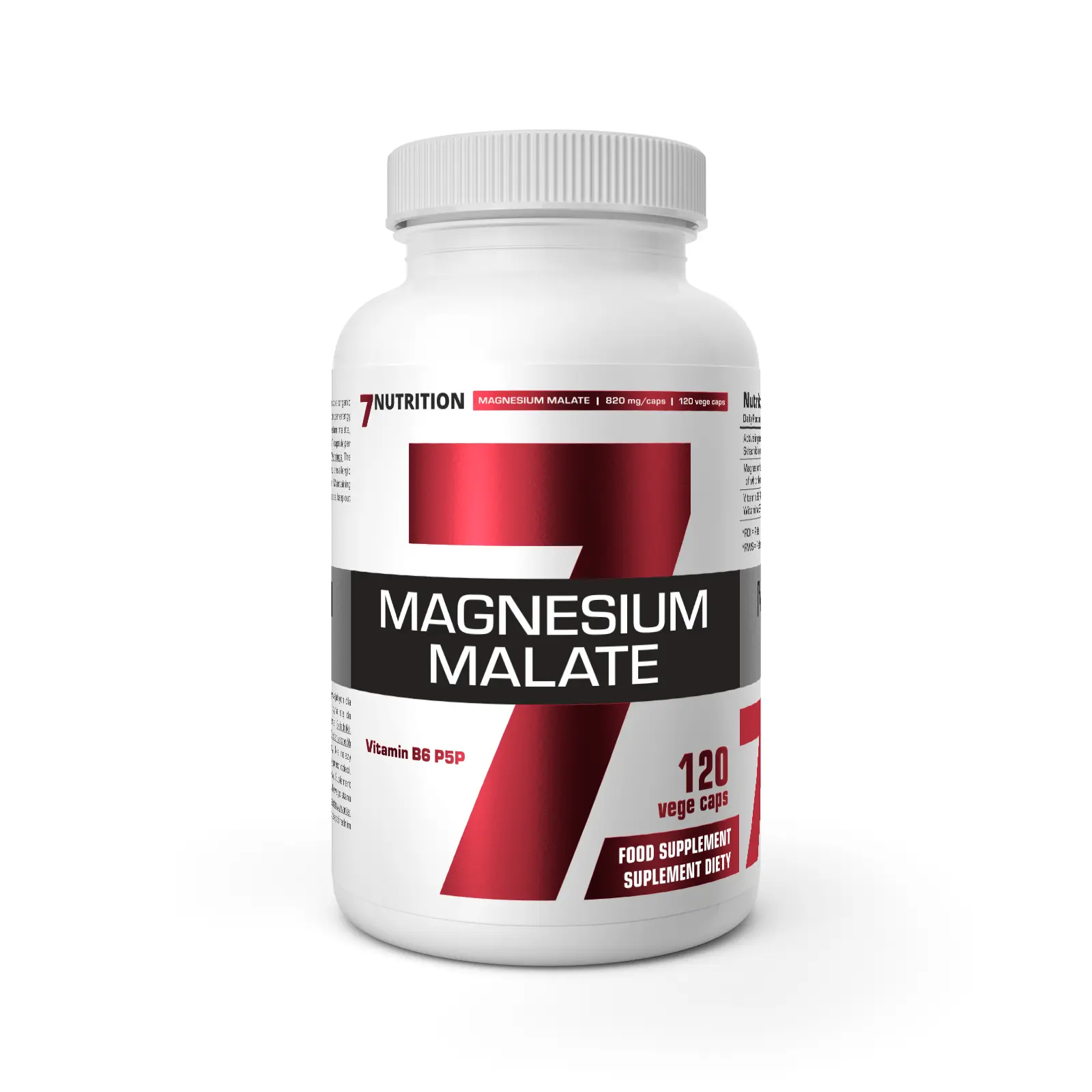
Magnesium malate is a chelated form in which magnesium is bound to malic acid — an organic acid directly involved in energy production through the Krebs cycle.
Unlike glycinate, malate has a slightly stimulating, energizing effect and is suitable for morning intake — especially for fatigue, fibromyalgia, and before training.
What is magnesium malate?
Magnesium malate is a chelated form in which magnesium is bound to malic acid — an organic acid that is directly involved in the Krebs cycle and the production of cellular energy (ATP). This is the only form of magnesium that simultaneously provides the mineral and an active substrate for energy metabolism.
What does magnesium malate help with?
The unique combination of magnesium + malate makes this form particularly effective in conditions associated with energy deficiency and chronic fatigue:
- Fibromyalgia — proven effect on muscle pain and fatigue (300–600 mg/day).
- Chronic Fatigue Syndrome (CFS) — increases energy without stimulants.
- Sports endurance — optimizes ATP synthesis and reduces lactate.
- Post-workout muscle soreness — accelerates recovery.
- Morning lethargy — suitable for morning intake, unlike glycinate.
Dosage and timing of intake
The recommended dose is 200–400 mg of elemental magnesium daily, preferably in the morning or 30–60 minutes before training. For fibromyalgia and chronic fatigue, the dose can be increased to 600 mg, divided into 2–3 doses throughout the day. Avoid evening intake, as malate has a slightly stimulating effect.
Malate vs. glycinate vs. citrate
The choice of form depends on the goal: malate for energy and morning intake, glycinate for sleep and stress (evening), citrate for digestion and mild laxative effect. Malate is the first choice for athletes, people with chronic fatigue, and those with fibromyalgia. Its bioavailability is comparable to glycinate (around 70–75%).