Multivitamins
Over 75% of Americans take dietary supplements, with multivitamins being among the most popular choices. These essential blends are designed to fill nutritional gaps that can arise from modern diets, stress, or specific lifestyle needs. They offer a convenient way to ensure your body receives a broad spectrum of vitamins and minerals vital for optimal health, energy, and immune function.
From supporting bone density with Vitamin D and Calcium to boosting cognitive function with B vitamins and iron, a well-chosen multivitamin can be a key part of your wellness routine. They play a crucial role in metabolic processes, antioxidant defense, and even mood regulation. For instance, adequate magnesium intake, often found in multivitamins, is linked to better sleep quality and reduced anxiety.
When selecting a multivitamin, pay close attention to the forms of nutrients. For example, look for methylated B vitamins (like methylcobalamin for B12 and methylfolate for folate) as these are more bioavailable for many individuals. A good tip is to check for third-party testing certifications to ensure purity and potency, as supplement quality can vary significantly.
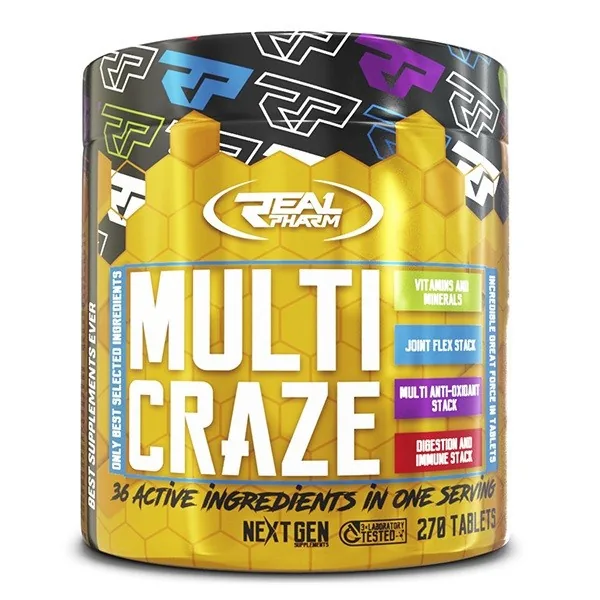
- Multi Craze Real Pharm 270 таблетки – 27.61 €
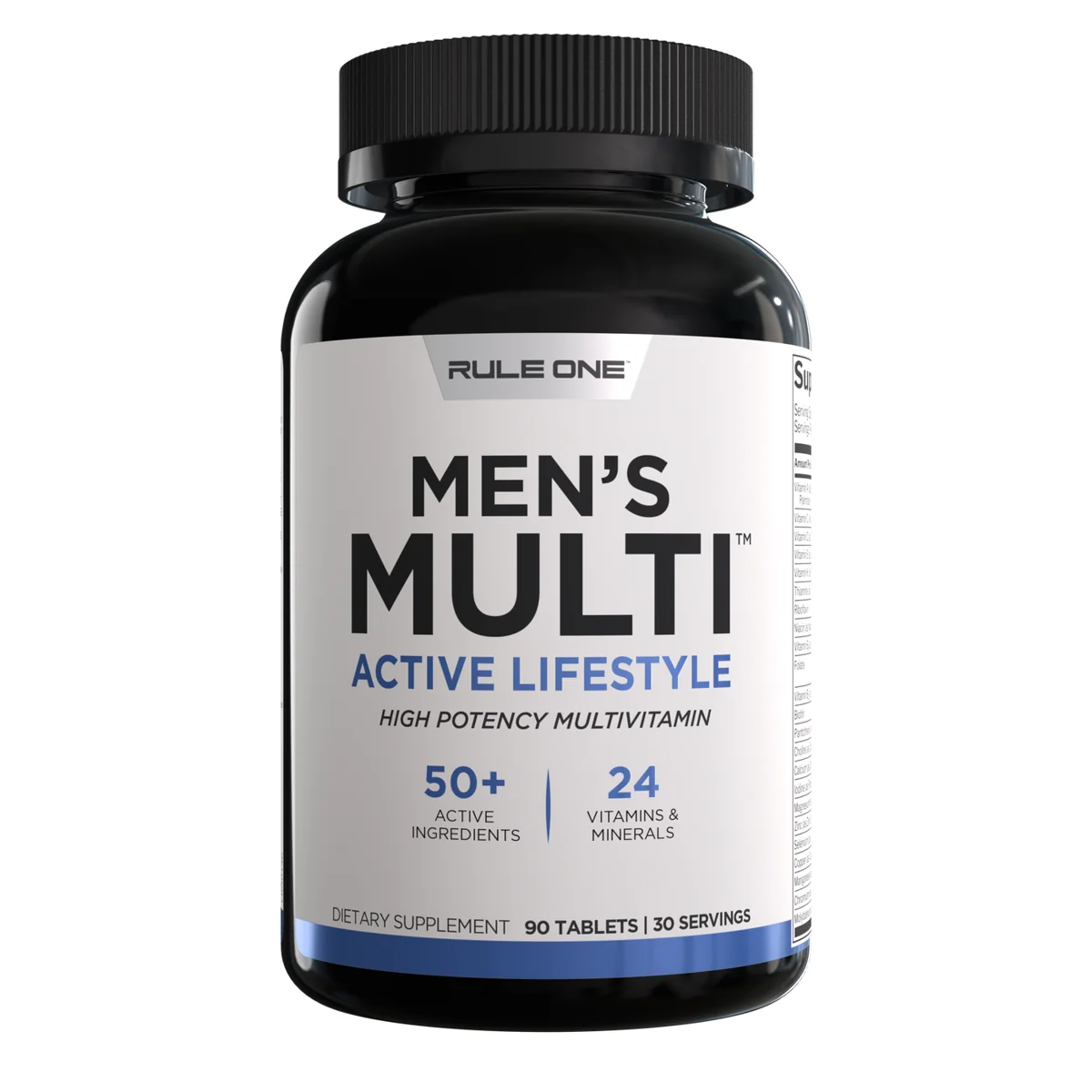 Rule 1 R1 Men's Multi 90 таблетки – 19.99 €
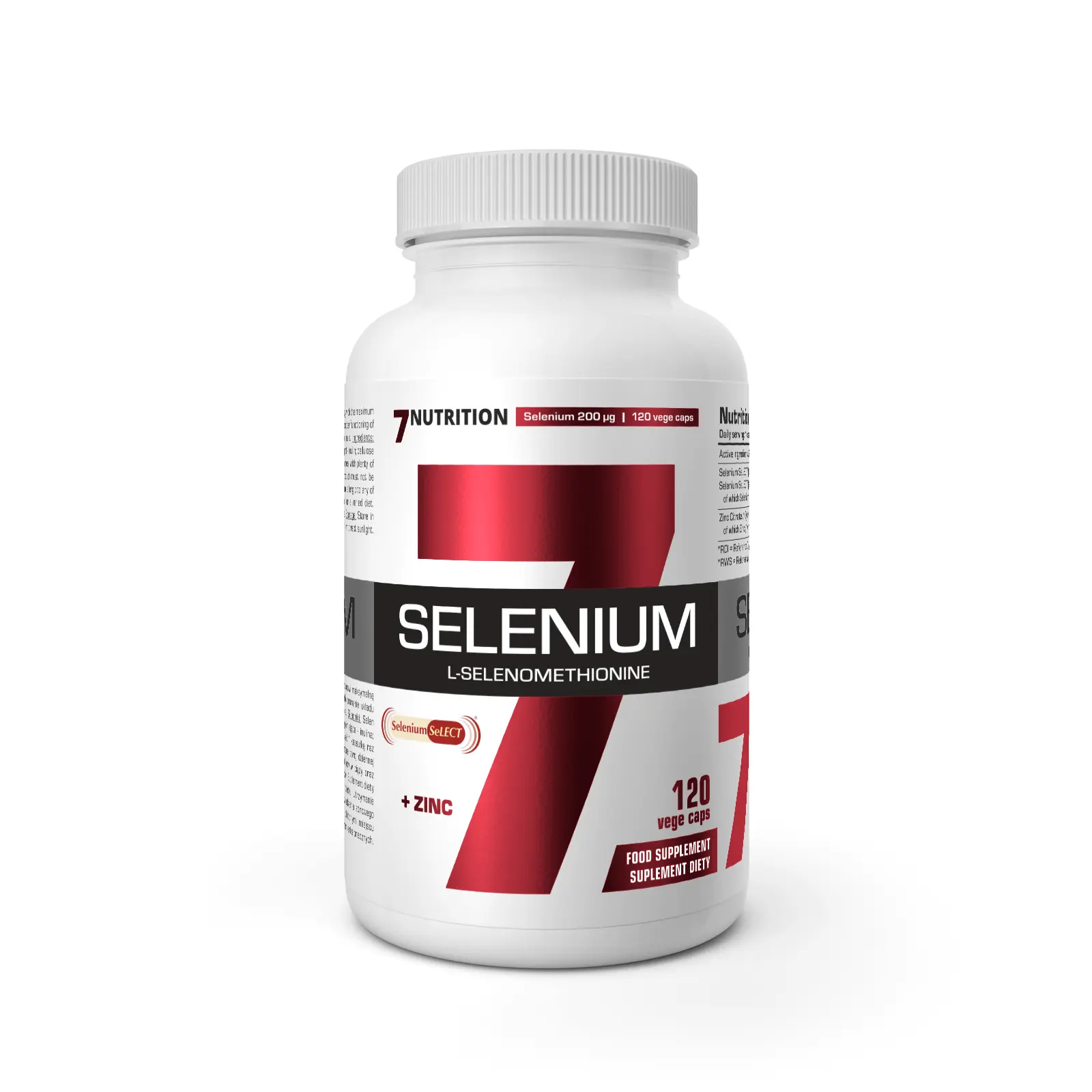 7Nutrition - SELENIUM 120 vege caps – 11.25 €
 ANIMAL Core Stack – Animal Pak, Animal Flex и Animal Cuts – 99.95 €
 Allmax Vitaform: Multivitamin Supplement for Women – 17.00 €
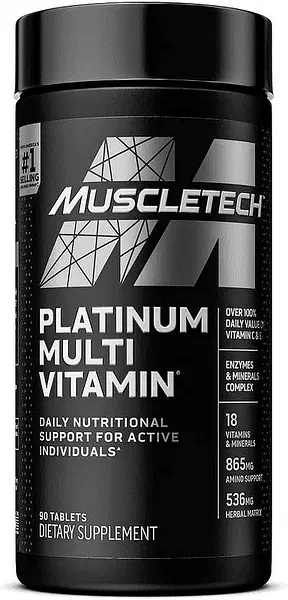 Platinum Multivitamin MuscleTech 90 таблетки – 30.80 €
 Real Pharm Vitamax Women 60 таблетки – 8.18 €
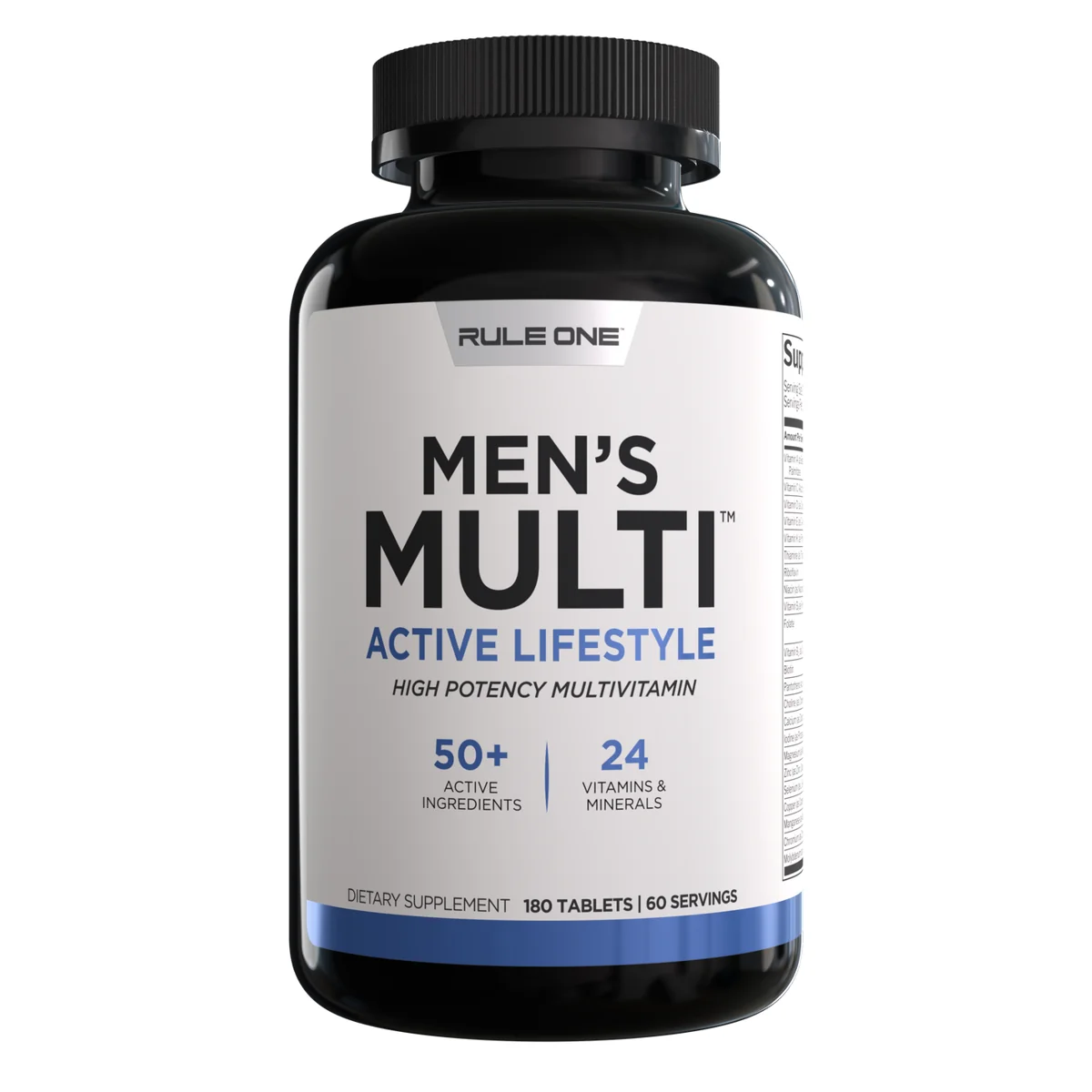 Rule 1 R1 Men's Multi 180 таблетки – 34.99 €
 Vitamin Pack Real Pharm 30 пакета – 36.81 €
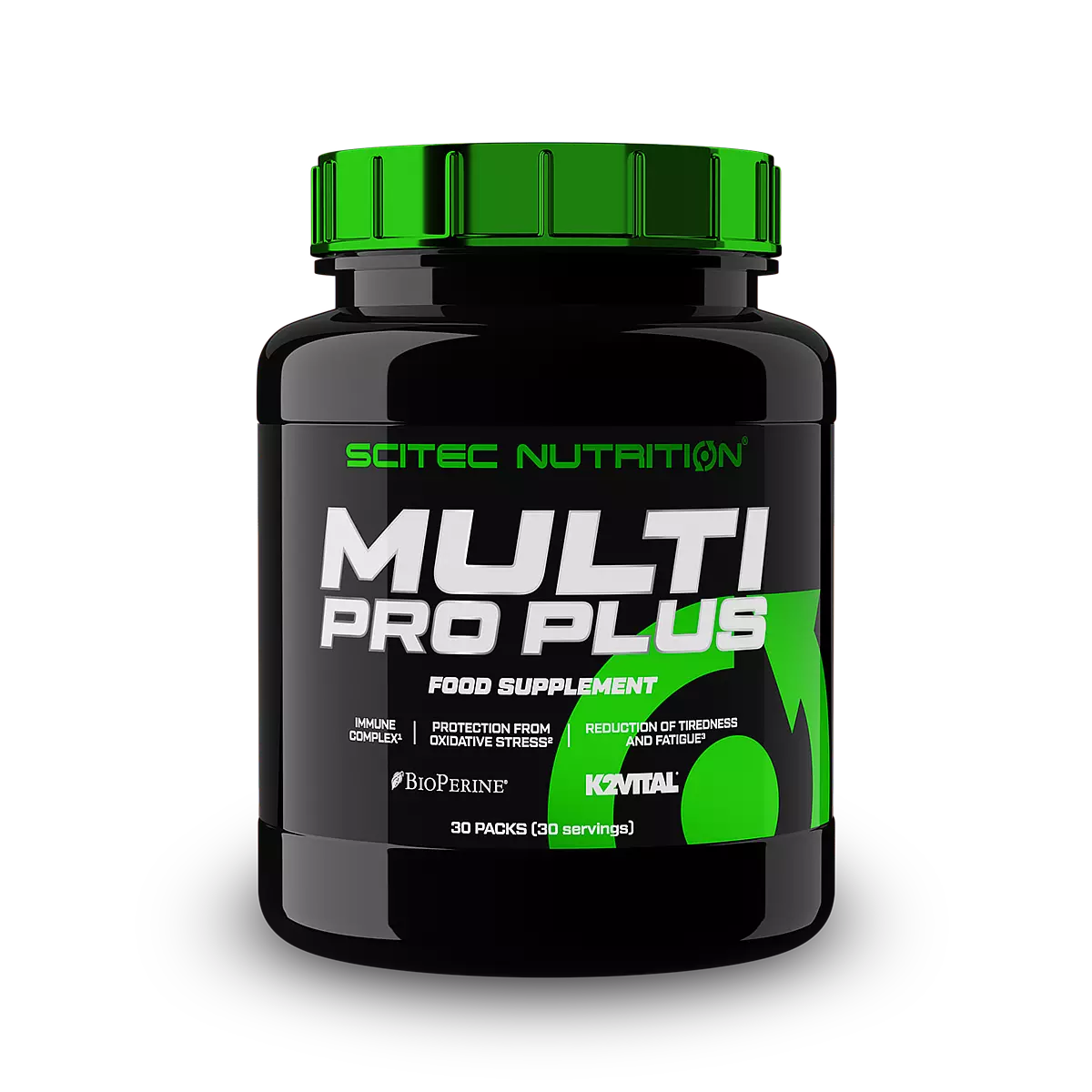 Scitec Nutrition Multi-Pro Plus (30 pak.) – 37.90 €
 Scitec Nutrition Mega Daily One (120 caps) – 24.90 €
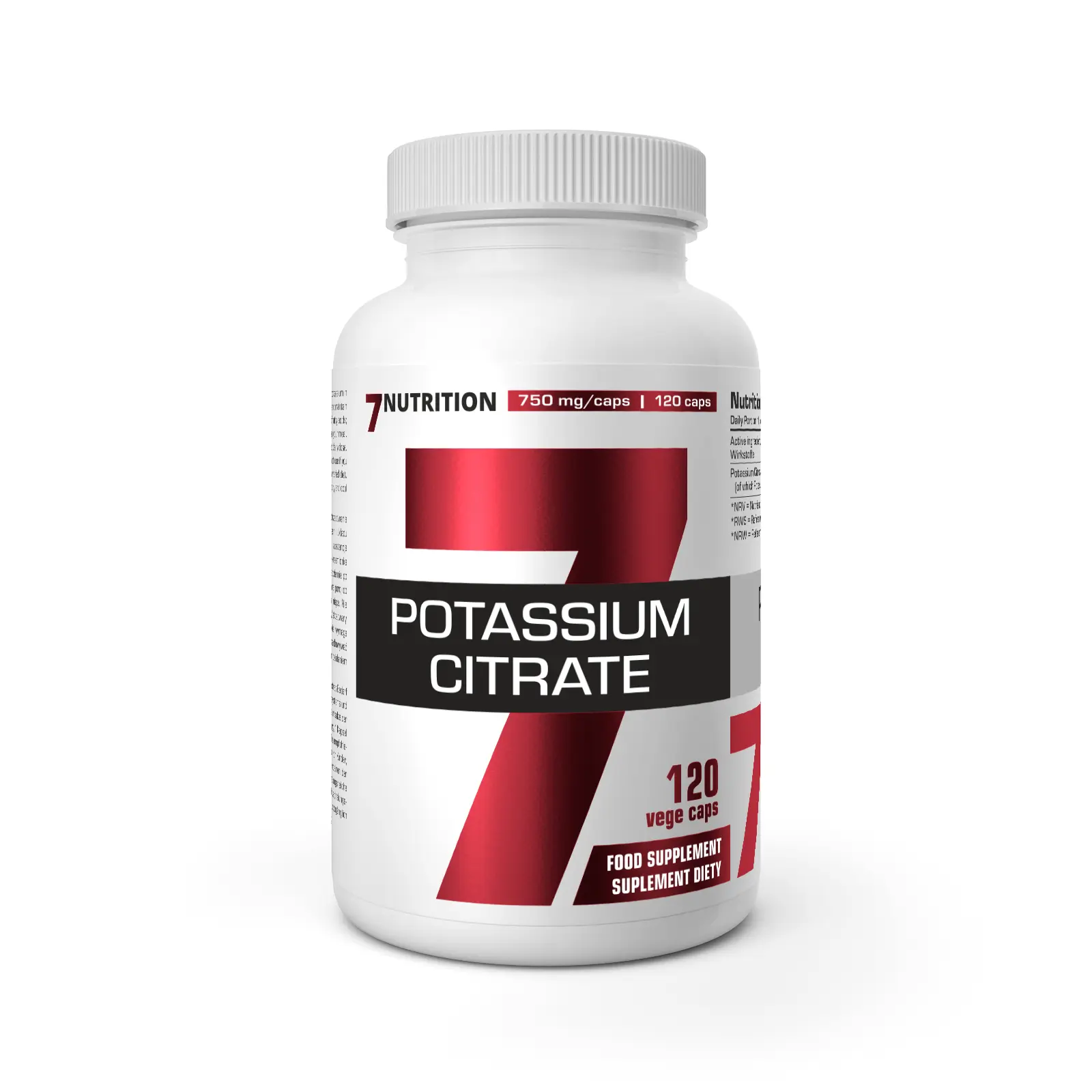 7Nutrition - Potassium Citrate 120 vege caps – 8.20 €
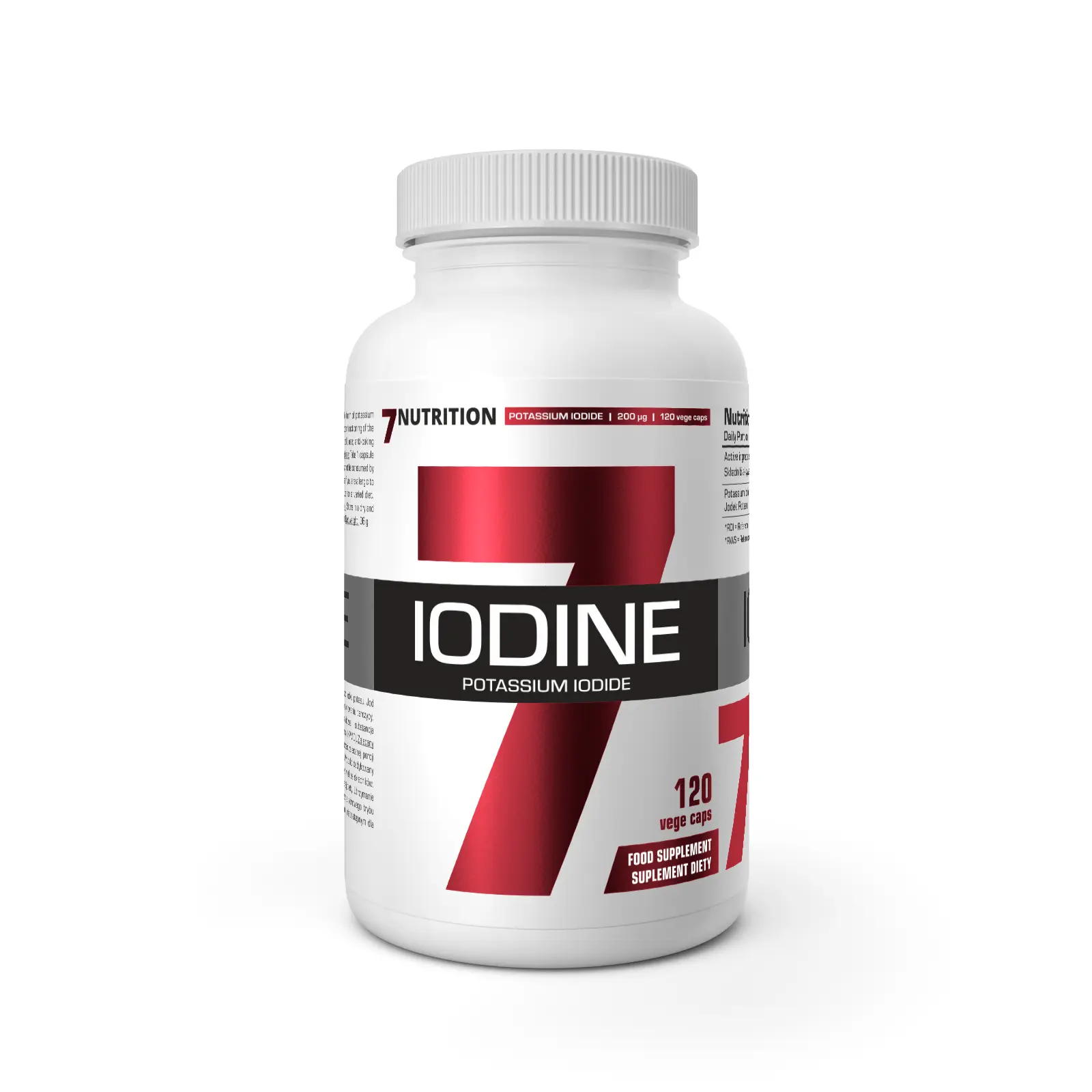 7Nutrition - Iodine 120 vege caps – 9.90 €
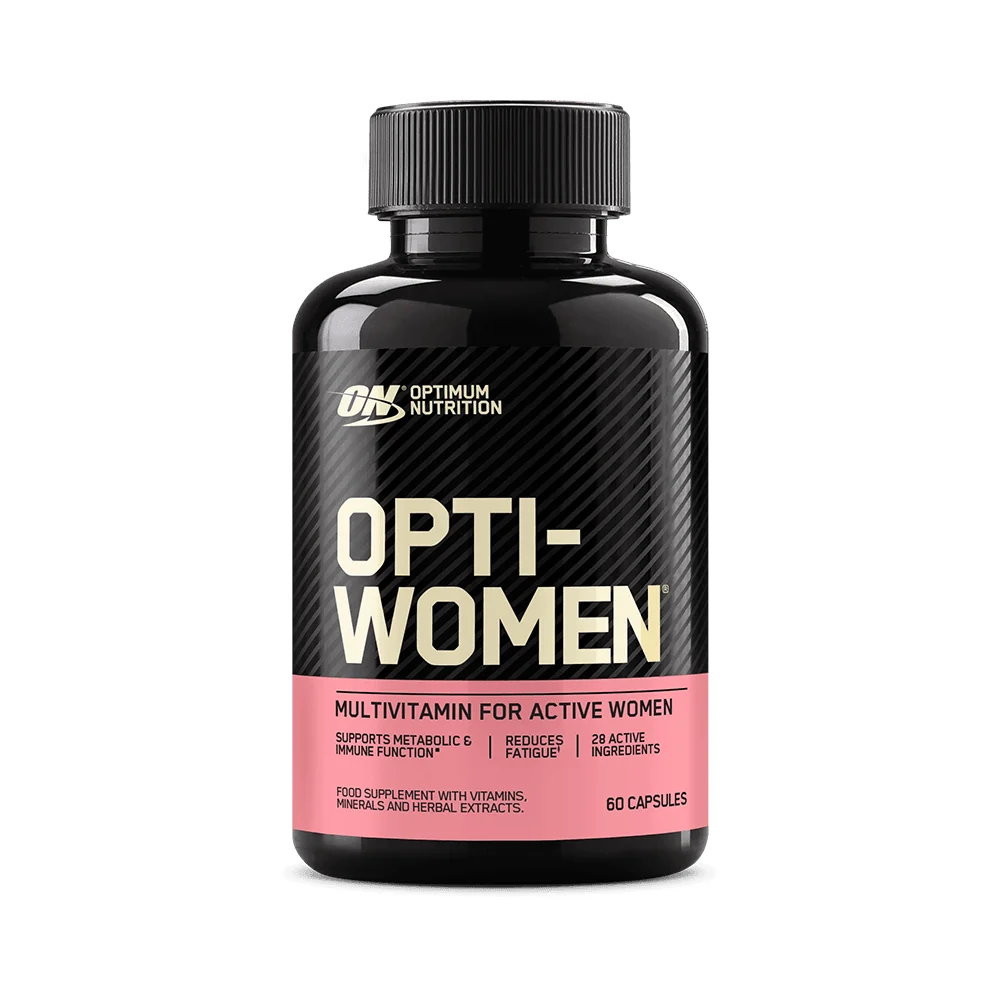 Optimum Nutrition Opti-Women – мултивитамини за активни жени – 23.01 €
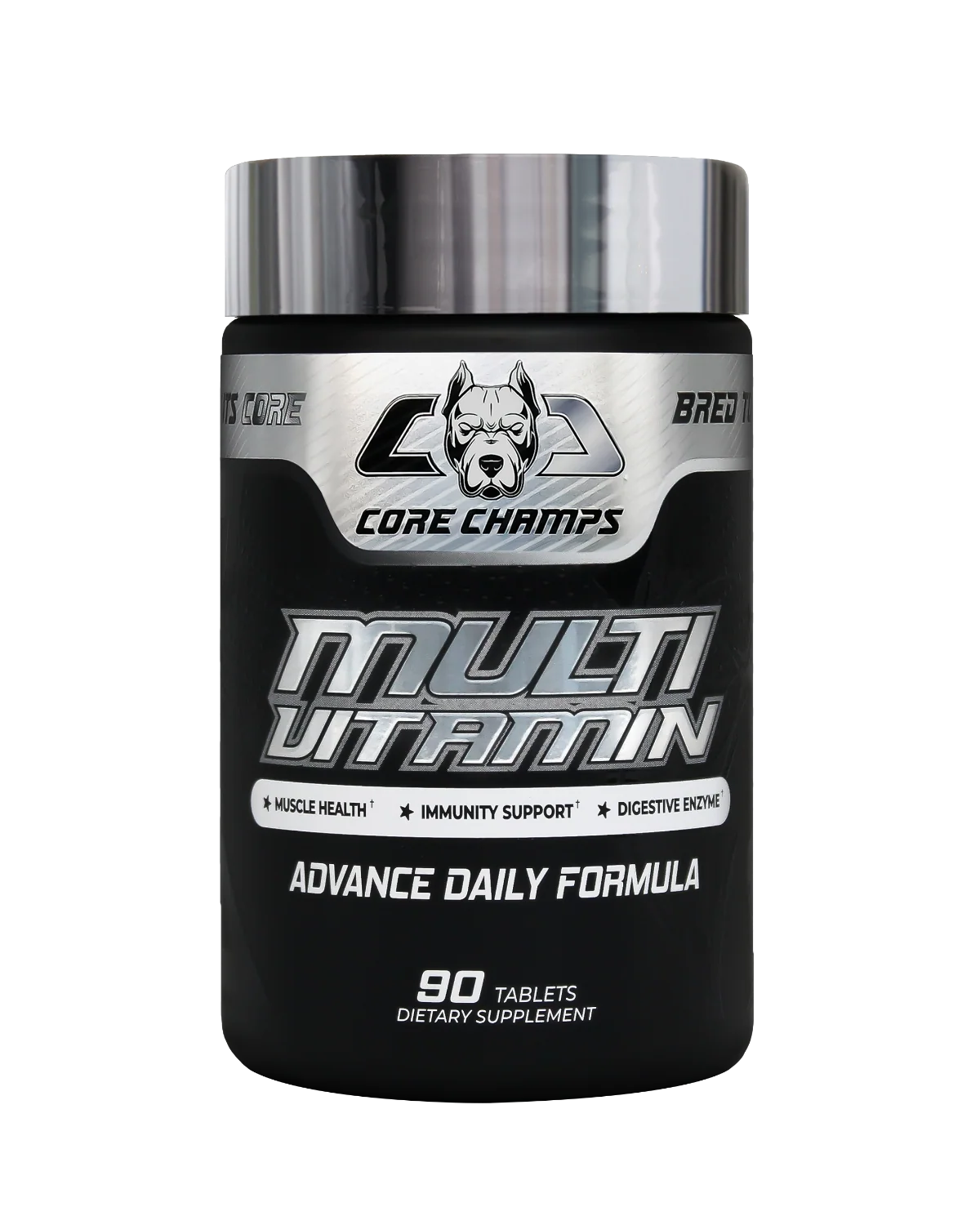 Core Champs Multivitamin 90 таблетки – 18.99 €
 Animal Pak 30 пакета – комплексен мултивитамин за трениращи – 39.95 €
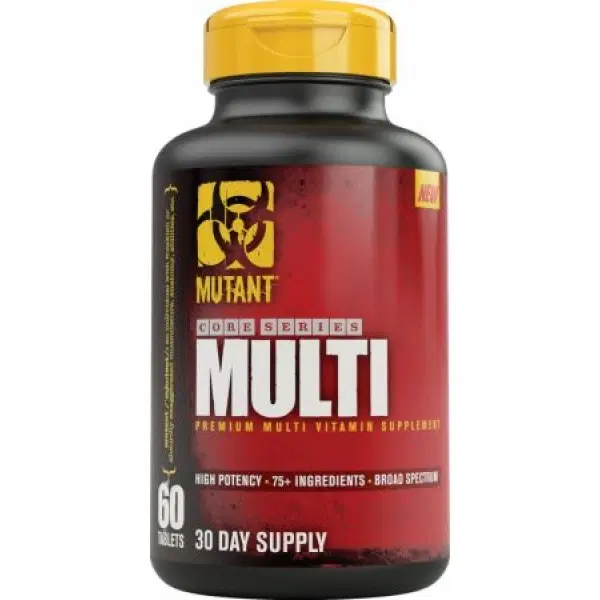 MUTANT - Multi Vitamin Supplement / 60tabs – 15.00 €
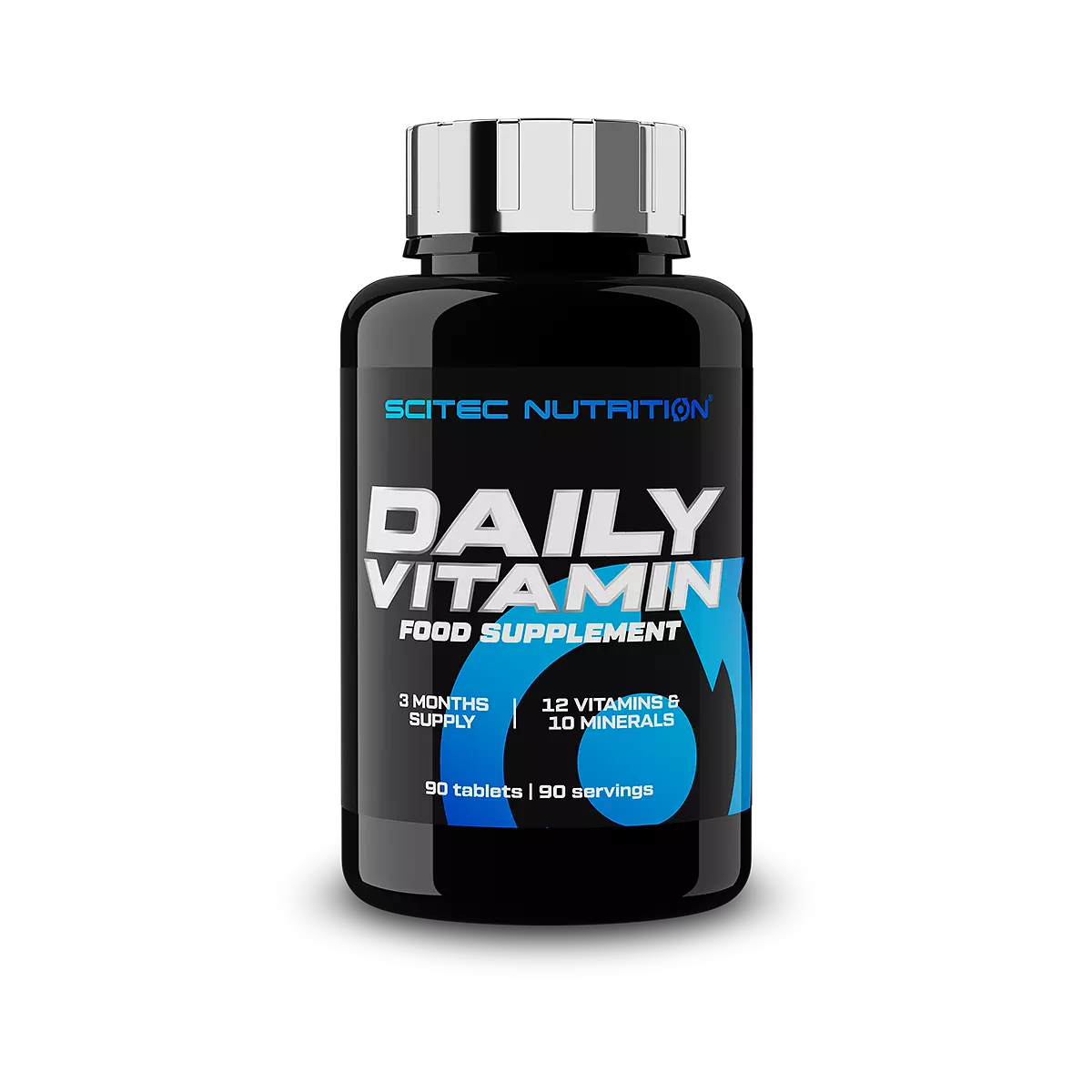 Scitec Nutrition Daily Vitamin (90 tab.) – 23.90 €
 Vitamin Shock Real Pharm 300 г – 26.90 €
 Muscle Care - Pro Vitamin / 90 tab – 9.20 €
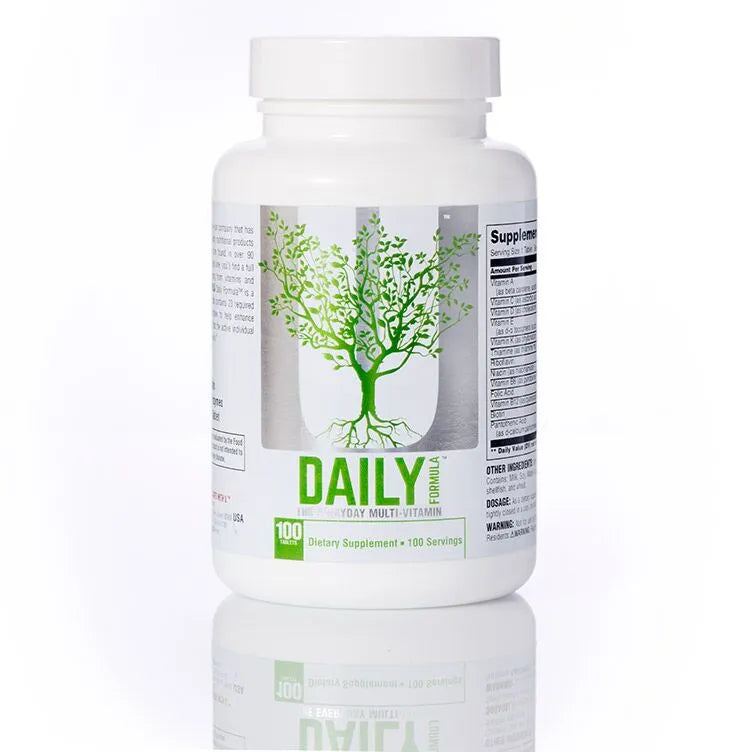 Universal Nutrition Daily Formula 100 таблетки – 14.95 €
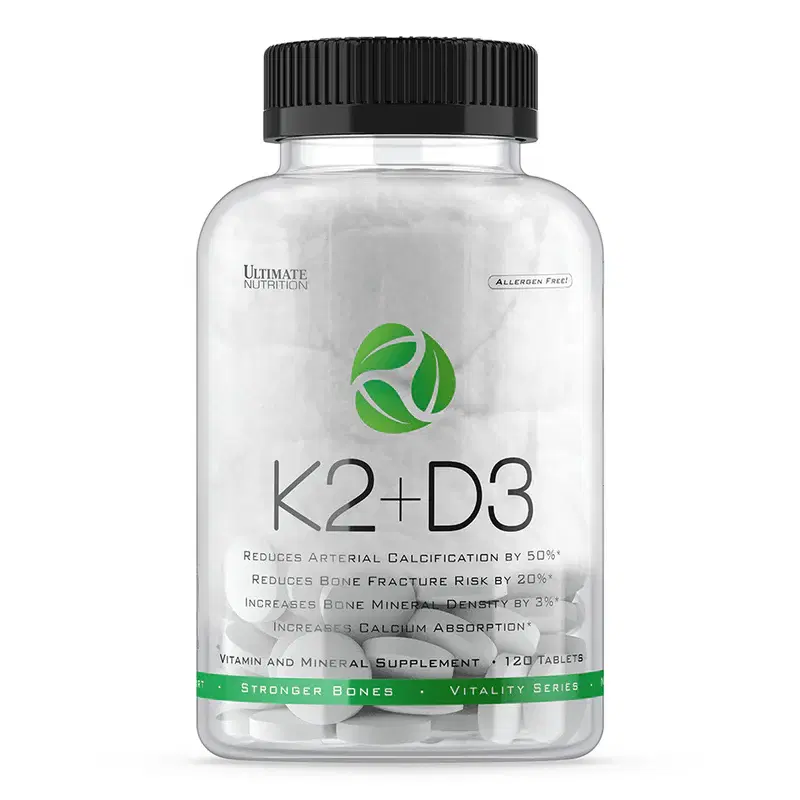 Витамин K2+D3 Ultimate Nutrition 120 таблетки – 26.59 €
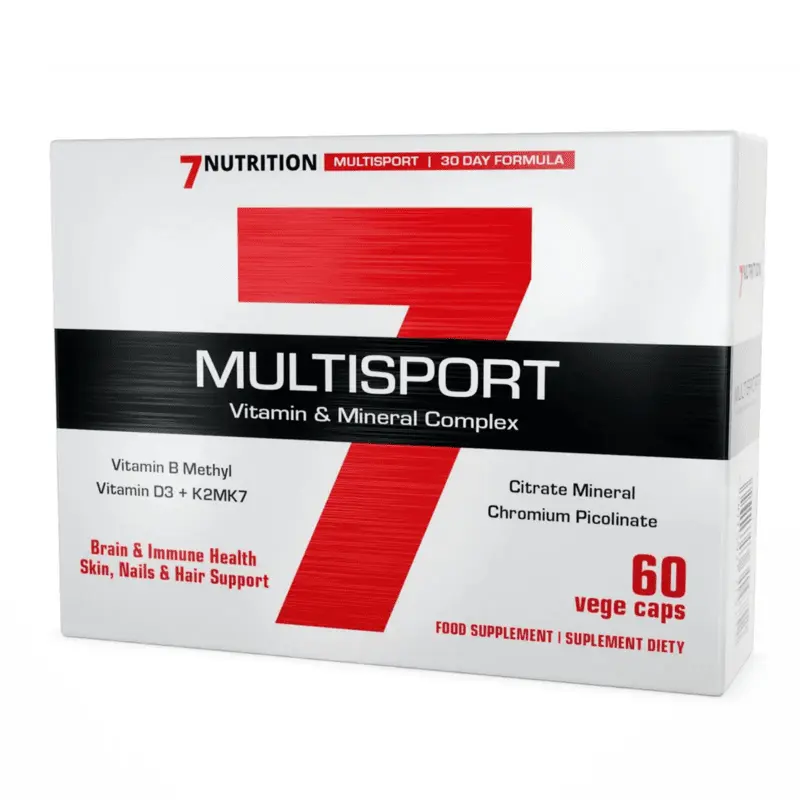 7Nutrition - Multisport Vitamin & Mineral Complex / 60caps – 13.29 €
 Animal Pak 44 пакета – комплексен мултивитамин за трениращи – 49.50 €
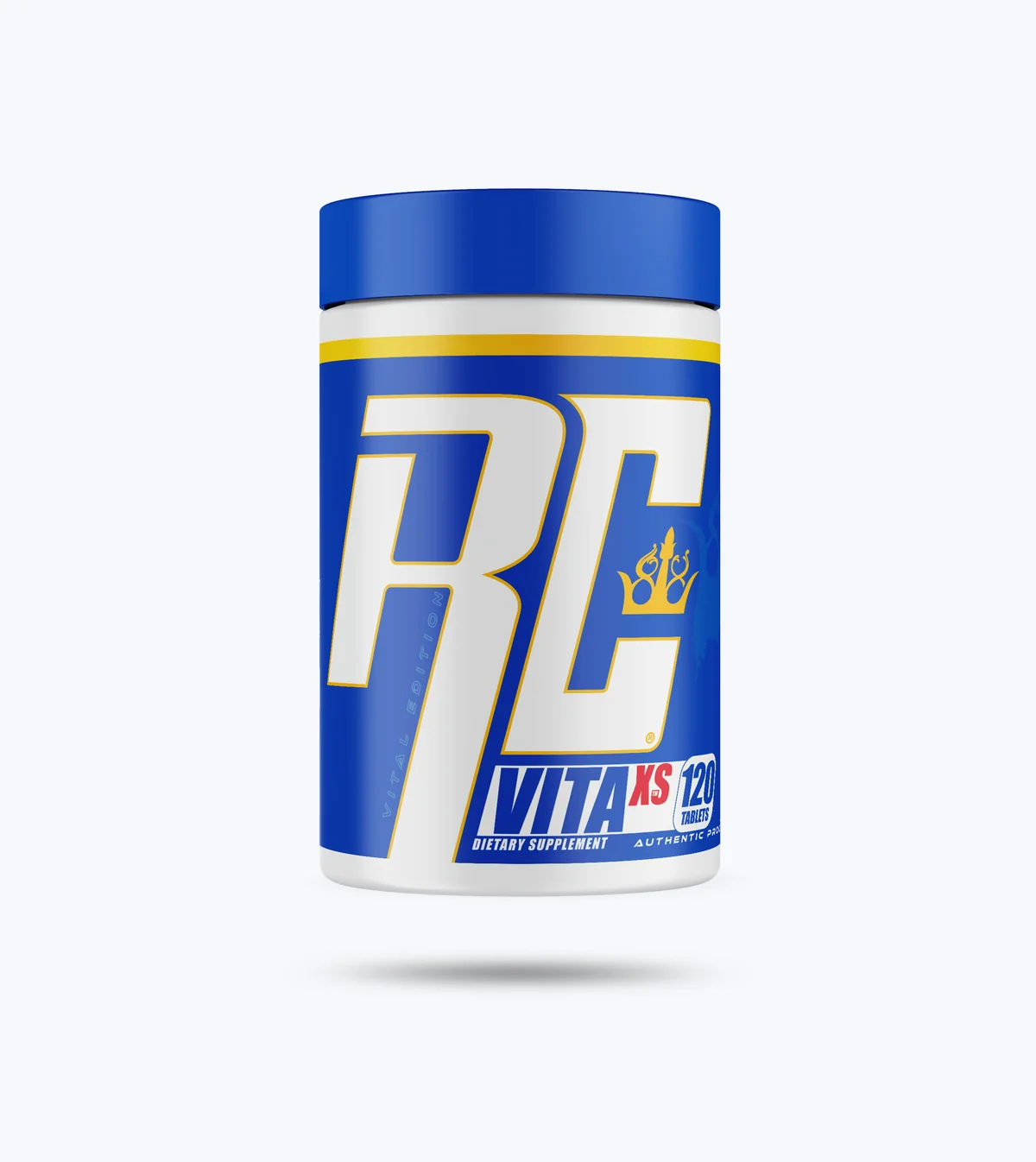 Ronnie Coleman Vita XS 120 капсули – 34.99 €
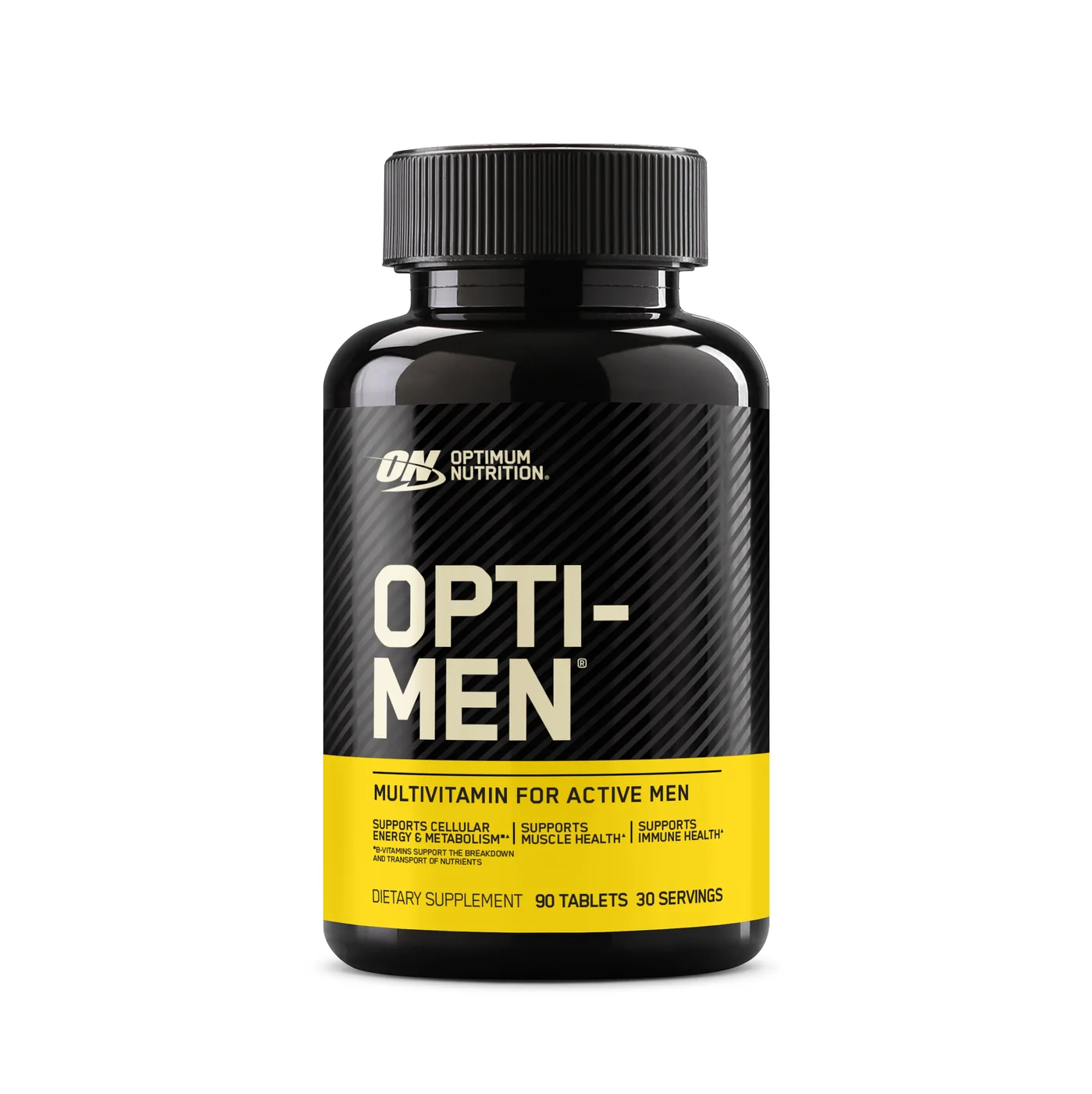 Optimum Nutrition Opti-Men – мултивитамини за активни мъже – 23.01 €
 Scitec Nutrition Mega Daily One (60 caps) – 17.90 €
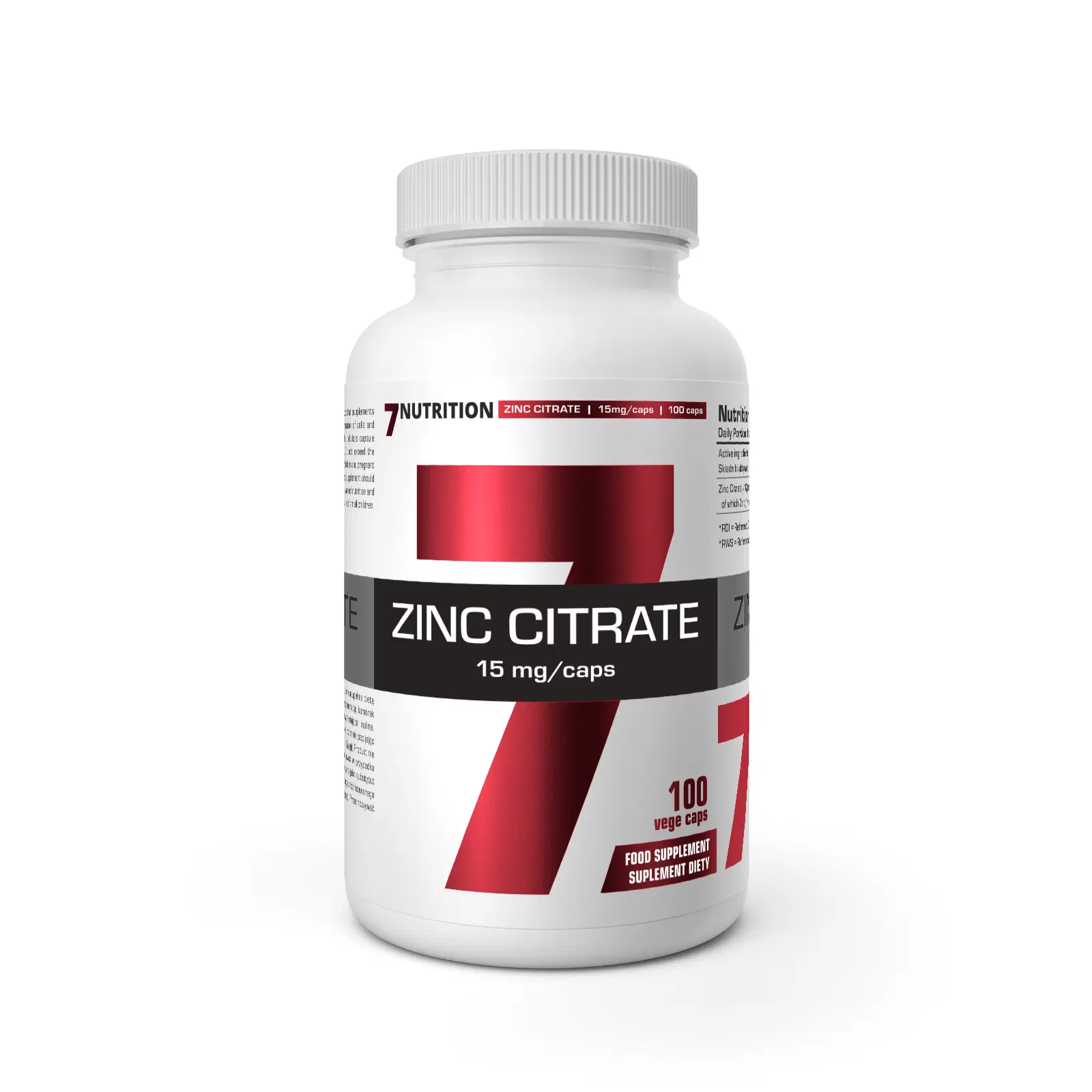 7Nutrition - ZINC CITRATE 15mg 100caps – 12.00 €
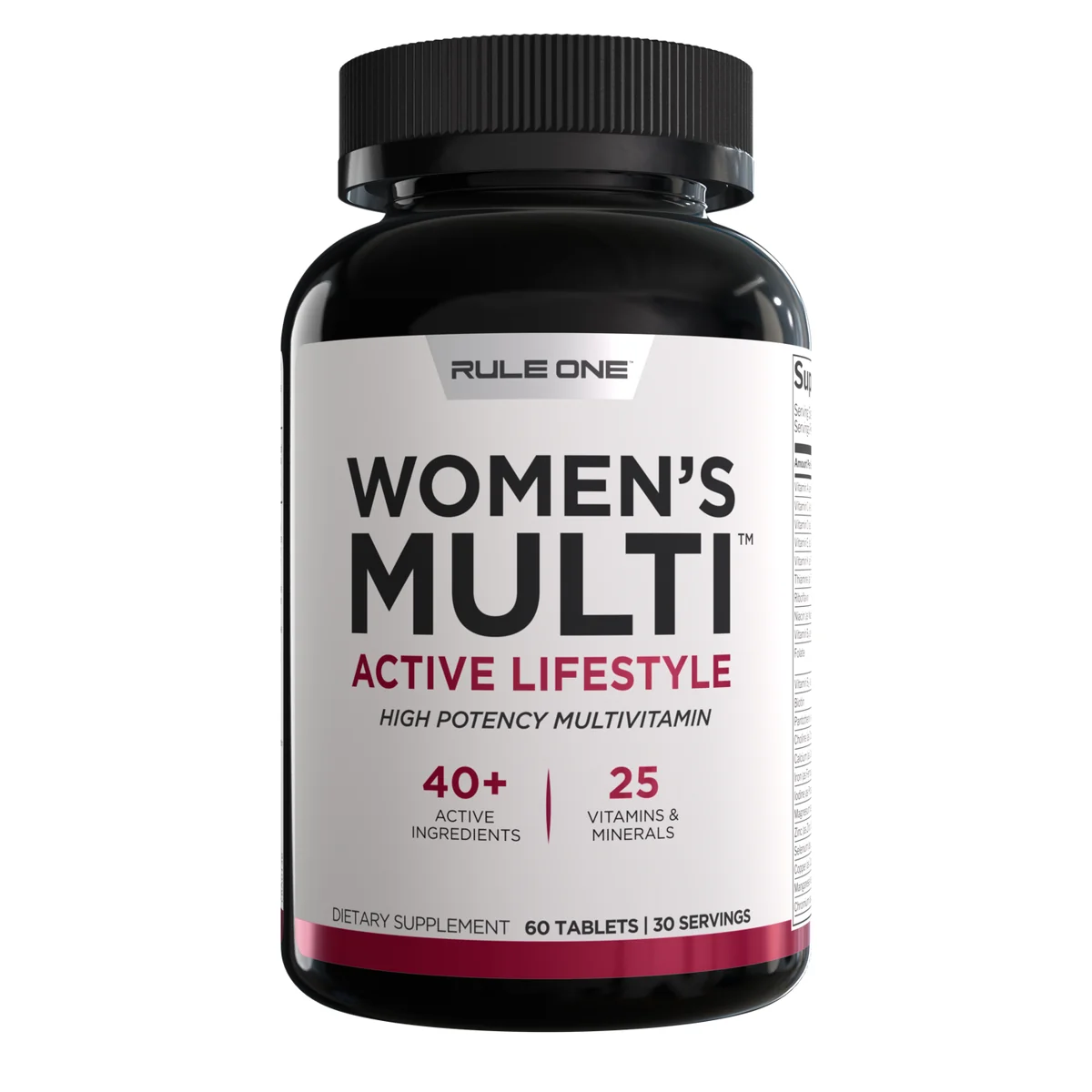 Rule 1 R1 Women's Multi 60 таблетки – 14.99 €
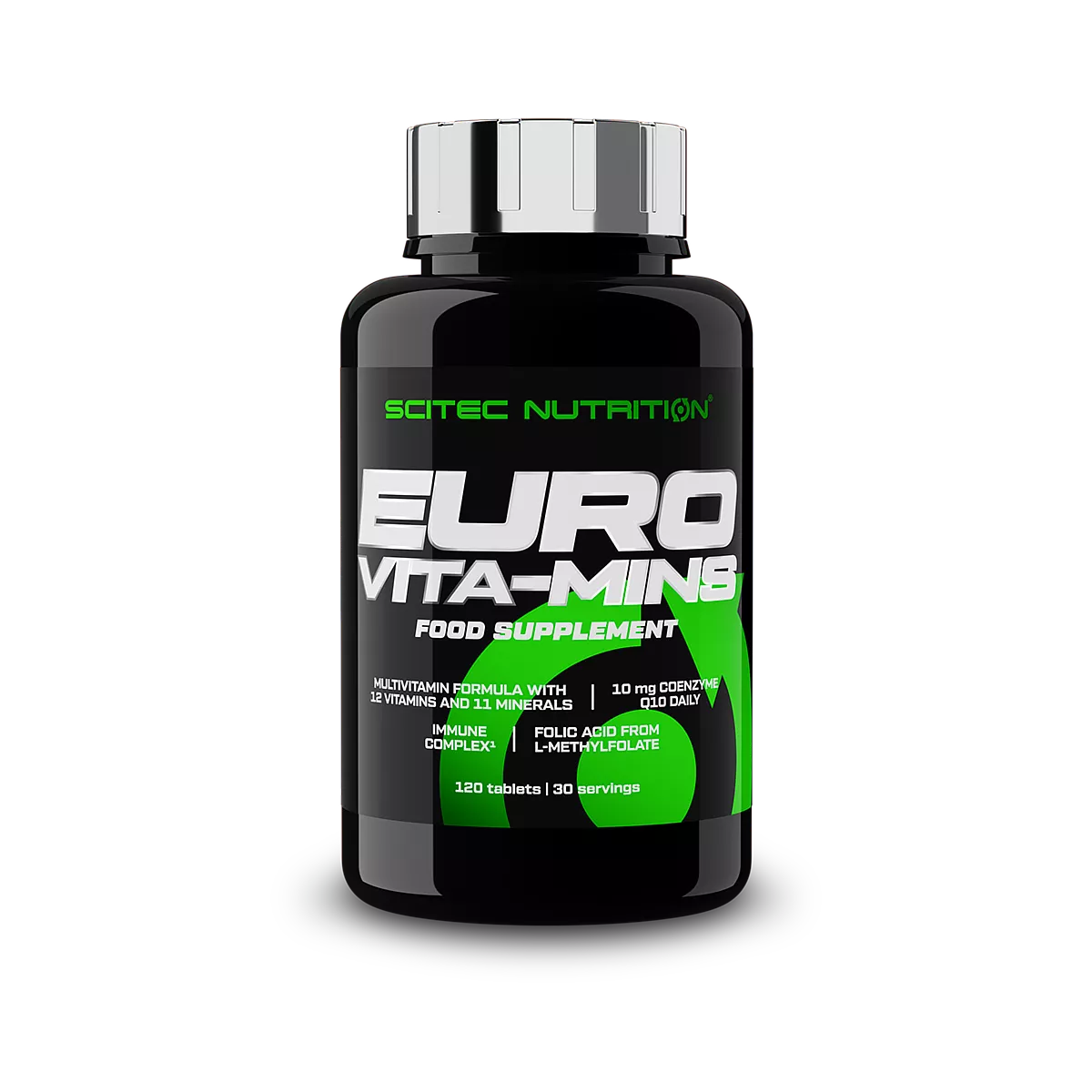 Scitec Nutrition Euro Vita-Mins (120 tab.) – 21.50 €
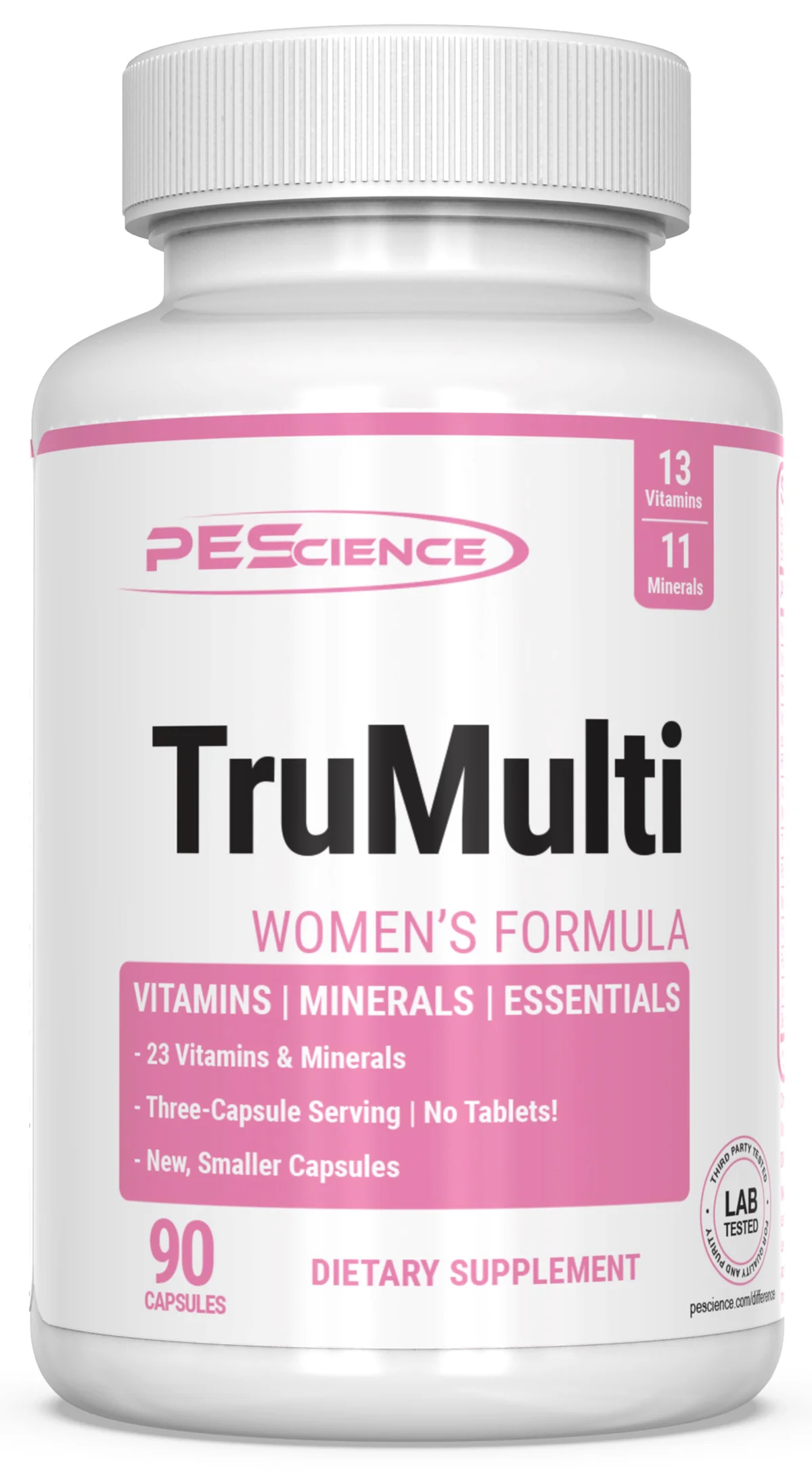 PEScience TruMulti Women’s – 19.99 €
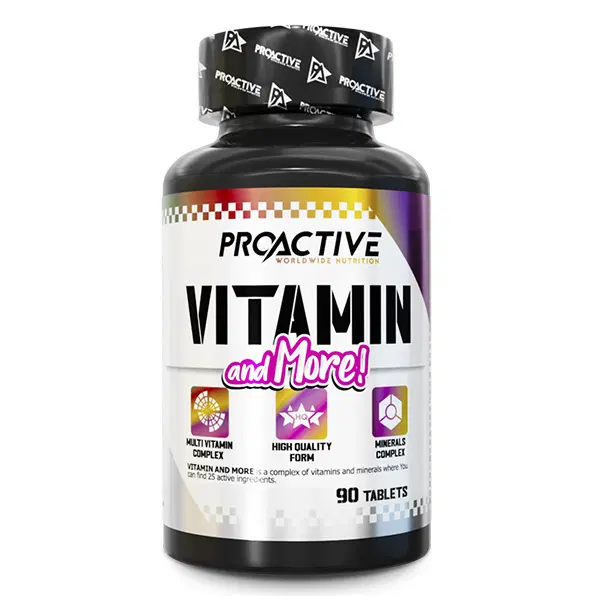 ProActive Vit-Min & More 90 tabs – 3.97 €
 Real Pharm Vitamax MEN 60 таблетки – 8.18 €
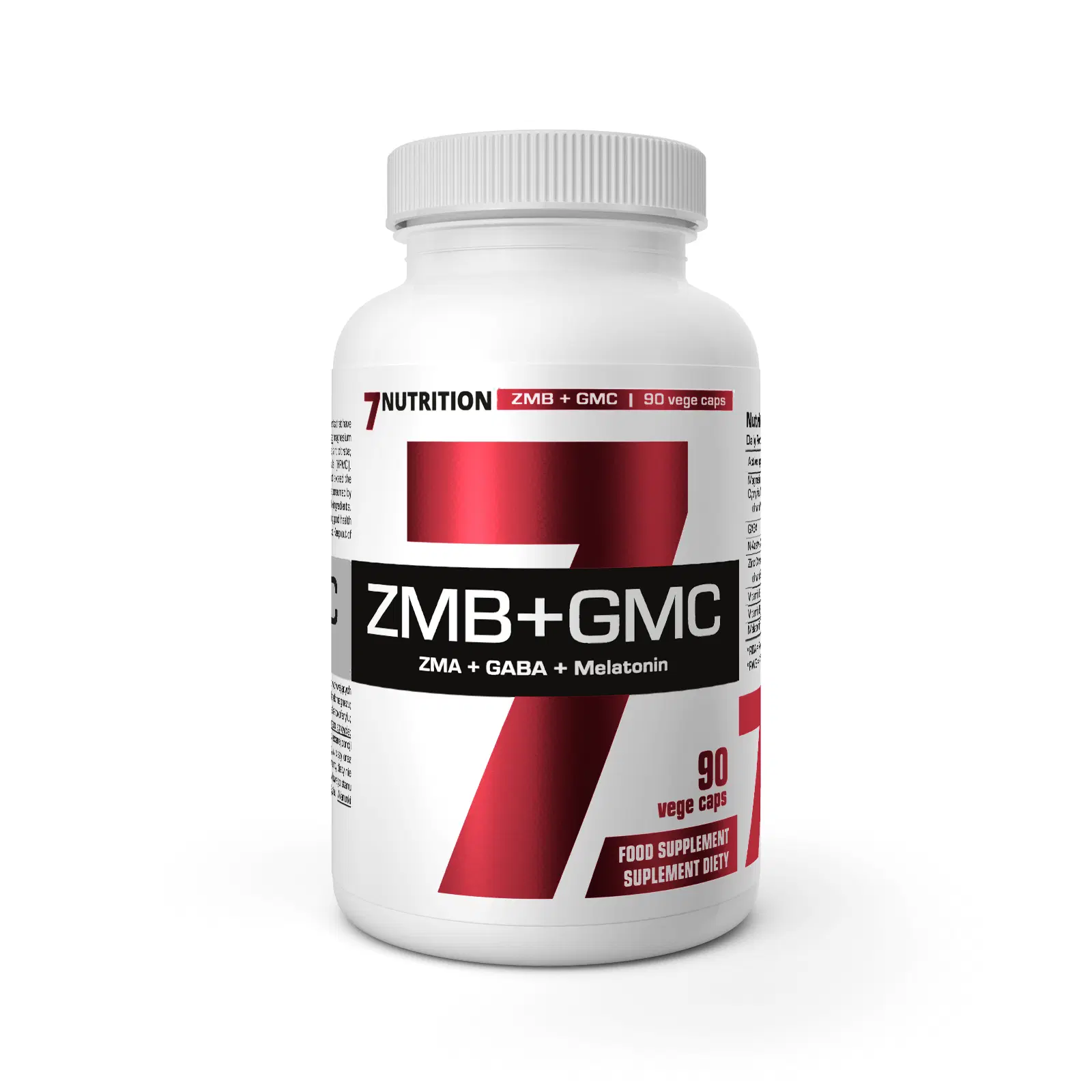 7Nutrition - ZMB + GMC 90 vege caps – 12.30 €
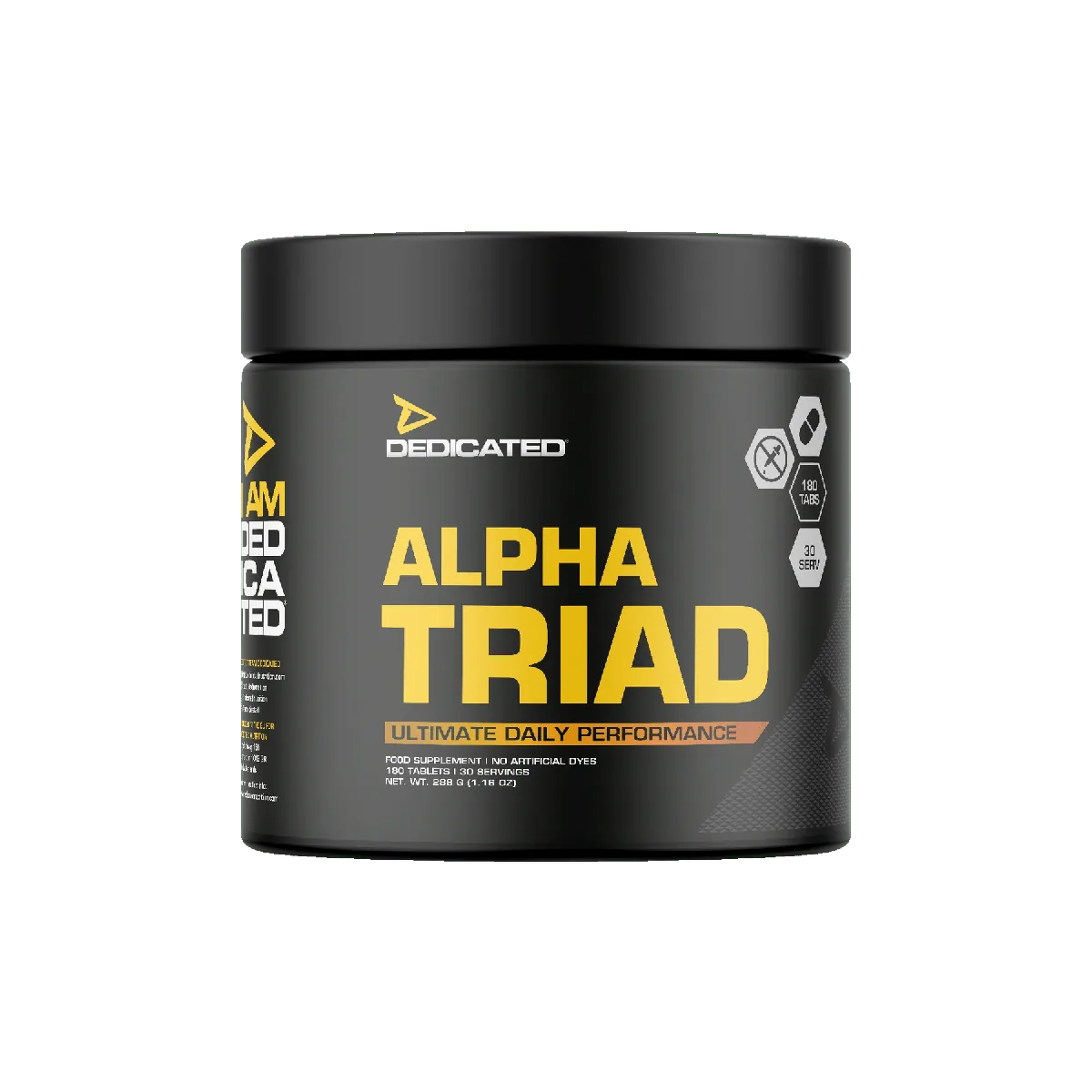 Мултивитамини за спортисти Alpha Triad Dedicated Nutrition 180 таблетки – 43.00 €
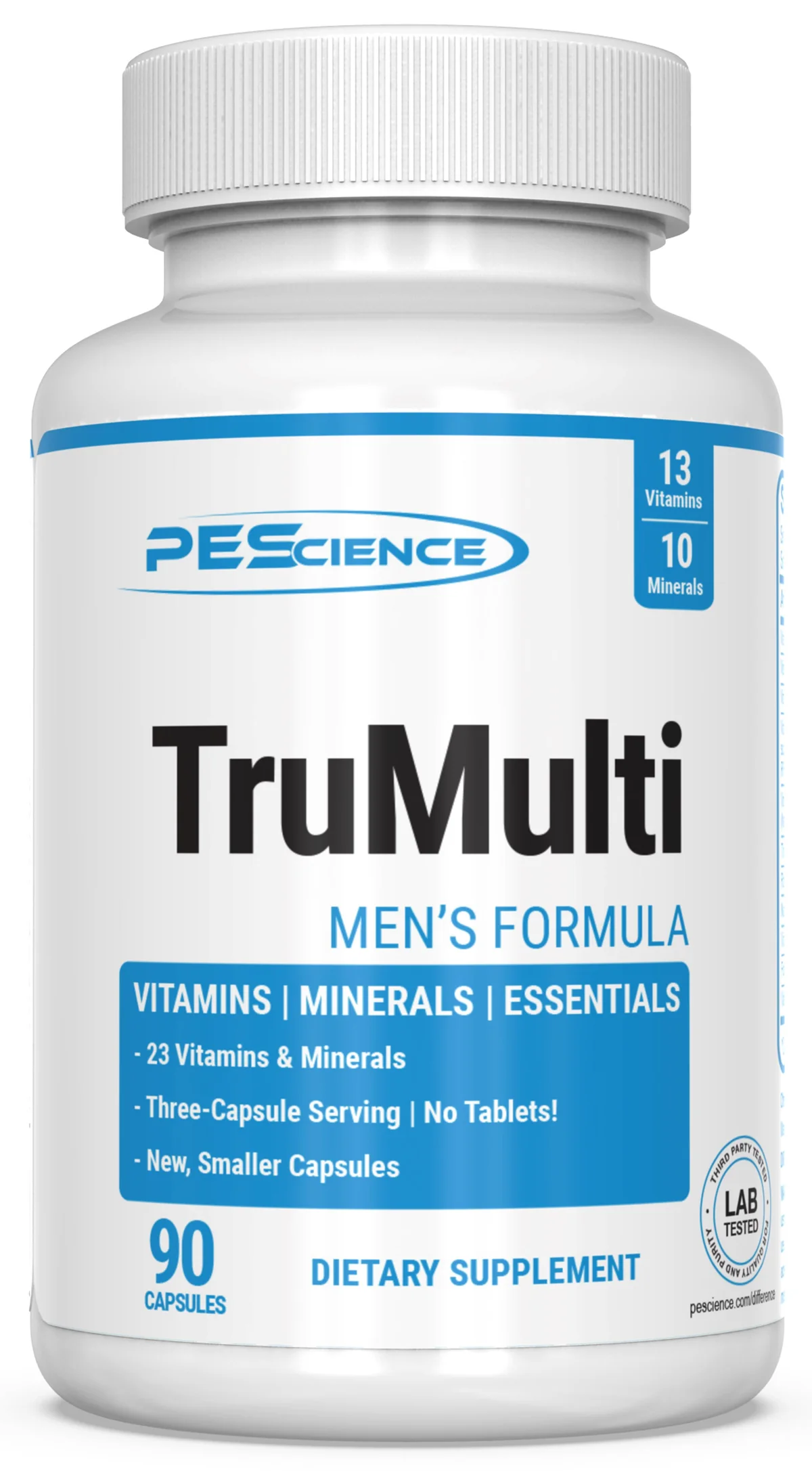 PEScience TruMulti Men’s – 19.99 €
 Animal Pak Powder – мултивитаминна формула на прах – 49.95 €
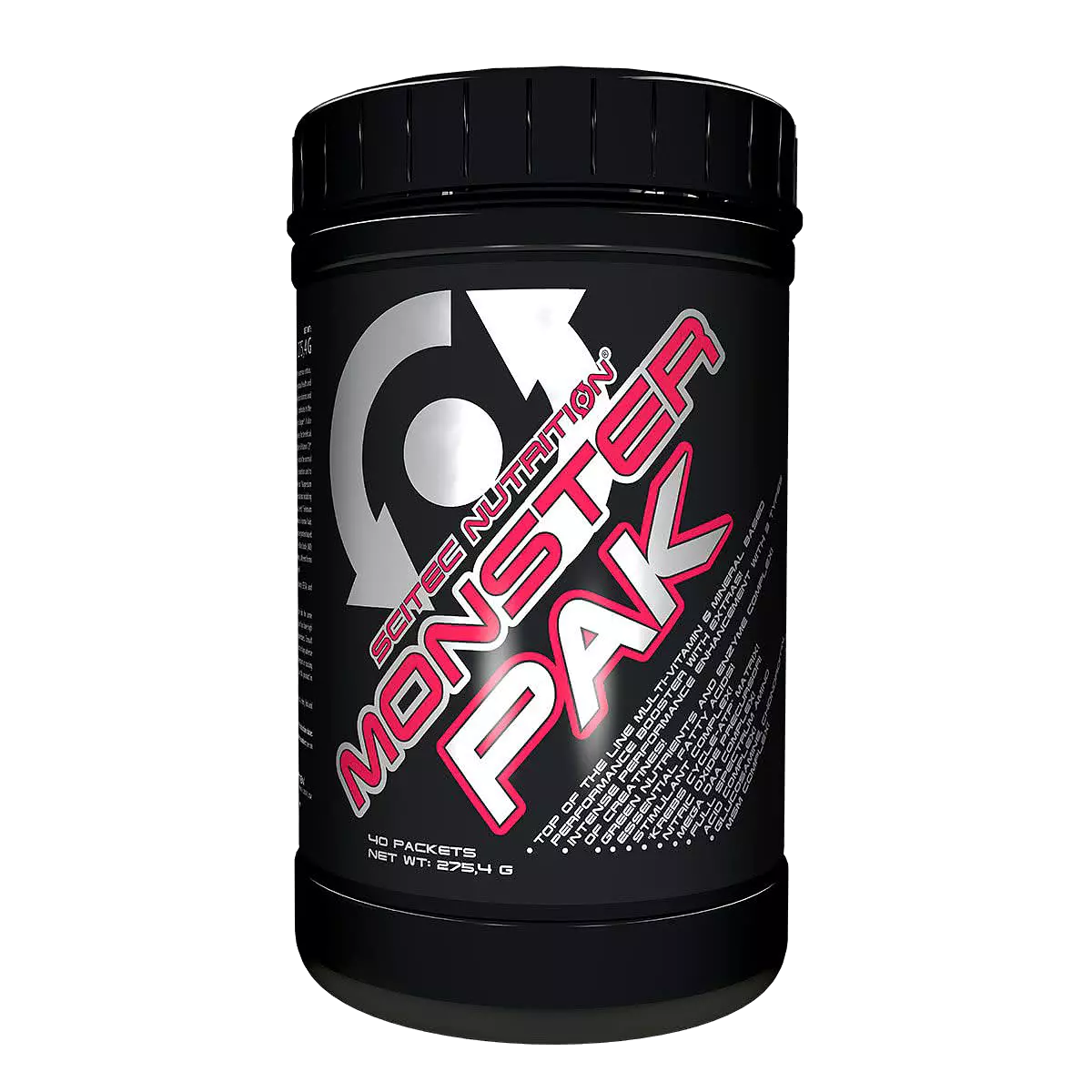 Scitec Nutrition Monster Pak (40 pak.) – 57.90 €
Multivitamins: The Foundation of Your Health and Athletic Performance
In the fast-paced world we live in, maintaining optimal health and achieving peak athletic performance requires more than just a balanced diet. Intense training, stress, and modern food processing methods often lead to deficiencies in vital vitamins and minerals. Multivitamins are an effective way to compensate for these gaps, providing your body with the full spectrum of micronutrients necessary for energy, recovery, and overall well-being.
Why are multivitamins important?
Vitamins and minerals are involved in thousands of biochemical processes in the body. From the metabolism of carbohydrates, fats, and proteins to supporting the immune system and bone health, their role is indispensable. For athletes and active individuals, the need for these micronutrients increases significantly due to increased physical exertion and their loss through sweating. Adequate intake of multivitamins supports:
- Improving energy metabolism and reducing fatigue.
- Supporting the immune system, reducing the risk of illness.
- Accelerating recovery after strenuous workouts.
- Maintaining healthy bones, joints, and muscles.
- Optimizing nervous and endocrine function.
Choosing the right multivitamins
Choosing the right multivitamin complex is key. At Sport Zone, we offer carefully selected products from leading global manufacturers. Our assortment includes premium brands such as AllMax Nutrition, whose products we have been exclusively importing since 2014, and Ultimate Nutrition, which have been part of our portfolio since 2017. These brands are known for their high standards of quality and effectiveness, ensuring you get the best for your body. Also, check out our offers for minerals, which often act in synergy with vitamins, as well as products from our own brands like SZ Sport for high-quality fitness apparel and accessories.
Food supplements do not replace a varied diet.
What happens in your body after the pill?
When you swallow it, it's not magic. A complex process begins. First, in the stomach, acid breaks down the tablet or capsule. Then, absorption begins in the small intestine. B vitamins, for example, are key to energy metabolism – they help your cells convert food (carbohydrates, fats) into ATP, the pure fuel for muscles. Minerals like magnesium are involved in over 300 enzymatic reactions, including muscle contraction and relaxation. Zinc, in turn, is important for the immune system and maintaining optimal hormone levels, including testosterone. In short, a multivitamin complex doesn't give you energy directly, but provides the "tools" and "workers" that allow your body to function at full capacity, recover faster, and cope with the stress of training.
When and how much – timing is everything
Forget about taking it on an empty stomach. Most multivitamins, especially sports formulas, are concentrated and can irritate the stomach. My advice is to always take them with food, preferably with breakfast. There's another reason for this – fat-soluble vitamins (A, D, E, K) need fat to be fully absorbed. If your complex is very high potency, consider splitting the dose. For example, if the daily dose is two tablets, take one in the morning with breakfast and one after training or with dinner. This ensures more stable levels of water-soluble vitamins in the blood throughout the day. Avoid taking it immediately before bed – high doses of B vitamins can have an invigorating effect on some people and interfere with sleep.
Mistakes I see every day at the gym
The biggest mistake is thinking that multivitamins can compensate for a poor diet. They can't. They are insurance, not a main course. If you eat mostly junk food, the pill won't save you. The second mistake is neglecting the dosage. More is not always better. Hypervitaminosis, especially with fat-soluble vitamins A and D, is a real danger with long-term intake of megadoses. The third mistake is choosing the wrong product. A 60-kilogram long-distance runner has different needs than a 110-kilogram weightlifter. Don't jump for the most powerful complex if you're a beginner. And finally, people with chronic diseases (especially kidney or liver) or taking specific medications should definitely consult a doctor before starting any complex.
How to create the perfect multivitamin "stack"?
Multivitamins are the foundation upon which you can build. They work synergistically with other supplements, enhancing their effect. The classic combination is with Omega-3 fatty acids. While vitamins and minerals are the "sparks" for metabolic processes, omega-3 fights systemic inflammation from intense training and supports joint and brain health. Another perfect partner is an additional dose of Vitamin D3, especially during the autumn-winter season. Most complexes contain about 400-1000 IU, and for an active athlete, I recommend at least 2000-4000 IU daily. The combination with creatine is also excellent – B vitamins and magnesium in the multi-formula support the energy pathways that creatine directly "fuels." This results in more efficient energy production and utilization.
Is this complex really for you?
Let's be honest – not everyone needs a powerful sports multivitamin complex. If you train hard 4-5 times a week, are under stress, follow a restrictive diet (low-carb, vegan), or just want to be sure you're not missing anything, then the answer is "yes." Athletes deplete micronutrients much faster through sweat and accelerated metabolism. For them, the complex is a tool for better recovery and prevention of deficiencies. However, if you train lightly 1-2 times a week, eat a varied diet with plenty of fruits, vegetables, quality proteins and fats, and don't feel tired, you can probably do without it or choose a basic, lower-dosed product. A powerful complex in such a case would be an unnecessary burden on the body.