Omega 3-6-9

Essential fatty acids, particularly Omega-3, demonstrate a dose-dependent effect on cardiovascular health, with a recommended daily intake of 250-500 mg EPA and DHA for maintaining normal functions, according to numerous scientific organizations, including ISSN. These polyunsaturated fats are building blocks of cell membranes and are involved in a number of metabolic processes, including regulating inflammation and supporting brain function. Omega-6 fatty acids, while also essential, are often present in excess in modern diets, necessitating balanced intake. Omega-9, for its part, is a monounsaturated fatty acid that the body can produce, but additional intake contributes to overall health.
In my practice, I observe that the optimal ratio of Omega-3 to Omega-6 is essential for achieving maximum benefits and reducing pro-inflammatory processes. For my clients, the introduction of adequate doses of Omega-3, often in combination with Omega-6 and Omega-9, leads to improved post-workout recovery, increased concentration, and an overall sense of vitality. EFSA also emphasizes the role of these fatty acids in maintaining normal vision and brain activity.
When selecting a product from our 7 offerings, pay attention to the ratio of EPA and DHA in the Omega-3 component, as well as the source. For maximum benefits, aim for products that provide at least 1000 mg of combined EPA and DHA daily, unless you have specific medical indications for higher doses.
- ProActive Omega 3 60 caps – 7.67 €
 Core Champs Omega-3 – 15.19 €
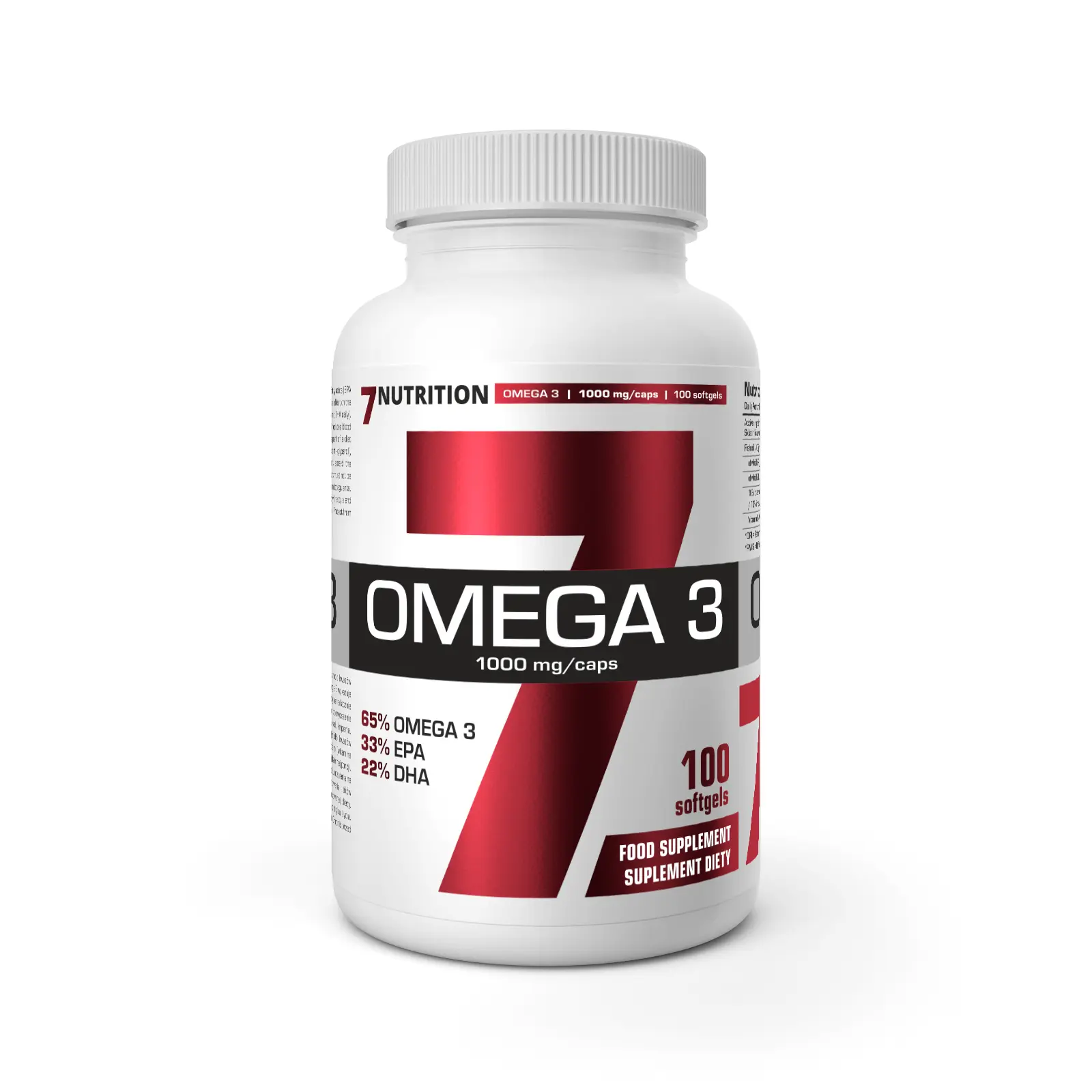 7Nutrition - OMEGA 3 65% 1000mg – 12.00 €
 Animal Omega – есенциални мастни киселини, 30 пакетчета – 44.95 €
 Real Pharm Omega 3 60 капсули – 9.71 €
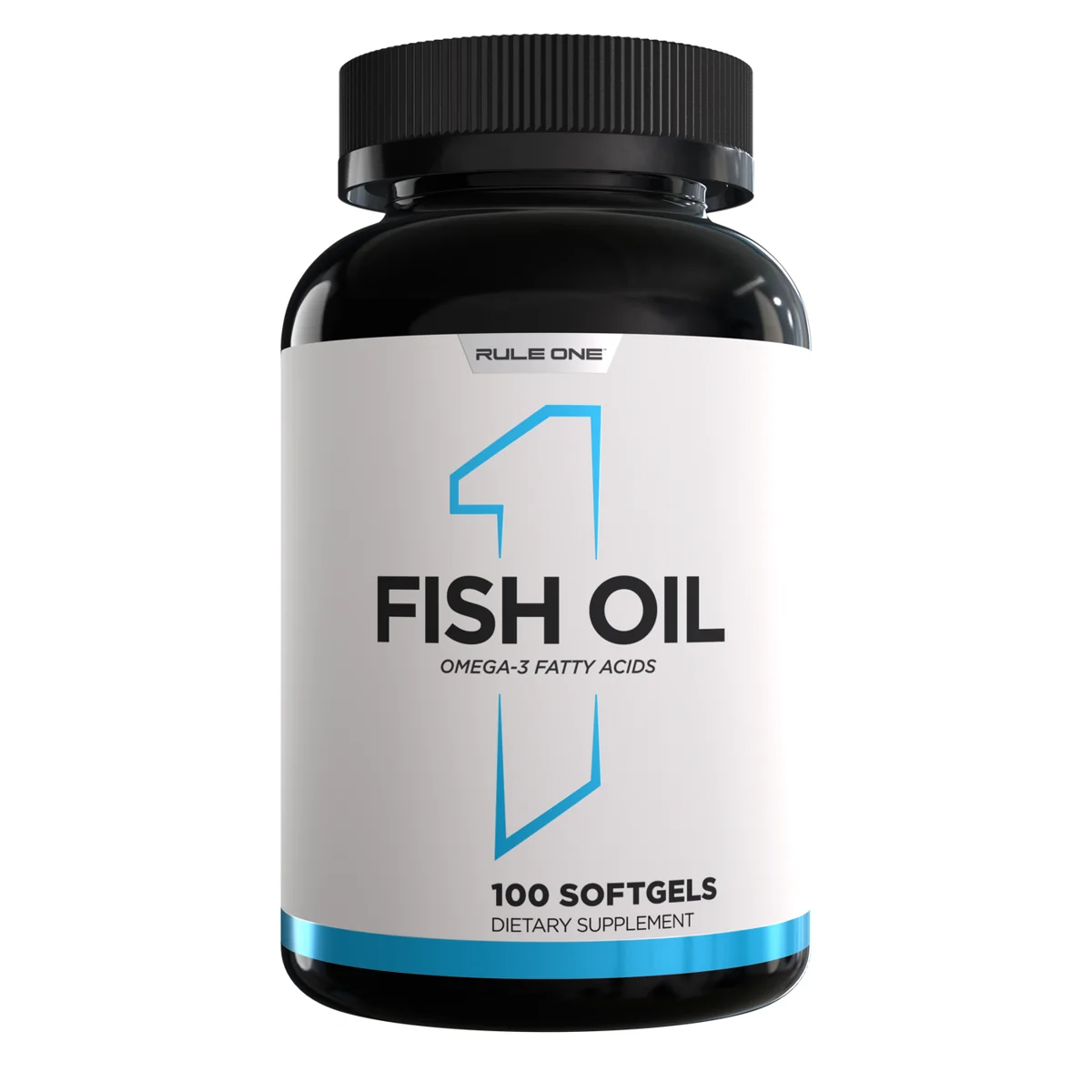 Rule 1 R1 Fish Oil 100 софтгел капсули – 12.99 €
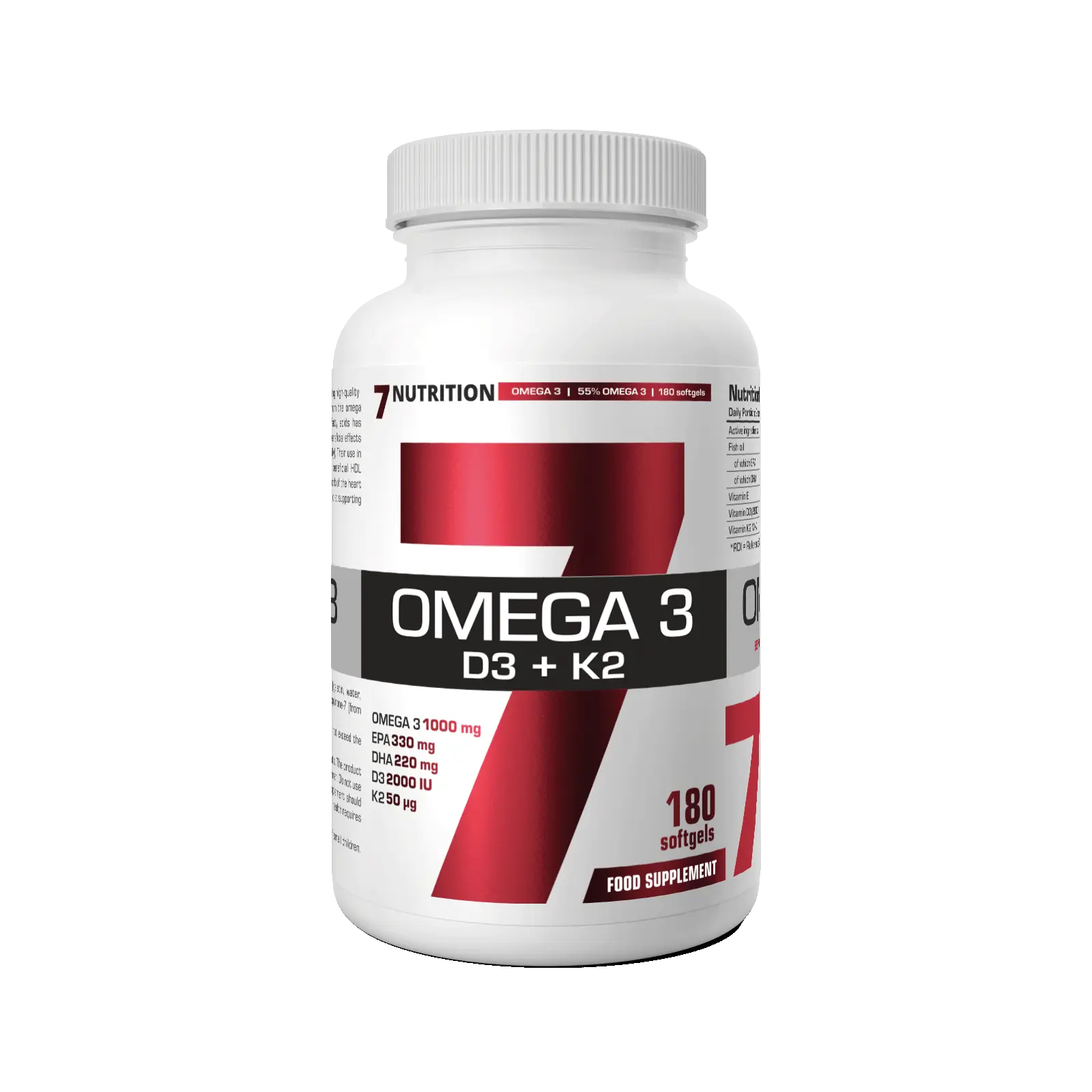 7Nutrition - OMEGA 3 D3 + K2 - 180 softgels – 19.90 €
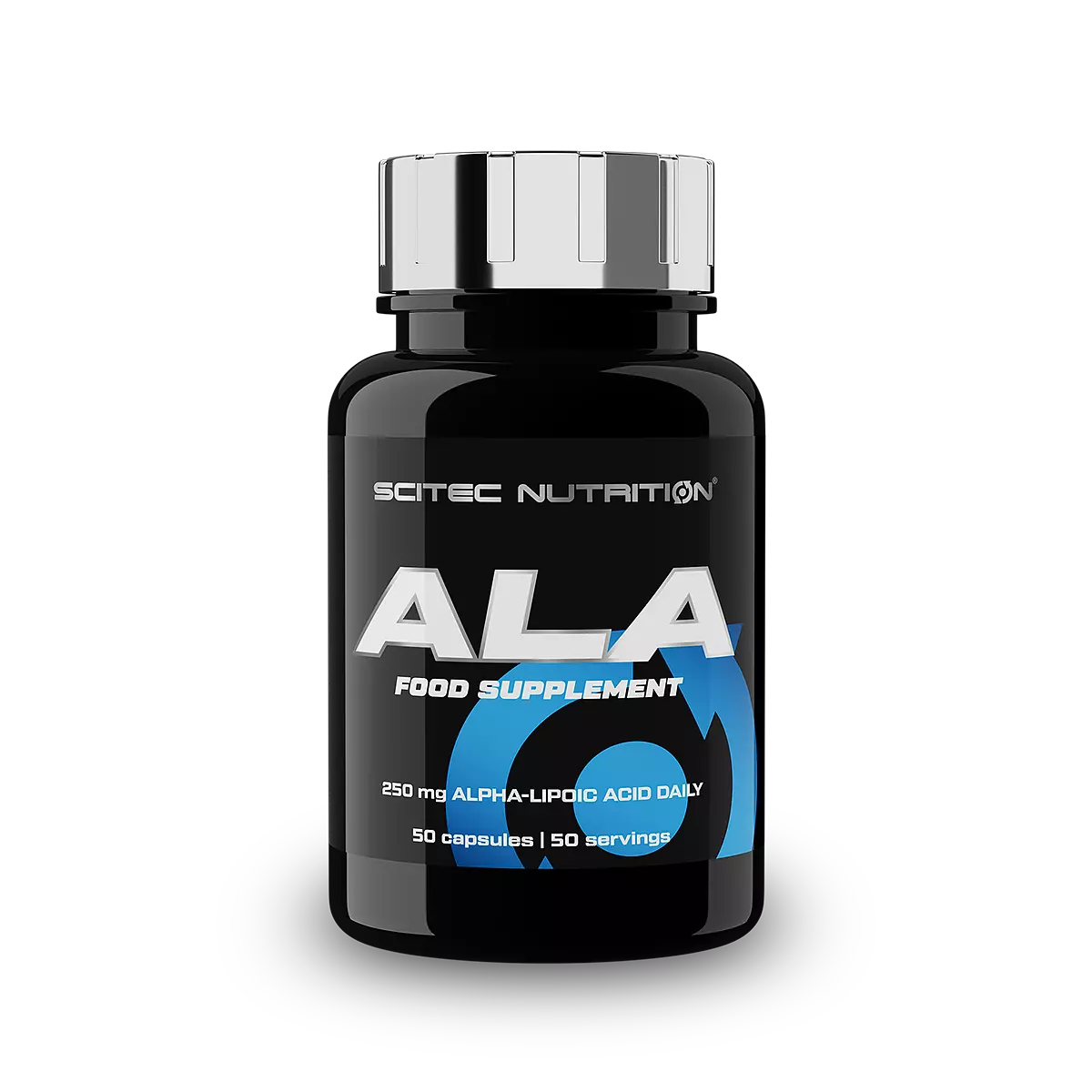 Scitec Nutrition ALA (50 caps) – 21.50 €
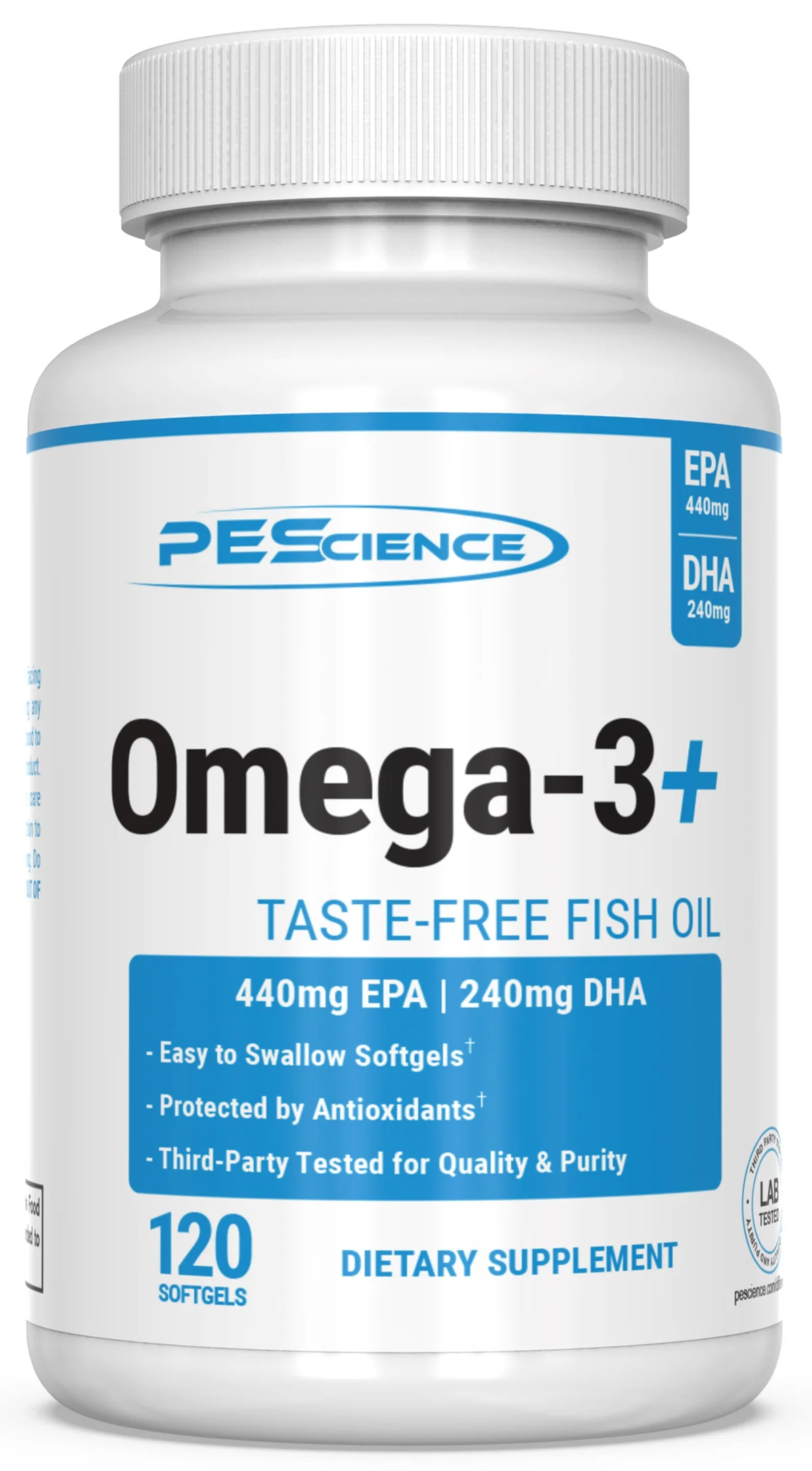 PEScience Omega-3+ – 29.99 €
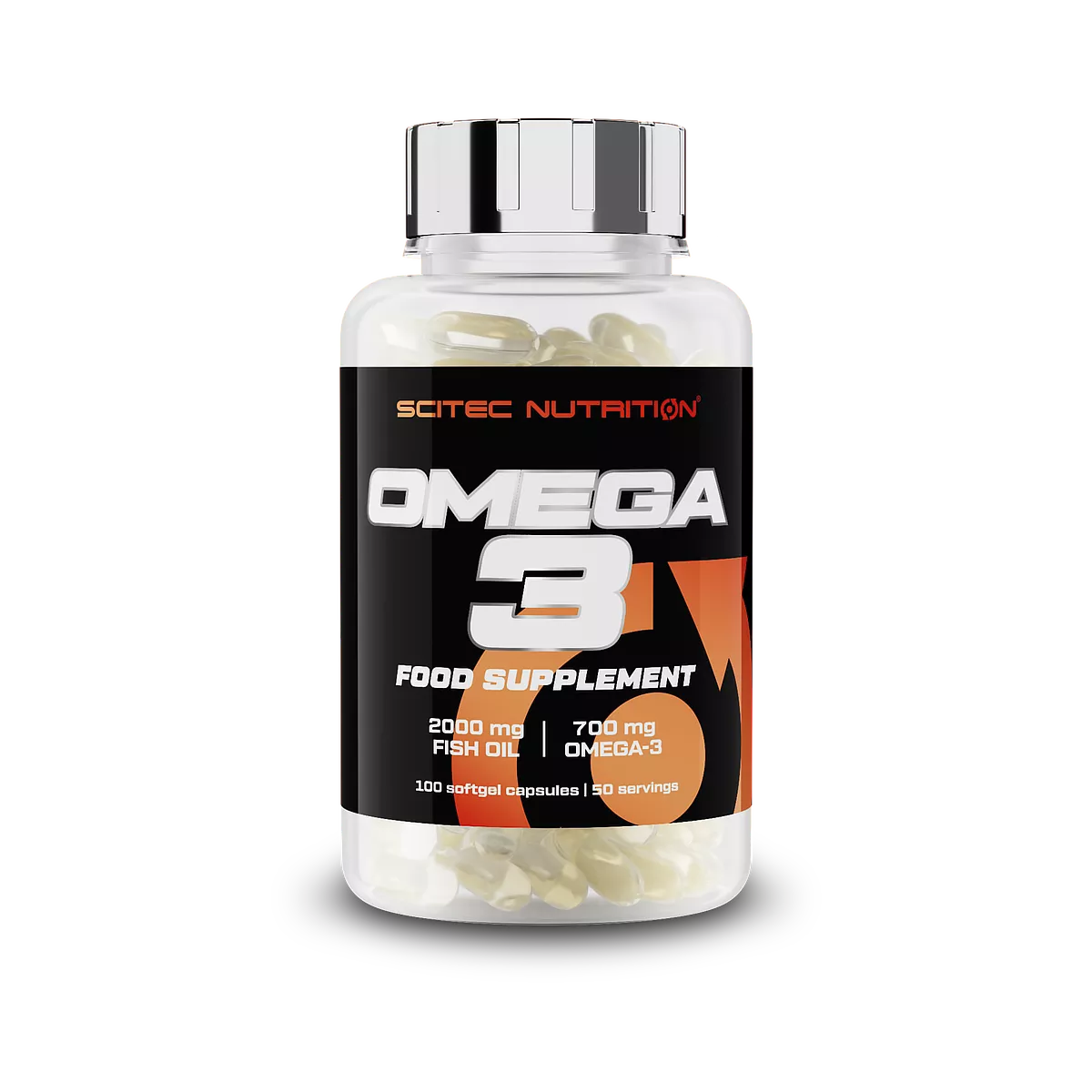 Scitec Nutrition Omega 3 (100 g.c.) – 20.50 €
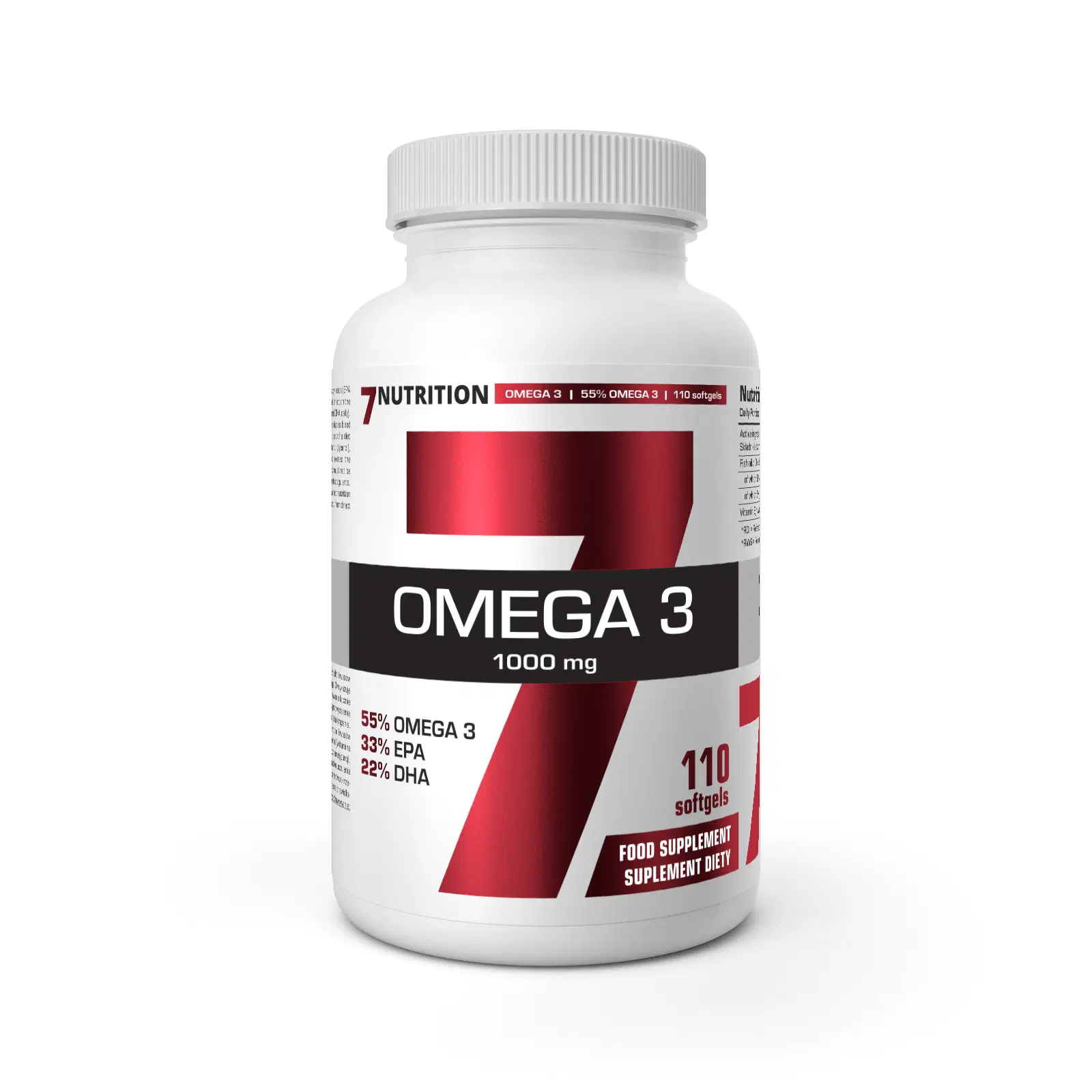 7Nutrition - OMEGA 3 55% 1000mg – 13.80 €
 Omega 3 6 9 Real Pharm 90 дражета – 9.71 €
Why do you need Omega 3-6-9
Customers often come in complaining of joint pain. They say they train regularly, but something always hurts. Or their hair falls out, their nails break. In such cases, I always ask about their diet, and almost always it turns out they don't consume enough good fats. And these are essential; the body cannot produce them itself.
How I choose
When I choose an Omega 3-6-9 complex, I first look at the ratio. 2:1:1 is a good start. Then I check the sources. Fish oil should be from deep-sea fish – salmon, mackerel, sardines. Among plant oils, flaxseed and borage oil are good choices. The content of EPA and DHA in Omega-3 is also important; look at the labels for specific milligrams. I don't buy products with low active ingredient content, even if they are cheaper.
What we stock
In our store, we stock Ultimate Nutrition because they have been on the market for years and their quality is proven. Their omegas have a good content of EPA and DHA. We also offer 7Nutrition – a Polish brand we have been working with since 2018. They have very clean products, without unnecessary fillers. AllMax Nutrition is also a good choice, especially for more serious athletes looking for maximum dosing.
A piece of advice from me
Don't be afraid of fats. They are important for everyone, especially if you train. The supplement is just an addition to a good diet.
Why the balance between Omega 3, 6 and 9 is key
The modern diet contains ten times more Omega 6 (from vegetable oils) than Omega 3, which leads to chronic inflammation in the body. A quality Omega 3-6-9 supplement restores the natural ratio and supports cardiovascular health, brain function and joint mobility. See our selection of Omega fatty acids with transparent declarations for EPA and DHA per capsule.
EPA vs DHA — what to look for on the label
Not all Omega 3 capsules are created equal. EPA (eicosapentaenoic acid) works as an anti-inflammatory and supports the heart, while DHA (docosahexaenoic acid) is a building block of the brain and retina. Look for a product with a minimum of 500 mg EPA+DHA per daily dose. Labels that only state "fish oil 1000 mg" often hide a low content of active acids.
Omega 3 for athletes — recovery and joints
Studies show that regular intake of 2-3 g EPA+DHA daily reduces muscle soreness after exercise by up to 30% and improves insulin sensitivity. For powerlifters and CrossFit athletes, this means faster recovery between workouts and fewer tendon injuries.
When and how to take for maximum absorption
Omega fatty acids are fat-soluble, so taking them with food containing fats (eggs, avocado, nuts) increases absorption up to 3 times. Divide the daily dose into 2-3 intakes. Avoid combination with fiber or carbonated drinks — they reduce absorption.
B2B offers for fitness centers and pharmacies
SportZone offers wholesale prices for gyms and pharmacy chains. Register as a trader for access to discounts up to 35% on Omega 3 products from leading brands and free shipping over 100 EUR.
FAQ
What is the main difference between Omega-3, Omega-6, and Omega-9 fatty acids?
Omega-3 and Omega-6 are essential fatty acids, meaning the body cannot produce them and they must be obtained through diet. Omega-9 is non-essential, as the body can produce it, but it still offers health benefits. Each type plays distinct roles in bodily functions, from inflammation regulation to cardiovascular health.
Are Omega 3-6-9 supplements suitable for vegetarians or vegans?
Traditional Omega 3-6-9 supplements often derive Omega-3s from fish oil. However, vegetarian and vegan alternatives are available, typically sourcing Omega-3s from algal oil and Omega-6 and -9 from plant-based oils like flaxseed or borage oil. Always check the product's ingredient list and certifications.
How long does it take to notice the benefits of Omega 3-6-9 supplementation?
The time it takes to notice benefits can vary depending on individual factors, diet, and consistency of use. Some individuals may experience improvements in a few weeks, particularly with anti-inflammatory effects, while others may require several months for more significant changes in overall health. Consistent daily intake is crucial.
Can I get enough Omega 3-6-9 from my diet alone?
While it's possible to obtain these fatty acids through diet (e.g., fatty fish for Omega-3s, nuts/seeds for Omega-6, olive oil for Omega-9), many Western diets are deficient, particularly in Omega-3s, and often have an imbalanced Omega-6 to Omega-3 ratio. Supplements can help bridge these nutritional gaps and ensure optimal intake.
Are there any side effects associated with taking Omega 3-6-9 supplements?
Omega 3-6-9 supplements are generally well-tolerated. Some individuals may experience mild side effects such as fishy aftertaste, indigestion, or loose stools. Taking the supplement with food can often mitigate these issues. As with any supplement, it's advisable to consult a healthcare professional before starting, especially if you have pre-existing conditions or are taking other medications.
What's the ideal ratio of Omega-3 to Omega-6 when supplementing?
While there's no universally agreed-upon 'ideal' ratio, a common recommendation is to aim for a balance closer to 1:1 or 1:2 (Omega-3 to Omega-6), as many modern diets are skewed towards a much higher Omega-6 intake. Many Omega 3-6-9 supplements are formulated to help achieve a more balanced intake of these essential fatty acids.
What is the difference between fish oil and Omega 3-6-9?
Fish oil usually contains only Omega 3, while 3-6-9 formulas also include plant sources like flaxseed and sunflower oil. For people who eat a lot of fried foods, pure Omega 3 is a better choice because Omega 6 is already in excess. For vegans and people with a balanced diet – 3-6-9 is the universal solution.
Can I overdose on Omega 3?
At doses above 5g EPA+DHA daily, there is a risk of blood thinning and gum bleeding. For a healthy adult, 1-3g is completely safe. If you are taking blood-thinning medications, consult a doctor before supplementing.
How long does it take to feel the effect?
The first effects on concentration and sleep appear after 2-3 weeks of regular intake. Improvements in joints and skin require 6-8 weeks. A reduction in inflammatory markers in the blood is seen after 3 months. Consistency is key.
What is the sign that Omega 3 capsules are of good quality?
Quality products have a slight marine aroma, but no rancid fish smell. The label indicates the exact grammage of EPA and DHA (not just “fish oil”). Certifications like IFOS or GOED guarantee purity from heavy metals. A price below 0.15 EUR/g EPA+DHA is often a compromise on quality.
Are they suitable for children and pregnant women?
Yes, DHA is especially important for the brain development of the fetus and young children. Pregnant women should take 200-300 mg of DHA daily, and children should use special children's formulas with smaller capsules or liquid form. Always choose a product that has been tested for mercury and PCBs.