Natural sweeteners
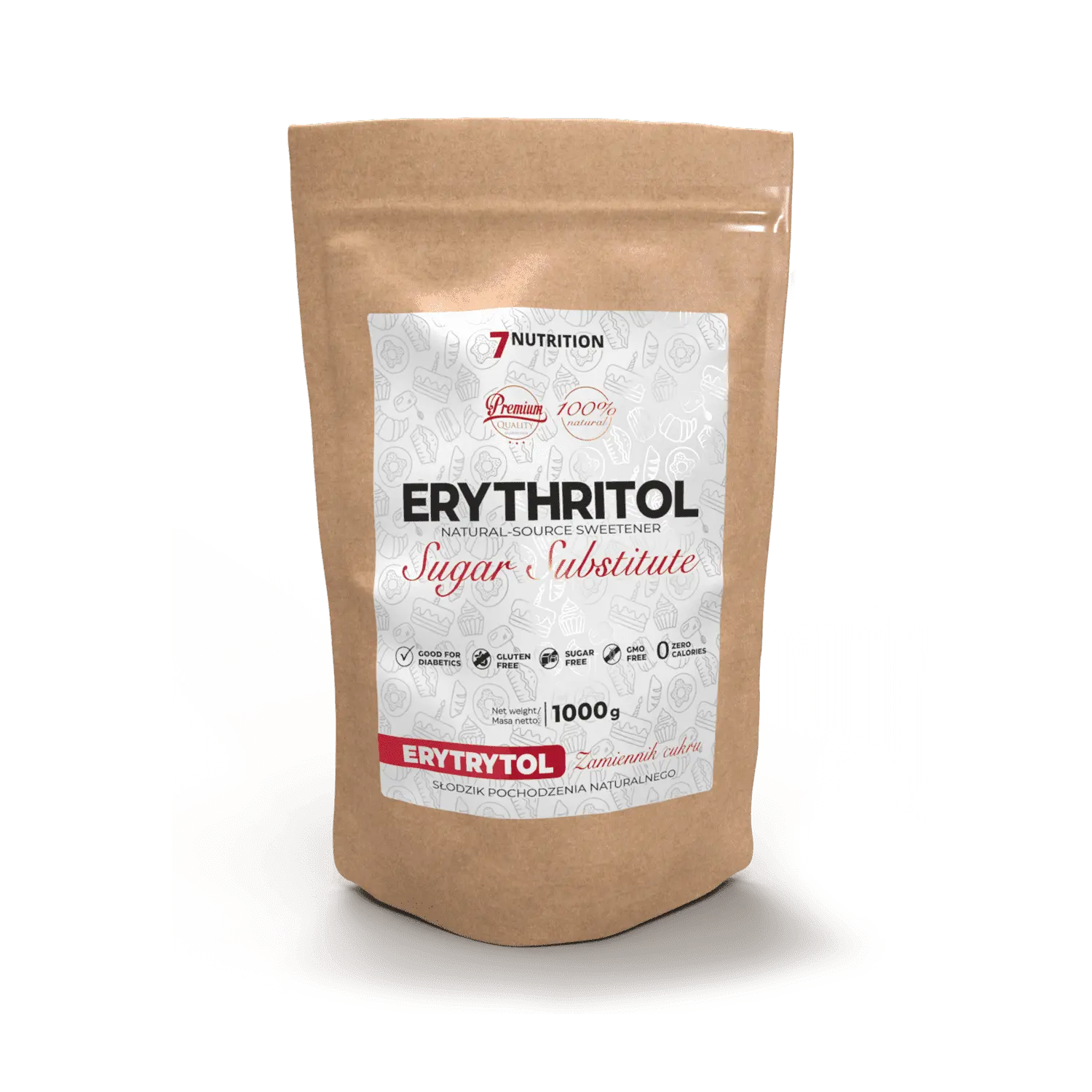
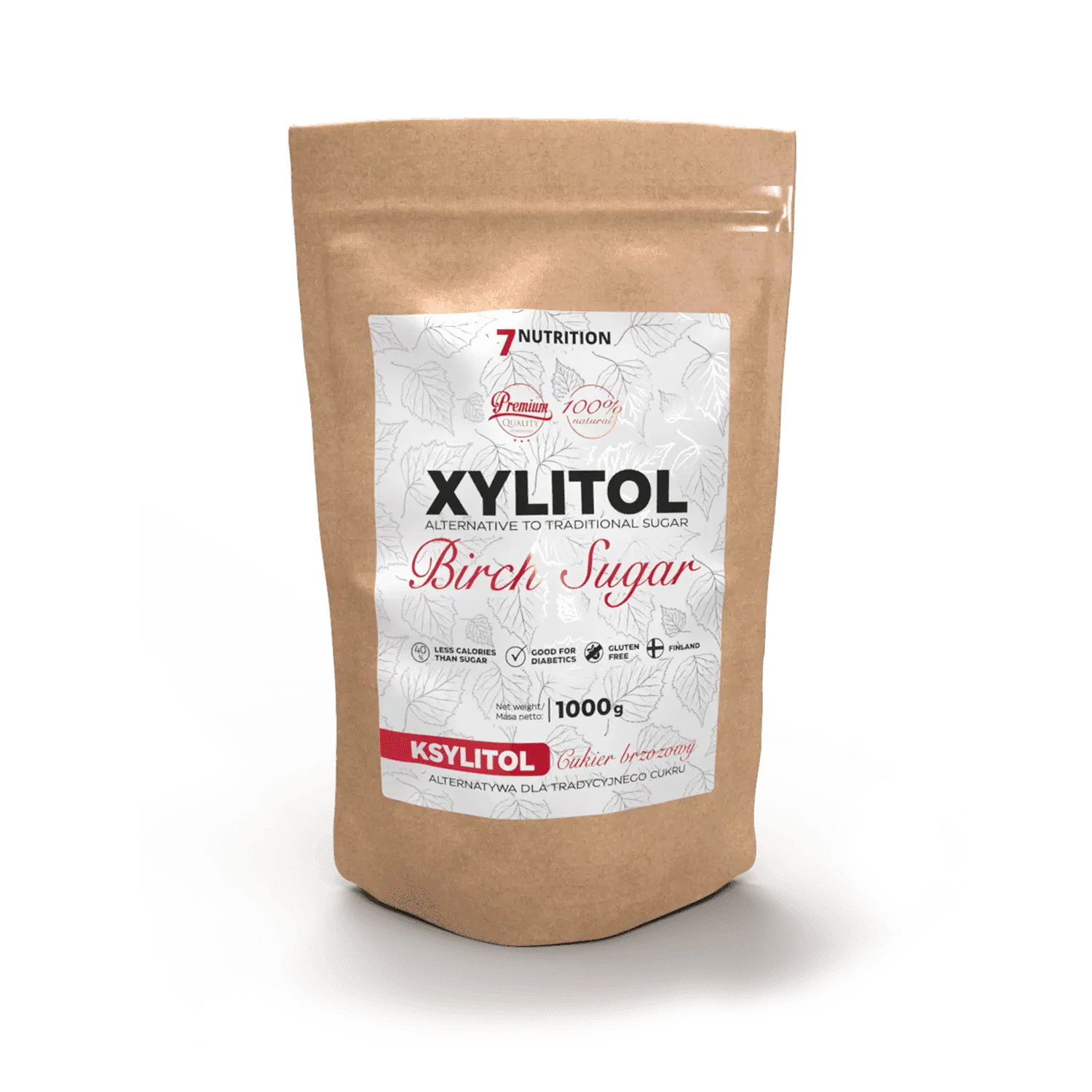 7Nutrition - XYLITOL 1000g – 12.90 €
Over 70% of people today consume more sugar than recommended. Choosing natural sweeteners is a smart move towards better health and athletic performance. As a sports nutritionist with 15 years of experience, I observe how proper replacement of refined sugar improves energy levels and recovery in my clients.
Alternatives like stevia, erythritol, and xylitol offer sweetness without the calories and negative effects of regular sugar. Stevia, for example, is 200-400 times sweeter than sugar, meaning minimal amounts are needed to achieve the desired taste. Erythritol, on the other hand, has approximately 70% of the sweetness of sugar but with almost zero caloric value, making it ideal for weight management.
The use of honey and maple syrup, although caloric, provides additional micronutrients. Honey contains antioxidants and enzymes, while maple syrup contains manganese and zinc, important for immune function and metabolism. Moderation is key: 1-2 teaspoons per day are sufficient for most people.
How to choose
- Ingredients: Check labels for pure products, without added artificial ingredients or fillers.
- Glycemic Index (GI): Prefer sweeteners with a low GI such as stevia and erythritol, which do not cause sharp spikes in blood sugar. This is especially important for athletes and people with insulin resistance.
- Purpose: Some sweeteners are more suitable for baking (erythritol), while others are ideal for drinks (stevia).
- Dosage: Start with small amounts and adjust to taste. Excessive consumption of some sweeteners can lead to digestive problems.
Common mistakes
- Overdoing it: Even natural sweeteners are not harmless in huge quantities. EFSA recommends a maximum daily intake of 4 mg/kg body weight for steviol glycosides.
- Ignoring calories: Honey and maple syrup are caloric. 1 tablespoon of honey contains about 64 calories, which should be accounted for in daily caloric intake.
- Choosing solely by taste: Some sweeteners have a specific aftertaste (e.g., stevia at high concentrations) that is not acceptable to everyone. Test different types to find the one that suits you best.
- Replacing all sugars: A balanced diet also includes natural sugars from fruits and vegetables, which are rich in fiber and vitamins.