Yoga mats
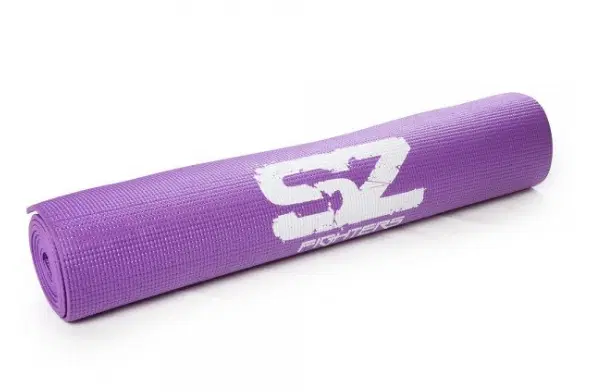
The effectiveness of every yoga workout begins with the right foundation. Yoga mats provide the necessary stability and support, protecting joints from excessive pressure and ensuring comfort during the execution of asanas. Made from materials such as natural rubber, TPE, or PVC, they offer optimal grip, preventing slips even during intense poses.
The choice of mat depends on individual needs and the type of yoga practice. For more static styles like Hatha yoga, thicker mats (5-6 mm) made of EVA foam can offer greater comfort, while for dynamic practices like Vinyasa or Ashtanga, thinner (3-4 mm) mats with better grip are more suitable. Sizes vary, but standard dimensions are around 183 cm in length and 61 cm in width, providing ample space for movement.
The right mat not only improves exercise performance but also contributes to deeper relaxation and concentration. It creates a personal space for practice, separating you from the hard floor and ensuring hygiene. Investing in a quality mat is an investment in your health and progress in yoga.
- SZ Sport – Постелка за спорт 173cm*61cm*0.3cm – 7.99 €
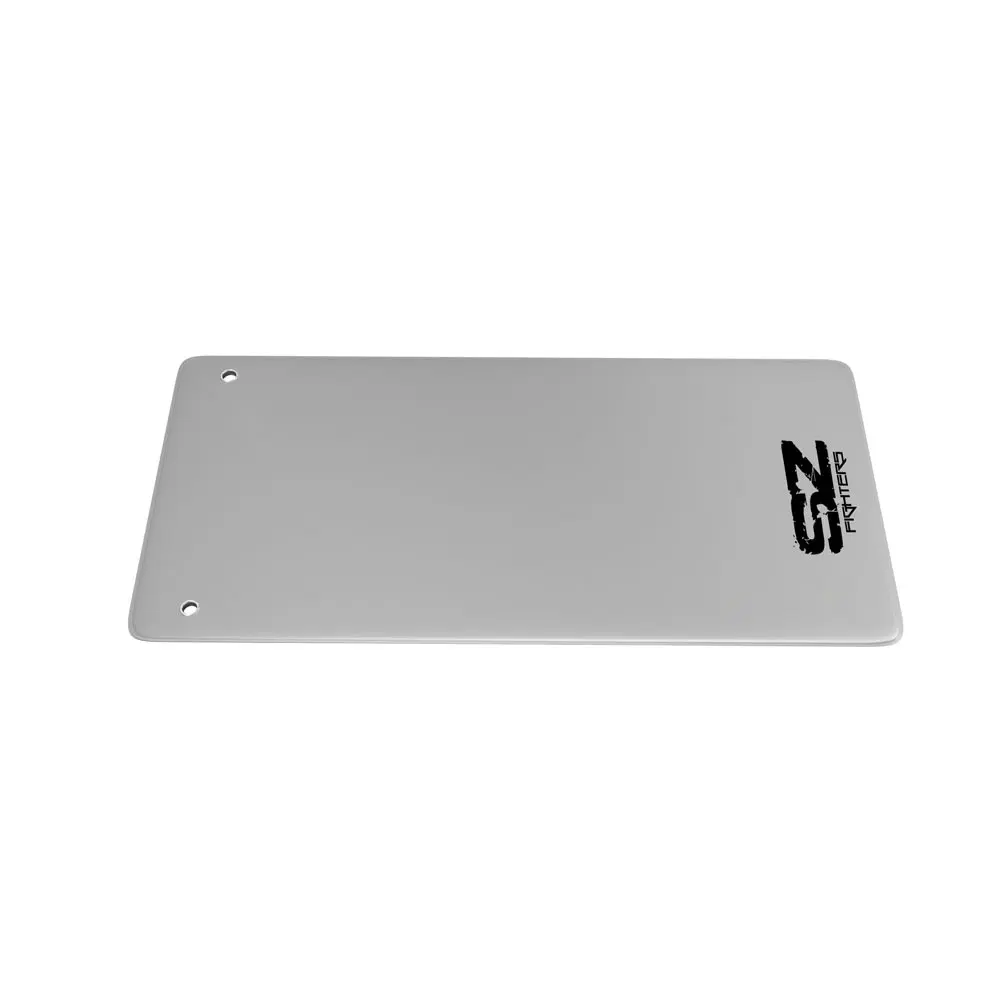 SZ Fighters – Постелка за йога с grommets-отвори за вентилация – 42.80 €
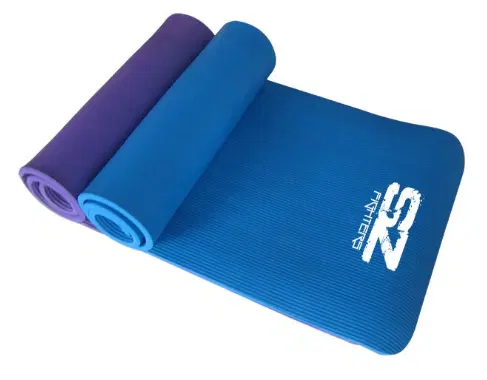 SZ Sport – Постелка за спорт 183cm*61cm*1cm – 11.76 €
Welcome to Sport-Zona's comprehensive guide to yoga mats, an essential tool for anyone embracing the practice of yoga, Pilates, or general floor exercises. A high-quality yoga mat provides the necessary cushioning, grip, and stability to enhance your practice and protect your body. If you're a seasoned yogi or just beginning your journey, selecting the right mat can significantly impact your comfort, performance, and overall experience.
What is a Yoga Mat?
A yoga mat is a specially designed mat, typically made from materials like PVC, rubber, or TPE, that creates a non-slip, cushioned surface for various physical activities. Its primary purpose is to prevent slipping during poses, absorb impact to protect joints, and provide a hygienic barrier between you and the floor. This dedicated surface allows practitioners to maintain proper alignment and focus on their movements without concern for stability.
Key Benefits of Using a Yoga Mat
The advantages of incorporating a yoga mat into your fitness routine are numerous. Firstly, improved grip is paramount, especially in dynamic yoga styles where hands and feet can become sweaty. A good mat ensures you stay firmly grounded, reducing the risk of injury. Secondly, cushioning and support are crucial for joint health. The mat acts as a buffer, softening the impact on knees, wrists, and spine during floor work and poses. Thirdly, a mat defines your personal space, creating a sense of focus and calm during your practice. This dedicated area allows you to concentrate on your breath and movements without external distractions.
Who Are Yoga Mats For?
Yoga mats are incredibly versatile and beneficial for a wide range of individuals. They are, of course, indispensable for yoga practitioners of all levels, from beginners learning basic poses to advanced yogis mastering complex inversions. Pilates enthusiasts will find them essential for core work and controlled movements. Beyond these specific disciplines, anyone engaging in home workouts, stretching routines, or even light calisthenics can benefit from the comfort and stability a mat provides. They are perfect for those seeking to enhance their fitness journey with added support and safety.
How to Use a Yoga Mat Effectively
Using a yoga mat effectively begins with proper placement. Unroll your mat on a flat, even surface, ensuring it lays completely flat to avoid tripping hazards. During your practice, pay attention to your alignment and take advantage of the mat's grip to hold poses securely. Regularly cleaning your mat after use is vital for hygiene and longevity. A simple wipe-down with a damp cloth and mild soap can remove sweat and dirt, keeping it fresh for your next session. Always allow your mat to air dry completely before rolling it up.
What to Look For When Buying a Yoga Mat
When selecting a yoga mat, several factors should guide your decision. Material is key; PVC mats are durable and offer good grip, while rubber mats provide excellent traction and are often more eco-friendly. TPE mats are a lighter, cost-effective alternative. Thickness is another important consideration; thinner mats (3-4mm) offer better balance and portability, while thicker mats (5-6mm+) provide superior cushioning, ideal for sensitive joints or restorative practices. Also consider the texture of the mat, as some surfaces offer enhanced grip. Finally, factor in portability if you plan to travel with your mat, looking for lighter options that roll up compactly.
FAQ
How often should I clean my yoga mat?
It's recommended to clean your yoga mat after every use, especially if you sweat a lot or practice frequently. A quick wipe-down with a damp cloth and mild soap is usually sufficient. This helps maintain hygiene and extends the life of your mat.
What's the best thickness for a beginner's yoga mat?
For beginners, a mat thickness of 4mm to 6mm is generally recommended. This range offers a good balance of cushioning for joint protection and stability for learning new poses. Thinner mats can be too hard, while thicker ones might make balancing more challenging.
Can I use a yoga mat for other exercises besides yoga?
Absolutely! Yoga mats are versatile and can be used for a wide range of activities including Pilates, stretching routines, bodyweight exercises, and even as a comfortable surface for meditation. Their non-slip surface and cushioning make them ideal for many floor-based workouts.
How do I prevent my yoga mat from slipping on the floor?
Most quality yoga mats are designed with a non-slip bottom. Ensure your mat is clean and dry underneath before use. If you're on a very smooth surface, some practitioners use a thin, non-slip rug pad underneath their mat for extra stability, though this is rarely necessary with a good mat.
What's the difference between a yoga mat and a general exercise mat?
While both provide cushioning, yoga mats are typically designed with a focus on grip and stability for holding static poses, often being thinner to allow for better ground connection. General exercise mats can be thicker and offer more padding, ideal for high-impact workouts or ab work where intense grip isn't as critical.
Are eco-friendly yoga mats really better?
Eco-friendly yoga mats, often made from natural rubber, jute, or TPE, are generally better for the environment as they are manufactured with sustainable materials and are often biodegradable. They also often provide excellent grip and durability, making them a great choice for conscious consumers.