Probiotics
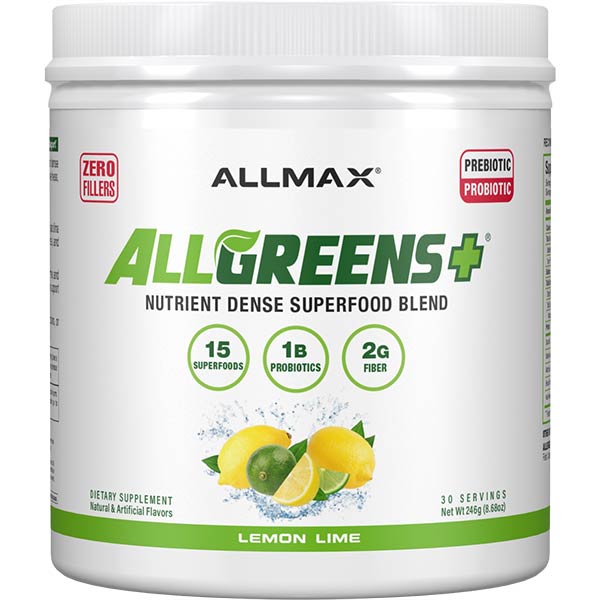
- Allmax Allgreens+ – 25.00 €
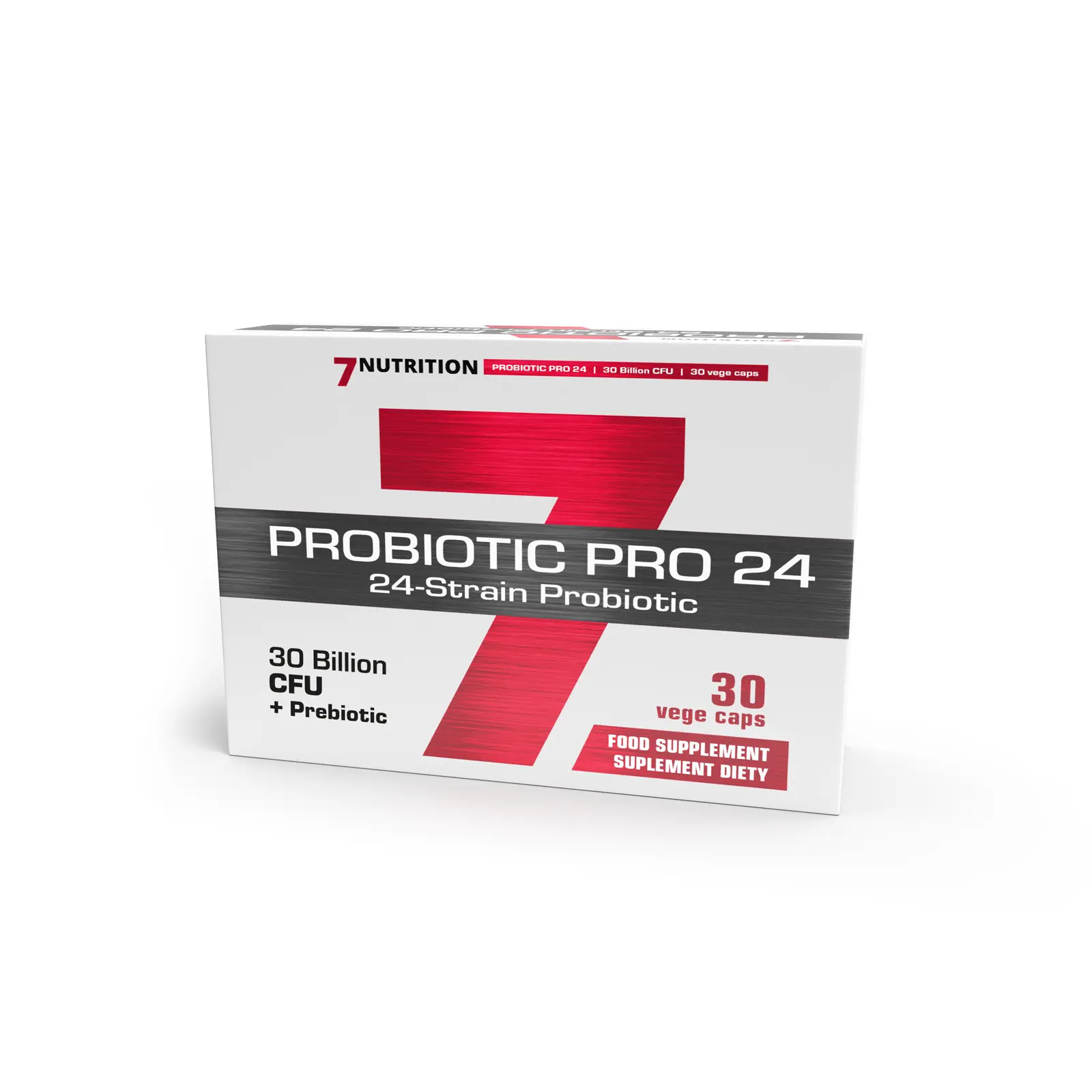 7Nutrition - PROBIOTIC PRO 24 30 VEGE CAPS (копие) – 23.00 €
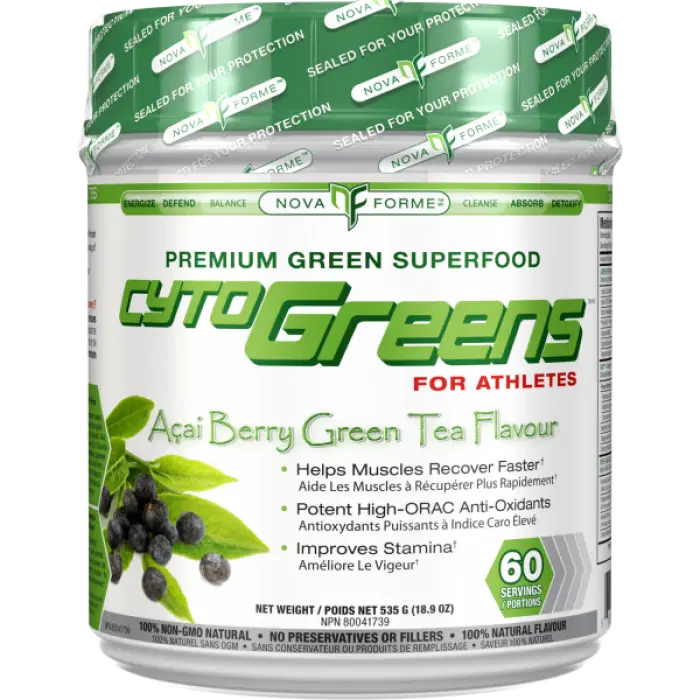 AllMax - Cyto Greens / 535gr. – 66.47 €
100 trillion microorganisms inhabit the human body, with over 70% of the immune system concentrated in the gut. The proper balance of gut microflora is essential not only for digestion but also for overall health, athletic performance, and recovery. As a sports nutritionist with 15 years of experience, I observe how adequate probiotic intake can optimize nutrient absorption, reduce inflammation, and improve energy levels, especially during intense training.
Probiotics are live microorganisms that, when administered in adequate amounts, confer a health benefit on the host. They support the production of short-chain fatty acids like butyrate, which are a primary energy source for intestinal lining cells. Regular intake can contribute to faster recovery after physical exertion and reduce the incidence of upper respiratory tract infections, as indicated in numerous scientific publications, including the Journal of the International Society of Sports Nutrition (JISSN).
How to choose
- Strains: Look for products with proven strains such as Lactobacillus acidophilus, Bifidobacterium lactis, Lactobacillus plantarum. A combination of several strains is often more effective.
- CFU (colony-forming units): The effective dose varies, but for general health and sports purposes, between 10 billion and 50 billion CFU daily are recommended. Higher doses may be necessary for specific conditions.
- Quality and stability: Choose products from reputable manufacturers that guarantee the stability of live cultures until the end of the shelf life. Some require refrigeration.
- Prebiotics: Products containing prebiotics (fibers that feed probiotics) are preferred, as they provide a better environment for the growth of beneficial bacteria.
Common mistakes
- Irregular intake: To achieve a lasting effect, probiotics should be taken daily, not just when symptoms appear.
- Improper storage: Exposure to high temperatures or moisture can destroy live cultures, rendering the product ineffective. Follow the instructions on the label.
- Neglecting diet: Even the best probiotic will not be effective if the diet is low in fiber and rich in processed foods and sugar, which feed harmful bacteria.
- Expecting immediate results: To experience the full effect, several weeks of consistent intake are usually required.