Kettlebells
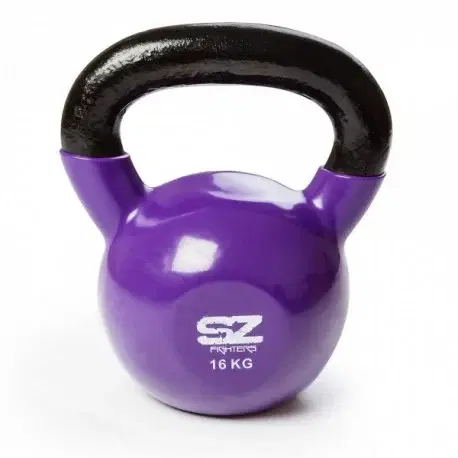
Over 70% of weightlifters worldwide who use kettlebells prefer cast iron models due to their durability and balanced weight. Kettlebells, also known as handled dumbbells or Russian kettlebells, are a versatile tool for strength training, cardio, and functional movements. They allow for a wide range of exercises that engage multiple muscle groups simultaneously, improving strength, endurance, and coordination. Choosing the right kettlebell is essential for effective and safe training.
When working with kettlebells, especially with heavier weights, it is important to pay attention to the quality of craftsmanship and the ergonomics of the handle. An improperly shaped handle can cause discomfort or even injuries during dynamic movements such as swings and snatches. Cast iron kettlebells offer excellent stability and are a preferred choice due to their longevity and classic design, which has been proven over the years in sports practice.
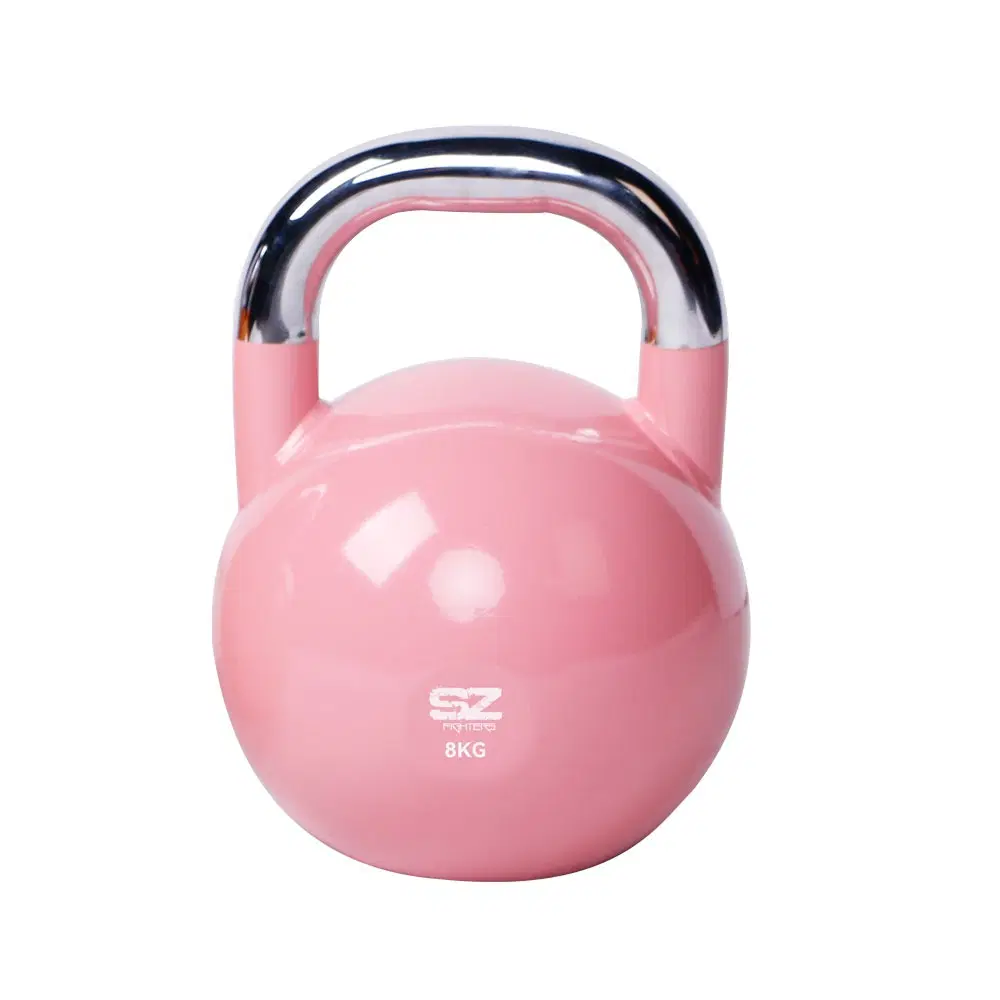 SZ Sport – Състезателна Пудовка – 143.16 €
As an expert from SportZone Sports Editorial with 15 years of experience, I will guide you in choosing kettlebells. These cast iron weights are an effective tool for strength and conditioning training. The right choice is important for achieving results and avoiding injuries. Focus on weight and quality of craftsmanship to ensure long-lasting use and safety during workouts.
How to choose
- Weight: Start with a weight that allows you to perform exercises with proper technique. Gradually increase the weight as your strength progresses. For beginners, lighter kettlebells are often recommended, while more experienced individuals can choose heavier ones.
- Material: Cast iron kettlebells are a classic choice due to their durability and balance. Some models have a vinyl or rubber coating, which provides a better grip and protects the floor.
- Handle: The handle should be comfortable and allow for a secure grip. Check for smooth surfaces without sharp edges that can cause discomfort or injuries. The width of the handle is also important for some exercises.
- Balance: A well-balanced kettlebell facilitates the execution of exercises and reduces the risk of improper technique. Feel the weight and its distribution before making your choice.
Common mistakes
- Choosing the wrong weight: Starting with a kettlebell that is too heavy leads to poor technique and a high risk of injury. Start with a lighter weight and build up.
- Neglecting handle quality: A rough or uncomfortable handle can cause calluses and hinder your workout. Choose a kettlebell with a smooth and ergonomic handle.
- Lack of variety: Using only one kettlebell for all exercises limits development. Over time, invest in kettlebells of different weights so you can effectively train different muscle groups.
- Improper storage: Leaving kettlebells outdoors or in unsuitable conditions can lead to corrosion and reduce their lifespan. Store them in a dry and clean place.