Shilajit
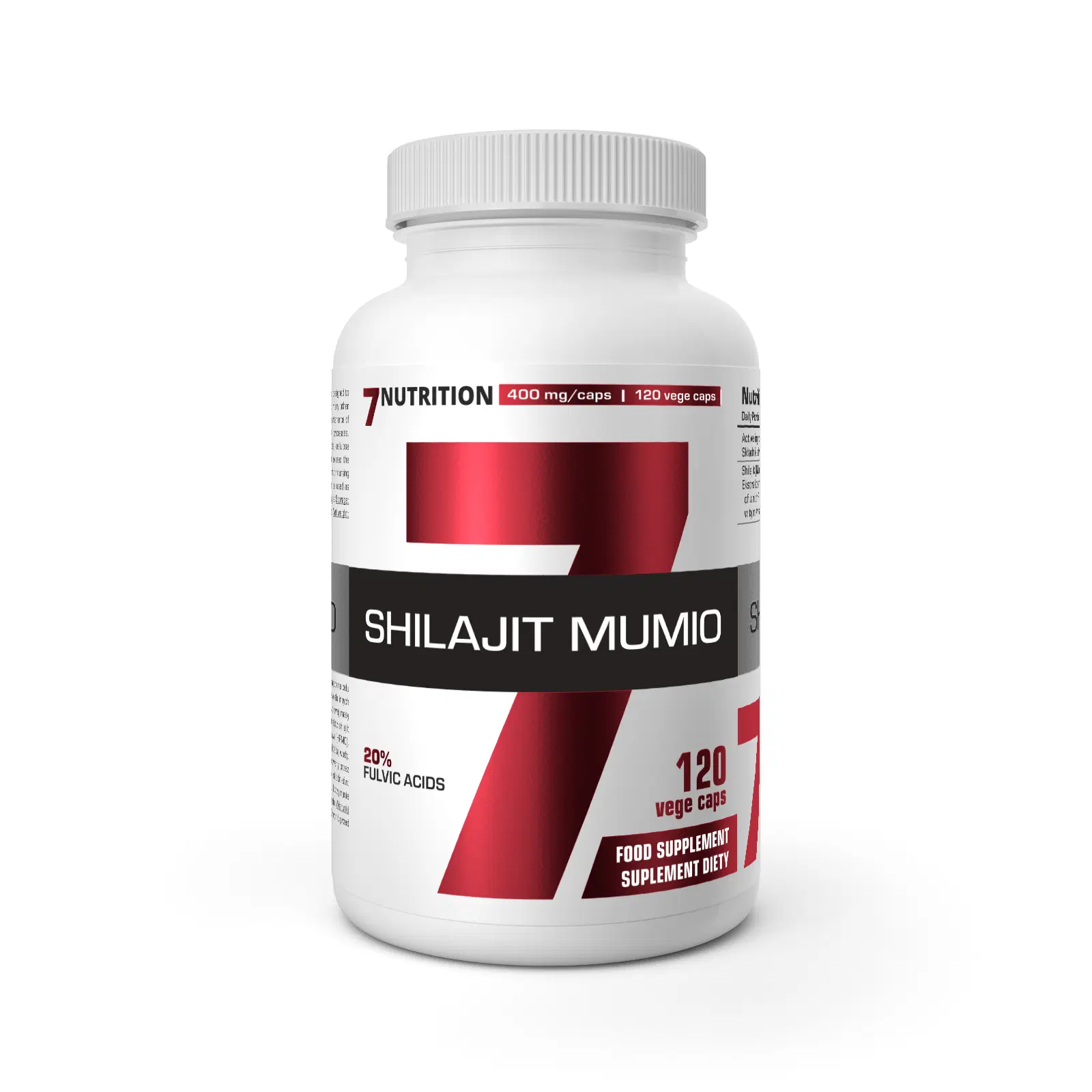
Shilajit (mumiyo) is a resinous mineral complex that is secreted from Himalayan rocks at high temperatures. Ayurveda calls it “rasayana” — the elixir of longevity.
What is Shilajit?
Shilajit is a natural exudate, formed over millions of years from the decomposition of plant matter under high pressure in the Himalayan, Caucasian, and Altai mountains. It contains over 85 minerals in ionic form, amino acids, dibenzo-α-pyrones (DBP), and most importantly — fulvic and humic acid, which transport minerals directly into the cell.
Proven benefits of Shilajit
- Testosterone boost — a clinical study from 2016 showed a 23.5% increase in men aged 45-55 after 90 days.
- Supports mitochondria — increases ATP production by 28% (energy metabolism).
- Improves athletic endurance — increases VO2 max and delays fatigue.
- Cognitive function — DBP molecules have a neuroprotective effect, being investigated for Alzheimer's.
- Immune support — balances Th1/Th2 immune response.
- Mineral absorption — fulvic acid increases the bioavailability of iron, zinc, magnesium by up to 60%.
- Anti-aging — antioxidant protection against free radicals.
Types of Shilajit — which to choose
Resin — the original resinous form. Most bioactive, purest. Dissolves in warm water to a completely black solution. Recommended dose: 250-500 mg (pea-sized amount).
Powder form — easy to dose in capsules, but often with impurities. Demand heavy metal tests (lead, arsenic, cadmium).
Liquid drops — convenient, but often diluted. Check the concentration of fulvic acid.
How and when to take Shilajit
In the morning before breakfast, dissolved in a glass of warm water or milk with a spoonful of honey. On an empty stomach for maximum absorption. Do not combine with coffee or tea — tannins block fulvic acid. Cycle: 12 weeks on + 4 weeks off.
Quality — what to look out for
The market is flooded with fakes. Real Himalayan Shilajit:
- Dissolves completely in warm water, without sediment.
- Has a black-brown color, shiny at room temperature.
- Smells of damp earth, not chemicals.
- Laboratory certificate for heavy metals (HML test).
- Minimum 50% fulvic acid.
Contraindications
Not recommended during pregnancy, breastfeeding, hemochromatosis (iron overload), hyperuricemia (gout), bee pollen allergy. If taking blood thinners or antidiabetics — consult a doctor.
Medical note: Shilajit is a powerful natural product. Before starting, consult a doctor, especially if you have chronic diseases or are taking medication.