Power machines
Steel constructions and precise engineering are at the core of every effective strength machine, ensuring durability and safety even during the most intense workouts. When it comes to building muscle mass and increasing strength, the right equipment choice is crucial. Each machine is designed to target specific muscle groups, allowing for isolated and controlled loading.
The use of high-quality materials such as reinforced steel for the frames, wear-resistant PU upholstery for comfort, and dense EVA padding for support, guarantees optimal functionality and durability. Adjustable elements, often with laser-engraved markers for precision, allow for workout customization according to individual needs and physical data.
When choosing a strength machine, pay attention to the maximum permissible user weight and the weight of the plates to match your goals. For beginners, machines with smaller weight increments are ideal, while advanced users will appreciate the option for heavier loads. Here are our suggestions:
- Chest/Shoulder Press Machine with adjustable arms
- Leg Press with ergonomic seat
- Back Extension Machine with multifunctional handles
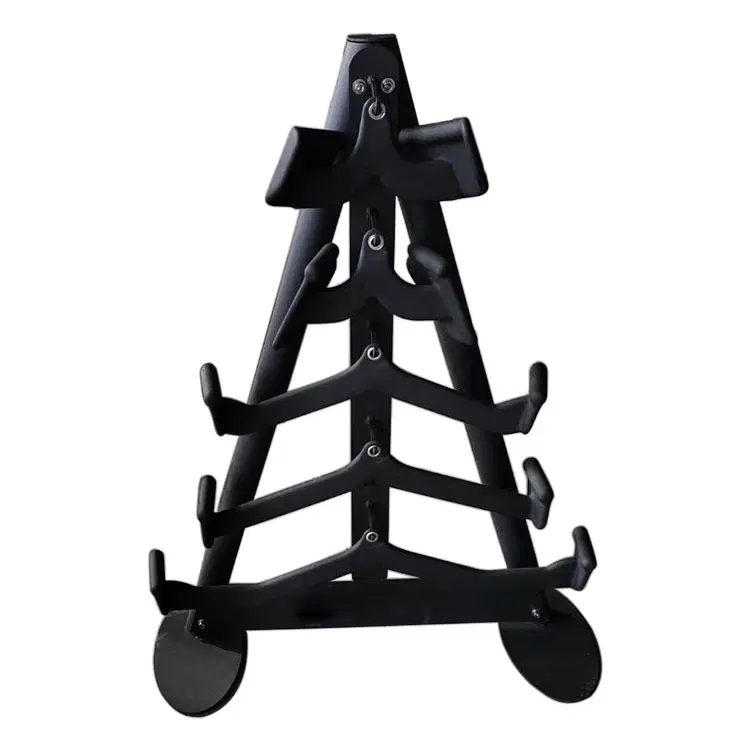
- SZ Sport – Професионална стойка за ръкохватки 5 броя – 130.38 €
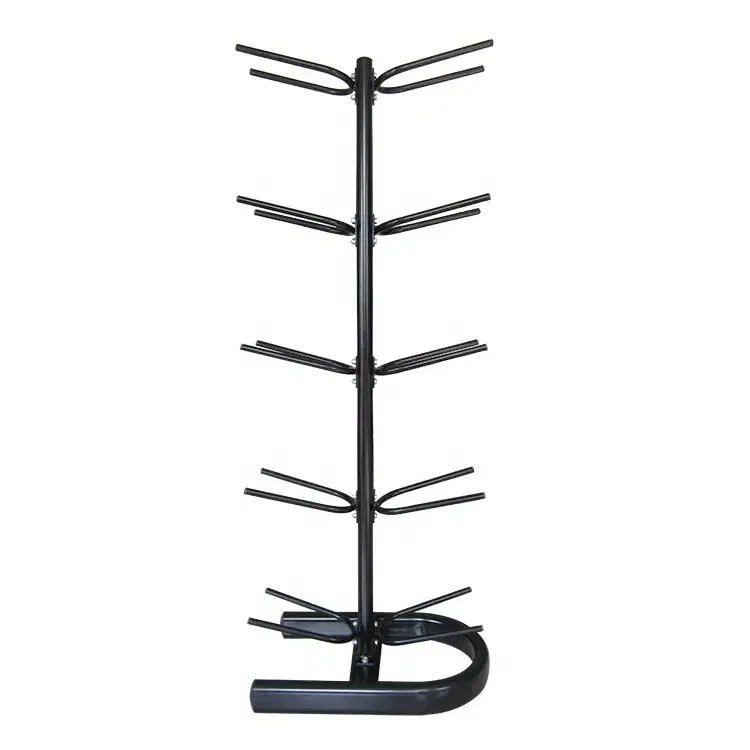 SZ Sport – Стойка за различни видове топки – 117.60 €
What it is used for / what it represents
Strength machines, or as I call them – "the iron," are a fundamental tool in any gym. With them, you train more safely, isolating specific muscles. It's important to understand that these machines are not just for beginners. Personally, and my colleagues, we use them for warm-ups, for some isolation exercises at the end of a workout, or when we have an injury and need to protect our joints. Imagine you've torn a shoulder tendon – you can't lift weights without support, but on a machine, you can maintain the tone of the muscles around it.
The "strength machines" category includes many things: benches, pulleys, leg presses, pec-deck machines, abdominal and back machines. Each of them has a specific purpose and is designed to load a particular muscle group in a specific way.
How I choose / what I look for
When choosing a strength machine, don't just look at the price. Several things are important:
- Stability and robustness: The machine should be like a rock. It shouldn't wobble or creak. Nobody wants to train on something that looks like it will fall apart on the next repetition. Look at the thickness of the frame profiles. The thicker they are, the better.
- Smoothness of movement: This is crucial. The mechanism should move smoothly, without sticking. If the machine uses weight stacks, check the guides – they should be polished and free of defects. If it's for free weights, check if the bearings are good.
- Adjustment and ergonomics: Can you adjust the seat, the backrest? Can you set it according to your height and proportions? If you are 1.90 m tall and the machine is made for a person 1.70 m tall, it won't be comfortable and you might injure yourself. Try the machine before you buy it, if you have the opportunity.
- Weight capacity: How many kilograms is the machine certified for? If you are strong and lift a lot, you need something that can withstand it. There's no point in buying a machine for 100 kg if you lift 120 kg.
- Materials: Pay attention to the upholstery – it should be durable, not tear easily. The handles should be comfortable and non-slip.
What we keep at SportZone
At SportZone, we have focused on machines that I have personally used and recommended. We make sure they are sturdy, functional, and can withstand serious use. We have both basic benches and more specialized pulleys and leg presses. For example, for leg presses, we stock models that allow angle adjustment of the backrest and have a large foot platform. This is important so that everyone can find the correct position and load their legs maximally, without straining their lower back.
For pulleys, the emphasis is on smooth movement and the possibility of different grips. Everything has tested mechanisms that won't fail you during a set.
A tip from a coach
As a coach with 15 years of experience, I always say one thing: don't go for the heaviest weight on the first day. Start with light weights, learn the correct movement. Better 10 repetitions with proper technique than 3 repetitions with a weight you cannot control. Machines are great, but they don't replace free weights and bodyweight exercises. Use them wisely, as a supplement to your workout, not as the only tool. And never forget to warm up well before getting on any machine. 5-10 minutes of cardio and a few stretches will save you a lot of pain.