Soy protein
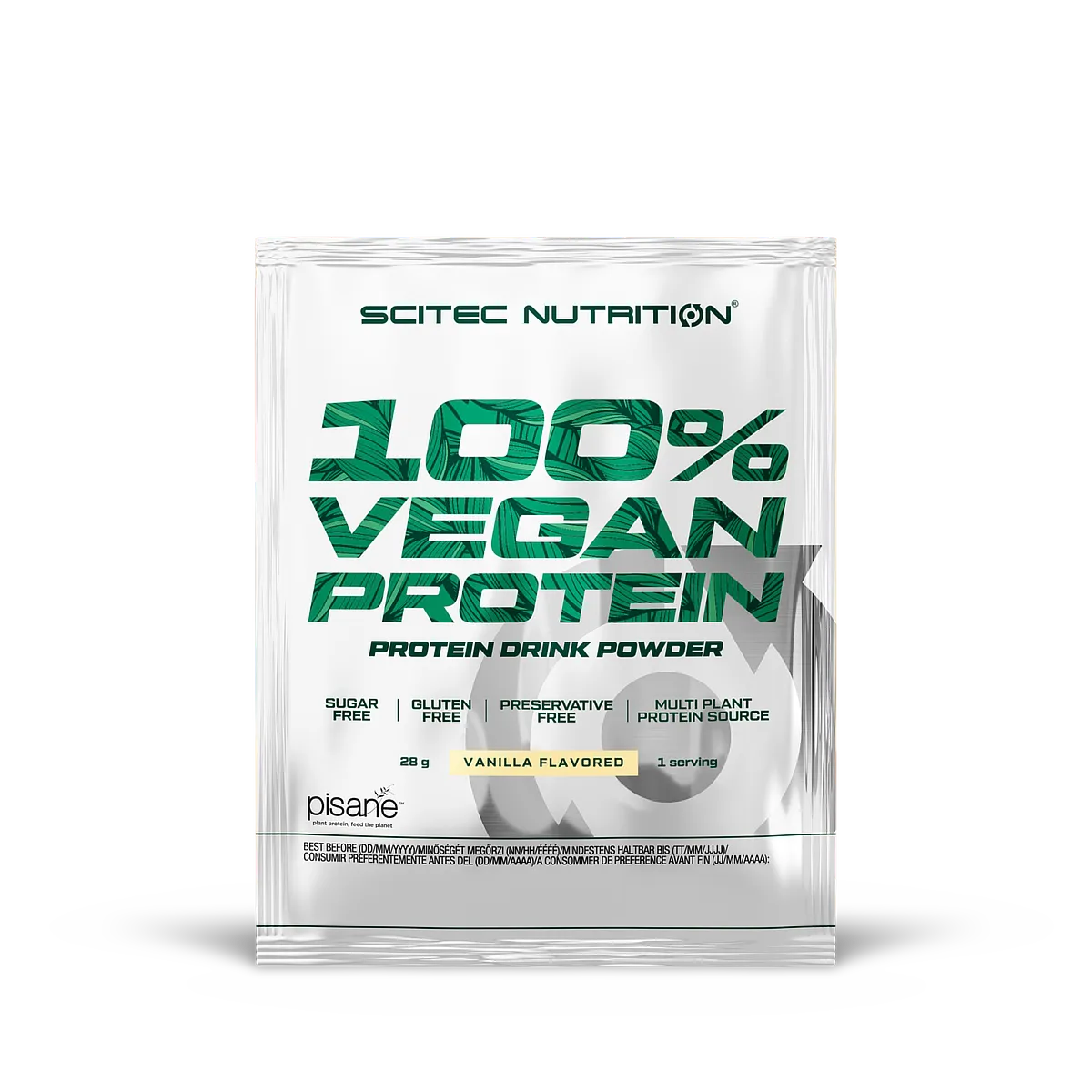
- Scitec Nutrition 100% Vegan Protein (28 gr.) – 2.90 €
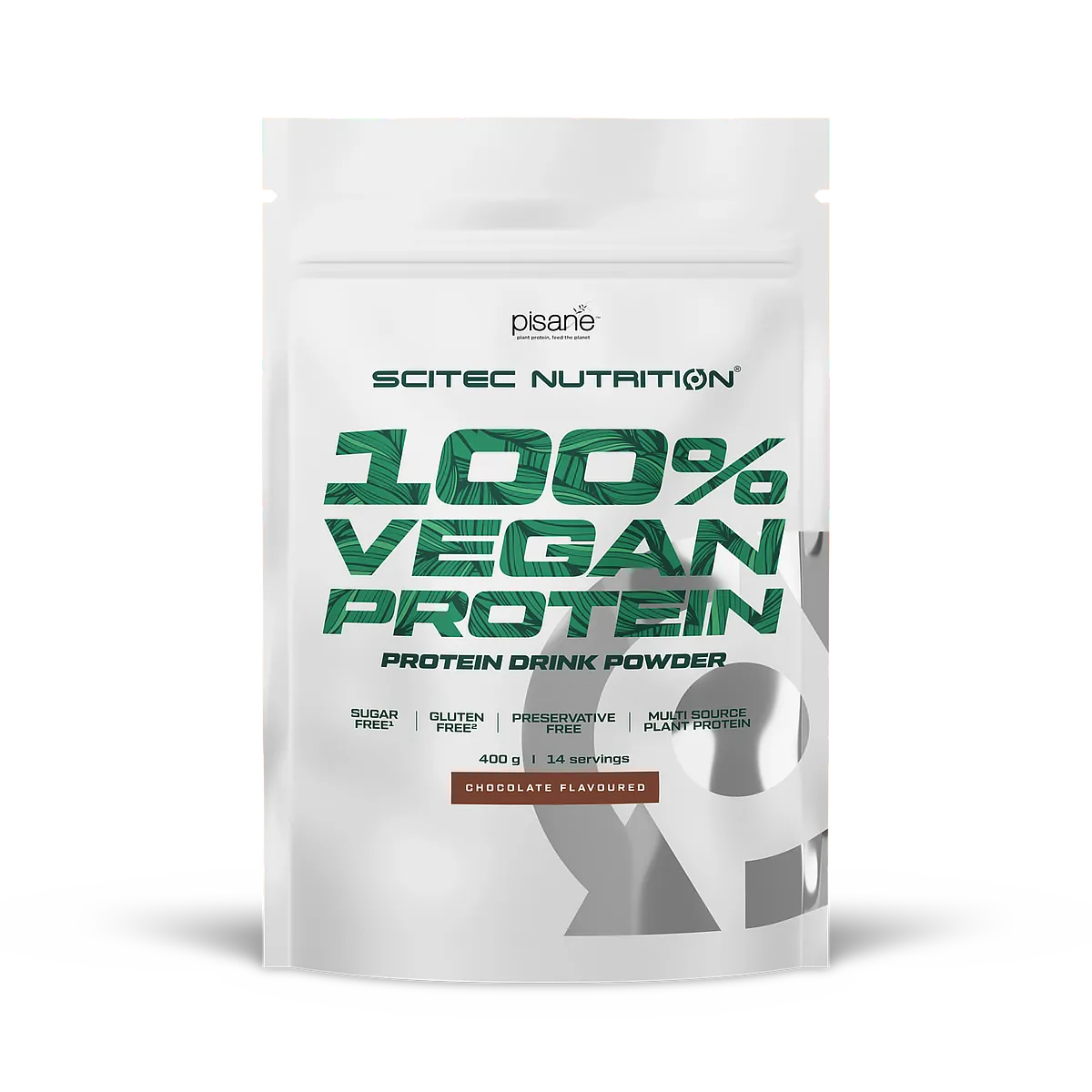 Scitec Nutrition 100% Vegan Protein (400 gr.) – 19.90 €
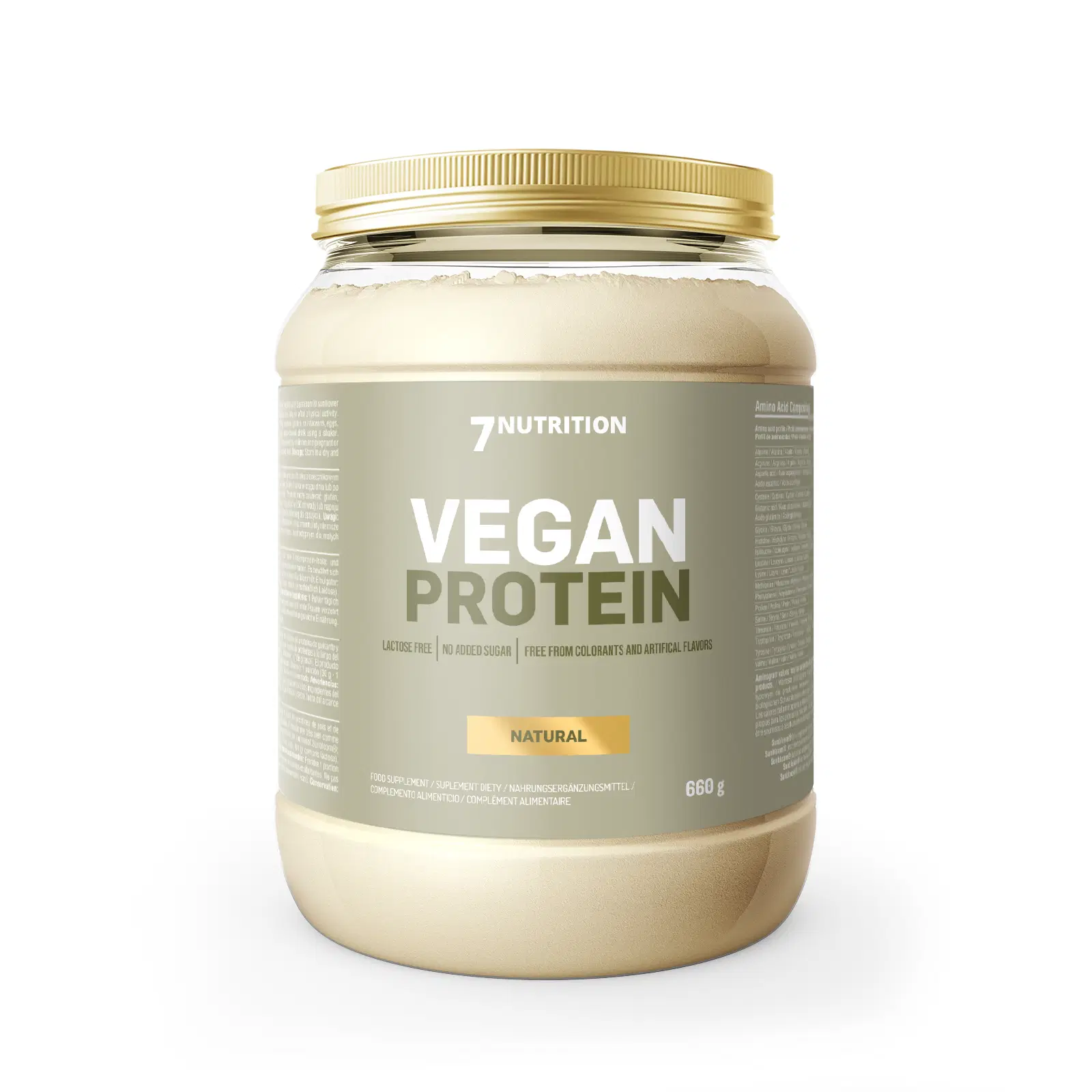 7Nutrition - Vegan Protein 660g – 19.00 €
100 grams of soy protein isolate contain about 90 grams of pure protein, making it an excellent source of complete amino acids. This plant-based protein is especially valuable for vegans, vegetarians, and people with lactose intolerance, offering all nine essential amino acids necessary for muscle growth and recovery. Research published in the Journal of the International Society of Sports Nutrition (JISSN) shows that soy protein can be just as effective as whey protein in stimulating muscle protein synthesis, with adequate intake.
Soy protein is rich in glutamine and arginine, important for immune function and nitrogen balance. It contains isoflavones, which have antioxidant properties and can support cardiovascular health. A daily dose of 20-30 grams after training or as a supplement to meals is optimal for most active individuals. When choosing a product, look for isolate, as it offers a higher concentration of protein and fewer carbohydrates and fats compared to soy concentrate.
How to choose
- Isolate vs. Concentrate: Choose isolate for higher protein content (over 90%) and less lactose/carbohydrates.
- Certification: Check for certification for GMO-free and allergen-free status.
- Flavors: Try different flavors to find your preference, as some soy products have a specific aftertaste.
- Additives: Avoid products with artificial sweeteners and colorings.
Common mistakes
- Insufficient intake: Less than 20 grams per serving may not be enough for optimal recovery.
- Neglecting quality: Choosing cheap concentrates with low protein content.
- Exclusive reliance: Do not use soy protein as your sole source of protein; diversify your diet.
- Excessive intake: More than 60-70 grams daily can lead to digestive discomfort in some people.