Dietary supplements
30% of athletes regularly use creatine monohydrate to increase their strength and power. As a sports nutritionist with 15 years of experience, I observe that proper nutrient supplementation is not just a trend, but a foundation for achieving optimal results and maintaining health. Supplements are not magic pills, but tools that, when chosen and dosed adequately, can fill gaps in the diet and aid adaptation to training stress.
ISSN (International Society of Sports Nutrition) consistently emphasizes the role of certain supplements in improving athletic performance and recovery. For my clients, especially those with intensive training regimens, the inclusion of protein powder or amino acids significantly supports muscle recovery and growth. Even the most balanced diet may need support, especially when metabolic needs are elevated.
That's why it's essential to understand exactly what you're taking and why. In this category of 11 products, you will find carefully selected supplements that address various needs – from supporting energy metabolism to optimizing recovery. The choice should be aligned with your individual goals, training regimen, and eating habits. Always start with the recommended dosage and observe your body's reaction.
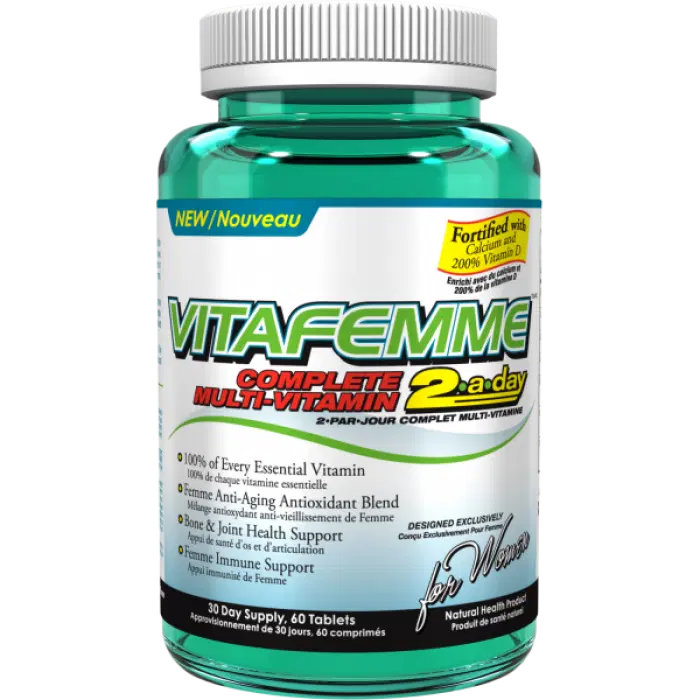
- AllMax - VitaFemme 2-a-day / 60 tab – 29.00 €
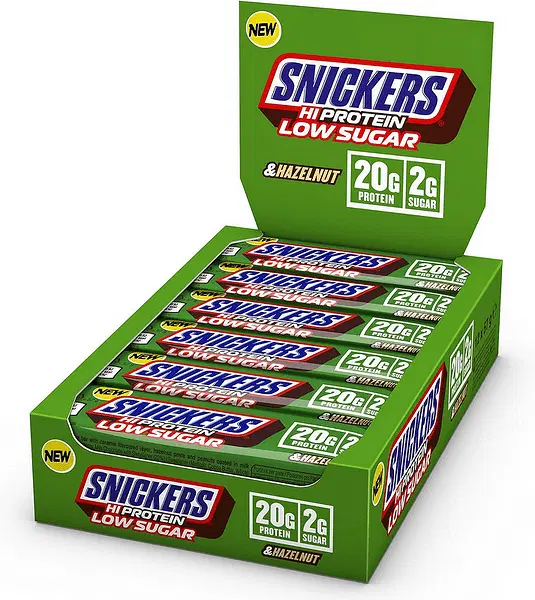 SNICKERS Hi Protein Hazelnut Low Sugar Bars 12 x 57 грама – 36.84 €
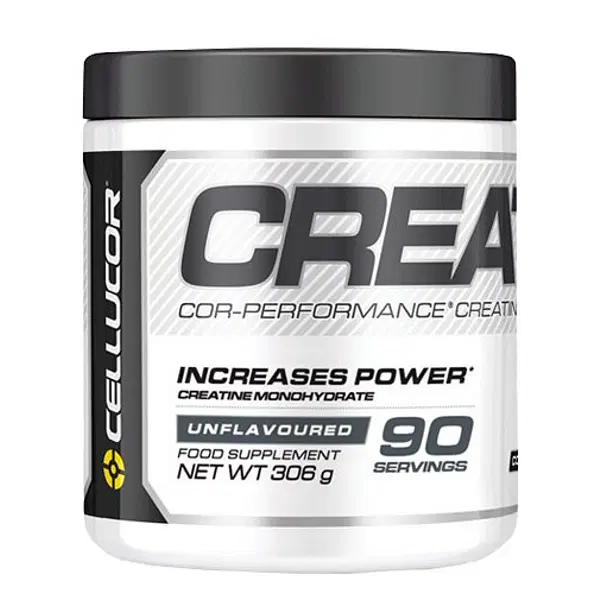 COR Performance Creatine Cellucor 306 грама – 32.00 €
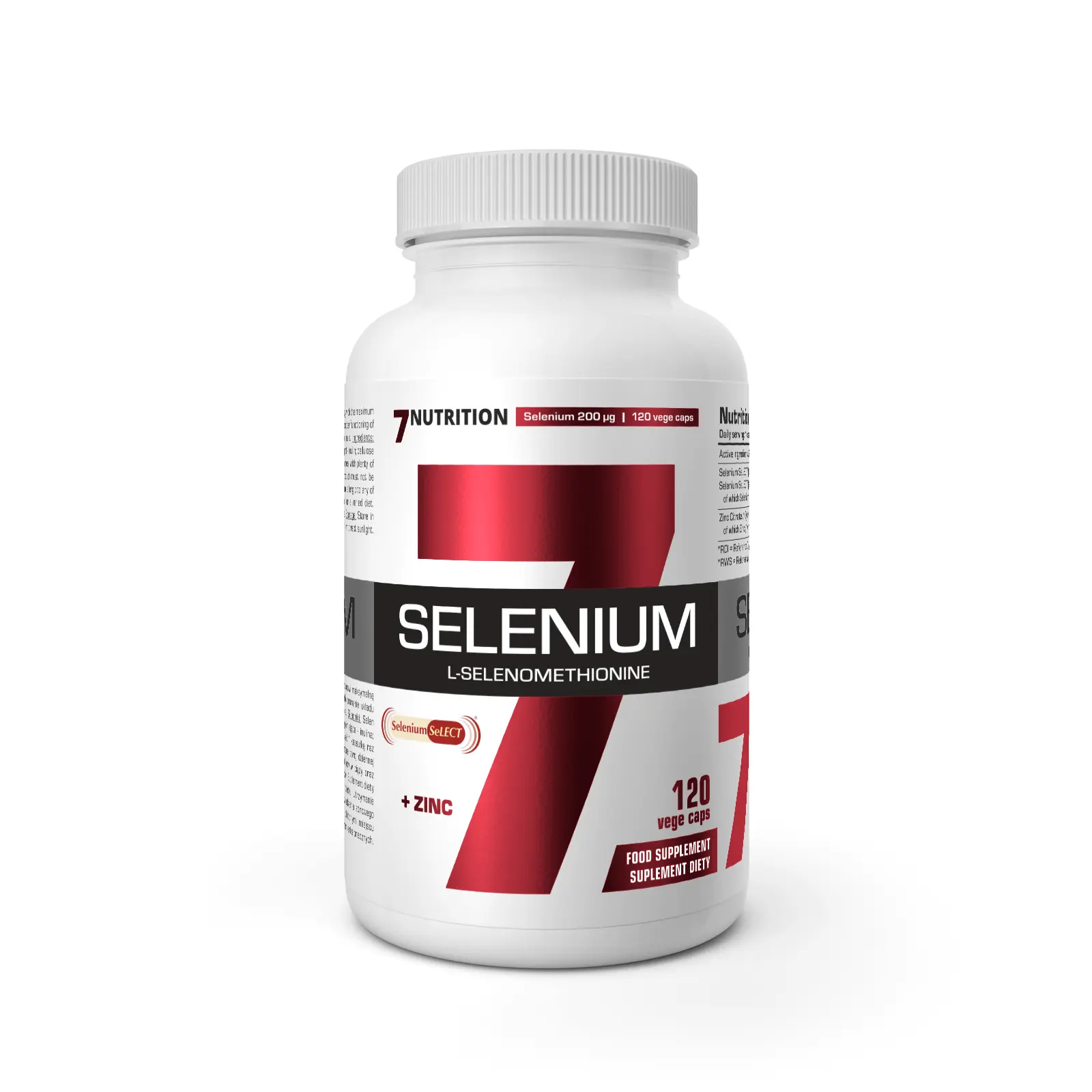 7Nutrition - SELENIUM 120 vege caps – 11.25 €
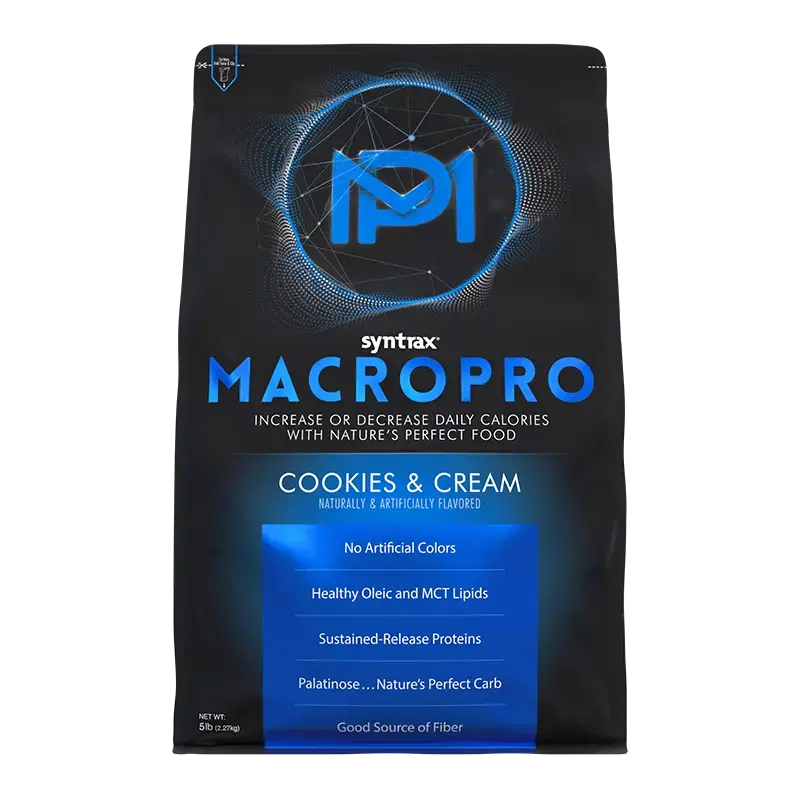 Syntrax MacroPro – 0.00 €
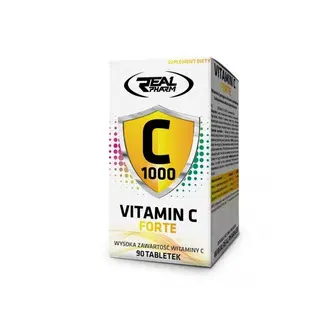 Real Pharm Vitamin C Forte 90 таблетки – 8.18 €
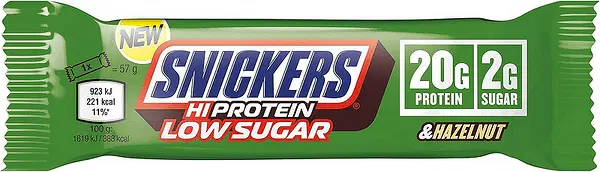 SNICKERS Hi Protein Hazelnut Low Sugar Bar 57 грама – 3.07 €
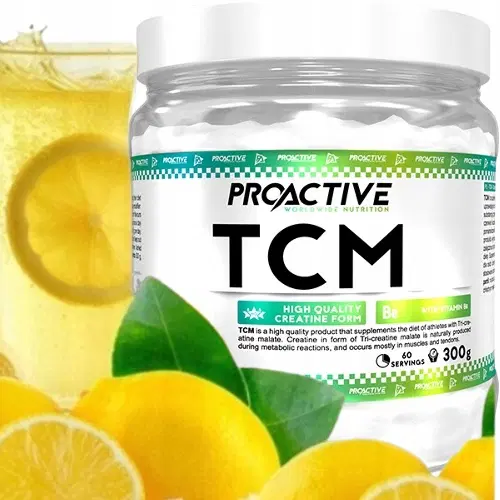 ProActive TCM Creatine Malate 300g Lemon – 9.12 €
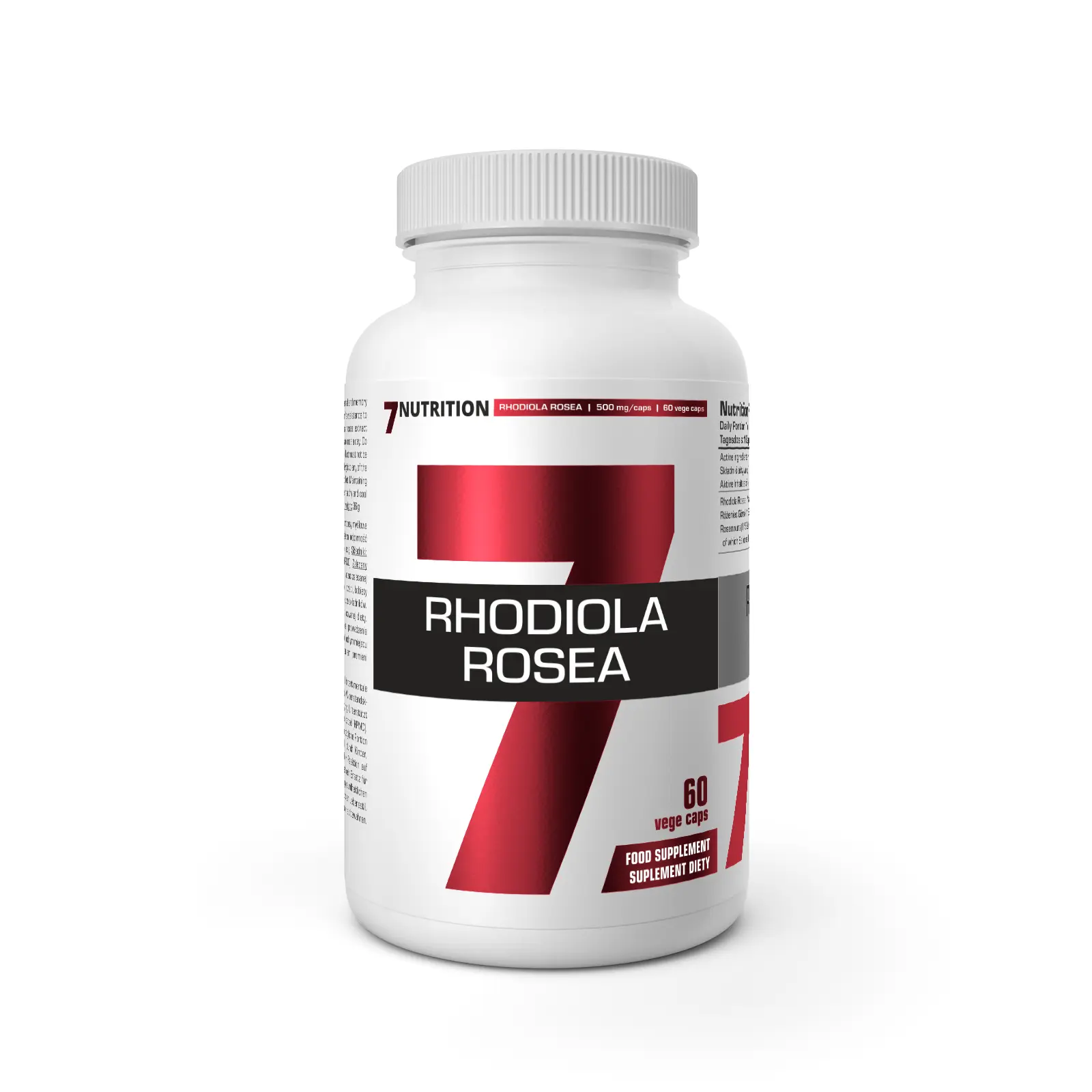 7Nutrition - RHODIOLA ROSEA 60 Caps – 10.00 €
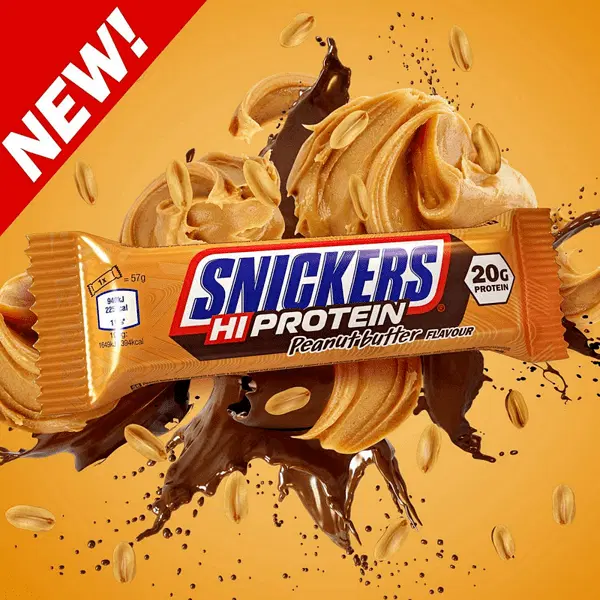 SNICKERS HI Protein Bars Peanut Butter 57 грама – 3.20 €
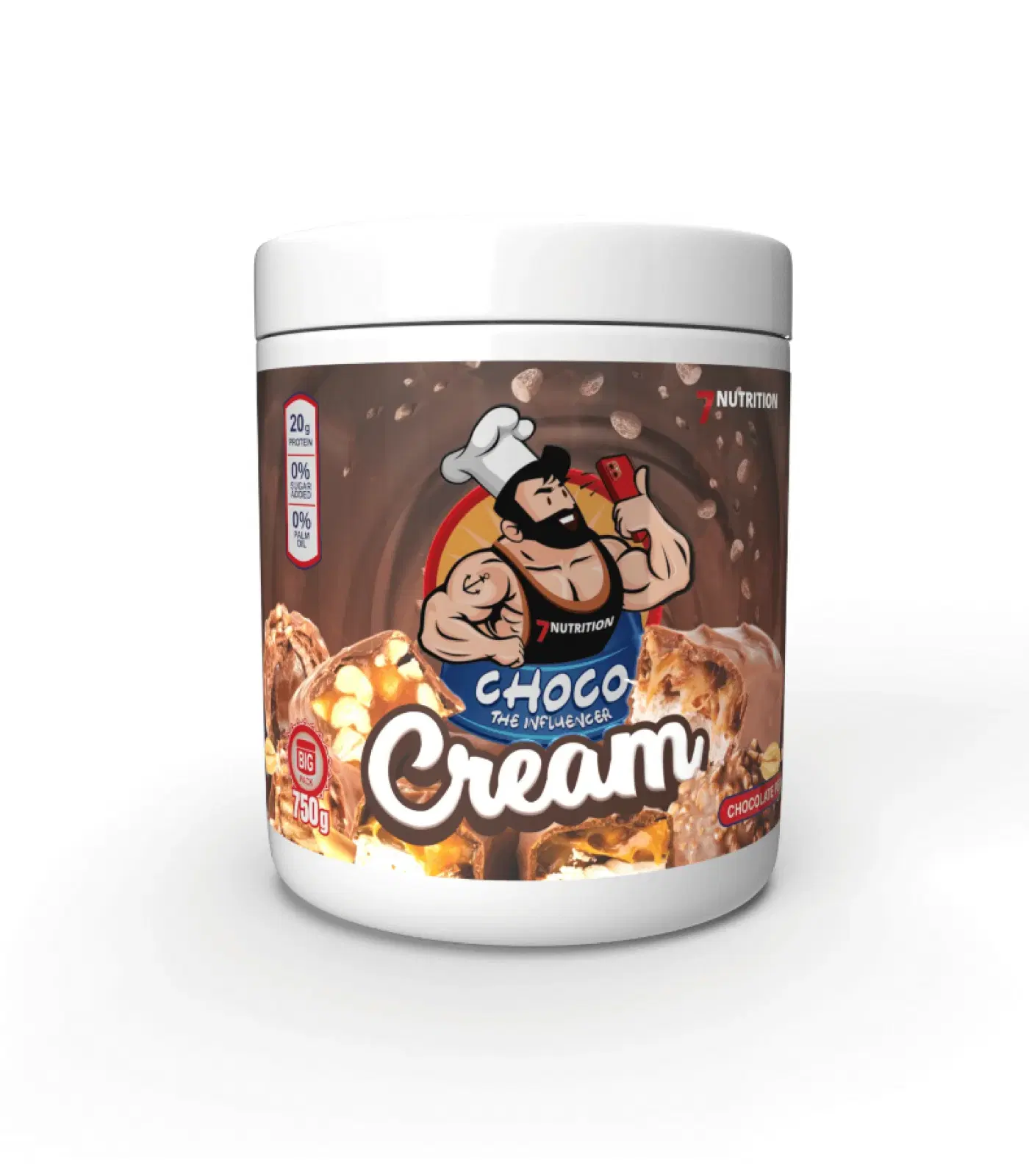 7Nutrition - Cream Chocolate Peanut Crunch / 750g – 13.29 €
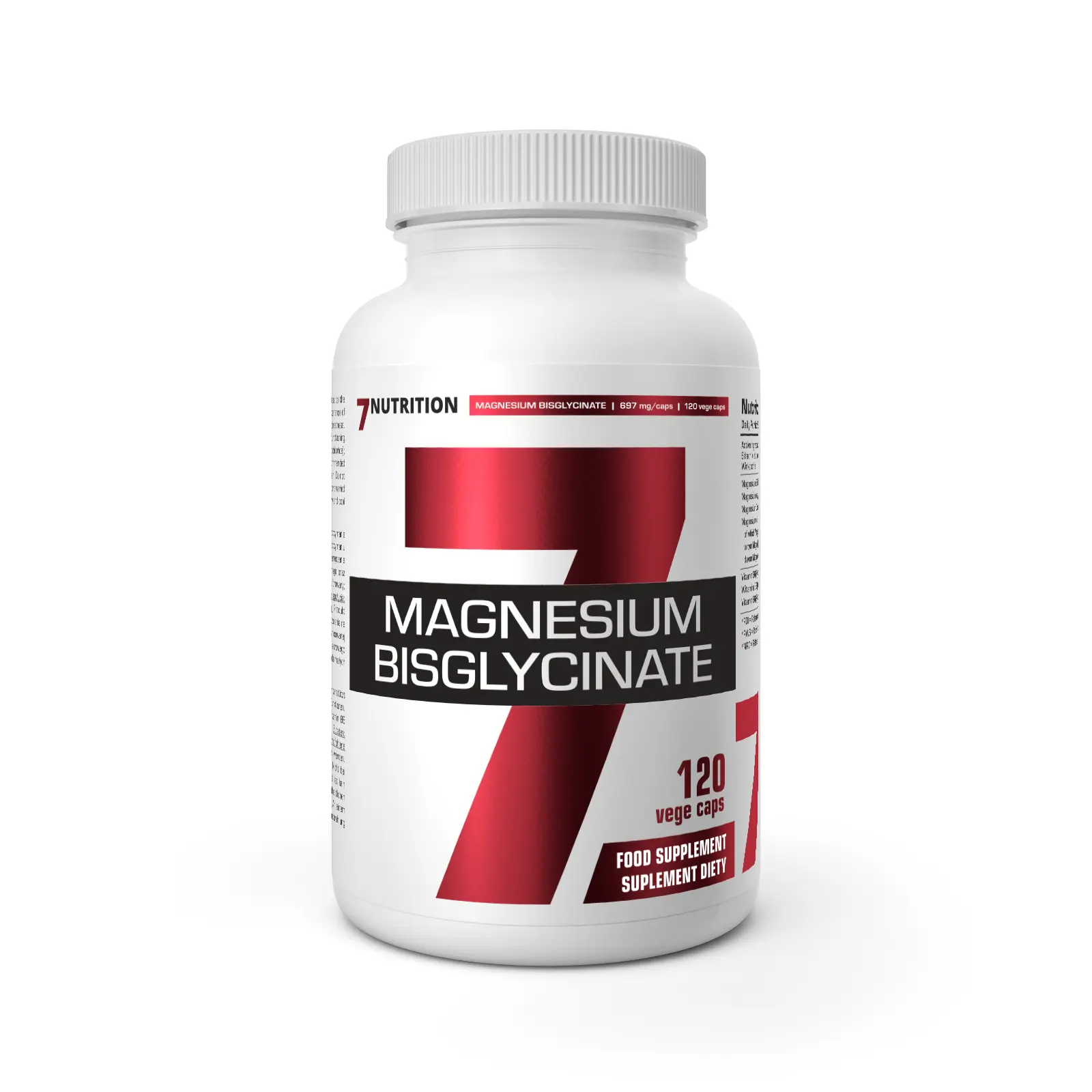 7Nutrition - Magnesium Bisglycinate - 120 vege caps – 14.00 €
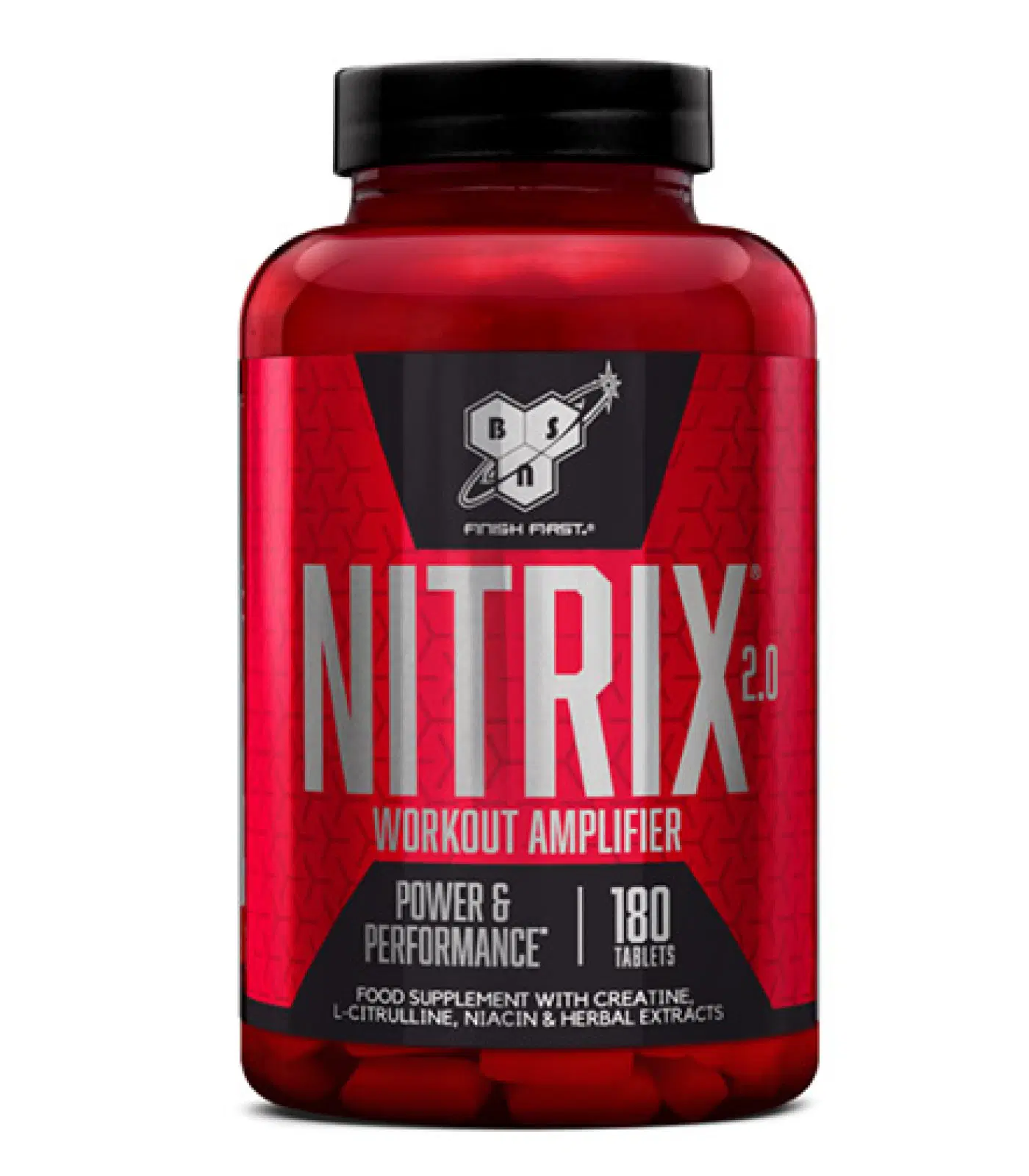 BSN Nitrix 2.0 / 180 Tabs. – 51.13 €
 Mutant BCAA 9.7 Energy / 360g – 0.00 €
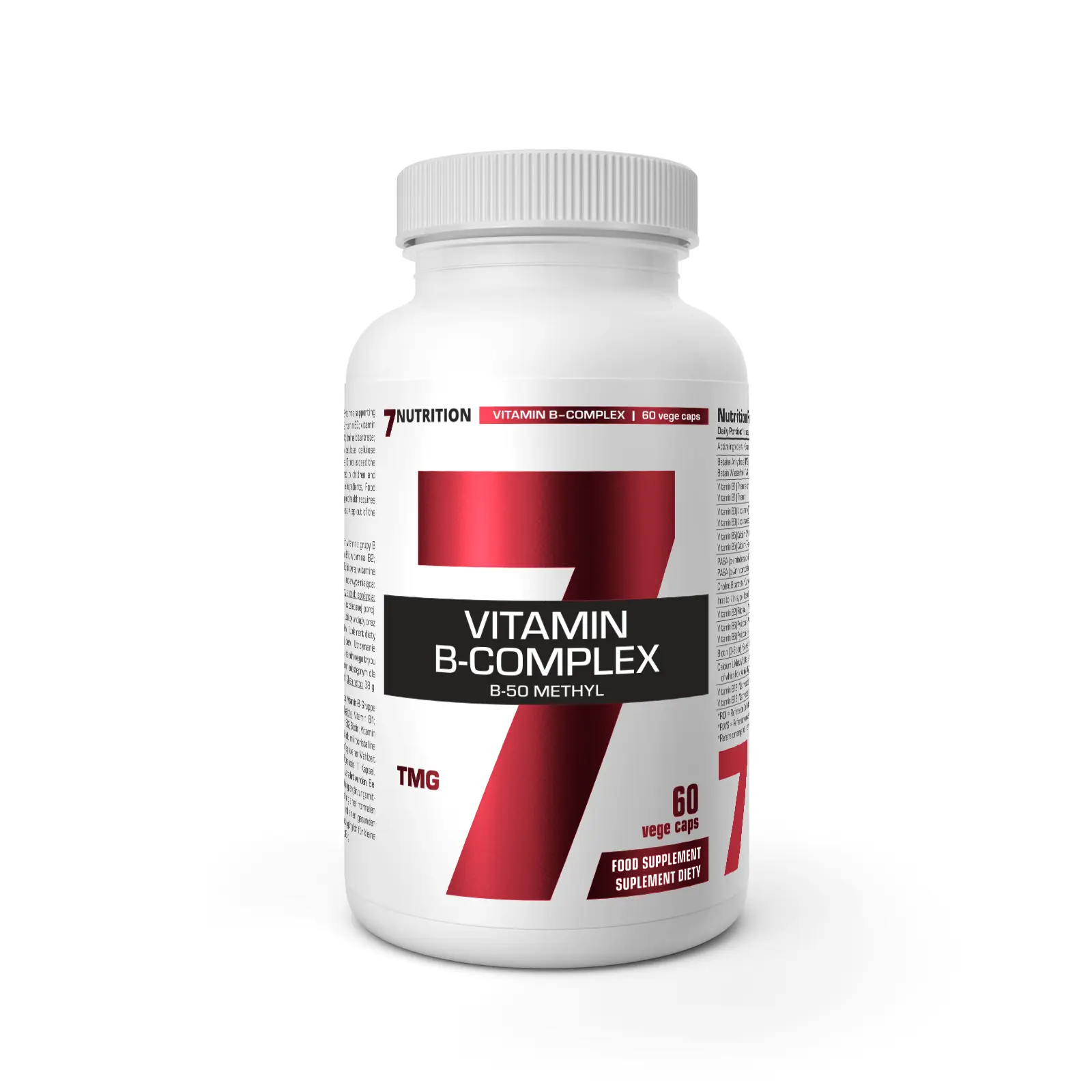 7Nutrition - Vitamin B-Complex B-50 Methyl – 15.85 €
 Real Pharm Vitamax Women 60 таблетки – 8.18 €
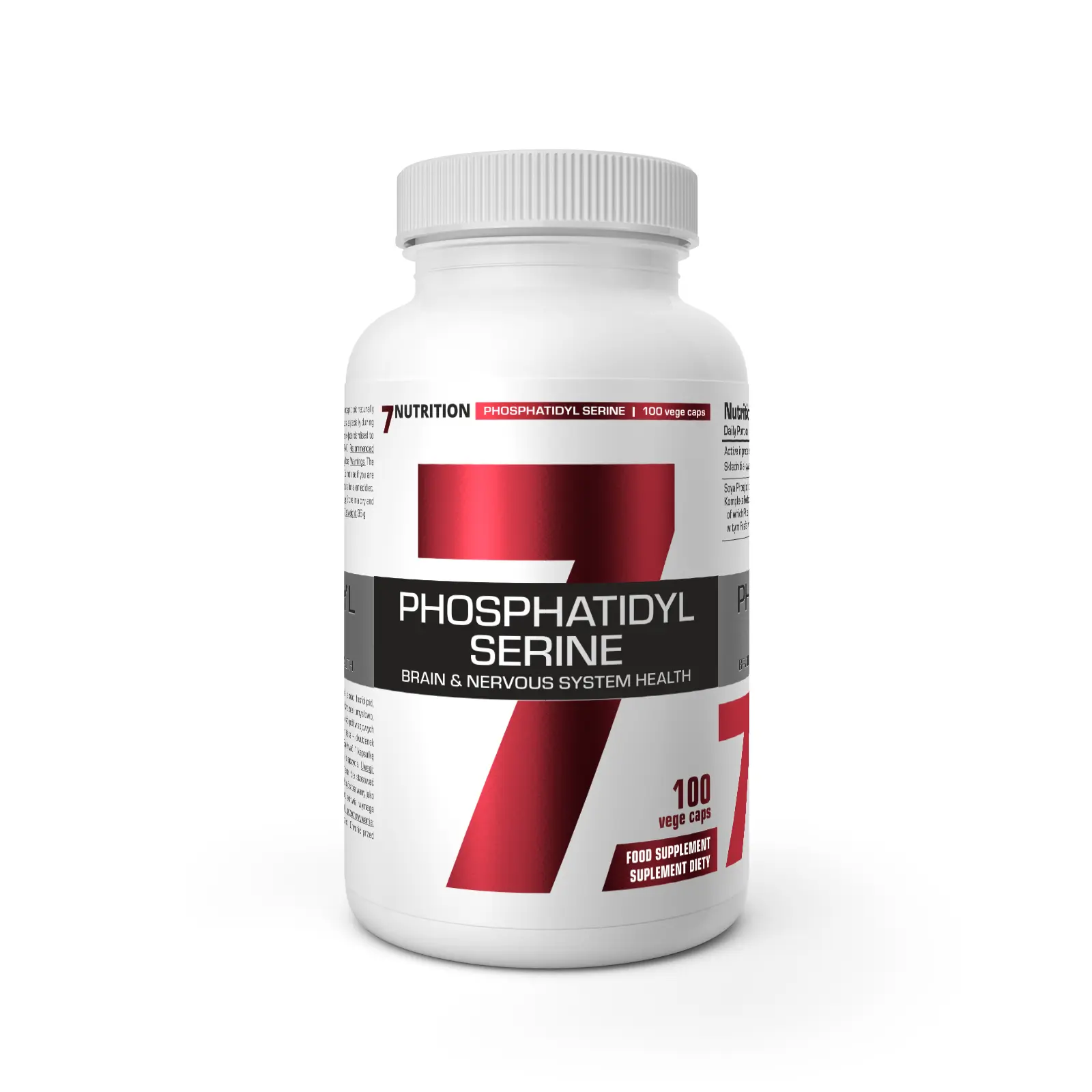 7Nutrition - PHOSPHATIDYL SERINE 250MG - 100 VEGE CAPS – 21.20 €
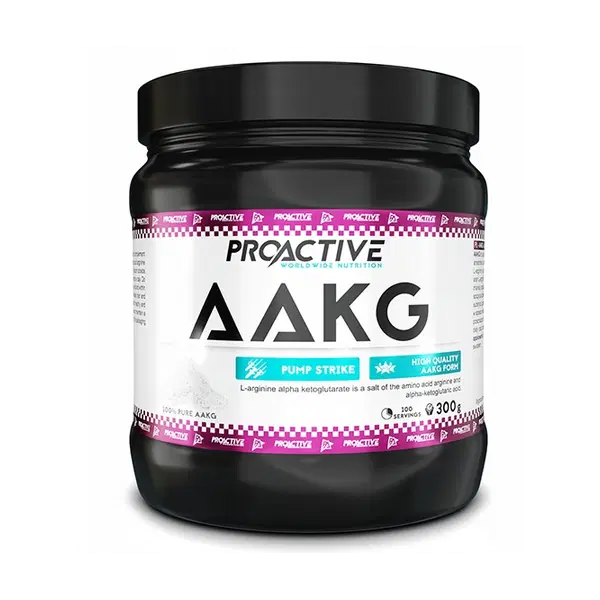 ProActive AAKG 300g – 21.99 €
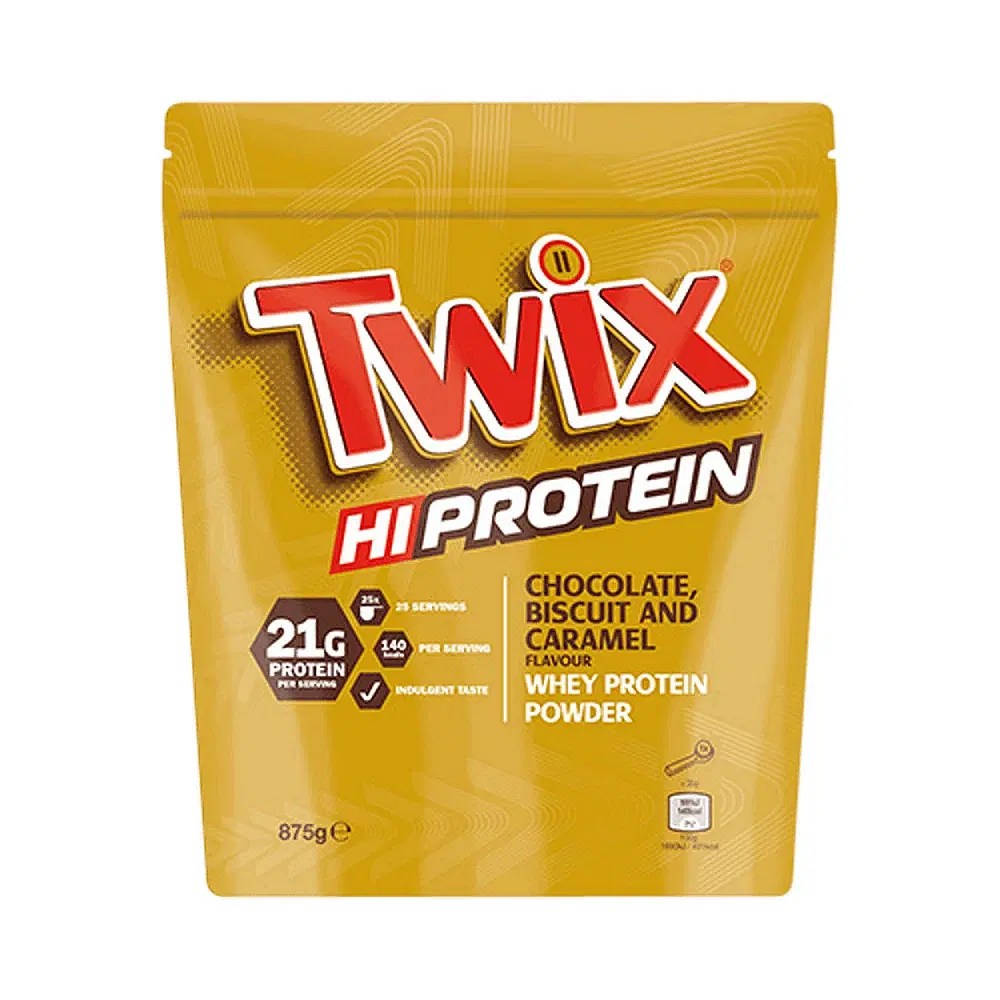 Суроватъчен Протеин Twix Hi Protein Powder 875 грама – 63.99 €
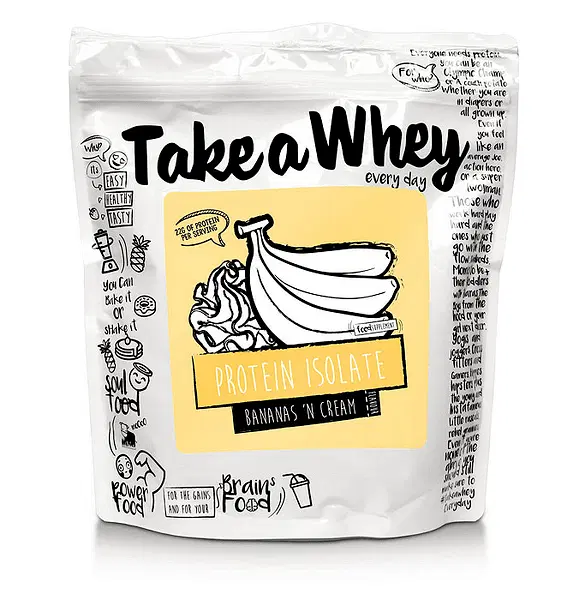 Суроватъчен Протеин Изолат Take A Whey 900 грама 32 дози – 57.99 €
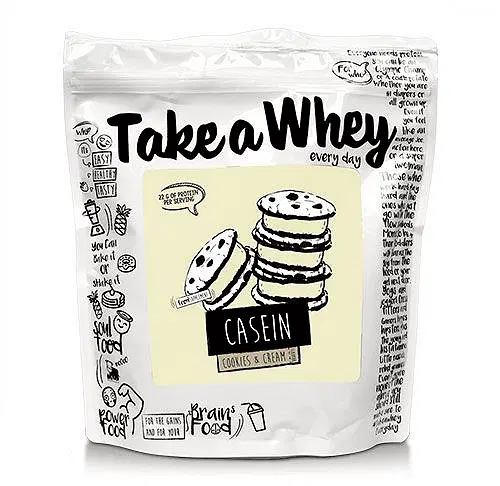 Micellar Casein Take A Whey 750 грама – 45.00 €
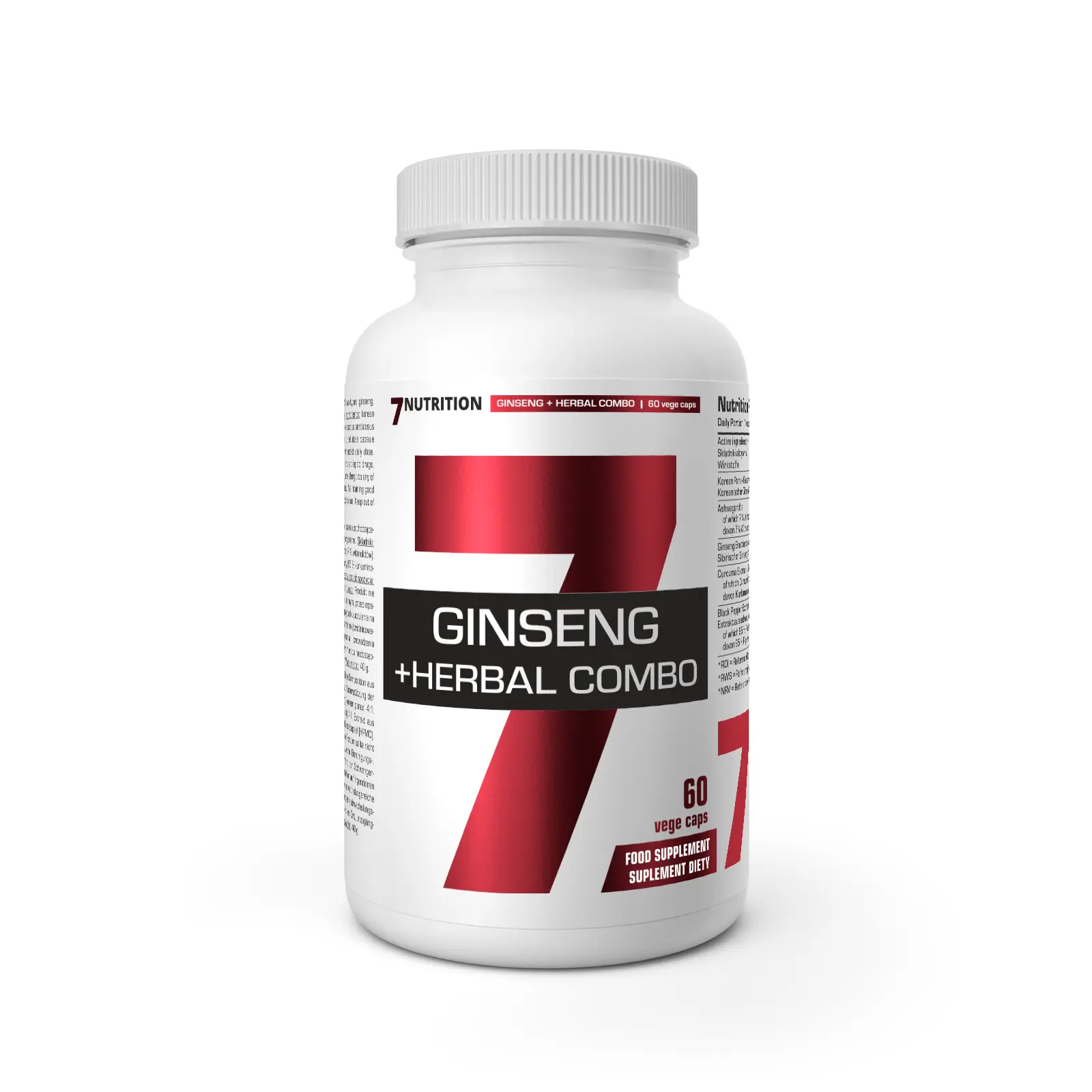 7Nutrition - Ginseng+ Herbal Combo 60 vege caps – 11.20 €
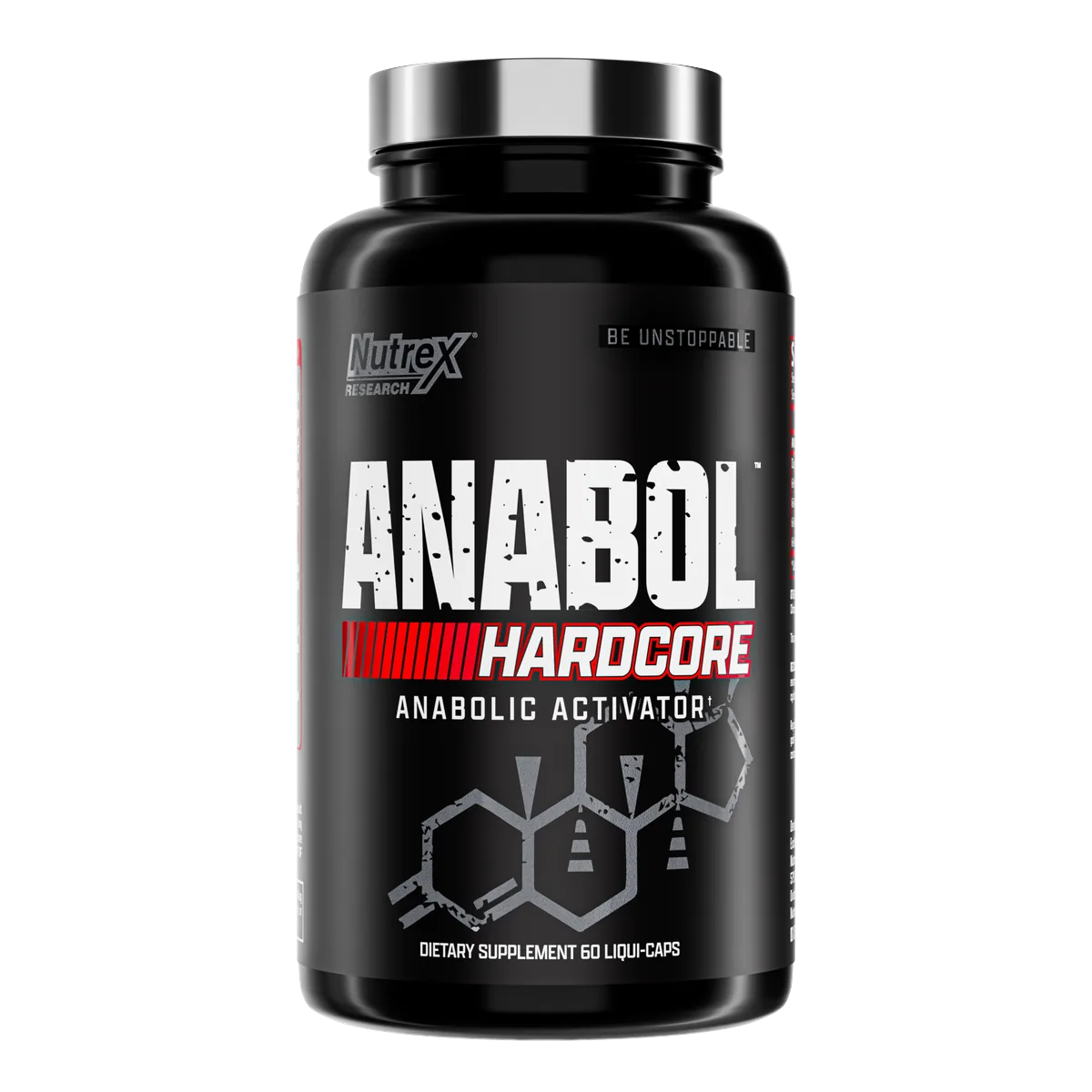 Anabol Hardcore Nutrex – 44.99 €
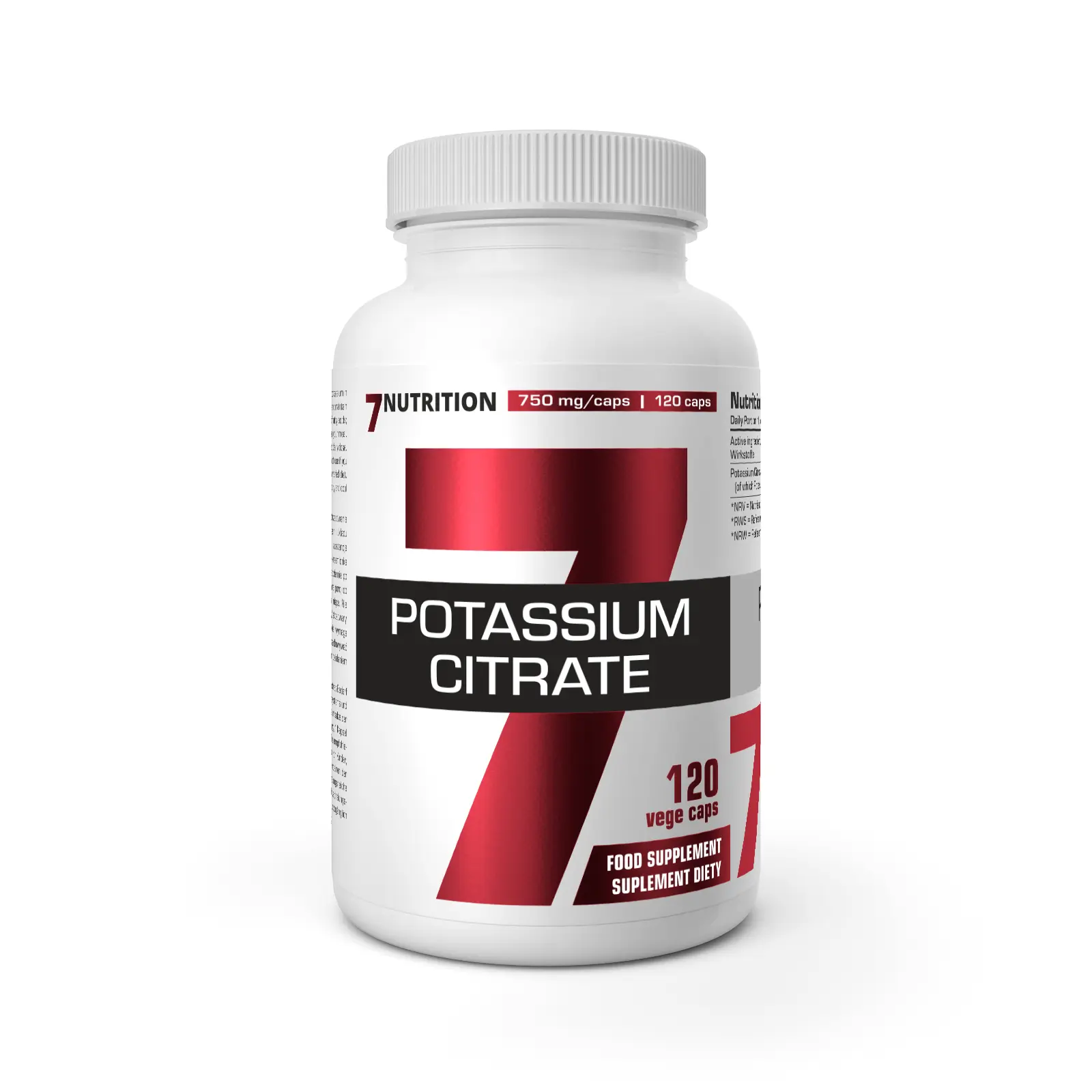 7Nutrition - Potassium Citrate 120 vege caps – 8.20 €
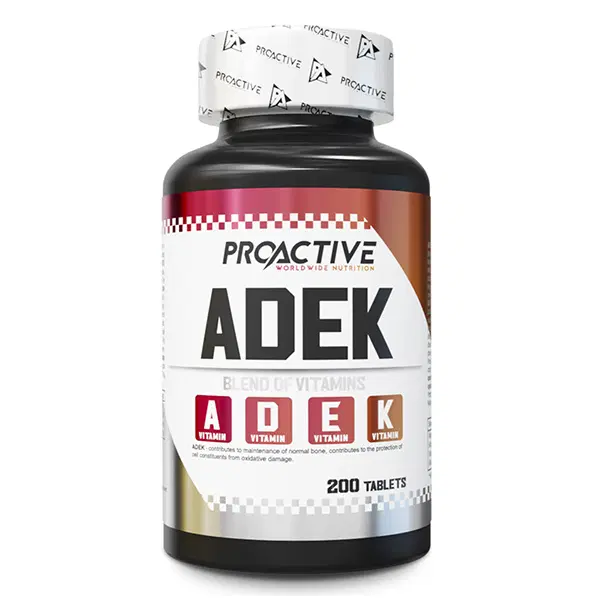 ProActive ADEK 200 tabs – 4.42 €
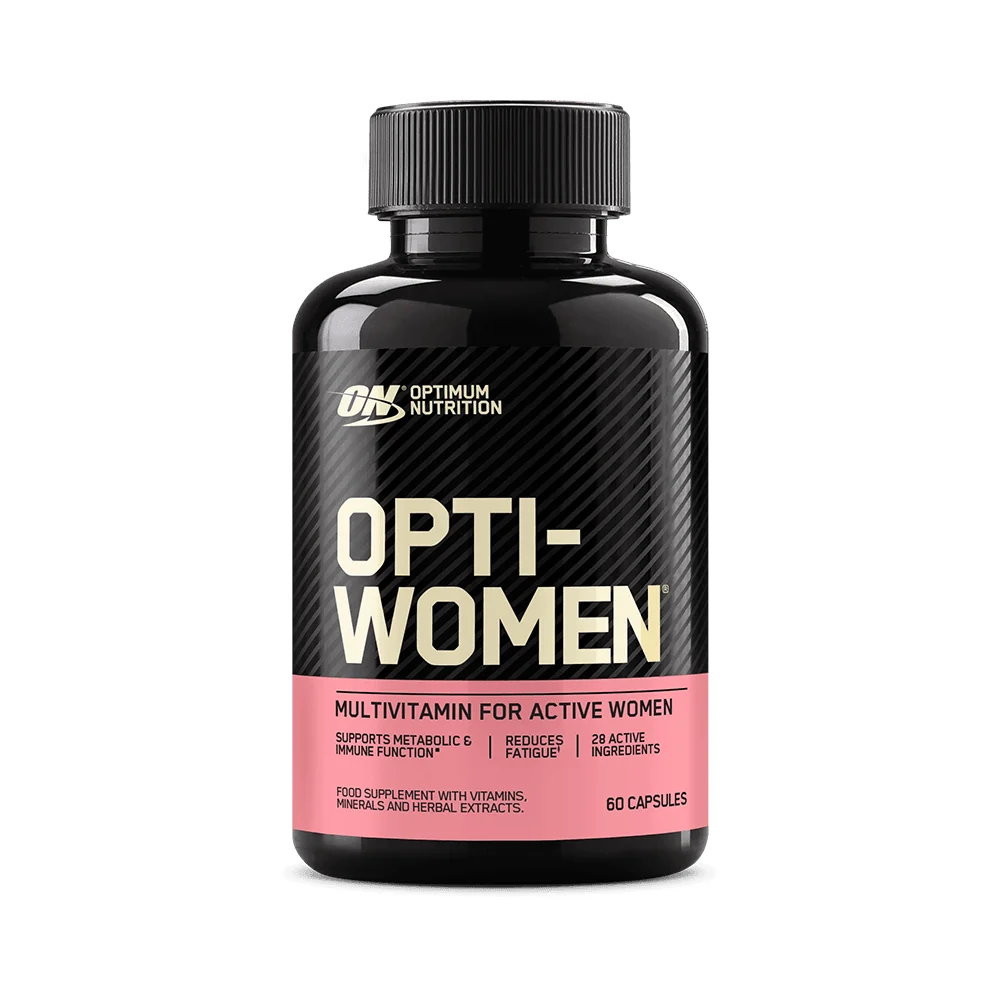 Optimum Nutrition Opti-Women – мултивитамини за активни жени – 23.01 €
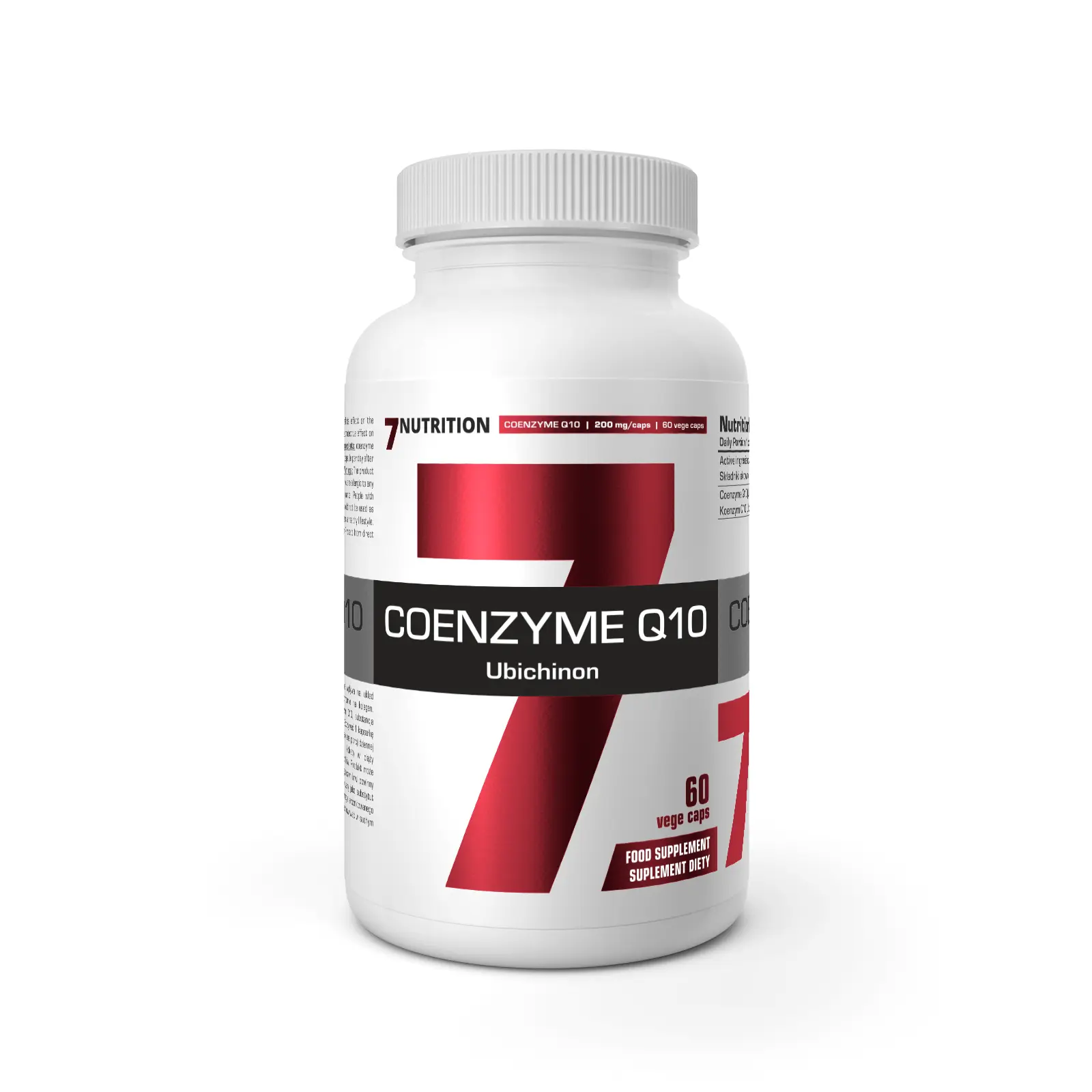 7Nutrition - COENZYME Q10 60 vege caps – 16.90 €
 Real Pharm Magnesium + B6 90 таблетки – 8.18 €
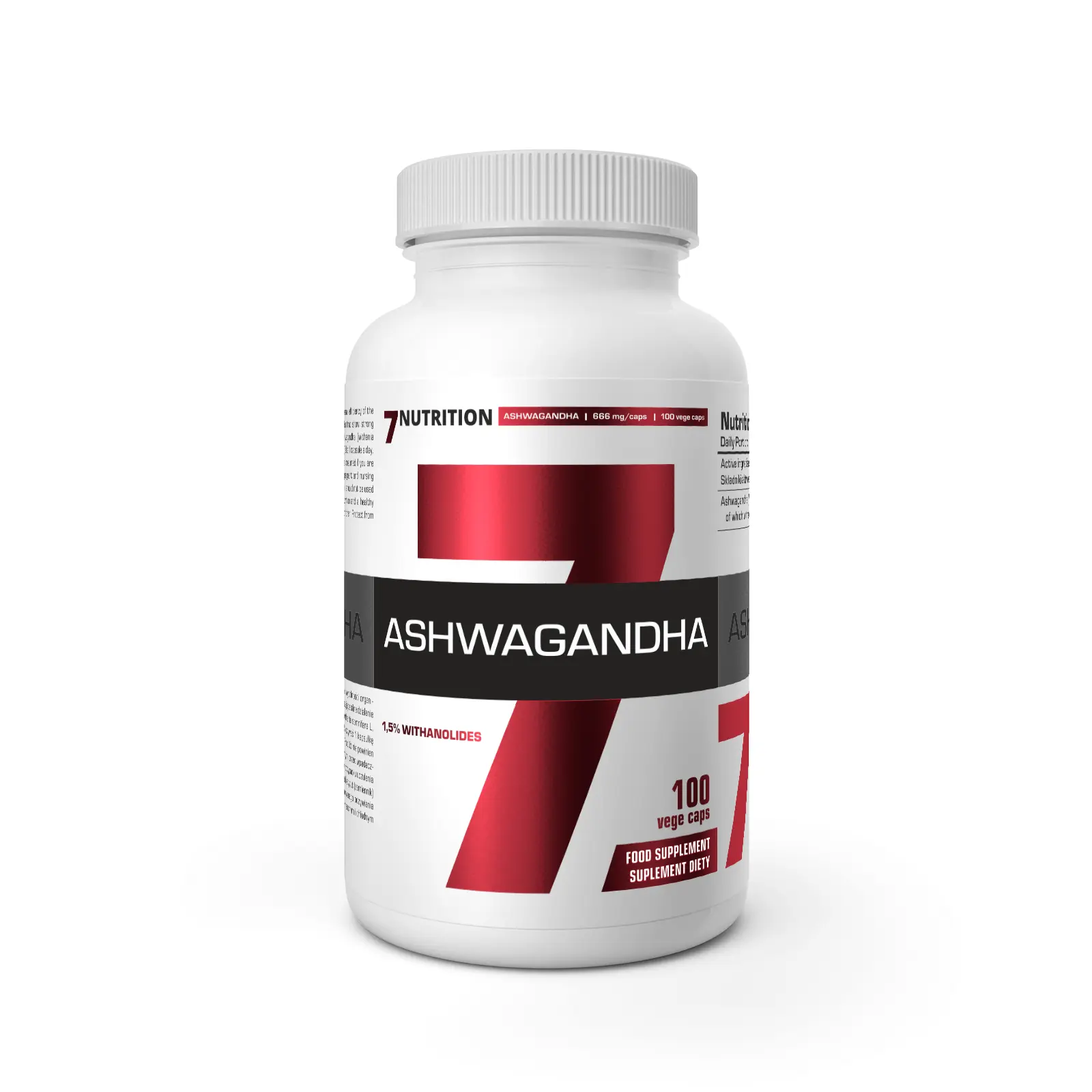 7Nutrition - ASHWAGANDHA 100 vege caps – 12.99 €
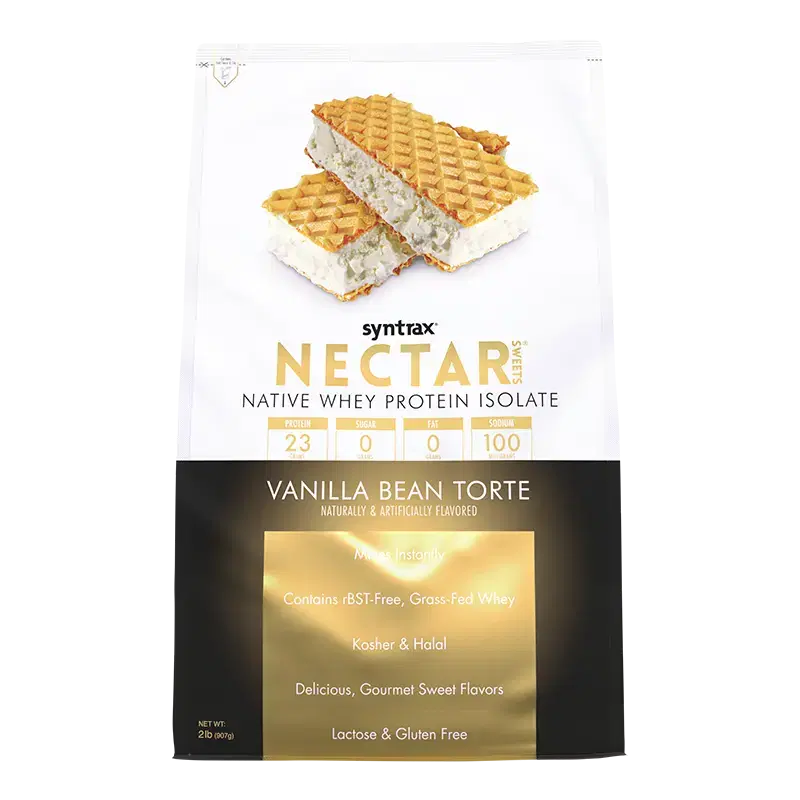 Syntrax Nectar Sweets – 0.00 €
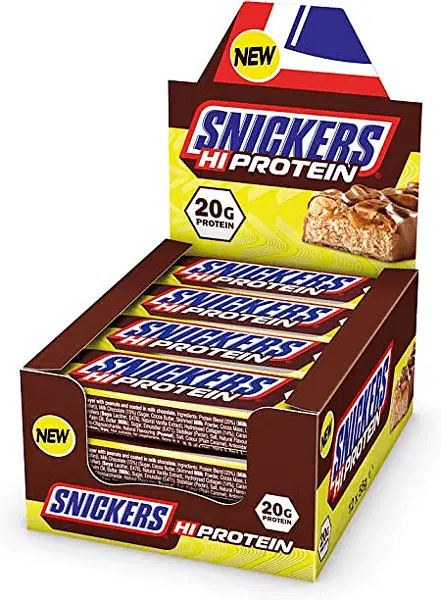 SNICKERS HI Protein Bars 12 x 57 грама – 36.84 €
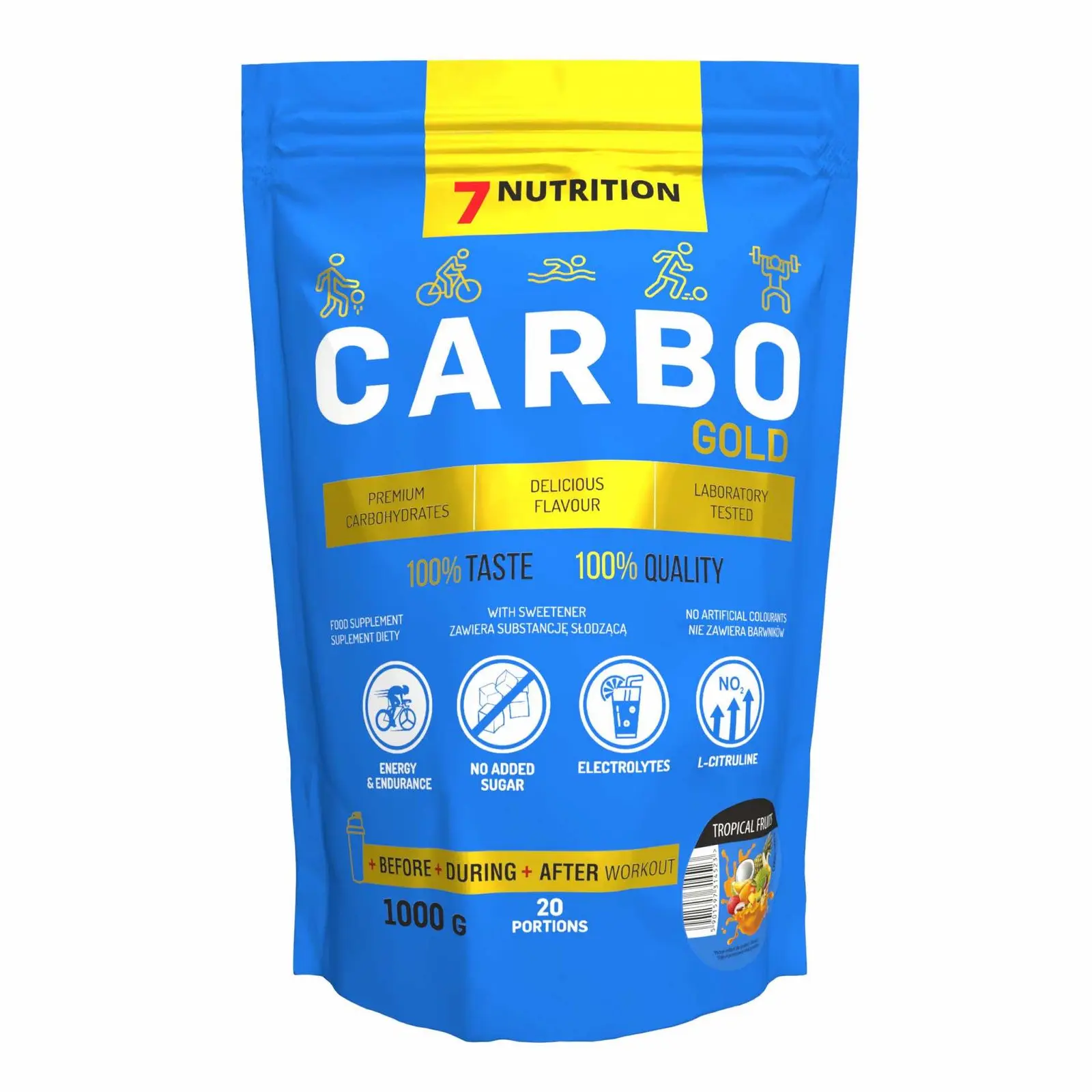 7Nutrition - CARBO Gold 1000 g – 15.00 €
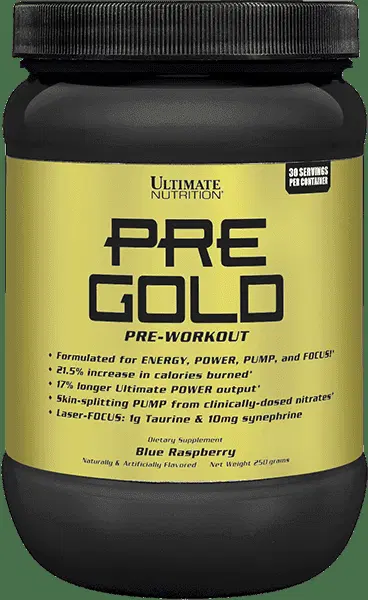 Азотен бустер Pre Gold Ultimate Nutrition 250 грама 30 дози – 33.23 €
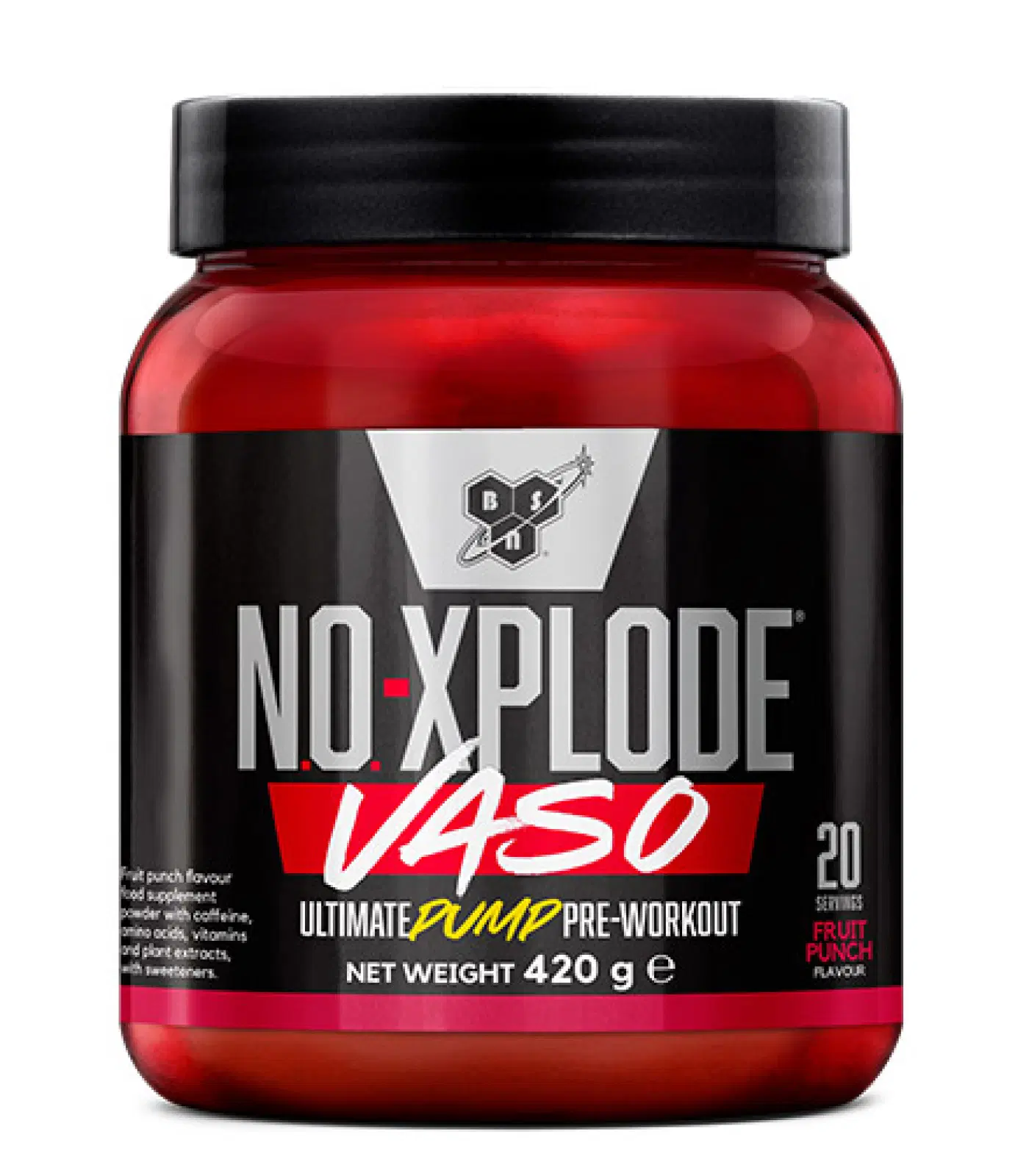 BSN N.O. Xplode Vaso – 46.02 €
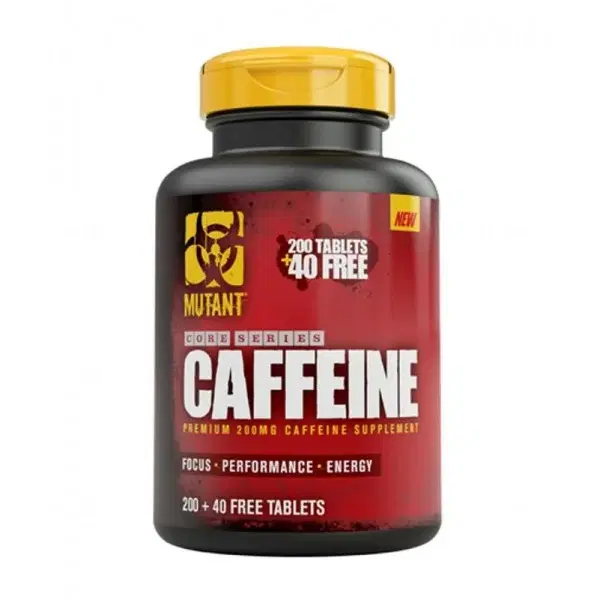 MUTANT - CAFFEINE Premium 200mg / 200tabs. + 40 FREE tabs – 11.20 €
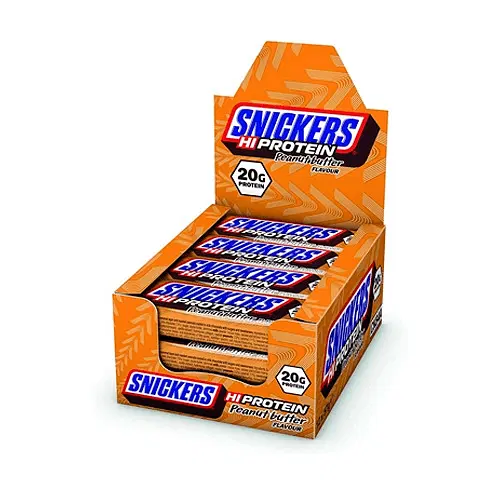 SNICKERS HI Protein Bars Peanut Butter 12 x 57 грама – 38.40 €
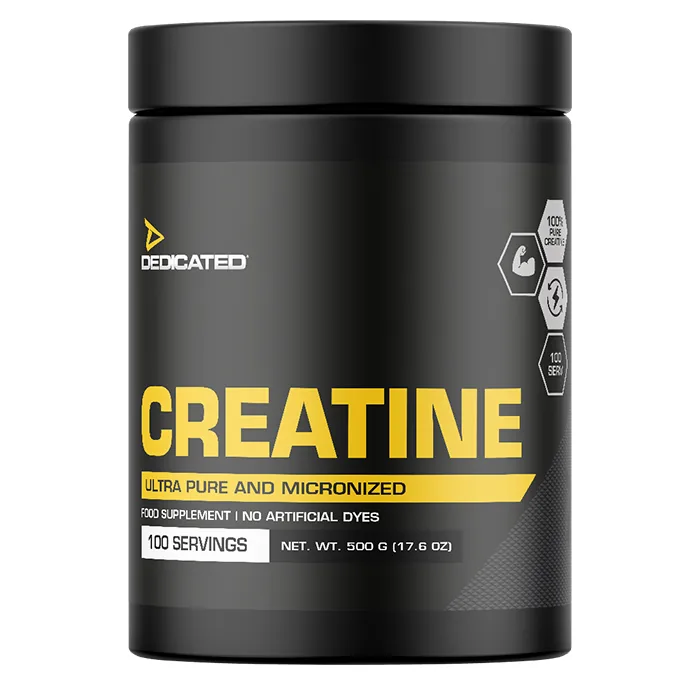 Креатин Монохидрат Creatine Monohydrate Dedicated Nutrition 500 грама – 21.00 €
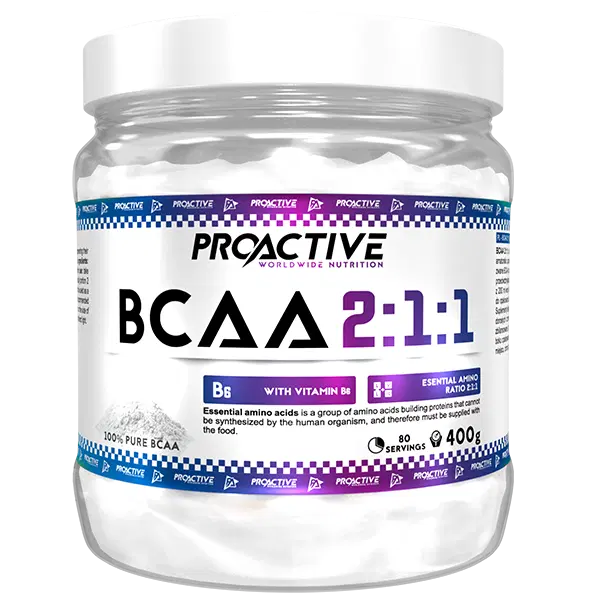 ProActive BCAA 2:1:1 400g – 19.94 €
 L-Carnitine 3000mg Liquid Lemon - 1000ml - Lemon – 26.59 €
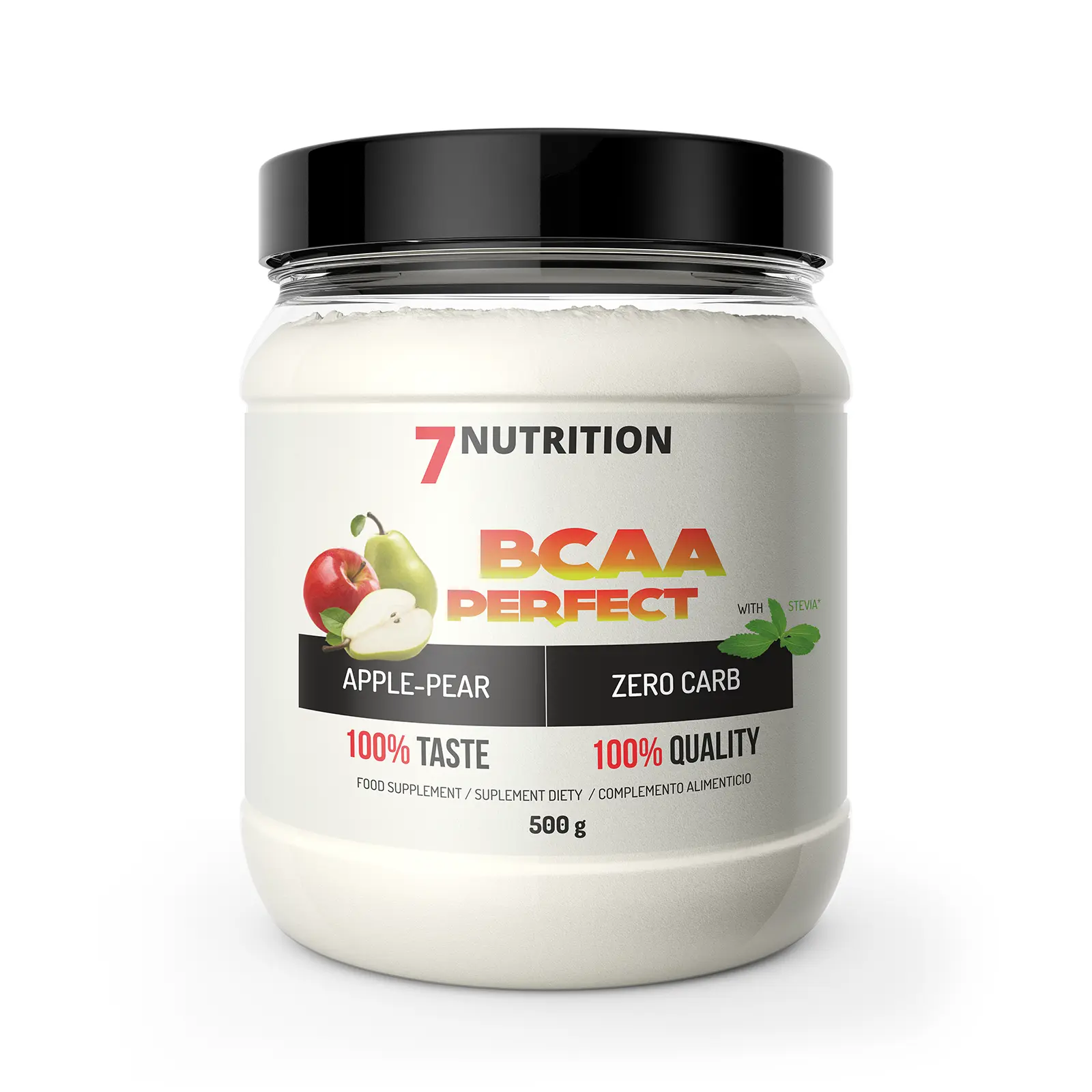 7Nutrition - BCAA Perfect 500g – 25.00 €
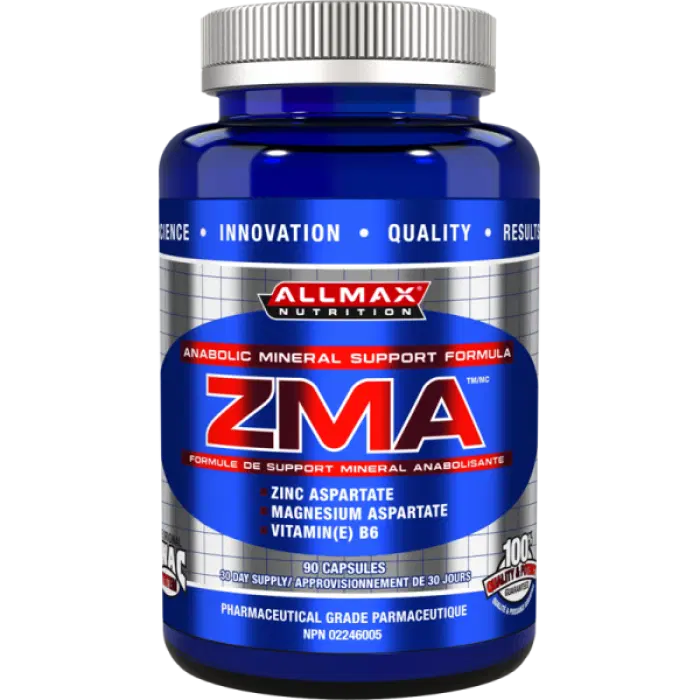 AllMax - ZMA / 90caps – 23.01 €
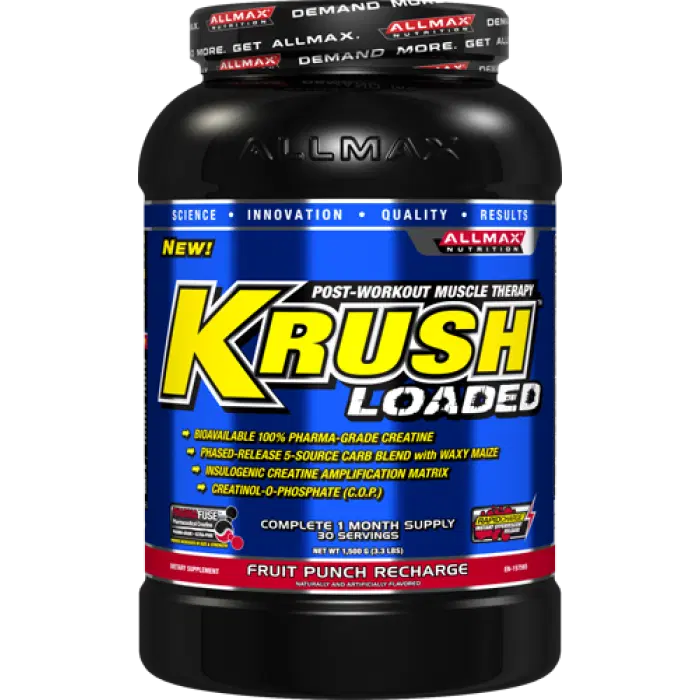 AllMax - Krush Loaded / 1500gr. – 63.00 €
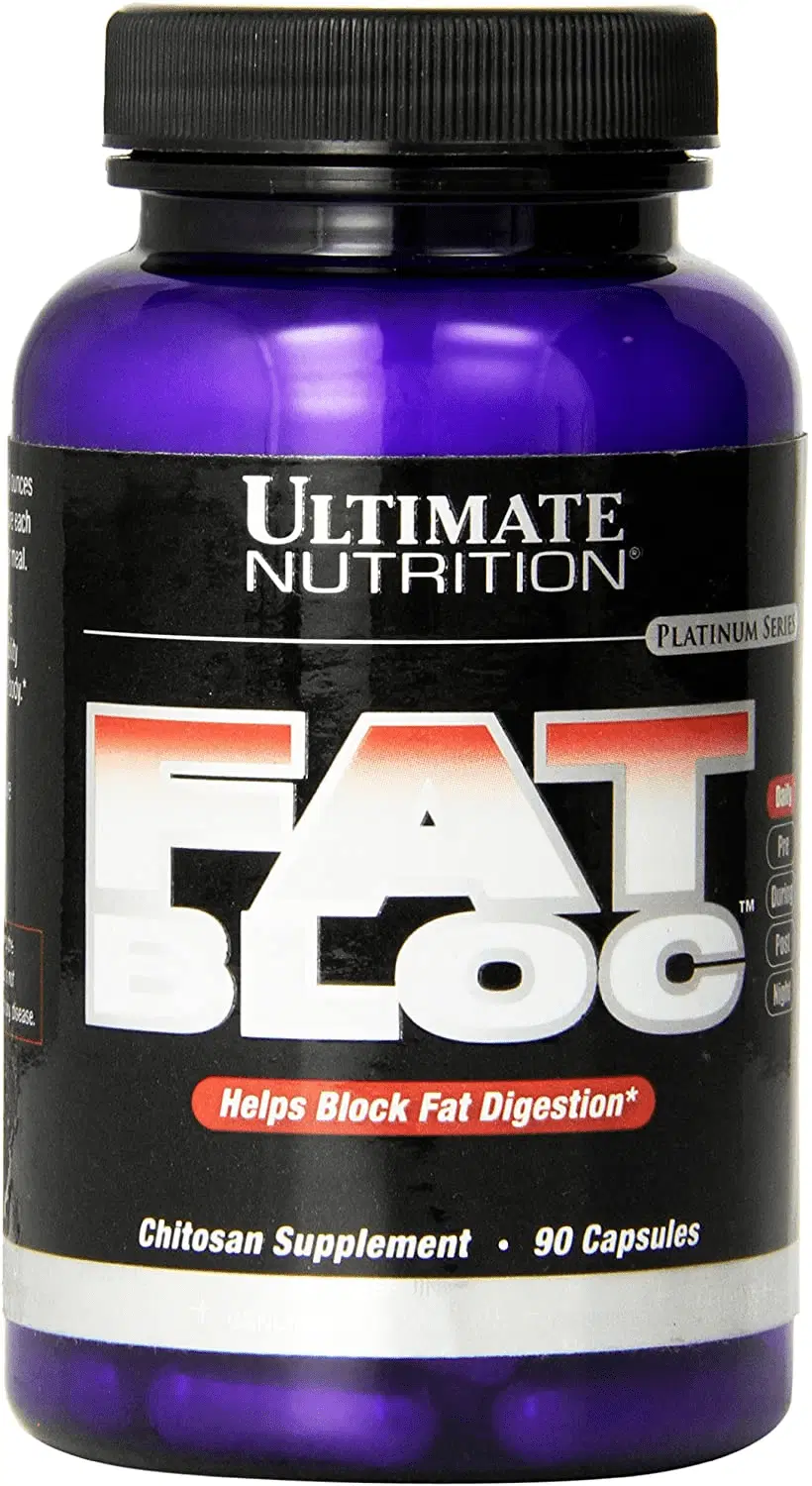 Хитозан Fat Bloc Ultimate Nutrition 90 капсули – 12.27 €
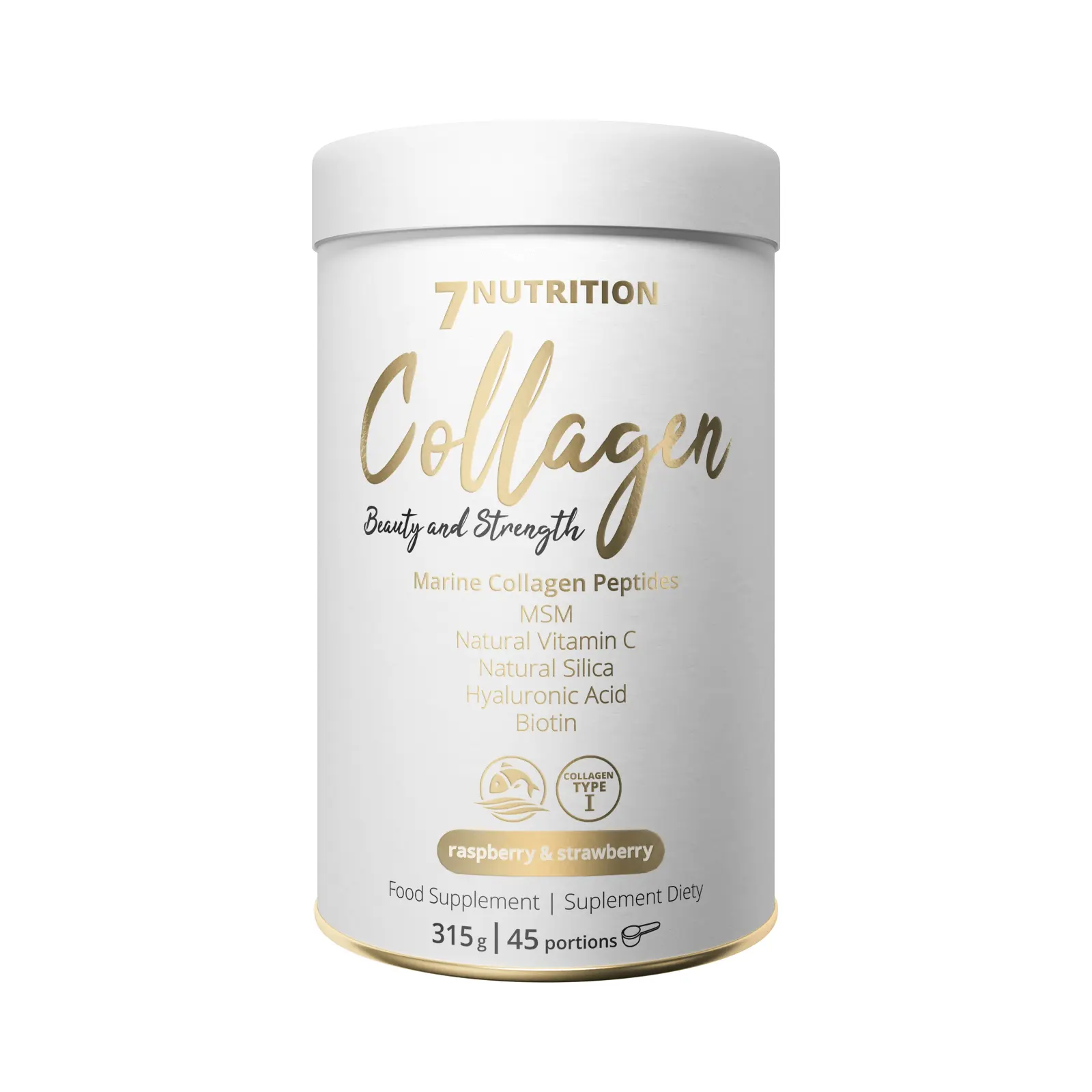 7Nutrition - MARINE COLLAGEN 315 g – 40.90 €
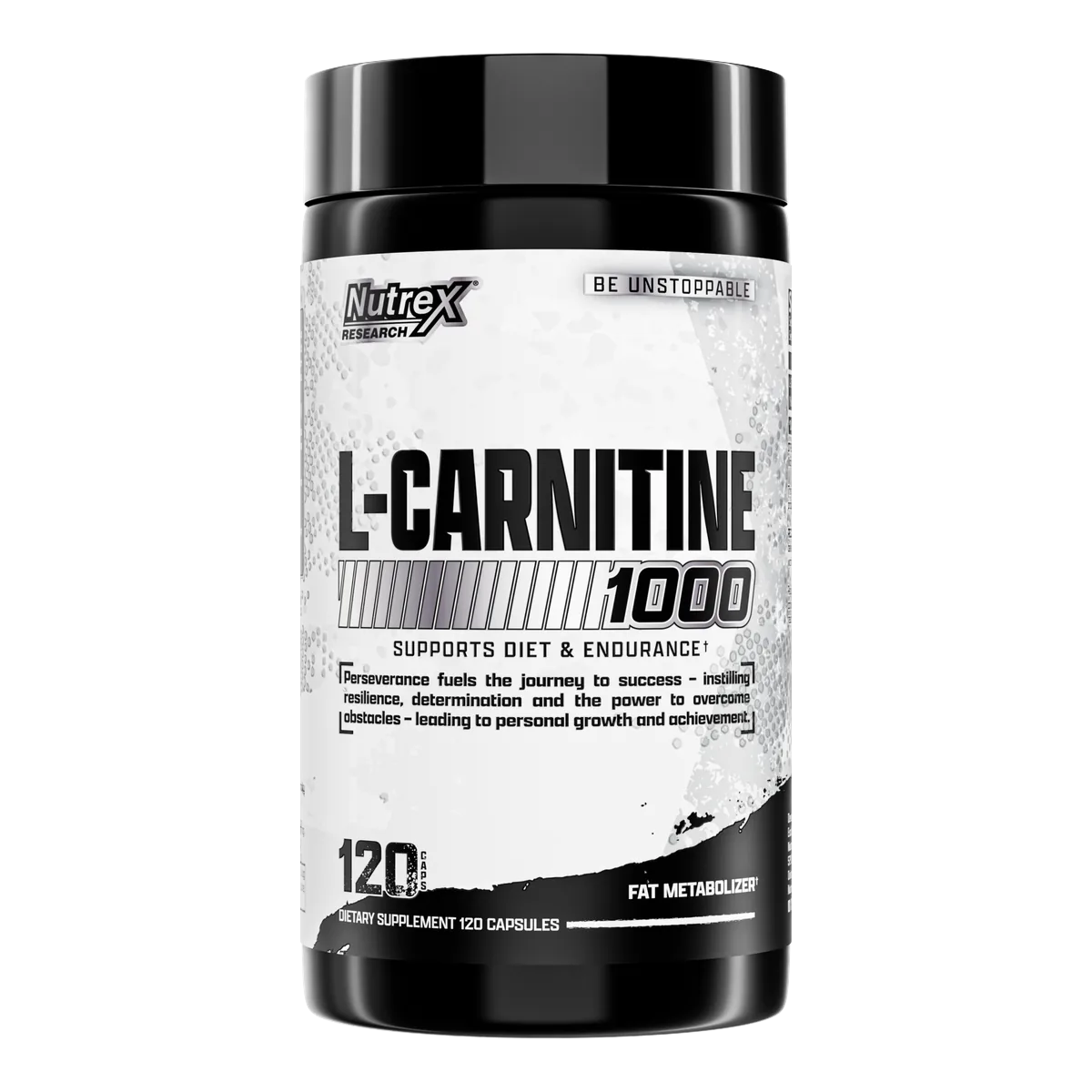 L-Carnitine 1000 Nutrex – 19.99 €
 MARS Salted Caramel HI Protein Bar 57 грама – 3.07 €
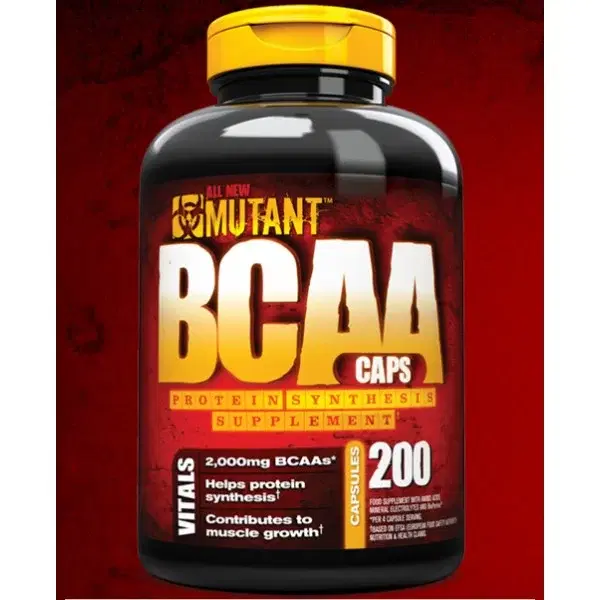 Mutant - BCAA / 200 caps. – 21.99 €
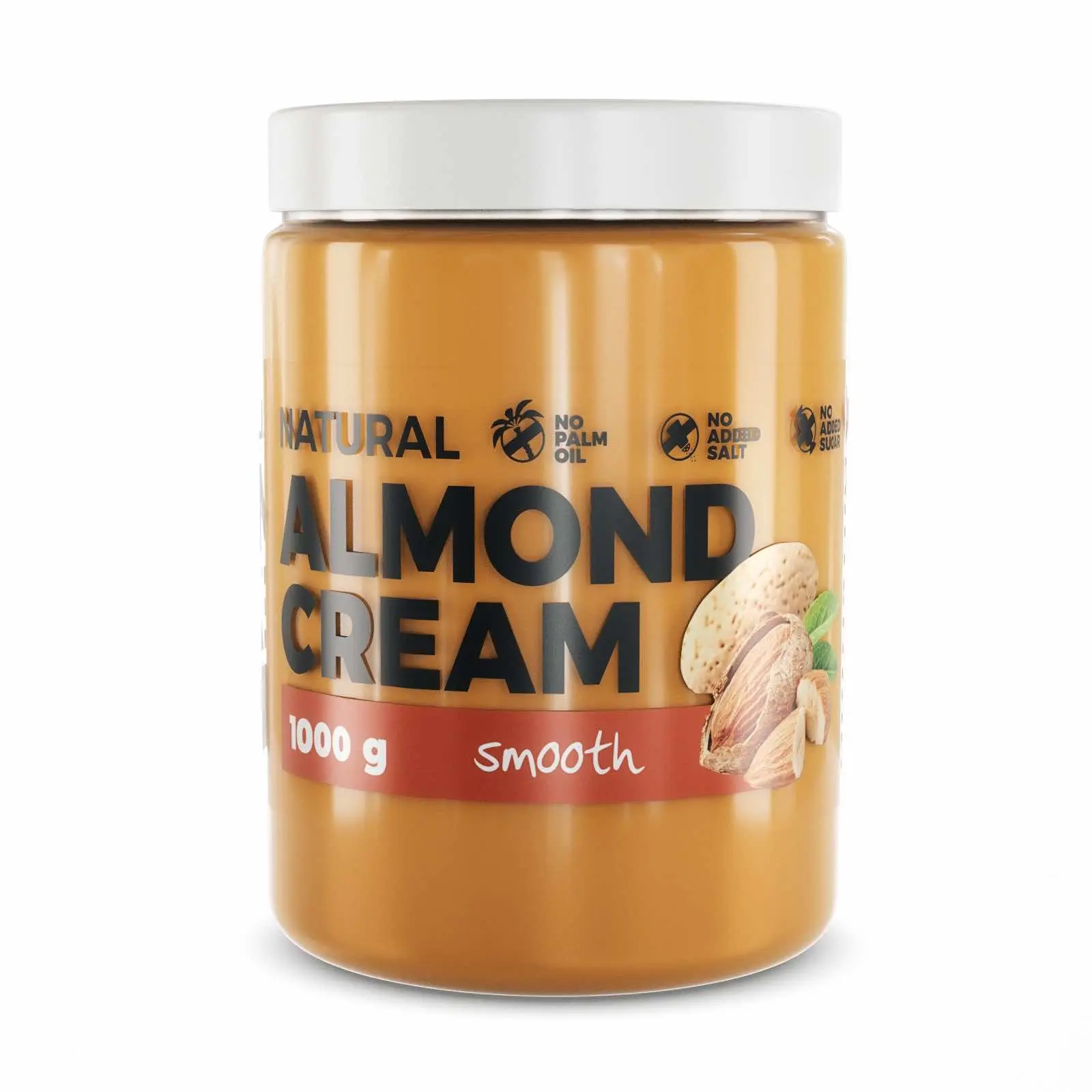 7Nutrition - Almond Butter – 23.70 €
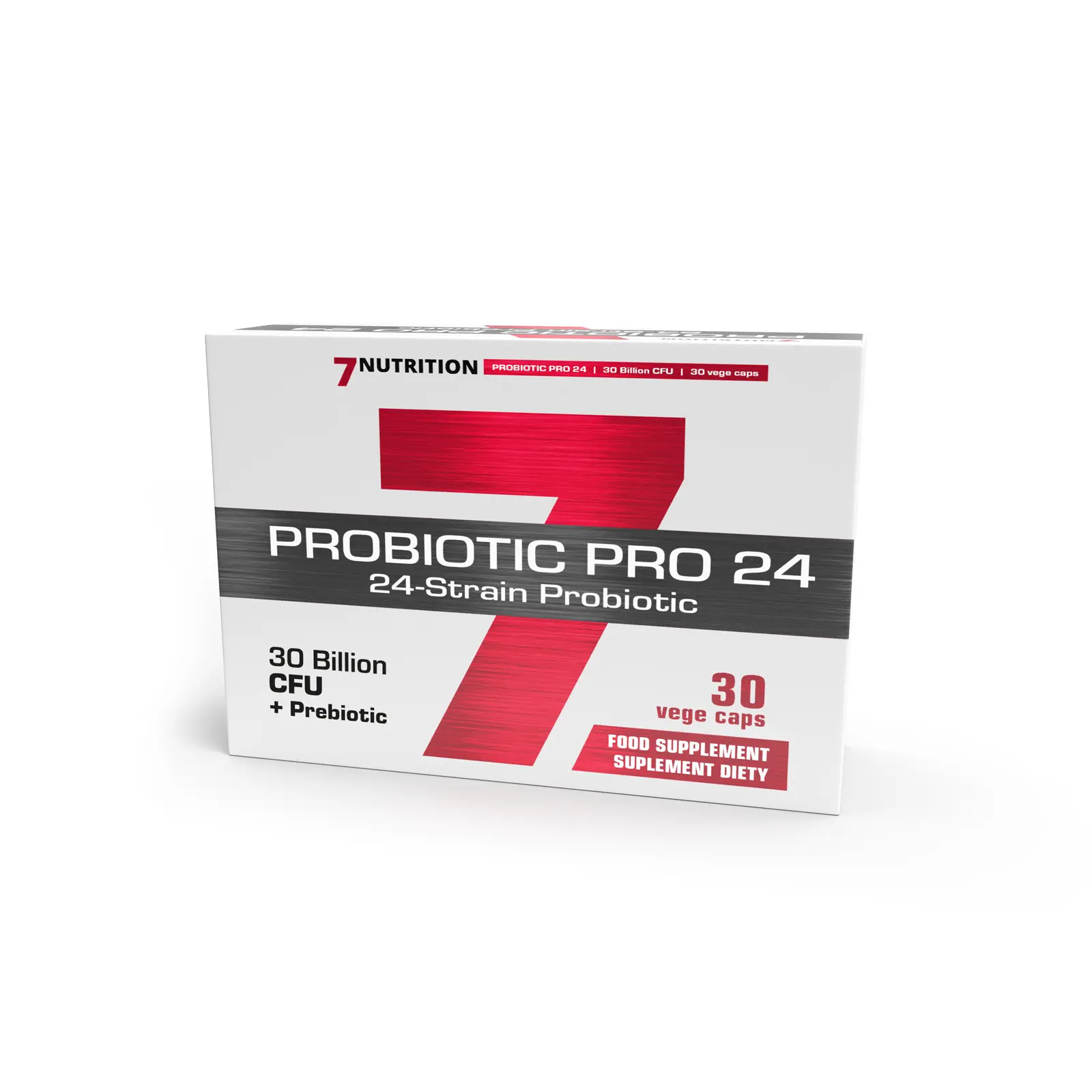 7Nutrition - PROBIOTIC PRO 24 30 VEGE CAPS (копие) – 23.00 €
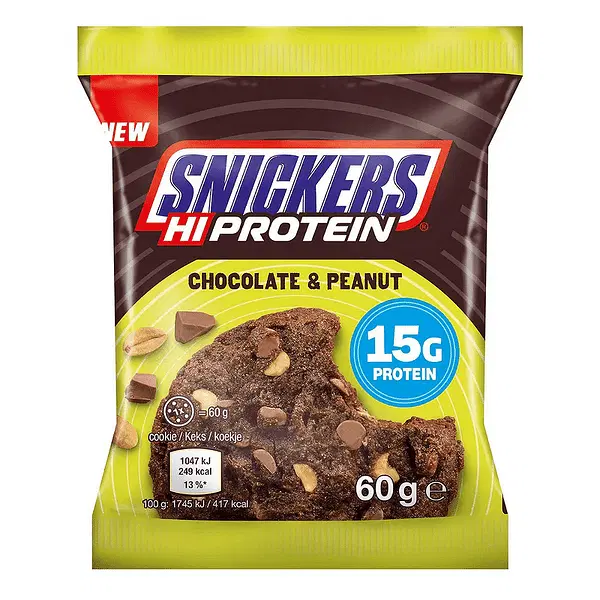 SNICKERS HI Protein Cookie Chocolate and Peanut 60 грама – 2.81 €
 Real Pharm Beef Amino 300 таблетки – 16.87 €
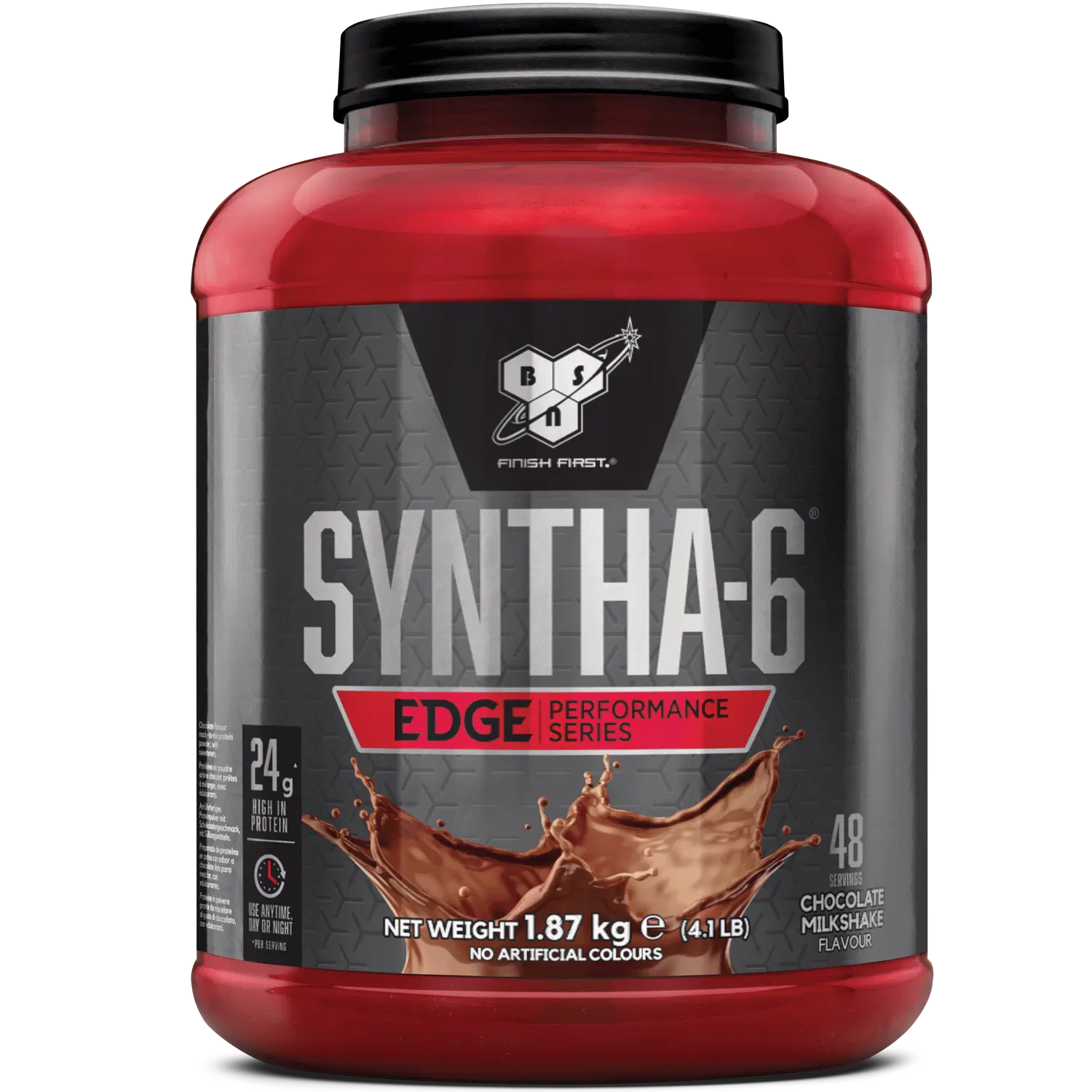 BSN Syntha-6 Edge – 129.90 €
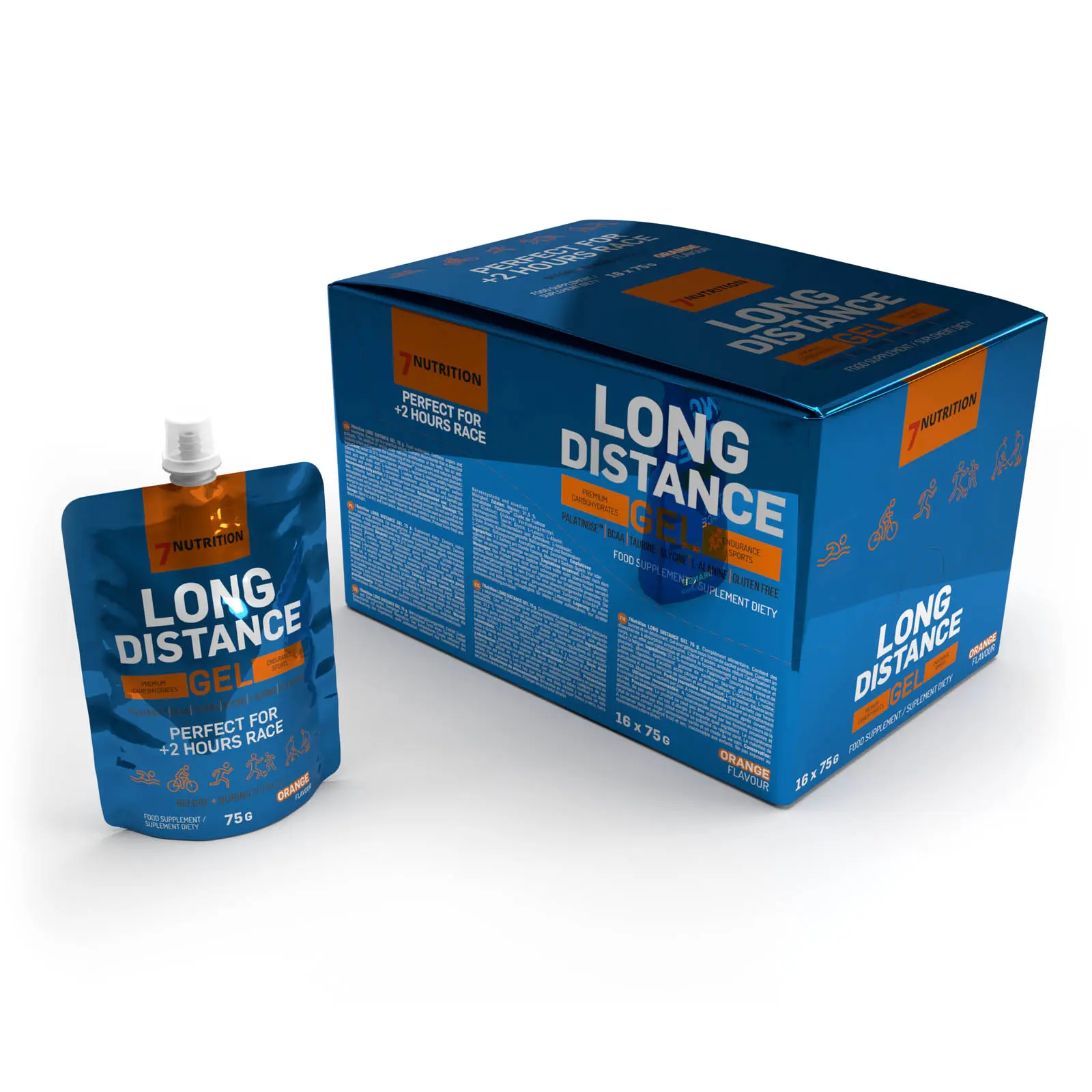 7Nutrition - LONG DISTANCE GEL – 2.50 €
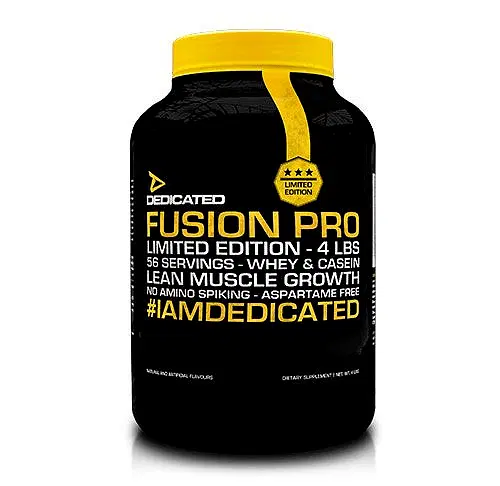 Fusion Pro LIMITED EDITION Dedicated Nutrition 1800 грама – 56.24 €
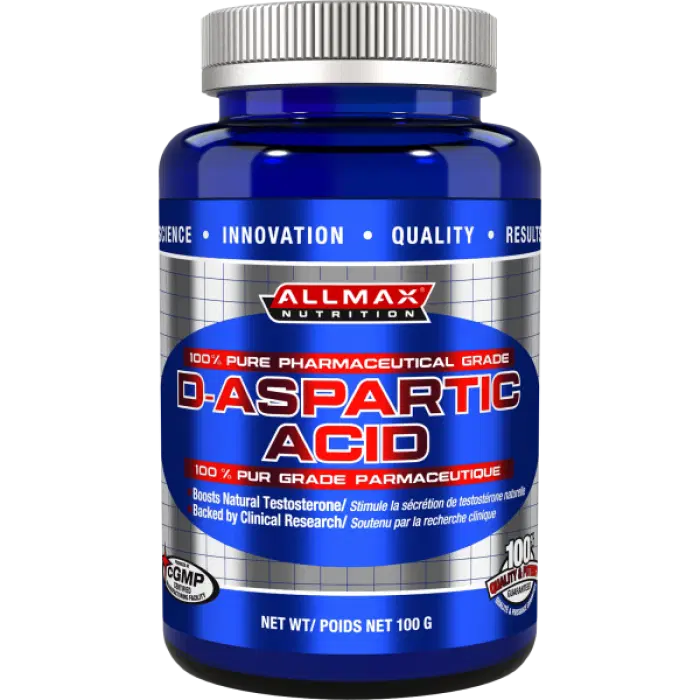 AllMax - D-Aspartic Acid / 100gr. – 21.01 €
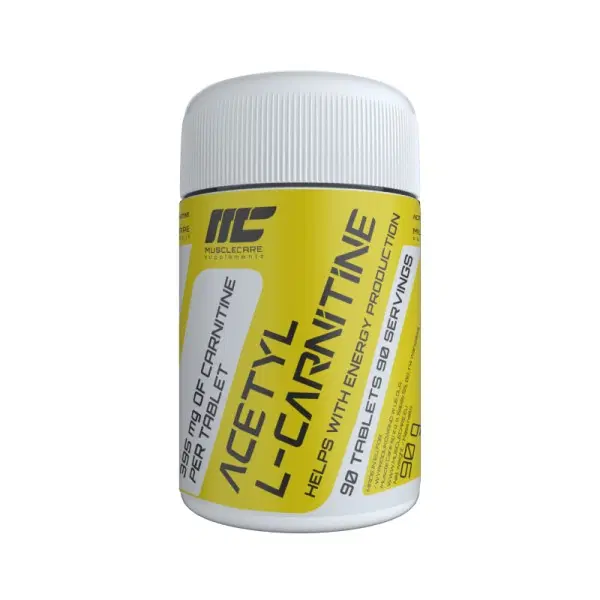 Muscle Care - Acetyl L-Carnitine 500mg / 90tabs – 12.78 €
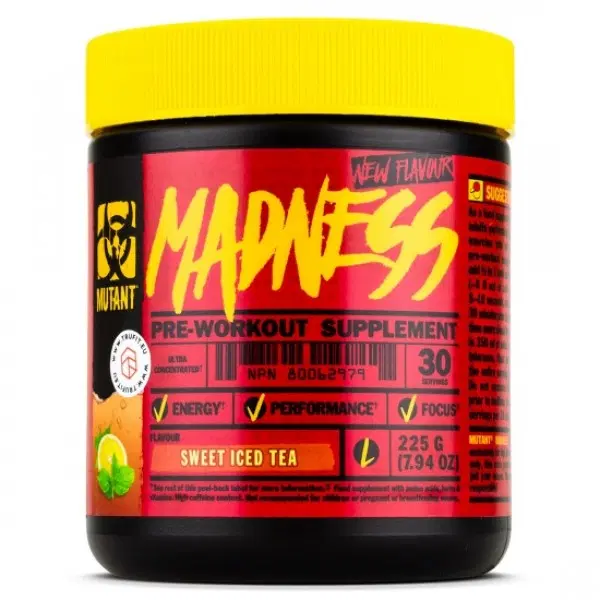 Mutant - Madness / 225 гр – 21.47 €
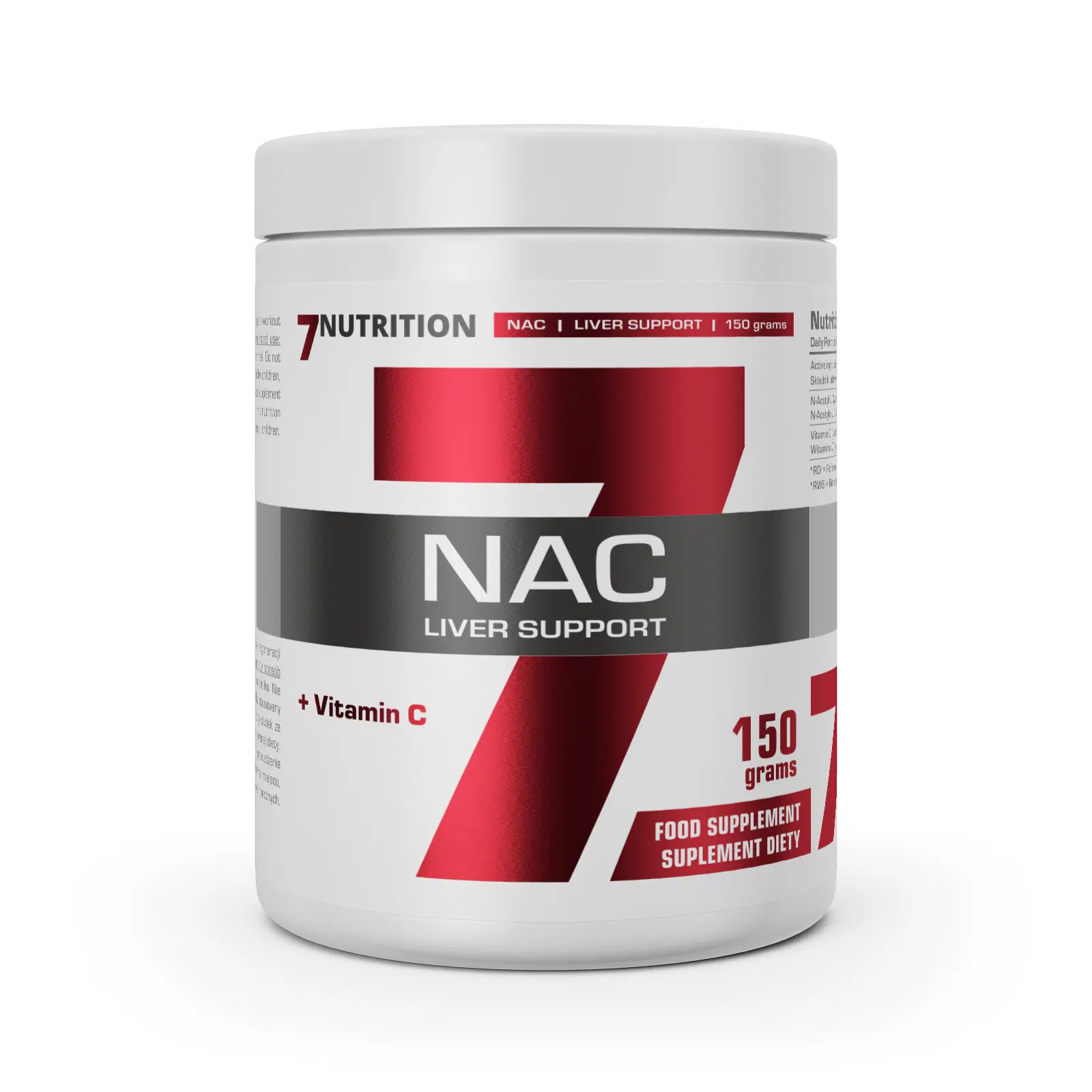 7Nutrition - NAC 150g – 17.00 €
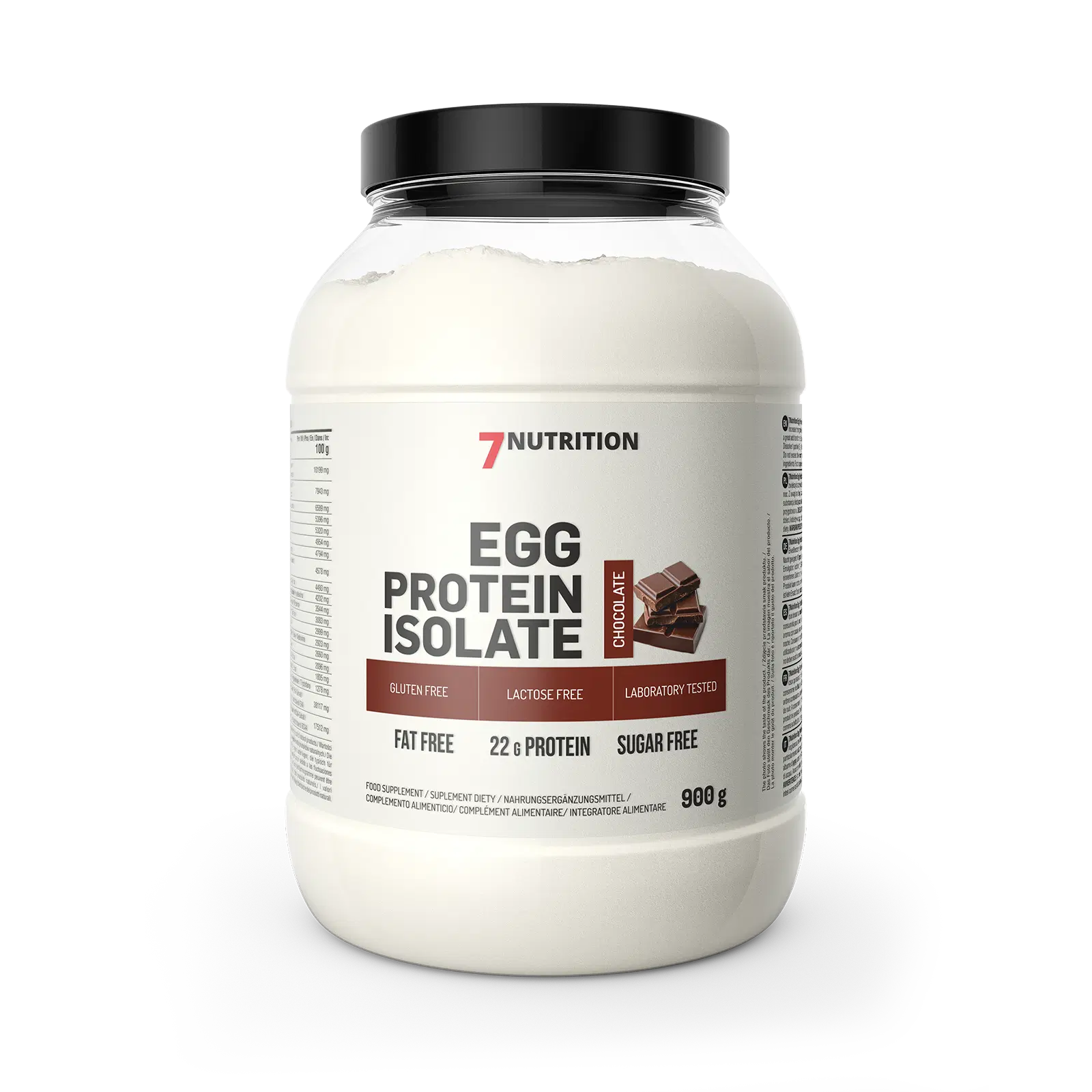 7Nutrition - Egg Protein Isolate 900g Chocolate – 34.00 €
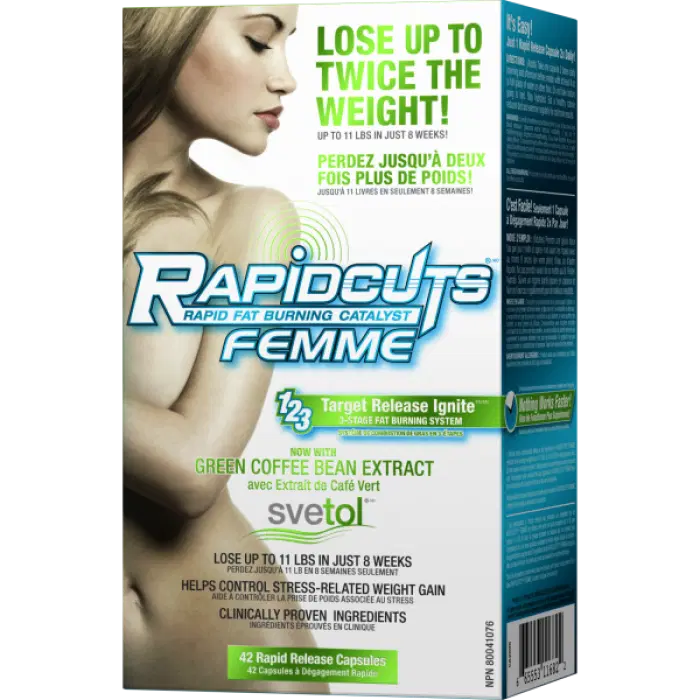 AllMax - RapidCuts Femme / 42caps. – 17.90 €
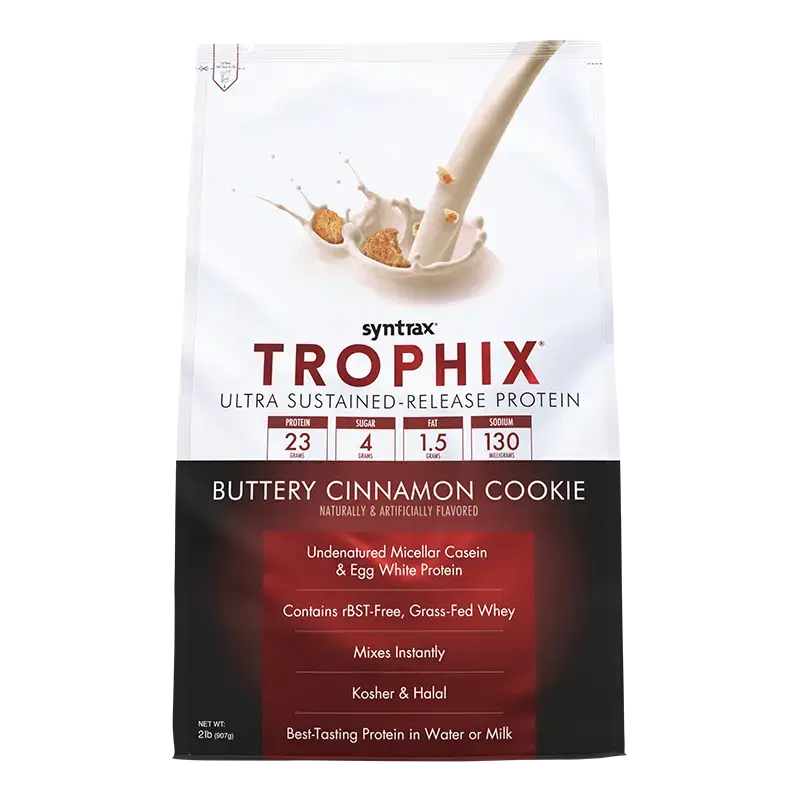 Syntrax Trophix – 0.00 €
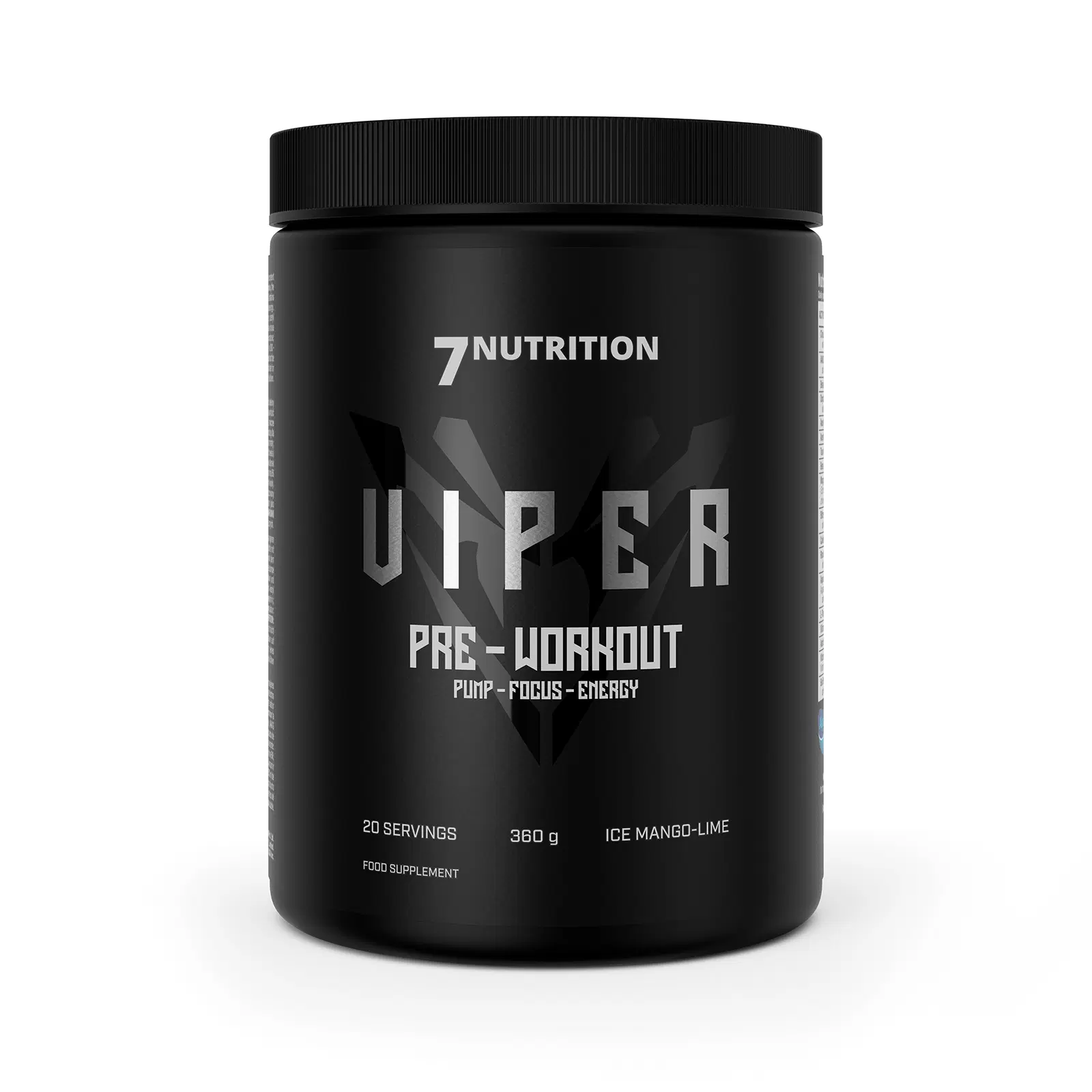 7Nutrition - VIPER 360g – 35.90 €
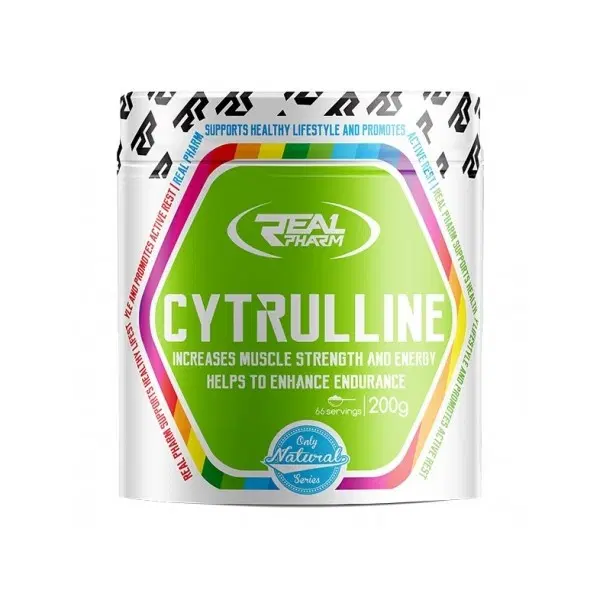 Real Pharm Citrulline 200 грама – 11.25 €
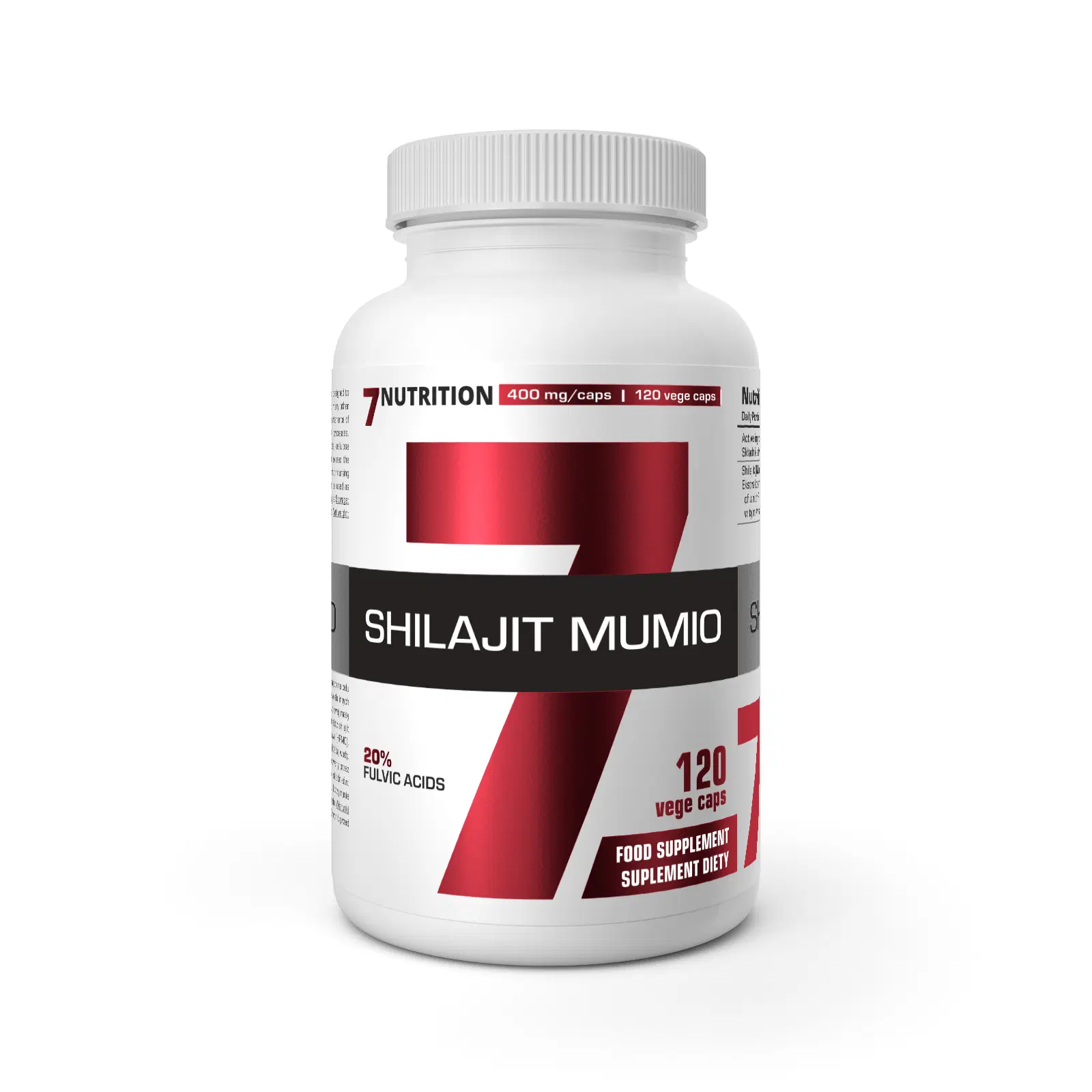 7Nutrition - SHILAJIT MUMIO 120 vege caps – 14.83 €
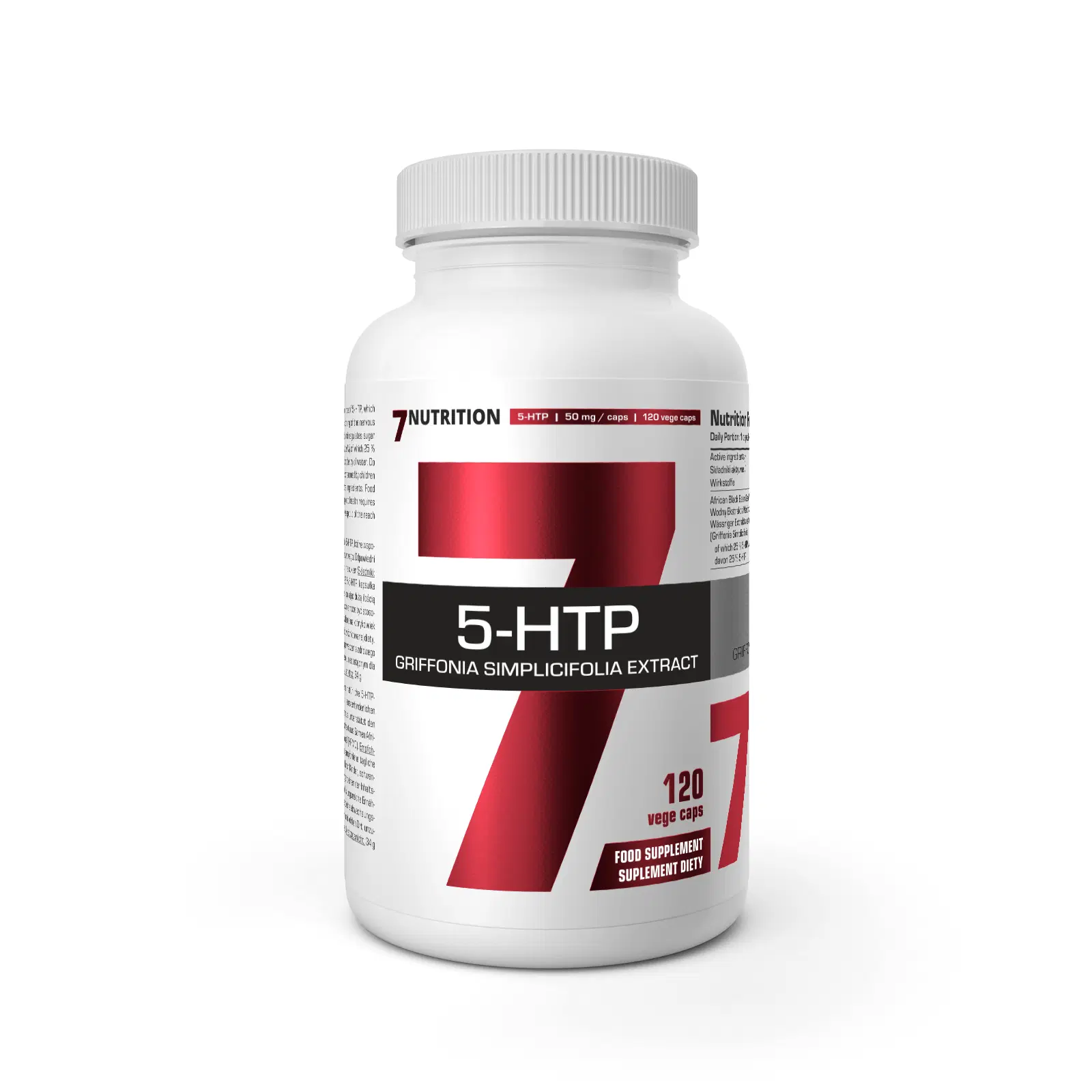 7Nutrition - 5-HTP 120 vege caps – 19.00 €
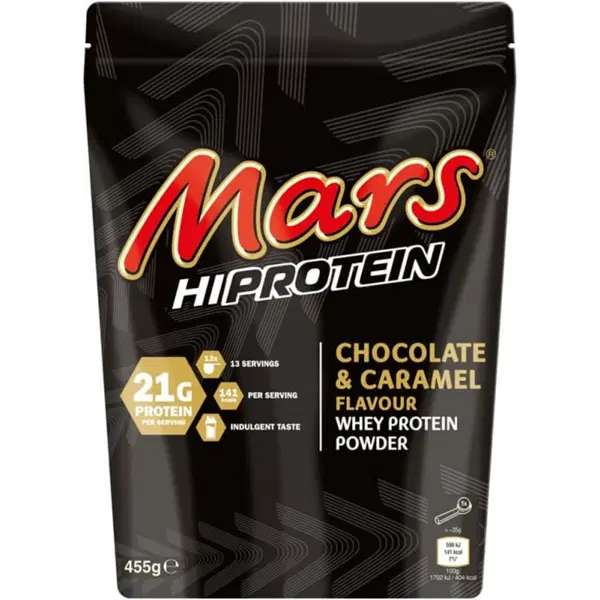 Суроватъчен Протеин Mars Hi Protein Powder 455 грама – 42.40 €
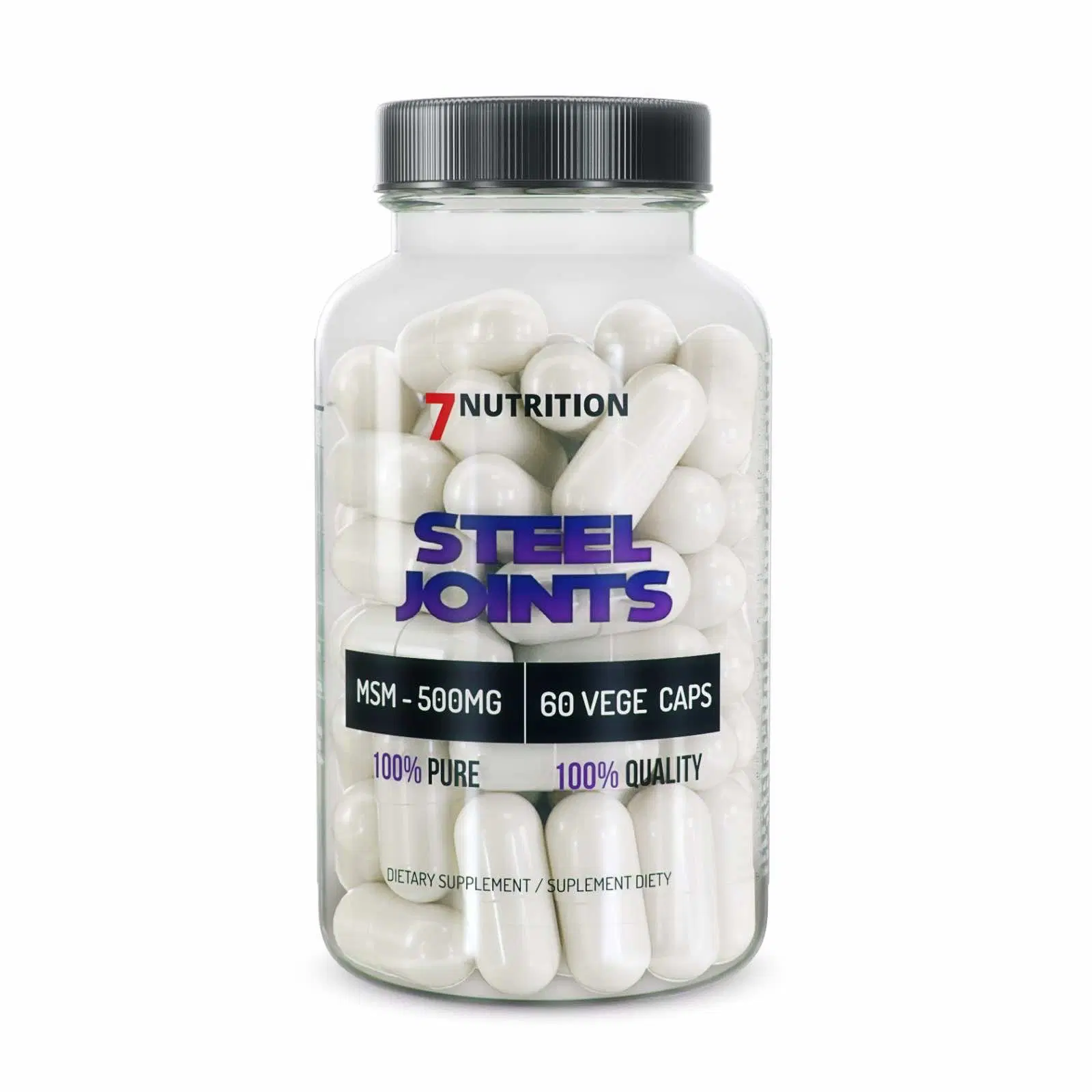 7Nutrition - Steel Joints 60 caps – 16.00 €
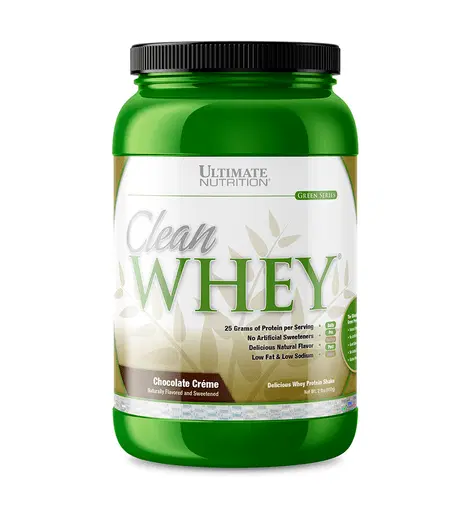 Суроватъчен Протеин със Стевия Clean Whey Ultimate Nutrition 910 грама – 49.08 €
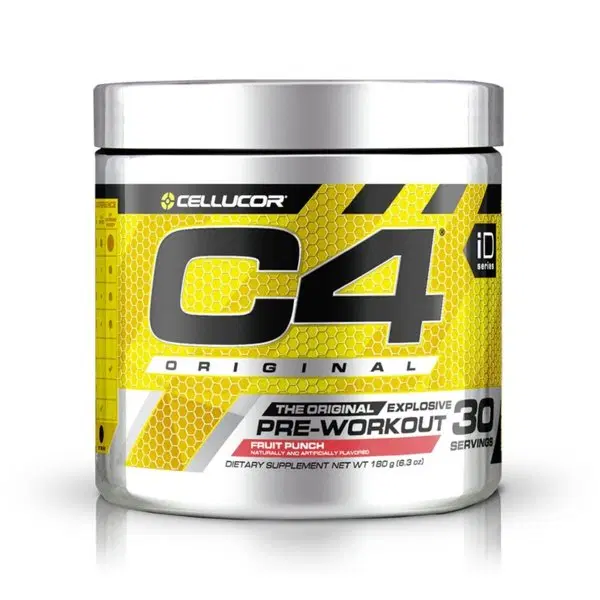 C4 Original Cellucor 195 грама 30 дози – 31.29 €
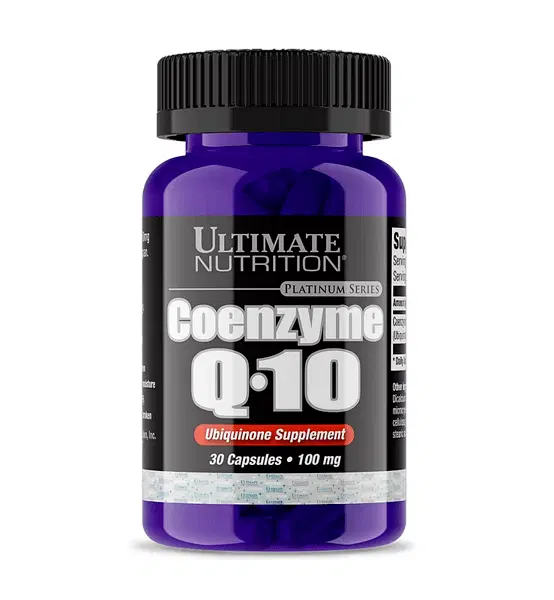 CoQ10 100mg Ultimate Nutrition 30 капсули – 16.87 €
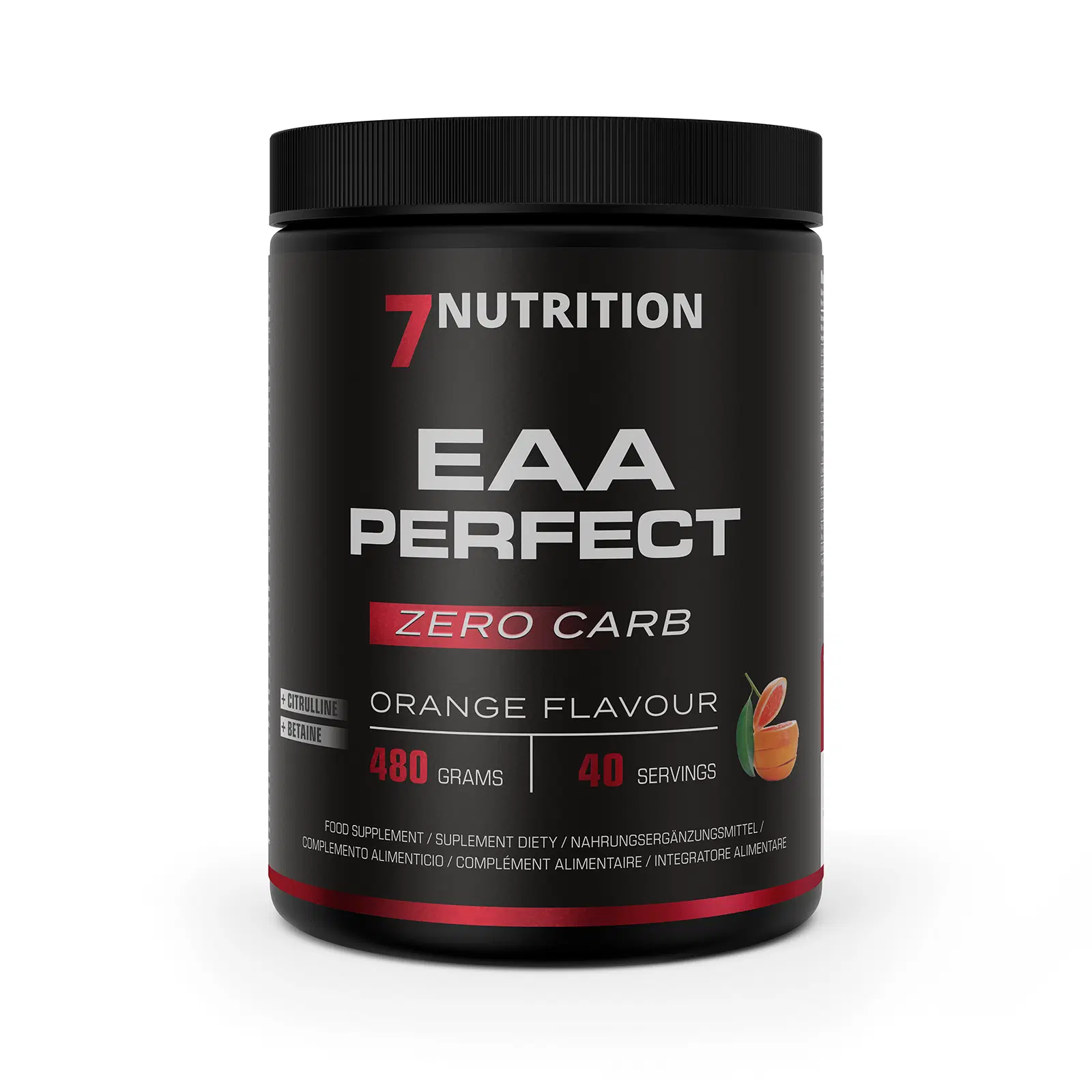 7Nutrition - EAA PERFECT 480G – 30.00 €
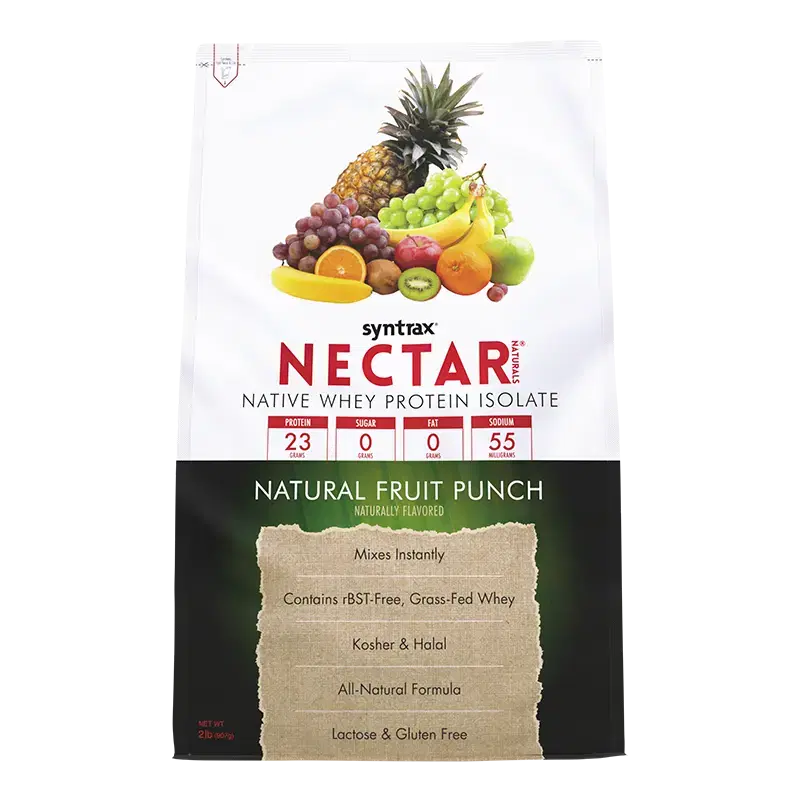 Syntrax Nectar Naturals – 0.00 €
 ProActive Energizer Shot 60ml Raspberry – 0.93 €
 7Nutrition - extra virgin coconut oil 900ml – 10.40 €
 7Nutrition - CDP CHOLINE 60 vege caps – 15.90 €
 FUSION PRO Whey Dedicated Nutrition 2260 грама – 62.38 €
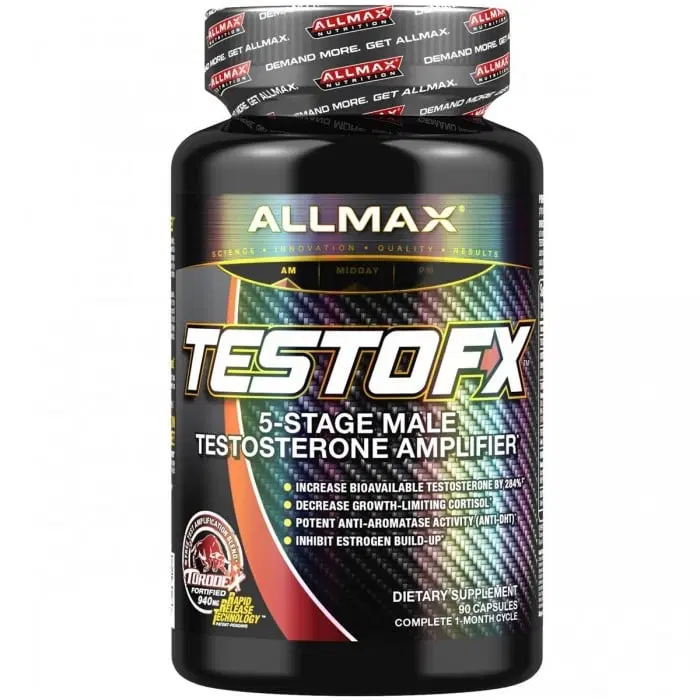 AllMax - TestoFX Loaded / 90 tab – 56.24 €
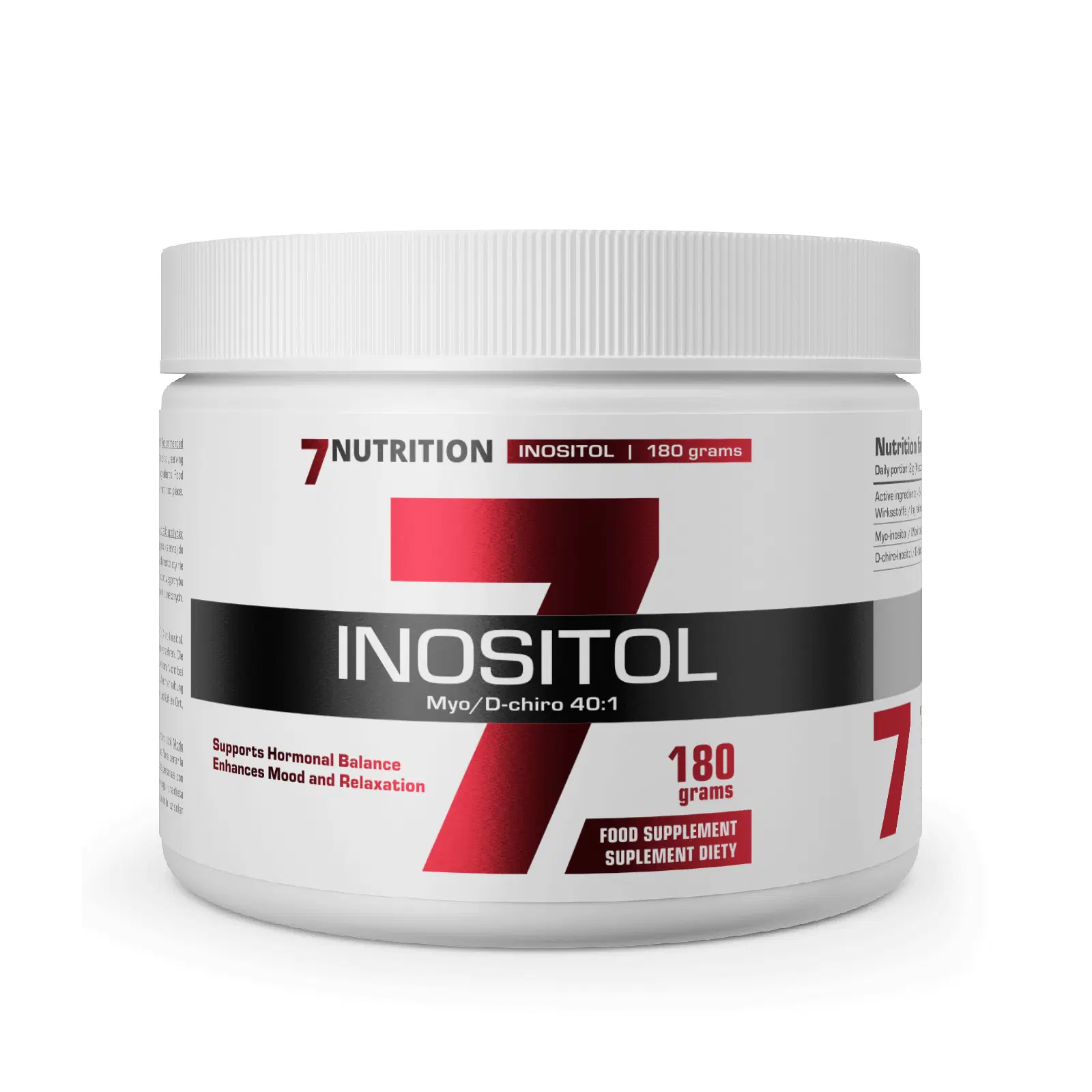 7Nutrition - INOSITOL 180G – 19.00 €
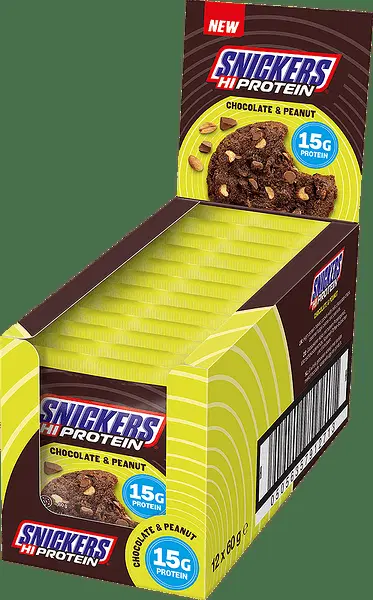 SNICKERS HI Protein Cookie Chocolate and Peanut 12 x 60 грама – 33.72 €
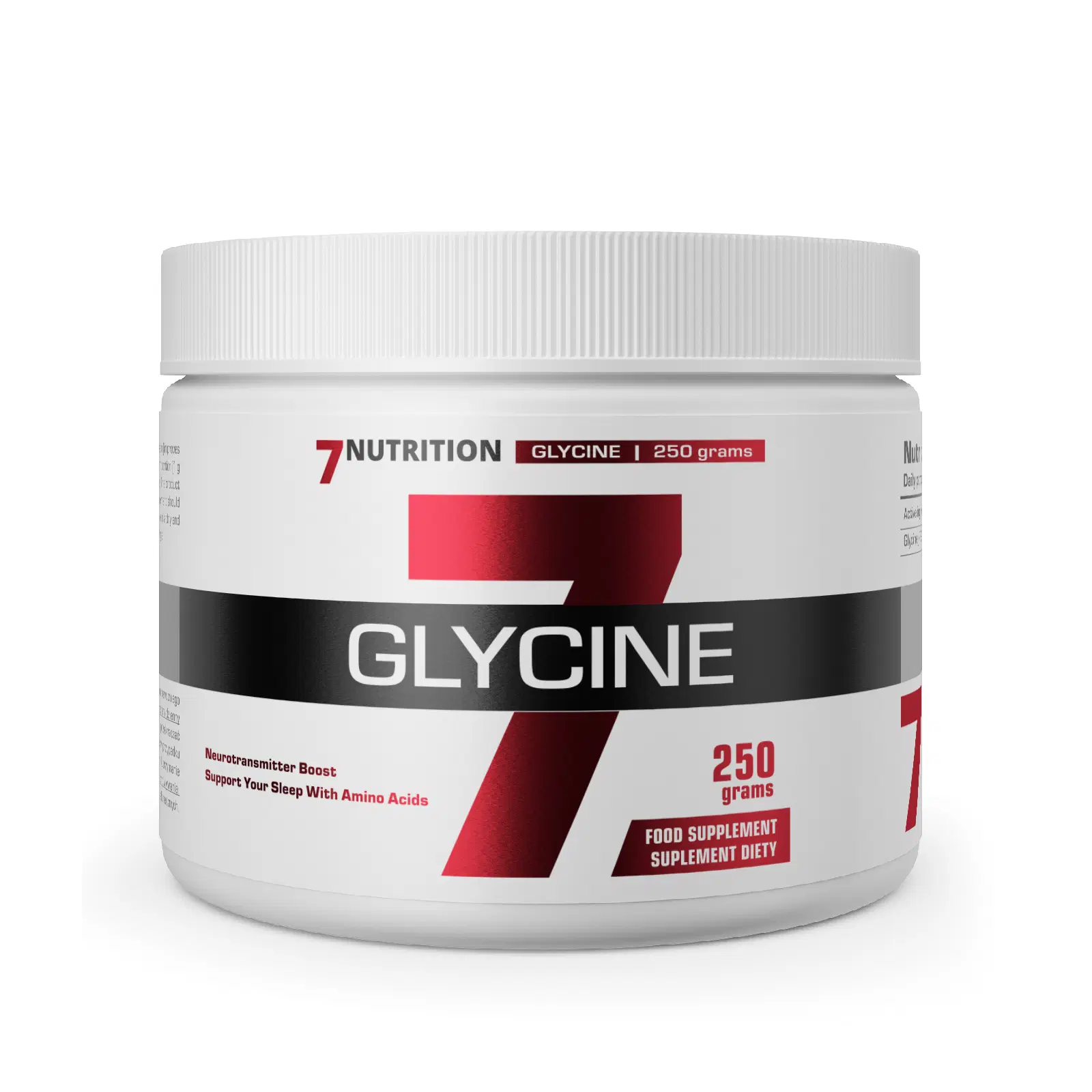 7Nutrition - GLYCINE 250G PURE – 13.00 €
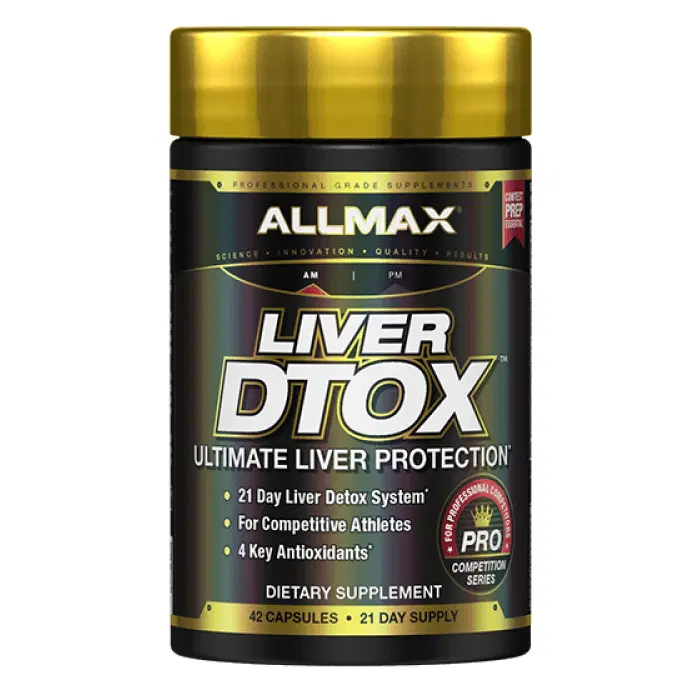 AllMax - Liver D-Tox / 42 tabs – 23.01 €
Nutritional Supplements: Optimizing Your Athletic Performance and Health
In the world of sports and fitness, where every advantage matters, nutritional supplements play a key role in achieving optimal results. Sport-Zona.com, with over 18 years of experience in the market since 2007, offers a carefully selected assortment of supplements that support athletes in every phase of their preparation – from increasing strength and endurance to accelerated recovery and overall health improvement.
Why Choose Quality Nutritional Supplements?
Choosing the right nutritional supplements is essential for anyone striving for peak performance or simply wanting to maintain a healthy lifestyle. They are not a substitute for a balanced diet, but rather a complement to it, which can effectively fill nutritional gaps and optimize physiological processes in the body. We at Sport-Zona.com understand this and therefore offer only products with proven effect and high quality.
- Increasing energy and endurance during workouts.
- Accelerating recovery after intense physical exertion.
- Supporting muscle growth and reducing body fat.
- Strengthening the immune system and overall health improvement.
- Support for mental clarity and focus.
Our Leading Brands and Expertise
Sport-Zona.com prides itself on long-standing partnerships with some of the most renowned manufacturers of nutritional supplements in the world. Since 2014, we have been the exclusive importer of AllMax Nutrition for Bulgaria – a brand known for its innovations and strict quality control. Since 2017, we have been the exclusive importer of Ultimate Nutrition, offering products that have proven their effectiveness over time. In addition, as part of our commitment to the athlete's overall lifestyle, we have been developing our own brands since 2007, including SZ Sport for sportswear and accessories, as well as SZ Fighters for combat equipment, which perfectly complement your training regimen. Explore our selection of vitamins and minerals to ensure optimal health.
Nutritional supplements are not a substitute for a varied diet.