Sweatshirts and blouses
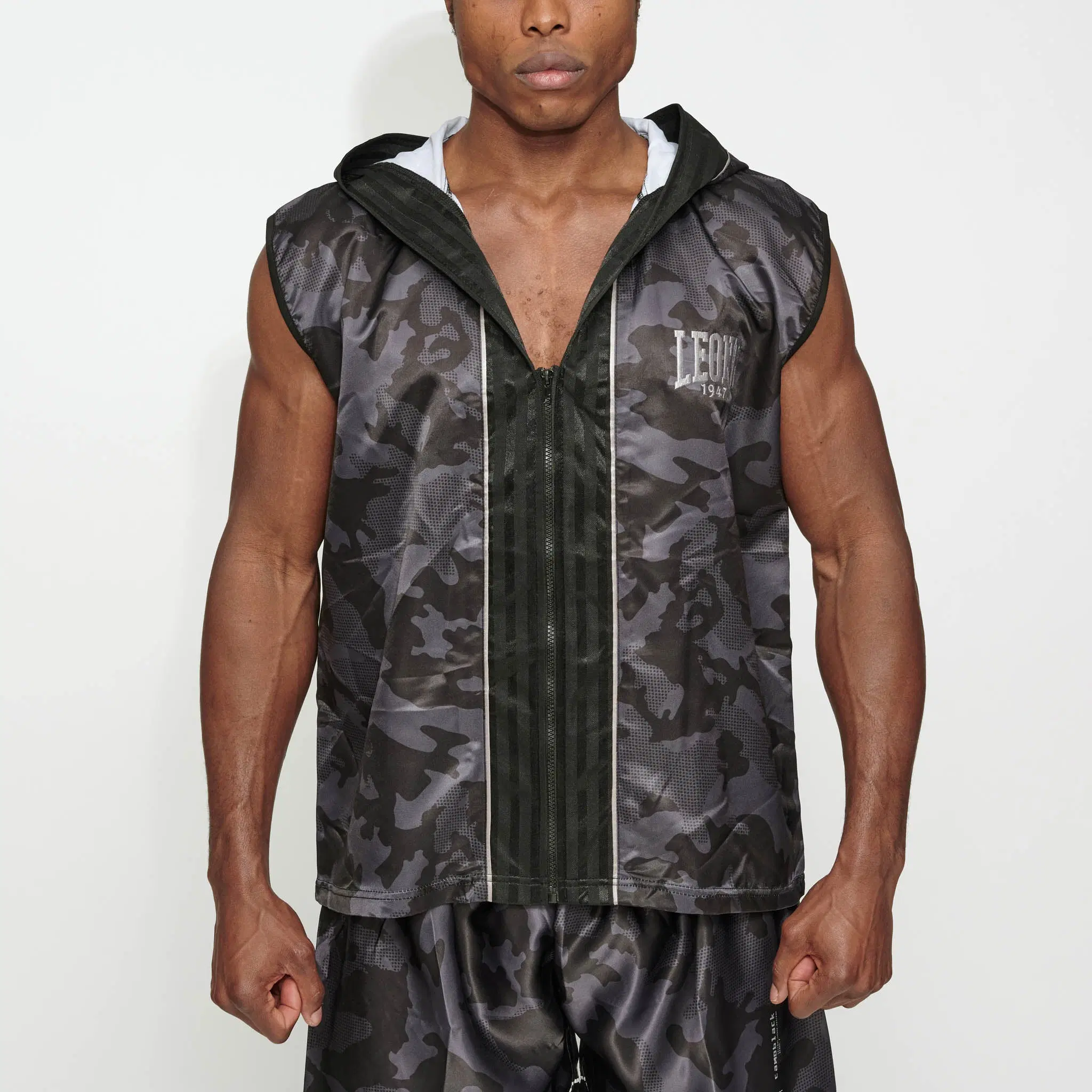
- Leone 1947 CAMOBLACK SLEEVELESS BOXING GOWN - AB264 – 50.11 €
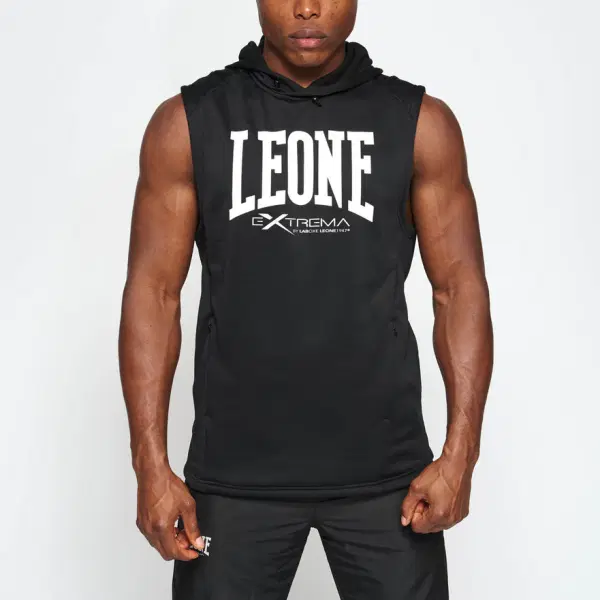 Leone 1947 LOGO hooded sleeveless sweatshirt - ABX110 - Black – 30.17 €
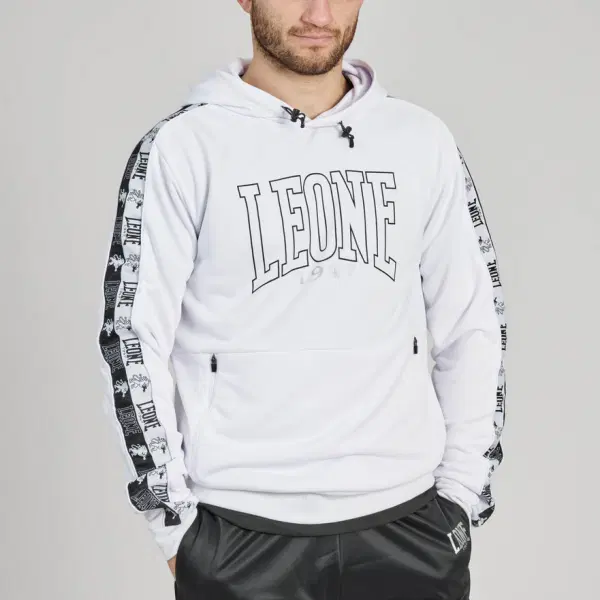 Leone 1947 Iconic Hooded Sweatshirt - ABX436 – 35.28 €
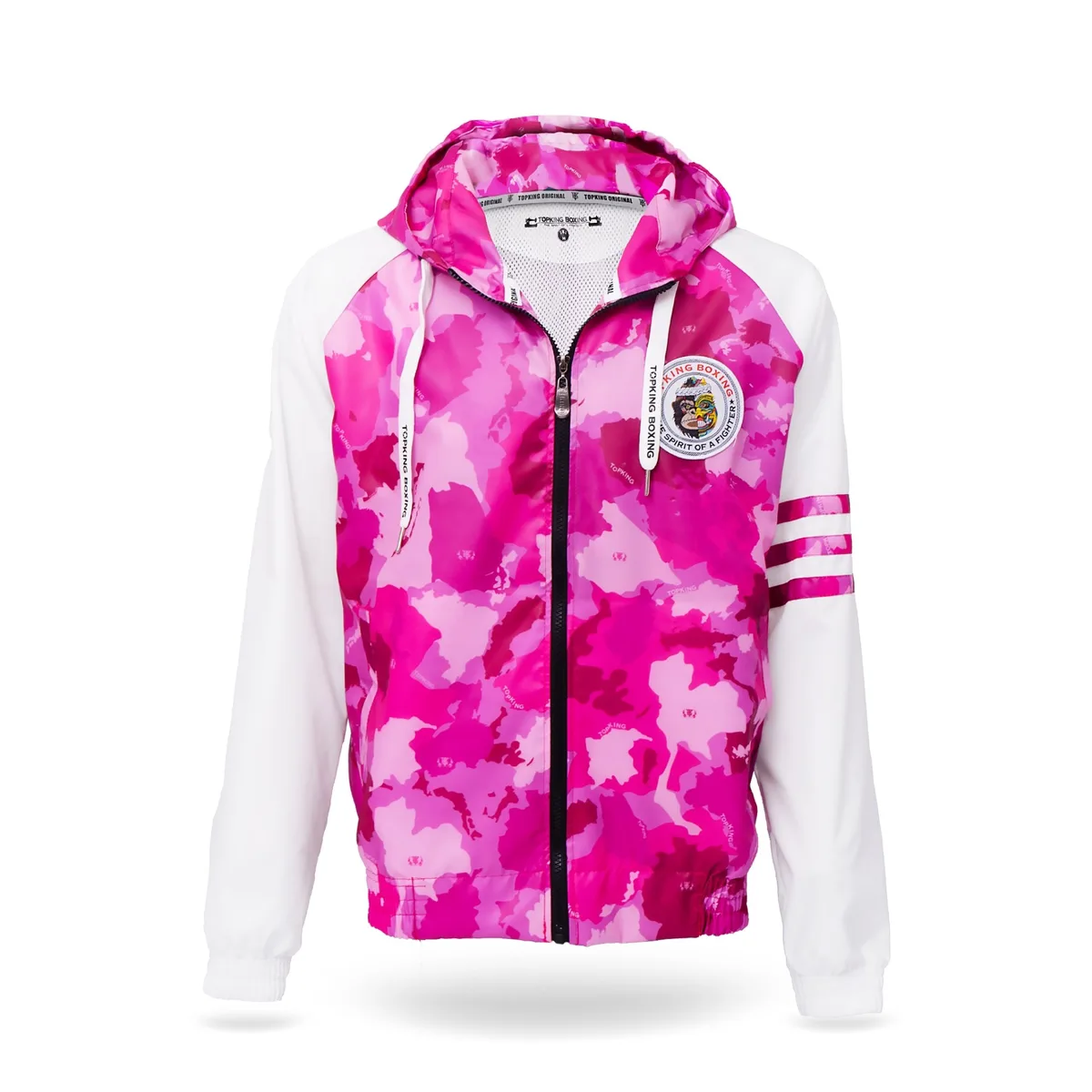 TOPKING PINK CAMOUFLAG JACKET – 0.00 €
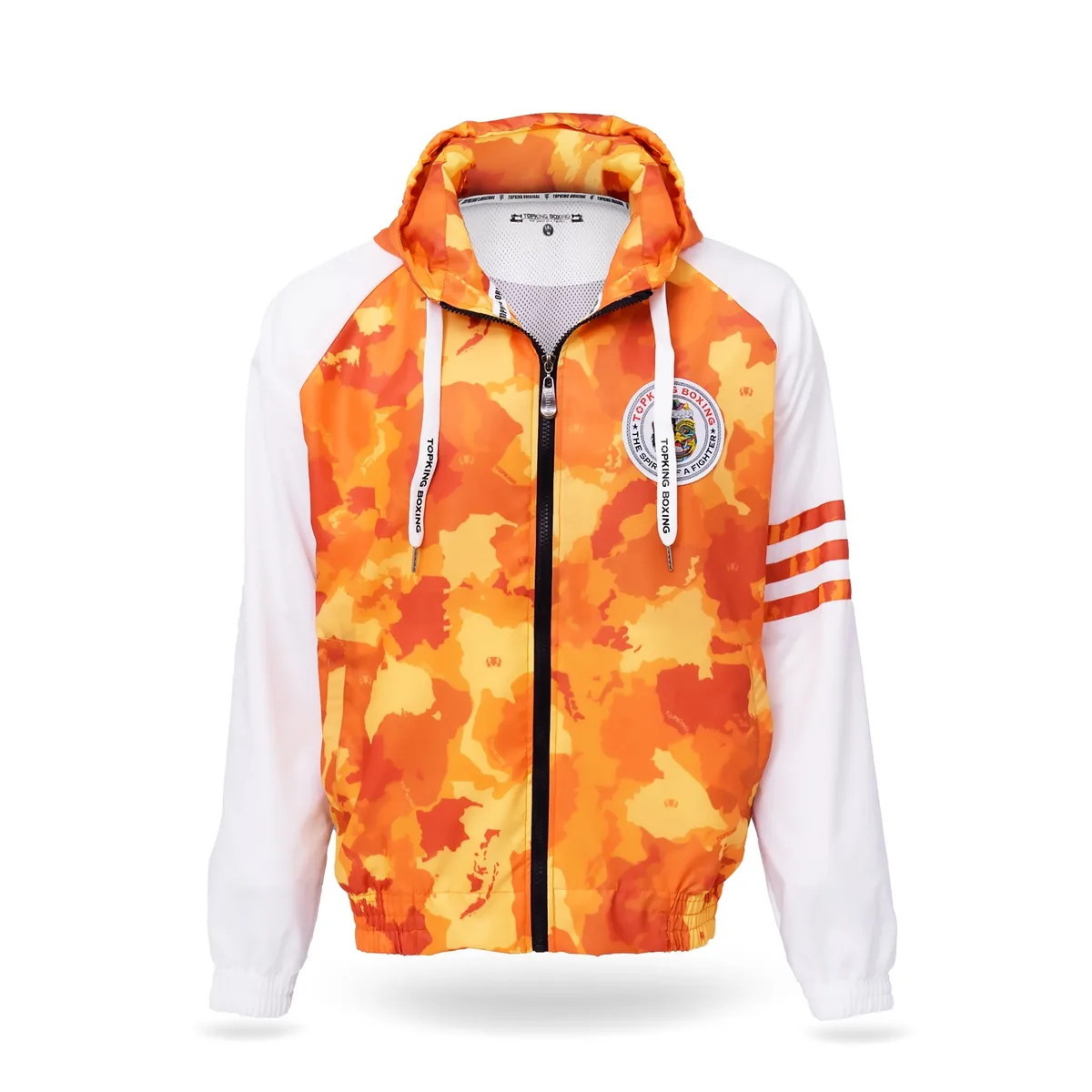 TOPKING ORANGE CAMOUFLAG JACKET – 0.00 €
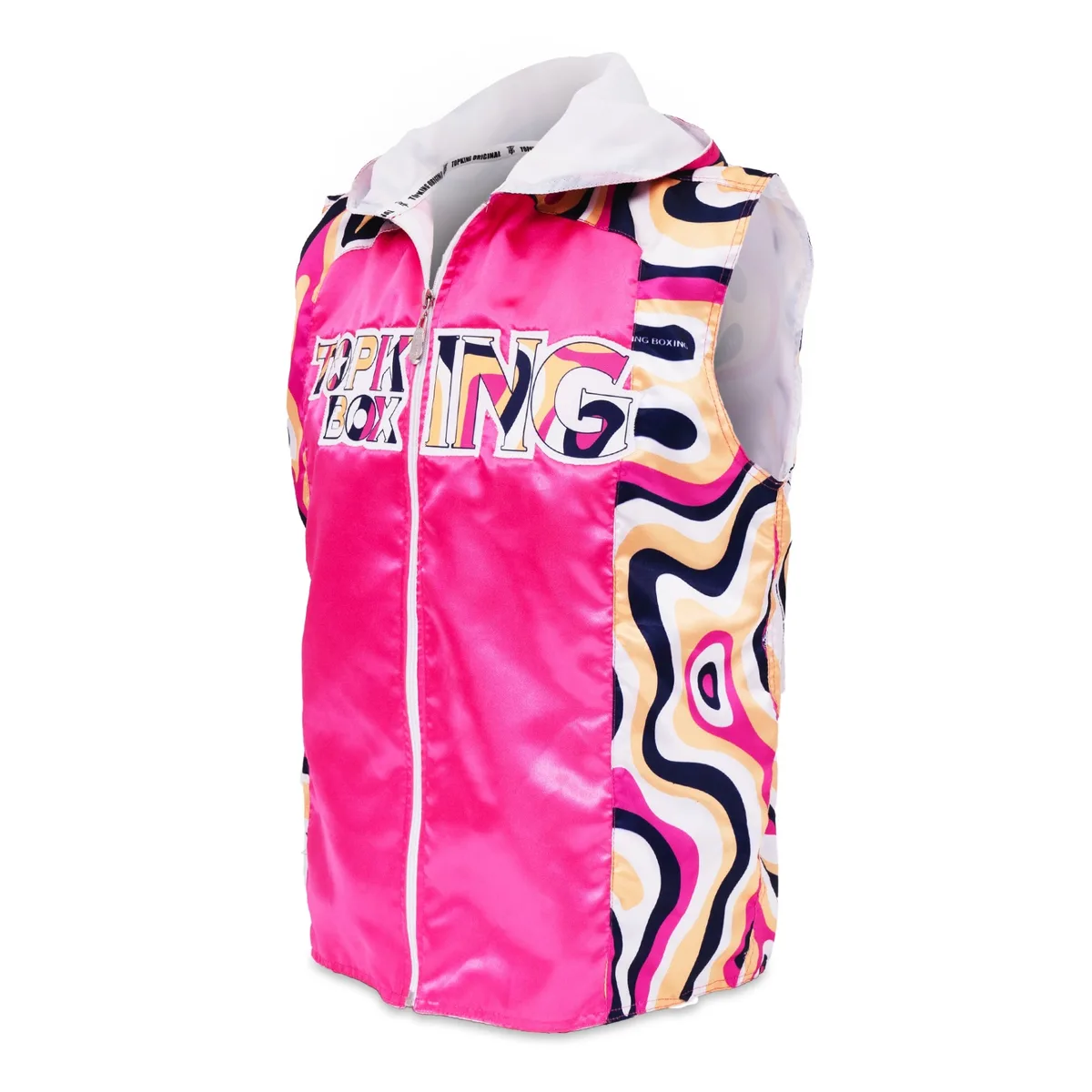 TOPKING LAVA PINK WALK-IN JACKET – 0.00 €
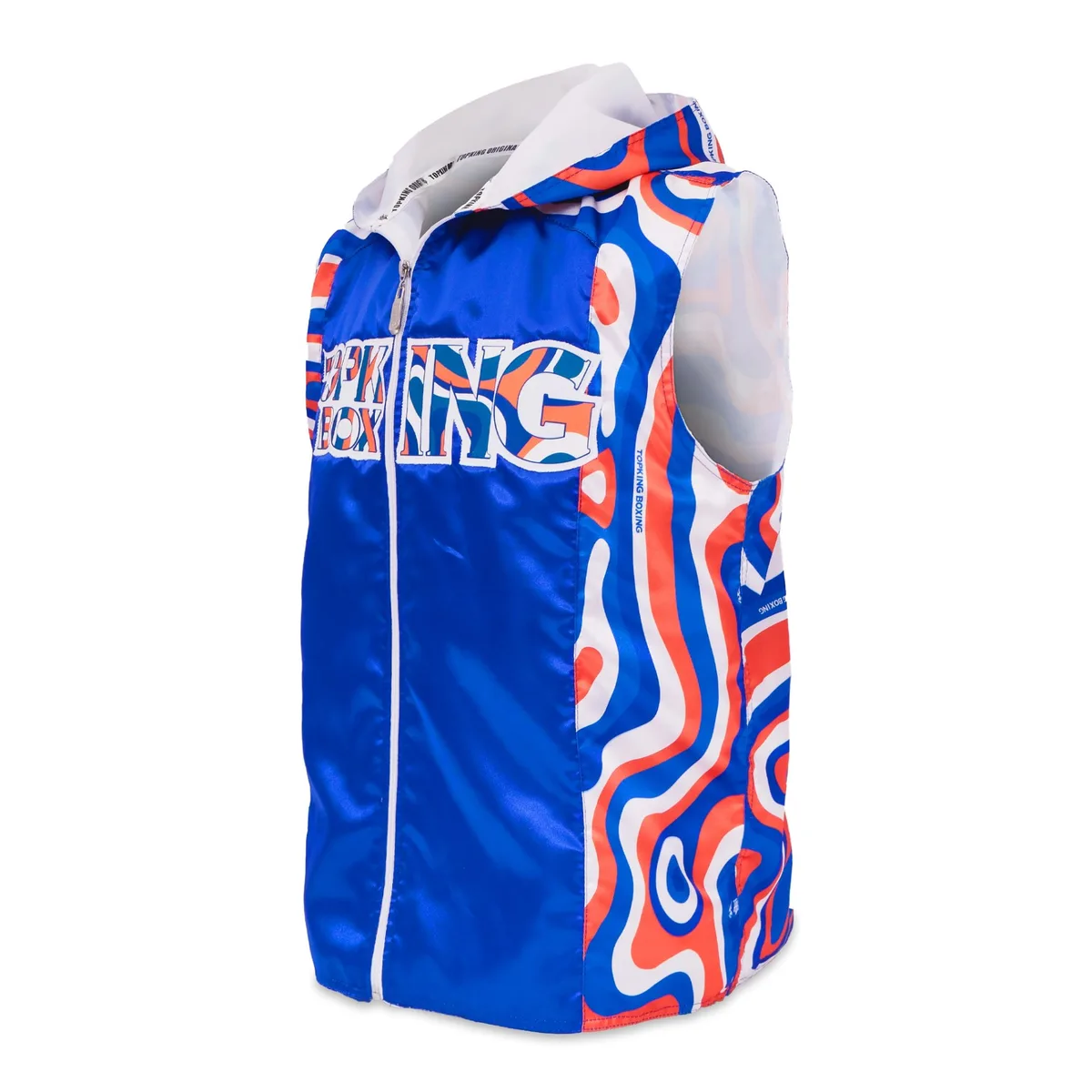 TOPKING LAVA BLUE WALK-IN JACKET – 0.00 €
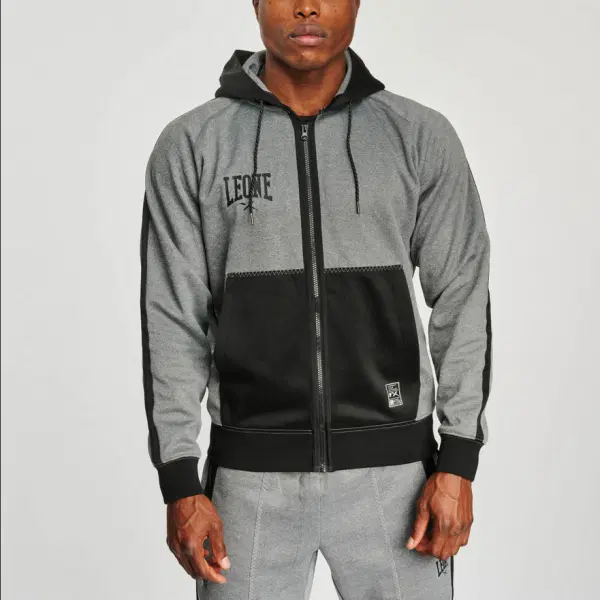 Leone 1947 Hooded Sweatshirt Melange - ABX611 – 59.82 €
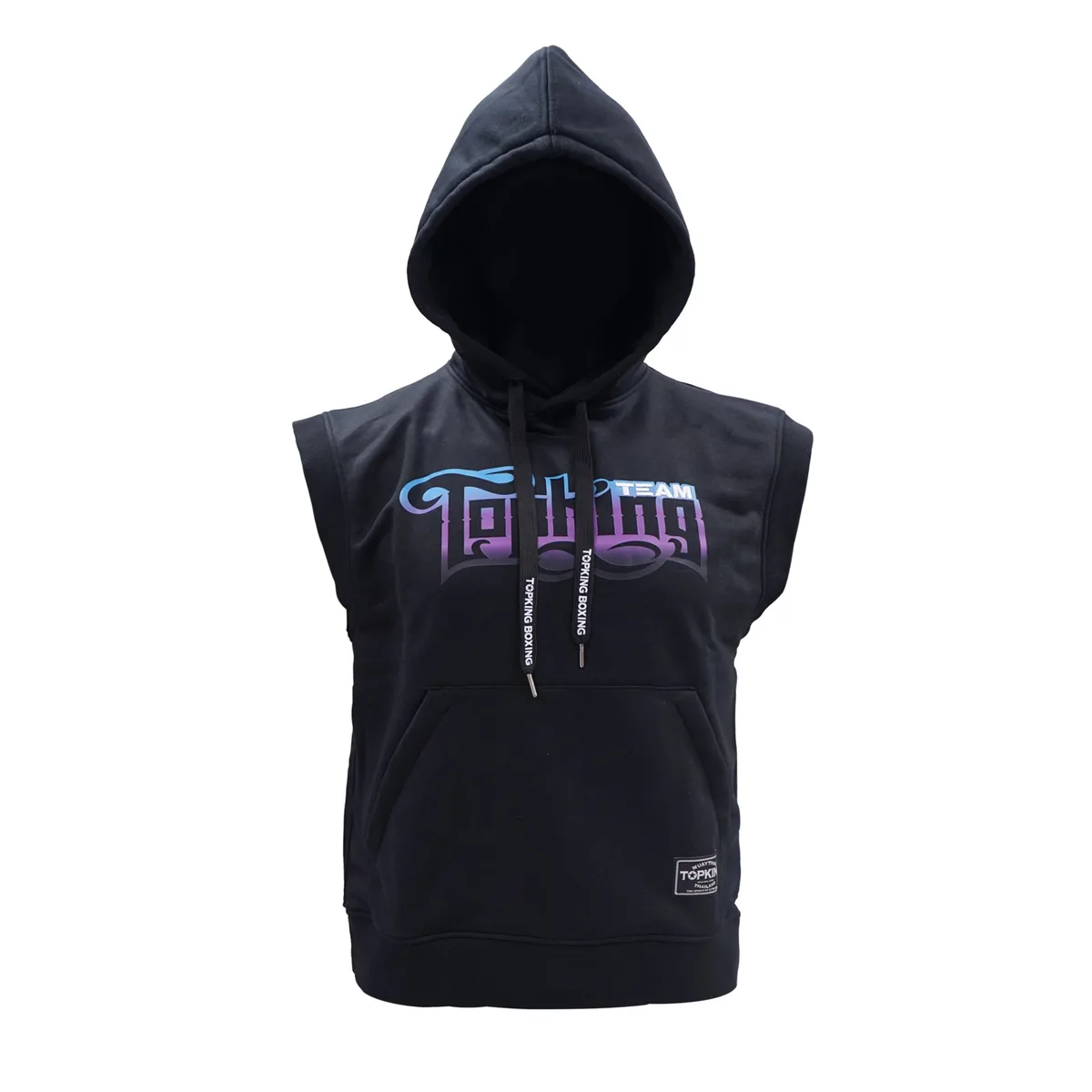 TOPKING SLEEVELESS HOODIE – 0.00 €
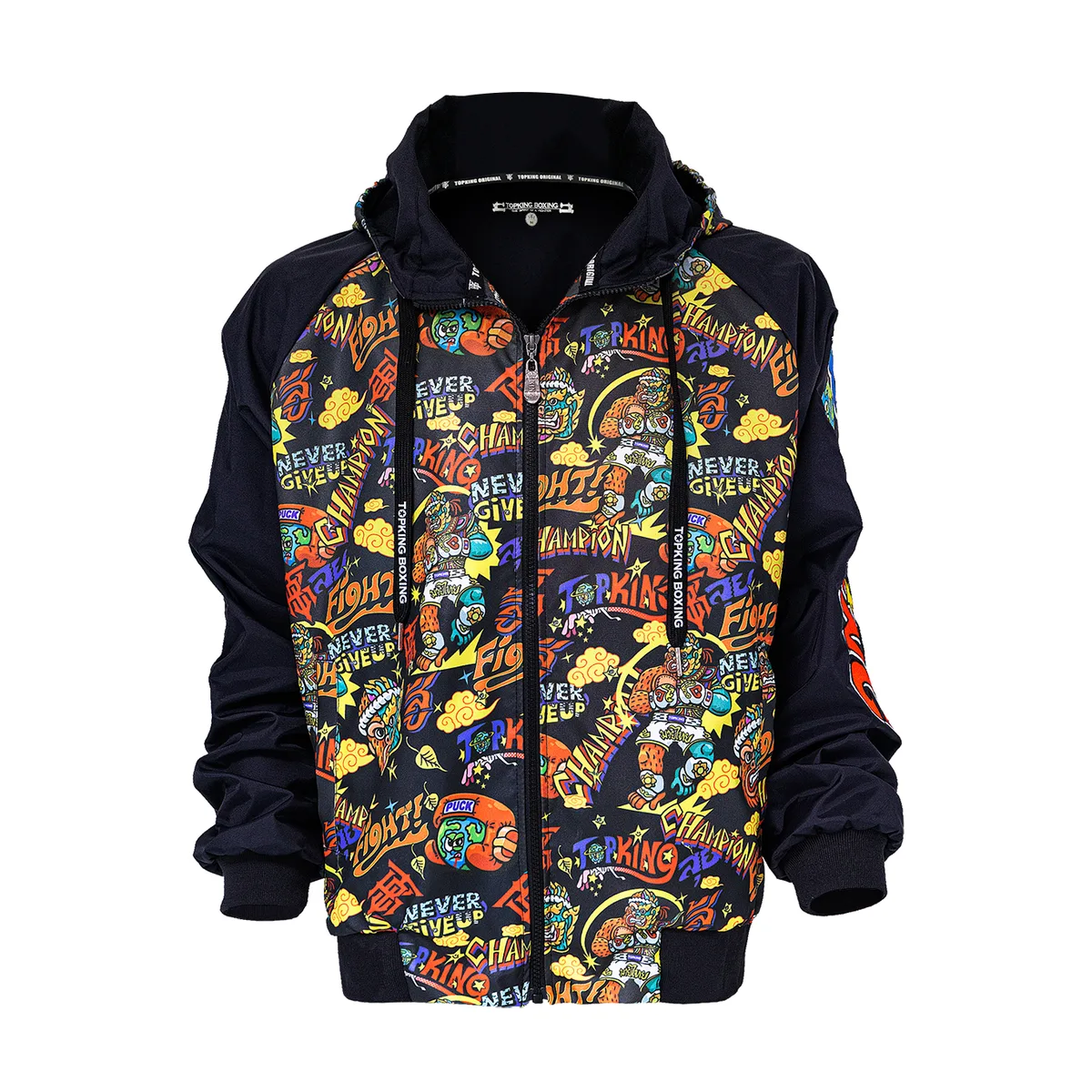 TOPKING X PUCK JACKETS – 0.00 €
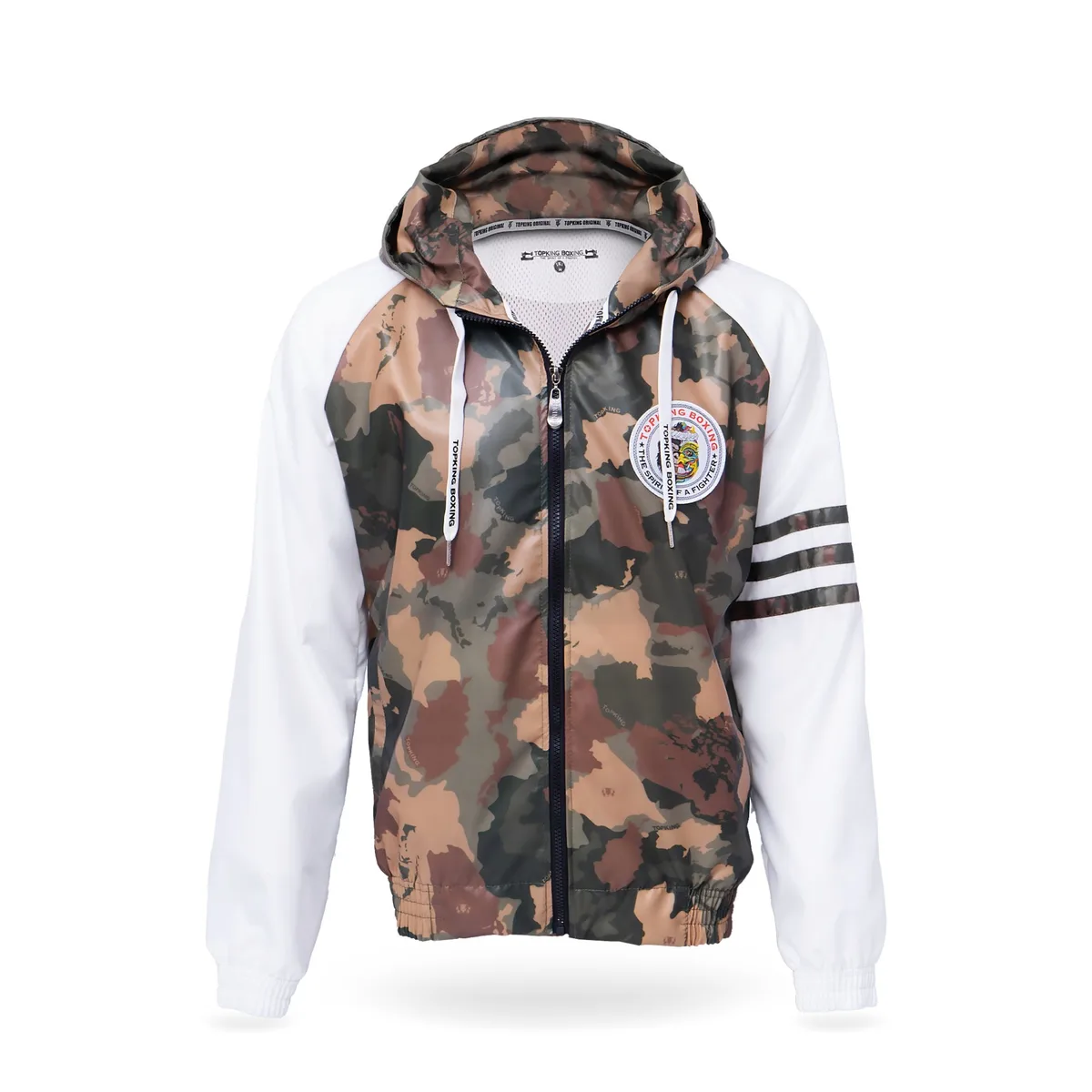 TOPKING GREEN CAMOUFLAG JACKET – 0.00 €
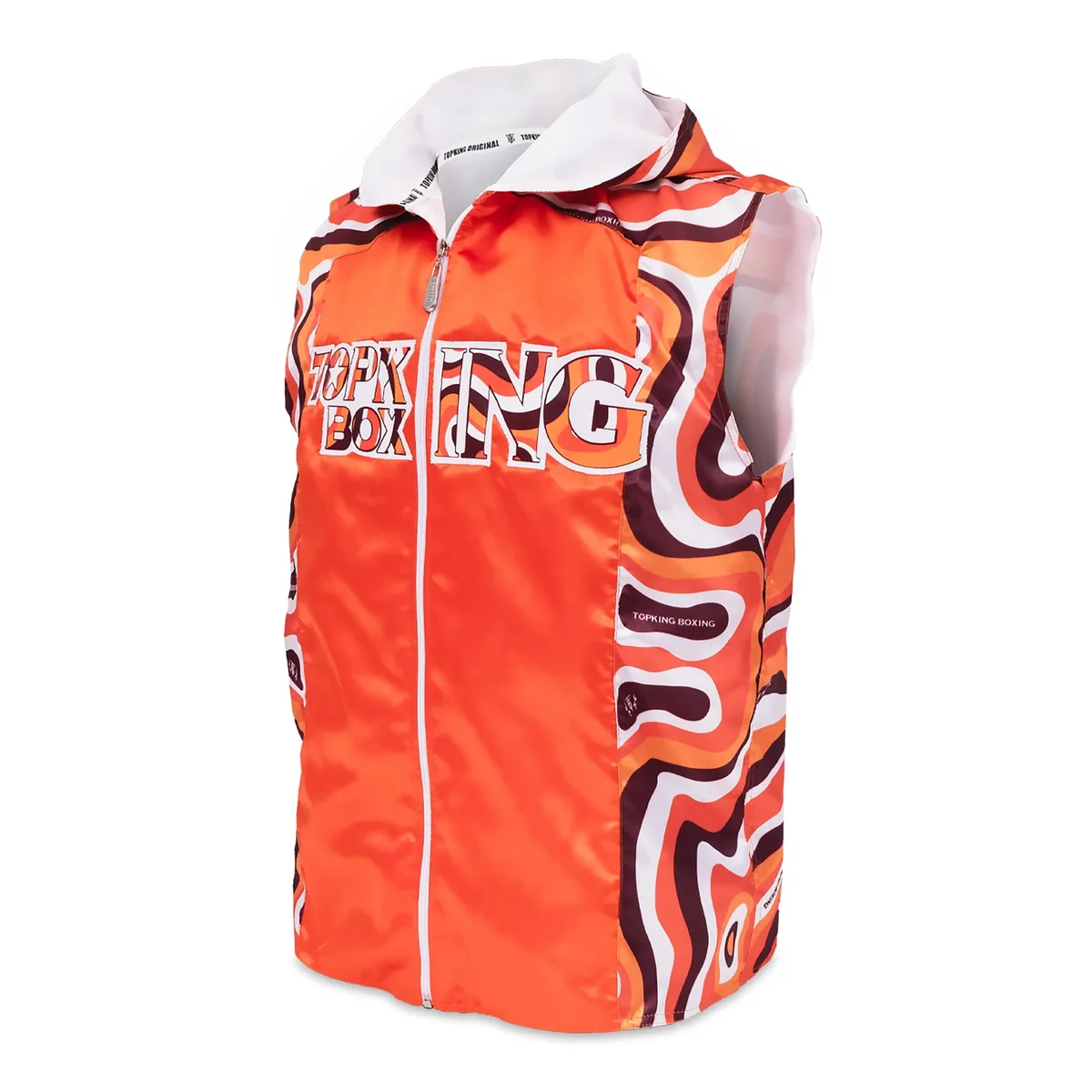 TOPKING LAVA ORANGE WALK-IN JACKET – 0.00 €
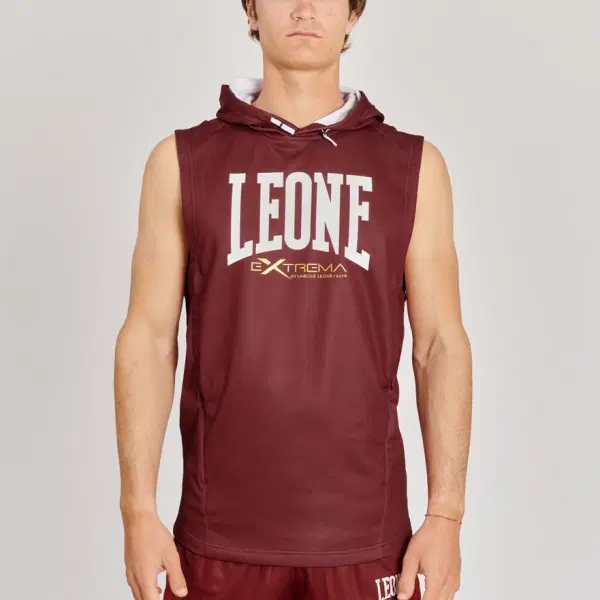 Leone 1947 LOGO hooded sleeveless sweatshirt - ABX110 - Bordeaux – 30.17 €
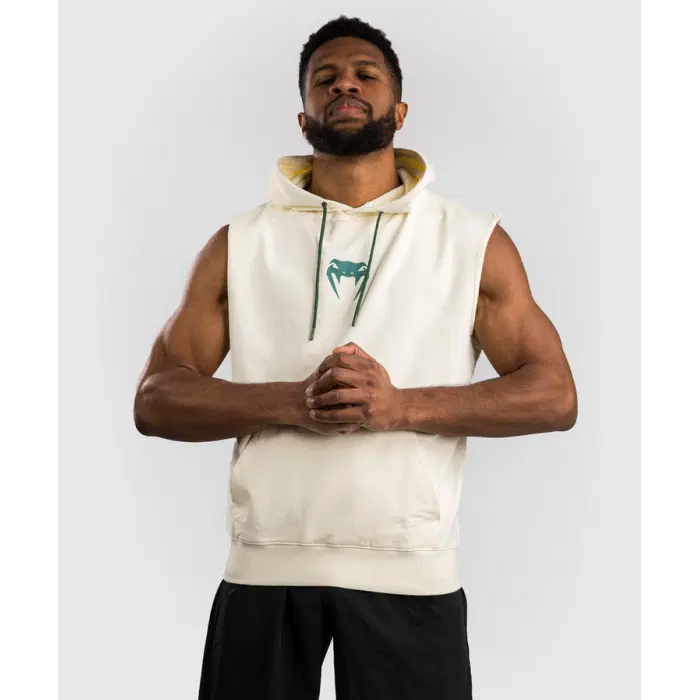 Суичър - Venum Sparring Sleeveless Hoodies - Vanilla – 41.93 €
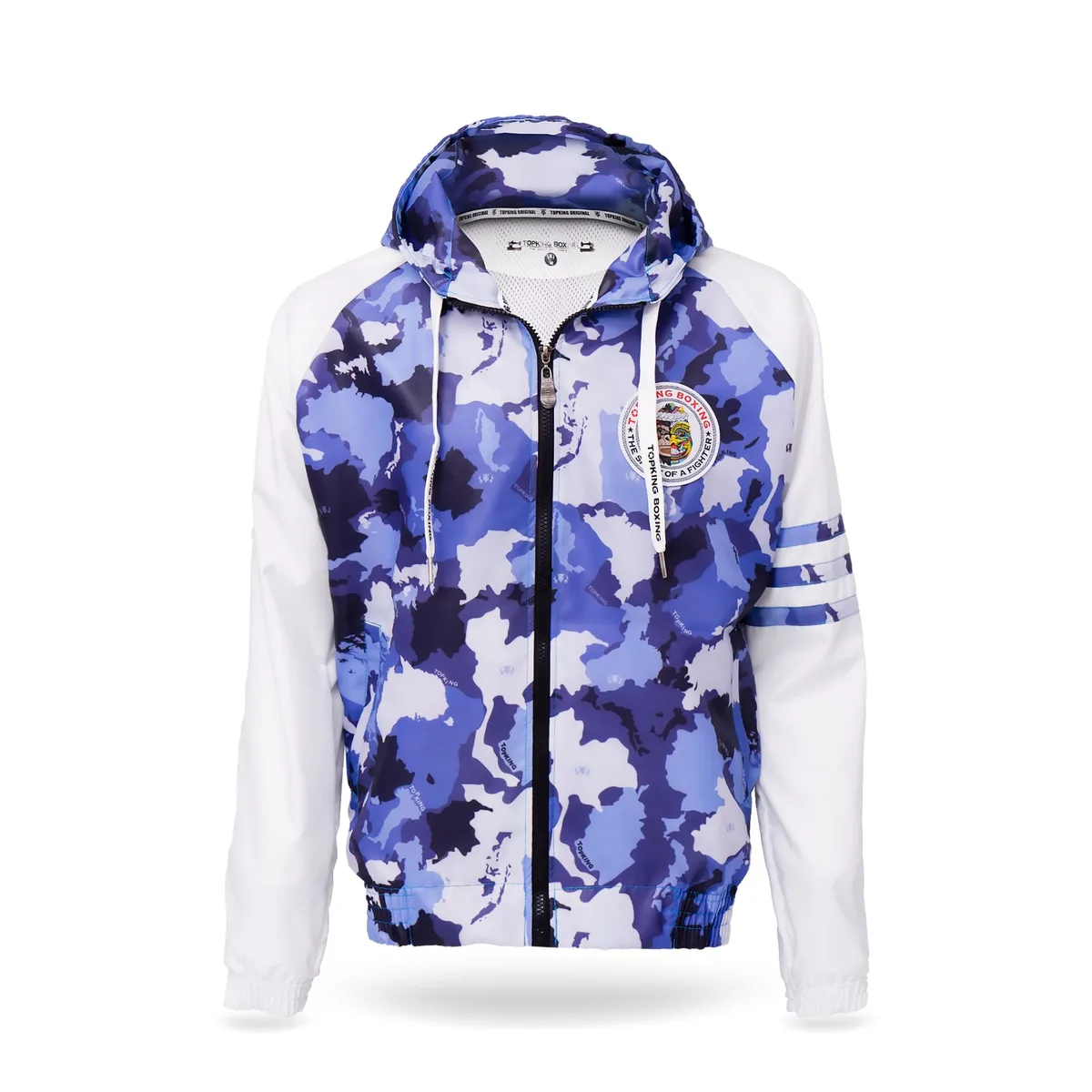 TOPKING BLUE CAMOUFLAG JACKET – 0.00 €
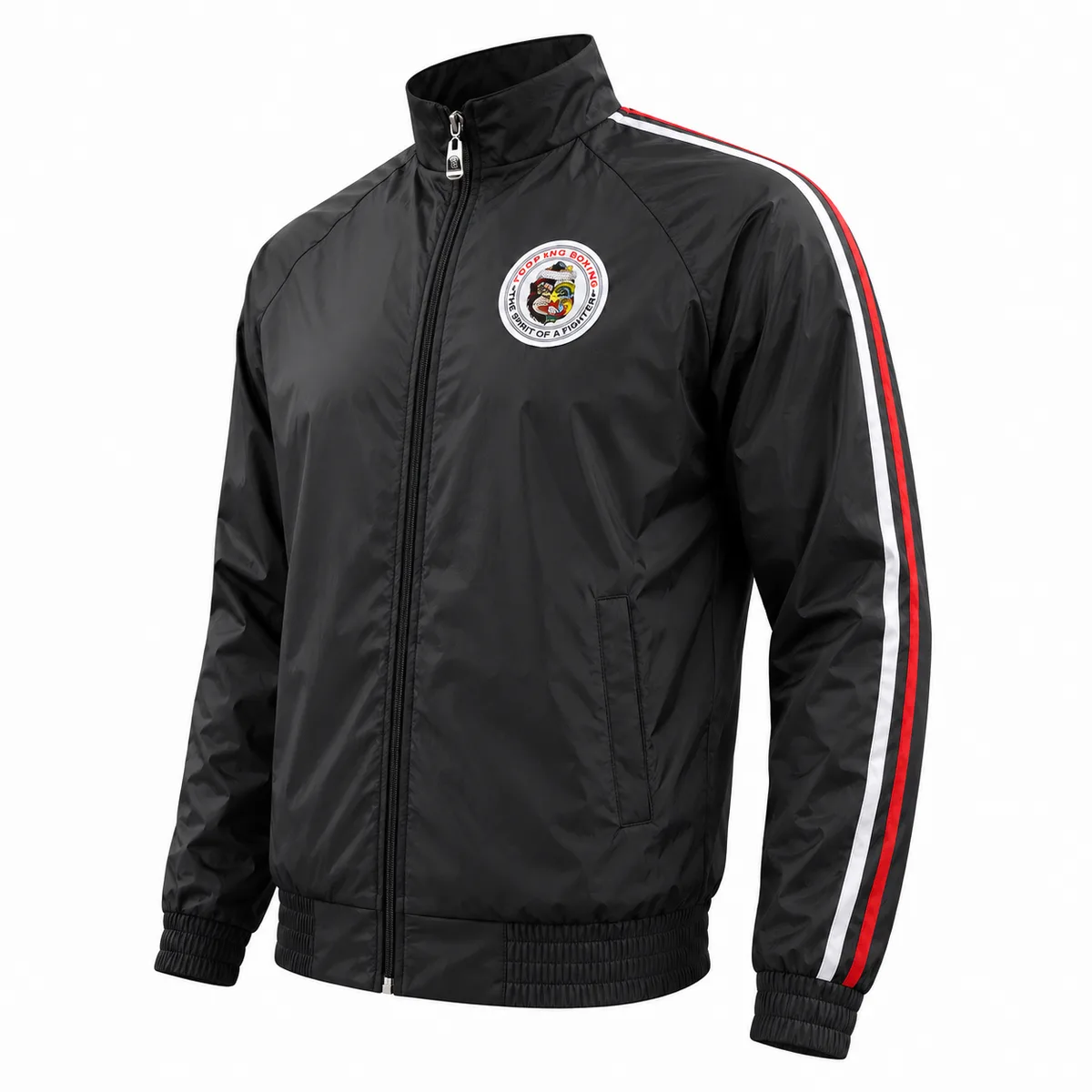 TOPKING TRACK JACKET – 0.00 €
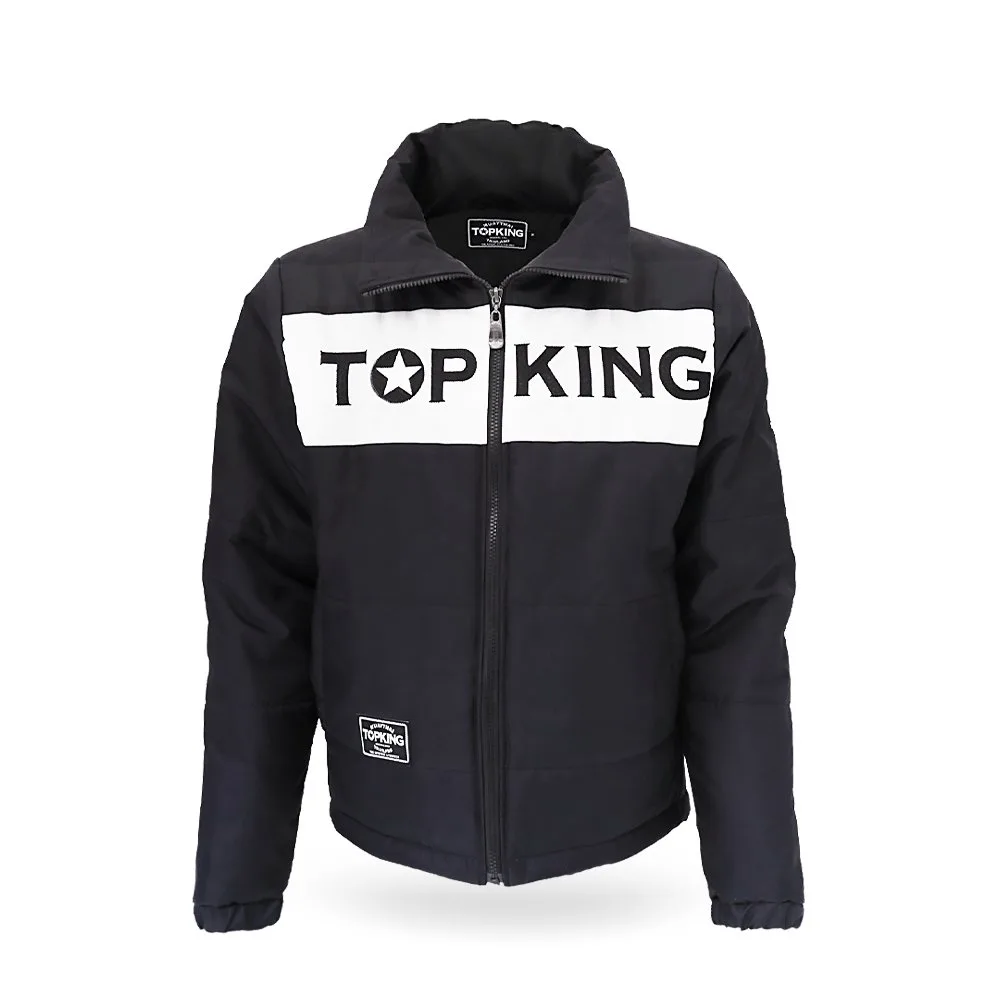 TOPKING SYNTHETIC PADDED JACKETS – 0.00 €
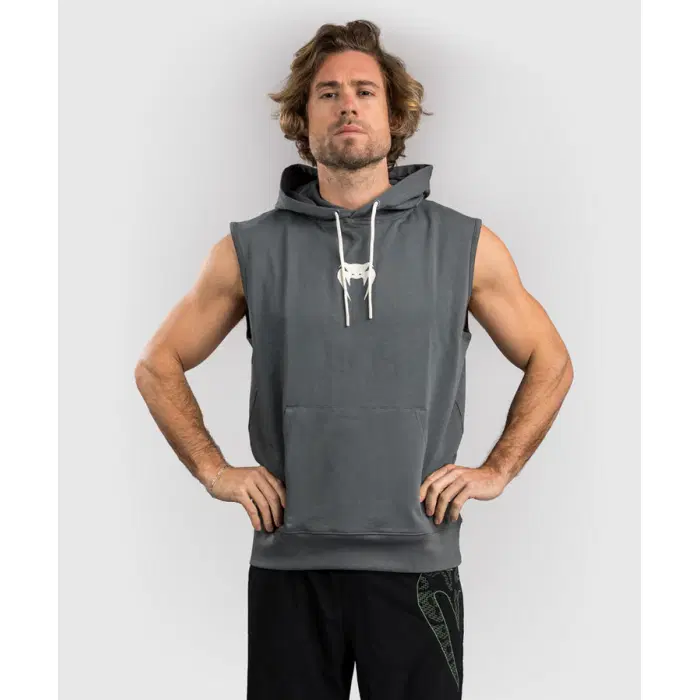 Суичър - Venum Sparring Sleeveless Hoodies - Storm Grey – 41.93 €
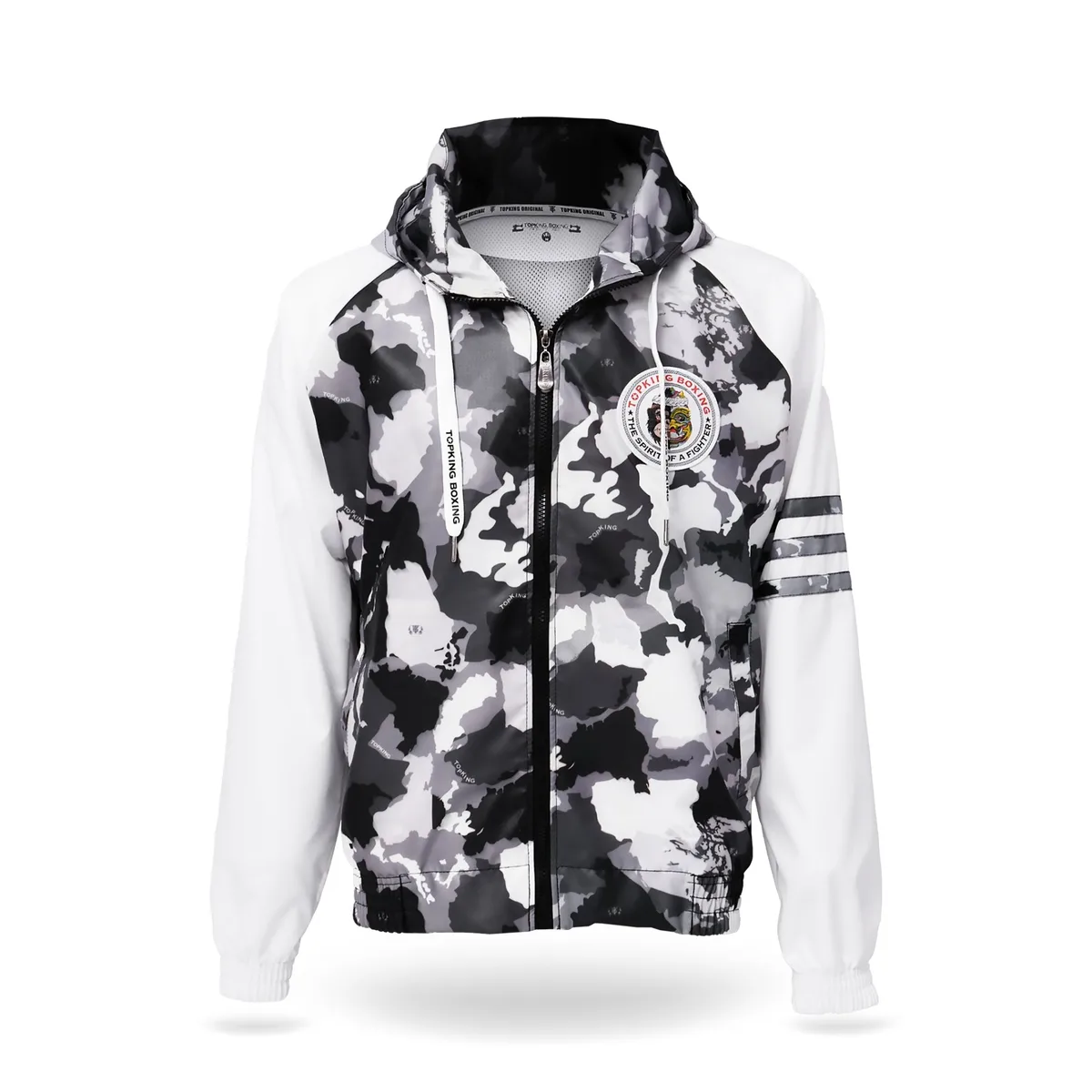 TOPKING GREY CAMOUFLAG JACKET – 0.00 €
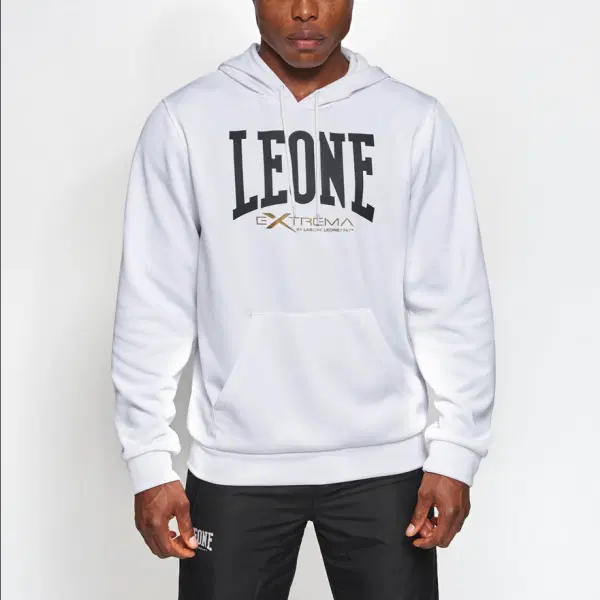 Leone 1947 LOGO hooded sweatshirt - White – 0.00 €
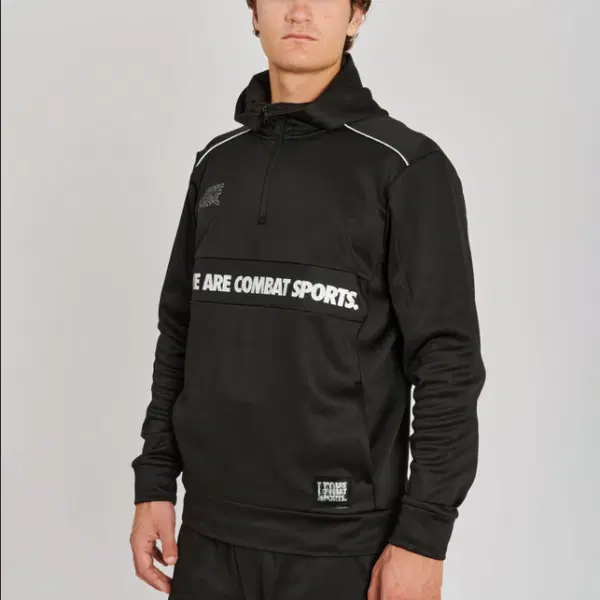 Leone 1947 OUTLINE hooded sweatshirt - Black - AB316 – 50.11 €
Over 60% of sports apparel used for outdoor training includes sweatshirts or long-sleeved tops. These items are fundamental for maintaining body temperature and comfort during physical activity. The correct choice is essential for training effectiveness and preventing overheating or frostbite.
Modern sweatshirts and long-sleeved tops are made from high-tech materials that provide optimal thermoregulation. For example, polyester blends with elastane offer excellent elasticity and moisture-wicking, while merino wool is preferred for colder conditions due to its natural insulating properties and antibacterial qualities. Fabric thickness, measured in grams per square meter (g/m²), ranges from 150 g/m² for lightweight training tops to over 300 g/m² for warm winter sweatshirts.
When choosing a sweatshirt or long-sleeved top, it is important to consider the intensity of the workout and the climatic conditions. For high-intensity activities such as running or cycling, items with high breathability and quick-drying properties are key. For more relaxed activities or warm-ups, thicker fabrics that retain heat may be preferred.
How to choose
- Material: Synthetic fibers (polyester, elastane) for moisture-wicking; natural fibers (merino wool, cotton) for comfort and insulation. Cotton is suitable for everyday wear but not for intense workouts due to moisture retention.
- Fit: Loose fit for maximum freedom of movement; tighter fit for reduced air resistance and better thermoregulation. Sizes S, M, L, XL should correspond to your personal measurements, such as chest circumference and sleeve length.
- Additional features: Zippers for ventilation, hoods for wind protection, reflective elements for visibility during night training.
- Seasonality: Light and breathable for spring/summer, thicker and insulating for autumn/winter.
Common mistakes
- Choosing the wrong size: Too tight clothing restricts movement, and too loose does not provide adequate thermoregulation.
- Underestimating the material: Using cotton sweatshirts for intense workouts leads to moisture retention and discomfort, which contradicts the principles of effective sports apparel, as described in the Journal of Sports Sciences.
- Disregarding the climate: Wearing too warm clothing in warm weather can lead to overheating, and too light in cold weather – to frostbite.
- Neglecting maintenance: Improper washing and drying can damage the functional properties of the fabrics. Always follow the instructions on the label.