Tatami Mats
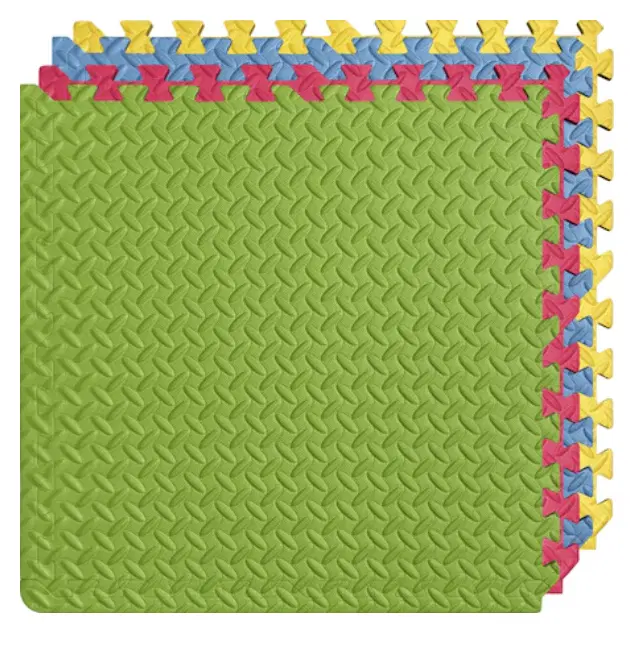
Over 80% of martial arts gyms in Bulgaria use tatami mats to ensure safety and comfort during training and competitions. Tatami, especially the EVA foam variants, has become a standard for sports such as judo, karate, taekwondo, and MMA. These modular mats, often called jigsaw mats, offer optimal shock absorption and prevent injuries, which is essential for intense physical exertion. The correct choice of tatami is key for long-term investment and the effectiveness of the training process.
When choosing tatami for martial arts, it is important to pay attention to thickness, density, and surface texture. Thickness usually varies between 2 cm and 4 cm, with thicker mats recommended for sports involving throws and falls. The density of the material, usually measured in kg/m³, determines resistance to deformation and durability. The texture, in turn, provides the necessary grip, preventing slipping without hindering movement. Quality EVA tatami guarantees a long life and maintains its properties even with daily use.
- SZ Sport – Home Fitness Flooring 60cm*60cm*1cm – 2.82 €
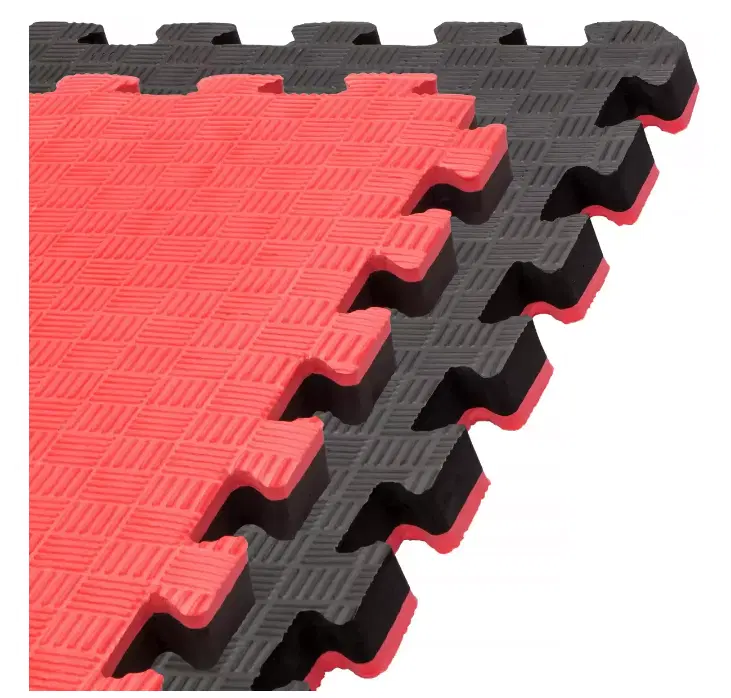 SZ Sport – Настилка за бойни спортове 100см*100см*3см черен/червен – 20.17 €
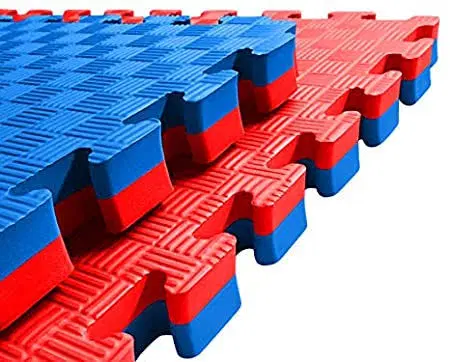 SZ Sport – Настилка за бойни спортове 100см*100см*2см син/червен – 14.78 €
- SZ Sport – Настилка за бойни спортове 100см*100см*4см син/червен – 26.88 €
- SZ Sport – Настилка за бойни спортове 100см*100см*3см син/червен – 20.17 €
- SZ Sport – Настилка за бойни спортове 100см*100см*2см черен/червен – 14.78 €
Choosing the right professional flooring is critical for any sports hall, especially when it comes to tatami. These specialized mats provide safety, comfort, and effectiveness during martial arts training. Different types of EVA tatami offer specific advantages depending on the needs of the sport and the intensity of use. The right decision will improve the training process and reduce the risk of injuries.
How to choose
- Thickness: For judo and aikido, where there are many throws, a tatami with a thickness of 3-4 cm is recommended. For karate and taekwondo, 2-2.5 cm is sufficient.
- Density: Choose tatami with a density above 90 kg/m³ for greater durability and better shock absorption.
- Material: EVA foam is the most popular choice due to its lightness, water resistance, and good cushioning properties.
- Texture: The surface should provide good grip, but not be too abrasive.
Common mistakes
- Choosing too thin tatami: This leads to insufficient protection during falls and increases the risk of injuries.
- Underestimating density: Low-quality tatami with low density deforms quickly and loses its cushioning properties.
- Improper cleaning: Using aggressive chemicals can damage the material and shorten the life of the mat.
- Neglecting certifications: Make sure the tatami meets safety standards, such as those of international martial arts federations, which is a practical observation for quality.
FAQ
What is the difference between EVA tatami and traditional tatami?
EVA tatami is made of ethylene-vinyl acetate foam, which makes it lighter, waterproof, and easy to maintain. Traditional tatami is filled with compressed rice straw and is heavier, harder to clean, and less resistant to moisture. EVA tatami is preferred for modern sports halls due to its practicality and cushioning properties.
How often should tatami be cleaned?
Tatami should be cleaned regularly, at least once a day or after each training session, especially in high-traffic gyms. Use a mild detergent and a damp cloth, avoiding aggressive chemicals that can damage the material. Deep cleaning can be done once a week to maintain hygiene and longevity of the mat.
Can tatami be used outdoors?
EVA tatami is moisture-resistant, but it is not recommended for permanent outdoor use. Direct sunlight and temperature changes can lead to fading, deformation, and shortening the life of the material. For temporary outdoor events, it is possible, but then it should be stored indoors in a dry place.
What thickness of tatami is suitable for children?
For children's martial arts training, a tatami with a thickness of 3 cm is recommended. This thickness provides sufficient softness and protection during falls, which is essential for the safety of young athletes. Thinner tatami may not provide adequate cushioning, while thicker may be unnecessary and more expensive.