Taurine
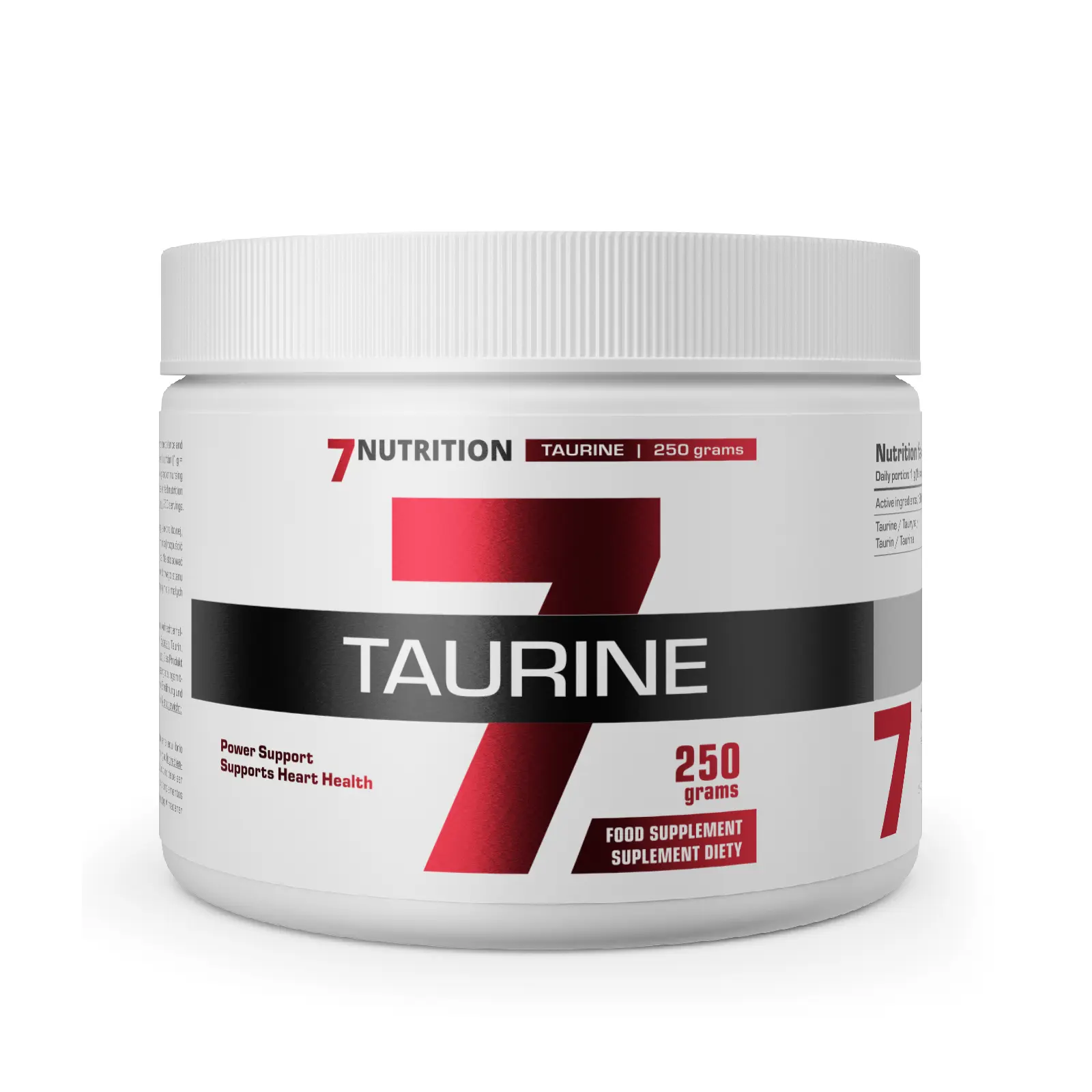
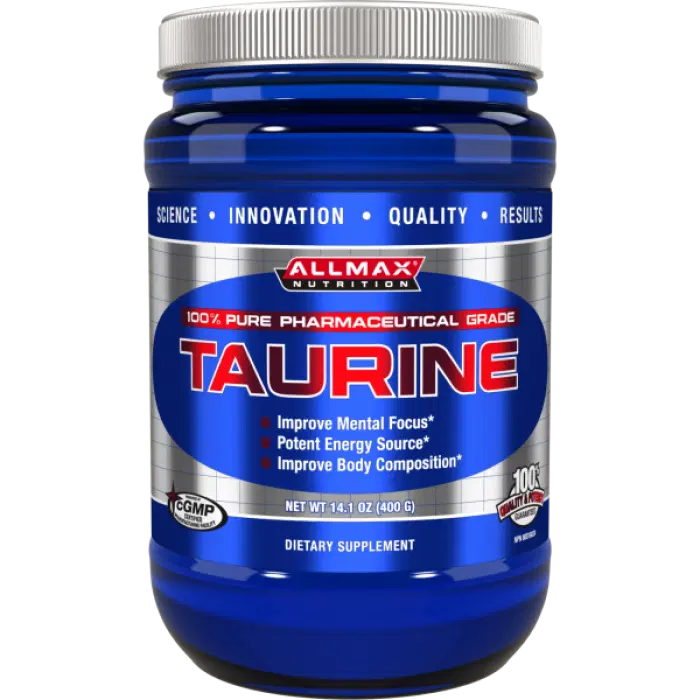 AllMax - Taurine / 400 gr. – 20.00 €
Taurine is the second most abundant amino acid in muscle tissue, after glutamine, reaching concentrations of 15-20 mmol/kg dry weight. This beta-amino acid, which is not incorporated into protein structures, plays a critical role in osmoregulation, antioxidant defense, and cell membrane stabilization. Its deficiency can lead to fatigue, muscle cramps, and impaired cognitive function. A daily intake of 1-3 grams is a common dose to support athletic performance and overall health. It can be found naturally in meat, fish, and dairy products, but for optimal results during intense training, supplementation is recommended.
Research shows that taurine improves endurance by increasing oxygen uptake and reducing lactic acid during exercise. My 15 years of experience as a sports nutritionist confirm that athletes who include taurine in their regimen often report faster recovery and less muscle soreness. It is particularly beneficial for strength training and high-intensity interval training (HIIT), where cellular stress is significant. Taking it before a workout (about 30-60 minutes) can optimize its effect.
How to choose
- Form: Most commonly available as pure powder or capsules. Powder is more economical and allows for more flexible dosing.
- Purity: Look for products with high purity, without unnecessary additives and fillers.
- Origin: Prefer established brands with good manufacturing practices.
- Dosage: Start with 1 gram daily and gradually increase to 3 grams if necessary, depending on training intensity and individual tolerance.
Common mistakes
- Overdosing: Although taurine is relatively safe, taking more than 6 grams daily without need can lead to gastrointestinal discomfort.
- Irregular intake: To reap maximum benefits, regular and consistent intake is important, not just on training days.
- Isolated intake: Although powerful on its own, taurine works synergistically with other amino acids and electrolytes. Do not view it as a panacea, but as part of a balanced supplementation strategy.
- Ignoring individual needs: Athletes with higher levels of physical activity or specific dietary restrictions may require higher doses.